
The question, in the buyer's words
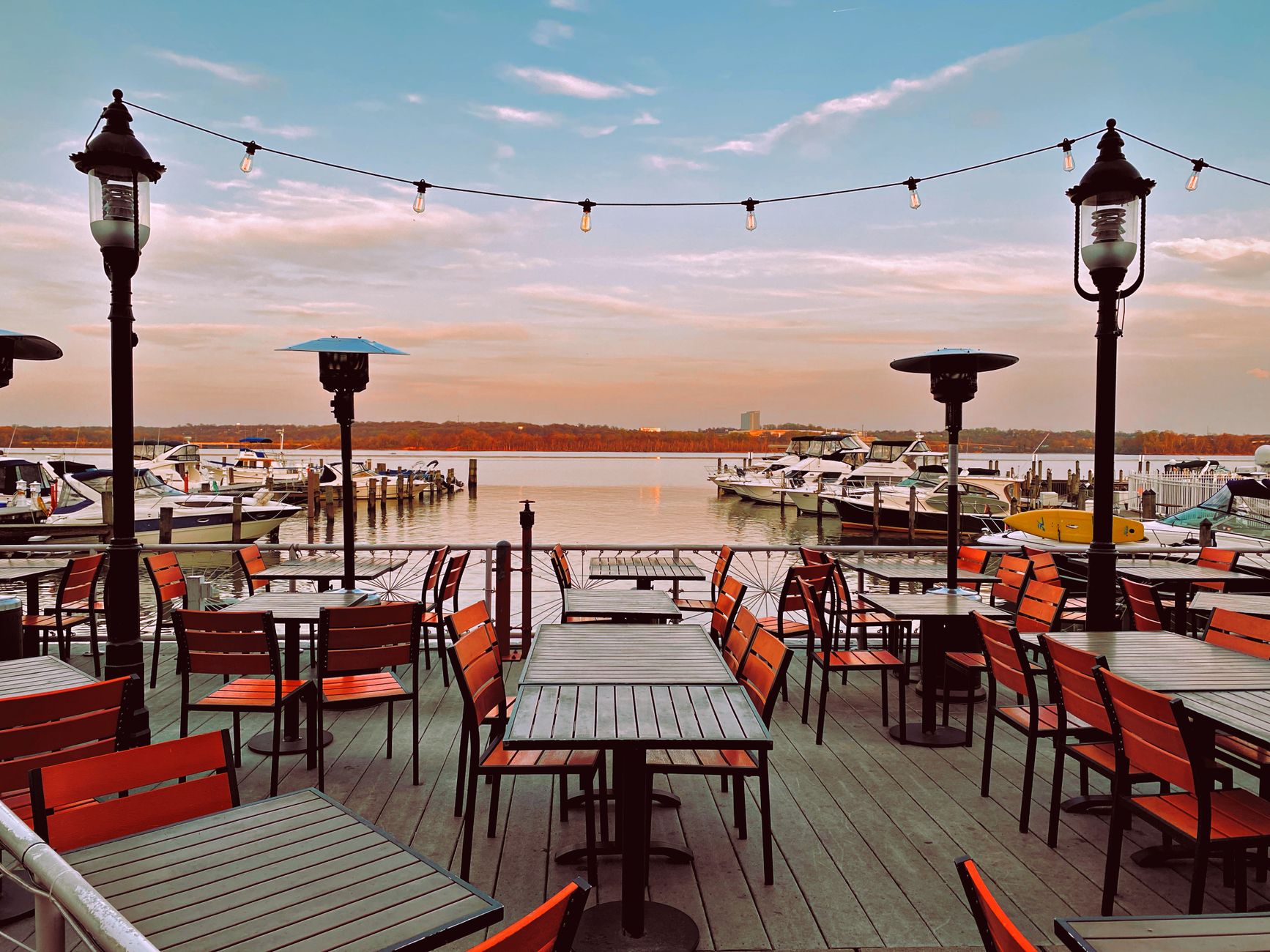
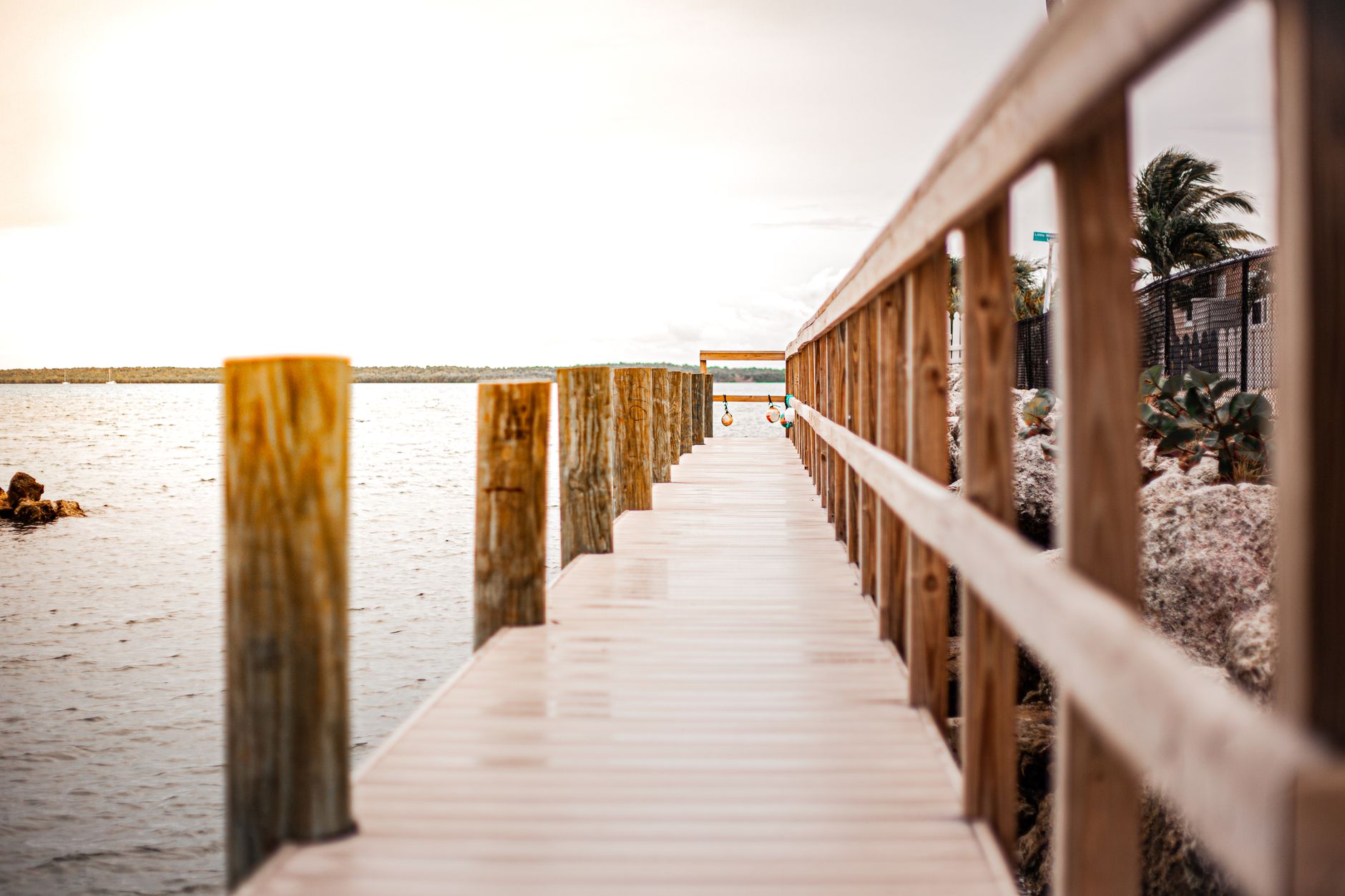
I run a 160-seat waterfront restaurant in Key West, Florida where runners carry food down a 300-foot dock to boat slips every evening; could a delivery robot take those orders down the dock safely, with guests on both sides?
Key takeaways
- A robot can cover the 300-foot dock run, but not the slip handoff or the guest at the rail.
- Dock width and guest traffic decide the route more than the robot model does.
- Time your own dock walk on a busy night before you compare any option.
- Pilot on the main walkway, and keep runners for the deck, the slips and anything that needs judgment.
How do delivery robots handle Key West dock restaurant orders?
A delivery robot is a wheeled unit that carries a tray or bin along a mapped route, stops for obstacles, and returns to a charging point. For Key West dock restaurant orders, the job is narrower than full table service: move a sealed order from the pass window down the dock to a numbered slip, then bring the empty container back. That fits the robot's strength, which is repeatable travel on a known path. It does not fit the parts of a runner's night that need judgment, such as reading a boat party's mood or handling a slip number that has changed.
The safety question comes first. A dock with guests on both sides is a public space, not a closed warehouse aisle. The unit has to stop, wait and route around a person who walks into its lane, and it has to do that when a tray is loaded and the crowd is at its thickest. Ask any vendor to show that behavior on your own dock, not only in a demo room, and ask what the unit does if it loses its mapped route near the water.
How long does the dock walk take at the busiest hour?
Your runners cover 300 feet each way on the dock, and at the busiest hour that walk is the bottleneck. Every trip is also a trip back, so one runner can carry only as many orders as the walk allows. The lost time is not only walking. It includes waiting at the pass, finding the right slip and waiting for the guest to settle the check. A robot takes the walking out of the runner's hands but not the waiting, so the gain depends on how much of each trip is walking.
Do not rely on a generic hour figure for your dock. Time the real walk on a busy night, count trips per runner, and log where the delay sits. You need your own numbers before you can judge any robot, and the table below lists the parts to measure.
| Task | Today | With a robot |
|---|---|---|
| Walk the 300-foot dock, one way | 300 feet each way, timed by your runners on a busy night | Unit travel on the same route, timed during your pilot |
| Wait at the pass for a sealed order | Time logged by your managers during peak service | Staff still load the unit, so this wait stays |
| Find the right numbered slip | Depends on slip map knowledge and guest questions | Needs a clear slip number at the dock edge and a human check |
| Return the empty container | Round trip on the same route as the walk out | Unit returns to its charging point, and staff clear the tray |
No published hour figures exist for this dock. The 300 feet is your own number. Measure each row on a busy night before comparing.
Can a robot route work with guests on both sides?
Guests on both sides of a dock mean the robot's lane needs real clear width along the whole route, not just a mapped path. The unit needs room to pass a standing guest, a child or someone carrying a drink, and the lane cannot sit where guests stop for photos or wait for boat staff. Ask for the body width of the unit plus the stop distance it needs, then compare that figure with your narrowest section.
Routing also depends on where the slips sit. Where a slip is at the end of a finger pier, the last leg may leave the mapped walkway, and that is where a person usually has to take over. Plan a handoff point at the dock edge and build the service around it, instead of asking the unit to reach a boat or cross a wet surface it was not designed for.
What Key West conditions change a dock robot plan?
Key West is warm most of the year. According to the National Weather Service Key West 1991 to 2020 seasonal normals, the June through August average high is about 90.9°F and the average low about 79.2°F. The December through February average high is about 77.3°F and the average low about 66.1°F. Heat, salt air and humidity along a waterfront dock all add stress to sensors, wheels and charging, so ask for the operating range in writing and test during the hottest months, not only in winter.
Hurricane season changes the plan too. According to Visit Florida Keys, the season runs June 1 to November 30, and the highest storm potential is traditionally from August 15 to October 15. Your plan needs a stow and shutdown procedure for the unit, a clear route back to its charging spot, and a manual method for running the dock when a storm closes it.
Visitor mix also shifts the workload. The Monroe County Tourist Development Council visitor profile for the second half of 2025 reported that the U.S.-origin share of Key West visitors fell to 71.7% from 86.7% a year earlier, and average stay dropped to 3.5 nights from 5.2. Shorter stays mean more guests who do not know the dock layout, so clear signage and a visible route help more here than they would in a venue with repeat guests.
How do labor and turnover change the runner math?
According to an Albany CEO summary of BLS JOLTS data, accommodation and food services had the highest quits rate of any industry in 2025, about 4.2 percent against 2.0 percent for all industries. The total separations rate in the same summary was about 5.5 percent. For a dock operation, that means the runner position is one you refill often, and each new hire needs weeks to learn the dock, the slip numbers and the guest flow.
A robot does not quit, but it also does not handle a missed slip number or a guest who wants a change to the order. According to NRA state-by-state data as cited in a restaurant technology blog, the U.S. has well over 700,000 restaurants of all types, so a dock runner playbook is a niche case and you should test it on your own site rather than copy a national average. Treat the unit as a way to cut runner trips at peak, not a full replacement for the crew. Keep the people who know the regulars, the slip map and the closing routine, and let the unit carry the repeatable runs.
- Peak dock walk
Delivery Robot
Repeats the same route at the same pace, with no fatigue over 300 feet
Staff
Adjusts pace, carries more than one order, and finds a way around a blocked lane
- Guest interaction
Delivery Robot
Can announce its path, but cannot answer questions or read a mood
Staff
Answers questions, gives directions and handles a complaint at the rail
- Slip handoff
Delivery Robot
Needs a fixed handoff point and cannot reach a boat deck
Staff
Steps onto a finger pier, identifies the right boat and confirms the order
- Changes on the fly
Delivery Robot
Follows its mapped route, stops for blocks and waits for the path to clear
Staff
Reroutes around a spill, a wet deck or a lost guest as it happens
- Heat, salt air and storms
Delivery Robot
Needs written operating limits and a stow procedure before a storm
Staff
Works through heat with breaks and can leave the dock under a storm plan
- Hiring and training
Delivery Robot
No hiring, but staff must learn to load it and run the handoff
Staff
Hiring and turnover are constant, and training takes weeks
What safety rules apply to a delivery robot on a public dock?
Injury exposure is part of the picture. According to the BLS private-industry table on injuries and illnesses, accommodation and food services recorded 2.6 recordable nonfatal injuries and illnesses per 100 full-time workers, against 1.9 for other services. A crew hurrying down a wet dock carries that exposure, so any change that cuts rushed trips deserves a close look, provided the change does not add new hazards on the walkway.
The main robot design standard is ANSI/A3 R15.08, written for industrial mobile robots. Part 1, published in 2020, sets design requirements, and the Robotic Industries Association noted that public and non-industrial settings such as retail may need further work. A restaurant dock is a public, non-industrial setting, so the standard is a starting point, not proof that a unit is safe next to guests.
The series was completed with ANSI/A3 R15.08-3-2026, which covers user responsibilities in the workplace. That part concerns the business that operates the robot, so it applies to you. Ask the vendor for written test results on guest crowd stops, and write your own rules for handoffs and for what staff do when a unit stops in the walkway. Confirm with your insurer and any local safety reviewer before the pilot goes live.
What should you check before committing to a pilot?
A pilot should answer specific questions before any lease decision. Measure the dock first, then run a busy-night test with your staff and a clear target, such as fewer runner trips per peak hour or faster delivery to the slips. Keep runners on the deck and at the slips, and treat the unit as an extra pair of hands on the main walkway.
Run the pilot across at least one full busy period, and compare the same measures with and without the unit, so the result does not rest on one good night. If the walk time gain is small, or if the handoffs keep stalling, that is a real answer, and the runner plan may be the better fit for your dock.
How does a lease and deployment work with us?
A restaurant delivery robot lease with us starts with a free site assessment. We map the dock, measure the clear lane, time the walk with your managers and talk through guest flow at the busiest hour. You then receive a quote for a lease through financing, which covers the unit, deployment and integration with your order flow, staff training, and service under our service plan, backed by regional service engineers. The payment is set in that quote, after we have seen your dock.
We are OEM-neutral, so we choose the unit that fits your dock width and route rather than a single manufacturer's line. If the dock does not pass the test, we tell you so and help you keep the runner plan. A single pilot unit on the main walkway lets you learn what the robot does on your floor before you commit more.
Frequently asked questions
Upcoming hotels & hospitality events
- MeetupMPI Virginia Morning Brew Meet-Up, November 2026Nov 10, 2026Hampton, VA
- SummitVA1 Governor's Tourism Summit 2026Nov 18 to 20, 2026Kalahari Resorts & Conventions, Spotsylvania, VA
- ConferenceVirginia Association of Fairs ConventionJan 14 to 17, 2027Williamsburg Lodge, Autograph Collection, Williamsburg, VA
- ConferenceIHLA Convention and Exposition, 2027Feb 8 to 10, 2027Indianapolis, IN
Put a robot to work in Key West.
We walk your site, learn the job, and recommend the unit that fits. Then we quote the lease, deploy it, and keep it serviced.
Sources
- Visit Florida Keys: hurricane information
- National Weather Service Key West 1991-2020 seasonal normals
- Rockport Analytics Key West Visitor Profile, second half 2025 (Monroe County Tourist Development Council)
- Albany CEO summary of BLS JOLTS data, 2025
- BLS nonfatal work injuries and illnesses by industry
- Toast blog citing NRA state-by-state restaurant data
- Robotic Industries Association via Automate: ANSI/A3 R15.08 Part 1
- Robotics 24/7: A3 announces ANSI/A3 R15.08-3 user safety standard