Industrial arms & cobots
Put a robot arm on the line. We run it.
Palletizing, machine tending, welding, assembly - one partner instead of an OEM, an integrator, and a repair shop you have to chase.
- All 50
- US states served
- 85+
- metros, closest-hub dispatch
- <10 min
- 24/7 tech support
- 24/7
- emergency response
What it is
A robot arm is a fixed, multi-axis machine that manipulates parts; a cobot is an arm built to work safely beside people, without a cage. We select the right one for the job, design and integrate the cell, finance it, install and program it, train your team, and service it nationwide.
We deploy several brands, from compact collaborative arms to heavy-duty industrial cells, so the recommendation fits your task, not our catalog.
See it running on your floor.
We scope the work on a site assessment and prove the cell on your operation before you commit.
Inside the operation
One cell cycle, part to part.
Palletizing, tending, welding, or assembly: the loop is the same. Here is where the arm takes it.
Field notes
1.9M
US manufacturing jobs projected unfilled by 2033.
Deloitte & The Manufacturing Institute, 2024
18.9%
Annual cobot market growth through 2030.
MarketsandMarkets, 2026
$5.7B
The cobot market by 2031, roughly triple today.
Mordor Intelligence, 2026
The choices that matter
Cobot, fenced cell, or a pre-built package.
Cobot or fenced cell: the one real fork
A cobot is a force-limited collaborative arm that shares the floor with your team, no cage: lighter payloads, fast to redeploy on a new task. A standard industrial arm runs heavier, faster, and further, and trades that for a fenced cell and a fixed footprint. Which one fits depends on the task, and we tell you which on a site assessment.
Pre-built application cells
Palletizing, welding, tending, and screwdriving cells engineered as a package: arm, tooling, safety, and software dropped in as one piece of equipment. Where the job matches a proven cell, the package beats a from-scratch build on time and risk.
Modeled before anything ships
We simulate the cell against your actual floor plan and equipment first: payload, reach, cycle time, footprint. Scope is set up front, not discovered after install. It is the single step that separates a working cell from an expensive surprise.
On your floor
What they do on your floor.
Palletizing
Stacking cases and totes onto pallets at the end of a line, shift after shift.
Machine tending
Loading and unloading CNC machines, presses, and injection-molding cells.
Welding
Consistent weld paths on repeatable parts, freeing certified welders for harder work.
Assembly & screwdriving
Repetitive fastening and sub-assembly tasks at a fixed cycle time.
Pick-and-place & packaging
Moving parts between stations and packing finished goods.
Quality inspection
Camera-equipped arms checking parts against spec at line speed.
What the OEM does not do
Five things an integrator carries that a bare OEM does not.
Buying the robot is the easy part. This is the rest of the job.
Selected, neutrally
We walk your floor and pick the arm, cobot or fenced cell, that fits the task, not our catalog. Several brands, one honest recommendation.
Modeled first
The cell is simulated against your real floor plan and machines before anything ships, so reach, cycle time, and footprint are confirmed up front.
Integrated
Tooling, safety sign-off, and the connection to your line and systems, built into the install rather than left as your project.
Financed to fit
Buy, lease, or a monthly plan, structured to how the cell pays for itself. The real numbers laid out so the decision is yours.
Serviced nationwide
We install, program, commission, and train your operators, then carry the repairs through a US service-engineer network in all 50 states.
All five, carried for you.
Tell us the floor and the job. We answer with the unit, the math, and the plan.
Get a quoteTwo ways to buy
An integrator, or direct from the OEM.
A comparison of the two purchasing models, not a knock on any one maker. Many OEMs partner with integrators precisely to close this gap.
Robots on this operation
The machine behind the cell.
Who it's for
- Manufacturers automating end-of-line packing or assembly and machine tending.
- Fabrication and welding shops short on certified labor.
- Machine shops with idle CNC time between operator shifts.
- Packaging and end-of-line operations fighting throughput and turnover.
Support & service
Service nationwide.
- 24-hour nationwide on-site dispatch.
- 10-minute remote triage during business hours.
Proof
Deployments we can point to.
From our blog
Reading for the decision you are making.
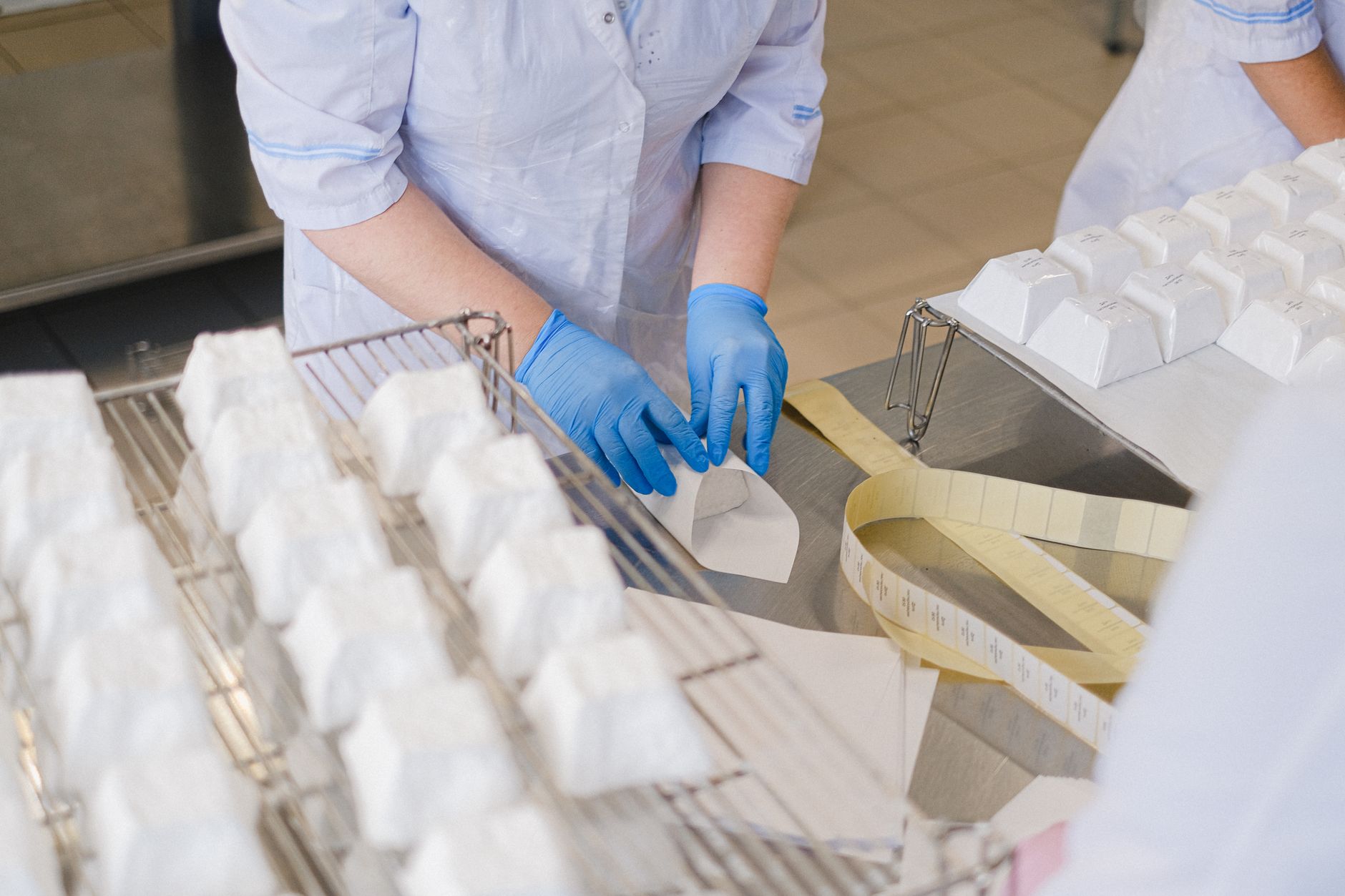 Use casesCobots for Cheese Packing and Pallet PreparationLearn how cobots move wrapped cheese blocks through inspection, case packing, and pallet prep while managing cold, condensation, hygiene, and changeovers.
 Costs & ROIHow Many Productive Hours Make a Cobot Cell Pay?Calculate the productive hours a cobot cell needs for target payback, including changeovers, labor attendance, downtime, scrap, and redeployment.
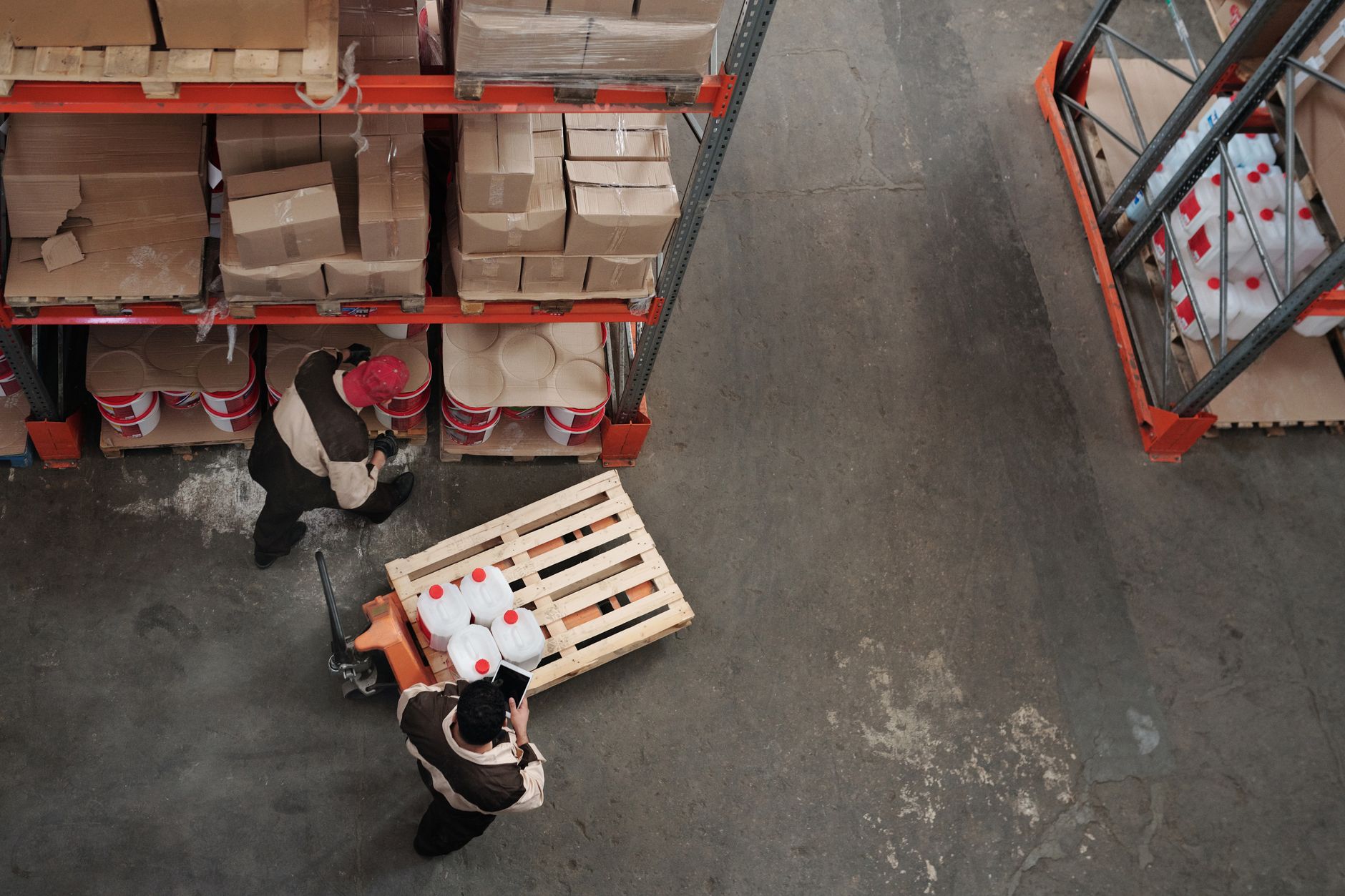 Trends & dataWhat 2024 Injury Data Says About Your First Robot JobUse 2024 BLS injury data to rank floor care, material transport, and cobot projects by exposure removed, operational fit, and measurable safety value.
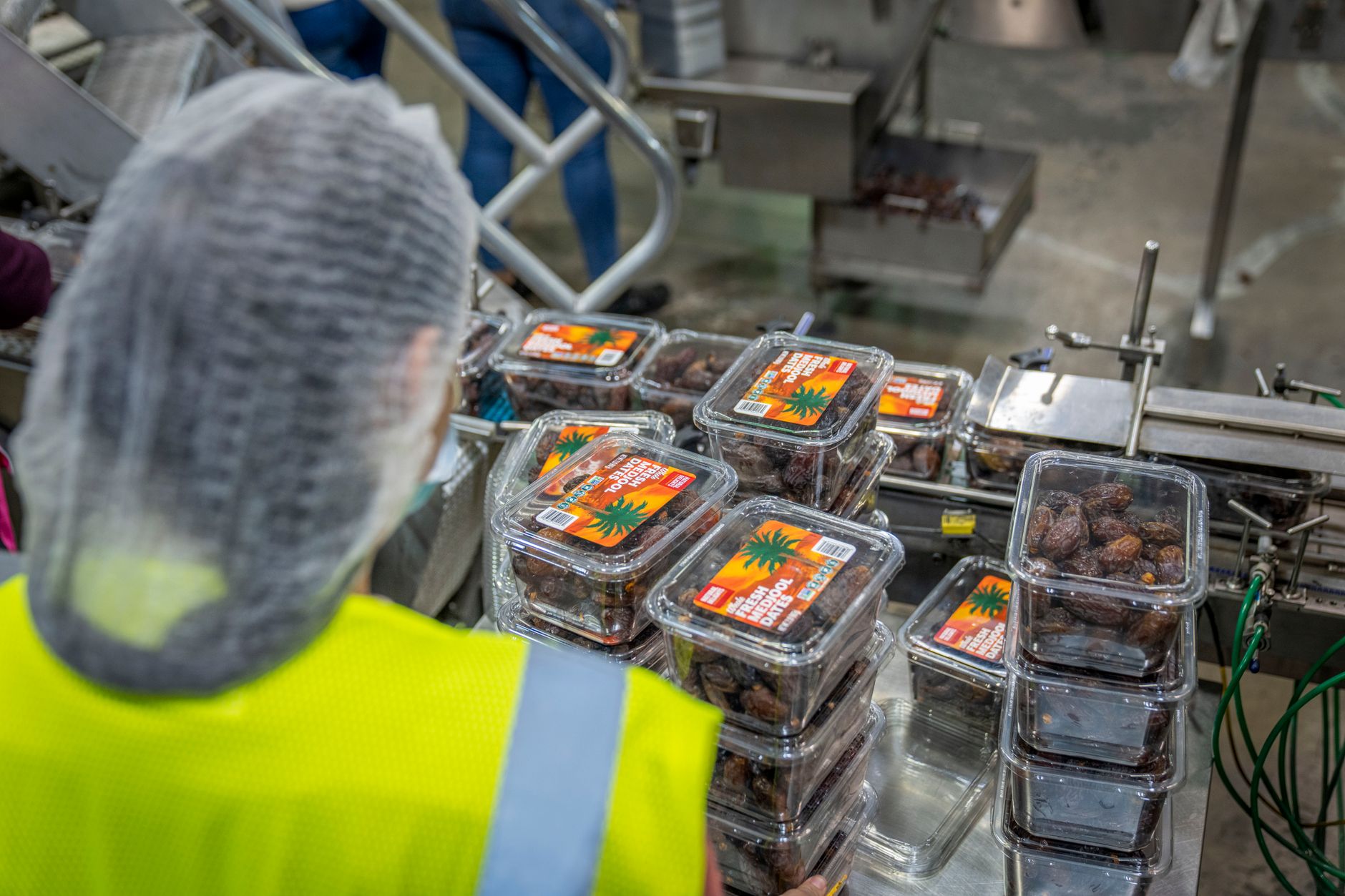 Industry newsWhat A3's Q2 2026 Order Mix Means for Food PlantsA3 says food and consumer-goods robot orders rose 18% in Q2 2026. See which plant applications are becoming mainstream and how to time a rollout.
Common questions
Go deeper
Related solutions
Financing
All solutions
Tell us the job. We'll tell you what fits.
Send us the task you want automated - palletizing, tending, welding, assembly - and we'll scope the cell, the arm, and the financing.
Find the robot that fits your site.
Free site assessment. We tell you what actually works before you spend a dollar.