
The question, in the buyer's words
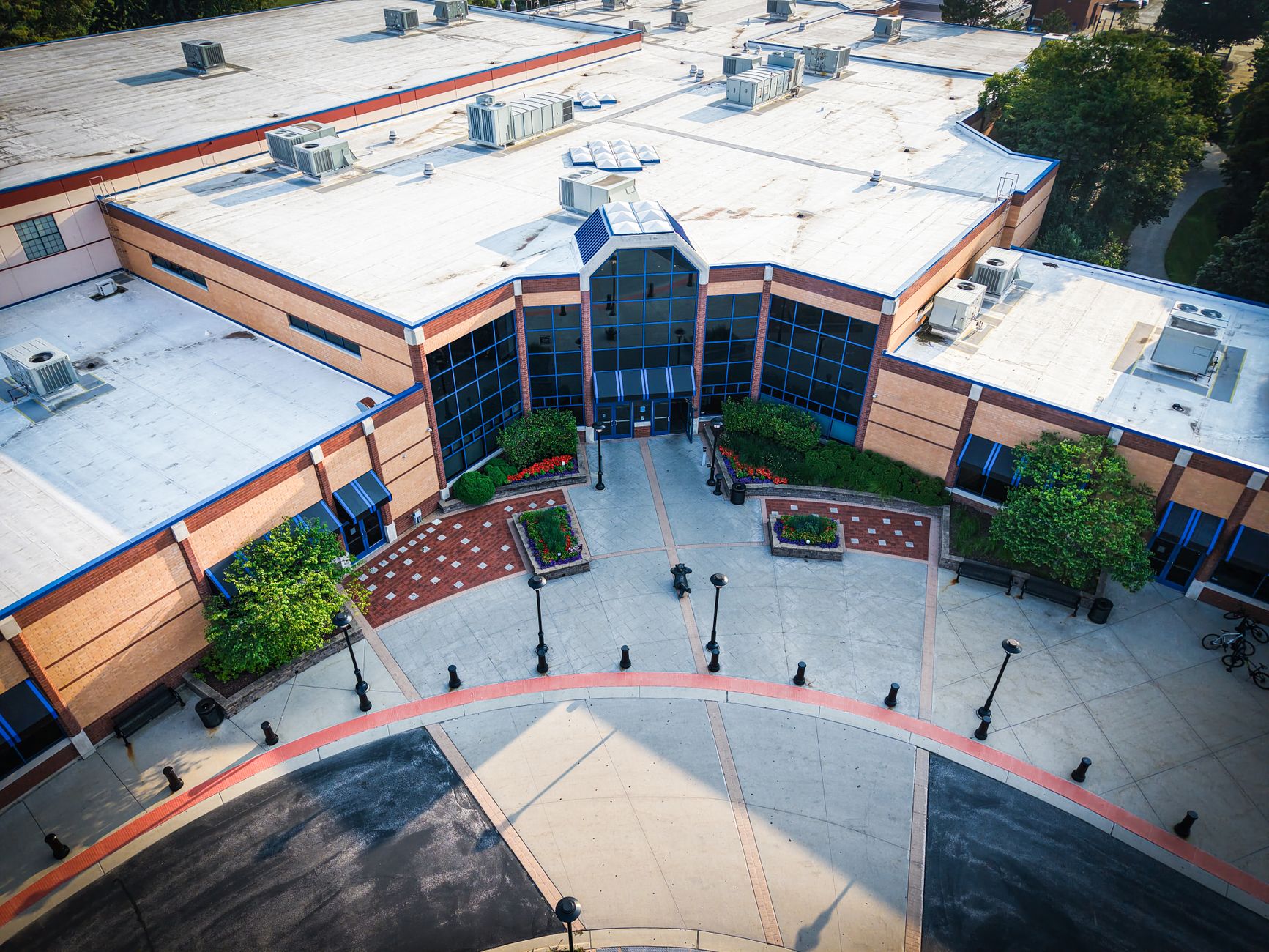
I run food service for a four-tower corporate campus where lunch orders leave one kitchen for four buildings, and the noon rush backs up at the kitchen door while runners cross the courtyard; could delivery robots carry those orders to lobby pickup?
Key takeaways
- A robot can take the courtyard leg off runners, but it cannot clear a kitchen queue.
- Time plating, transit and lobby handoff separately before judging any robot.
- Vendor drive times near 13 minutes miss the waits customers see at peak.
- Pilot one kitchen and two towers at noon before committing to all four.
- The lease quote follows a free site assessment.
Can delivery robots carry four tower campus lunch orders to lobby pickup?
Partly, and the split decides whether a pilot is worth running. A delivery robot can take the courtyard leg of each four tower campus lunch order off your runners, which is the stretch that puts staff on open pavement during the busiest hour. It cannot clear the kitchen door, because that door backs up when plated food cannot leave the kitchen as fast as it is made.
Staffing makes the runner route harder to hold steady. The BLS JOLTS series for accommodation and food services, as summarized through FRED, put the quits rate in 2025 at about 4.2% a month, against about 2.0% across all nonfarm industries. The BLS Occupational Outlook Handbook counts about 5.1 million food and beverage serving jobs in 2025, so churn is a sector pattern, and a route that lives in one person's memory will not survive it.
Treat a robot as a transport layer on top of the kitchen, not a repair for it. The strongest case is a campus where the pass can stage orders by tower quickly and the walk to each lobby is the slowest step left. If the kitchen itself is the constraint, a robot will carry the backlog faster but will not shorten the line.
Ask one question before anything else: is the bottleneck the pass, the door or the courtyard? That answer tells you whether a delivery robot belongs in the plan at all, or whether the kitchen needs a different fix first.
Where does the noon rush actually back up?
At one kitchen feeding four buildings, the queue usually forms in three places. The first is the pass, where plated orders wait for a free hand. The second is the kitchen door, where trays bunch up in the doorway. The third is the courtyard, where a runner is out of sight for several minutes, and only that third place is one a robot changes directly.
Time one full noon cycle before you judge any option. Measure from the moment an order is plated to the moment it is collected in the lobby, and split the minutes into kitchen, transit and handoff. If transit is the largest slice, a robot has a clear job, and if plating is the largest, a robot moves the pile faster without making it smaller.
Record the peak minute as well as the average. A kitchen can look fine on a daily average and still jam for ten minutes at noon, and the peak is the figure any robot has to match. Plan the return leg too, since a runner who goes only one way makes two trips for every load.
Empty trays and dish returns are work too. If the robot carries full trays out but staff still carry empties back by hand, only half the courtyard trip has been handed off. Decide who owns the return before the pilot starts.
How long does a campus delivery robot take per order?
Timing figures from campus programs come mostly from vendor case studies, so read them as claims about those campuses, not promises for yours. A University of Arizona case study published by a robot maker reported a median robot drive time of 12 minutes 55 seconds across 4 pickup points and 60 drop-off points. That is the courtyard trip alone at one campus, not the whole order cycle at a kitchen with a queue.
Waits at the customer end are where campus programs run into trouble. Brandeis University reported that a wait for a delivery ran 20 to 35 minutes, depending on distance and peak times. Those waits sit on top of the drive time, so a trip of about 13 minutes can still leave a diner standing in a lobby much longer.
No peer-reviewed 2025 study of lobby pickup wait times turned up in this review. Treat the vendor drive times as the best case for a clear route, and let your own pilot set the real queue time at noon.
Ask any provider for the route plan and the wait data behind a headline drive time, not only the figure itself. A campus with flat, paved paths behaves differently from a courtyard with planters, stairs and a loading zone, even when both report similar medians.
- Courtyard trip
Delivery Robot
Follows a fixed path between buildings; a University of Arizona case study reported a median drive time of 12 minutes 55 seconds
Staff
Walks the path and changes route when a door, crowd or cart is in the way; time your own courtyard walk to compare
- Obstacles and exceptions
Delivery Robot
Stops or reroutes when the path is blocked and waits for doors and lifts to clear
Staff
Adapts at once, holds a door or asks a colleague to move a cart
- Peak load
Delivery Robot
Carries a fixed load per trip, so queues grow when orders stack
Staff
Can carry several trays, make more than one stop and help clear the pass when the rush spikes
- Customer wait at peak
Delivery Robot
Reported waits of 20 to 35 minutes at one university during peak times
Staff
Can tell a customer the wait in person and adjust, though one runner covers limited ground
- Checking each order
Delivery Robot
Moves only what it is given, so staff still load and verify each order
Staff
Checks each tray at the handoff and fixes mistakes on the spot
- Staff turnover
Delivery Robot
Does not quit, but still needs trained staff to load, dispatch and clear
Staff
Each new runner needs route training, and high churn means that training recurs
What does a four tower campus route look like?
Office stock suggests a four tower campus is not a typical building. The 2018 Commercial Buildings Energy Consumption Survey from the EIA counted office buildings at 16% of US commercial buildings and 17% of commercial floorspace. The average office building covered 17,200 square feet, and 53% of office buildings fell between 1,000 and 5,000 square feet, so a four tower campus will likely sit well above a typical office.
Map each leg with the same care. The courtyard leg is ground level and open. The tower leg depends on whether each lobby is at grade, whether doors open automatically, whether the robot can use a service elevator, and whether each tower has a pickup point with a shelf or secure locker. Each unknown adds time and one more place where the trip can stall.
Ask facilities for the floor plans of all four towers and the path from the kitchen dock to each lobby. A route drawn on paper will show door widths, ramp slopes and dock conflicts that a verbal description misses.
Note where the walk ends too. A lobby that routes visitors through a security desk, a turnstile or a badge reader adds a step at the handoff, and that time belongs in the pilot measures, not in the drive time.
Are runners safer if a robot takes the courtyard leg?
Tray carrying is a real exposure in food service. Montana state research found that food and beverage service workers reported about 12,600 injuries on the job from 2015 to 2024, about 5.3% of all workplace injuries reported in the state over that period. That is a state figure, and it counts every injury in the sector, not only courtyard trips.
National figures point the same way. A BLS Economics Daily article, using 2017 data, put the days-away-from-work rate for special food services at 107.6 per 10,000 full-time employees, against 77.9 for food services and drinking places overall. This review did not find a 2024 national BLS food service injury rate, so the 2017 comparison is the most recent verified national figure here.
A robot removes one walk, not the lift at the pass, the tray stacking or the pushing of doors. Keep lifting and loading training in place, and count the robot as a reduction in exposure on the courtyard leg rather than a safety program on its own.
Ask your insurer and your workers' compensation carrier which tasks they count as exposure. Some programs weigh the courtyard leg differently from the lift at the pass, so a route change should be reviewed with them before it is rolled out.
Will diners and staff accept robots carrying lunch?
A March 2025 survey of 1,000 US respondents, as summarized by Restaurant Dive, found a slim majority comfortable with restaurants using some AI for efficiency. Most respondents did not want robots running the whole experience, and 56% said they would not tip an AI system. Those answers concern restaurants in general, not campus lunch lines, so they show attitudes rather than a campus result.
Adoption in restaurants is still early, so campus results should be read as early evidence. For a campus, the question is less about whether diners like a robot and more about whether staff trust the schedule and the handoff.
Staff acceptance matters because the lobby handoff is where a robot either helps or fails. Give lobby staff a clear role, a pickup process and a rule for what to do when a robot is late. Then ask them after the first two weeks what they would change.
Campus diners are often on short breaks, so a late or missing order hurts more than a slower one. Tell people where the robot will stop, what the pickup looks like and who to ask, so the first trip does not read as a failure.
How do you pilot before you commit to all four towers?
Start with one kitchen, one courtyard route and two towers. Two towers is enough to show whether the route, the lobby pickup and the return leg hold up at noon, and it keeps exposure small if the pass turns out to be the real limit.
Set the measures before the first run. Track plated to pickup time across the 11:45 to 12:45 window, the number of orders that wait at the kitchen door, and the minutes a runner is off the kitchen floor. Compare those with a normal week, not a slow one, so the pilot is judged on a realistic baseline.
Expand only after the pilot shows that the courtyard leg is the constraint and the lobby handoff holds. If the pass is the bottleneck, add a staging shelf or plating help first, because a robot will simply carry the backlog faster.
Agree on go or no go criteria before the first run, and set a fixed end date for the pilot. That keeps the decision tied to the noon data rather than to the enthusiasm of the first week.
Who sets up and services a campus delivery robot program?
We are an OEM-neutral commercial robot integrator for US businesses. We pick the robot for the site across manufacturers, lease it through financing, deploy and integrate it, train staff, and service every unit under our service plan, backed by regional service engineers in every state we service. One partner covers the whole lifecycle for the campus, instead of several vendors for one kitchen.
The lease quote comes after a free site assessment. That visit measures the courtyard route, door access, elevator access, lobby pickup points and kitchen staging. A quote without that visit is guessing at the parts of this job that decide whether a robot works at noon.
Bring the kitchen's noon baseline and the floor plans for all four towers to that visit. If the assessment finds that the kitchen pass is the limit, that finding should come before any robot is proposed.
After go live, the service plan covers the units on your campus, and the same partner handles changes if you add a tower later. Confirm the response terms in writing with the quote, because time to a working unit matters most during the lunch peak.
Frequently asked questions
Upcoming offices & corporate campuses events
- Trade showNEBFM 2027, Northeast Buildings & Facilities Management Trade Show & ConferenceApr 14 to 15, 2027DCU Center, Worcester, MA
- ConferenceIFMA Facility Fusion Conference and Expo 2027Apr 27 to 29, 2027Hilton New Orleans Riverside, New Orleans, LA
- ConferenceAIA Conference on Architecture & Design (AIA27)May 19 to 22, 2027Pennsylvania Convention Center, Philadelphia, PA
- ConferenceBOMA International Conference & Expo 2027Jun 26 to 29, 2027Washington, DC
Want a delivery robot at your office campus lobbies and courtyards?
Tell us about your site. We will recommend the robot, quote the lease, and keep it serviced.
Sources
- BLS JOLTS series via FRED
- BLS Occupational Outlook Handbook, food and beverage serving and related workers
- BLS The Economics Daily, special food services injury and illness rates
- Montana Occupational Health Surveillance Systems newsletter
- EIA 2018 Commercial Buildings Energy Consumption Survey, building characteristics
- University of Arizona campus delivery robot case study (vendor-published)
- Brandeis University campus delivery robot launch, Campus ID News
- Restaurant Dive, 2025 National Restaurant Show robot and AI consumer survey coverage