Skip to content

Restaurant robots · buyer guide

More tables per server, every rush.

Serving and runner robots that carry plates and bus tables during a rush - so servers cover more tables and tips go up, not headcount.

All 50
US states served
11+
years in the business
10 min
24/7 triage
24/7
emergency response
No. 01Your world

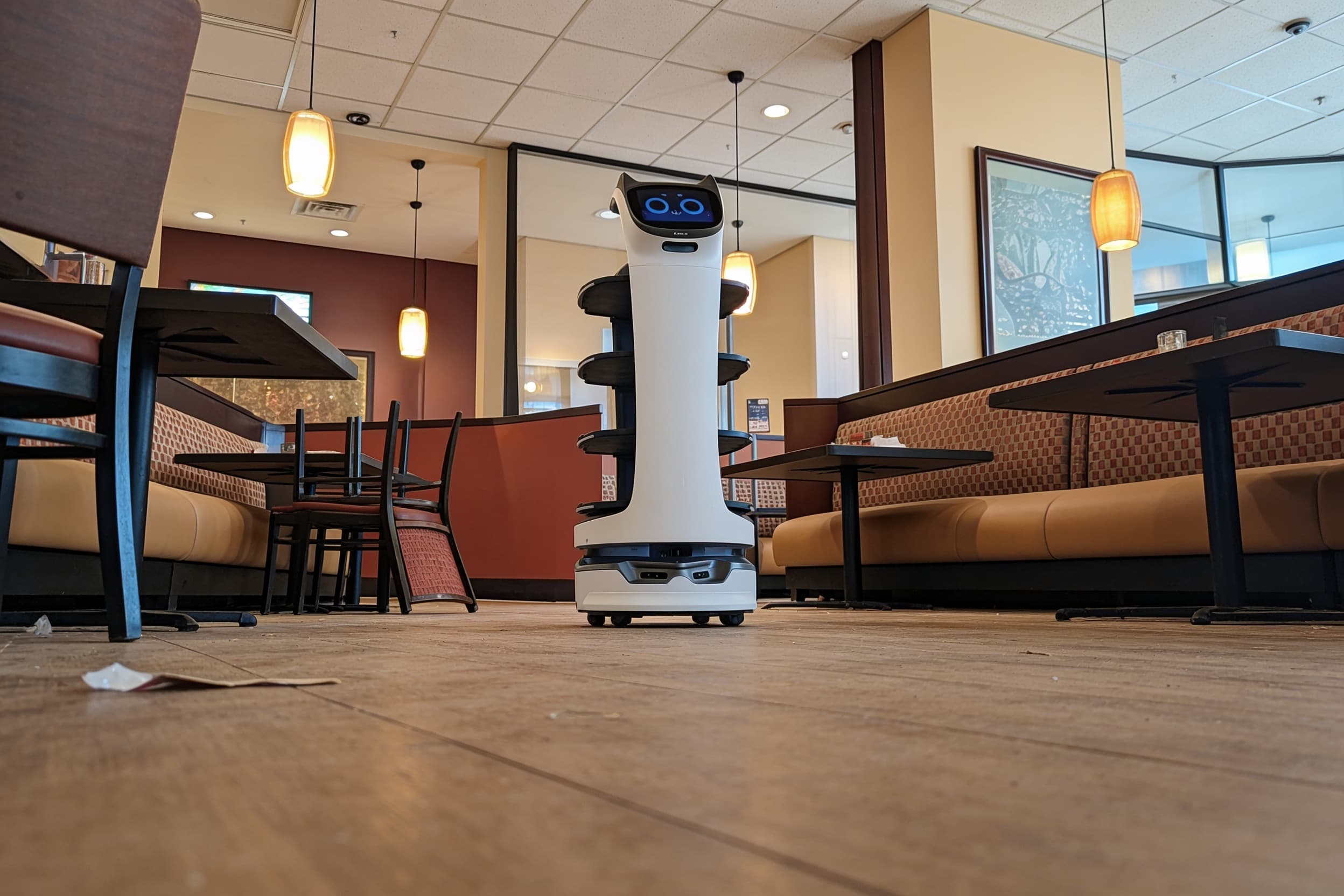
Restaurants use serving (runner) robots: multi-tray carriers that run plates from the kitchen to the table and bus dishes back during a rush, plus greeter units that handle seating and light delivery up front. Buy prices run roughly $16k–$18k; leases run roughly $335–$550/month. Service Robot Co. picks the unit, finances it, maps the floor, and services it nationwide.

A server can spend a third of a shift walking: plates from the pass, dishes to the pit, drinks and check-backs in between. A serving robot (also called a runner) takes those trips. A multi-tray carrier follows a mapped path, carries several tables of plates at once, and buses dishes back, so the server stays at the table doing the work that earns the tip. This is the most mature, lowest-risk commercial-robot category: inexpensive units, a simple deployment, fast payback in a rush-driven dining room. The decision is mostly your floor. A tray-carrier needs a clear lane between the kitchen and the tables, and a cramped room with no lane will fight it.

Pricing and specs on this page are publicly-reported market ranges, framed as estimates, not quotes. We confirm the real numbers for your site in an assessment.

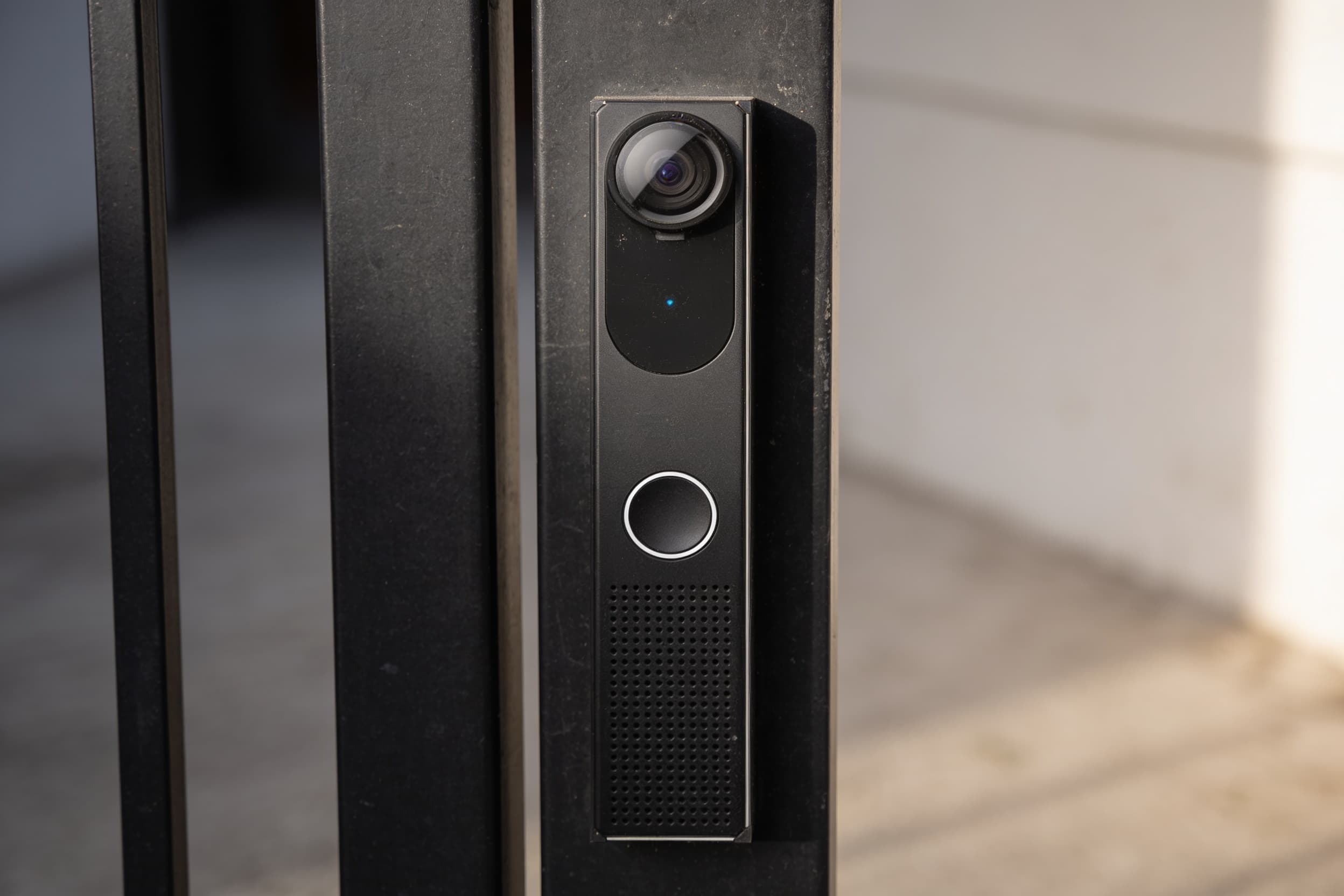
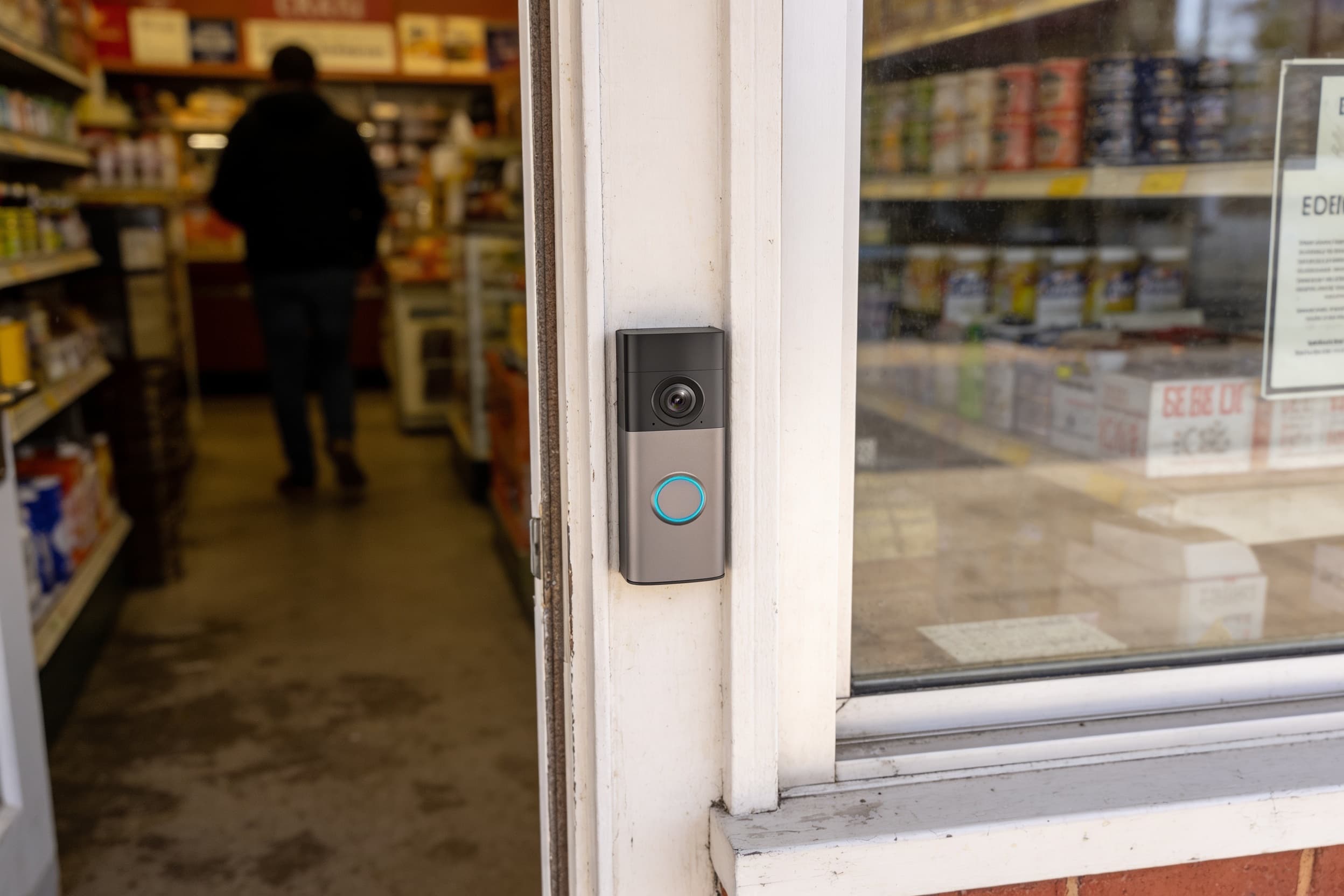
Video doorbell on a shop entry
Shop entry
No. 02The shift

A shift in your dining room

A server can spend a third of a shift walking. Here is where the robot takes the trips.

  1. Stage 01

    Doors open

    The host stand seats the first wave and the floor starts moving.

    What the robot takes

    A greeter unit guides guests to tables and frees the host stand.

  2. Stage 02

    The rush

    Plates stack on the pass faster than servers can run them.

    What the robot takes

    A multi-tray runner carries several tables of plates per trip.

  3. Stage 03

    Bussing

    Dirty dishes pile up while tables wait to turn.

    What the robot takes

    The robot buses dishes back to the pit on its return leg.

  4. Stage 04

    Turnover

    Tables reset and the next party sits down.

    What the robot takes

    Servers stay tableside, reading the table and earning the tip.

  5. Stage 05

    Close-down

    The floor resets for tomorrow and the lights go down.

    What the robot takes

    The robot docks and charges itself, ready for the next service.

Field notes

Cited industry data · no house numbers

75-80%

Annual restaurant floor-staff turnover.

National Restaurant Association, 2025

70%

Operators who say they cannot fill open roles.

National Restaurant Association, 2025

~2x

Hospitality turnover versus the all-industry average.

US Bureau of Labor Statistics, 2025

No. 03The crew

The crew that works here.

Each one bought or leased, deployed by us, and backed by RoboCare™.

See the lineup
  1. Delivery robot in an empty restaurant dining roomDelivery robotsAutonomous indoor delivery for restaurants, hotels, hospitals, and offices.
  2. And moreThe full lineup, from scrubbers to humanoids, every one serviced nationwide.
No. 04The site survey

What decides whether it works.

The things we check on a walkthrough, before anyone talks about robots.

  1. 01
    Delivery robot in an empty restaurant dining room

    The robot lane

    A clear path between the pass and the tables. A floor packed wall to wall will fight the robot.

  2. 02
    Delivery robot in an empty restaurant dining room

    The crowd

    Servers, chairs, and guests in constant motion. Reliable weaving matters more than top speed.

  3. 03
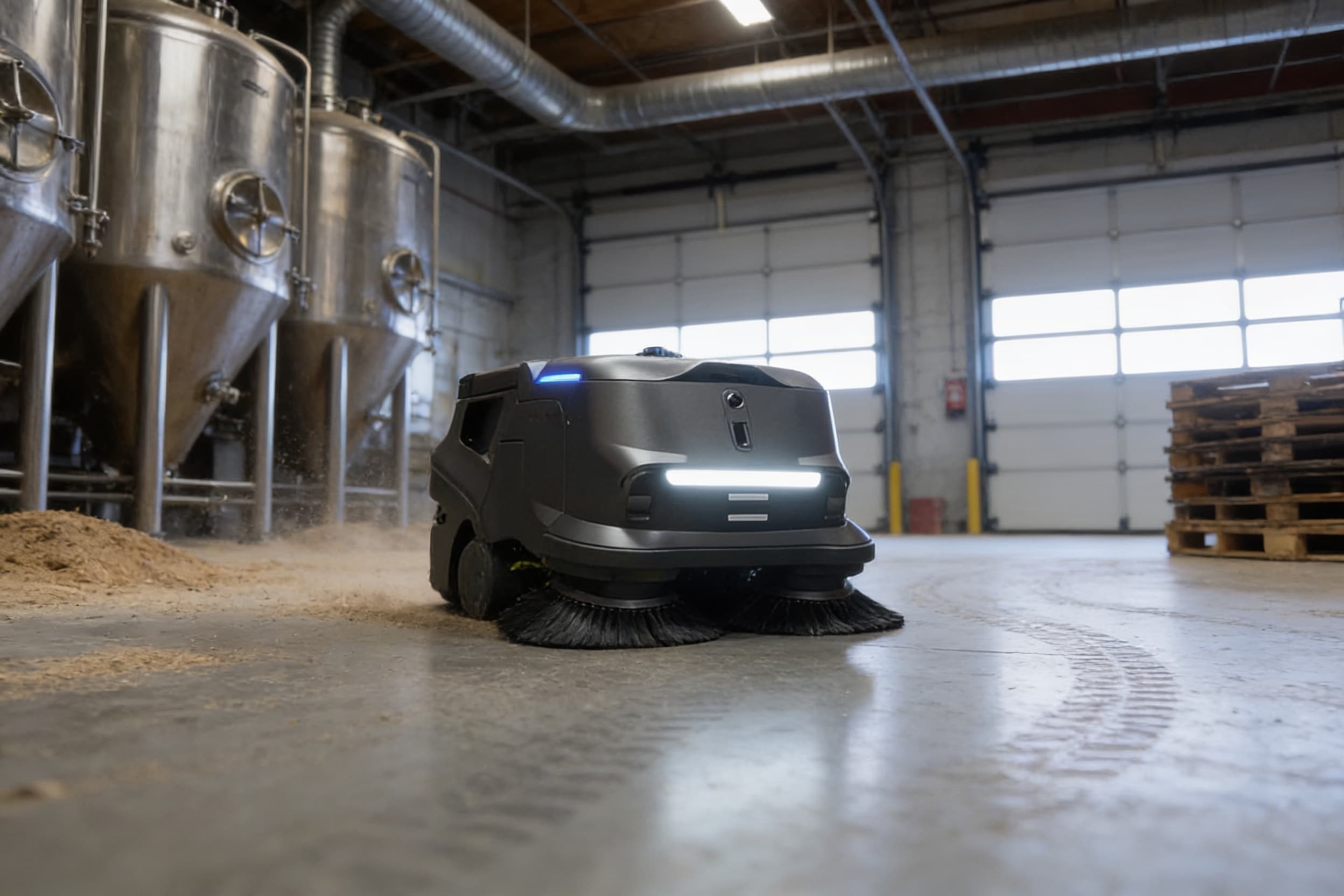
    Floor-sweeping robot beside brewery tanks, generated illustration

    The after-close reset

    The last hour of close is floor time. A compact cleaning unit takes the dining floor after service so openers walk into a finished room.

No. 05Up close

A closer look.

Delivery robot in an empty restaurant dining room

Serving robots are the lowest-risk way to start with robotics

If a restaurant group is testing whether commercial robots earn their keep, a serving robot is the place to start. The units are the cheapest in the category (~$16k–$18k to buy, ~$335–$550/month on a lease), the deployment is a floor-map and a charging dock rather than an integration project, and the payback is fast because a rush-driven dining room has a constant stream of repetitive trips to absorb. There is no elevator to integrate, no heavy load to make safe, no compliance regime - just a clear lane and a charging spot.

That low risk is why this is the most-deployed commercial-robot category by unit count. The honest caveat: a robot does not replace a server’s judgment, warmth, or upsell - it replaces the walking. The restaurants that win with it redeploy the saved time into more attentive service, not a thinner roster.
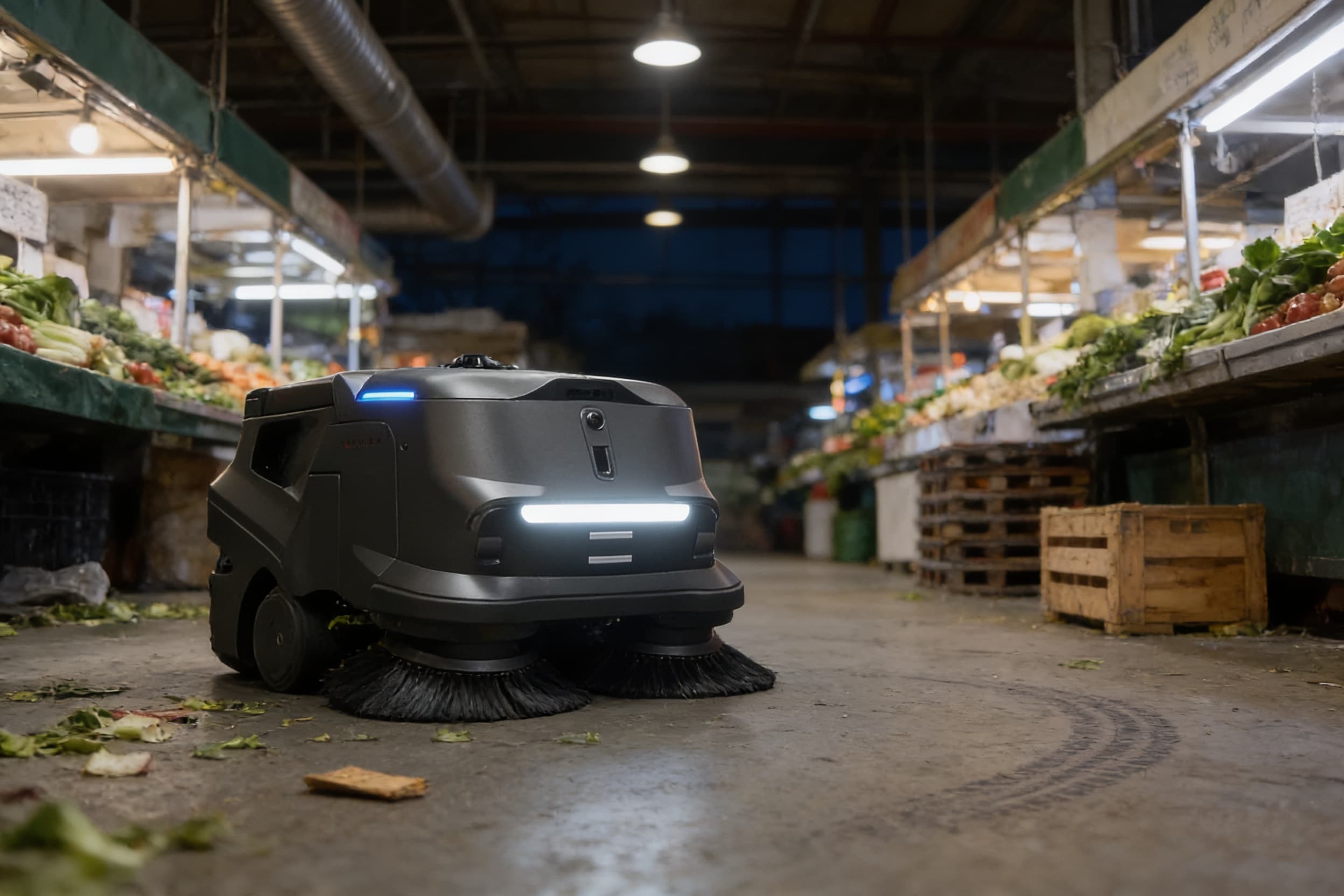
A compact sweeper working a taproom floor before opening

Buy vs. lease for a restaurant

Because the units are inexpensive and a single restaurant often runs one or two, the buy-vs-lease gap is smaller here than in heavier categories - but a lease still wins for most independents and multi-unit groups testing the concept. A monthly payment (~$335–$550) keeps the capital free, and RoboCare™ covers support if a robot goes down mid-rush. A high-volume restaurant with proven, steady utilization may buy outright. We surface both in a quote.

Floor-sweeping robot beside brewery tanks, generated illustration

The labor case for serving robots (illustrative)

A serving robot earns its keep by giving servers their steps back. A server who spends a third of a shift walking plates and bussing can spend that time at the table instead - covering more tables, turning them faster, and raising the average check and the tip. A runner robot on a lease runs ~$335–$550/month; against the cost of the trips it absorbs across a busy service, the payback is among the fastest in commercial robotics.

The honest framing: this is not a headcount cut, it is a reach multiplier. The robot runs the repetitive trips so your servers do the work a robot cannot - read the table, upsell, handle the moment. We build the side-by-side against your real rush in a quote.

  • Runner robot on a lease: ~$335–$550 / month - illustrative.
  • Payback driver: server trips absorbed during a rush, not headcount removed.
  • Lowest-cost, lowest-risk, fastest-payback category in commercial robotics.
  • These are illustrative ranges with stated assumptions, not a guaranteed result.
A compact sweeper working an indoor market hall after close

Why a restaurant should buy through an integrator, not a bare OEM

Even in the simplest category, a bare OEM ships a unit and a manual. Picking the right tray-carrier, financing it, mapping your floor, training the front-of-house, and getting a fast fix when it dies mid-rush is left to you and a support queue - small frictions that add up to a robot that sits in the corner.

Service Robot Co. is the one vendor for all five, and OEM-neutral about which unit. We pick the right serving robot for your dining room, surface buy-vs-lease financing, map the floor and set the charging dock, train your team, and service it under RoboCare™. You get a robot that runs your rush from day one - not a box and a YouTube tutorial.

No. 06The requirements

What a restaurant actually needs from a robot

A serving robot is the simplest commercial-robot deployment, but a few things still decide whether it earns its keep on your floor.

  1. A clear robot lane

    the unit needs a navigable path between the kitchen pass and the dining room. A floor with no lane (tight two-tops packed wall to wall) will block it.

  2. Crowd navigation

    the dining room is full of moving people, chairs, and servers; the robot has to weave reliably, not freeze at every obstacle. This matters far more than top speed.

  3. Tray count and payload

    how many tables’ worth of plates it carries per trip drives how many server trips it saves. Match it to your real rush, not the demo.

  4. The right form factor

    a tray-carrier for running and bussing; a greeter unit if you want seating and front-of-house help. The wrong form factor is the most common mistake.

  5. A docking and charging spot

    the unit needs a home base it returns to between runs without taking a table’s footprint.

No. 07Compare the options

Restaurant robots compared

The lead serving-robot OEMs and the front-of-house option, with illustrative pricing. Figures are publicly-reported market ranges, framed as "starting around" - not quotes.

Representative unitTypeBest forIllustrative cost
A tray-carrying delivery robotMulti-tray runnerRunning + bussing during a rush~$15.9k buy · ~$335/mo lease
A food-running robotTray carrierRestaurants, hospitalityQuote-based · subscription-led
A multi-tray delivery robotMulti-tray runnerRestaurants, hotels~$17.9k buy · ~$542/mo lease
A greeter delivery robotGreeter + light deliverySeating + front-of-houseQuote-based

Illustrative only - publicly-reported ranges, not quotes. Exact pricing depends on configuration, term, and volume. We confirm the real number for your dining room in a quote; we do not publish any OEM’s exact contract price as a fact.

No. 08The cost picture

Buy it, or lease it.

Buy the robot outright, or lease it through financing. The two side by side, point by point.

Lease it through financing

Keep your capital. RoboCare™ keeps it running.

  • Upfront cost

    A monthly payment through financing.

  • Capital

    Stays free for the rest of the business.

  • Service

    RoboCare™: 24/7 support with 10-minute triage, 3 check visits a year, 12-month warranty.

  • Maintenance

    Preventive maintenance and consumables in Base Care or Full Care.

  • Growing

    Add units as the work grows.

Buy it outright

The machine is yours. RoboCare™ keeps it running.

  • Upfront cost

    The full price, up front.

  • Capital

    Goes into the machine.

  • Service

    RoboCare™: 24/7 support with 10-minute triage, 3 check visits a year, 12-month warranty.

  • Maintenance

    Preventive maintenance and consumables in Base Care or Full Care.

  • Growing

    Add units as the work grows.

Each robot has its own price. We quote the real number for your site after a free site assessment.

Want the full math? The robot pricing guide has real ranges by robot type and the buy-vs-lease breakdown.

Honest fit check

When a serving robot is the wrong call

A serving robot is the wrong fit when the floor or the format does not suit it:

  • A cramped dining room with no clear robot lane - it gets stuck behind chairs and people more than it helps.
  • A tiny footprint where the kitchen is two steps from every table - a person is faster than a robot navigating the gap.
  • Fine dining where a robot at the table clashes with the service style - be honest about the guest experience first.
  • A format with no rush to absorb (slow, steady, low-cover) - utilization is too low for the unit to pay back.
  • No room for a charging dock that does not cost you a table - the unit needs a home base.

RoboCare™

Service nationwide.

All 50US states covered
10 min24/7 triage
Regionalservice engineers in every state we service
24/7emergency response
  • 24/7 support.
  • 10-minute technical-specialist triage.
  • Regional service engineers in every state we service.
  • 3 check visits a year.
  • 12-month warranty.
No. 09On site

Where you'll see it working.

Delivery robot in an empty restaurant dining room
Restaurant service
Floor-sweeping robot beside brewery tanks, generated illustration
Brewery floor care
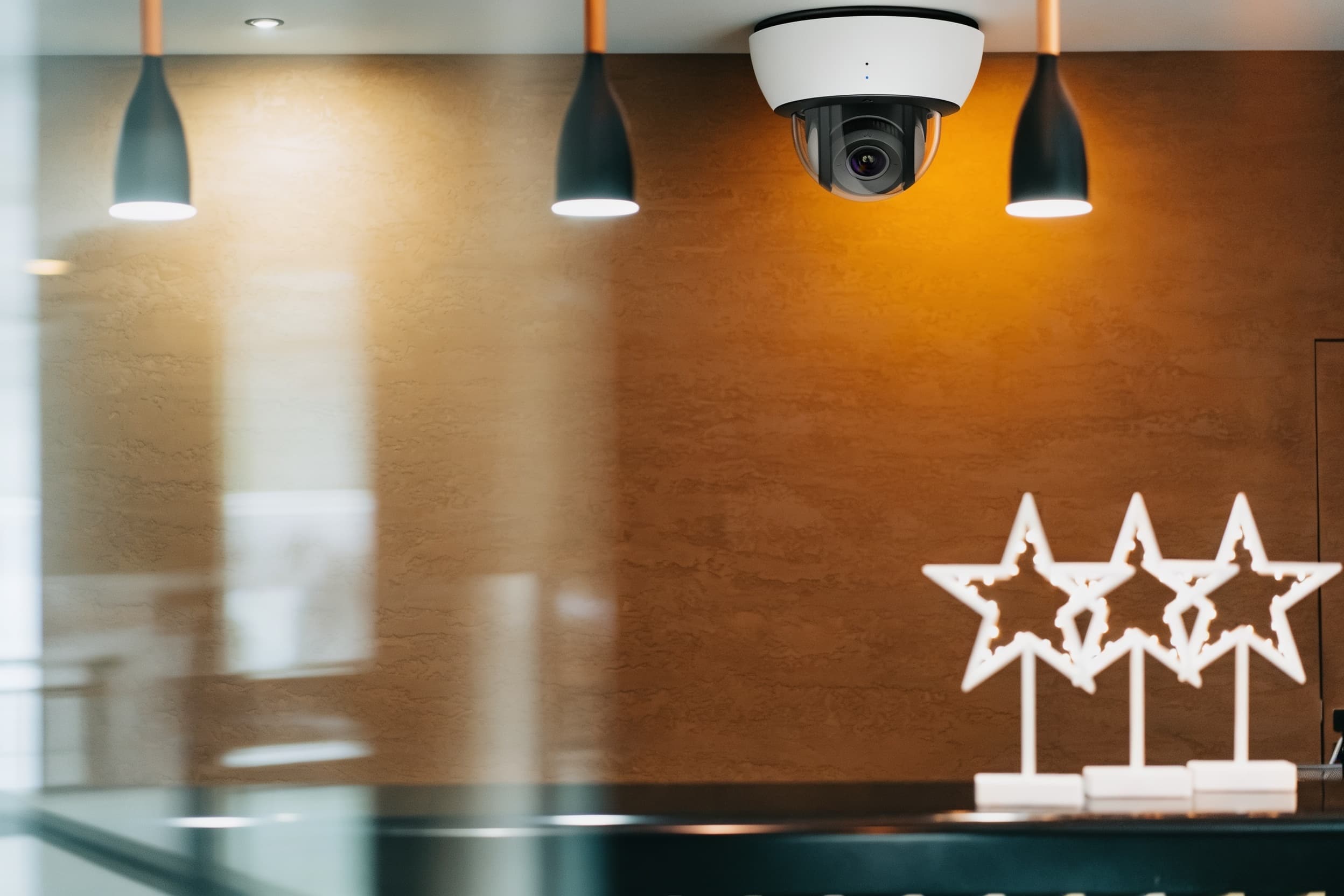
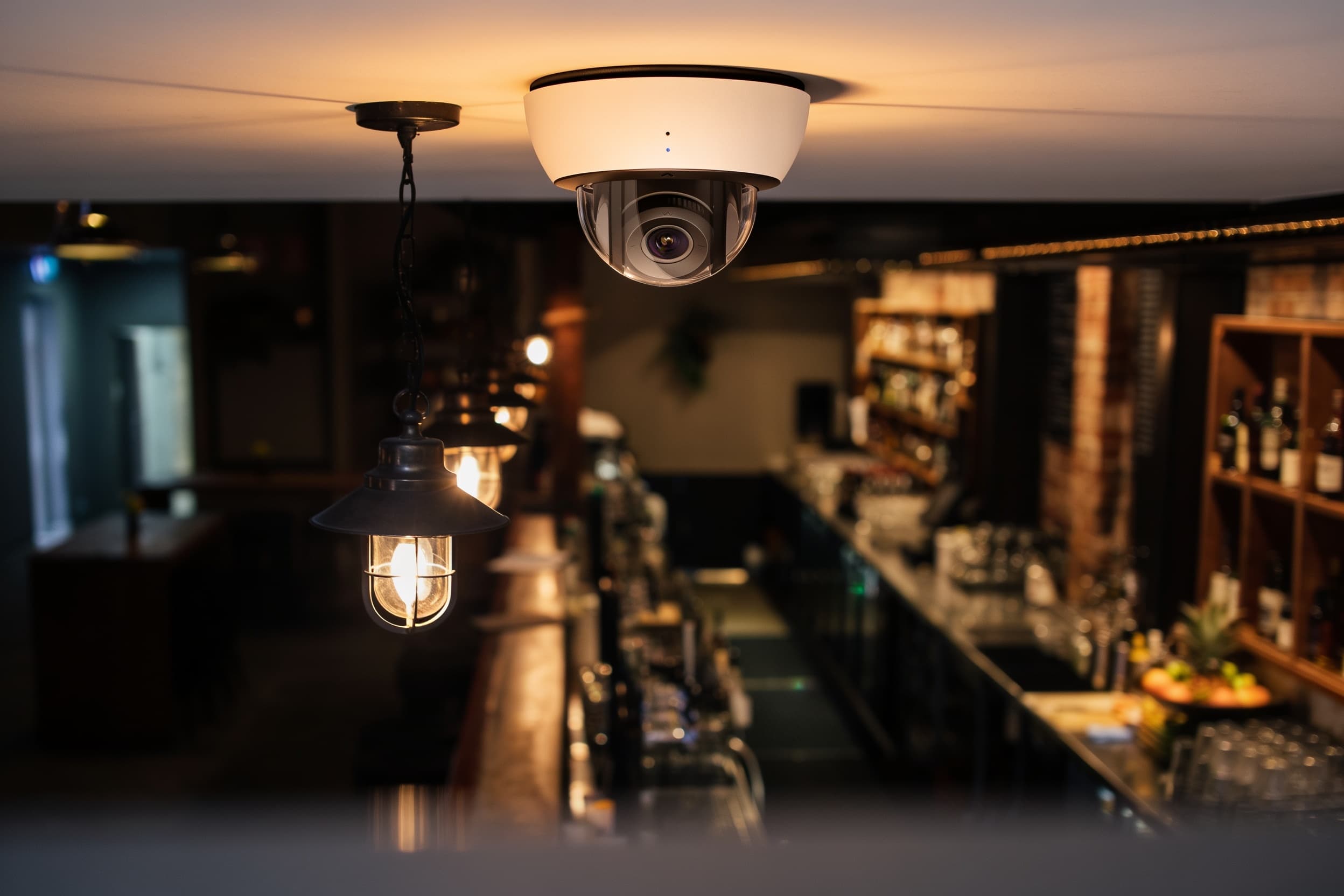
Security camera overlooking a restaurant interior
Restaurant interior
Video doorbell on a shop entry
Shop entry
Environmental sensor mounted above a food-production packing area
Food production
A floor-cleaning robot sweeping an indoor farmers-market hall after close
Market hall, closed
Dome security camera on a hotel lobby ceiling
Lobby surveillance
Intercom mounted beside a black steel entrance
Entrance intercom
No. 10Proof

Deployments we can point to.

Warmly lit full-service dining room with tables set for lunch service.Lead case study104 min service time back dailyHow a Full-Service Restaurant Freed 104 Daily Minutes With Kitchen-to-Table RobotsSee how a documented restaurant pilot used delivery robots for 52 daily runs, 97.6% task completion, and about 104 minutes of service time back per day during peak dining.Read the case study
  1. Conveyor-Sushi Case Study: Wait Times Cut About 50%A high-volume suburban conveyor-sushi restaurant cut average guest wait time about 50% by using a tray delivery robot to speed bussing and table turns.50% Average wait time cut
  2. Teppanyaki Restaurant Case Study: About 130 Hours ReallocatedA documented teppanyaki restaurant deployment shows how a tray delivery robot took on 180-plus floor runs and cut staff burden by about 130 hours a month.130 hrs/mo staff load reduced
No. 11From our blog

Reading for the decision you are making.

All articles

Common questions

Restaurants use serving (runner) robots: multi-tray carriers that run plates from the kitchen to the table and bus dishes back during a rush, plus greeter units that handle seating and light front-of-house delivery. It is the most mature, lowest-risk commercial-robot category by unit count.

Want one working for you?

We walk your site, learn the job, and tell you which unit fits, OEM-neutrally, before you commit a dollar. If nothing fits yet, we say so.

Free site assessment. We tell you what actually works before you spend a dollar.