
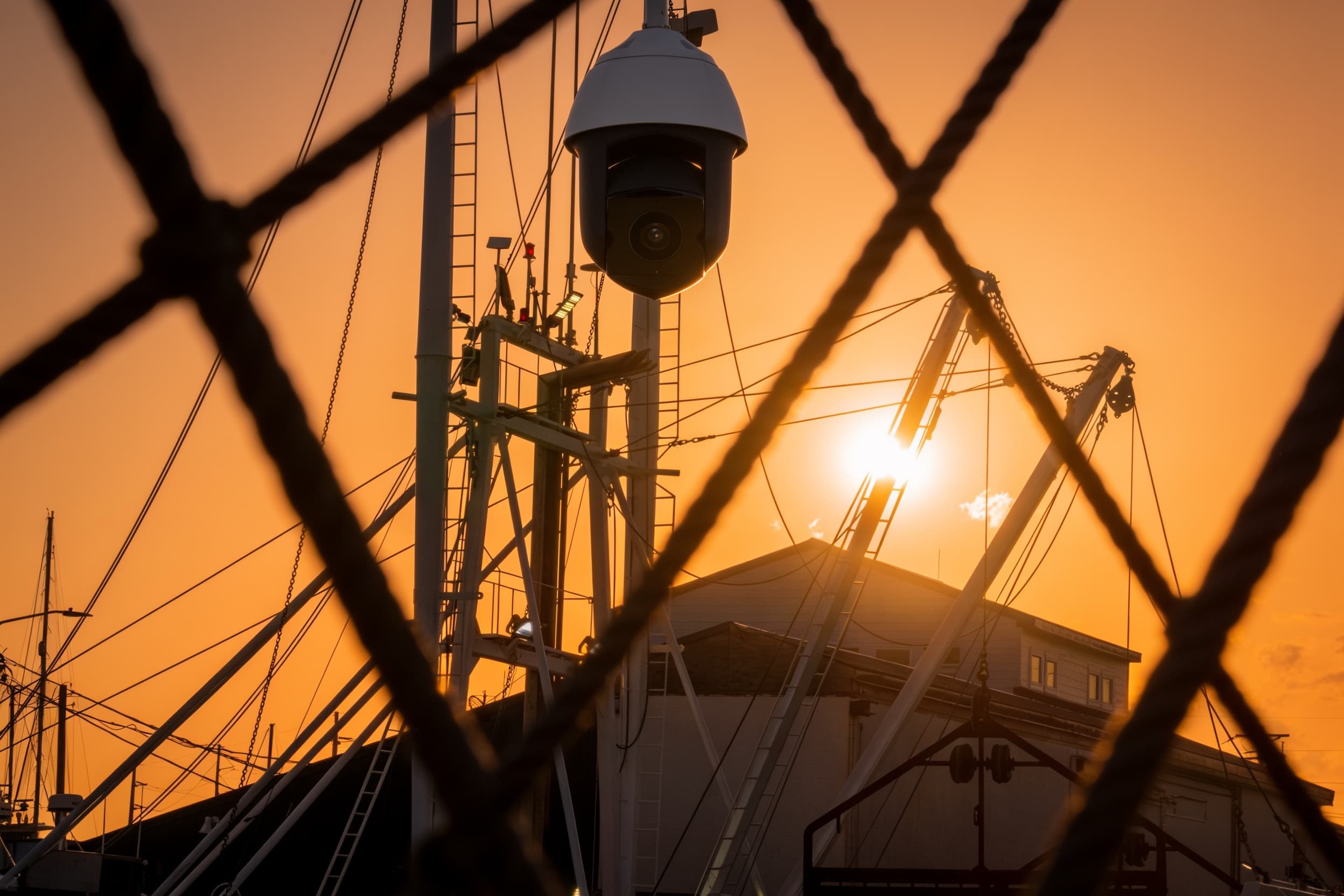
Surveillance
Site security, installed and serviced.
Cameras and doorbells at the door. AI detection on the perimeter. Mobile units on the lot. Drones overhead. One partner runs all of it.
- All 50
- US states served
- 11+
- years in the business
- 10 min
- 24/7 triage
- 24/7
- emergency response
What it is
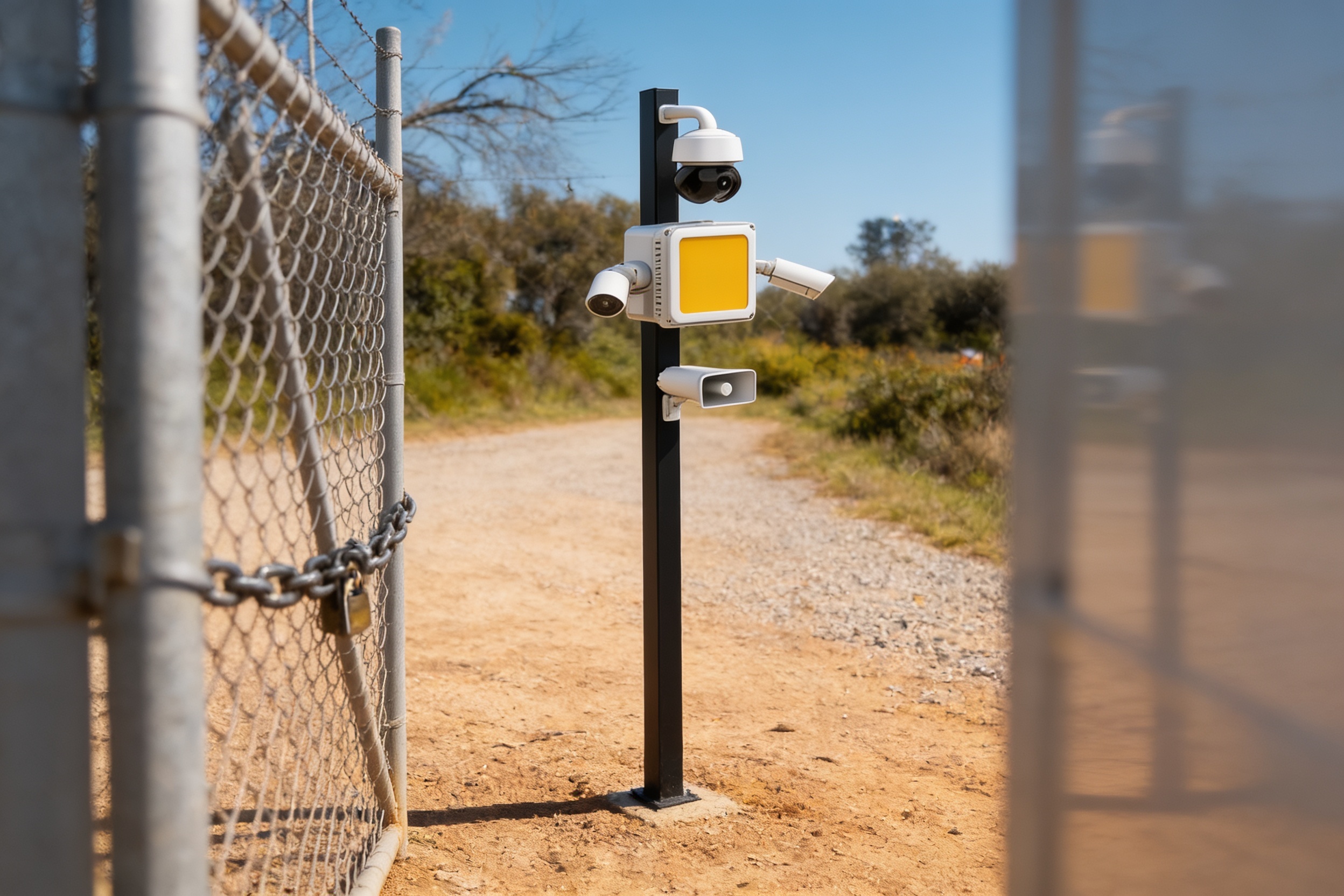
Service Robot Co. is one partner for the whole security stack: cameras and video doorbells, AI-detection camera systems, access control, alarms and sensors, thermal imaging, solar mobile surveillance units and trailers, and security drones. We pick the hardware, install it, wire it into one view, and service it across all 50 US states.
Security used to mean guards or a camera quote. Now it is a stack: doorbells and cameras at every entrance, AI detection that flags people and plates instead of recording quietly, solar mobile units for sites with no power, and drones for large perimeters. Every alert still lands with a human. The hardware just never blinks.
We are the integrator, not another box seller. We walk your site, pick the right mix, install it, connect it to one view, train your team, and service it nationwide. One partner, one invoice, no finger-pointing between vendors.
What we carry
The umbrella, category by category.
A growing line of category-leading security hardware - each one selected for the site, then deployed, integrated, and serviced by us.
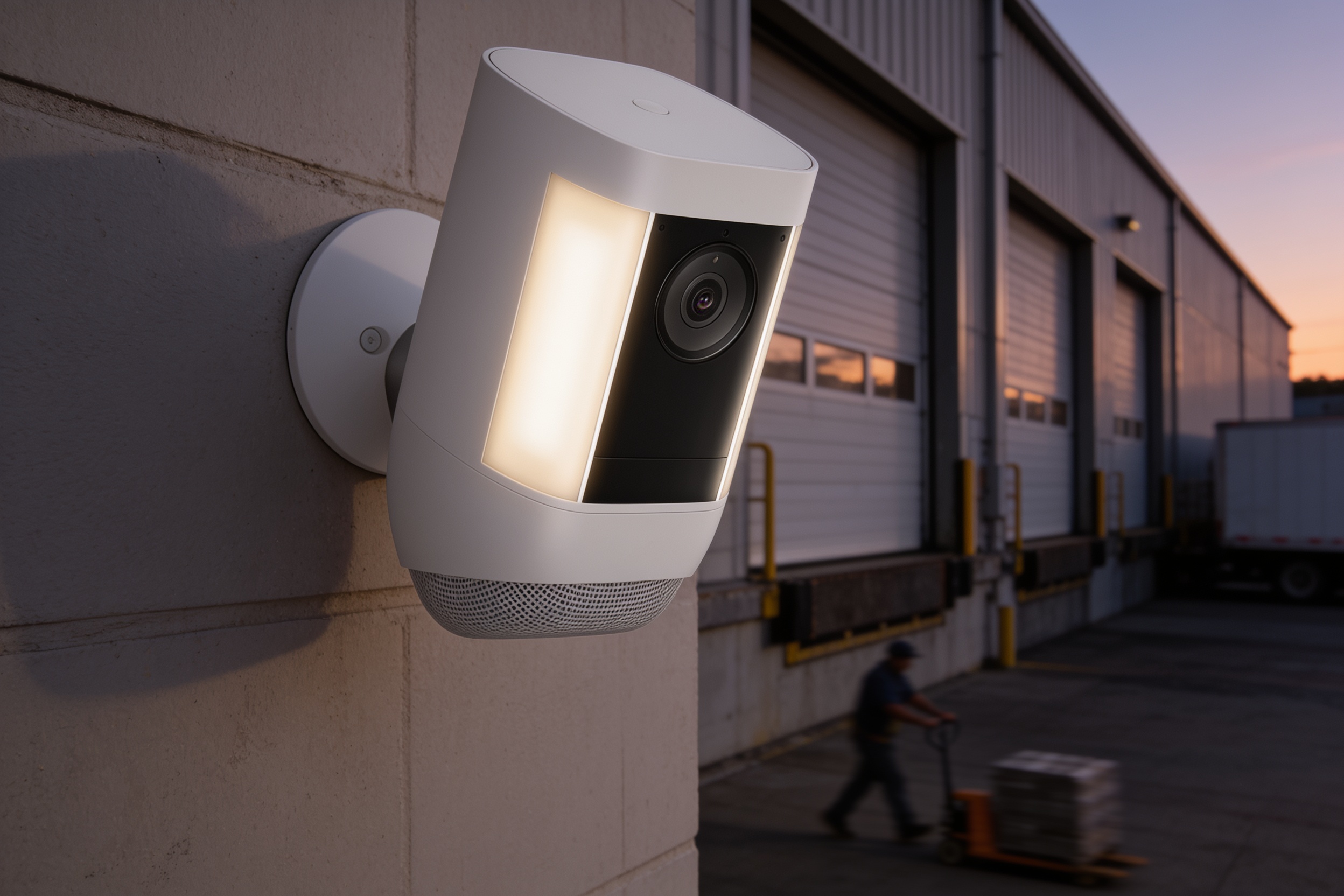
Cameras & video doorbells
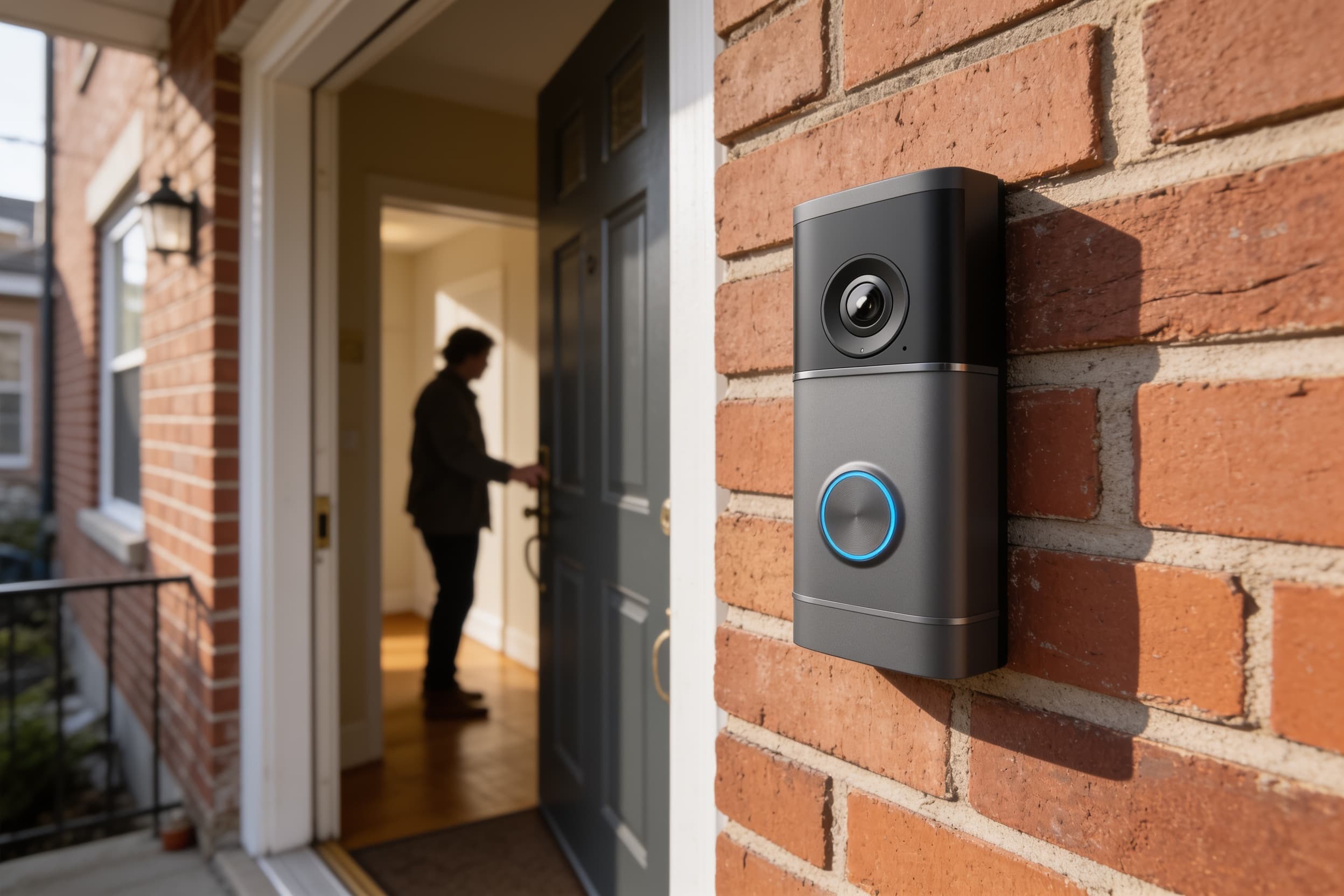
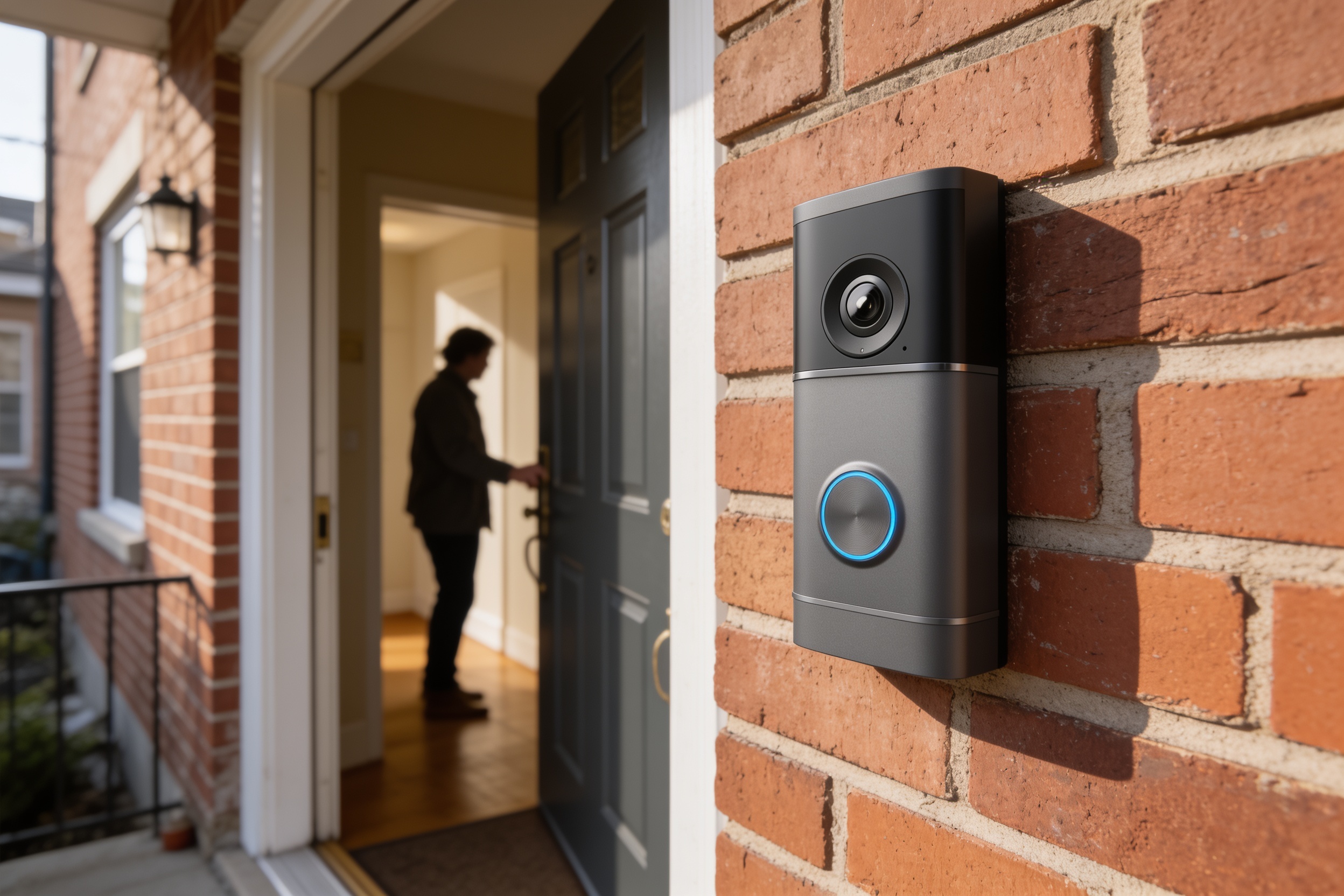
Business-grade cameras and doorbells for entrances, lobbies, and yards, wired into one view.
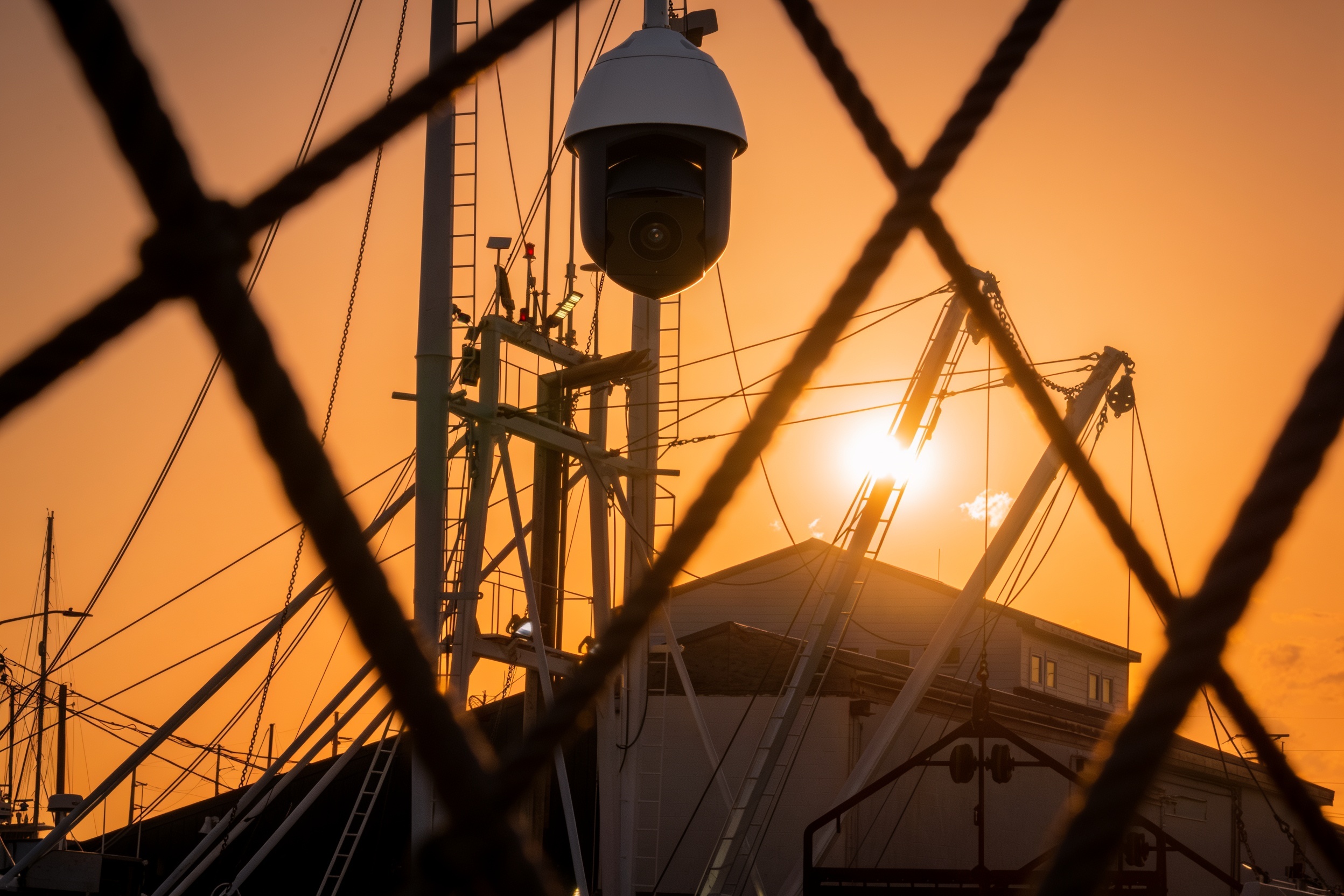
AI camera systems
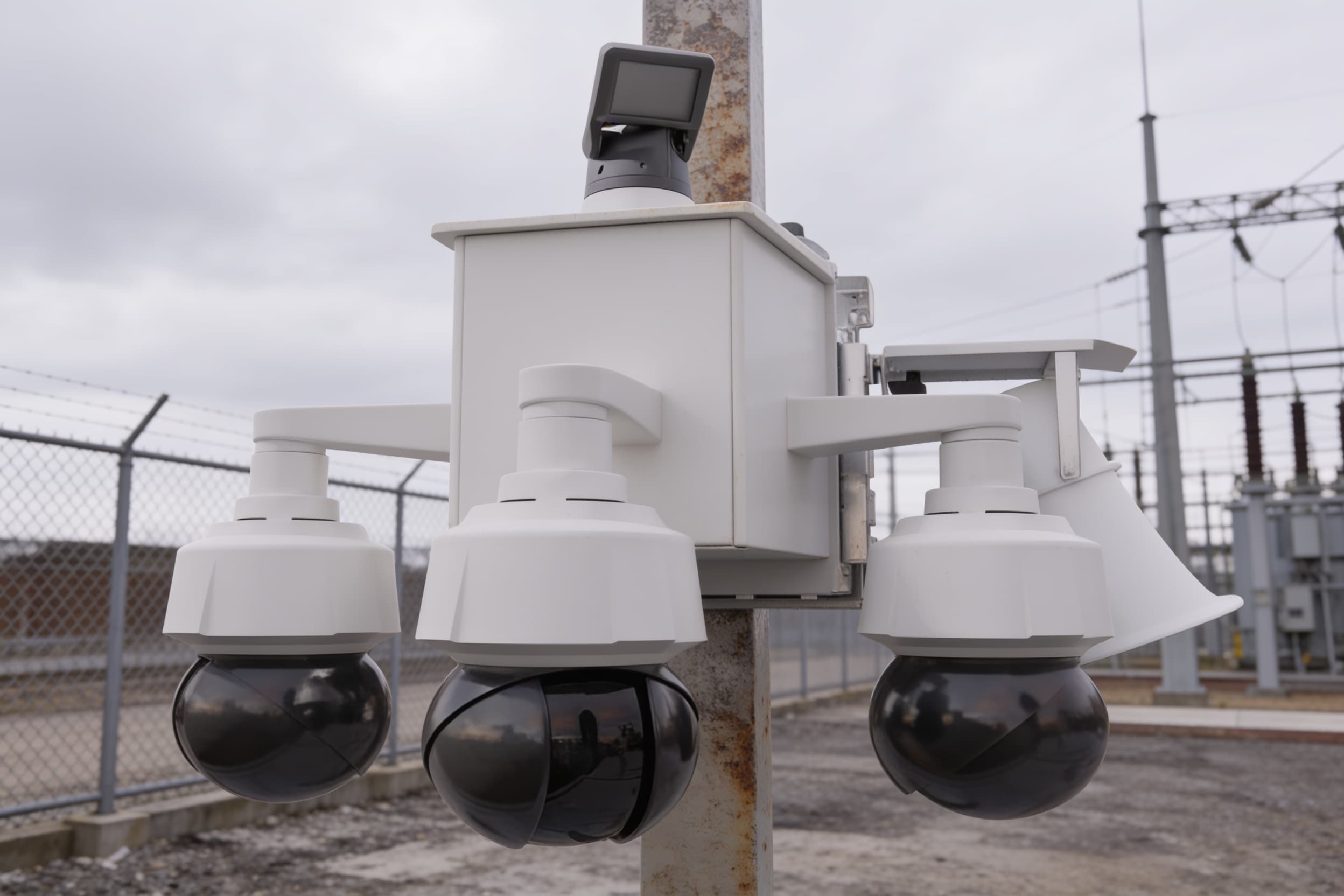
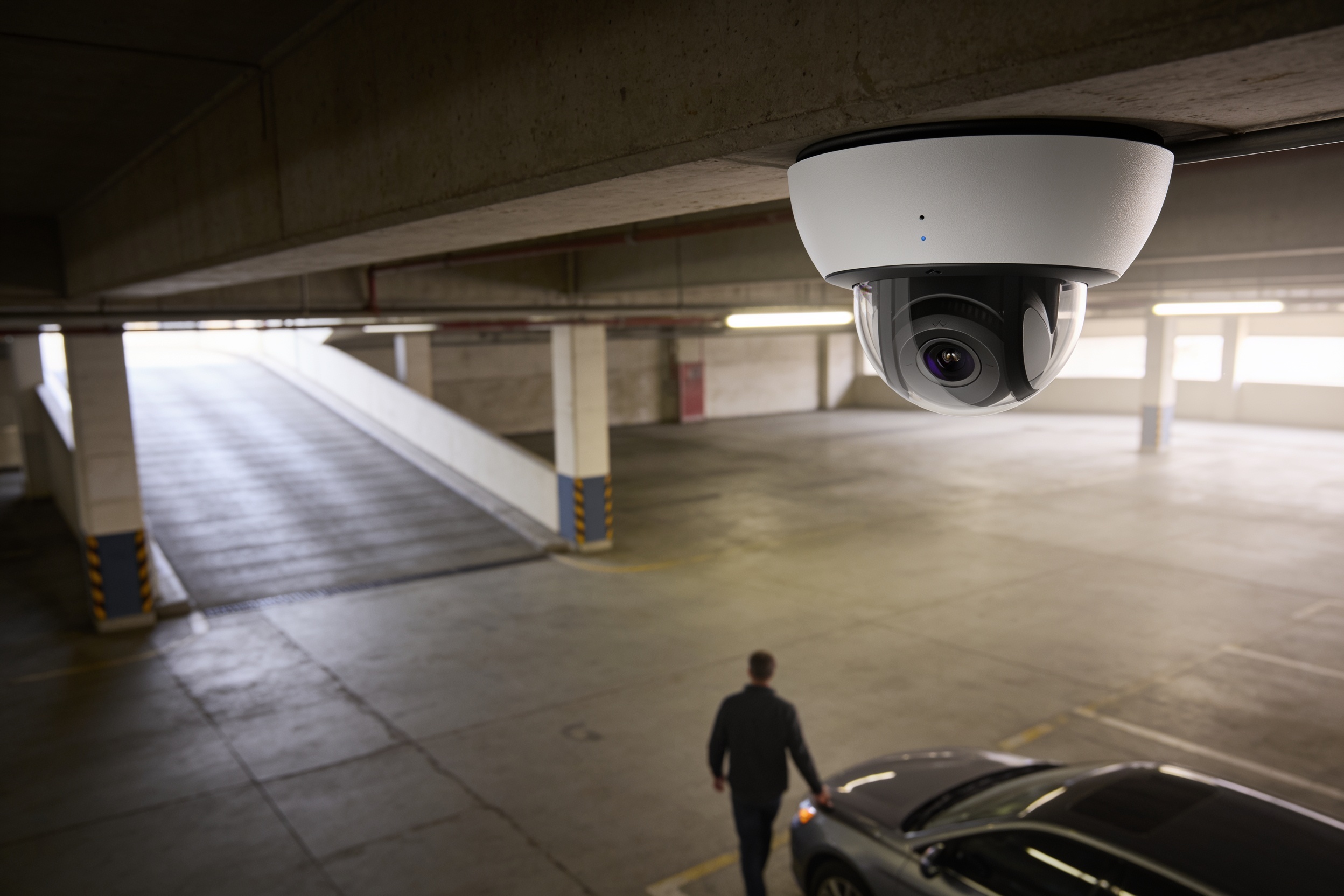
Enterprise cameras with on-device detection: people, vehicles, plates. Alerts, not just footage.
Access control & intercoms
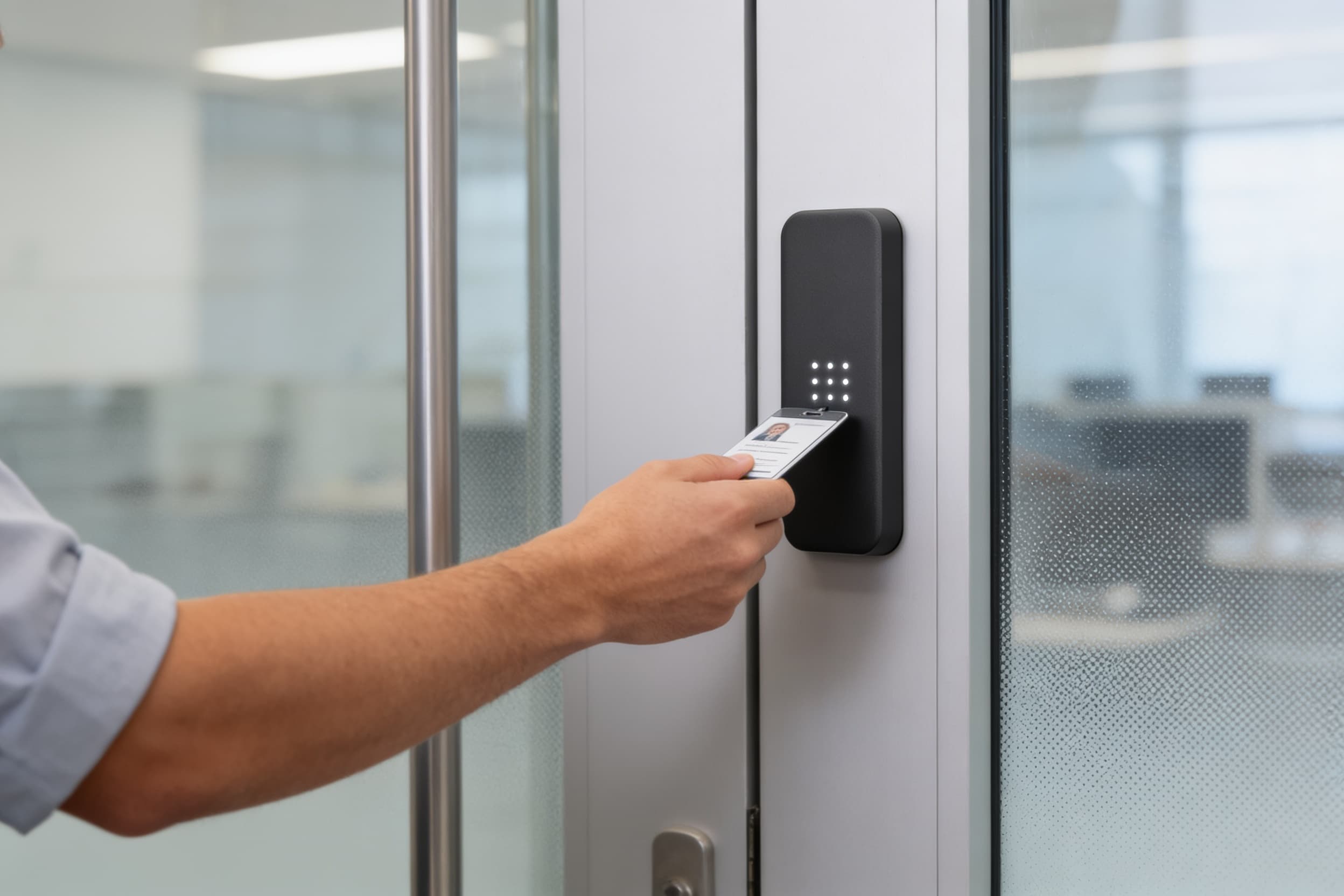
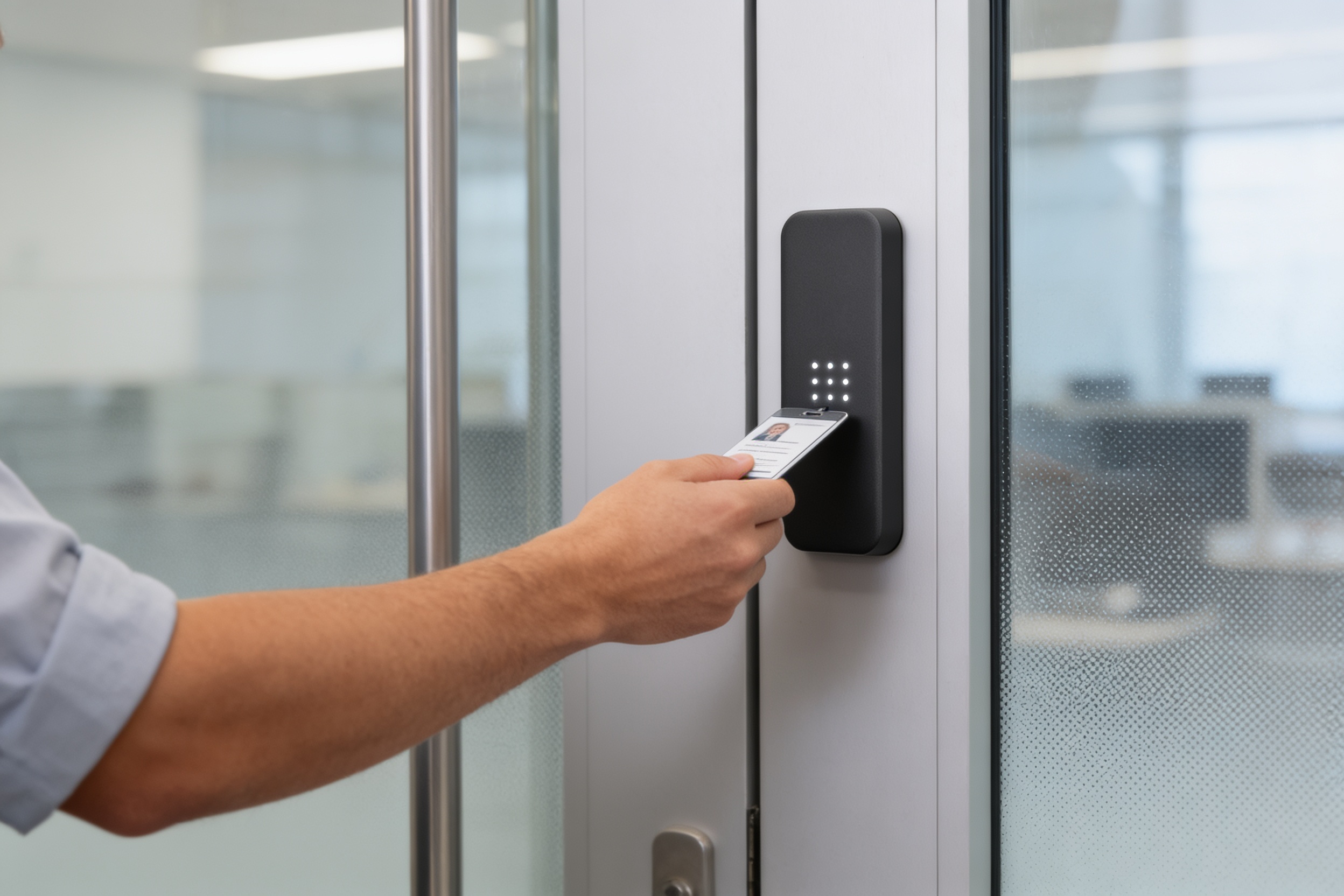
Door readers, keypads, smart locks, and intercoms, so who gets in is a policy, not a key.
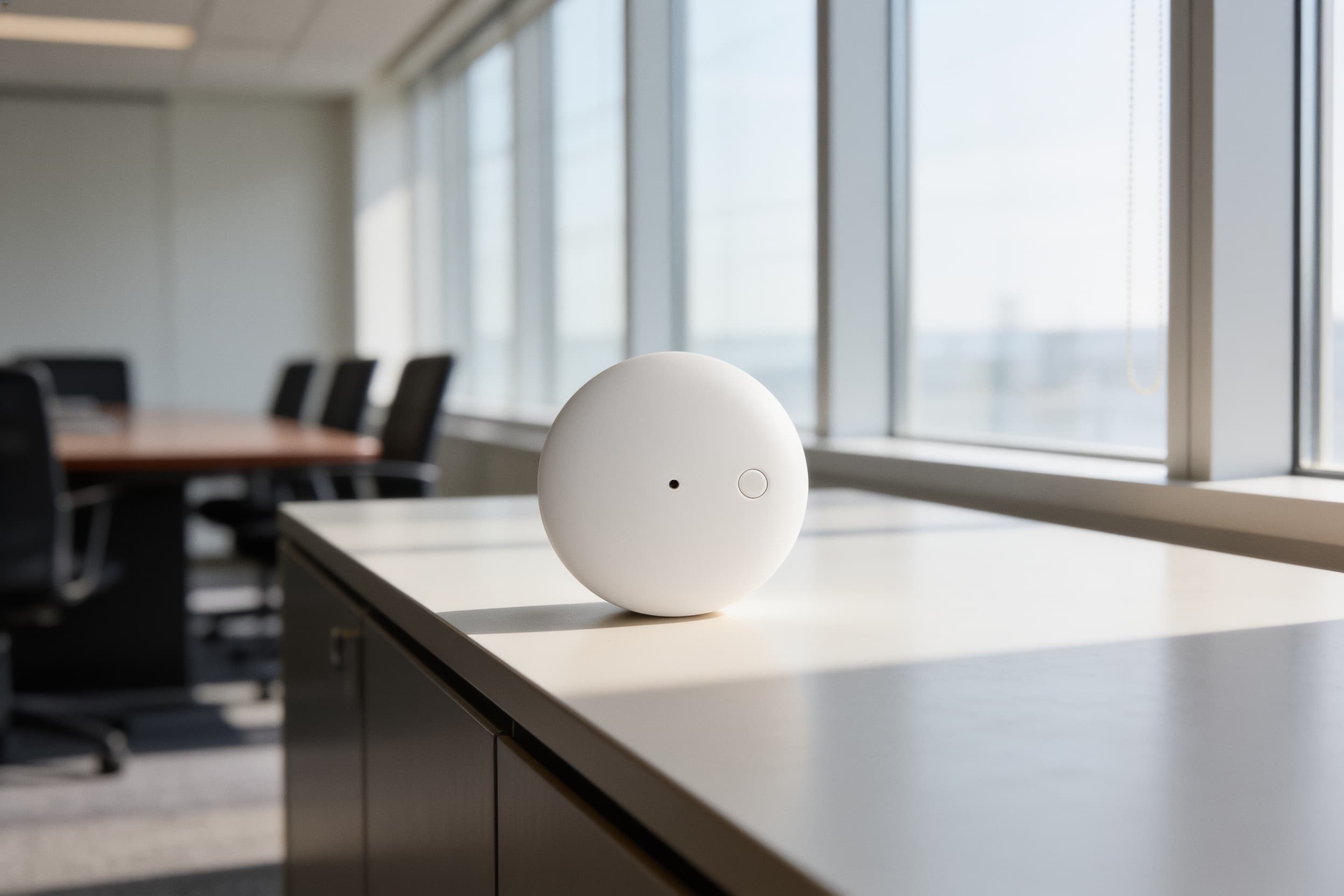
Alarms & sensors
Intrusion, glass-break, panic, smoke, and flood sensing, wired into the same alerts as the cameras.
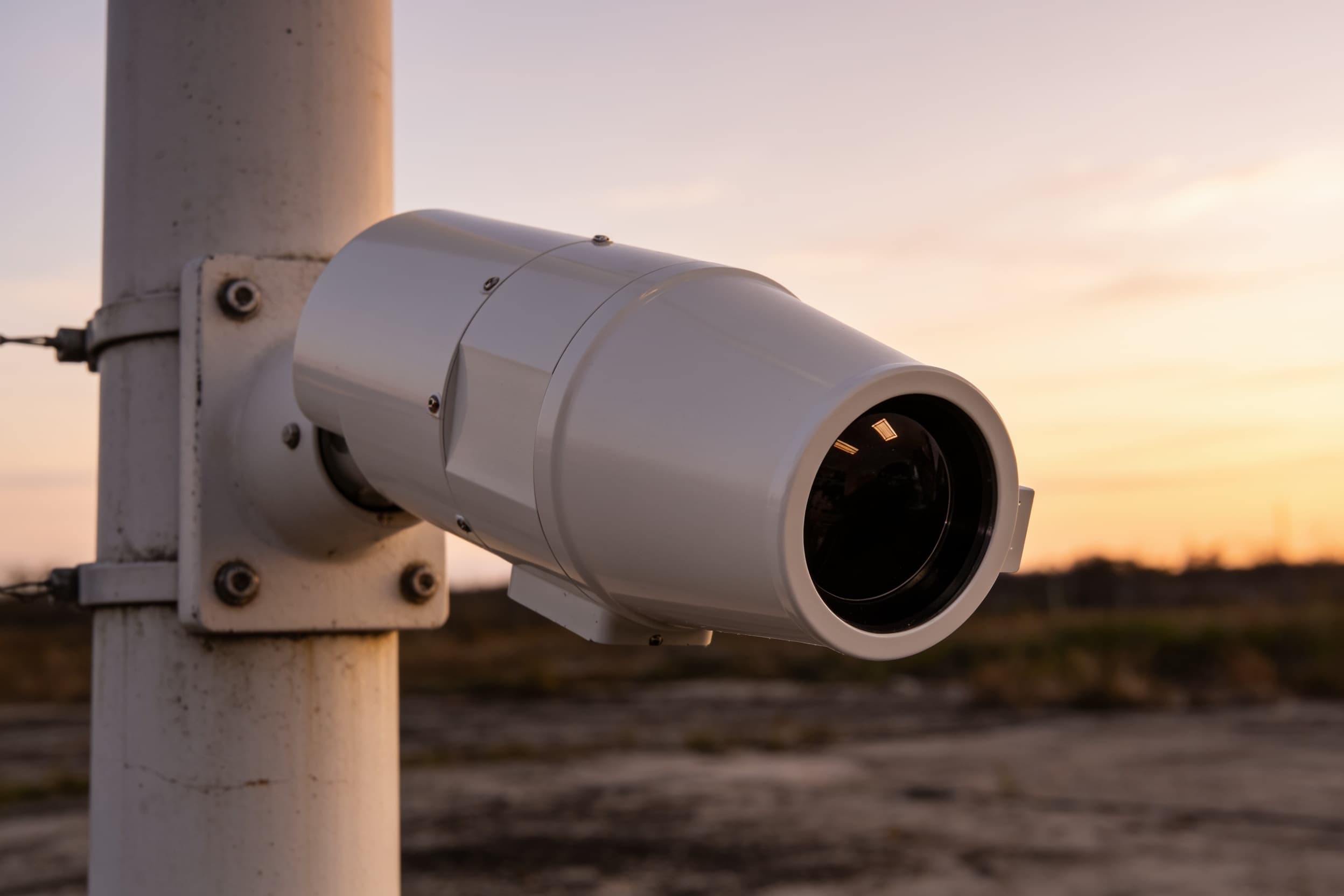
Thermal imaging
Thermal cameras that see heat, not light, for perimeters and dark yards where regular cameras go blind.
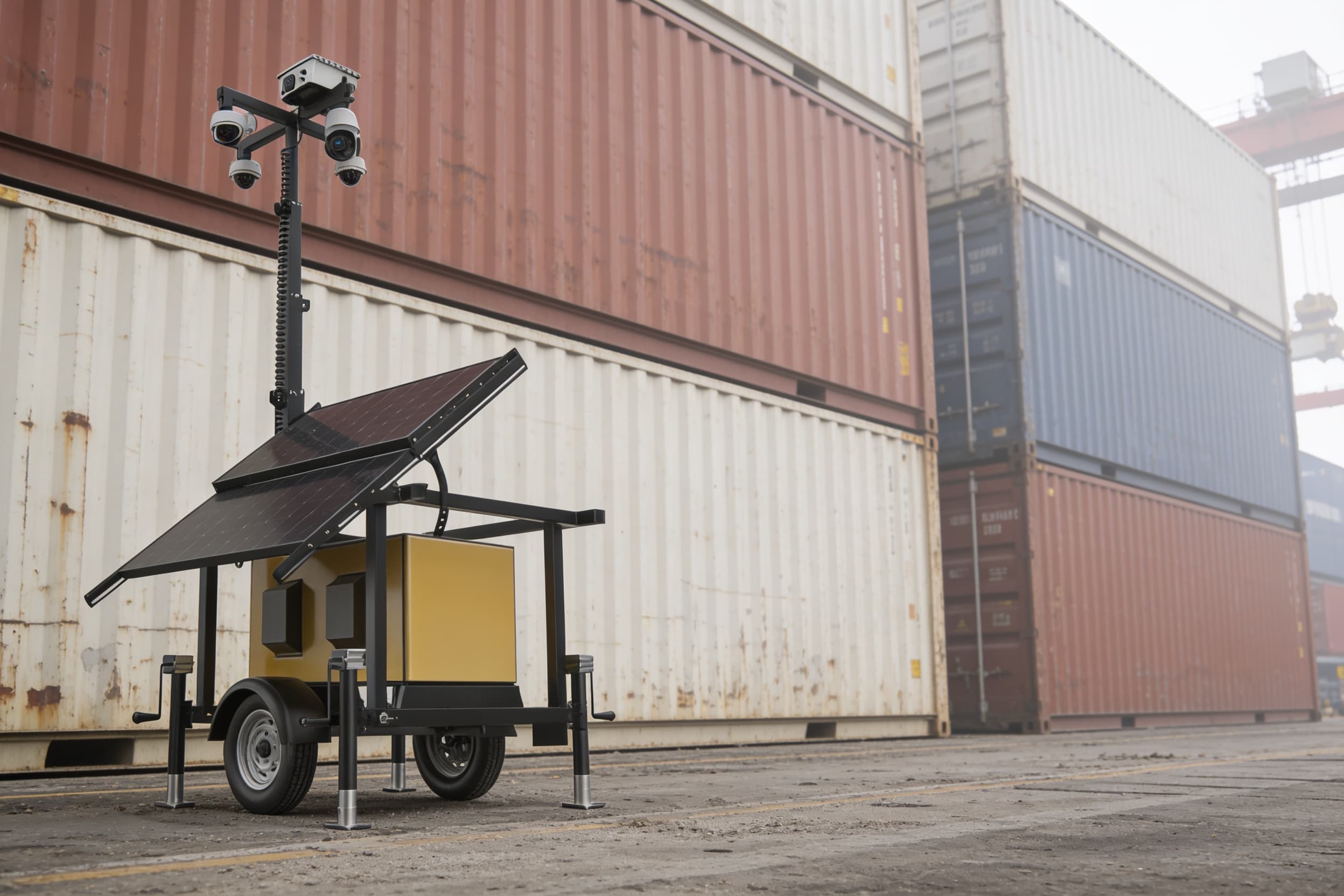
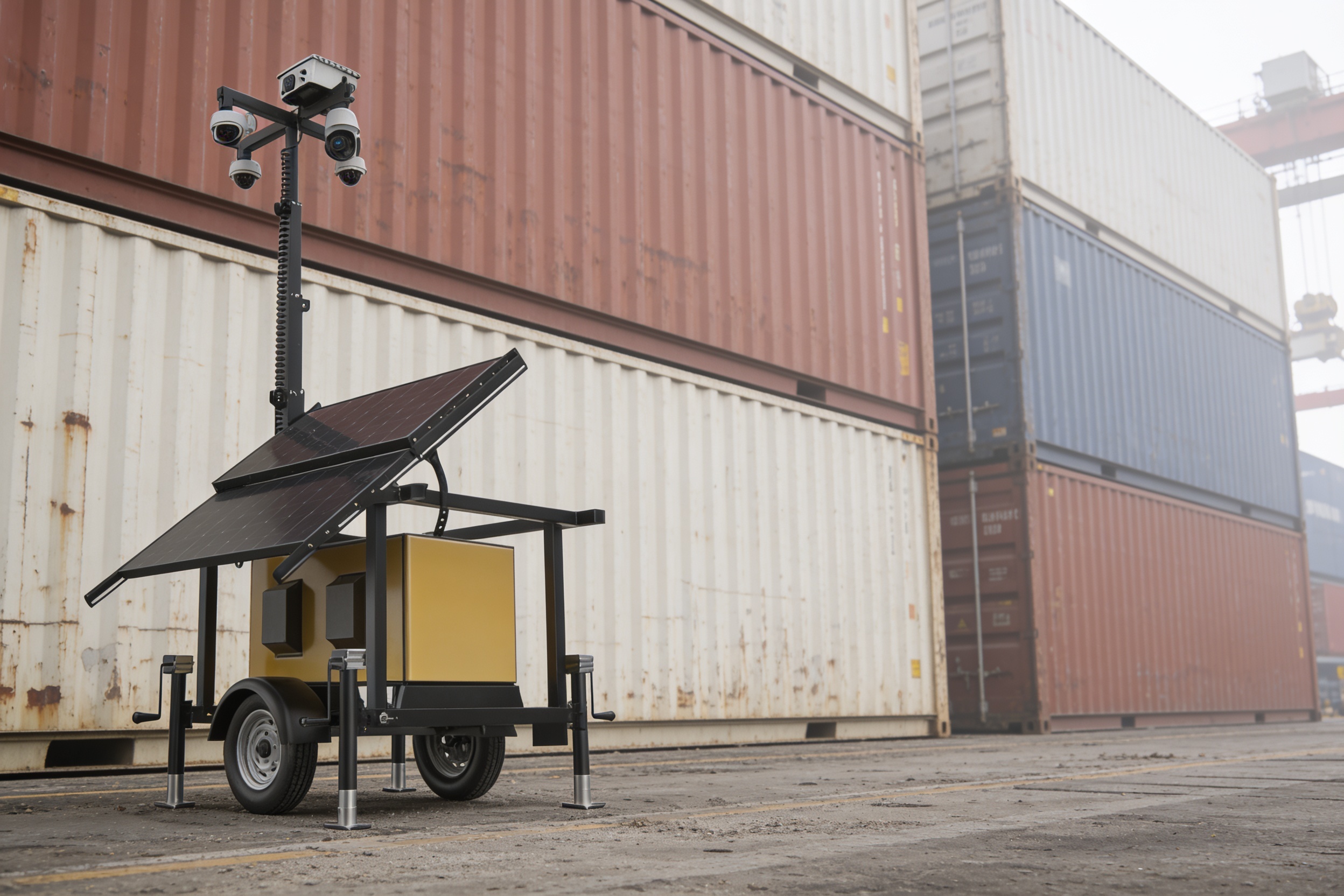
Mobile surveillance units
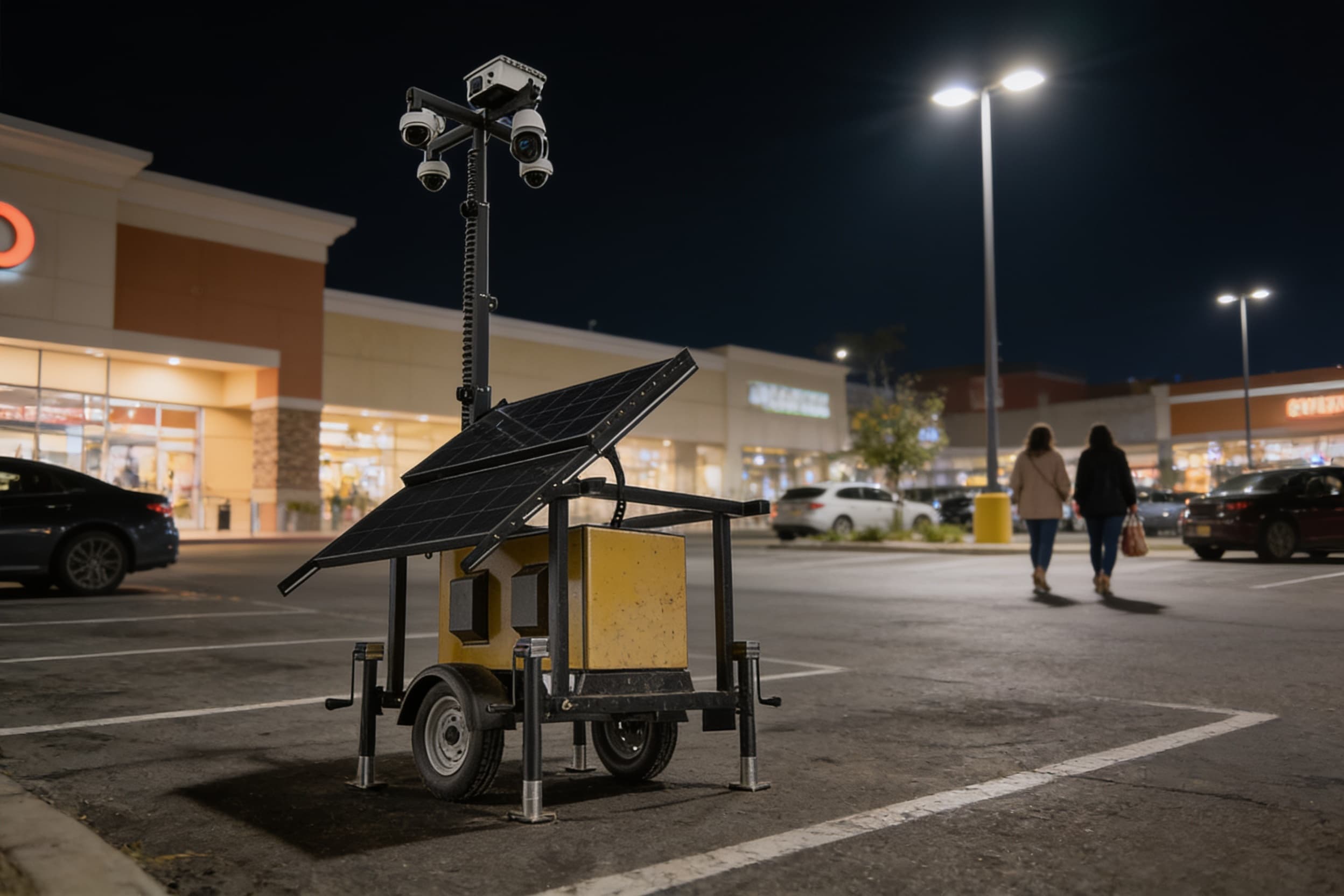
Solar, cellular units and trailers for lots and sites with no power. Watching the same day they arrive.
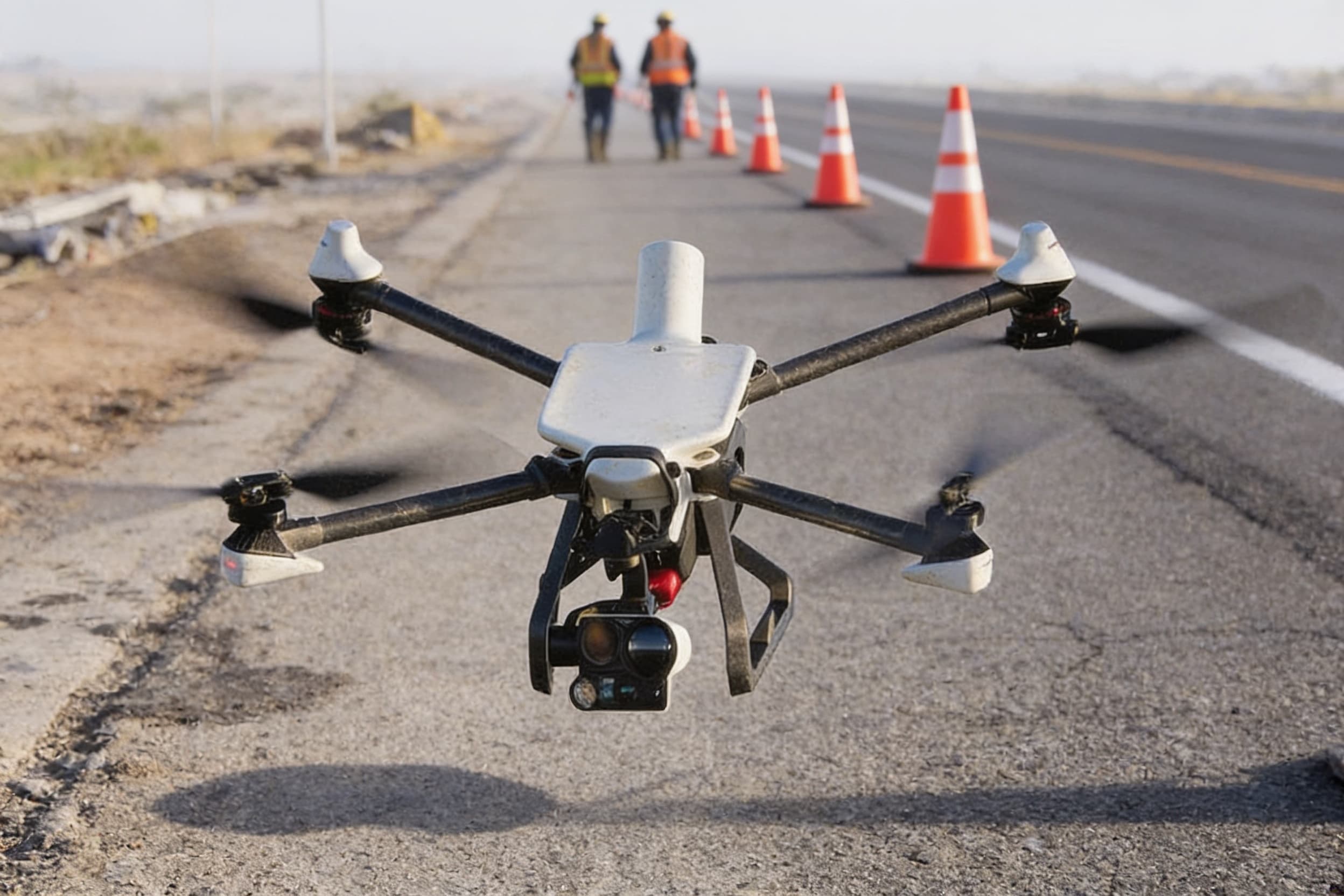
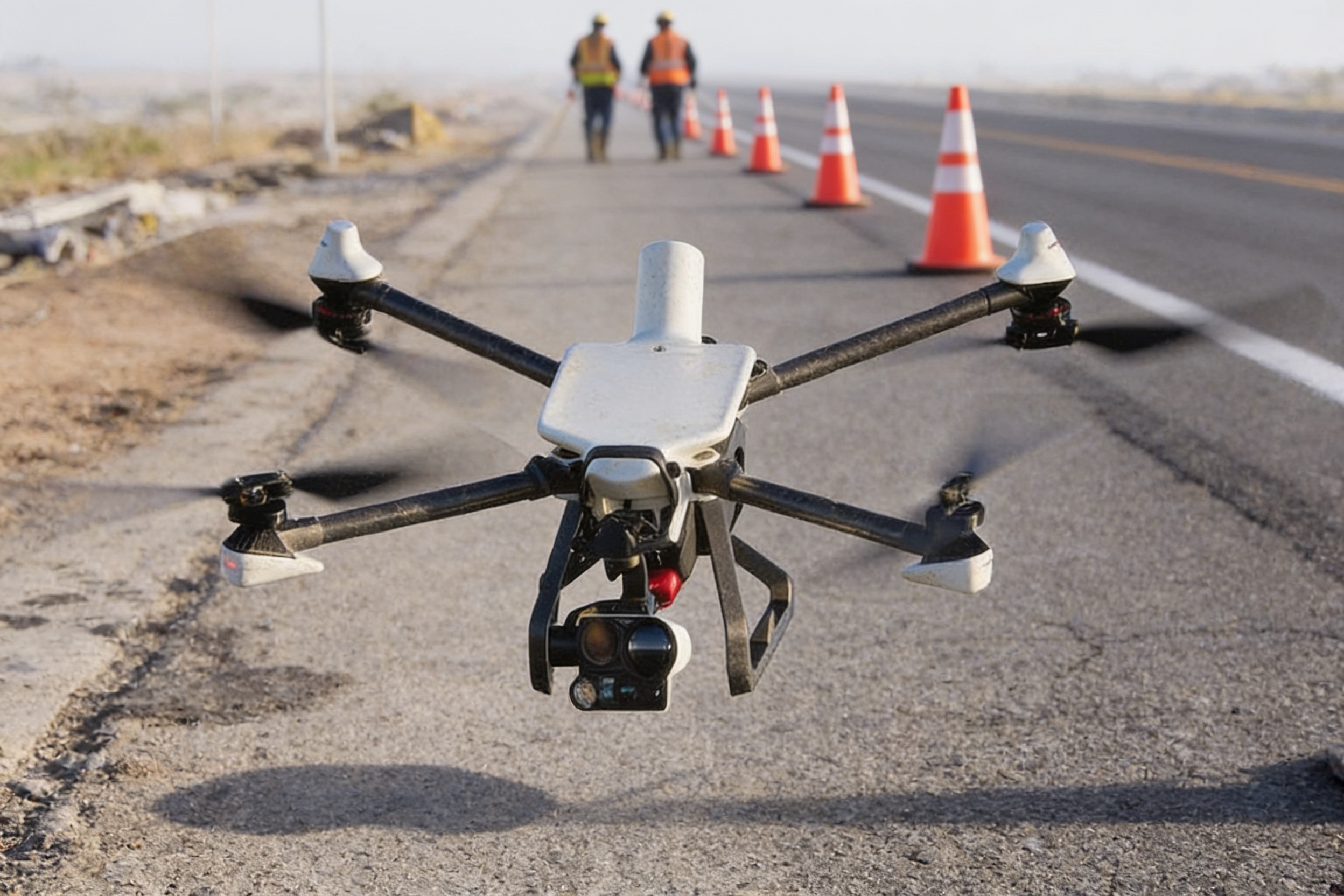
Security drones
Docked drones that fly perimeter checks and respond to alerts on large sites, on a schedule or on demand.
One stack. One view. One partner.
Tell us the site and we will tell you the mix, honestly, including the parts you do not need.
Get a quote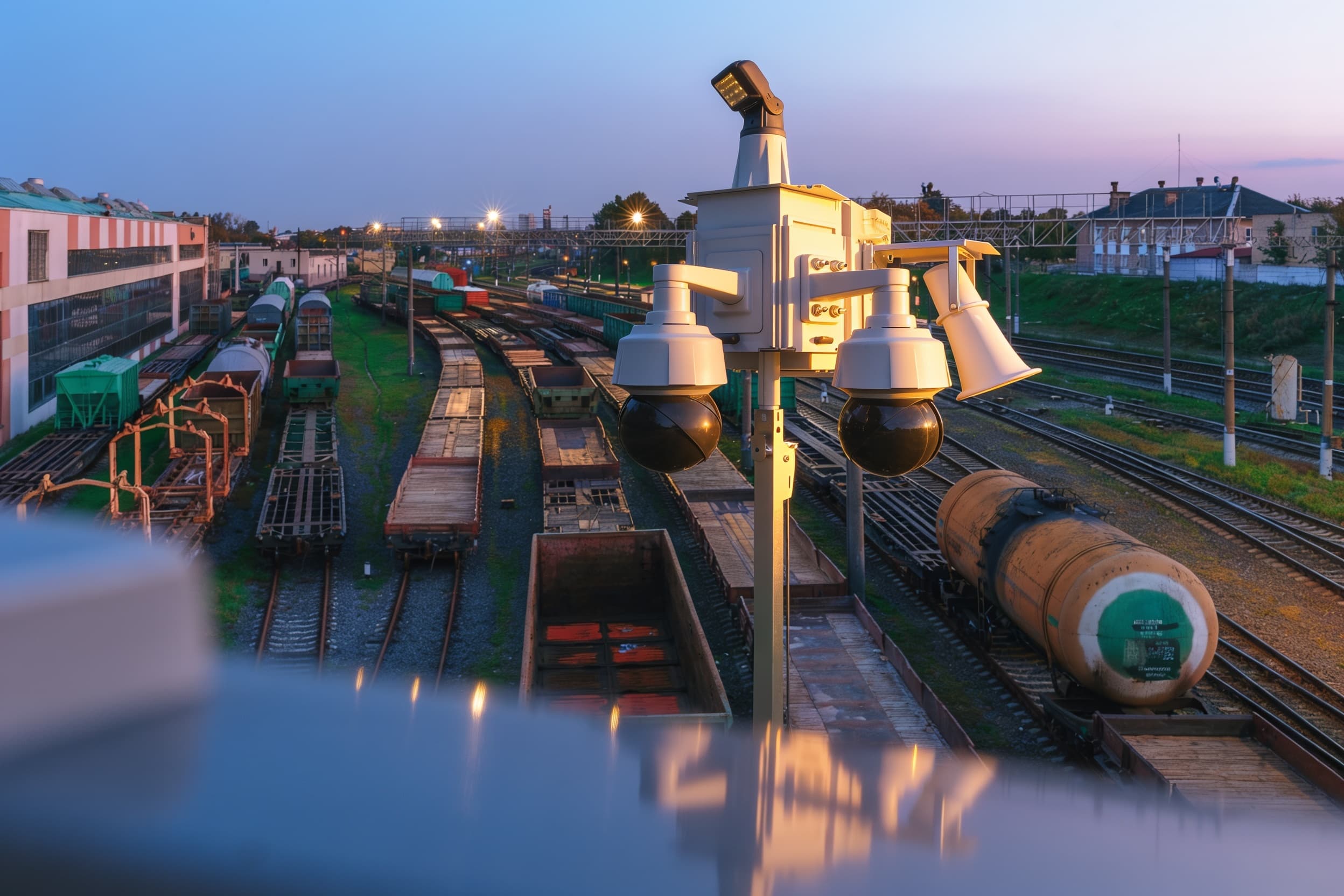
Featured
The security trailer.
A mast-mounted camera unit that tows to the site, sets up in an afternoon, and watches the lot around the clock. No wiring, no construction, moved whenever the site moves.
See the trailerHow we deliver it
Six steps. One partner.
The same process behind every deployment we run, from the first site walk to the service call years later.
See the full six-step processSites that use it
Wherever something valuable sits in the open.
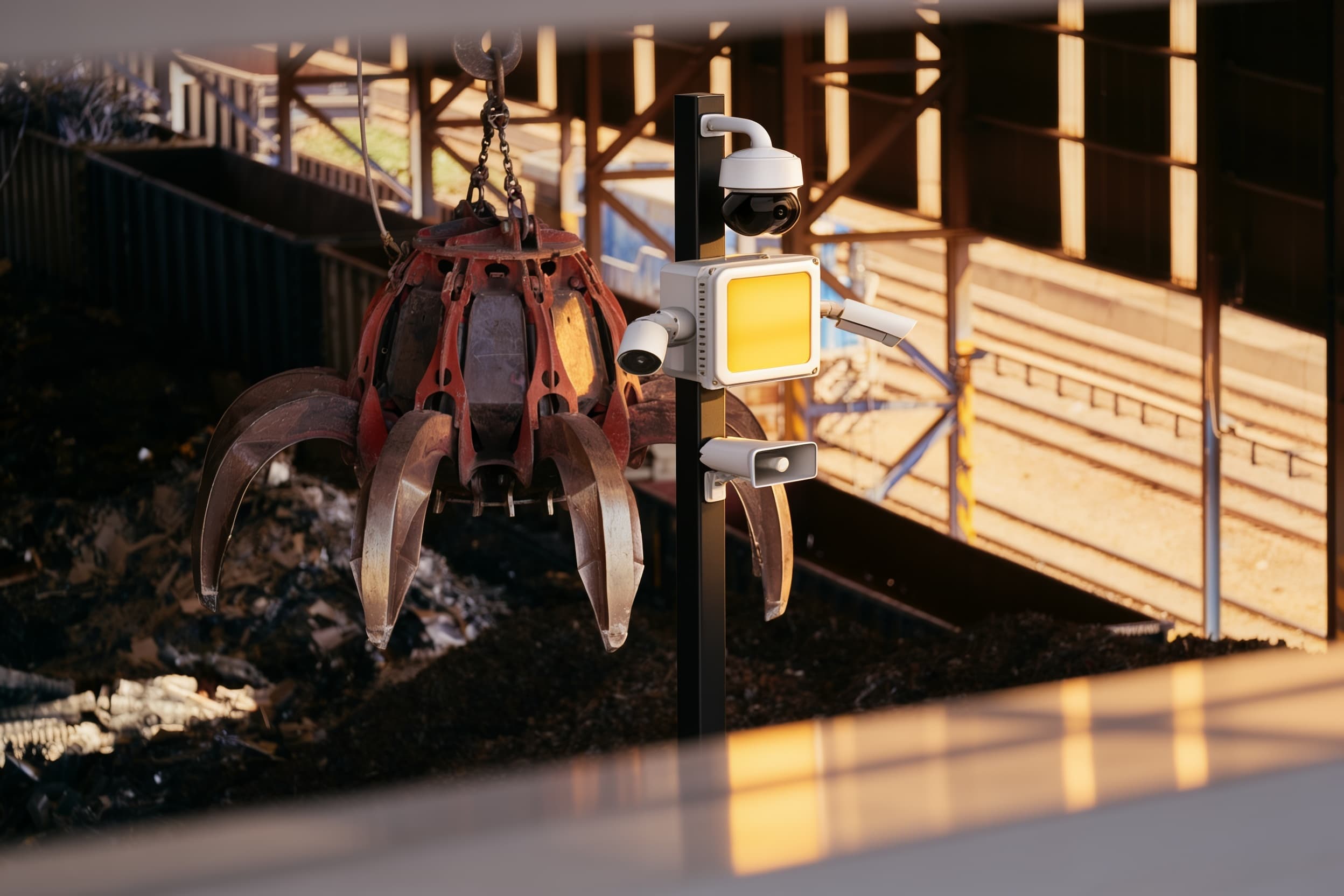
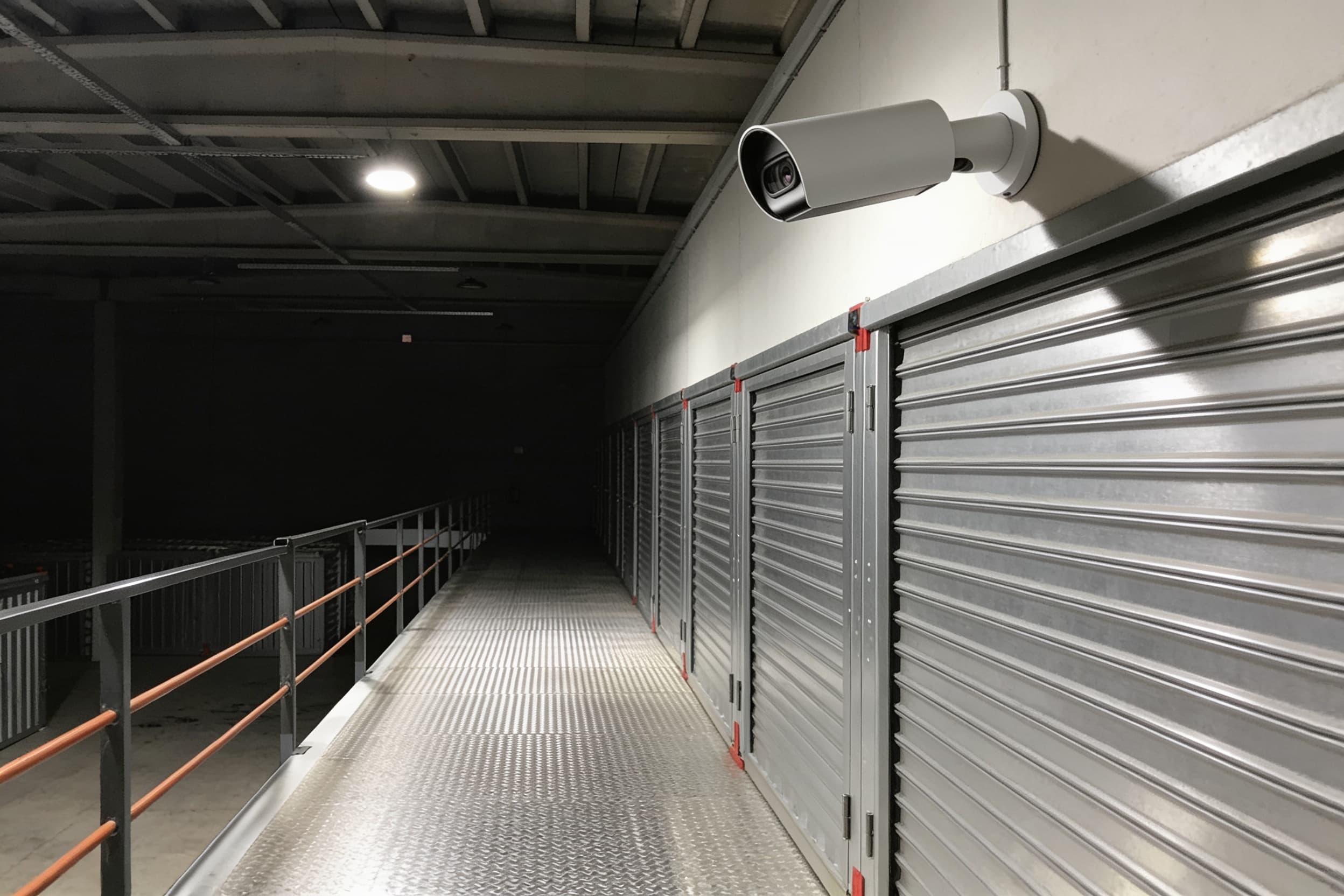
The same stack covers a trailer row, a dark lot, a data-center perimeter, and a lobby door. Pick your site.
Field notes
Most operators price security as an expense line. The better frame is the cost of NOT having coverage - a single incident routinely erases months of budget, and the market is scaling fast to close that gap.
$10k+
Average cost of a break-in across theft, vandalism, and property damage at commercial sites. High-value construction sites and equipment lots routinely see $50k–$200k+ losses in a single incident.
Industry data
12 min
Average law-enforcement response time to a property-crime call in the US runs 11–14 minutes. A mobile camera trailer with live deterrents - strobes, loudspeaker - intervenes in seconds, before the loss happens.
FBI crime data
$60k+
Annual cost of one overnight security guard, fully loaded with wages and benefits. Our security trailers rent from $695 a month, published pricing, and cover more ground than one pair of eyes.
BLS wage data
$65.8B
Where the security-robot market lands by 2034, growing 16.9% a year.
Fortune Business Insights
17.75%
Annual growth of commercial security robots through 2031.
Mordor Intelligence
Figures are publicly-reported industry ranges, not guarantees. Actual costs vary by site, location, and incident type.
/ options compared
The stack, side by side
Seven tools and one baseline. What each covers, what it needs, and where it fits.
| Tool | What it covers | Setup | Power & internet | When something happens | Best for |
|---|---|---|---|---|---|
| Cameras & video doorbells | Entrances, lobbies, yards | Hours per building | Uses the building’s | Alerts to your phone or desk | Every door you already have |
| AI camera systems | Perimeters and interiors, with detection | Days, wired into one view | Uses the building’s | Flags people, vehicles, plates | Sites that need alerts, not footage |
| Access control & intercoms | Doors, gates, and who gets through them | Hours per door | Uses the building’s | Logs every entry, locks on command | Buildings where keys keep walking off |
| Alarms & sensors | Break-ins, glass, smoke, flood, panic | Hours per building | Battery and wired options | Sirens on site, alerts to your team | Layering detection behind the cameras |
| Thermal imaging | Dark perimeters and yards, by heat | Days, mounted on masts or walls | Uses the building’s | Sees what regular cameras miss at night | Perimeters with zero light |
| Mobile units & trailers | Whole lots from a mast | Under 30 minutes, tow in | None needed, solar + cellular | On-unit deterrents, monitoring options | Lots and sites with no infrastructure (from $695/mo, published) |
| Security drones | Large perimeters and roofs, from above | Program-designed per site | Dock charges the aircraft | First eyes on an alert in seconds | Big footprints and hard-to-reach assets |
| One overnight guard (baseline) | One area at a time | Same day, high turnover risk | N/A | Yes, with the highest liability exposure | Sites where the law requires one ($5,000–$8,000/mo, illustrative) |
Guard and camera-install figures are publicly reported industry ranges, not quotes. Trailer pricing is our published rental rate. We confirm real numbers on a free site assessment.
Proof
Real deployments, real numbers.
Documented security-robot deployments and the numbers they moved. Organizations are anonymized; figures come from public reporting.
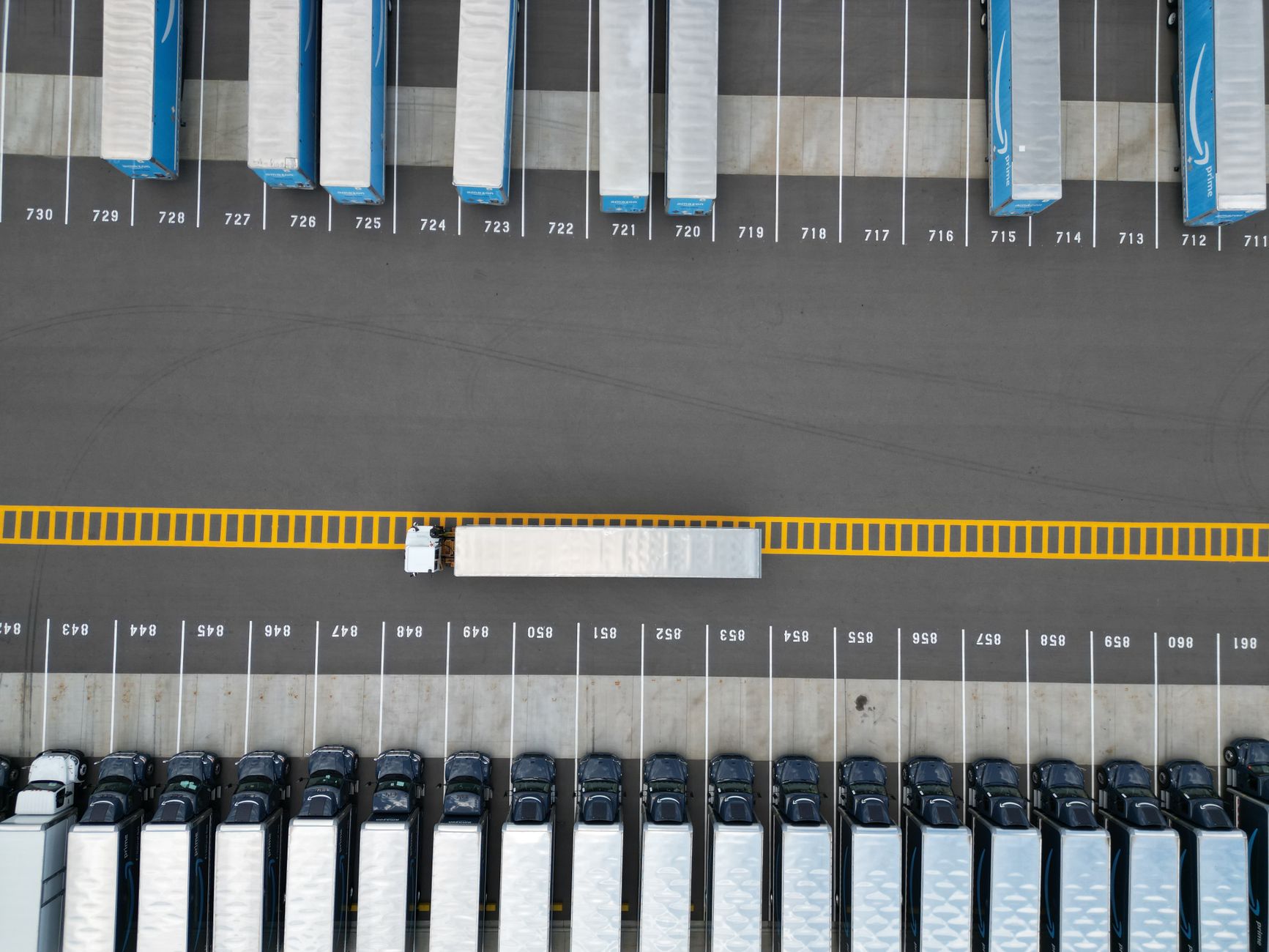 How a Contract Logistics Campus Cut Local Crime Index 13% With Robotic Patrols13% Crime index dropa large pure-play contract logistics distribution center in the Midwest
 How a Silicon Valley Office Campus Cut Break-Ins 90%90% fewer break-ins reporteda 445,000-square-foot Silicon Valley office campus
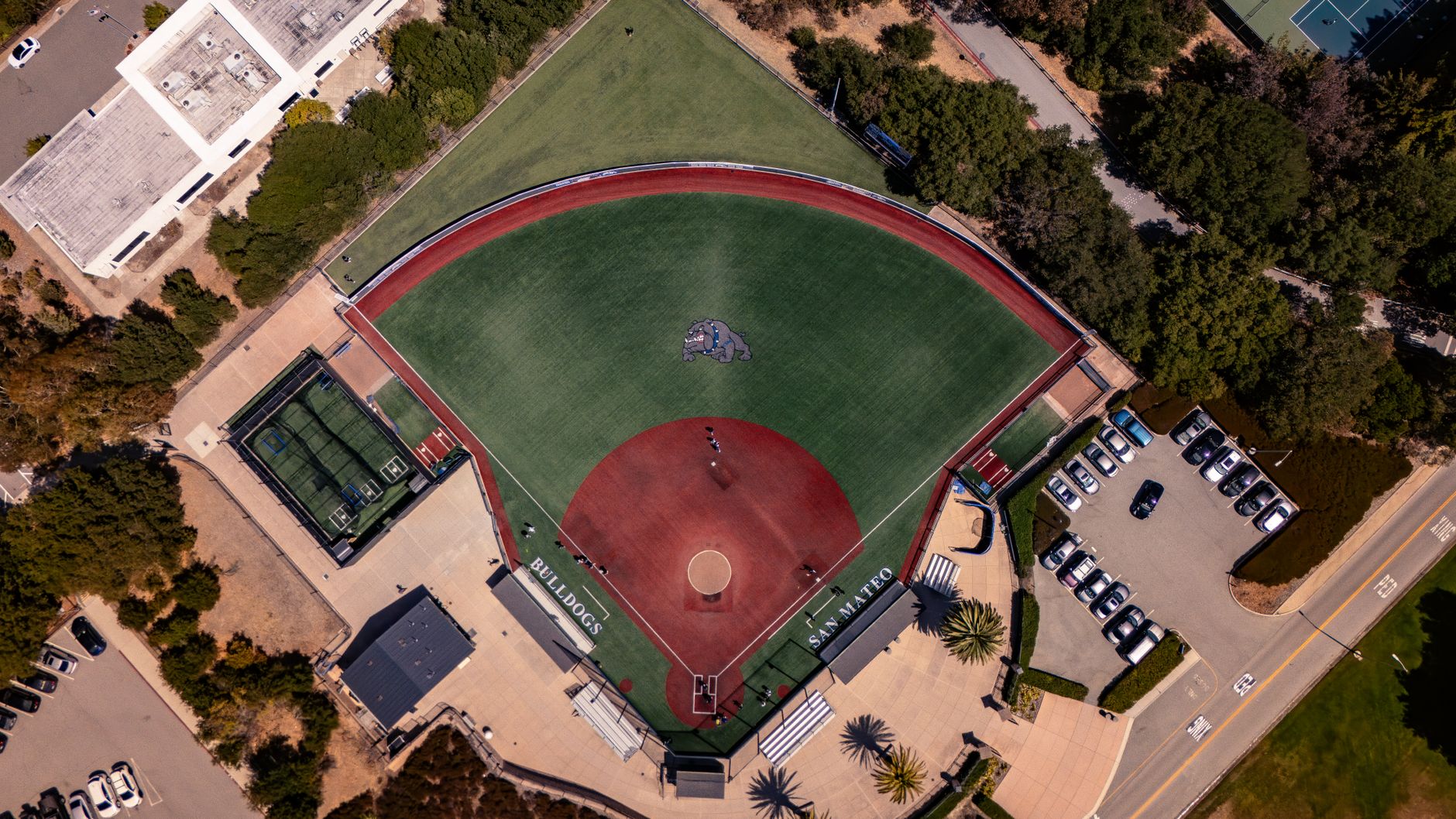 How a Large Midwest School District Reclaimed $62,000 a Year With Robotic Mowers$62K Annual savingsa large public school district in the upper Midwest with dozens of campuses and multi-acre athletic fields
/ honest fit check
Who this is NOT for
The stack covers most commercial sites, from a single doorbell to a drone-patrolled perimeter. It is still the wrong answer in a few cases, and we will say so before you sign anything.
Sites whose current system already does the job
If your cameras cover every angle and alerts reach the right people, you do not need new hardware. Sometimes the honest answer is an AI-detection upgrade on what you own, and sometimes it is nothing at all.
Sites where the law requires a licensed guard
Where regulation or a contract requires a physical, licensed security presence, cameras, drones, and robots supplement the guard. They do not replace the requirement. We can refer a licensed monitoring partner.
Buyers who want a box, not a working system
If you only want hardware shipped to your dock, a distributor is cheaper. Our value is picking the mix, installing it, wiring it into one view, and servicing it. That is what you are paying for.
Go deeper
The product
Industries
More solutions
Industries we serve with this solution
High-value sites that sit empty or under-watched - each one linking to the industry guide.
Construction sites
High-value equipment on a site with no power or fence yet - watched before utilities are connected.
See industry guideParking lots & vehicle lots
Open inventory that is a theft target after hours - deterred and documented.
See industry guideTruck yards & logistics depots
Trailer rows, fuel, and cargo in the open all night - covered without staffing a gate.
See industry guideData centers
A large perimeter, a small on-site team, and audits that want documented coverage.
See industry guideSelf-storage facilities
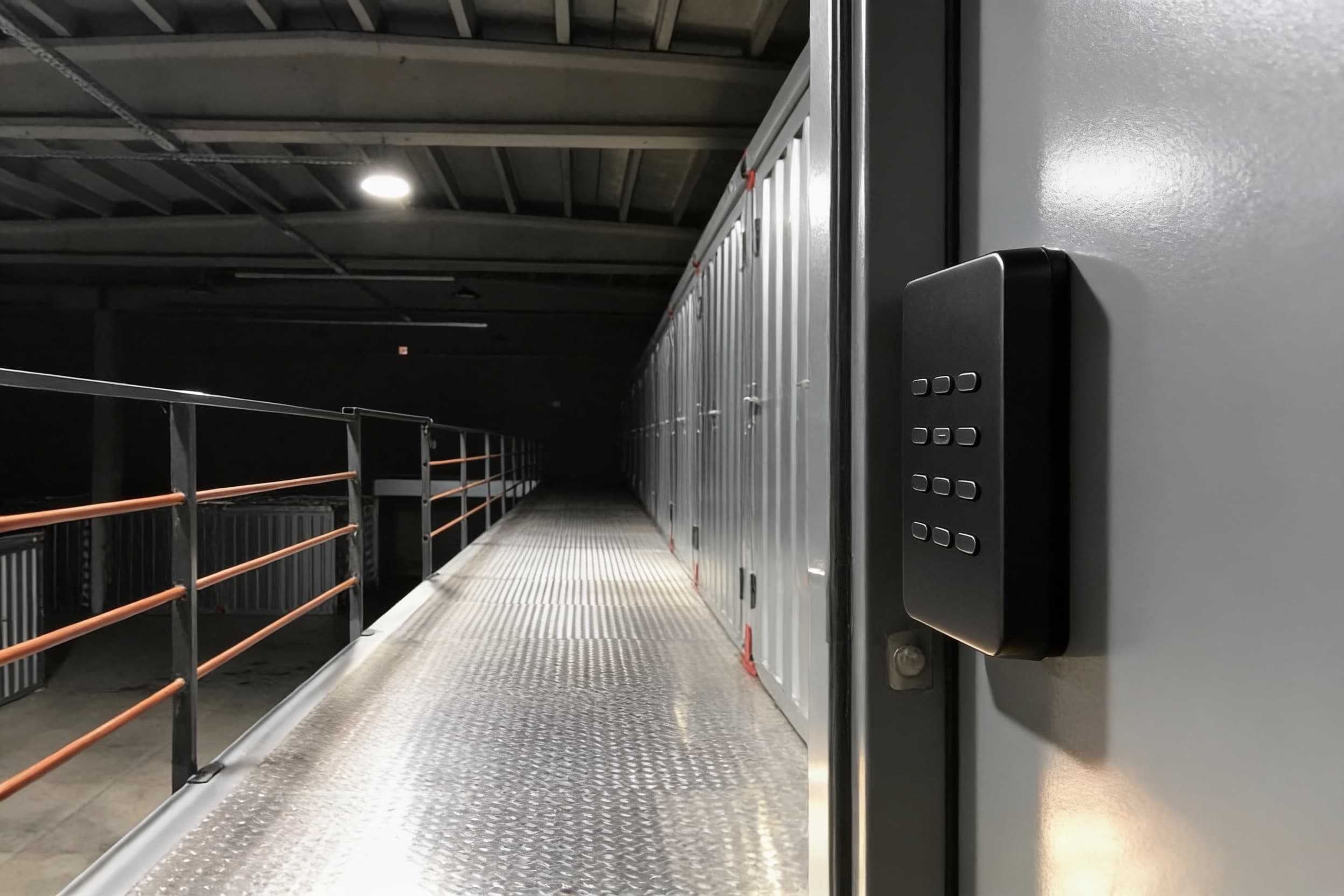
Unmanned after hours by design - gates, drive aisles, and corridors still watched.
See industry guideEvent venues
Extra coverage for a window of days, scaled up without the headcount.
See industry guideWarehouses & distribution
Docks and trailer lots empty overnight - patrolled every hour.
See industry guidePublic sector
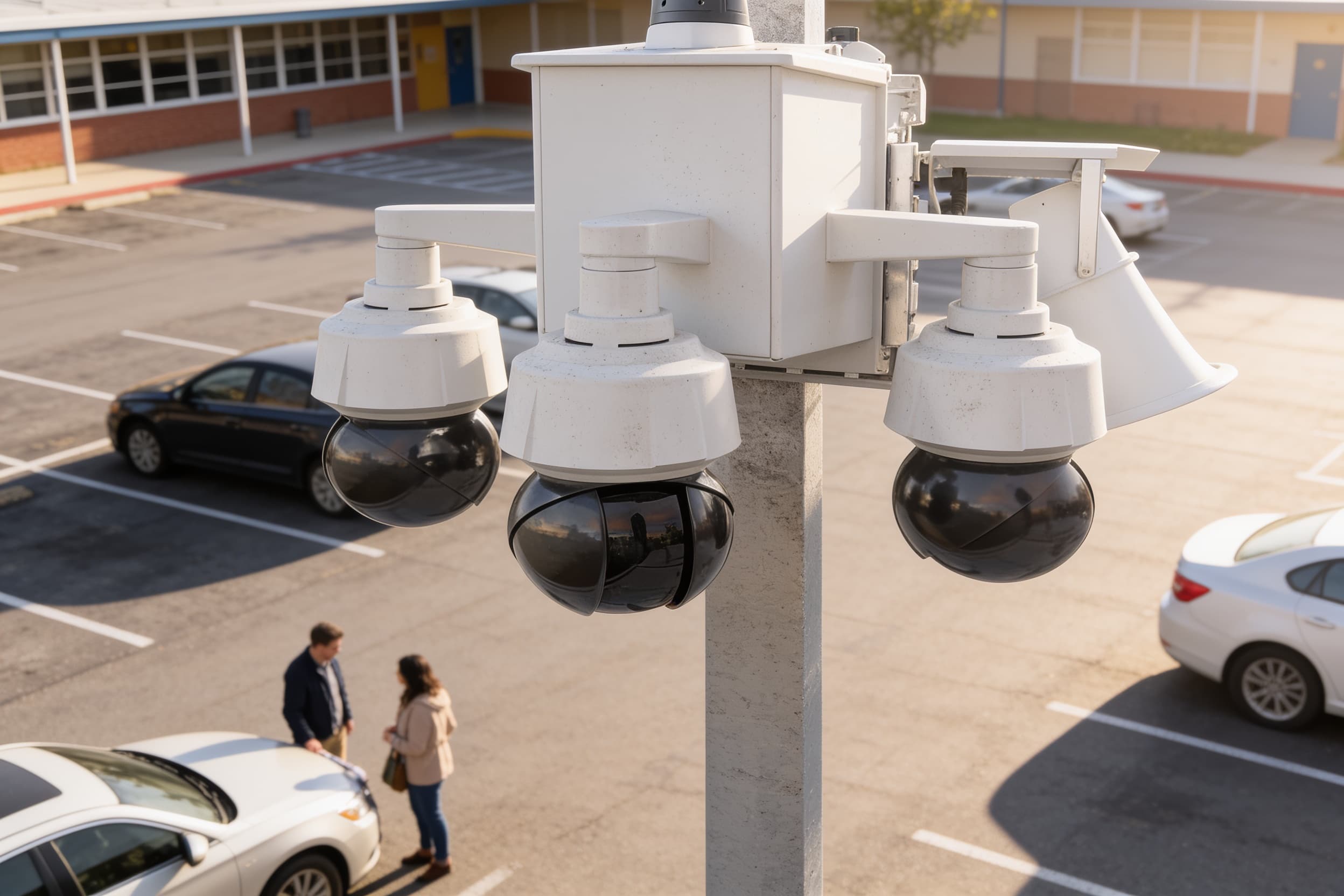
Robotics, sensing, and support for cities, counties, schools, and public facilities.
See industry guideFacilities & campuses
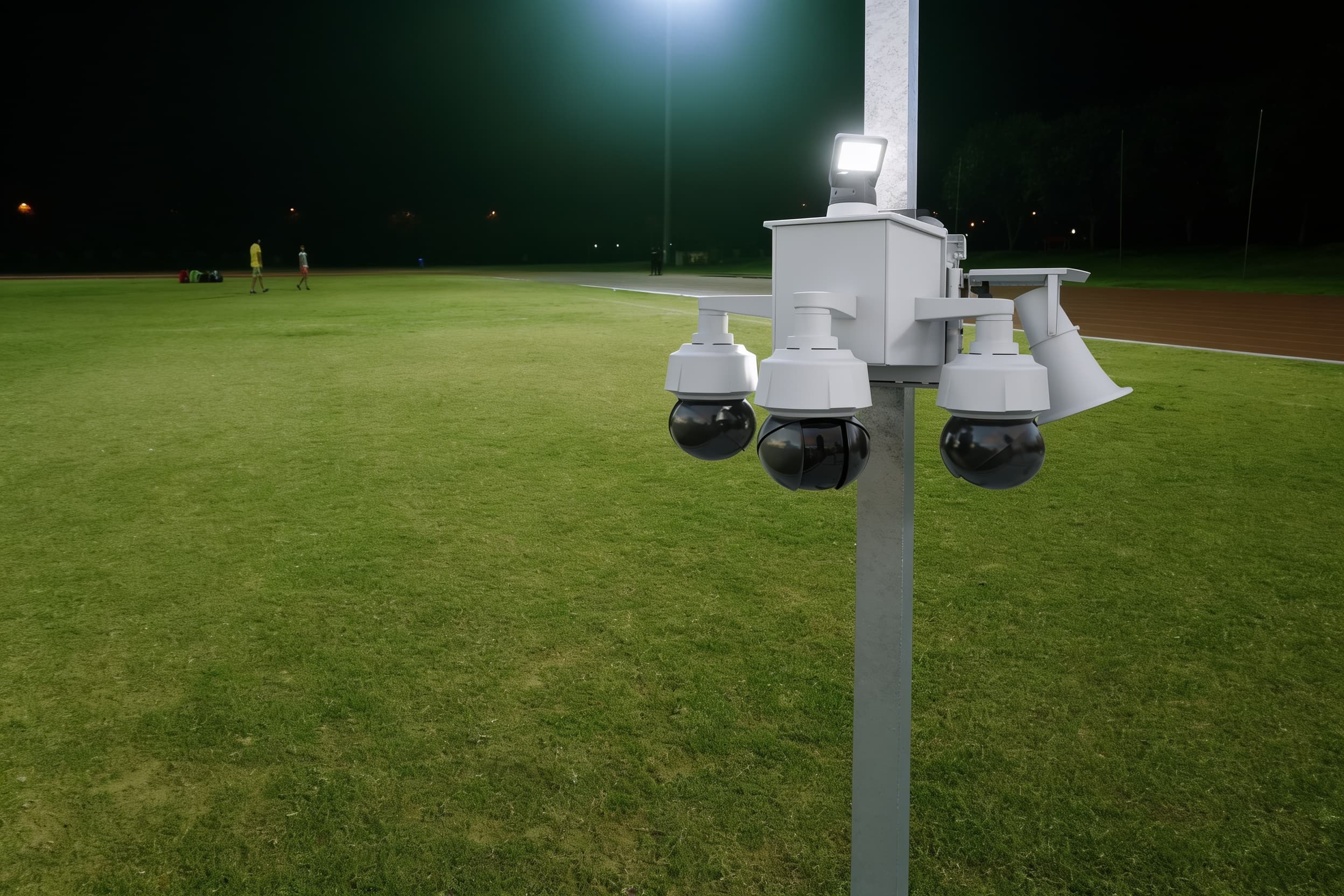
Large grounds where a small security team cannot be everywhere.
See industry guideFrom our blog
Reading for the decision you’re making.
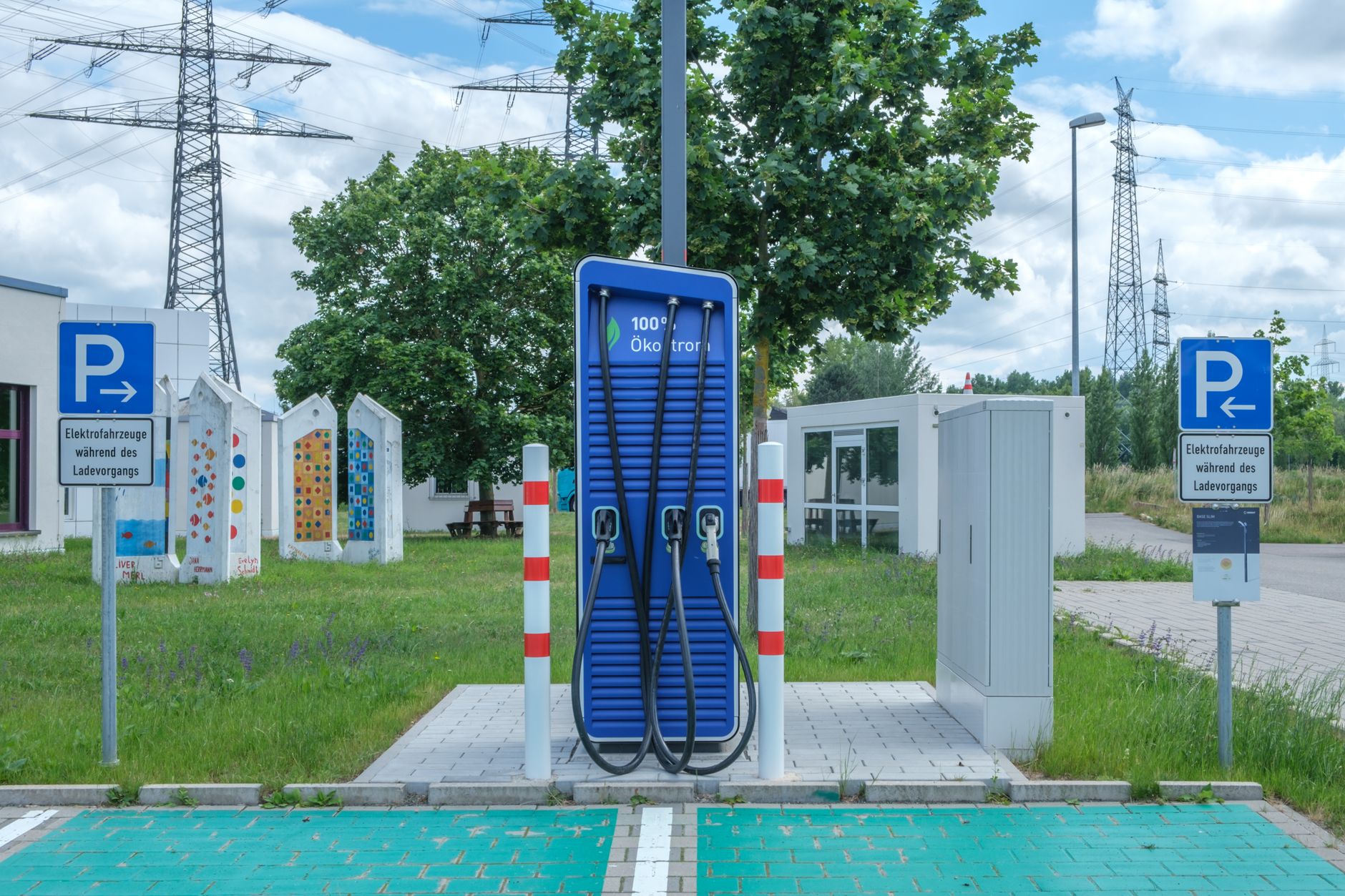 Use casesHow Security Robots Protect Remote EV Charging DepotsA practical guide to patrol robots, thermal sensing, cameras, and remote response for securing EV fleet charging depots overnight against theft and overheating.Read the article
 DeploymentQuiet-Hour Floor Scrubbing on 24-Hour Casino FloorsSchedule autonomous scrubbers on casino quiet hours between play peaks, with security, cage buffers, and metrics that balance guest experience and overnight labor.Read the article
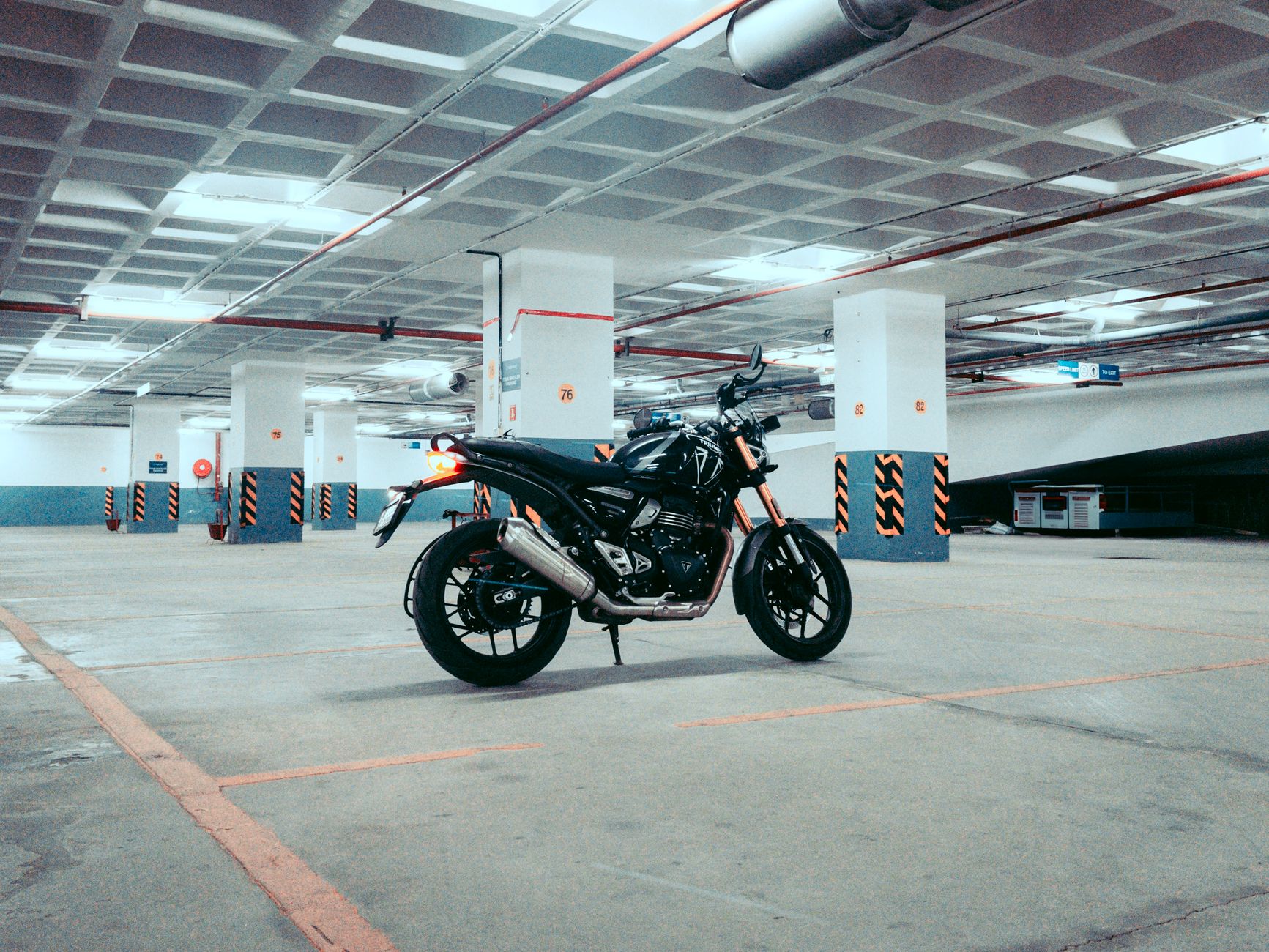 Use casesSecurity Robots for Park-and-Ride Lots After Dark: A GuideMobile patrol robots cover park-and-ride lots after hours when cameras leave gaps. Lighting, privacy, escalation, and transit police coordination.Read the article
 Buyer guideSecurity Robots for Outdoor Sculpture Parks: A Buyer GuideHow museums and sculpture parks choose outdoor patrol robots for trails, artwork, and perimeters without sacrificing visitor privacy or camera integration.Read the article
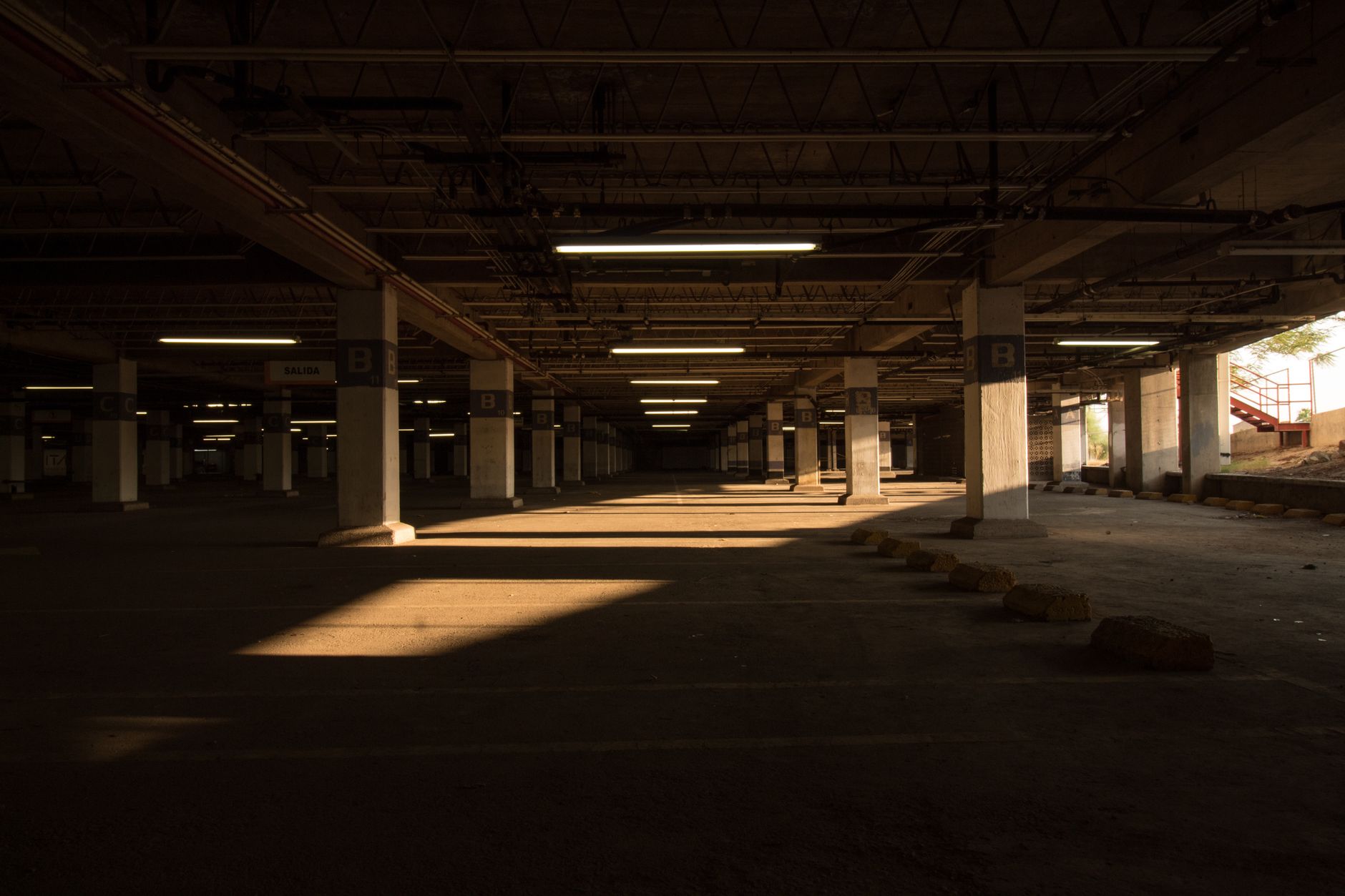 DeploymentHow to Run a Privacy Review for Patrol RobotsA practical privacy review for patrol robots: cameras, audio, LPR, retention, signage, access controls, and vendor data practices before you deploy.Read the article
 Use casesPatrol Robots for Community Solar Sites: A Practical GuideMobile patrol robots for community solar near neighborhoods: panel rows, vegetation, wildlife, weather, comms, and human verification beyond fencing and fixed cameras.Read the article
 Buyer guideSecurity Robots for Wholesale Auto Parts Yards: GuidePatrol robots for wholesale auto parts yards: engines, cores, panels, and outdoor lanes. Reflective metal, debris, theft patterns, cameras, and response.Read the article
 Use casesSecurity Robots for Ski Resort Equipment YardsLearn how to assess security robots for ski resort yards across snow, steep grades, low temperatures, weak connectivity, geofences, and response plans.Read the article
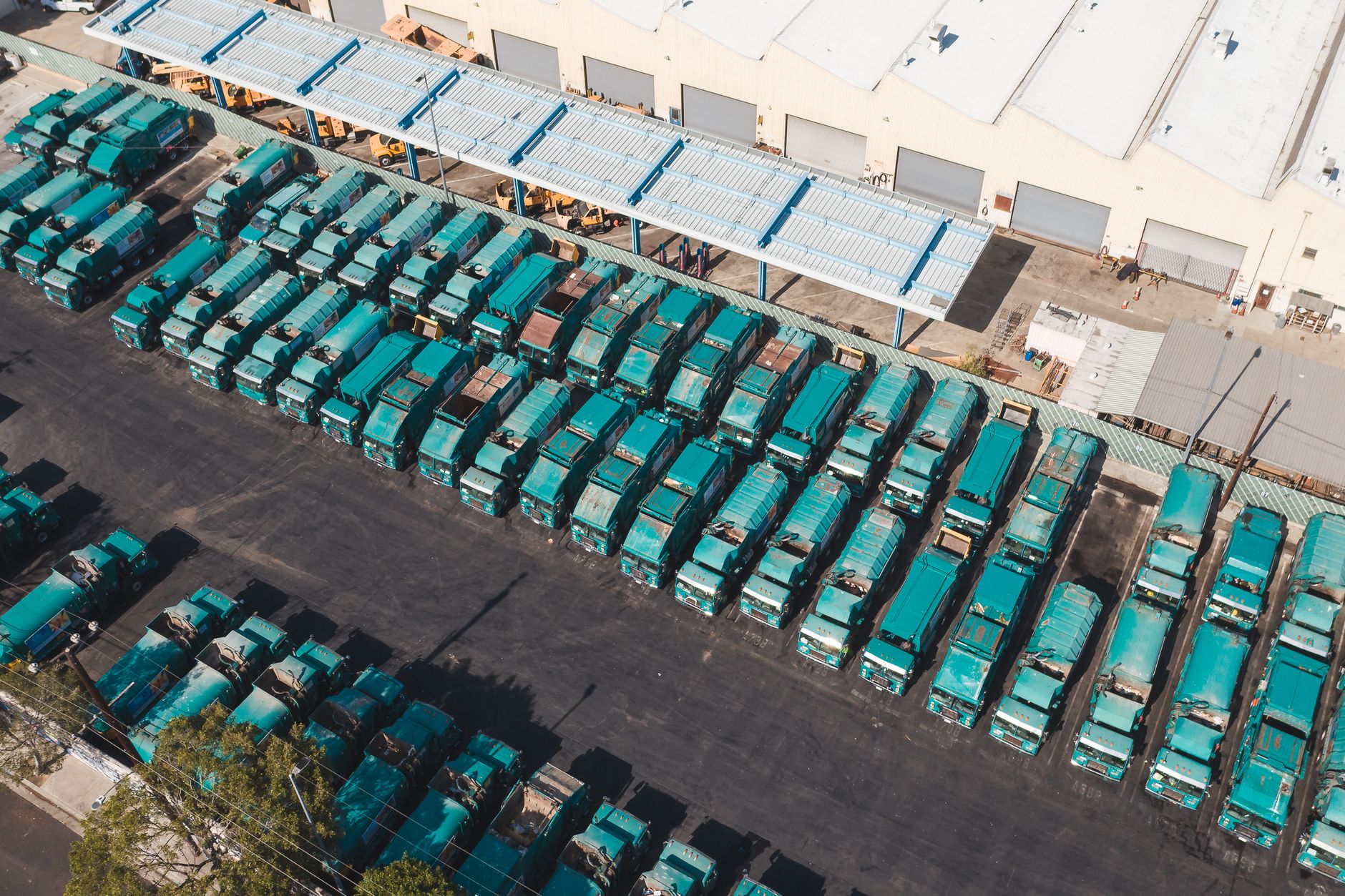 Use casesPatrol Robots for Municipal Public Works DepotsLearn how patrol robots help municipal depots watch vehicles, fuel areas, materials, and fences while addressing procurement, evidence, labor, and cameras.Read the article
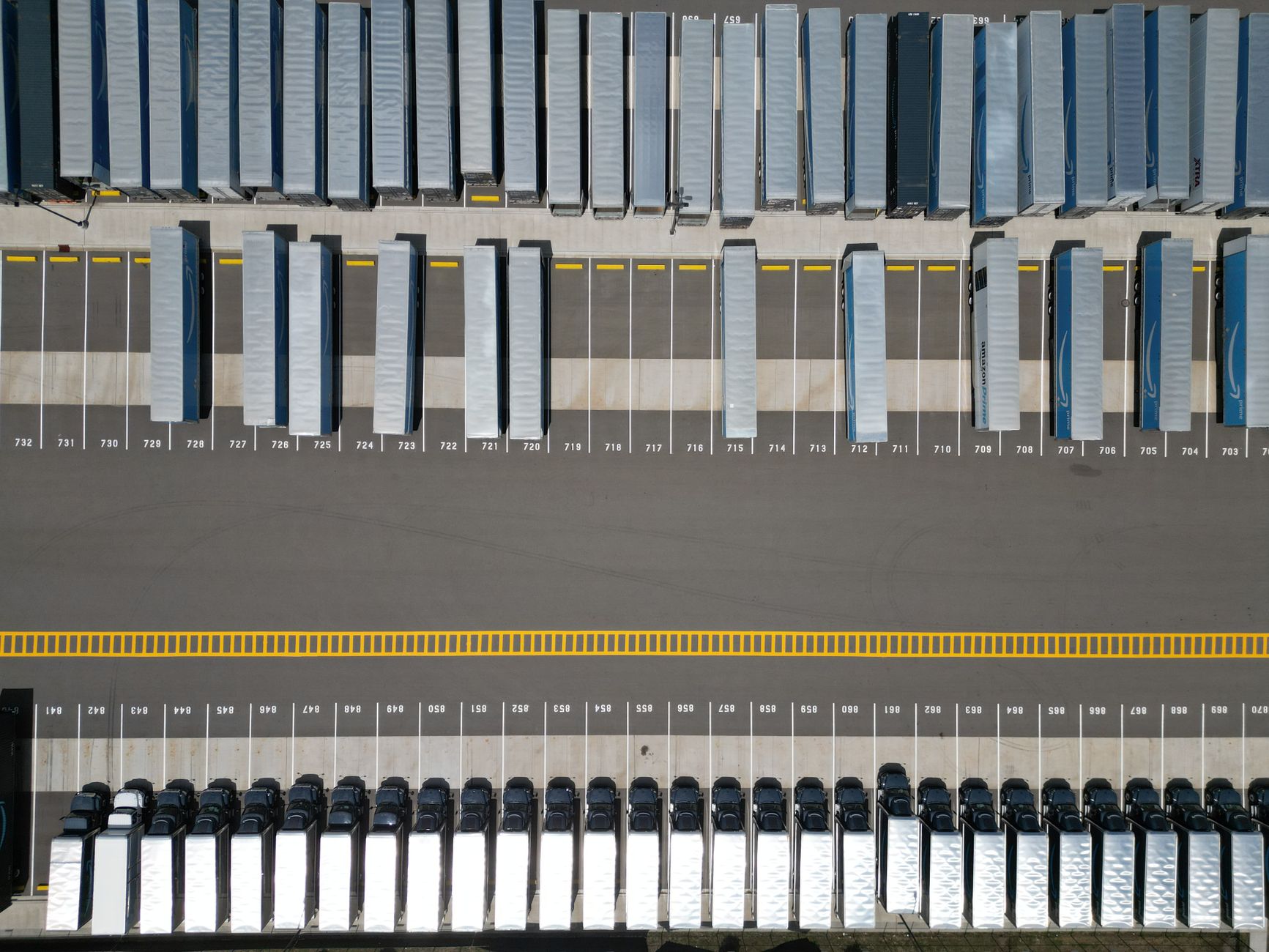 Use casesSecurity Robots for Pharmaceutical Receiving YardsLearn how security robots patrol pharmaceutical docks, trailers, waste areas, and restricted doors while producing defensible incident records.Read the article
Common questions
Start with a free site assessment.
We walk your site, learn what needs watching, and tell you which security robot fits before you commit a dollar. If nothing fits yet, we say so.
Find the robot that fits your site.
Free site assessment. We tell you what actually works before you spend a dollar.