Skip to content
Manufacturing robots · buyer guide

Automate the dull and dangerous work. Keep the line running.

Cobots, AMRs, autonomous forklifts, and inspection and cleaning robots take on the repetitive, hazardous work you can’t staff. We pick what fits your line, fund it, deploy alongside production, and keep it running.

Manufacturing uses four robot categories: collaborative and industrial arms (cobots) for machine tending, palletizing, and welding; autonomous mobile robots (AMRs) and forklifts that move parts and pallets between cells and the dock; inspection and quality robots that catch defects and check confined spaces; and floor-cleaning robots for the plant floor. Service Robot Co. selects the mix for your process and cell layout, finances it, deploys alongside a running line, and services it nationwide so a down robot never stops production.

Pricing and specs on this page are publicly-reported market ranges, framed as estimates — not quotes. We confirm the real numbers for your site in an assessment.

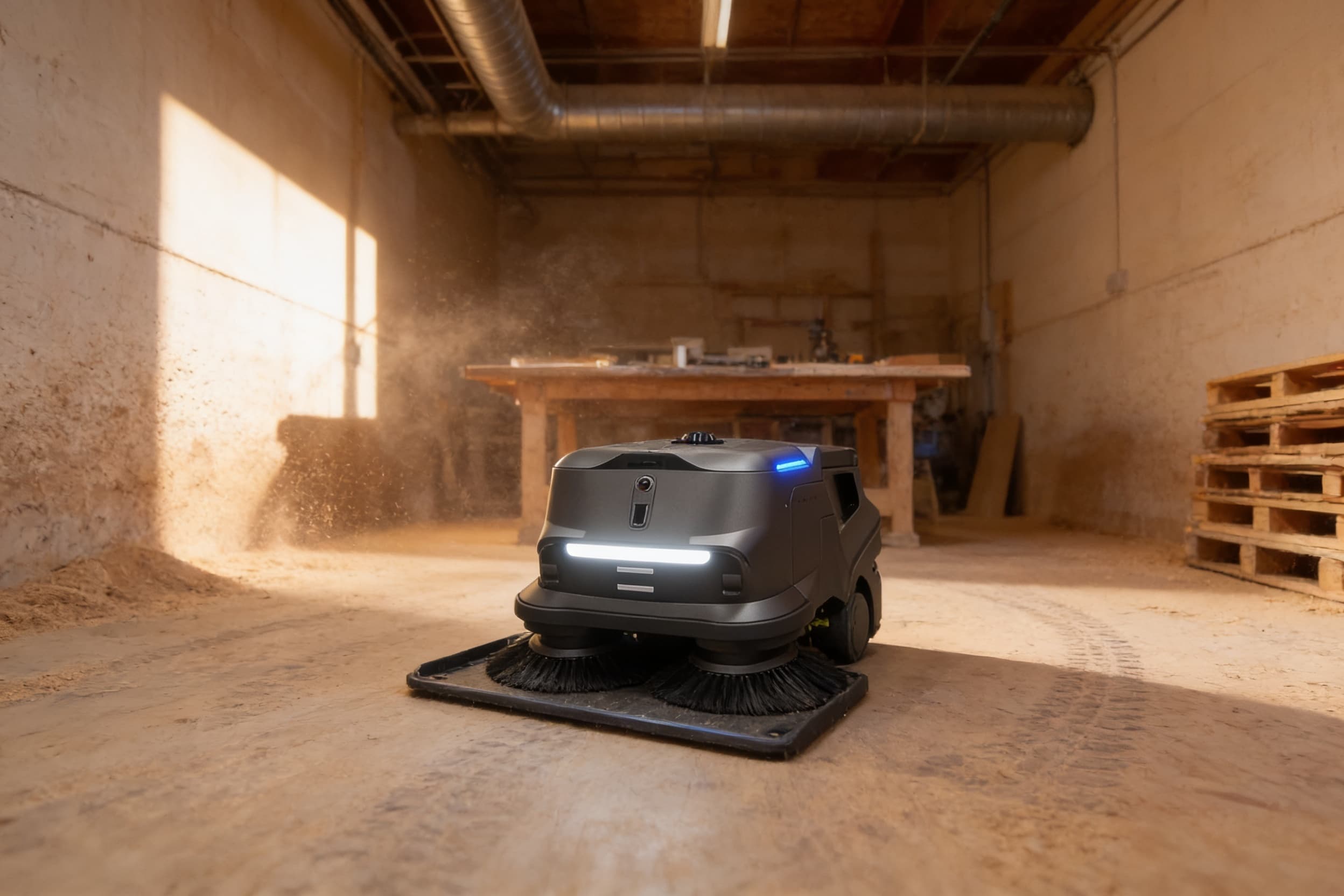
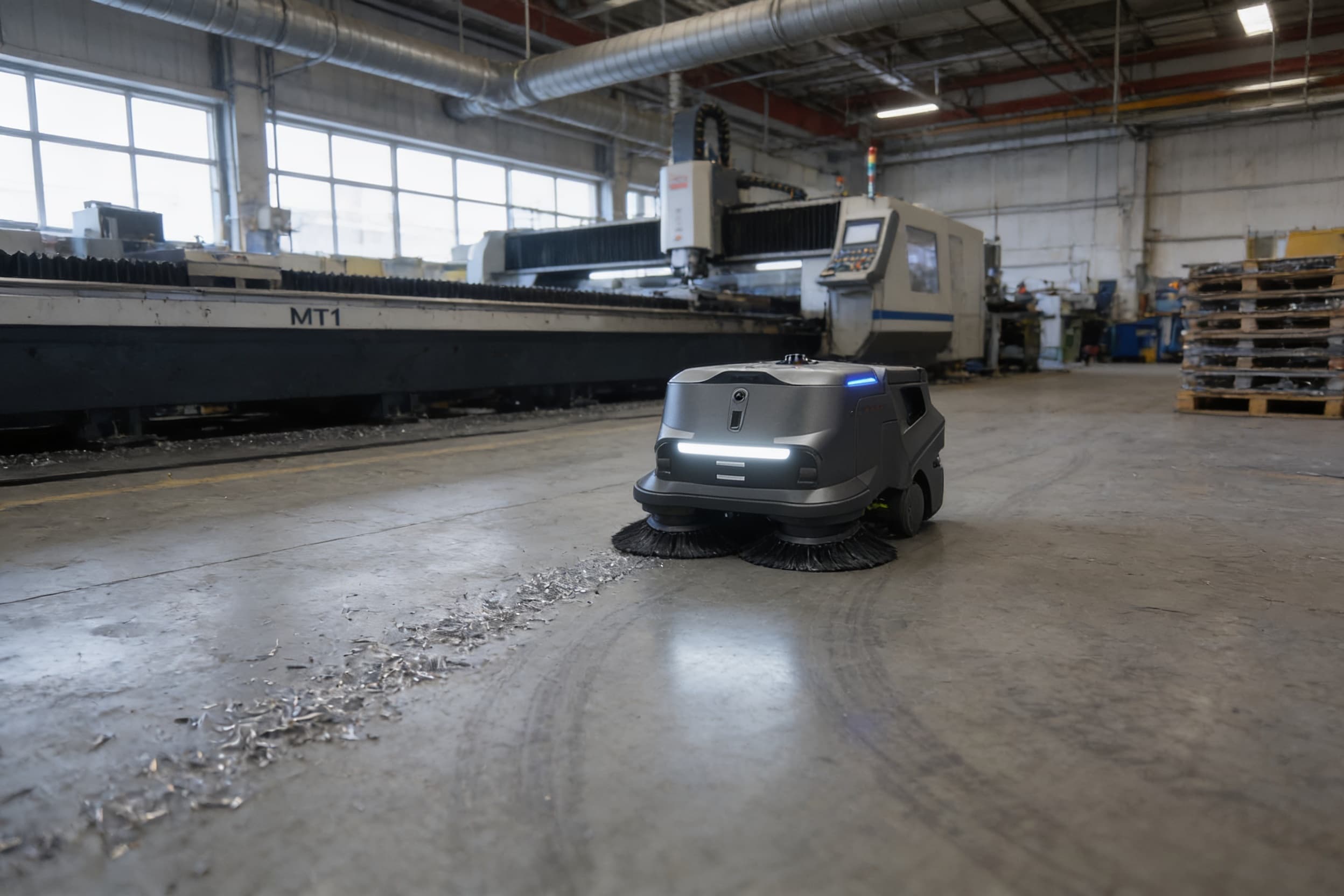
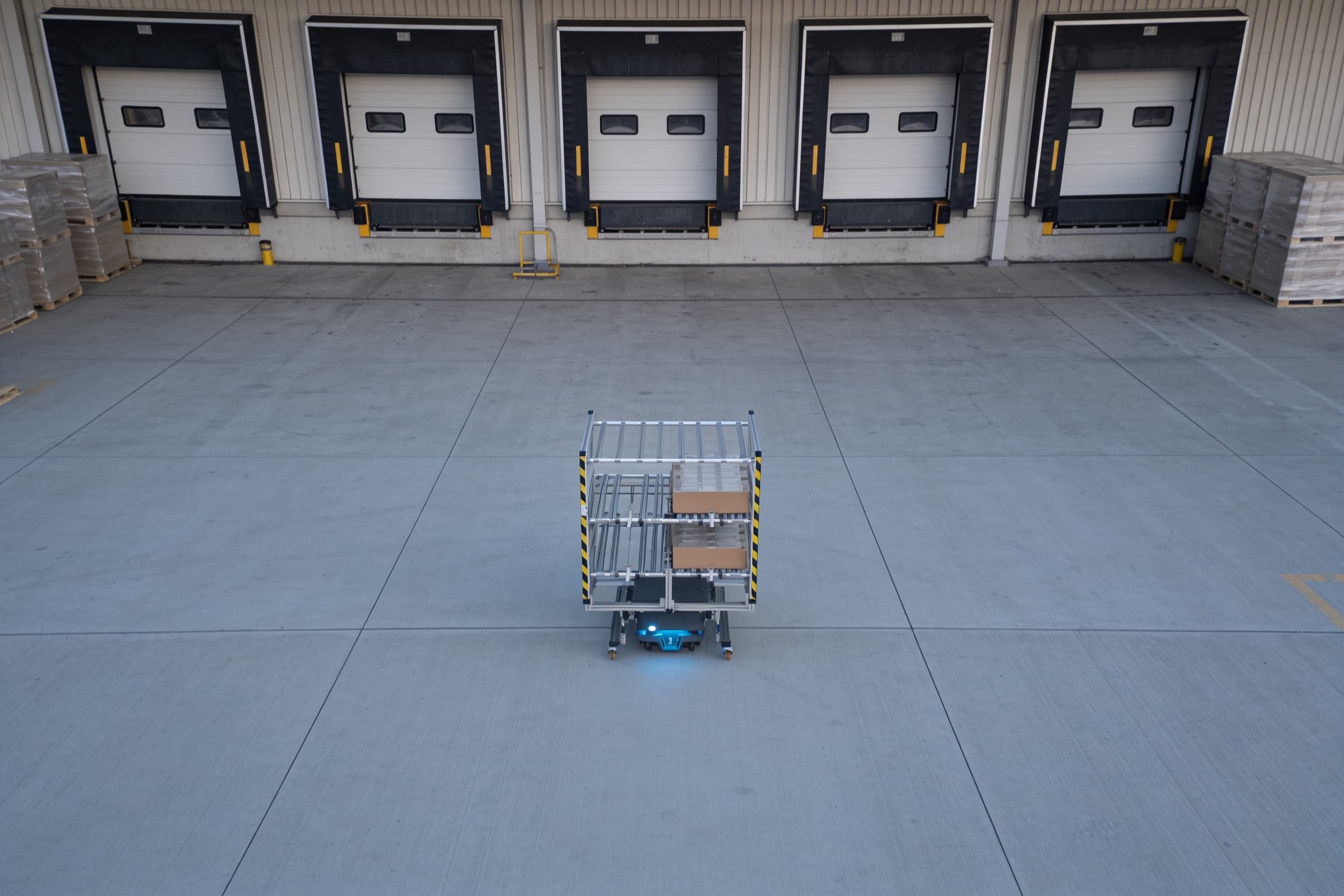
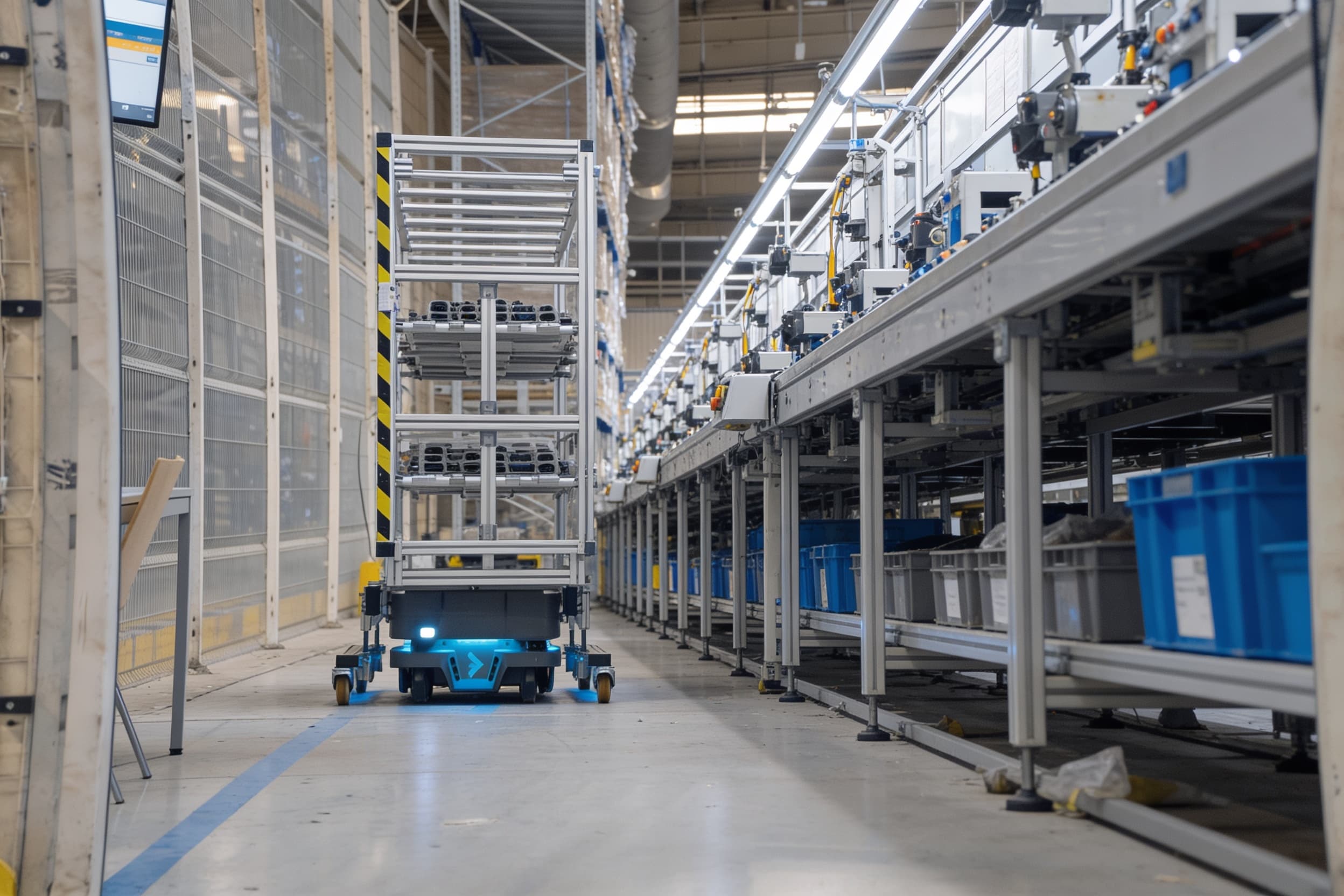
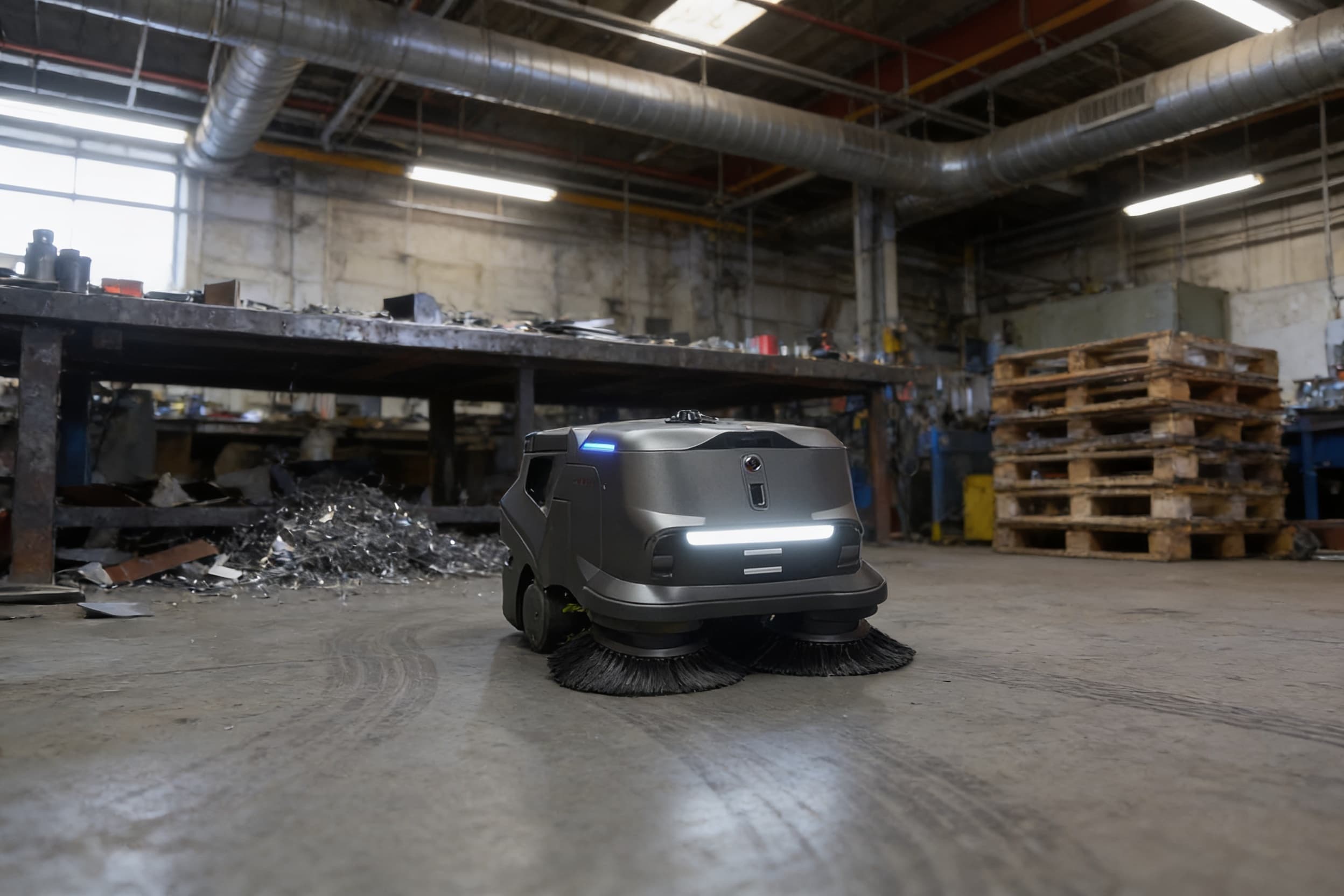
An autonomous mobile robot moving material on a manufacturing plant floor

What robots do in manufacturing

Discrete and process manufacturing — automotive, electronics, food & beverage, metals, plastics, and contract manufacturing — is the original home of industrial robotics, and it is expanding fast into mobile robots, collaborative arms, and automated inspection. The push is reshoring and reindustrialization landing on a skilled-labor shortage, so plants are automating the dull, repetitive, and hazardous work to keep US lines competitive.

The defining choice on a plant floor is not one robot — it is the right mix for your cells: a cobot at a station, an AMR or forklift moving material between them, an inspection unit watching quality, and a scrubber on the aisles overnight. The decision that quietly sets total cost is whether a deployment can run alongside production or needs a shutdown; we weight that as heavily as the spec sheet.

Coverage

Service nationwide.

Service nationwide. 3,000+ service engineers across all 50 US states, 85+ metros with closest-hub dispatch. 10-minute remote triage, 24-hour on-site dispatch, 24/7 emergency response.

All 0

US states covered

0+

metros with closest-hub dispatch

0+

service engineers in the US

Remote triage

10-minute remote triage during business hours

Nationwide dispatch

24-hour nationwide on-site dispatch

Emergency response

24/7 emergency response

What a plant actually needs from a robot

A robot on a manufacturing floor has to fit the cell, keep the line running, and not require a construction project to install.

  • Fit to the process — cobots for stations and machine tending, AMRs and forklifts for material flow between cells, inspection units for quality, scrubbers for the aisles. Match the mix to your layout, not a single SKU.
  • No shutdown to deploy — we map, route, and commission alongside a running line wherever the job allows; a robot that stops the line to install defeats the point.
  • MES and line integration where it pays — cobots and AMRs connect to your MES, line controls, and safety systems during deployment, not bolted on after.
  • Uptime, not just capability — a down robot cannot be allowed to stop a line; service and a backup matter as much as the spec.
  • Multi-plant consistency — a manufacturer running several sites wants one partner carrying integration and uptime risk everywhere, not a different vendor per plant.

Which robots fit manufacturing

The categories that earn their keep here, with the OEM units we see most — picked OEM-neutrally for your building.

Collaborative & industrial arms (cobots)

Tend machines, palletize, pack, assemble, and weld at a station — a cobot can run a CNC through a full shift.

Representative OEMs: Universal Robots UR-series, Standard Bots RO1, Doosan palletizers

Read the buyer guide →

Autonomous mobile robots (AMRs)

Move parts, work-in-progress, and finished goods between cells, lines, and storage without tying up a forklift driver.

Representative OEMs: AMR-class pallet & tote movers

Read the buyer guide →

Autonomous forklifts & tuggers

Repetitive line-side-to-dock pallet and cart moves run unmanned.

Representative OEMs: Autonomous forklift & collaborative tugger units

Read the buyer guide →

Inspection & quality robots

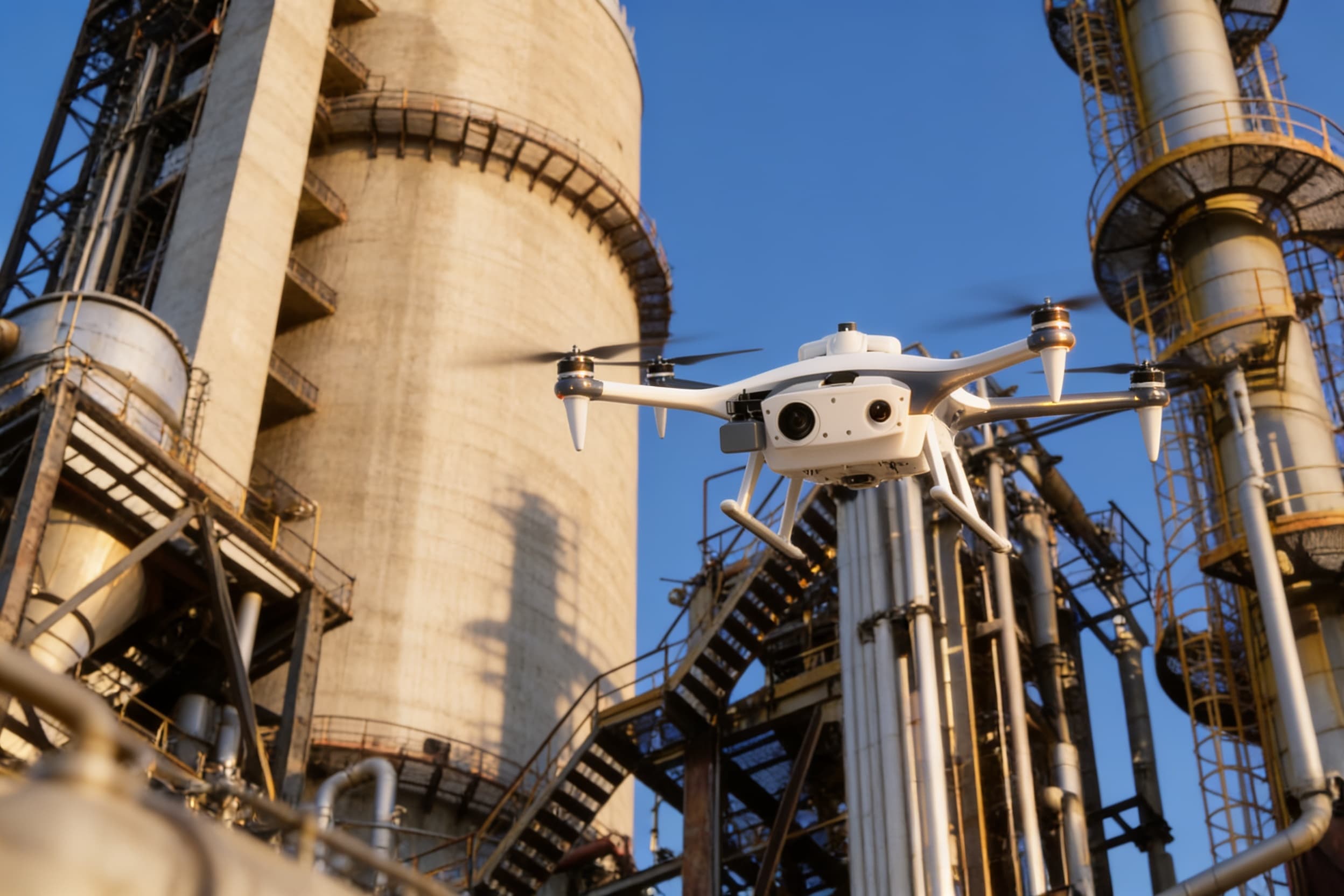
Automated visual inspection and measurement in line, plus crawlers that check tank and duct interiors people should not enter.

Representative OEMs: Machine-vision inspection systems; confined-space inspection crawlers

Floor-cleaning robots

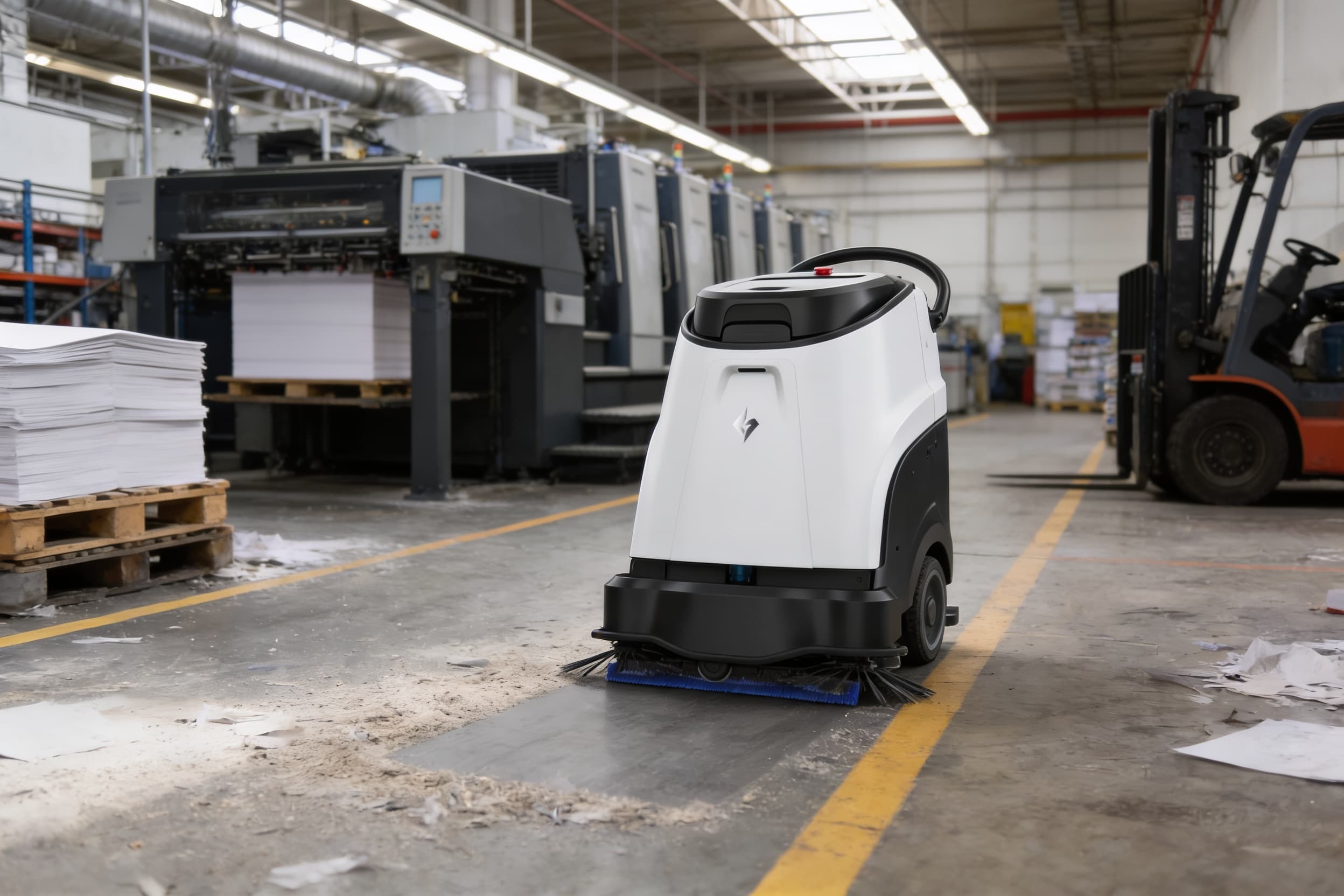
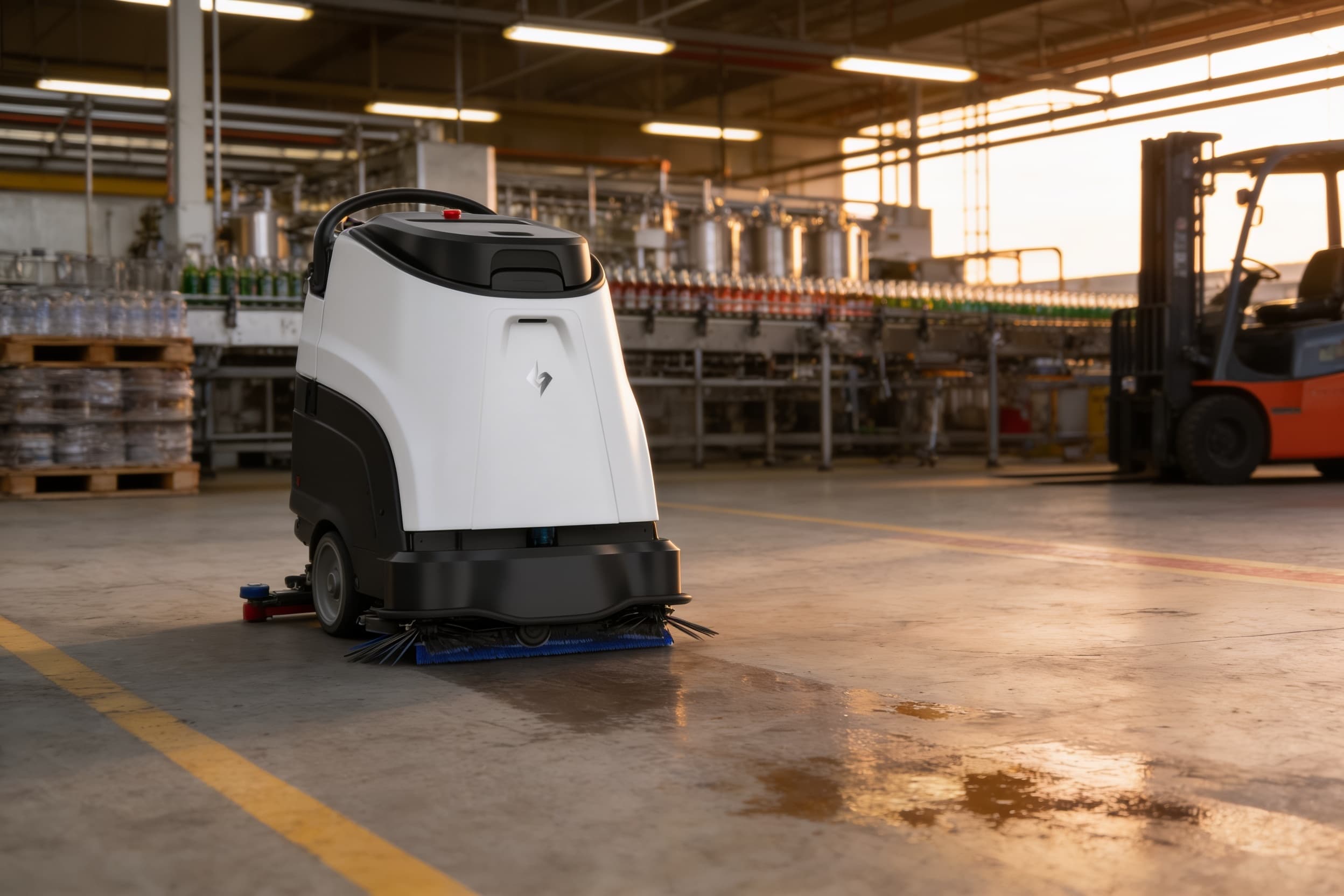
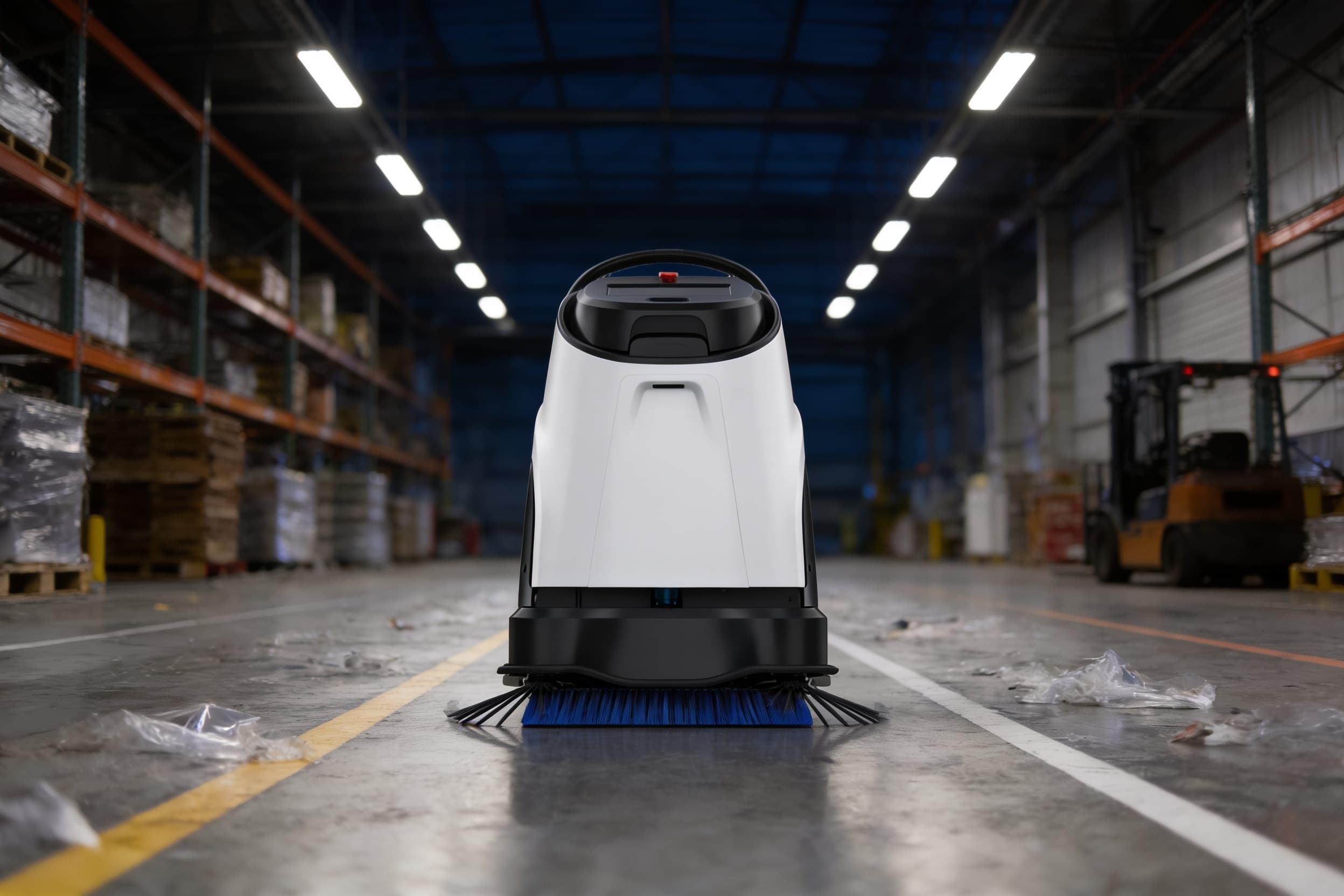
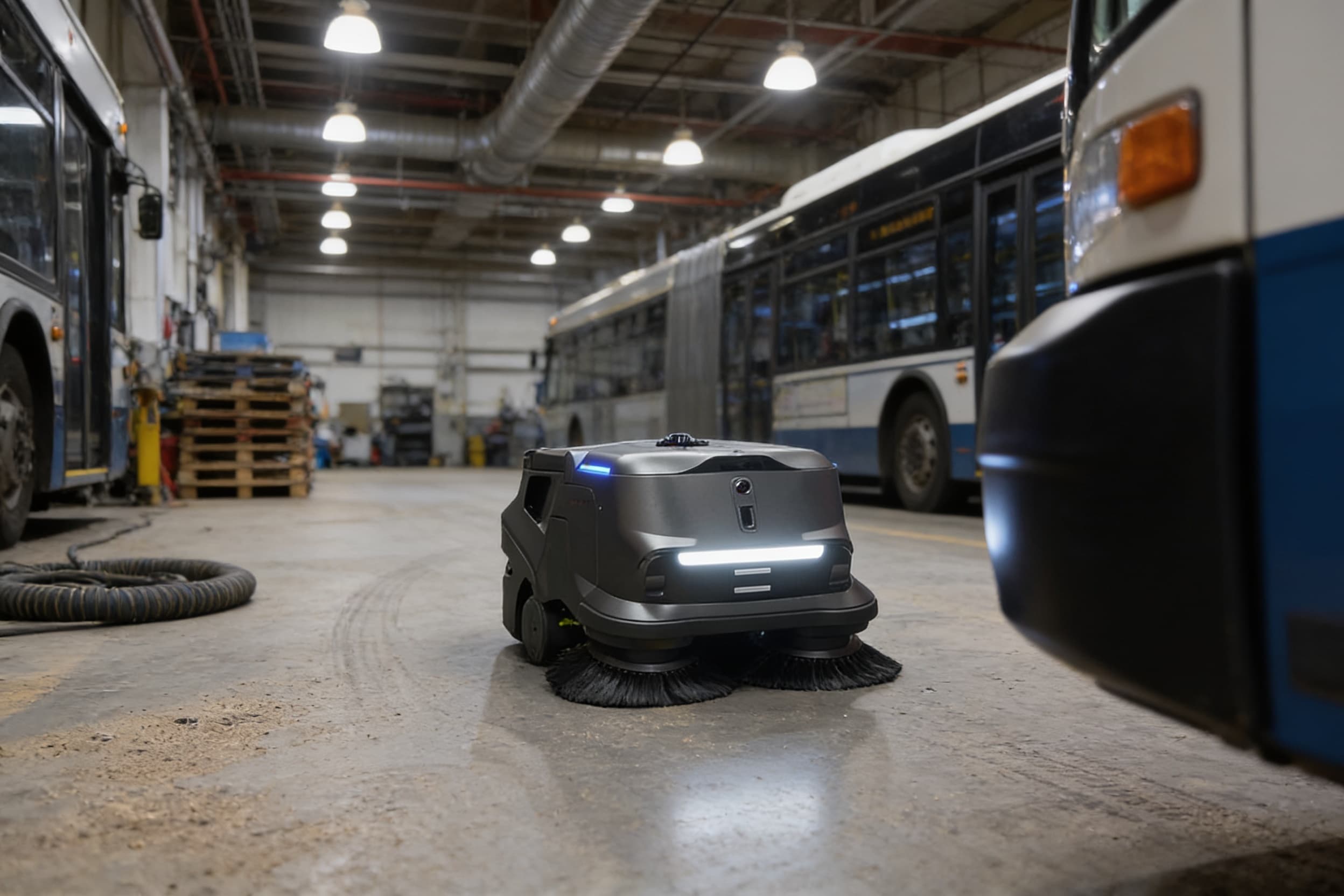
Scrub and sweep production aisles, usually overnight.

Representative OEMs: Gausium Scrubber 50 / 75, Pudu CC1

Read the buyer guide →

Cobot or a fenced industrial arm — which fits your cell

A cobot works right next to your team without a cage, hand-guides to teach a new task, and redeploys in hours — the right fit for lighter, changing work at a station. A traditional industrial arm needs a fenced cell but runs heavier and faster on a fixed job. Most plants end up mixing both across a floor. Our Industrial Arms & Cobots page has the full deploy-and-service picture; our cobots-vs-industrial-arms comparison lays the decision out side by side.
Buy, lease, or pay monthly

A cell, a fleet of AMRs, or a scrubber can land as one capital hit or a monthly line item — your CFO picks the structure. Financing without a large up-front project is why a single line, or a whole plant, can automate now instead of waiting on next year’s capital budget. We surface the buy-vs-RaaS math for your equipment mix in a quote; cobot and arm pricing in particular is set per cell, not published, because payload, tooling, and integration change it too much for a rate card.

Manufacturing robots by job

The robot categories a plant uses, with representative units and what the mix does on your floor. Names are illustrative examples, not a guarantee of the model or terms for your line.

JobRobot typeRepresentative unitDeployment
Tend a machine, palletize, pack, weldCobot / industrial armUniversal Robots, Standard Bots, DoosanFenced cell or no-cage station
Move parts & WIP between cellsAMRAMR-class pallet & tote moversNone — free navigation
Line-side-to-dock pallet movesAutonomous forklift / tuggerAutonomous forklifts, collaborative tuggersMinimal — vision-guided or learns the route
Catch defects, inspect confined spacesInspection / quality robotMachine-vision systems, inspection crawlersMounted in-line, or walked in for confined spaces
Clean production aislesAutonomous scrubberGausium, PuduNone — runs your aisles overnight

Illustrative only — representative units and categories, not quotes or guaranteed specs. Cobot and arm pricing is set per cell (payload, tooling, integration) and quoted, not published. We confirm the exact model, deployment requirement, and terms for your plant in a quote.

The case for automating the line

The payback on a plant floor is driven by the roles you cannot fill and the tasks that hurt people, not just a labor rate. Machine tending, palletizing, and packing wear people out and cause injuries; moving parts between cells eats labor and creates bottlenecks; a missed defect is expensive after it ships. A robot that takes that work back gives those hours to the jobs that need judgment and takes the most injury-prone motion off your people.

Cobot and arm pricing is set per cell — payload, tooling, and integration change it too much to publish a rate. What we can say plainly: financing (buy, lease, or monthly) means a line does not have to land as one capital project, and running multiple plants means one partner carries integration and uptime risk everywhere instead of a different vendor per site.

  • Payback drivers: hard-to-fill roles, injury-risk reduction, fewer missed defects, less line downtime.
  • Cobot/arm pricing is quoted per cell — not a published rate card.
  • Financing (buy, lease, monthly) avoids one large capital hit.
  • These are illustrative framings, not a guaranteed result — see a quote for your line.

When a manufacturing robot is the wrong call

Plant automation is real, but it is not universal:

  • Your product mix and changeover are so frequent that no single task holds still long enough to automate.
  • Volume on the task is low and irregular — the payback stretches past the point it makes sense.
  • You need it live next week — cell integration, safety sign-off, and line commissioning take real time.
  • No one on site will own day-to-day operation and safety oversight — these run on and around a live production line.
  • The only viable deployment needs a shutdown or a rebuild you cannot justify right now.

Why a plant should automate through an integrator, not a bare OEM

An arm, an AMR, and an inspection unit are three different OEMs, plus a safety sign-off, plus financing, plus whoever fixes it at 2am when a line stops. Stitching that together and owning the downtime risk is a heavy lift for a plant that already has a line to run.

Service Robot Co. is the one vendor for all of it, and OEM-neutral about which unit. We select the mix — cobots for stations, AMRs and forklifts for material flow, inspection for quality — model the cell before we build it, finance it, deploy alongside a running line, train your operators, and service it nationwide with a backup ready. Running several plants? We standardize the same program across every site, with one partner carrying integration and uptime risk everywhere.

Common questions

Can you deploy without shutting down production?
Yes. We map the floor, set material routes, and commission cells and AMRs alongside a running line wherever the job allows — production does not have to stop to automate.
Will the robots connect to our MES and safety systems?
Where it pays off, yes. We connect cobots and AMRs to your MES, line controls, and safety systems during deployment, so they fit how the plant already runs instead of sitting outside it.
What happens if a robot goes down mid-shift?
We fix it fast. Service includes nationwide coverage and dispatch backed by a US service-engineer network, because a stopped robot cannot be allowed to stop a line.
Do we need a robotics engineer on staff to run this?
No. We train your operators, material handlers, and quality staff to run the robots day to day, and we carry the integration and uptime risk.
How much does manufacturing automation cost?
It depends on the mix. AMRs and cleaning robots have public illustrative ranges we can walk through; cobot and arm pricing is set per cell — payload, tooling, and integration — and quoted, not published. We build the real number, including buy-vs-lease-vs-monthly, in a quote.

Go deeper

Start with a free site assessment.

We walk your site, learn the job, and tell you which unit fits — OEM-neutrally — before you commit a dollar. If nothing fits yet, we say so.

Find the robot that fits your site.

Free site assessment. We tell you what actually works before you spend a dollar.