Robots for airports and transit hubs: the honest buyer guide
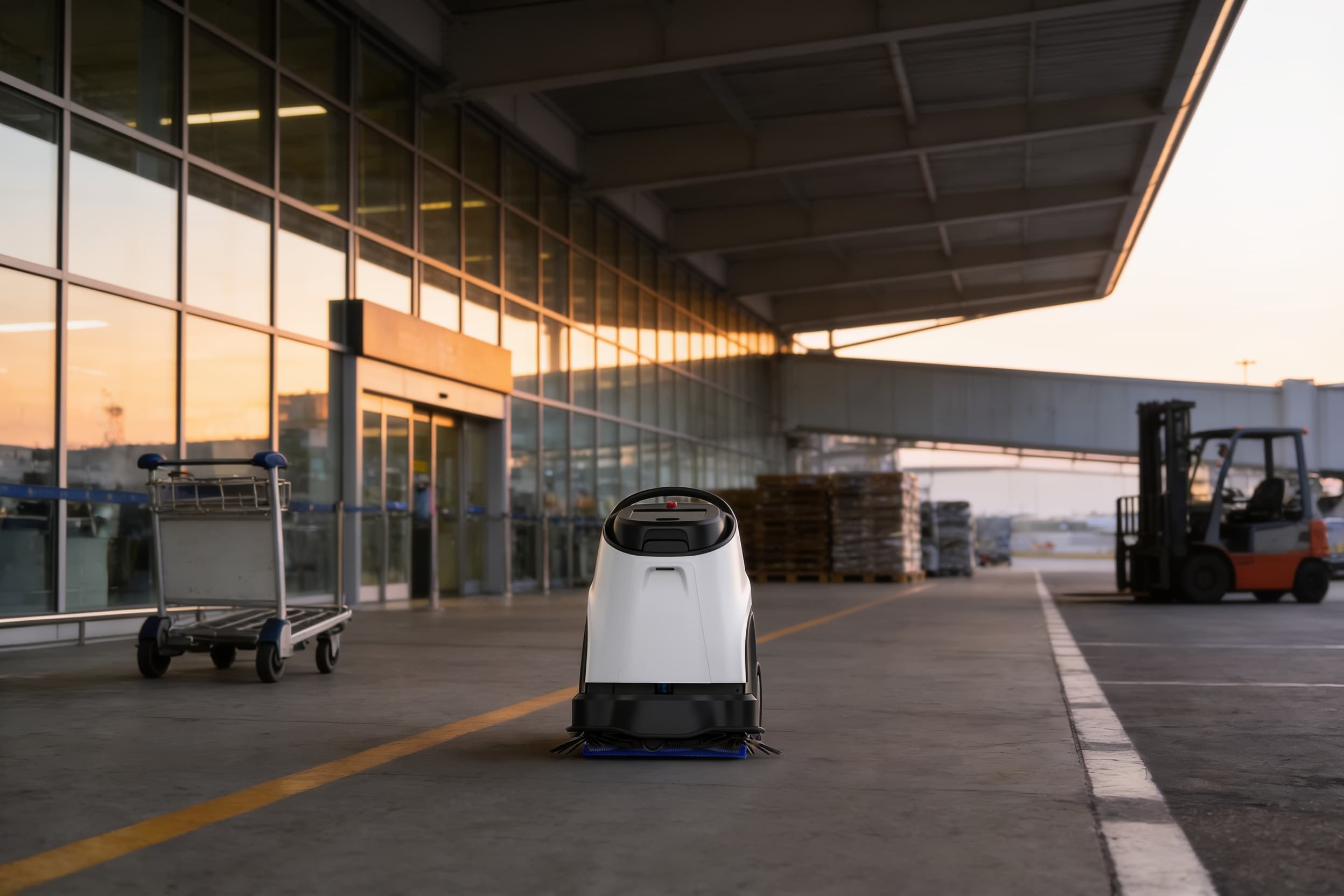
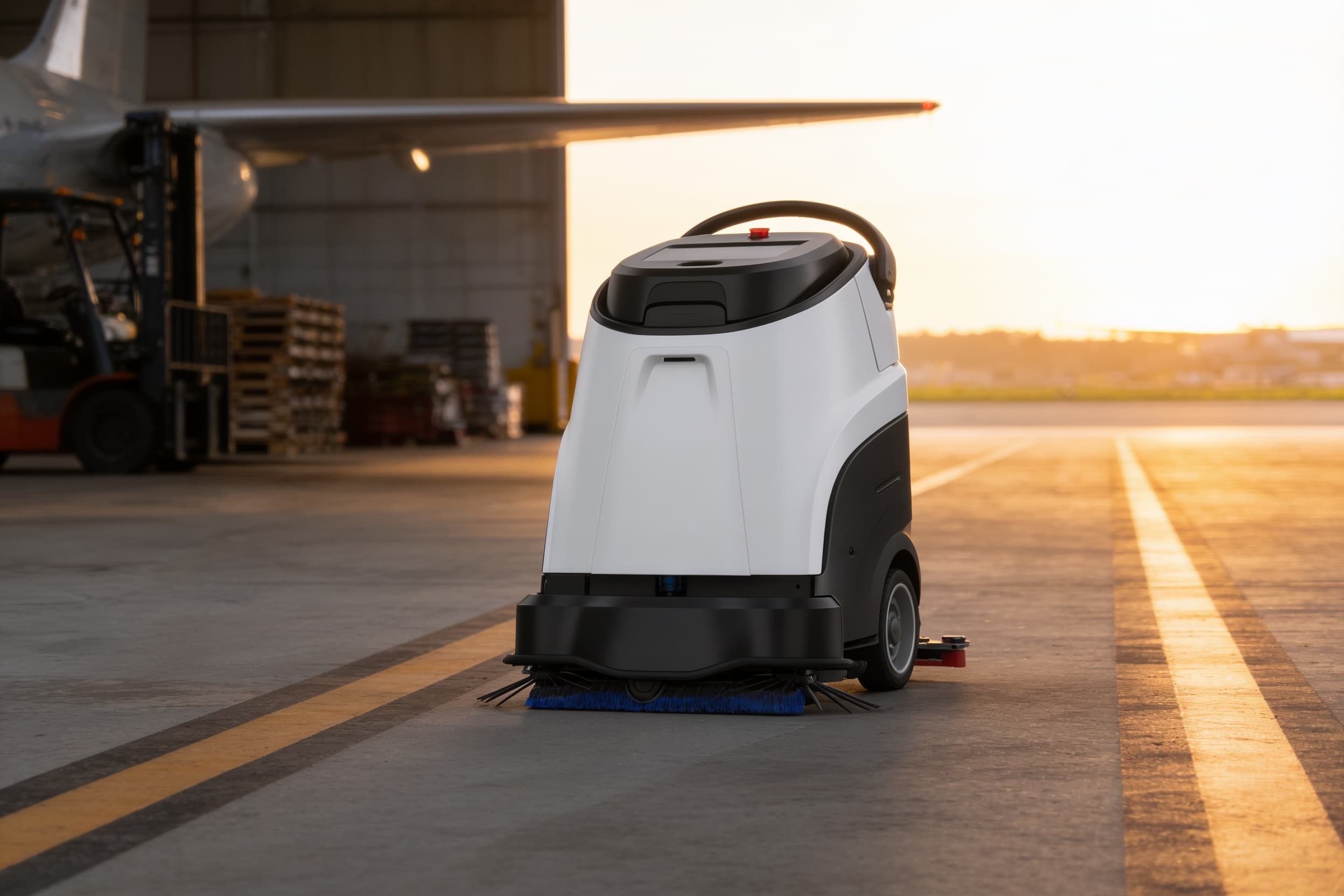
Concourses this size never close. Autonomous scrubbers, concession-delivery robots, and patrol units cover the floor, the food court, and the perimeter — deployed around live passenger flow and serviced 24/7.
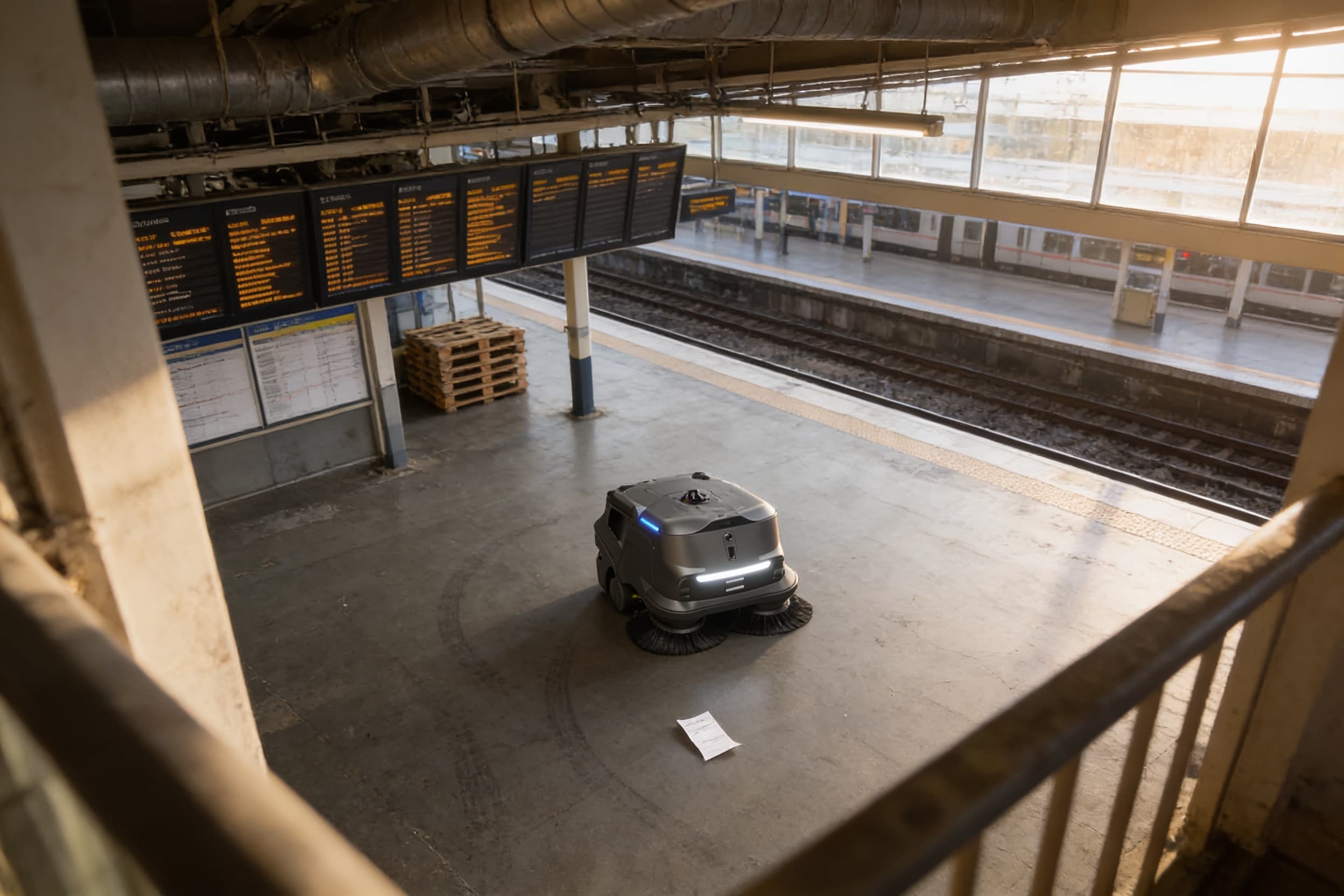
Airports and transit hubs use large-area scrubbers to clean concourses through live passenger traffic, concession-delivery robots for terminal restaurants and lounges, and patrol robots and mobile cameras for perimeter and lot coverage. The buyer concern is scale and security — millions of square feet, 24/7 operation, and access rules a bare OEM does not navigate. Service Robot Co. picks the unit, structures it to fit public procurement, deploys it without disrupting passengers, and services it nationwide.
Pricing and specs on this page are publicly-reported market ranges, framed as estimates — not quotes. We confirm the real numbers for your site in an assessment.

What robots do in airports & transit
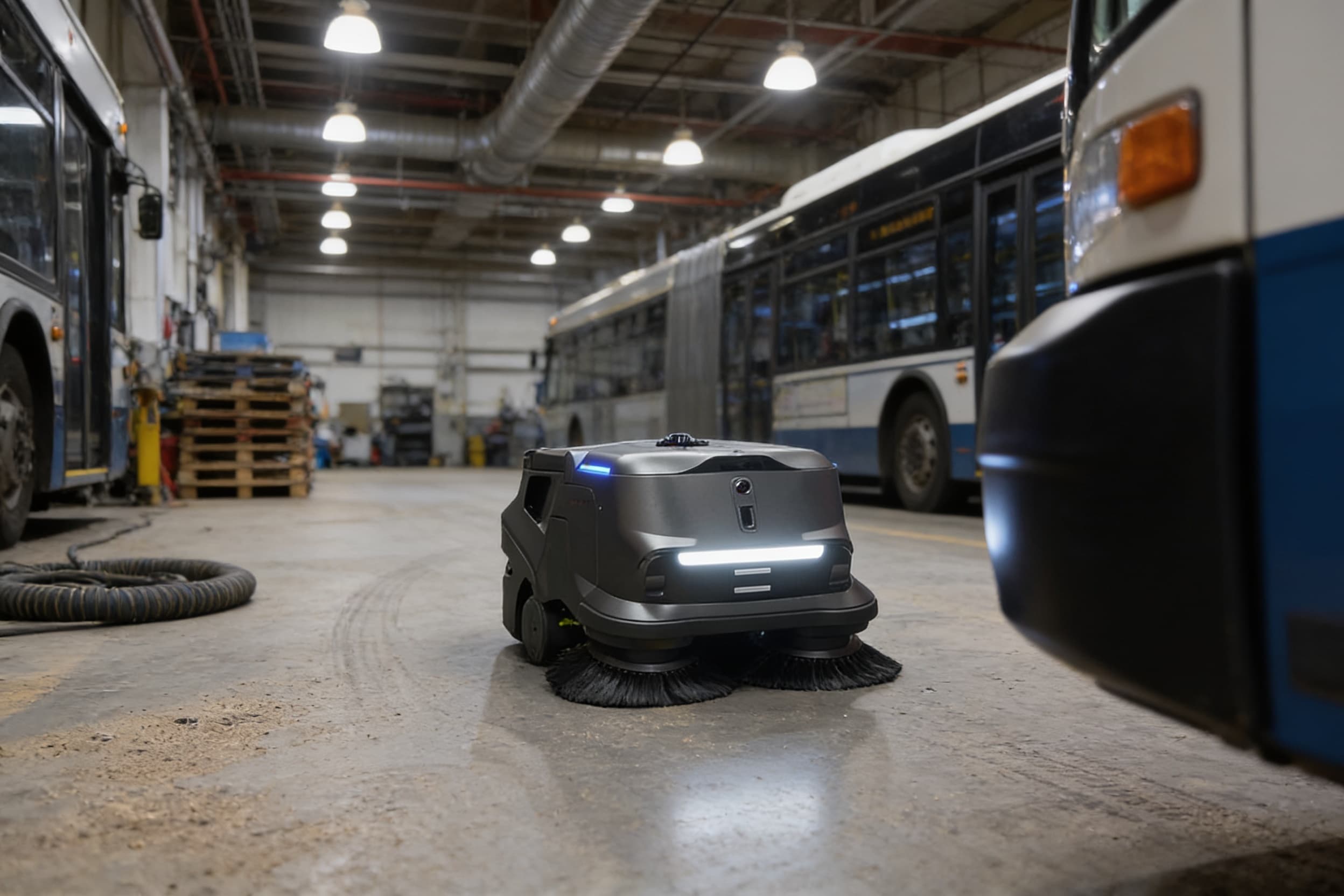
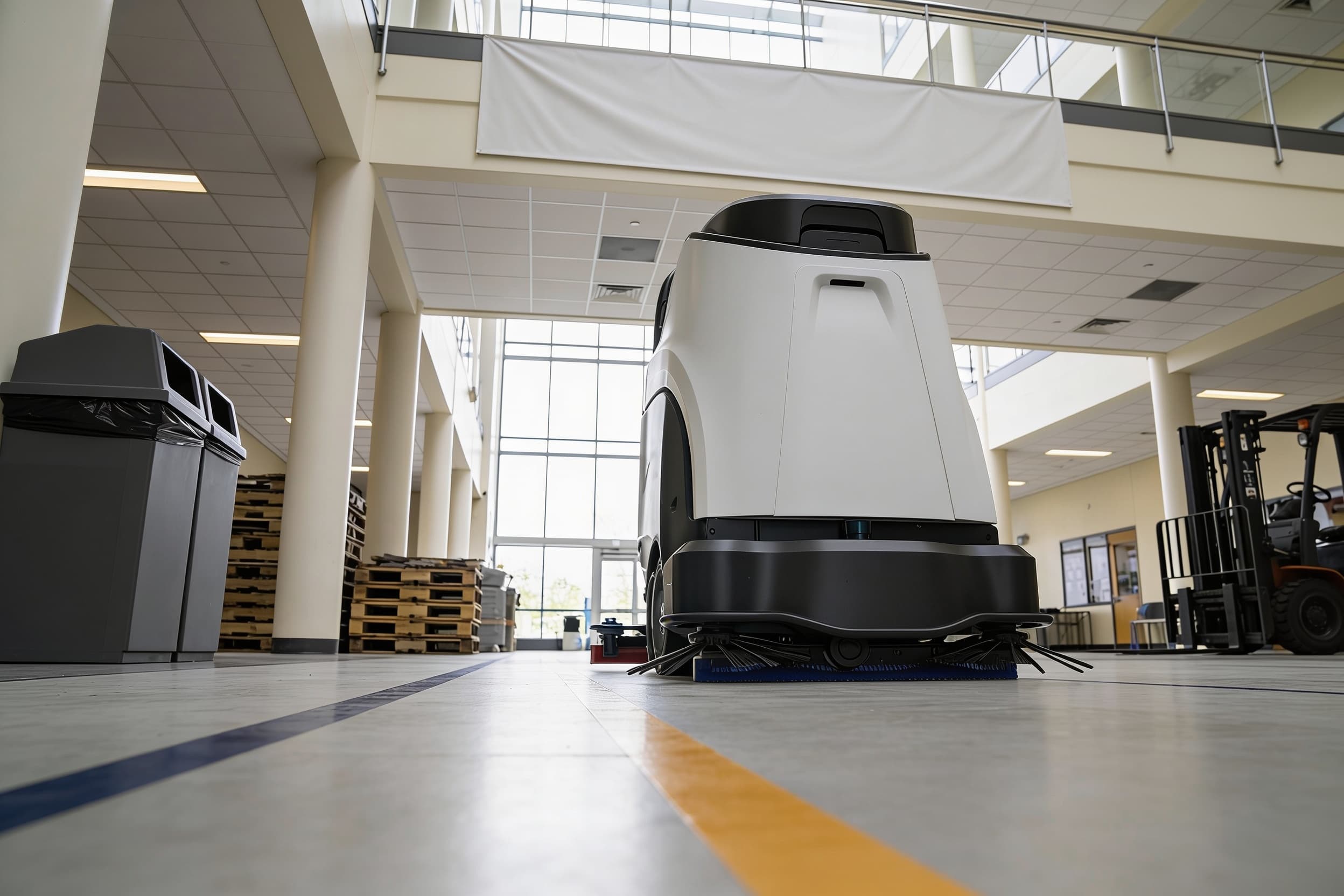
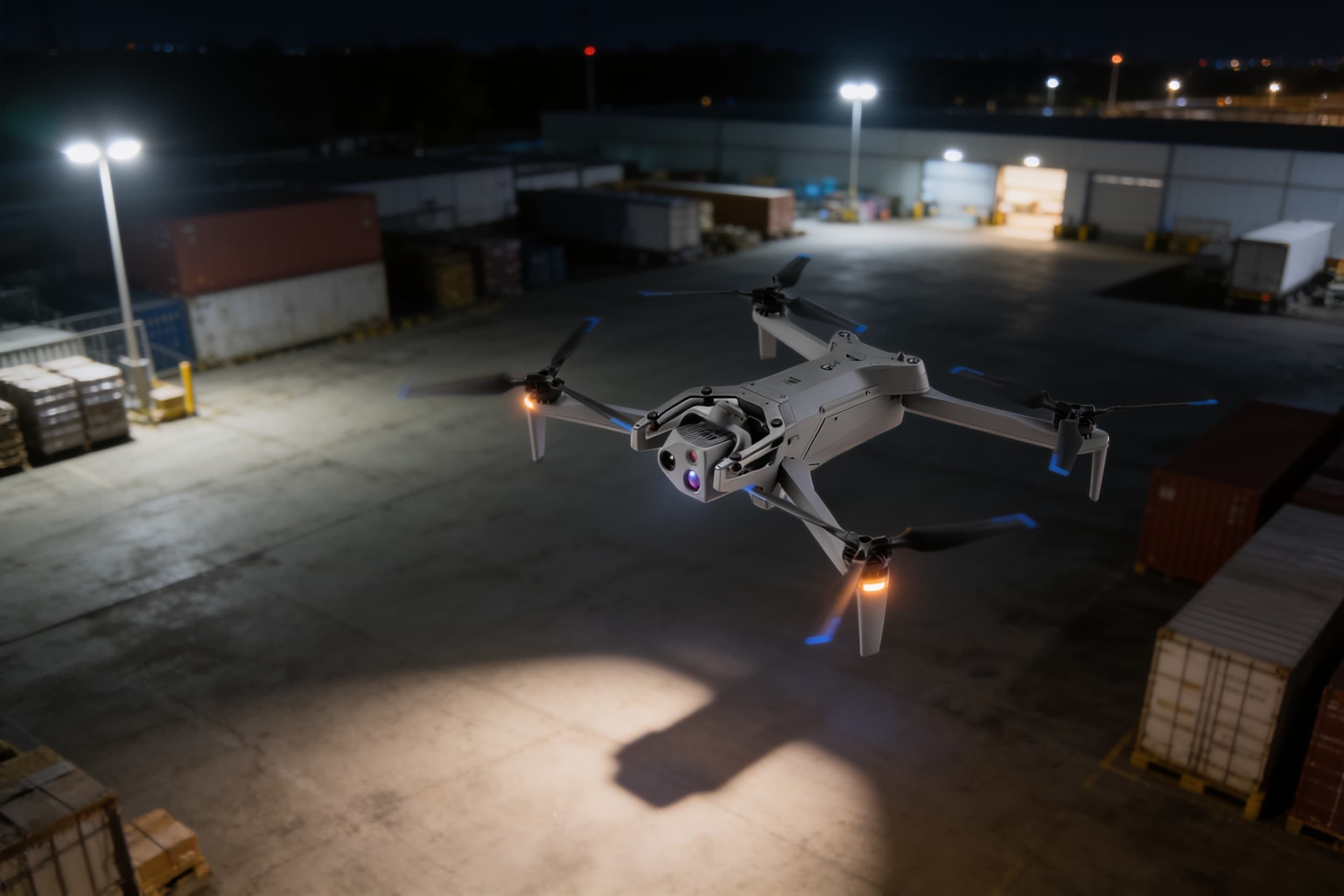
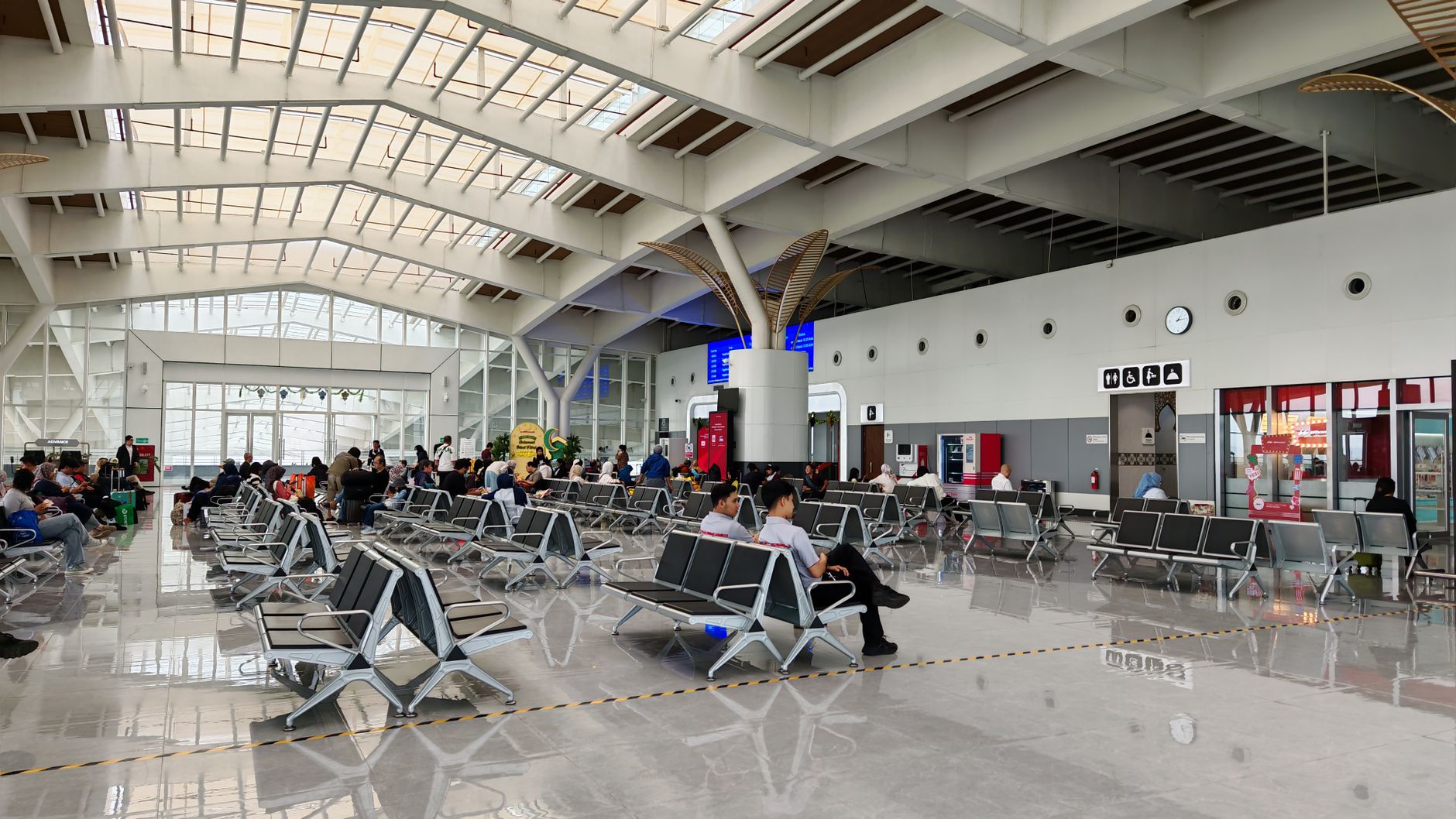
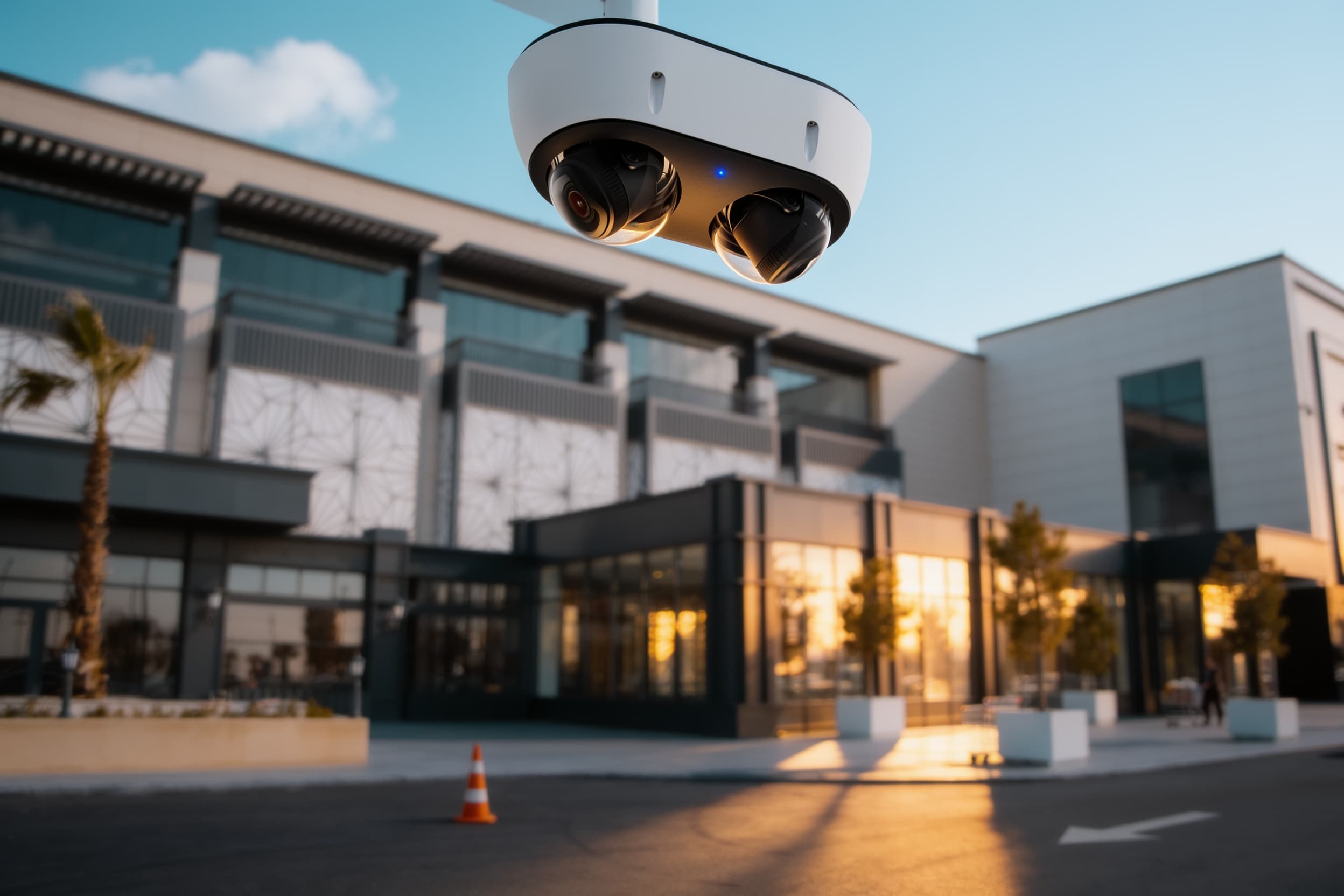
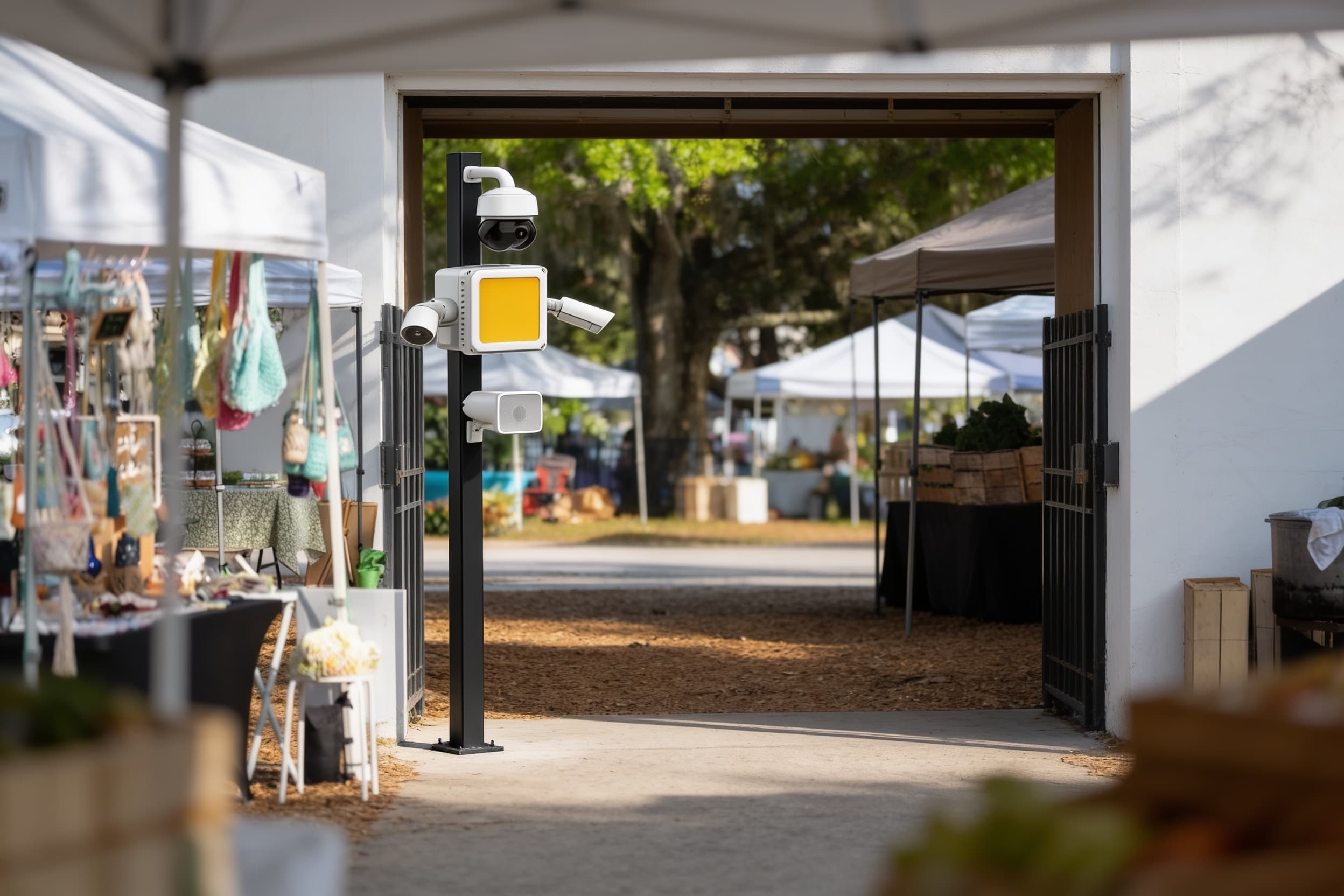
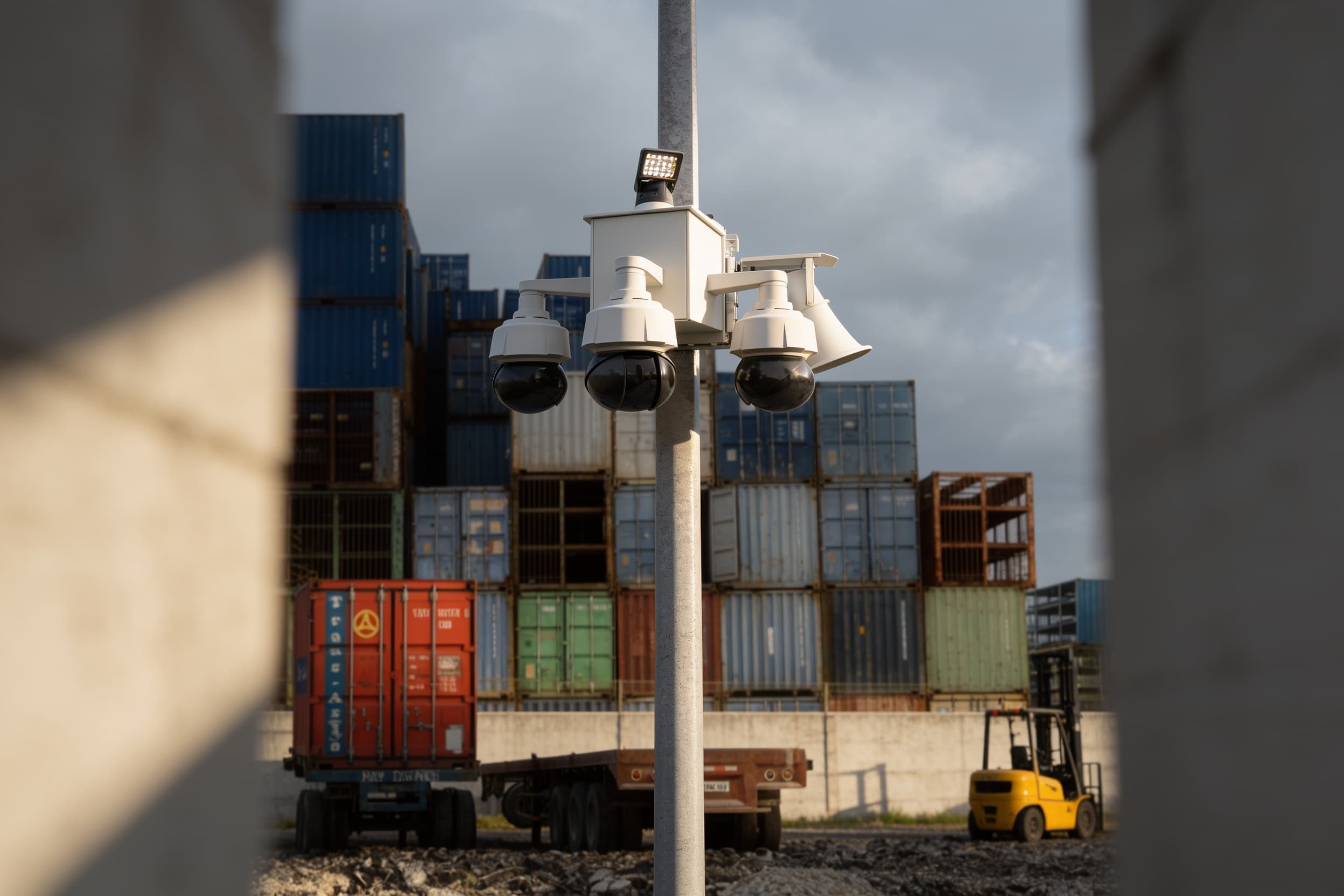
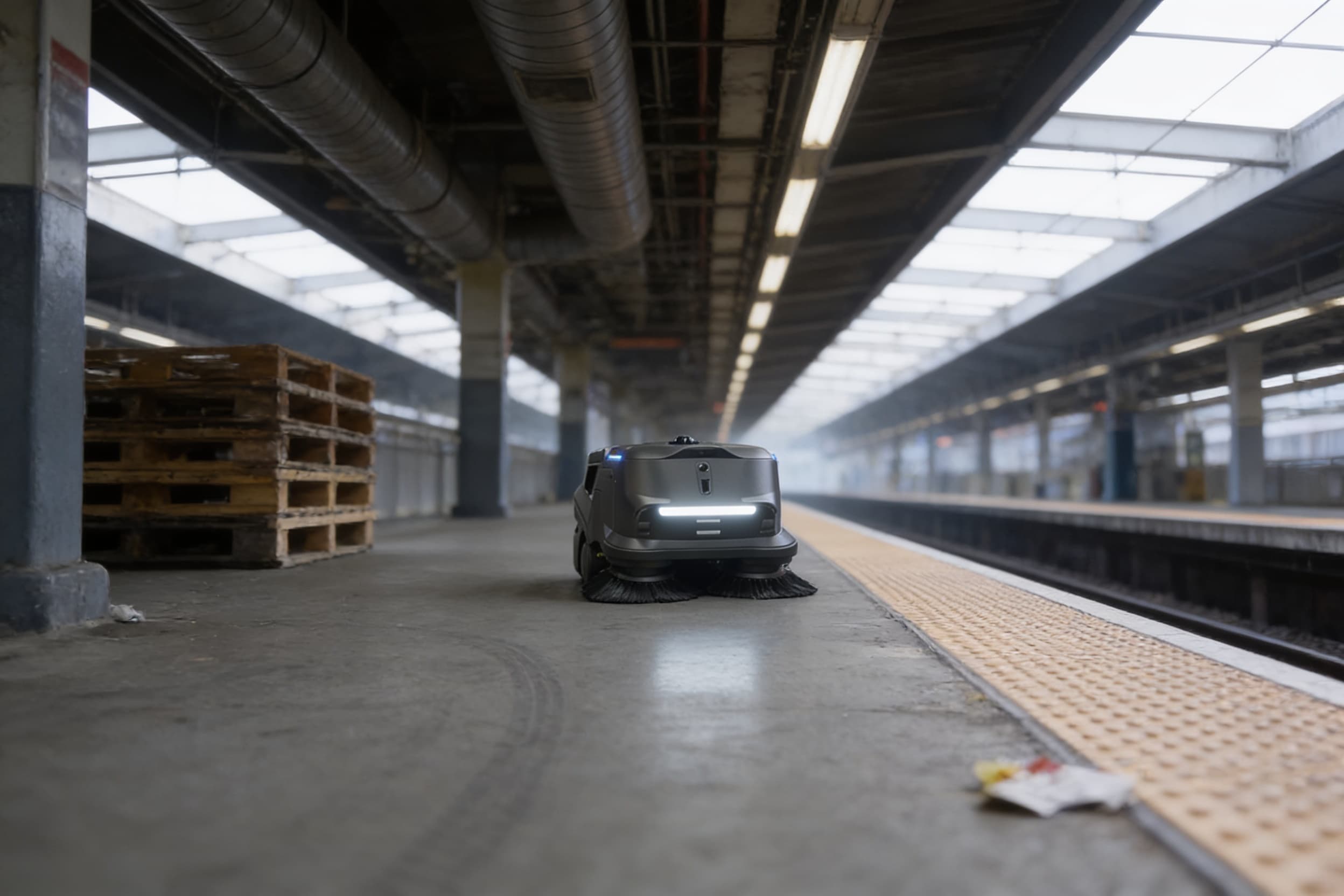
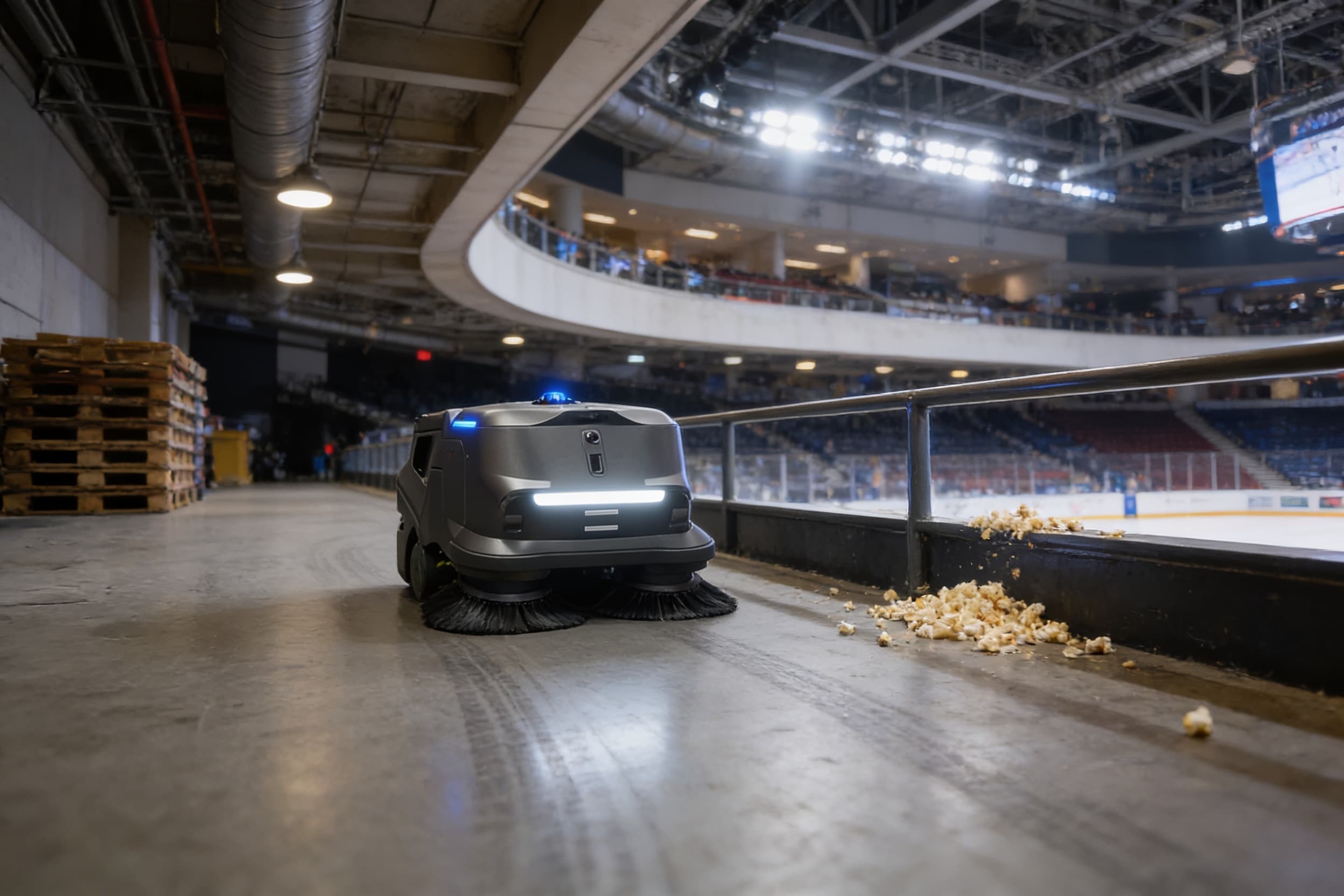
An airport or transit hub is millions of square feet of high-traffic, security-sensitive public space that runs nearly around the clock. The concourses have to stay clean, the terminal restaurants and lounges have to keep serving through a delay surge, and the lots and perimeters have to stay watched — all without ever taking the building offline. Three robot categories carry that load: large-area autonomous scrubbers that clean concourses and gates during operating hours; concession-delivery robots that run food and beverage service in terminal restaurants and lounges; and patrol robots or mobile camera systems that extend security coverage across terminals, structures, and lots.
What makes an airport different is not the robot — it is the environment around it. The deployment has to run inside a secure, regulated facility, fit an authority's or agency's procurement and budget cycle, and never slow down a concourse full of travelers. Get the fit, the access clearance, and the routing right, and one robot program standardizes cleaning, service, and security across every terminal. Get any of it wrong and it is an expensive unit parked by a gate.
Coverage
Service nationwide.
Service nationwide. 3,000+ service engineers across all 50 US states, 85+ metros with closest-hub dispatch. 10-minute remote triage, 24-hour on-site dispatch, 24/7 emergency response.
All 0
US states covered
0+
metros with closest-hub dispatch
0+
service engineers in the US
Remote triage
10-minute remote triage during business hours
Nationwide dispatch
24-hour nationwide on-site dispatch
Emergency response
24/7 emergency response
What an airport actually needs from a robot
Before any model comparison, an airport has constraints a warehouse or hotel deployment never faces. These are the ones that decide whether a program actually runs.
- Scale — a single concourse can run past a million square feet. The unit has to cover real distance on a real schedule, not a demo lap.
- Live passenger flow — cleaning, delivery, and patrol all run through dense, moving crowds during operating hours. Routes are set around peak flow, not around an empty room.
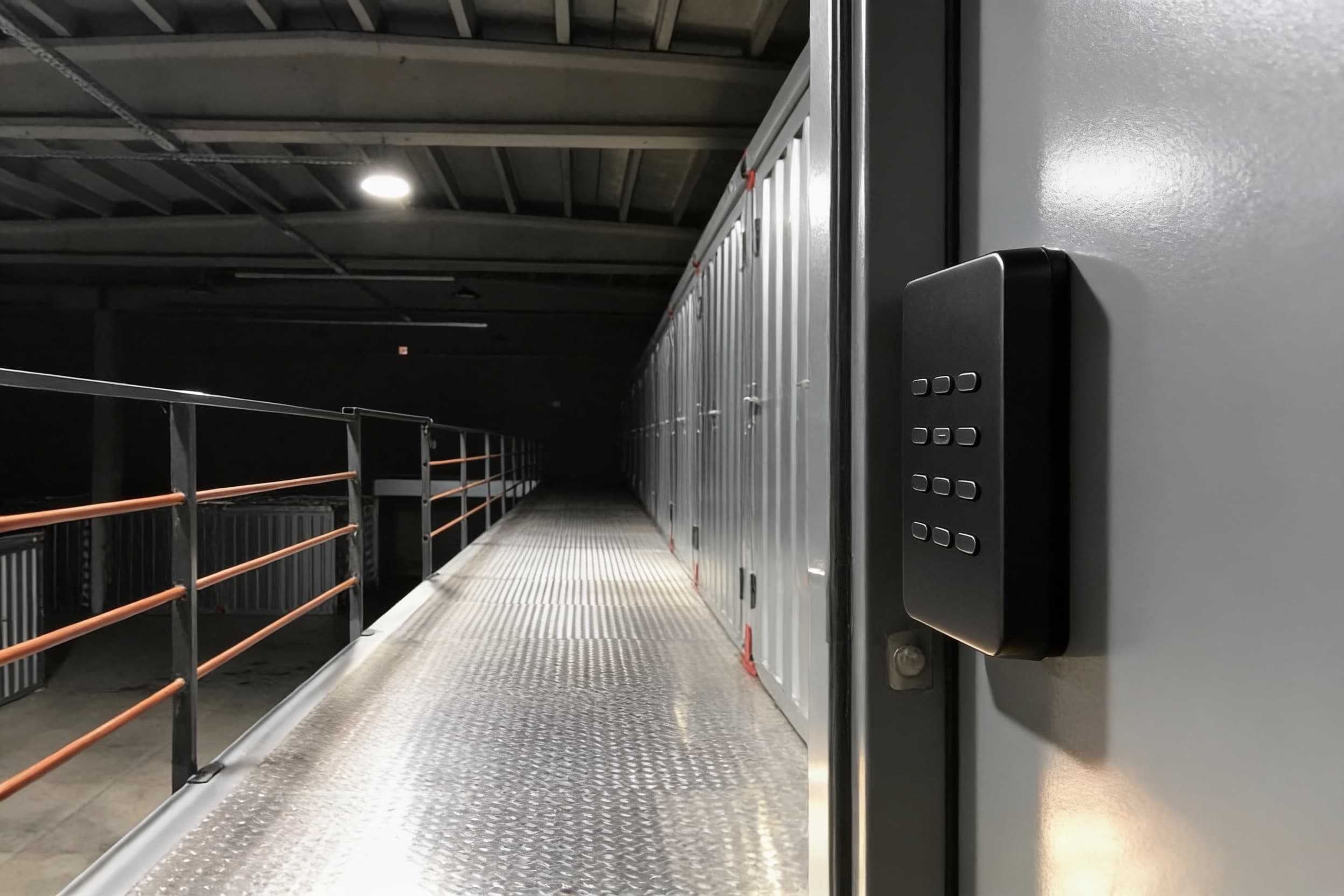
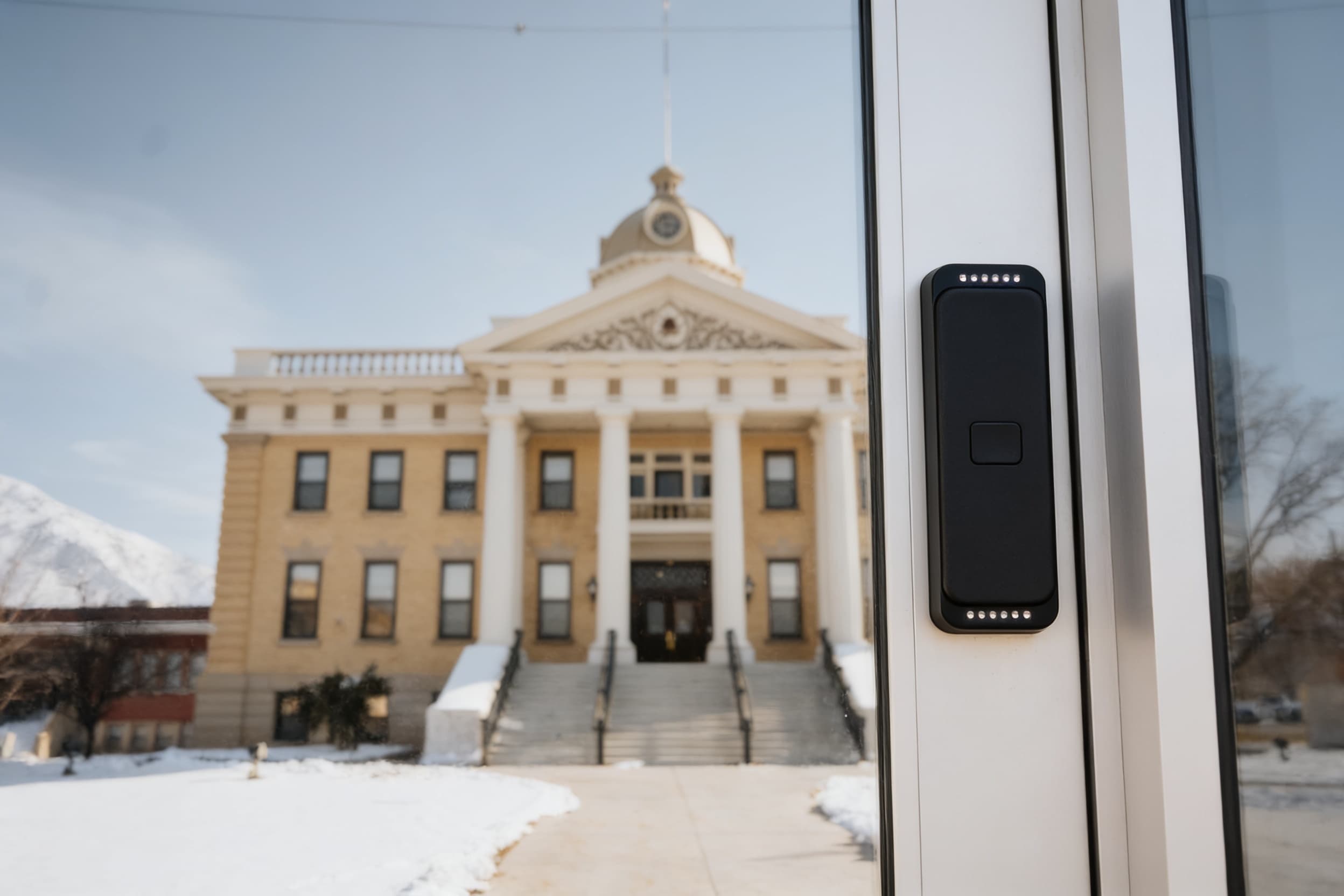
- Security and access clearance — terminals, secure-side areas, and back-of-house corridors have access rules a deployment has to navigate, not route around.
- Public procurement and budget cycles — an airport authority or transit agency buys on its own procurement calendar. Financing has to fit that cycle, not force it.
- One program, many terminals — a multi-terminal or multi-station facility needs the same robot type running the same way everywhere, with one partner accountable for all of it.
Which robots fit airports & transit
The categories that earn their keep here, with the OEM units we see most — picked OEM-neutrally for your building.
Cleaning robots (large-area scrubbers)
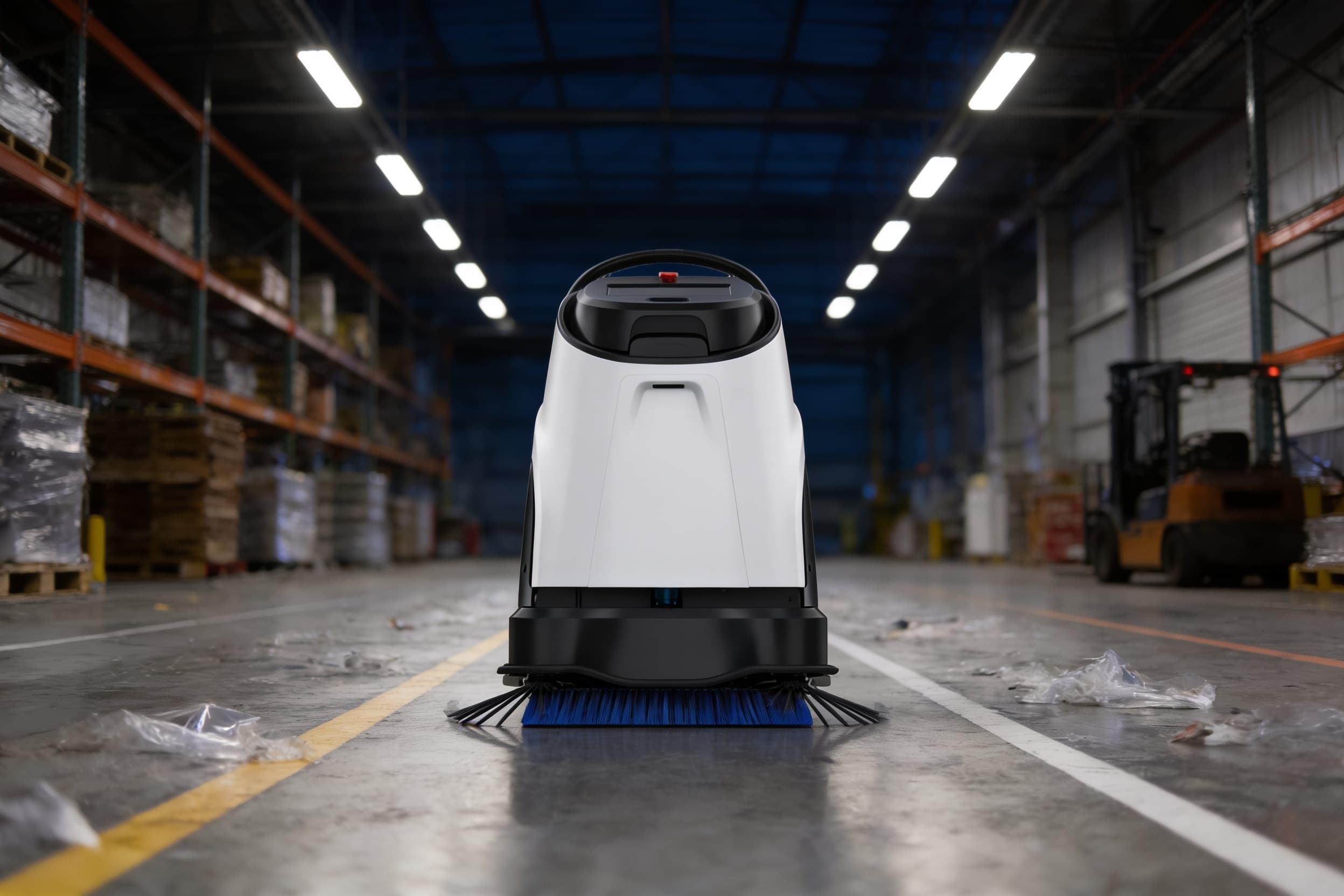
Scrub and vacuum concourses, gates, and baggage areas through live passenger traffic during operating hours — sized for floor plates that run past a million square feet.
Representative OEMs: Gausium Scrubber 75, Avidbots Neo, Pudu CC1 / BG1
Read the buyer guide →Concession service & delivery robots
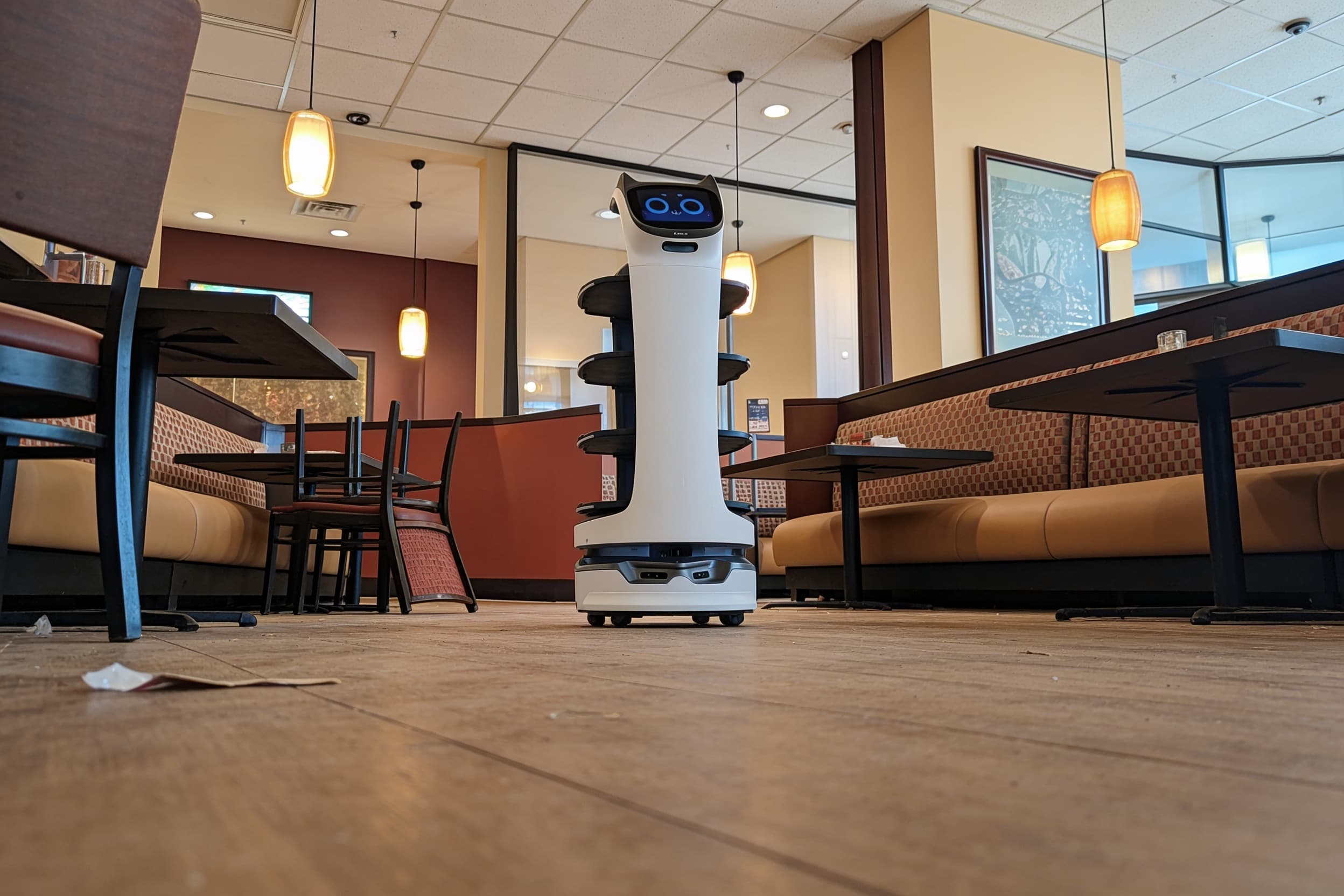
Run food and beverage service and delivery in terminal restaurants and lounges, including a delay surge that overruns the staff on hand.
Representative OEMs: Pudu BellaBot / KettyBot, Bear Robotics Servi, Keenon T-series
Read the buyer guide →Security & patrol robots
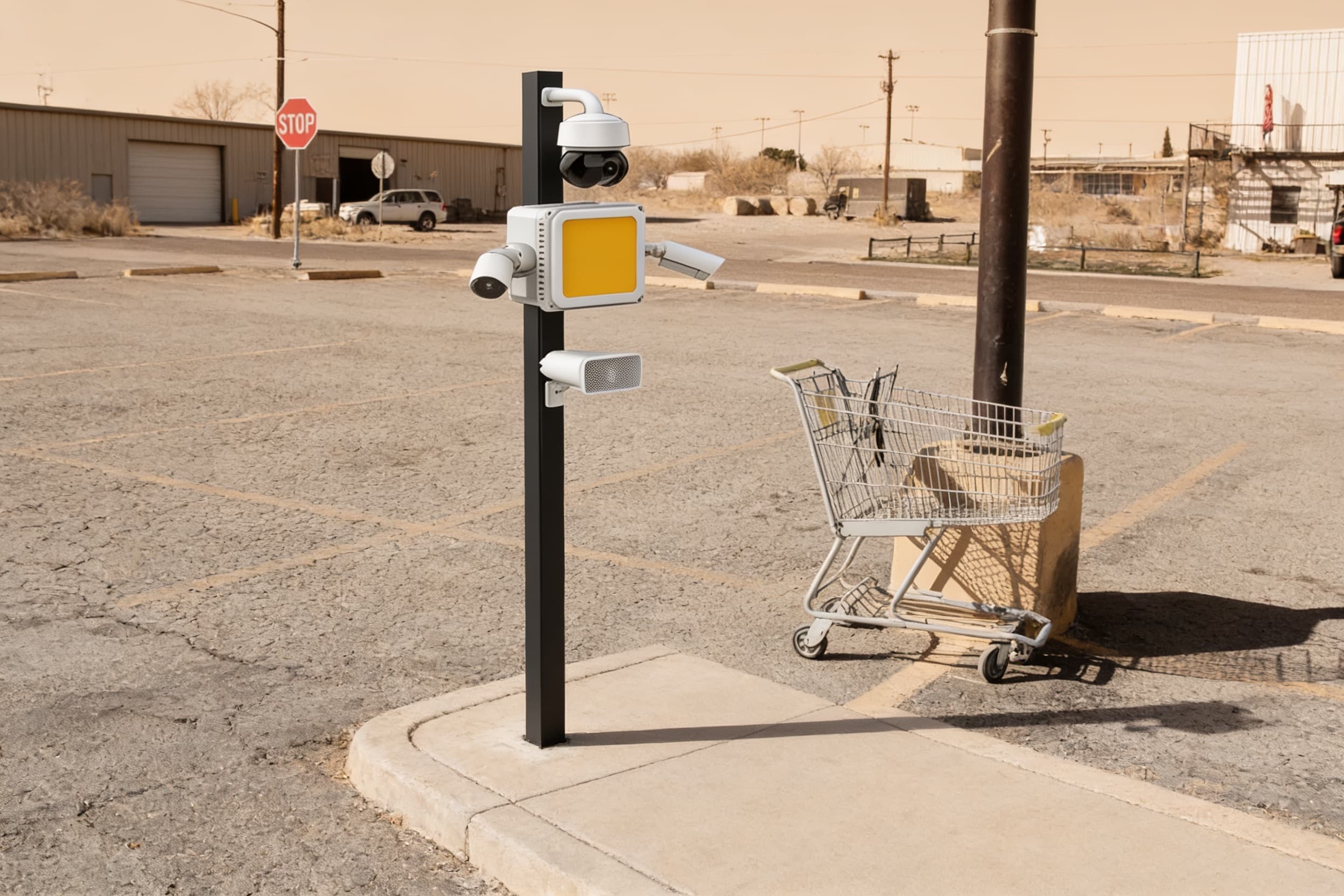
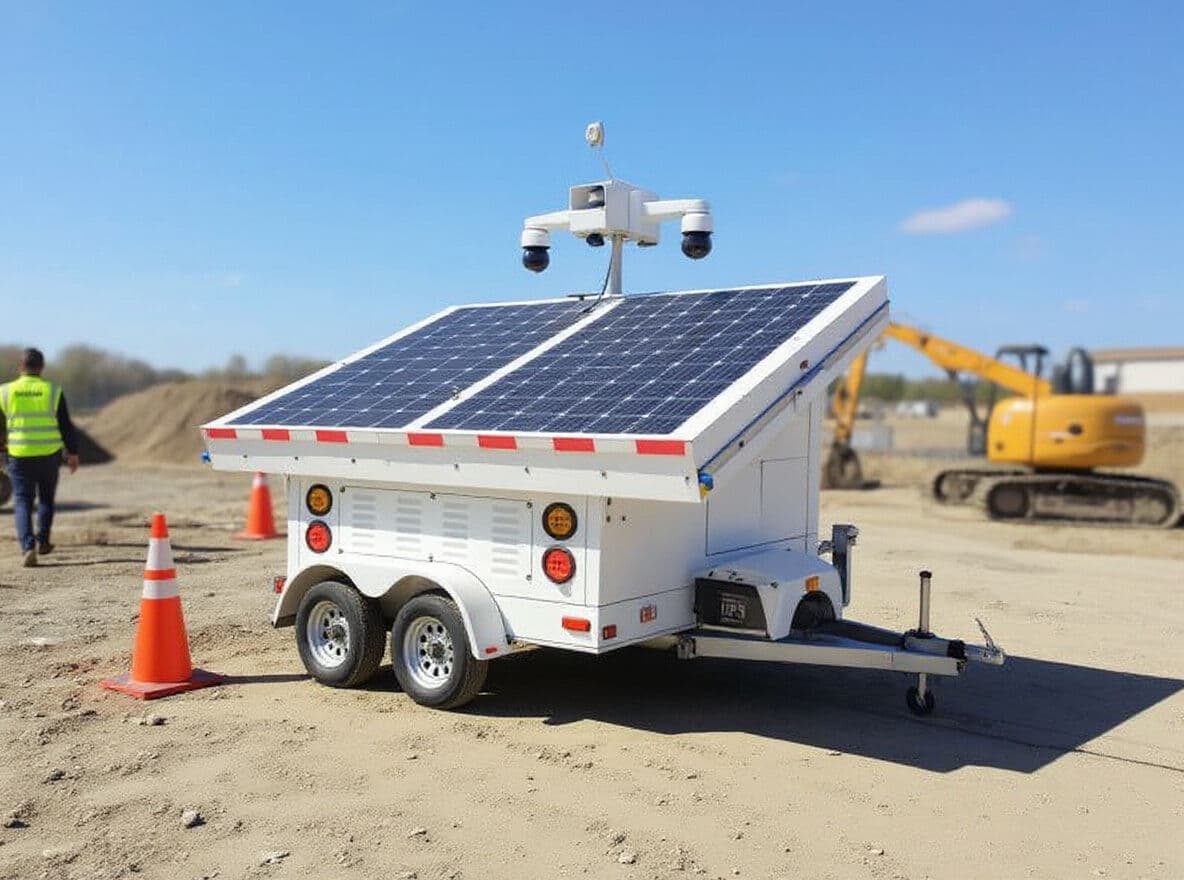
Autonomous patrol and monitoring of terminals, structures, and lots, including overnight coverage of areas a guard team cannot staff around the clock.
Representative OEMs: Selected per site — see our security & surveillance robots solution
Why airport deployments are a security-and-procurement problem, not a hardware purchase
A robot OEM ships a capable machine. Making it run safely and legally inside a secure public terminal — mapped around access-controlled zones, routed around live passenger flow, commissioned without slowing a concourse down — is deployment work, not a setting on the robot. That work compounds across every terminal and station in a facility, which is why airports and transit agencies that buy a bare unit end up with a single pilot cart and no program.
We treat access and security clearance as the first question of the deployment, not an afterthought. We map your terminals and back-of-house routes, work within your security and access requirements, and commission on a schedule that never takes a concourse offline — so the robot is deployed to fit a regulated environment, not around it.
Buy vs. RaaS for an airport authority or transit agency
Airport and transit traffic swings with seasons and gate counts, and a public authority's capital line rarely absorbs a fleet purchase in one budget cycle. Robotics-as-a-Service folds the robot, the compliant deployment, the service, and a backup unit into one monthly cost that is easier to fit inside a procurement vehicle and a budget year — which is why most authorities start there for cleaning and concession-delivery robots. Outright purchase fits a facility with steady year-round utilization once a unit type is proven. We surface both, structured to your procurement cycle, in a site assessment.
Airport & transit robots by job
The robot categories an airport or transit hub uses, with representative OEM units and illustrative pricing. Figures are publicly-reported market ranges, framed as "starting around" — not quotes.
| Job | Robot type | Representative OEMs | Illustrative cost |
|---|---|---|---|
| Concourse, gate & baggage-area cleaning | Large-area autonomous scrubber | Gausium Scrubber 75, Avidbots Neo, Pudu CC1 / BG1 | ~$22k–$96k buy · ~$600–$2,000/mo RaaS |
| Terminal restaurant & lounge F&B service | Concession-delivery robot | Pudu BellaBot / KettyBot, Bear Robotics Servi, Keenon T-series | ~$16k–$18k buy · ~$335–$550/mo RaaS |
| Terminal, structure & lot patrol | Autonomous patrol robot / mobile camera system | Selected per site | Quote-based — scoped to site & coverage |
Illustrative only — publicly-reported ranges, not quotes. Exact pricing depends on configuration, term, volume, region, and the access/security work your facility requires. We confirm the real number for your terminal in a quote; we do not publish any OEM's exact contract price as a fact.
The labor case for airport & transit robots (illustrative)
The payback in an airport is overnight and open-floor labor that is the hardest shift to staff reliably. A large-area scrubber on RaaS (~$600–$900/month for a mid-size unit) runs roughly 4–6× cheaper than a full-time overnight cleaner (~$3,500–$4,500/month all-in) on the open-concourse portion of the job, and it runs the same route on the same schedule every night without a call-out. A concession-delivery robot on RaaS (~$335–$550/month) absorbs the F&B runs a delay surge would otherwise dump on two or three staff at once.
The honest framing: this is coverage for the shifts you cannot reliably staff, not a headcount cut. The robot runs the repetitive concourse and F&B work so your facilities, EVS, and concession teams cover the parts that need a person. We build the real side-by-side — including the access and security-clearance cost — in a site assessment.
- Mid-size scrubber on RaaS: ~$600–$900 / month — illustrative.
- Concession-delivery robot on RaaS: ~$335–$550 / month — illustrative.
- Full-time overnight cleaner (all-in): ~$3,500–$4,500 / month — illustrative.
- These are illustrative ranges with stated assumptions, not a guaranteed result.
When an airport or transit robot is the wrong call
We would rather tell an authority no than sell a unit that sits parked at a gate. An airport or transit robot is the wrong fit when:
- The terminal or station is small enough that a person already covers the floor in a normal shift — the scale that makes a robot pay off is not there yet.
- Security or access clearance for the deployment has not been worked out with your authority — we never run a unit live before that is settled.
- The facility cannot commit to even a small pilot terminal or concourse — a program needs one real route to prove out before it standardizes across the rest.
- Nobody on site will own the daily basics (charging, docking, clearing a jam) — even a serviced robot needs a local hand.
- The budget cycle has no near-term procurement window — we would rather time the proposal to when it can actually move.
Why an airport authority should buy through an integrator, not a bare OEM
A robot OEM ships an airport a machine and a login. Everything that decides whether it runs safely, legally, and reliably across a secure public terminal — picking the right unit, financing it to fit public procurement, clearing access and security requirements, commissioning without disrupting passenger flow, training facilities and concession staff, and fixing it fast when it fails mid-shift in a 24/7 building — is left to the authority, usually across several vendors.
Service Robot Co. is the one partner for all of it, and OEM-neutral about which unit. We pick the right robot for your terminal, structure financing to your procurement cycle, deploy it inside your security and access rules, train your teams, and service it through a US engineer network with a backup ready. You get a standardized program across terminals and stations — not a pilot cart and four vendor contacts.
Common questions
- What robots do airports and transit hubs use?
- Airports and transit hubs use large-area autonomous scrubbers to clean concourses, gates, and baggage areas (e.g. Gausium Scrubber 75, Avidbots Neo, Pudu CC1/BG1); concession-delivery robots for terminal restaurants and lounges (e.g. Pudu BellaBot/KettyBot, Bear Robotics Servi, Keenon T-series); and patrol robots or mobile camera systems for terminal, structure, and lot security. The right mix depends on your terminal layout and operations.
- Can a cleaning or delivery robot run in a terminal while passengers are present?
- Yes. The robots we deploy navigate dense, moving crowds and stop for obstacles, and we set routes around your peak passenger flow before anything runs live — coverage happens without disrupting travelers.
- Does this fit public procurement and our budget cycle?
- We structure financing — buy or Robotics-as-a-Service — to fit public procurement and budget cycles, so adoption does not ride on one capital line. We lay out the options during your site assessment.
- Can these robots work in a secure terminal with access restrictions?
- Yes. We map your terminals, route around security and access requirements, and commission within your rules — the deployment is built to fit a regulated environment, not around it.
- Who maintains the robots in a facility that runs 24/7?
- We do. Service, repairs, and a backup unit are part of every deployment — nationwide coverage backed by our US service-engineer network, so a breakdown does not leave a concourse or a security route uncovered.
- Can you cover multiple terminals or stations under one program?
- Yes. We standardize one robot program — the same units, the same routes, the same service — across every terminal and station, with one partner accountable for the whole facility.
Go deeper
Start with a free site assessment.
We walk your site, learn the job, and tell you which unit fits — OEM-neutrally — before you commit a dollar. If nothing fits yet, we say so.
Find the robot that fits your site.
Free site assessment. We tell you what actually works before you spend a dollar.