

The short answer
Cobot ROI in Miami comes from the hours of laborer and material mover work that a cobot takes off the floor, valued at the local wage for that job shown on this page. A realistic savings range depends on how much of that work the cobot can take in its cell, how many shifts it covers, and the fixed lease payment quoted after a free site assessment. Savings are ranges, not promises, and payback arrives when the labor hours offset passes the lease cost.
Key takeaways
- A cobot pays back by taking repetitive handling hours off a shift, not by replacing a whole crew.
- Miami's labor base is large, but the return is set by your own hours and how fully the cell is used.
- Payback depends on the share of the work the robot realistically takes, so measure it before you accept a range.
- Low national turnover makes the case about steady capacity and consistency, not replacing leavers.
- A free site assessment turns these ranges into a lease quote built on your floor.
Run the numbers for your site
Auto-detected from your location - we use the real BLS wage here. Not right? Pick your city or state above.
What do you want to automate?
The cobot stacks the repetitive end-of-line pallets; your team handles changeover and QA.
What return can a Miami business expect from a cobot?
Cobot ROI in Miami starts with a labor offset. A cobot is a collaborative robot arm that works at a fixed station, such as a pallet stack, a packing line or a machine infeed, and it repeats the same handling motion for hours without a break. The savings come from the laborer and material mover hours it takes over, valued at the local wage for that job in the government wage data panel on this page.
Miami is a deep labor market for this work. According to the May 2020 Occupational Employment and Wage Statistics release from the Bureau of Labor Statistics, the Miami metro ranked third nationally for Laborers and Freight, Stock, and Material Movers, Hand, with about 48,180 workers. That release is older than the wage panel, so use it for scale only. The 2025 BLS regional release defines the metro as Broward, Miami-Dade and Palm Beach counties, which matters if your workers live across county lines.
The sites themselves are numerous. The Bureau of Labor Statistics QCEW program counted 21,604 warehousing and storage establishments nationally in late 2022, and preliminary 2023 counts reached 22,124. Adoption is broad as well. According to the International Federation of Robotics, about 66,000 new cobots were installed in 2025, or 11 percent of all industrial robot installations, and total industrial robot installations passed 600,000 for the first time, reaching 603,000. A national share says little about one floor, so the return has to be built from your own hours.
Where does the return come from in a Miami facility?
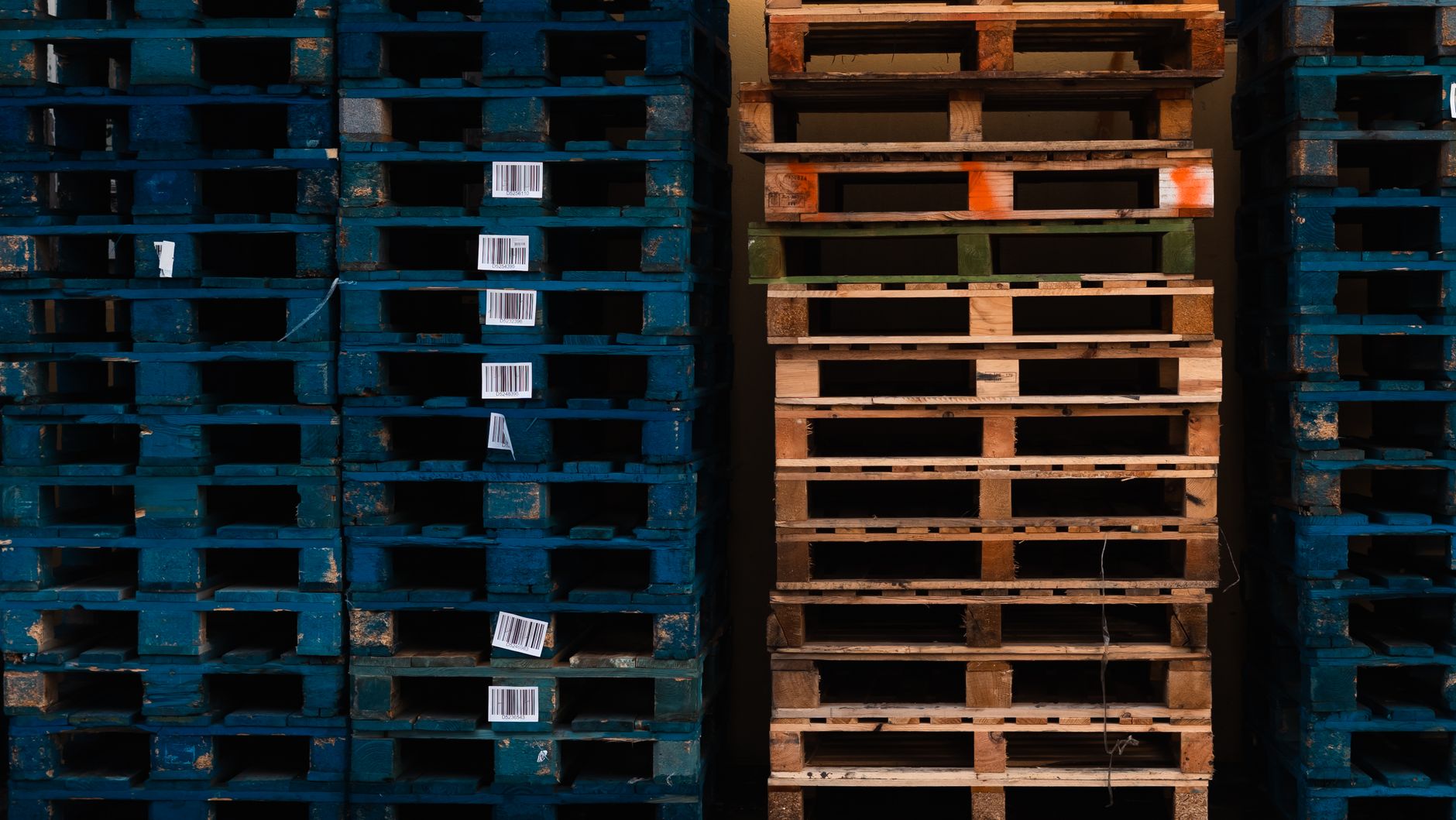
Most of the return comes from repetitive handling at fixed stations: stacking pallets, packing at the end of a line, feeding machines and moving product between two points that never change. Those tasks are hard to staff steadily because they are physically repetitive and the crew often tires across a long shift. A cobot takes those hours, and people move to the work that needs judgment.
Injury exposure is part of the case and it can be counted. According to the National Employment Law Project, citing Bureau of Labor Statistics Survey of Occupational Injuries and Illnesses data, the national warehouse worker injury rate was 5.7 per 100 full-time equivalent workers in 2022, and the rate for New York State was 8.8. Those are not Miami numbers, but they show that handling work carries a real incident cost, and a cell that takes the repetitive motion can reduce exposure when it is guarded and trained.
Treat the injury figures as context for the business case, not as a forecast. Most owners count only labor hours, and an incident avoided rarely shows up on a ledger, so safety tends to be a bonus rather than a line item.
Median hourly wage, Laborers and Freight, Stock, and Material Movers, Hand
$4,196
Monthly cost of one full-time worker in Miami, FL, at the median wage plus payroll costs (an estimate, not a quote).
How does the cobot ROI math work?
The math has four inputs. The first is the hours of laborer and material mover work the cobot takes over each week, measured in your own time study. The second is the share of those hours the cell can realistically handle, since a cell rarely takes a whole task. The third is the local wage for that job from the panel on this page. The fourth is the fixed lease payment quoted after the site assessment, plus any remaining labor the cell still needs.
Net savings for any period equal the value of the hours the cobot takes over, minus the lease payment and the remaining labor cost. Remaining labor usually means an operator who loads the cell, resets it or checks output. If the cell takes only part of a task, value only that part, not the whole task.
Because each input is a range, the output is a range. Lower the share of work taken or the number of shifts covered, and the savings range narrows quickly. That is why cobot ROI in Miami should be read as a range, and why a site assessment should replace any estimate made from this page alone.
What changes the number up or down?
Shift coverage matters most. A cell that runs one shift uses its lease for fewer hours than a cell that runs two or three, so the same labor offset supports a larger return on a longer run. Demand matters too. A cobot that sits idle in slow periods adds lease cost without taking hours, so the fit depends on whether the task volume is steady.
Turnover is a weaker lever than many owners expect. According to the Bureau of Labor Statistics Job Openings and Labor Turnover Survey, the total separations rate was 3.3 percent for 2025, unchanged from 2024, and the hires rate was 3.3 percent in 2025, down from 3.4 percent in 2024. Quits fell by 1.3 million over the year. Low national turnover means the case is steady capacity and consistency, not a plan to replace leavers.
The broader labor market also shapes the answer. According to FRED, the quits rate for trade, transportation and utilities was 2.3 in February 2026, a wider group than warehousing alone, so it signals general mobility rather than this job alone. Check your own turnover records against the assessment, since the local picture can differ from the national one.
What are the risks to the return, and how do you avoid them?
The biggest risk is an underused cell. Owners often size the case on the best shift and then run the cell on a light one. Map the task volume across the full week before the quote, and confirm the cell has the work it was sized for. A cell that is idle half the time is a lease with no offset.
The second risk is integration. A cobot that does not match the existing conveyor, pallet pattern or machine interface loses hours to fixes and workarounds. The site assessment maps the floor and the handoff points, which is where most surprises show up, so do not skip it to save time.
The third risk is training and downtime. A cell the crew does not understand gets stopped and overridden, which gives back the labor hours it was meant to save. Schedule training around go live, and confirm who answers a fault and how fast they can respond. Service terms belong in the math, not in a footnote.
Robot or person: where each one wins
A cobot does one defined task at a fixed station, at the same pace, without fatigue. It does not handle a damaged case, read a changed label or decide that a pallet needs restacking. People still win on judgment, flexibility and moving between tasks. The useful question for the owner is which hours are repeatable enough to hand over, and which ones still need a person.
- Repetitive handling at a fixed station
Cobot
Same motion and pace across the whole scheduled shift
Staff
Slows over a long shift and needs breaks
- Exceptions and damaged goods
Cobot
Stops and flags the item for a person
Staff
Judges and fixes it on the spot
- Hours covered
Cobot
Runs the hours the cell is scheduled for, under a fixed lease
Staff
Covers hours as staff are scheduled, around absence and turnover
- Changing tasks
Cobot
Slower to change over and needs reprogramming for new work
Staff
Moves between tasks quickly
- Cost basis
Cobot
Fixed lease payment plus remaining labor in the cell
Staff
Wages and overtime valued at the local wage for the job
What is the timeline from assessment to payback?

The timeline runs in phases. The assessment maps the floor, times the work and sizes the cell. The quote follows the assessment and sets the fixed lease payment. Installation and integration come next, then training and go live. The first stretch of operating data shows whether the hours offset is landing where the range predicted.
Payback is reached when the cumulative labor offset passes the cumulative lease cost. That point depends on the start date, the shift pattern and the share of the task taken, so it can only be stated as a range after the assessment. The early period usually shows the most variation, because the crew is still learning the cell and the first faults are still being traced.
Plan for the timeline to slip if the assessment is rushed. Floor changes, a late change to the shift pattern or missing volume data are the usual causes, and each one pushes the start date back.
How do you get a precise figure from a free site assessment?
We are a US commercial robot integrator. We pick the cobot for the site, lease it through financing, deploy and integrate it, train the staff and service it nationwide. The free site assessment is where the range becomes a figure: we map the floor, time the work, confirm the shifts and check how the cell fits the existing line.
To get the most precise figure, bring the shift schedule for the task, the task list with its volume, the wage for the job as your payroll records it, and any turnover or overtime data you track. Those inputs let the assessment replace the ranges on this page with a lease payment and a payback estimate built on your floor.
The assessment is free, and the lease payment is quoted after it, not before. Ask for the savings range, the assumptions behind it and the service and training terms in writing, so you can compare them against the hours you measured.
Does the return hold for a smaller Miami site?
A smaller site has fewer repeatable hours, so the offset per cell is smaller. The math is the same, but the cell has to carry more of the work to clear the lease cost. A single leased cell on one shift is a common first step, because it tests the share of the task taken before a larger commitment is made.
The research behind this page did not find a published headcount or hour benchmark for single sites in Miami. The headcount used for planning here is six people doing this kind of work at one site, a planning assumption and not a published figure. Replace it with your own roster during the assessment, since the crew size on your floor drives the offset.
Smaller sites should also check the injury and turnover figures against their own records, because a small crew can move those rates sharply in either direction.
Frequently asked questions
Put a robot to work in Miami.
We walk your site, learn the job, and recommend the unit that fits. Then we quote the lease, deploy it, and keep it serviced.
Sources
- US Bureau of Labor Statistics, Occupational Employment and Wage Statistics (OEWS May 2024)
- Bureau of Labor Statistics, OEWS May 2020 release
- Bureau of Labor Statistics, Southeast regional release 2025
- National Employment Law Project, warehouse worker injury report
- Bureau of Labor Statistics, JOLTS annual revision
- FRED, quits rate for trade, transportation and utilities
- Bureau of Labor Statistics, QCEW warehousing and storage
- International Federation of Robotics, President's report 2026