
The question, in the buyer's words
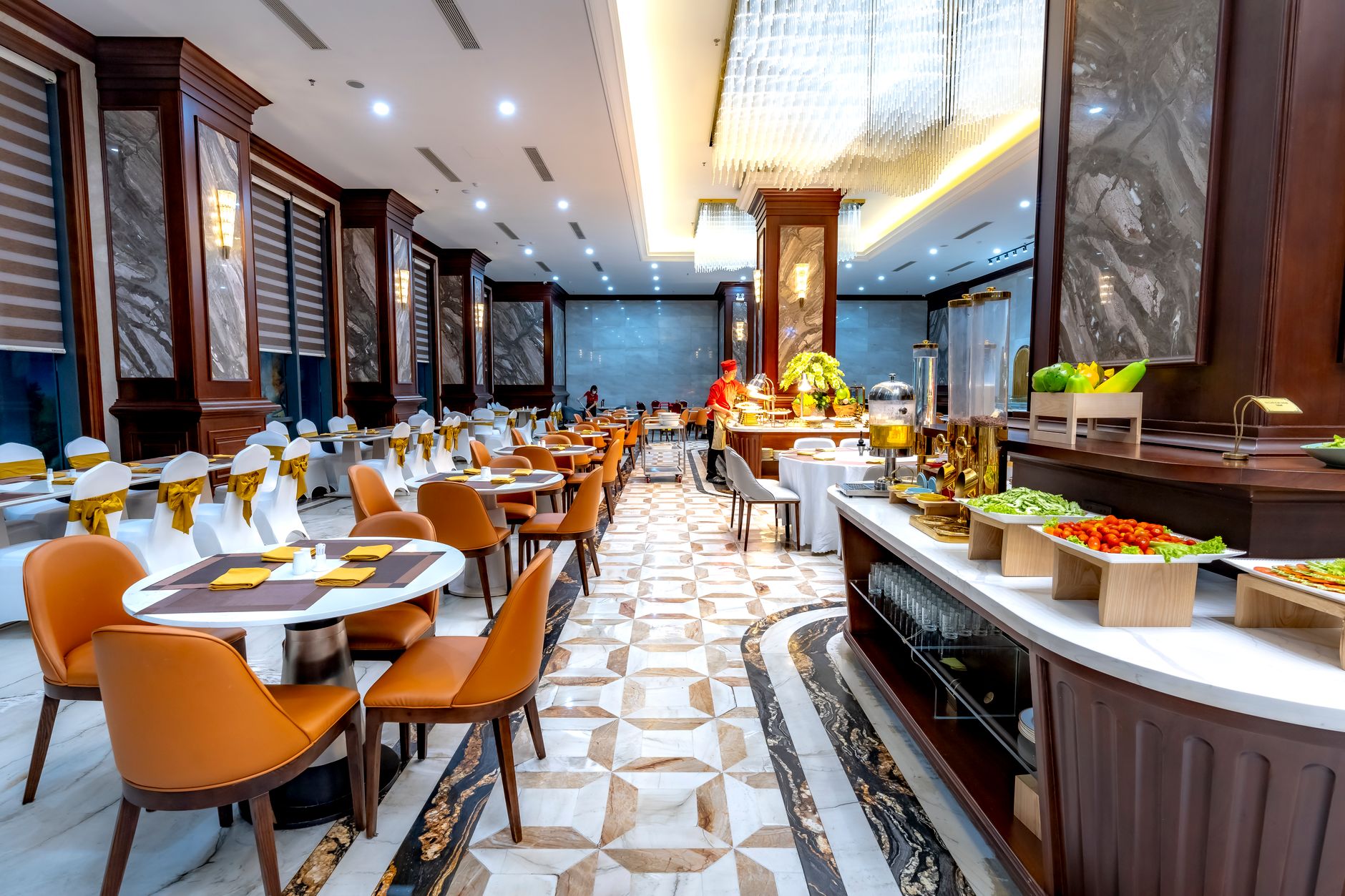
I run a 260-seat family buffet in Charlotte, North Carolina where syrup and crumbs make the dining floor sticky by close, and my two closers spend every night mopping it; could a cleaning robot finish the dining floor between close and the 6 a.m. breakfast crowd?
Key takeaways
- A scrubber can take over the long open passes on a dining floor once chairs are stacked and the route is mapped.
- Dried syrup and buffet edges still need a closer's pre-treatment or hand work before the robot runs.
- Charlotte's tight labor market makes closer turnover and training a real planning cost.
- Coverage rates from manufacturers are theoretical maximums, so time a trial run on your own floor.
- Get a lease quote after a site assessment, and check the floor covering before anything else.
Can a night cleaning robot finish a Charlotte buffet dining floor before breakfast?
For most buffet dining rooms, the answer is yes for the open floor and no for the whole job. A night cleaning robot, usually an autonomous floor scrubber, can run the main aisles and open seating area between close and the 6 a.m. crowd, as long as the route is clear and the floor is in good shape to scrub. What it does not do well is break down dried syrup, scrape crusted crumbs from under tables, or work the buffet islands and sneeze guard edges. Those tasks stay with people, and they are the parts a scrubber cannot reach.
Three things decide the answer for your room: the window, the route and the residue. The window is the time between the last guest leaving and the first breakfast guest arriving, minus the time staff need to stack chairs, pull floor mats and clear equipment from the path. The route is the course the robot takes through the open room, and it has to be mapped on site. The residue is the film of syrup and crumbs on the floor, which decides whether one pass is enough or the spots need pre-treatment first.
Flooring matters as much as timing. A scrubber suits hard, sealed surfaces such as tile or sealed vinyl. If your dining room is carpeted, a scrubber is the wrong machine, and the answer changes to staff only, or to a different tool for the carpet.
Why does syrup make a buffet dining floor harder to clean than a normal dining room?
Syrup is sugar in a sticky carrier. It dries into a thin film that a dry sweep does not lift and a plain water mop mostly spreads around. When that film sits through a humid night, it can turn tacky again by morning, which is why a floor mopped at close can still show residue at breakfast. Charlotte summers are humid, and damp floors take longer to dry, so the gap between wet mopping and guest traffic is tighter than the clock suggests.
The safety stakes are real. According to the Bureau of Labor Statistics, falls, slips and trips caused an estimated 7,850 injuries in full-service restaurants in its 2018 factsheet, including 5,170 same-level falls. That data is dated, but it describes the same hazard you are trying to remove, a floor that grabs shoes. According to a 2024 WorkSafe Tasmania snapshot, falls, slips and trips rank third among injury causes in accommodation and food services, though that is an Australian figure and not a U.S. one.
A scrubber fixes the wet-mop cycle, not the chemistry. Use the detergent and pre-treatment your floor supplier recommends, and have closers spot treat the syrup zones by hand before the robot runs. That split keeps the machine on the flat work it does well and keeps people on the sticky spots.
- Night coverage
Cleaning Robot
Runs the mapped open route on a schedule, with no shift breaks once it starts
Staff
Needs breaks and a set shift, and can start late or stop early
- Dried syrup
Cleaning Robot
Lifts residue already loosened by pre-treatment; weak on crusted film
Staff
Scrapes, spot treats and checks each patch by eye
- Buffet islands and sneeze guard
Cleaning Robot
Cannot safely work around pans, guards and tight corners
Staff
Lifts pans, wipes under islands and reaches corners
- Surprises on the floor
Cleaning Robot
Stops or routes around objects it can see, and stalls on furniture it did not map
Staff
Notices a spill or a chair left out and adjusts
- Consistency of each pass
Cleaning Robot
Same speed and overlap on every run
Staff
Varies with energy, time pressure and the hour
- Staffing risk
Cleaning Robot
No sick days or resignations, but someone must still start, check and clear it
Staff
Affected by turnover, leave and shift gaps, and needs training for each new closer
- Carpet and mixed surfaces
Cleaning Robot
Poor fit for carpet and soft surfaces
Staff
Works across carpet, tile and mixed surfaces
- Records
Cleaning Robot
Logs run times and routes
Staff
Depends on a checklist someone signs
How much floor can one scrubber clean in a night?
Manufacturers publish coverage rates, and those rates are the best case. They assume open floor, full speed and little stopping, so read them as a ceiling, not the expectation for a dining room with turns, chairs and a charging trip. Ask for the rate in writing, then ask how it was measured.
The planning method is simple, and you should run it on your own floor. Multiply the total square footage by the number of passes you want each week, then divide by the coverage rate you measure in a trial, not the brochure number. Actual performance runs below the maximum because of turns, obstacle stops, charging and overlap between passes, so a room that looks like a short job on paper can take longer on the route.
Your 260-seat room has a floor area you should measure before anything else. We map the route during the free site assessment and time a trial run on your actual surface, which gives you a number you can trust. If the open floor fits the window with margin, one unit may be enough. If it fits only on paper, plan for a second pass by staff or a second unit, and let the numbers decide.
What does the close to breakfast window look like in practice?

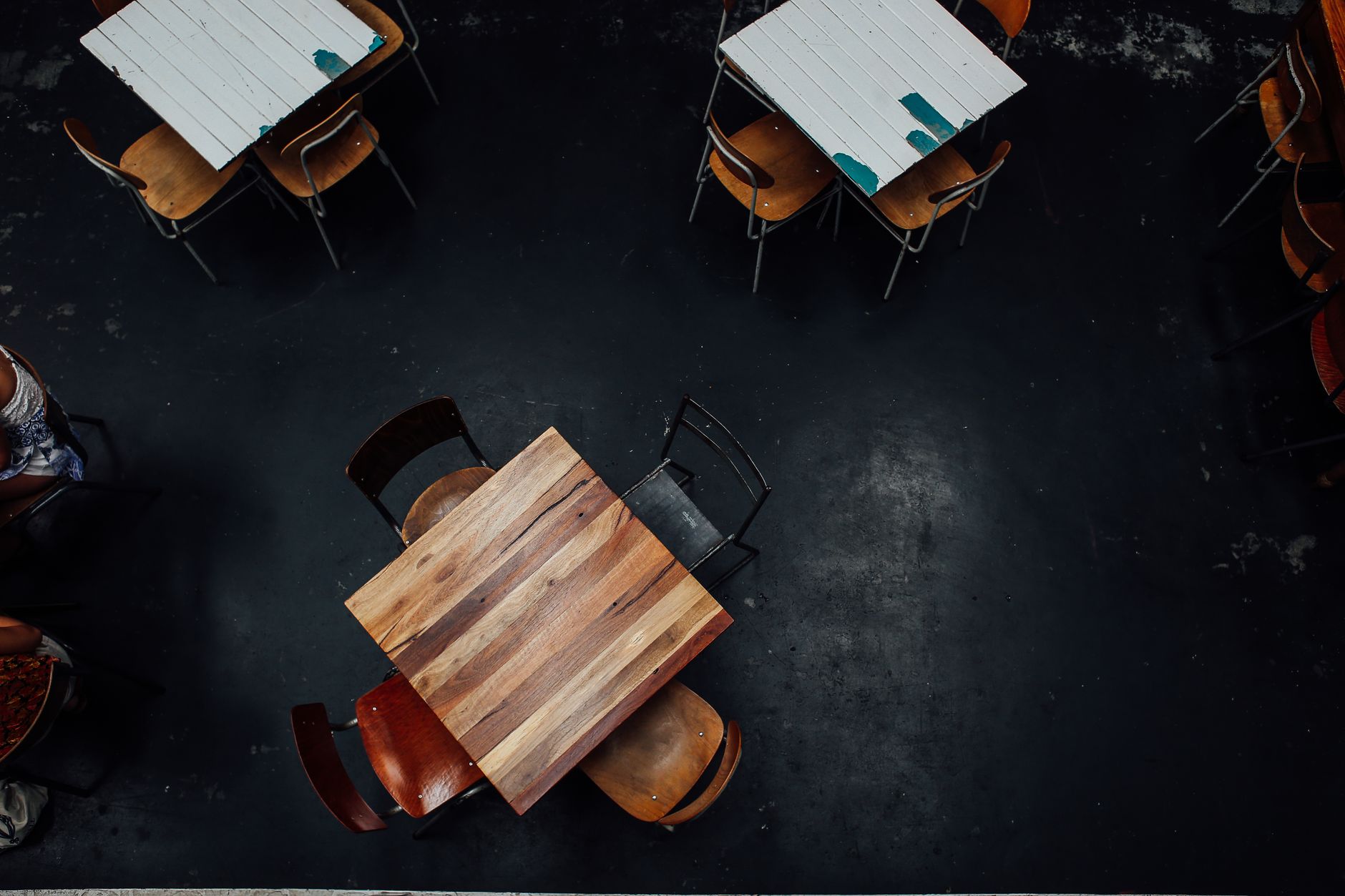
A workable night starts with the room, not the robot. Staff clear chairs and mats, move carts out of the route and pre-treat the syrup zones before the machine starts. The robot then runs the mapped route while a closer works the buffet line and restrooms. When the run ends, the robot returns to its charging spot and a closer walks the floor for missed patches.
Timing matters in a buffet. Run the robot only after the last guest has left and the room is clear of service traffic, so the closing crew working nearby is not sharing the route with a moving machine. Schedule the run to finish with margin before the first breakfast staff member walks in. If the run is late, stop it and finish the open area by hand rather than rushing it into opening traffic.
The morning check shows whether it worked. Walk from the entrance toward the buffet and look for film, wet patches and missed corners. Keep a simple log of run times and the spots missed. After two weeks, that log tells you whether the robot cuts the closing crew's effort or only moves it to another hour.
Which parts of a buffet dining room can the robot clean, and which parts can't it?
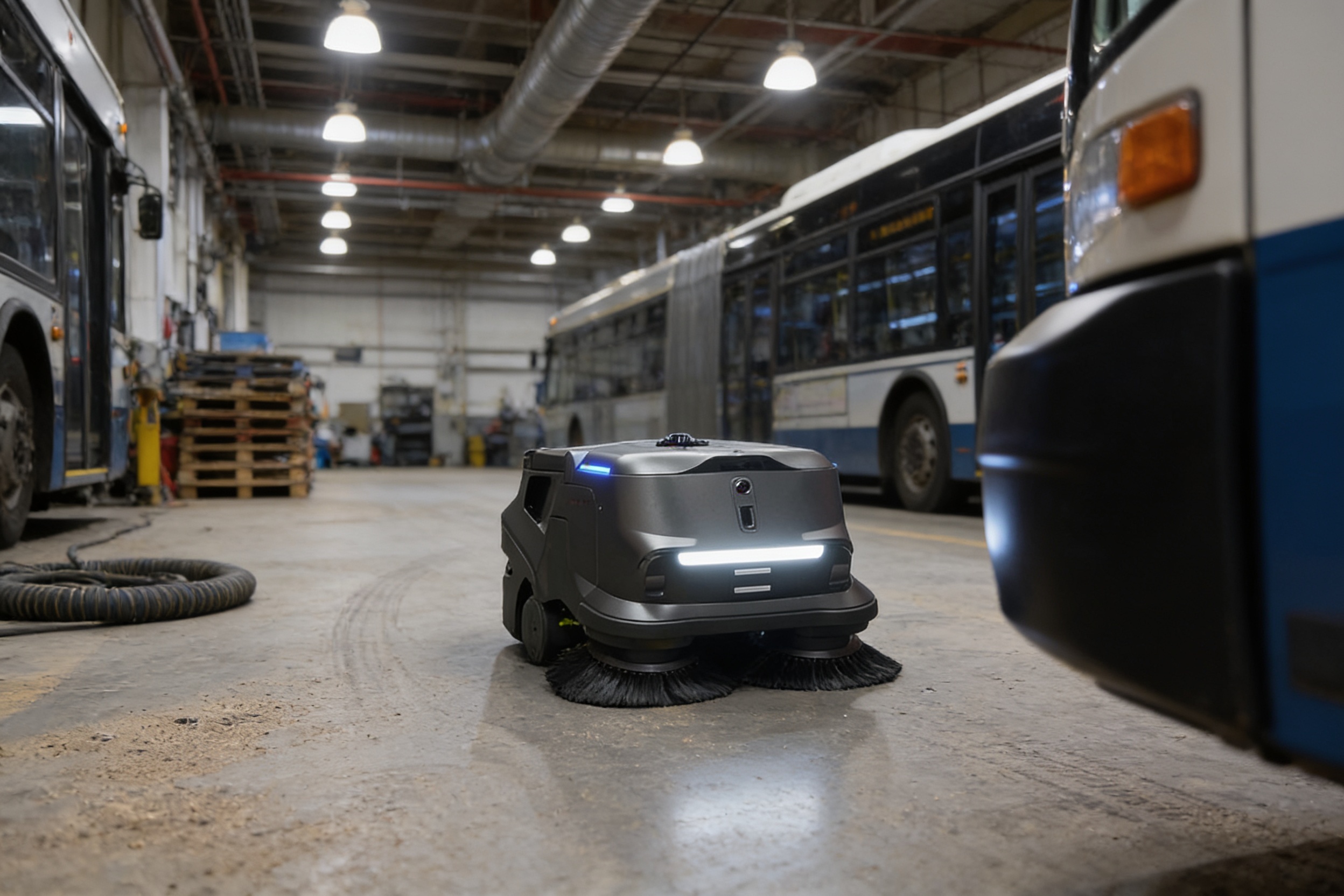
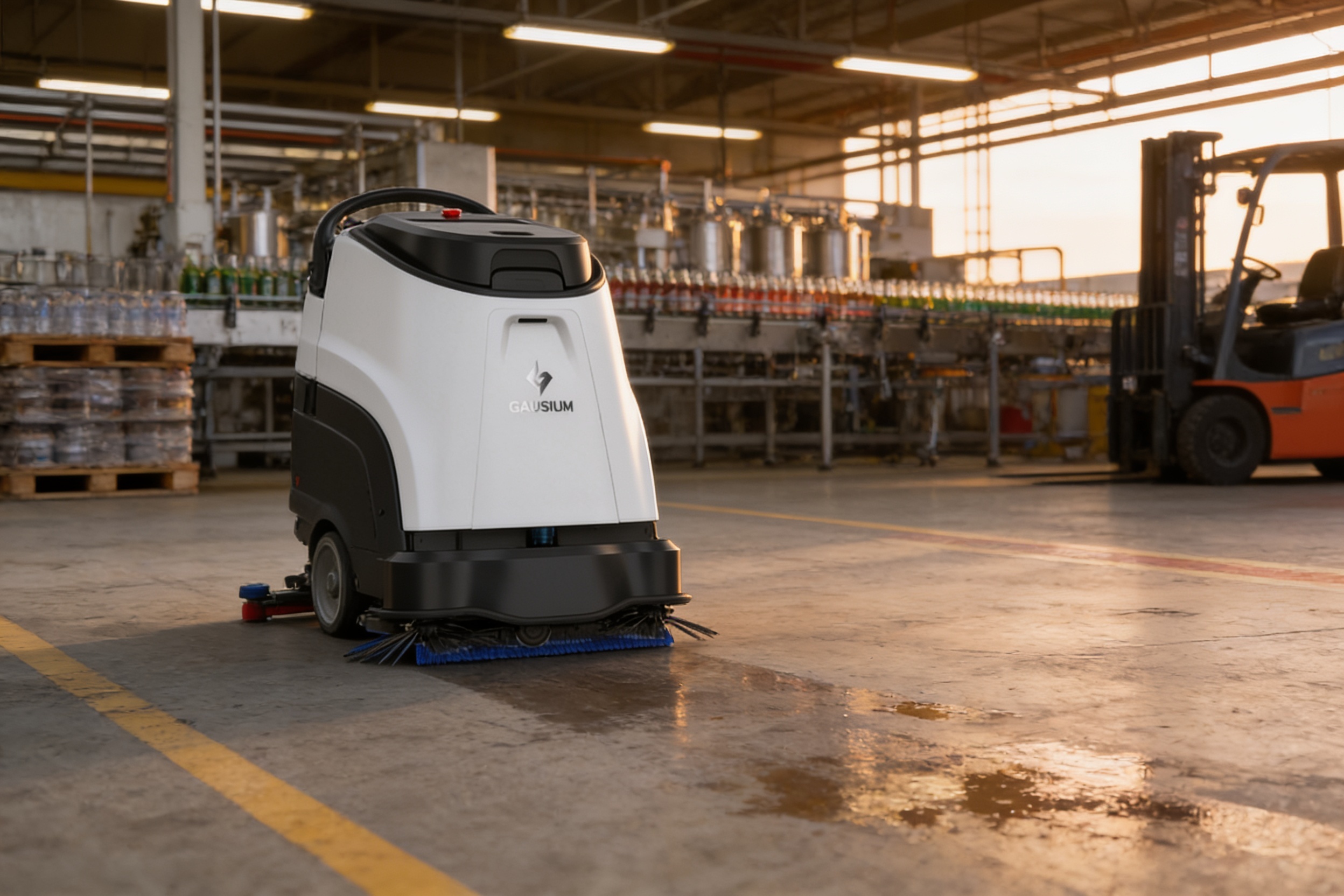
A dining room is several zones with distinct floors and separate risks. The robot is built for long open runs, so the main seating area is its strongest zone. The buffet island, sneeze guard edges, entry vestibule, kitchen pass and restroom approach are better handled by people, either because the geometry is tight, the floor is wet from traffic, or the surface needs hand cleaning.
Give the robot the zones with long, open routes. Keep staff on zones with tight corners, many objects or direct food contact. The table below sets out six zones and what each one needs in a buffet.
What does Charlotte's labor market mean for your closers?
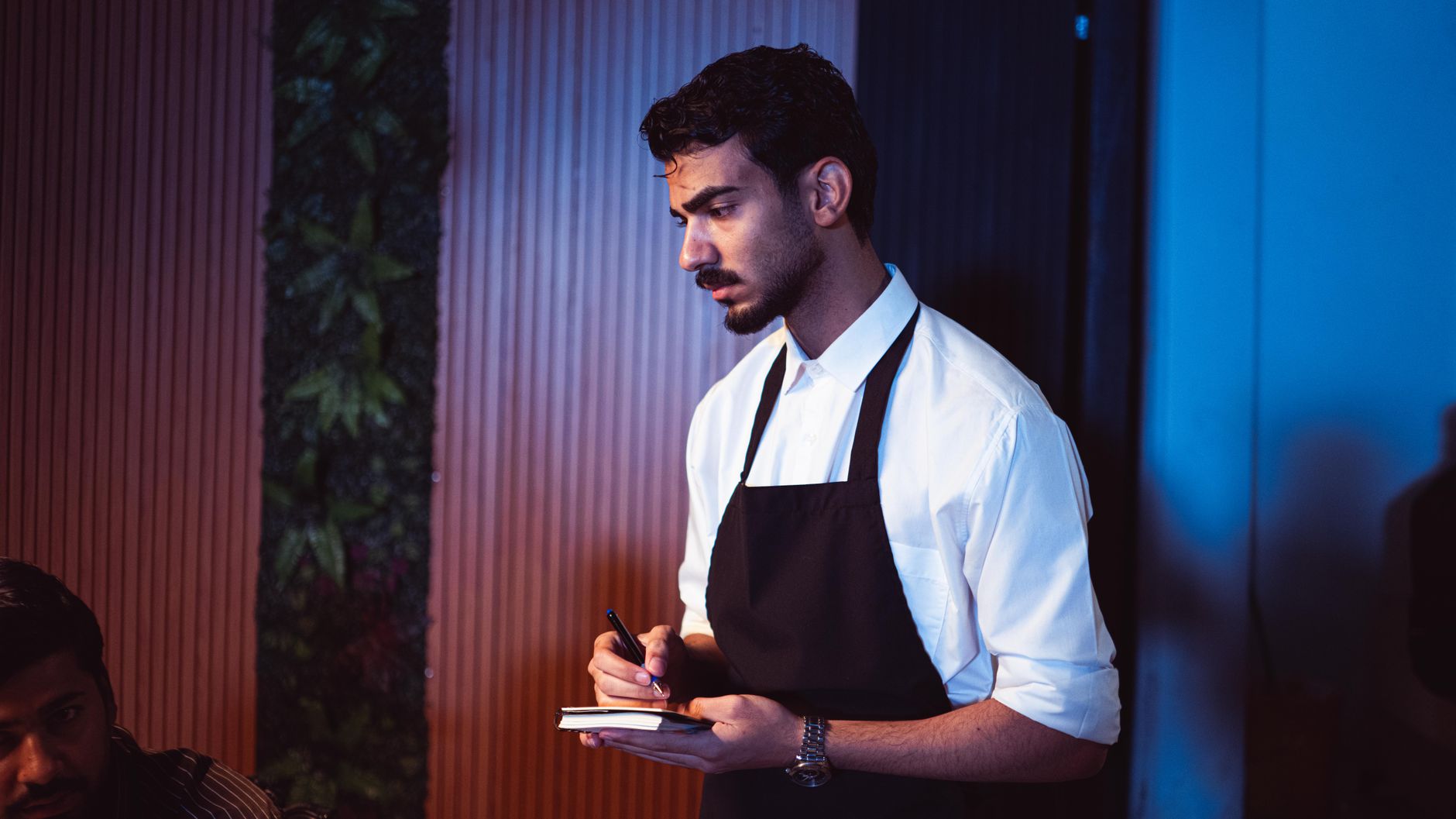
Charlotte is a tight labor market. According to the Bureau of Labor Statistics, the metro unemployment rate was 3.7 percent for the latest month, a preliminary figure, and total nonfarm employment rose 4.6 percent over 12 months. When unemployment is that low, employers compete for the same workers, and that competition shows up as hiring effort and longer training for each new closer.
Restaurants and hotels pull on the same people. The Bureau of Labor Statistics reports about 158,600 leisure and hospitality jobs in the Charlotte area in December 2025, up 4.6 percent over 12 months. The National Restaurant Association projected about 15.9 million industry employees by the end of 2025 across more than 1 million locations. Your closing shifts compete with every other food employer in the region for the same night hours.
Turnover is the harder number to pin down. According to the Bureau of Labor Statistics, about 2.4 million janitors and building cleaners were employed in 2024, employment is projected to grow 2 percent from 2024 to 2034, and about 351,300 openings a year are expected, mostly from replacing workers who leave. No federal turnover rate for this occupation was found, and published industry claims conflict, so check your own payroll for closer turnover before you accept any average.
What would change the answer for this dining room?
Several conditions can flip the answer from yes to no. The biggest is floor covering, since a scrubber needs hard, sealed surfaces. The second is the window. If the run cannot finish before the first breakfast guest, the robot becomes a hazard in the room instead of a help, and the closers end up finishing it by hand anyway.
Other factors matter too. Ask whether staff can clear chairs and mats reliably every night, because a robot that meets furniture in its route will stop often. Check whether the buffet is set up in fixed islands or moved around, since moved islands break the mapped route. Confirm that aisles and doors are wide enough and that nothing blocks the charging spot. Ask your local health inspector how a robot run should appear in your written cleaning schedule.
How does getting a robot for this dining room work with us?
We are an OEM-neutral integrator. We choose the unit for your floor across manufacturers, lease it through financing, deploy and integrate it, train your staff and service it under our service plan, backed by regional service engineers in every state we service. That means one partner for the whole lifecycle, not a separate vendor for each step.
The first step is a free site assessment. We map the dining room, measure the closing window, check the floor surface and the charging spot, and time a trial run on your actual floor. The lease payment is quoted after that assessment, so the fixed figure reflects the route and floor we found, not an estimate. Ask for the service terms in writing, including how on-site dispatch and remote triage work and what happens when a unit is down.
Start with one unit on the dining floor and measure it for two weeks against the closers' log before committing to more. If the open floor is too large for one unit in your window, the assessment will say so, and you should not sign for a second unit until the numbers show the need.
Frequently asked questions
Upcoming hotels & hospitality events
- MeetupMPI Virginia Morning Brew Meet-Up, November 2026Nov 10, 2026Hampton, VA
- SummitVA1 Governor's Tourism Summit 2026Nov 18 to 20, 2026Kalahari Resorts & Conventions, Spotsylvania, VA
- ConferenceVirginia Association of Fairs ConventionJan 14 to 17, 2027Williamsburg Lodge, Autograph Collection, Williamsburg, VA
- ConferenceIHLA Convention and Exposition, 2027Feb 8 to 10, 2027Indianapolis, IN
Want a cleaning robot at your buffet restaurant dining floors?
Tell us about your site. We will recommend the robot, quote the lease, and keep it serviced.
Sources
- BLS Occupational Outlook Handbook: Janitors and Building Cleaners
- National Restaurant Association 2025 industry employment projection press release
- BLS Economy at a Glance: Charlotte-Concord-Gastonia metro area
- BLS Southeast regional summary: Charlotte metro area
- BLS factsheet: Full-service restaurants (2018 data)
- WorkSafe Tasmania 2024 accommodation and food services industry snapshot