
The short answer
A robotic lawn mower vs groundskeeper choice makes sense at many houses of worship when the job is keeping open turf cut on a fixed weekly schedule that volunteers or a part-time caretaker now cover. It does not replace a groundskeeper, who still handles edging, trimming, beds, debris, event setup and anything a robot cannot reach, so the realistic setup is a robot plus fewer staff or volunteer hours, never zero staff. Map the grounds first with a free site assessment, because the open turf and the obstacles decide how much of the work a robot can carry.
Key takeaways
- A robot fits open turf on a fixed weekly schedule, not steep banks, tight beds or cleanup.
- Volunteer mowing breaks when the sign-up sheet does, and a robot keeps the cut on schedule.
- More than half of congregations are led by a solo minister or appointed leader, so grounds work often falls to a small group.
- Plan for a robot plus fewer staff hours, with edging and detail work kept in-house or handled by volunteers.
- Measure your own mowing hours, missed cuts and event calendar before the site assessment.
Robotic lawn mower vs groundskeeper: which makes sense at a house of worship?
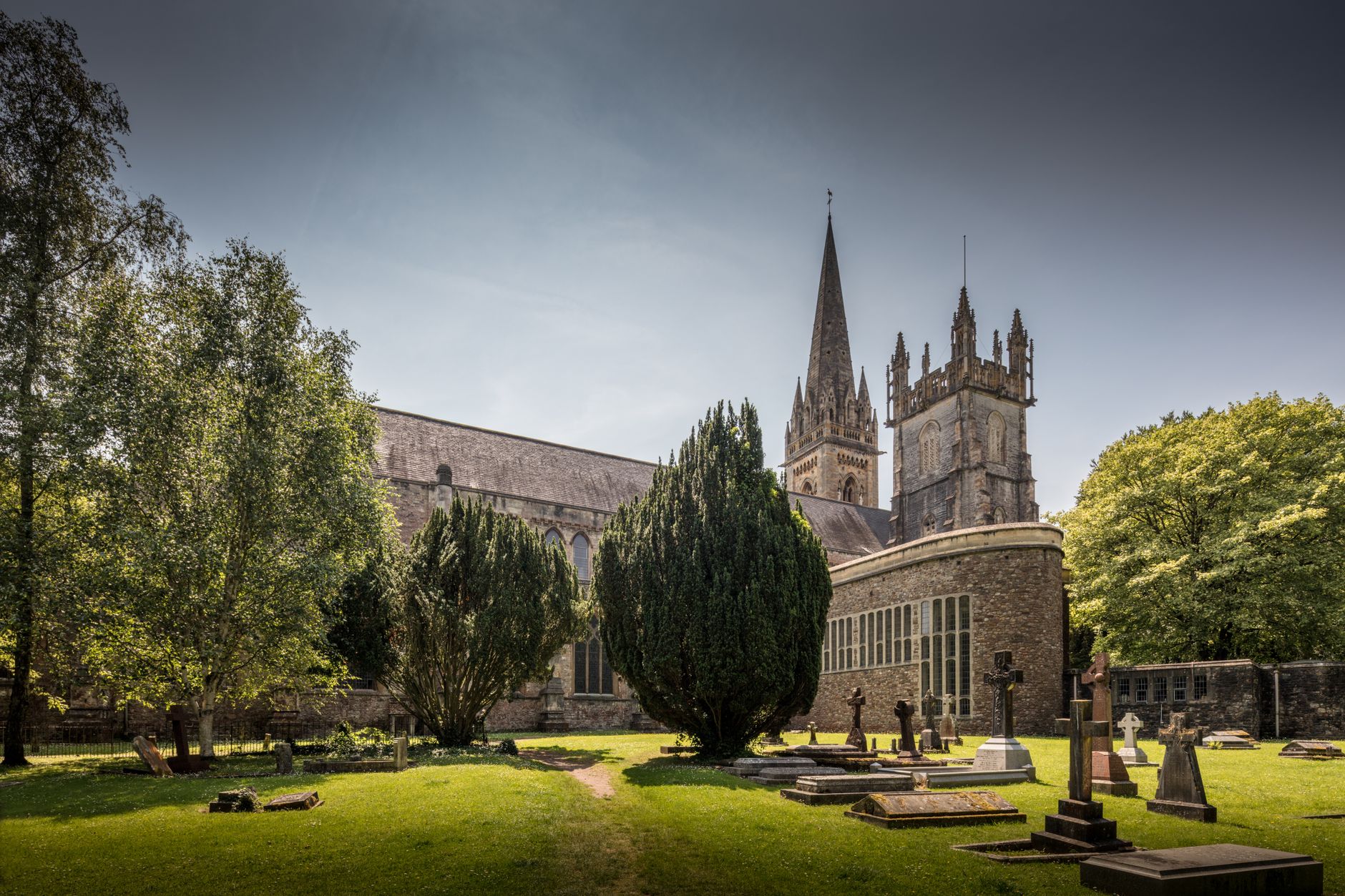
A robotic lawn mower vs groundskeeper decision at a house of worship usually comes down to one question: who keeps the open turf cut on a steady weekly schedule. A robot is a good fit where the grass is mostly open lawn, the schedule is predictable, and the work now depends on volunteers who rotate in and out. It is a poor fit where the grounds are mostly beds, steep banks, memorial plots or heavy event cleanup, because those tasks still need a person.
For most congregations the honest answer is a robot plus fewer hours of staff or volunteer time, not a robot in place of all people. The robot takes the repeated mowing that lands on whoever is free that week. A groundskeeper or volunteer crew keeps the edges, beds, debris and the odd job a robot cannot see.
Before deciding, map the lawn, measure the open turf and note every obstacle. Those three facts show whether a robot covers most of the work or only a slice of it.
How many houses of worship are there in the US, and who staffs them?

According to the Hartford Institute for Religion Research, the US has roughly 370,000 religious congregations, and its older pages cited about 350,000. The same source notes that a small share of large congregations holds most attendees, which suggests that many sites run on small crews or volunteers.
Congregational life is also shrinking. According to the Hartford Institute page, Faith Communities Today's 2020 survey covered 15,278 congregations and found decline nationally, and one study estimated that 30,000 congregations closed between 2006 and 2012. Fewer members and fewer paid roles put more of the grounds work on the people who remain.
Leadership is thin at many sites. According to a Baptist News report on survey data, 54% of congregations are led by a solo minister or appointed leader, whether full-time, part-time or unpaid. The same report says 23% are led by a paid part-time leader and 19% by unpaid volunteers, which is the setting where mowing often depends on who is available that week.
What does a groundskeeper actually do in a shift at a house of worship?
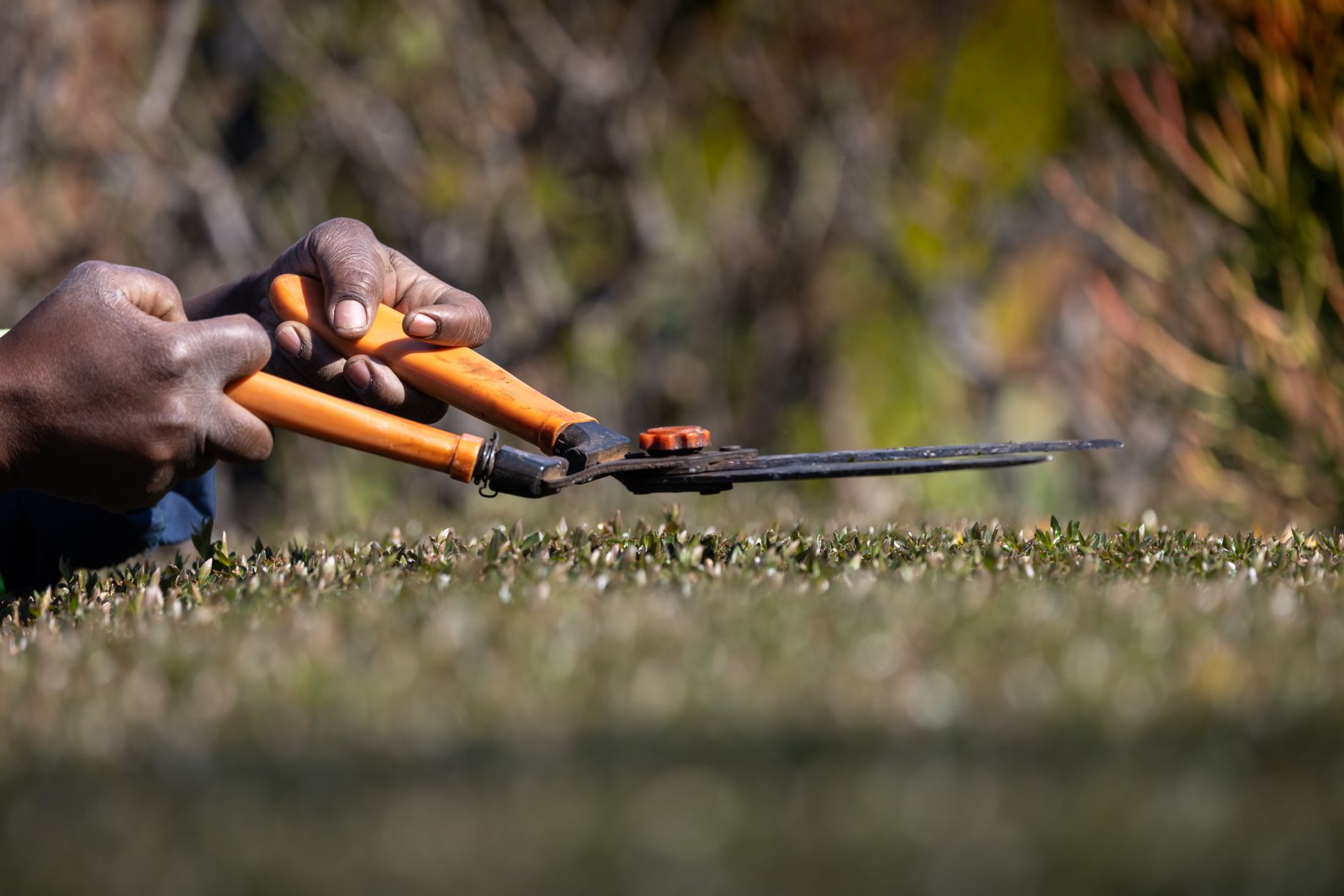
A groundskeeper at a house of worship works a shift built around the whole property, not a single task. Mowing is one part of it, and usually the part that needs the least judgment. The rest is trimming around signs, fences, walks and tree bases, edging along paths and building foundations, weeding beds, clearing leaves and storm debris, and checking sprinkler heads and irrigation valves.
Many shifts also carry event work. Weddings, funerals, holiday services, food drives and youth events mean the grounds must be clear and presentable on short notice, so mowing often moves around the calendar. In colder regions, snow and entrance clearing take over some weeks entirely.
The groundskeeper's real value is judgment more than mowing: knowing which corner was missed, which bed is drowning, and which area needs a second pass before a service begins.
- Mowing and trimming open turf on a set rotation
- Edging along walks, drives and building foundations
- Bed weeding, mulching and light pruning
- Leaf, branch and storm debris removal
- Irrigation and sprinkler checks and repairs
- Event setup, entrance clearing and winter snow or salt
Which grounds work can a robot take over, and which can it not?
A robot takes the repeated, predictable part of mowing: open turf cut on a fixed rotation, kept inside a mapped boundary. Robotic lawn mowers keep grass trimmed on a schedule across lawns and grounds, which is the mowing a groundskeeper does on that property. For a church lawn with one open field and a clear border, that can cover most of the mowing hours each week.
The robot does not do edging, trimming around fixtures, bed work, leaf pickup or debris removal. It also cannot decide that a patch is stressed, a sprinkler head is broken or a bench has been moved into its route. Those tasks stay with a groundskeeper or volunteer, and that time is what remains after installation.
Market data points to easier setup, but it does not decide fit for your lawn. According to a commercial robotic lawn mower market report from 2025, the segment is projected to grow at a 10.20% compound annual growth rate through 2032, and 48% of 2025 commercial shipments used wire-free navigation, meaning they did not rely on a buried boundary wire. Market estimates are not site results, so the assessment still decides fit.
- Weekly mowing of open turf
Robotic Lawn Mower
Cuts on a fixed rotation, including weekdays when no volunteer is free
Groundskeeper
Flexible, can shift the cut around weather and events
- Edging and trimming
Robotic Lawn Mower
Not suited, these stay with a person
Groundskeeper
Handles edges, fixtures and tight corners with a trimmer and judgment
- Early or off-hours mowing
Robotic Lawn Mower
Can run outside staffed hours if the site and noise rules allow it
Groundskeeper
Needs staff on site, usually during staffed hours
- Consistency week to week
Robotic Lawn Mower
Keeps the same cut schedule without a sign-up sheet
Groundskeeper
Depends on who is available and healthy that week
- Spotting problems
Robotic Lawn Mower
Does not diagnose stressed turf, broken heads or moved benches
Groundskeeper
Wins here, notices and reports problems before they spread
- Event day setup and cleanup
Robotic Lawn Mower
Not suited, the route has to be cleared first
Groundskeeper
Wins here, can clear and reset the grounds on short notice
How many hours does lawn upkeep take, and what does the labor picture look like?
The national labor pool for this work is large. According to the Bureau of Labor Statistics, 1,296,400 grounds maintenance workers were employed in 2024, with projected growth of 4% from 2024 to 2034, about as fast as average, and about 171,600 openings a year on average. A small congregation competes with landscaping firms, municipal crews and facility services for the same people, which can make steady help hard to secure.
Turnover is a real pressure in the trade, though we did not find a verified BLS turnover rate for groundskeepers. A career outlook guide for landscaping describes high turnover as workers move to better-paying jobs, retire or leave. At a house of worship, that means site knowledge can walk out with one person, so the grounds plan must be written down.
Injury exposure is an hours question too. According to the BLS injury snapshot for landscaping and groundskeeping workers, there were 12,380 nonfatal injury and illness cases with days away from work in 2019, and an incidence rate of 185 per 10,000 full-time equivalent workers. A CDC and NIOSH hosted study cites a BLS 2018 rate of 176.8 per 10,000 full-time workers for landscaping services, against 89.7 for all private industry. That figure covers the industry rather than the groundskeeper occupation, but it shows the exposure of grounds work.
We did not find verified figures for overtime, night shift coverage or sick days at houses of worship. Those numbers sit in your own timesheets and attendance records, and the checklist below lists what to pull before the assessment.
How does the team work with a robot, with fewer hours but never zero staff?
The working pattern is always a robot plus people, never the robot alone. The robot takes the repeated open turf mowing. A groundskeeper, a part-time caretaker or a volunteer crew handles edging, beds, debris, event setup and anything that needs a judgment call. Staff hours shift from mowing to inspection and detail work, so a smaller team can hold the grounds.
Setup starts with a site assessment, where we map the lawn, set the boundary and record obstacles. We then pick the robot that fits the site, deploy and integrate it, and train the people who will run it. Name a lead and a backup, because a single absence should not stop the schedule.
Expect a changeover period. Volunteers need to know what the robot does, how to clear its route before events, and who to call when it stops. Once the rhythm settles, the weekly cut happens on schedule and people spend more time on detail work.
What can a robot not do at a house of worship?
A robot cannot carry the whole grounds job, and it fails on specific features. Steep banks, deep ditches, ground that churns when wet, gravel paths, and tight beds around headstones or memorial plots need a person. It stops when an obstacle blocks its route, such as a dropped bulletin, a child's toy or a parked car, so the lawn must be clear before each run.
Events are a limit too. Weddings, funerals, outdoor services and food drives can change the layout on a given day, and the robot will not know a tent is in its path unless someone moves the boundary or pauses the schedule. Someone has to own the event calendar and tell the robot where not to go.
The robot also does not replace judgment. It will mow a stressed patch or a broken sprinkler head with the same blade it uses on healthy turf. A groundskeeper or trained volunteer still reads the grounds and decides what needs attention.
Is a robot worth it when volunteer mowing keeps falling through?

Volunteer mowing and weekly upkeep fail in different ways. Volunteer mowing depends on who signs up that week, so it works while the crew is steady and breaks when people are sick, traveling or stepping back. Weekly upkeep from an outside contractor is steadier, but it is one visit a week, the grass grows between visits, and the congregation still spends staff time coordinating the work.
A robot changes the pattern from visits and sign-ups to a schedule. The open turf is cut on its own rotation, so a missed volunteer week no longer means a missed cut. Volunteers or the groundskeeper then move to the detail work that usually gets postponed when mowing eats the calendar.
The savings show up as freed hours, not as a full replacement of labor. The fit is strongest where the lawn is large enough to justify the setup, the grounds are mostly open, and the congregation wants a predictable cut without a weekly sign-up sheet. It is weakest where the grounds are small, heavily planted or sloped, or where a single weekly visit already meets the need.
How do we get started with a robot lease for a house of worship?
Start with a free site assessment. We map the grounds, measure the open turf, mark slopes and obstacles, and note where the event calendar changes the layout. A fixed robot lease payment is quoted after that assessment, through financing, so the number reflects your actual lawn rather than a generic estimate.
Next, we pick the robot that fits the site, deploy and integrate it, train the people who will run it, and provide go live support. Service is handled nationwide, with on-site dispatch or remote triage when a unit needs attention. A site can also begin with one unit as a pilot before covering the full grounds.
Before the assessment, pull your own mowing hours, missed cuts and event calendar using the checklist above. That gives the assessment a baseline, and it shows whether the robot removes a bottleneck or only shifts the work.
Frequently asked questions
Want a robotic mower at your house of worship?
Tell us about your site. We will recommend the robot, quote the lease, and keep it serviced.
Sources
- Hartford Institute for Religion Research, Fast Facts
- Bureau of Labor Statistics, Occupational Outlook Handbook: grounds maintenance workers
- Bureau of Labor Statistics, injury snapshot for landscaping and groundskeeping workers, 2015 to 2019
- CDC and NIOSH hosted study on landscaping services injury rates
- Baptist News report on congregational leadership survey data
- Commercial robotic lawn mower market report, 2025
- Landscaping career outlook