

The short answer
In a robotic lawn mower vs groundskeeper comparison for HOA common areas, the robot makes sense on open, mostly level turf that gets mowed on a set schedule, because it takes the repeated passes that fill a groundskeeper's week. It does not make sense alone on steep banks, obstacle-heavy beds, or for edging, trimming and other hand work that needs a person. Most associations get the best result with a robot working alongside fewer staff, not with a robot replacing the crew.
Key takeaways
- A robot takes the repeat passes on open, level turf, while crews keep edging, slopes, beds and hazards.
- Plan for a robot plus fewer staff, never zero staff.
- Mowing frequency comes from the board's standard, so the schedule sets the hours.
- Hiring is the constraint: more than 50 percent of LMN survey respondents could not attract enough applicants.
- The lease is quoted after a free site assessment, so measure the site first.
Is a robotic lawn mower vs groundskeeper the right call for HOA common areas?
For most homeowners associations, the answer is a robot plus fewer staff rather than one or the other. The robotic lawn mower vs groundskeeper question turns on how much of the crew's week goes to repeated mowing on open turf. When that share is large, a robot can carry the passes and the groundskeeper moves to work that needs hands and judgment.
A robot makes sense when the common areas are large, mostly open, reasonably level and mowed on a set schedule. It makes less sense when the site is full of tight corners, steep banks, beds and obstacles, or when the board expects a person on site for most of the day. Those sites usually keep most of their crew hours.
The question comes up often because the sector is large. According to the Foundation for Community Association Research, the US had about 373,000 community associations in 2025. That count includes condominiums and co-ops, so it is not an HOA-only figure, and the same review reports 78.1 million Americans, nearly 1 in 4, living in community associations.
What does a groundskeeper actually do during a shift at an HOA?
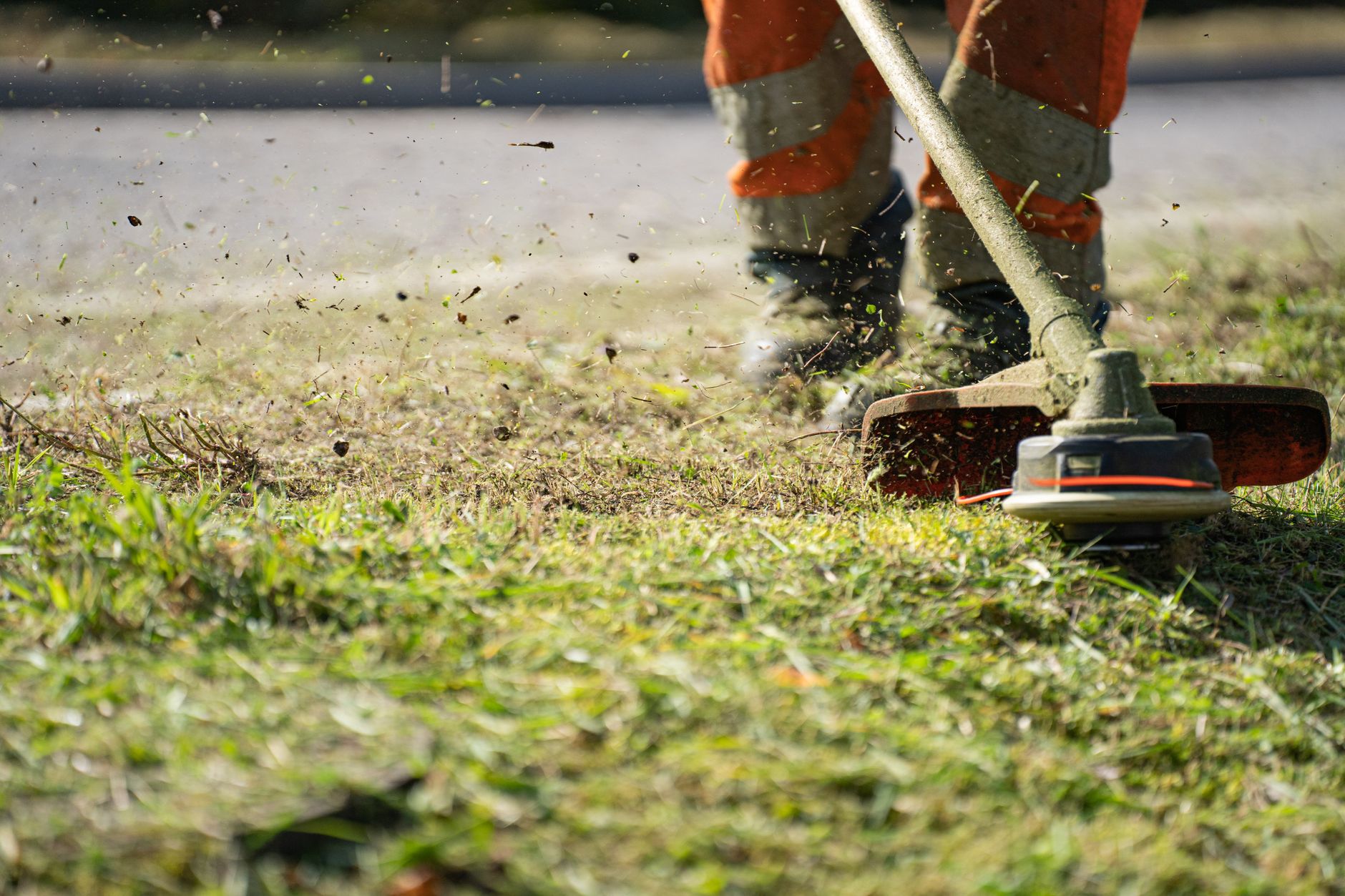
A groundskeeper at an HOA is rarely only mowing. A typical shift mixes mowing with trimming, edging along walks and curbs, blowing debris off hard surfaces, emptying trash, checking sprinkler heads and answering whatever the board or a resident reports that morning. Mowing takes the largest share on open turf, but much of the rest moves around the site, which is why the crew cannot simply be swapped for one machine.
This work is physical, and the injury record for the trade is high. In the BLS snapshot for landscaping and groundskeeping workers, private industry logged 12,380 nonfatal injury and illness cases with days away from work in 2019, an incidence rate of 185 per 10,000 full-time equivalent workers. The same snapshot counts 124 fatal work injuries for the group in 2019, down from 142 in 2018.
A CDC-hosted study cites a 2018 BLS rate of 176.8 for landscaping services, against 89.7 for all private industry. A board weighing crew design should read that gap as a reason to keep the physical work planned, rotated and supervised, whichever mowing method it chooses.
Which parts of the mowing can a robot take, and which can it not?
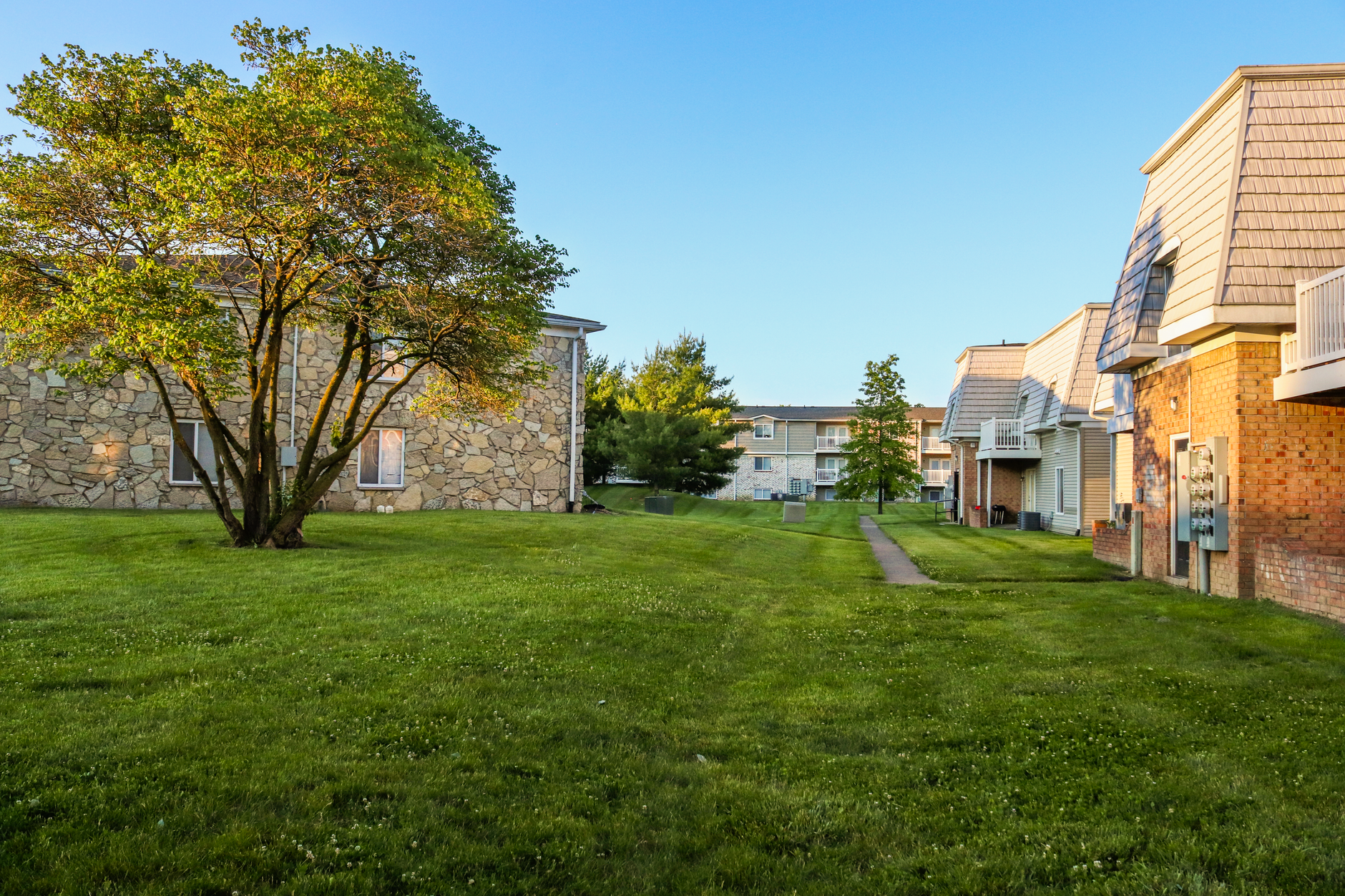
A robot takes the repeated passes on open turf: the main lawn fields, wide strips between parking and sidewalks, and broad areas that get the same cut on the same schedule. These passes make up most of the mowing hours and need the least judgment, so they are the natural work to hand to a machine.
The work that stays with the crew is set by the site. The list below covers the tasks a robot does not take, and it is the part of the job that most boards underestimate.
Where the line falls is found on a site walk, not in a brochure. The site should be mapped, boundaries and no-go zones set, and the cut schedule written down before anyone decides how many hours to move. The BLS handbook also notes that states may require a license for workers who apply pesticides and fertilizers, so that licensing belongs in the staffing plan too.
- Edging and trimming along walks, curbs, signs and light poles
- Steep banks and slopes beyond the grade the machine is rated for
- Planting beds, mulch and tree rings that need hand work
- Debris pickup, branch removal and storm cleanup
- Irrigation checks, sprinkler head repair and leak reporting
- Fertilizer and pesticide application, which may require a state license
How many hours does HOA lawn mowing take, and how often is it done?
Frequency is set by the board's standard, and standards differ. The City of Arvada's maintenance standard calls for turf to be mowed once per week from April 1 through September 30, with native areas every two weeks where deemed necessary. A Virginia public bid specification for mowing sets a seven day interval in peak summer, with higher cutting heights in common areas.
Hour totals follow from the frequency, the acreage and the number of turns and obstacles. No standard hour production rate for HOA common areas was found in this review, so any hour figure a vendor quotes should be checked against your own site walk. Counting turns matters more than many boards expect, since every corner and obstacle adds time that a clean acre does not.
The practical test is simple. Time one full mow of the site with the existing crew, record the hours by task, and compare that record with the hours a robot would take over, as the table below shows by task.
| Task | Today | With a robot |
|---|---|---|
| Repeat passes on open turf | A full crew pass on each scheduled week | Robot runs the scheduled passes in mapped zones |
| Edging and trimming at walks and curbs | Crew task after mowing | Still a crew task, with more time freed for it |
| Slopes, banks and tight corners | Crew task, often hand work | Still a crew task |
| Debris and storm cleanup | Unscheduled crew task | Still a crew task |
| Irrigation checks and head repair | Crew task on the route | Still a crew task |
No standard hour production rate for HOA mowing was found in this review, so the table shows which tasks move, not measured minutes. Time your own site, counting turns and obstacles, before comparing.
How tight are labor and turnover for groundskeeping crews?
Hiring is the constraint for most of these crews. The Landscape Management Network surveyed more than 500 professionals and found more than 50 percent unable to attract enough applicants for open positions. An earlier LMN survey from 2022 found 51 percent unable to hire enough staff.
The federal outlook is steady rather than shrinking. The BLS Occupational Outlook Handbook reports about 1,296,400 grounds maintenance worker jobs in 2024, with employment projected to grow about 4 percent from 2024 to 2034, about as fast as the average for all occupations. Entry is usually through on-the-job training.
Turnover is the other drag. According to the National Association of Landscape Professionals, as summarized in its 2024 compensation report, the national quit rate fell from 37 percent in 2022 to 30 percent in 2023. Operations roles at larger firms ran at 35 percent, against 23 percent for all respondents, and other summaries of the same report give different figures, so check the original before quoting.
A trade article citing NALP puts the cost of replacing one employee at one-half to two times annual pay. Public turnover figures for grounds crews are scarce, so treat these as a range of risk rather than an exact forecast. Every resignation also means training time and missed passes.
How does a crew work alongside a robot?
The working model is a robot plus fewer staff, never zero staff. The robot runs the open turf passes on schedule, and the groundskeepers spend the freed time on edging, trimming, irrigation, debris and the work a board actually notices. The saving comes from hours, not from removing the person who keeps the site running.
Staffing still matters on the day the robot runs. Someone checks the site before each run, clears debris and new hazards, watches the mapped zones, and handles exceptions when a resident or an event changes the plan. A crew that knows the machine can also catch the small faults that cause missed patches.
Service Robot Co. is a US commercial robot integrator. It picks the right robot for the site, leases it through financing, deploys and integrates it, trains the staff who run it and services it nationwide. Training the crew is part of the deployment, because a robot without a trained lead sits idle or gets handled badly.
- Repeat passes on open turf
Robotic Lawn Mower
Runs the same mapped pass on schedule without fatigue
Groundskeeper
Does it well but spends the shift on it
- Edging, trimming and detail
Robotic Lawn Mower
Not suited to tight edges or around obstacles
Groundskeeper
Does it with judgment and care
- Steep banks and uneven ground
Robotic Lawn Mower
Limited by its rated grade
Groundskeeper
Can work the slope with the right gear and training
- New hazards and debris
Robotic Lawn Mower
Avoids only the obstacles it has mapped
Groundskeeper
Spots and clears what the map missed
- Off-hours work
Robotic Lawn Mower
Runs in the windows the board allows
Groundskeeper
Needs staffing and overtime to cover the same windows
- Absences and turnover
Robotic Lawn Mower
Does not call in sick, but still needs a trained lead and service
Groundskeeper
Absences and resignations cut crew coverage
- Judgment about the site
Robotic Lawn Mower
Follows its map and schedule
Groundskeeper
Notices what the schedule missed and what residents will complain about
What does a robot's day look like on an HOA site?
A typical day follows the mow window the board sets, outside the hours when residents and events need the lawn. The site lead loads the zones, the robot runs the mapped passes, and the crew works the areas the robot has finished.
The timeline below is a common pattern rather than a fixed rule. Times, zones and pauses are set during deployment, and the board can change them as the site and the rules change.
Most of the value shows up at the handoff. The robot's log shows what ran and what did not, and the crew can find a missed patch before a resident does. That is where a short daily review pays off.
What can a robot not do on an HOA lawn?
A robot cannot do the work that needs a person to judge what it sees. It follows its map and sensors, so new hazards, fallen branches, toys, hoses and uneven ground still need a crew member to spot them. The machine also cannot edge a curb the way a person does, trim carefully around a sign pole, or repair a sprinkler head.
It is also not a set-and-forget asset. Blades, sensors, maps and boundaries need checks, and service visits are part of a sound plan. Ask how fast the provider can dispatch a technician and how spare units are handled, since a robot that is down for a week leaves the crew to mow by hand.
It does not fix the staffing gap by itself. A robot reduces the hours that need hiring, but the remaining crew still has to be hired, trained and kept, and the labor data above shows that is the harder part for most associations.
How do you lease a robot for HOA common areas and get started?
Start with a site assessment rather than a machine. The provider should map the common areas, mark the zones and boundaries, and write down the mowing schedule and the tasks that stay with the crew. Service Robot Co. does this assessment for free, and the lease is quoted after it, so the board sees a fixed robot lease payment built from the actual site.
Financing is the usual path for an association. The lease sets a fixed payment over the term, the provider handles deployment and service, and the board can compare that payment against the mowing hours it removes and the staff time it frees. Review the contract with counsel and check the governing documents for approval thresholds.
A pilot on one section of open turf is a sound first step. Measure the hours and the missed-pass rate over a full season, then decide whether to extend. Confirm backup coverage as well, since a lawn that cannot be mowed for long creates its own complaints.
Frequently asked questions
Want a robotic mower at your homeowners association common area?
Tell us about your site. We will recommend the robot, quote the lease, and keep it serviced.
Sources
- Foundation for Community Association Research, 2025 Statistical Review
- BLS Occupational Outlook Handbook, Grounds Maintenance Workers
- BLS Injuries snapshot, Landscaping and Groundskeeping Workers 2015 to 2019
- CDC-hosted study, landscaping services injury rates
- Landscape Management Network survey, via Green Industry Pros
- NALP 2024 Compensation and Benefits report summary
- City of Arvada maintenance standard
- Virginia public bid specification for mowing