
The short answer
The cleaning robot vs custodian choice has a practical answer for most houses of worship. A robot makes sense when the building has a large, predictable area of hard floor, such as sanctuary aisles, a fellowship hall or tiled entryways, that a custodian crosses by hand after every service. It does not make sense for a small building, a room that is mostly carpet, or a space too cluttered to keep a clear route, and in those cases the custodian remains the better fit.
Key takeaways
- A cleaning robot takes the scheduled hard-floor passes after a service, not the whole custodial job.
- Small buildings and carpeted sanctuaries rarely give a robot enough regular work to earn its place.
- Congregation headcount is a weak signal, so the floor map of the building decides the fit.
- Turnover and injury rates are the main labor risks, and the research has no houses of worship figures for them.
- Start with a free site assessment and a lease quote before choosing the floor plan.
Is a cleaning robot vs custodian choice worth it for a house of worship?
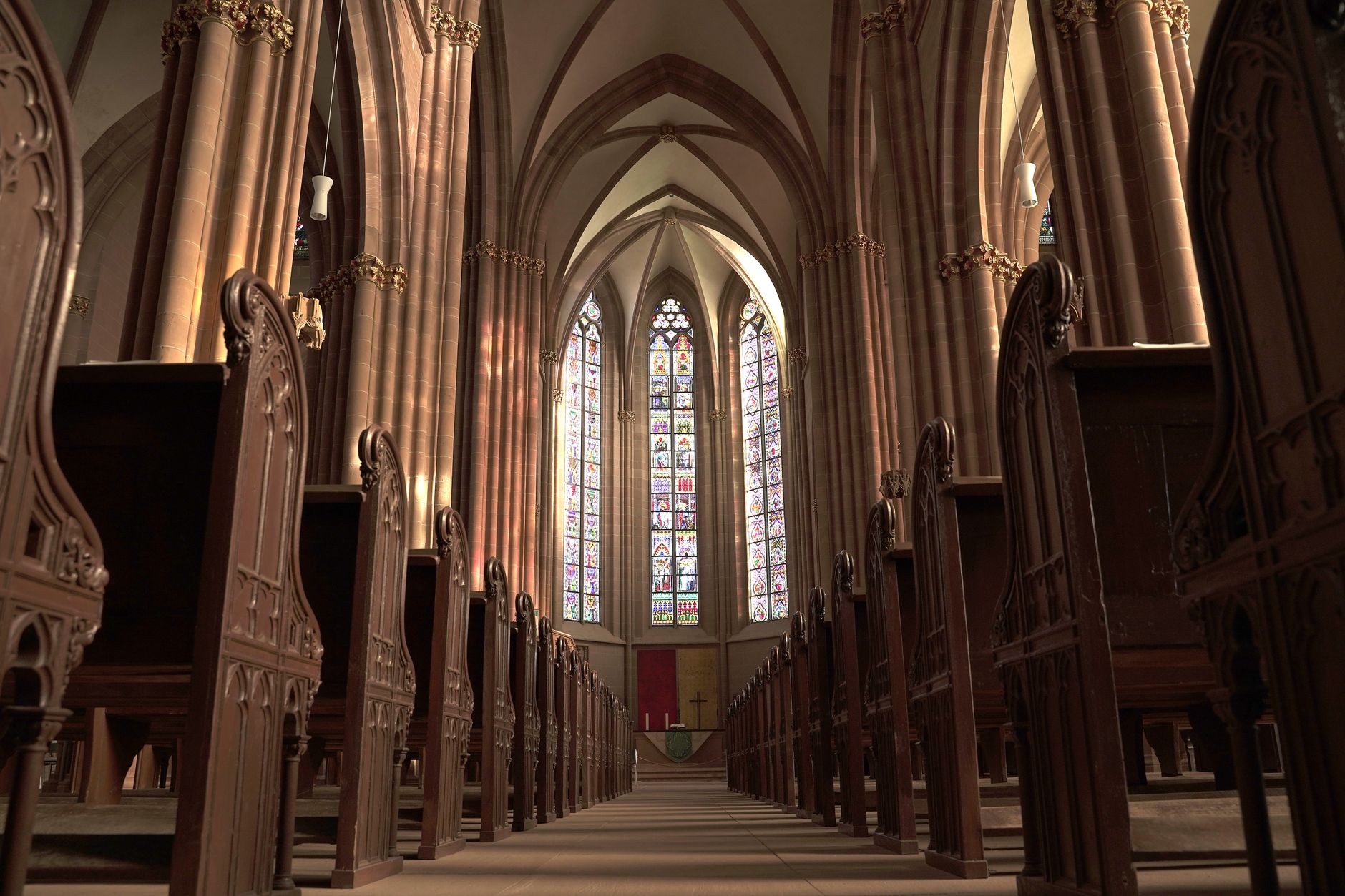
For most houses of worship, the cleaning robot vs custodian question comes down to floor hours. A robot fits when the building has a large, predictable area of hard floor, such as sanctuary aisles, a fellowship hall or tiled entryways, and when a custodian already clears the room after each service. It fits less well when the floors are mostly carpet or wood with many thresholds, when the building is small, or when the room fills with furniture every week and no one can keep a path open.
The robot does not replace the custodian. It takes the scheduled floor passes a person would otherwise make by hand, and everything else after a service stays with staff. The decision is therefore narrower than it looks. It depends on how many regular hours of hard-floor work follow each service. A site walk answers that question for a specific building, and a generic cost figure would not, so this page does not offer one.
What does the custodian actually do after a service?
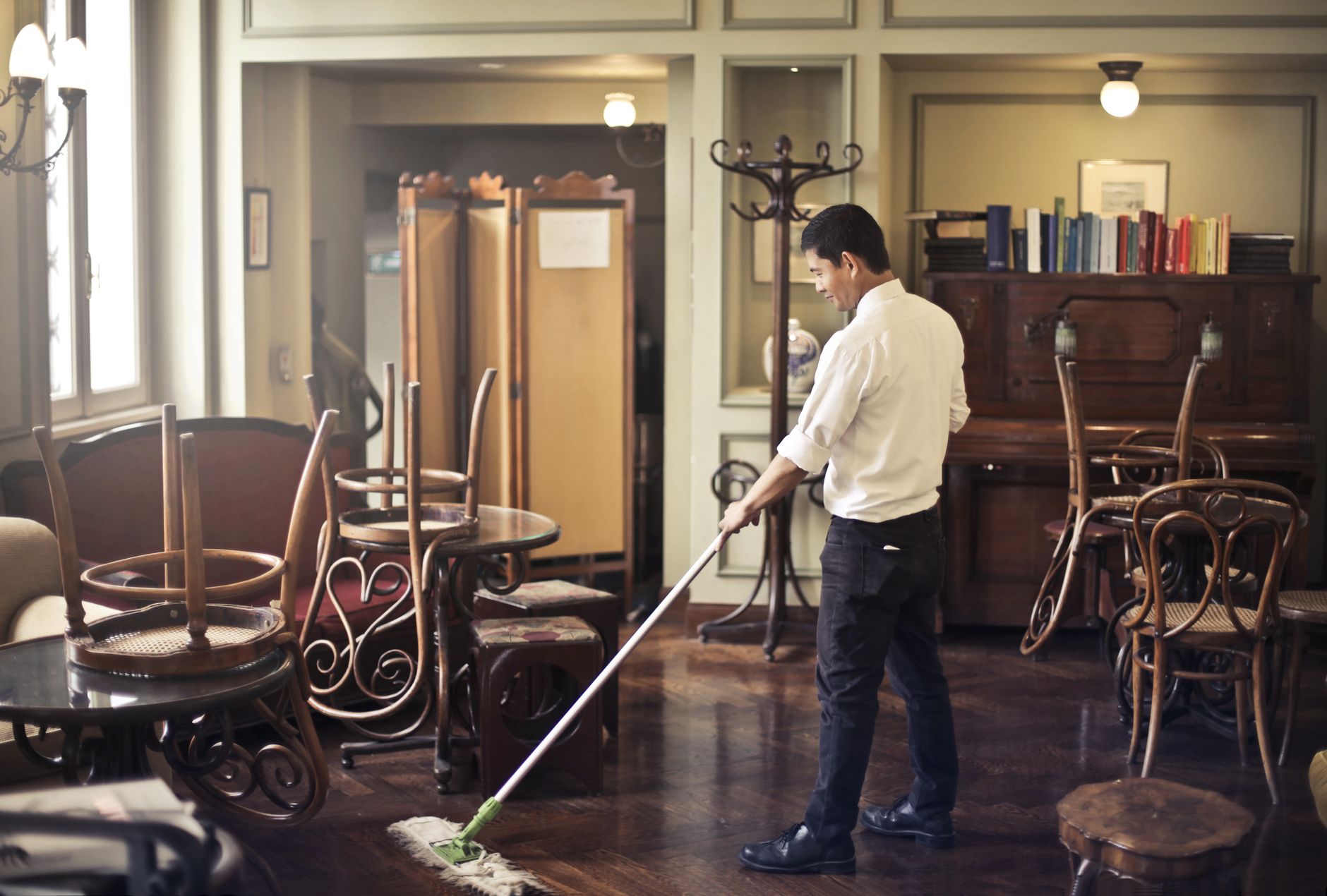
After a service the custodian usually works a short window between the last person leaving and the next event. The job is rarely just floors. It includes clearing chairs and hymnals, collecting trash and recycling, cleaning restrooms, wiping kitchen counters, dealing with spills, and resetting tables for the next group. Many congregations run these tasks with a part time custodian, a contractor or a small group of volunteers, so the window is often tight.
Floor work is the part that comes last. Once the room is clear, the custodian sweeps or vacuums, then mops or spot cleans the hard floor, often by hand across large open areas. That repeated pass is the piece a scheduled robot can run on its own. Restrooms, kitchens and trash do not move to a machine, so the custodian's presence after each service stays in the plan.

Median hourly wage, Janitors and Building Cleaners
$4,041
Monthly cost of one full-time worker, at the median wage plus payroll costs (an estimate, not a quote).
Which floor work can a robot take, and which stays with a person?
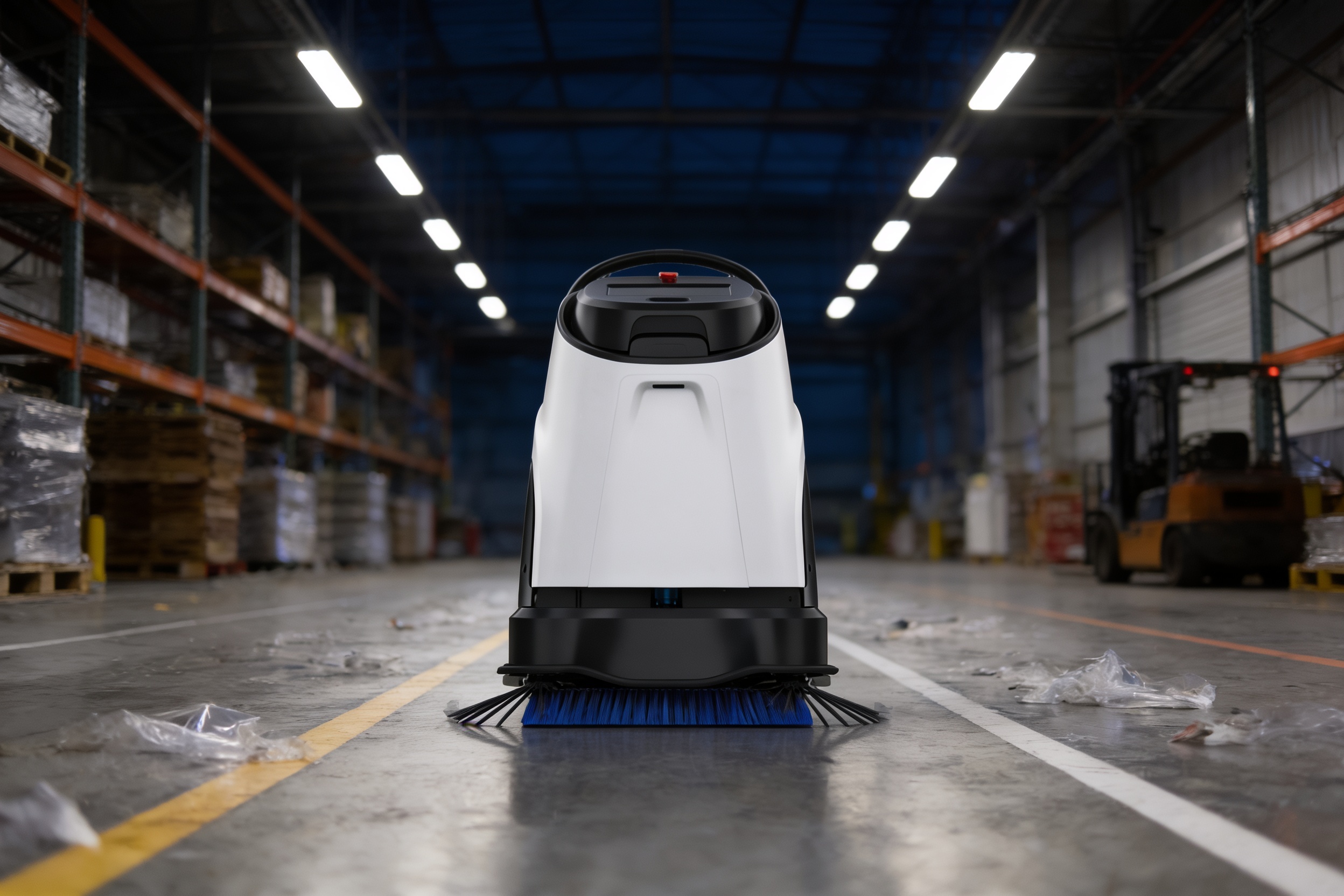
A cleaning robot works best on a route it can repeat: the same sanctuary aisles, the fellowship hall and the hard-floor corridors. Once the route is mapped during the site assessment, the machine can run the pass on a schedule, starting when the room is clear. That removes the manual pass from the custodian's list, but only for the clear hard floor.
The comparison below is task by task. The person wins on judgment, on anything that has to be picked up, and on every surface the machine cannot reach.
- Scheduled floor pass after service
Cleaning Robot
Runs the same mapped route on a timer, starting once the room is clear.
Custodian
Starts after clearing the room, then adjusts the route to what is left on the floor.
- Chairs, hymnals and trash
Cleaning Robot
Cannot pick up or move these items.
Custodian
Clears them, bags trash and resets the room.
- Spills and sticky spots
Cleaning Robot
Cannot judge them, so the route stops or goes around.
Custodian
Identifies the spill, treats it and reports any stain.
- Restrooms and kitchen
Cleaning Robot
Not part of its work.
Custodian
Cleans fixtures, counters and dishes.
- Edges, corners and entry mats
Cleaning Robot
Usually leaves edges that need a hand finish.
Custodian
Finishes edges and corners by hand.
- Repeat passes week to week
Cleaning Robot
Runs the same route the same way each time.
Custodian
Varies with attention and schedule, but adapts when the room has changed.
What can a cleaning robot not do at a church?
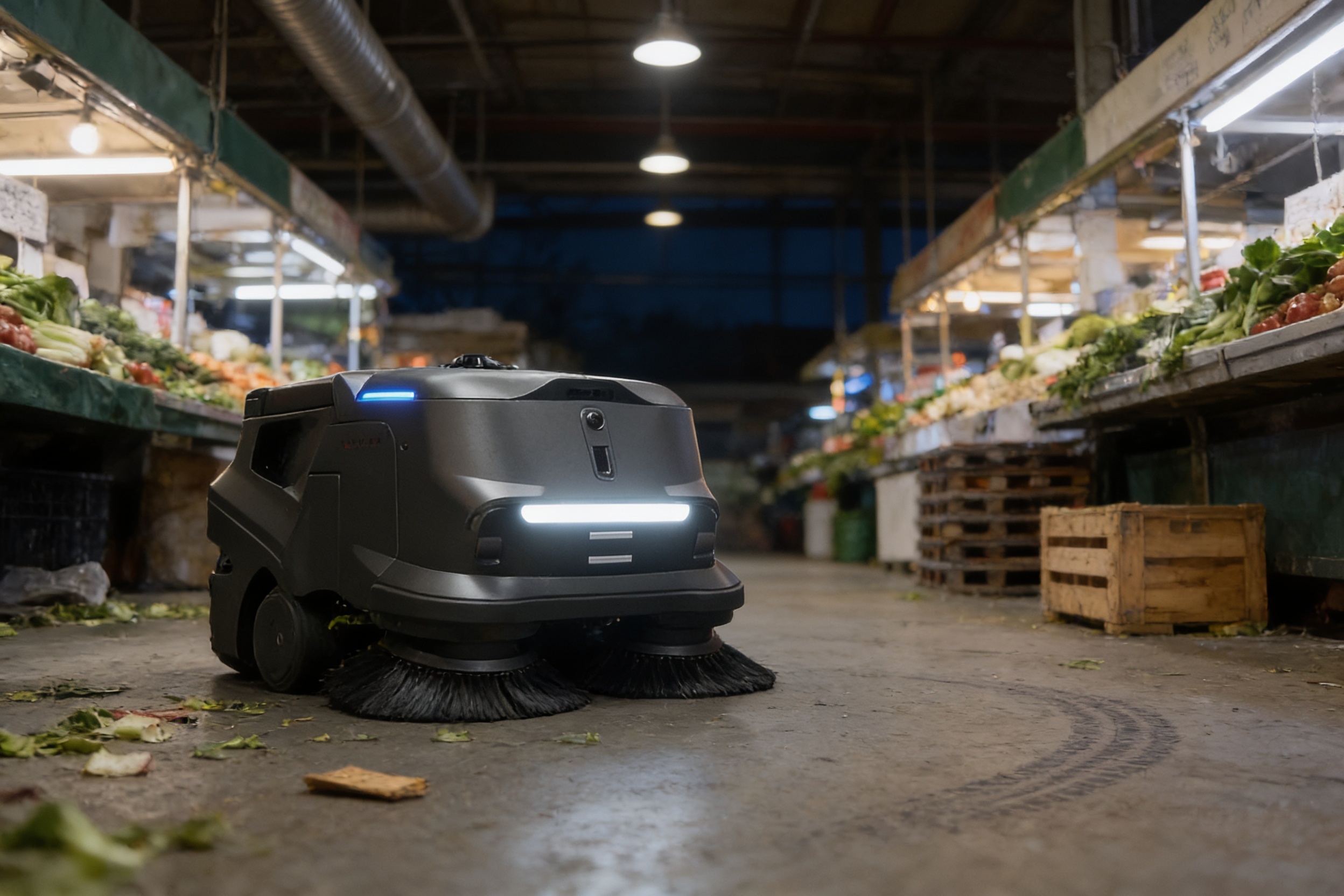
The limits matter as much as the features, so they belong on the first page a decision maker reads. A route is only as good as its clearance. Anything that blocks the path stops the pass, and a stopped unit does not finish the floor on its own. The custodian reads the room in a way a route plan cannot do in advance.
Expect maintenance as well. A market research report on US commercial robotic scrubbers, published by Data M Intelligence, names frequent maintenance needs and limited cleaning capacity as restraints on this segment. A service plan, a clear response path and a floor map kept up to date matter as much as the machine itself.
- Stairs, altar steps and raised chancels
- Pew kneelers, cords and sound equipment on the floor
- Carpet, rugs and thresholds between floor types
- Chairs, hymnals, trash, restrooms and kitchen work
- Spills and stains that need a judgment call
How big are houses of worship in the US, and does a robot fit a small building?
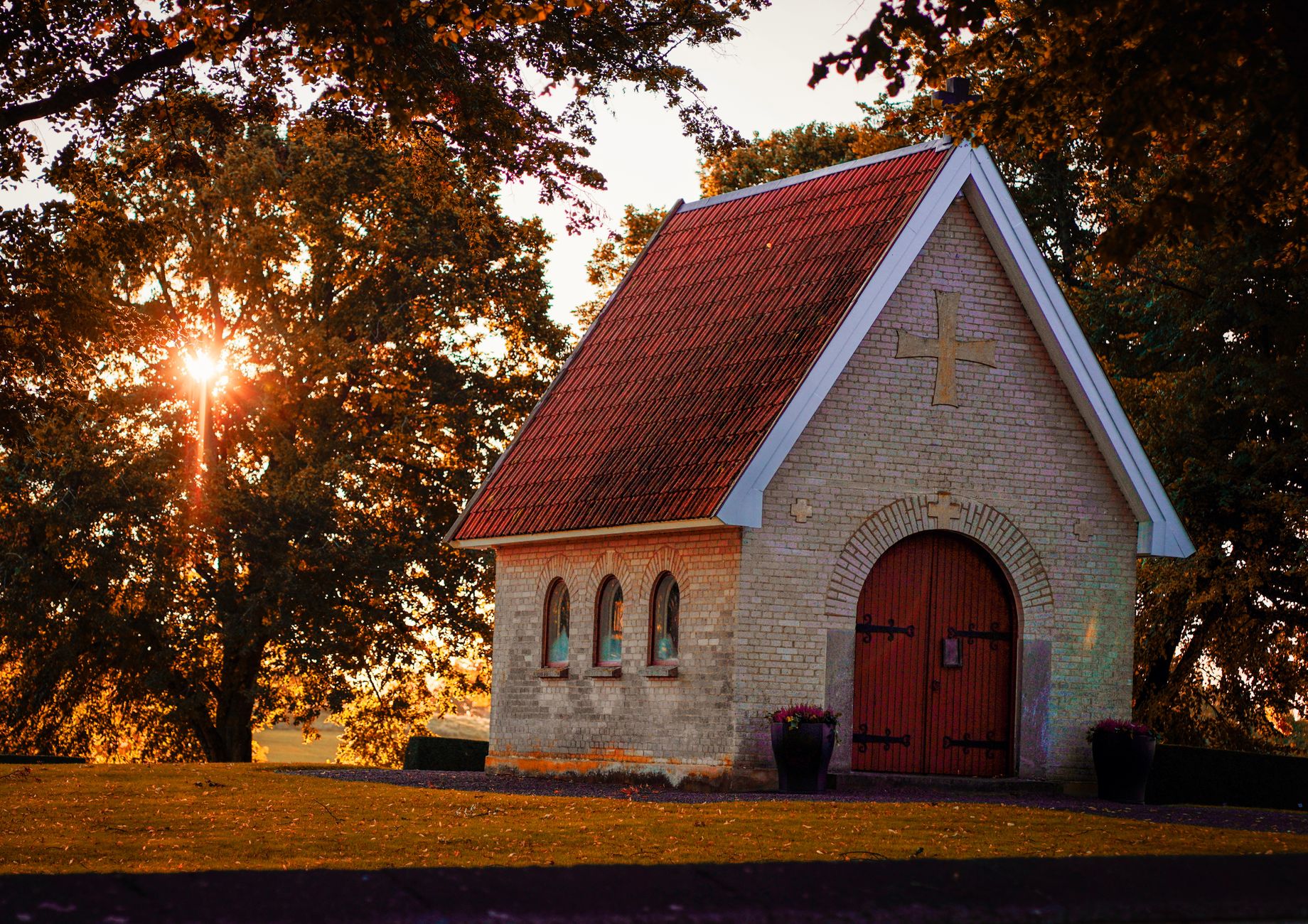
According to the Hartford Institute for Religion Research, the US has about 370,000 religious congregations by its estimate, though an older FAQ from the same institute used about 350,000. The Census Bureau has not collected religious data since 1936, so there is no official count. The figure is an estimate, and readers planning cleaning equipment should treat it as a range rather than a fact.
According to the FACT 2020 congregational study, as summarized by Good Faith Media, 15,278 congregations were surveyed. It found that 69% have 100 or fewer people at weekly worship, and that median attendance fell from 137 to 65 between 2000 and 2020. A 2023 FACT estimate in the same summary says 70% of congregations with 100 or fewer participants draw only 14% of US worshippers.
For a robot, headcount is a weak signal. A small congregation can meet in a large hall with a long hard-floor corridor, and a large one can have a carpeted sanctuary. We found no houses of worship figures for square footage or hours per service, so the floor area has to come from the building itself.
What does custodial labor look like, and where is the risk?
The Bureau of Labor Statistics publishes injury data for this work. For janitors and cleaners, except maids and housekeeping cleaners, the 2016 to 2020 snapshot lists 191.6 cases with days away from work per 10,000 full time equivalent workers in 2020, with 21,100 such cases in private industry. The 2015 to 2019 janitor snapshot lists 157.4 per 10,000 in 2019, with 18,680 cases, and reports the janitor rate as nearly twice the 86.9 rate for all occupations. We did not find a 2021 to 2024 janitor rate in this run.
Turnover is the other labor risk. A janitorial staffing research blog from Stealth Agents gives cleaner turnover of 200% to 300% a year, and another estimate in the same research gives a range of 75% to 400%, depending on the source. These are blog and industry estimates, not government data, and we found no BLS turnover figure for this occupation. Use them to plan for absences, not as a measured rate.
Facility managers report the same pressure. A trade article on robotics in cleaning and maintenance from Facility Executive says most facility managers cite understaffing as a major challenge, although the exact share was not captured. The government wage data on this page gives the local wage for this job, which sets the hourly baseline for any staff hours a robot does not replace. Overtime, night shifts and sick days at houses of worship are not in the research, so they belong on your own sheet.
How common are autonomous cleaners among facility managers?
A survey run by AACEM and ISSA, covering about 23,000 contractors, in-house providers and facility managers in its 2019 wave, found that 69% of facility and property managers had not used autonomous cleaning equipment. About one third of those non-adopters said they were somewhat likely to adopt within a year. The survey is from 2019, so read it as a baseline rather than a current rate.
The market research report on US commercial robotic scrubbers describes a growing segment, but it is a paid estimate rather than a government figure, and we use it here only for its restraints. Those restraints, frequent maintenance and limited cleaning capacity, reinforce the point in the previous section. For the decision maker, the useful question is the service plan and the floor, not the trend line.
How does a team work with a cleaning robot?
The robot works alongside a person, and it does not run an empty building. The custodian or a designated staff member still sets up the route, clears the floor, checks the path after each pass and handles the work a machine cannot. Staffing goes down on floor hours, not to zero. A congregation that expects to remove the custodian entirely will find the robot does not cover the rest of the job.
We pick the robot for the site, lease it through financing, deploy and integrate it, train the people who will run it, and service it nationwide. Training matters most in the first weeks, while the route, the charging spot and the post-event checks are still new habits for the team.
How do you start a cleaning robot lease for a house of worship?
Start with a free site assessment. The site walk maps the hard-floor areas, marks thresholds and carpet, records the window between the last service and the next event, and identifies who will clear the route. From that map we can say which areas the robot should cover and whether a single unit fits the building. The lease quote follows the assessment, so the terms match the floors and schedule you actually have.
Most congregations do well starting with one leased unit and a pilot on the main hard-floor route, rather than planning for every room at once. A pilot shows whether the route holds up after real services and shows the staff what the post-service checks take in practice. Lease financing programs are structured around that quote, so the decision maker sees the whole arrangement at once.
Before signing, get clear answers to four points: how the route is mapped, who checks the robot after each service, what happens when a unit needs repair, and what covers the days the unit is down. A cleaning robot vs custodian decision is easier to make on a real floor map than on a spreadsheet.
Frequently asked questions
Want a cleaning robot at your house of worship?
Tell us about your site. We will recommend the robot, quote the lease, and keep it serviced.
Sources
- US Bureau of Labor Statistics, Occupational Employment and Wage Statistics (OEWS May 2024)
- Hartford Institute for Religion Research congregation estimate
- FACT 2020 congregational study summary (Good Faith Media)
- Bureau of Labor Statistics janitors and cleaners 2016 to 2020 snapshot
- Bureau of Labor Statistics janitors 2015 to 2019 snapshot
- FMLink coverage of AACEM and ISSA autonomous cleaning survey
- Stealth Agents janitorial staffing research
- Data M Intelligence US commercial robotic scrubber market report
- Facility Executive trade article on robotics in cleaning and maintenance