

The short answer
A delivery robot vs mail courier choice at a public library comes down to the route. A robot makes sense for a repeated, mapped corridor run that carries holds bins or interoffice mail between rooms or buildings on a controlled path, while a person keeps the stops that need hands, doors and judgment. It does not make sense as a way to remove the courier, because someone still loads, receives and resolves exceptions, so the realistic result is a robot plus fewer courier hours.
See what a delivery robot costsRun the numbers in the ROI calculator
Key takeaways
- A robot fits the repeated corridor leg of holds and interoffice mail runs on a mapped route.
- It does not fit stops that need a person at a locked room, a shared elevator, or a busy public hall.
- The case is strongest with a long, repeat route and frequent courier overtime or call-outs.
- The model is a robot plus fewer courier hours, never zero staff.
- The lease is quoted after a free site assessment that maps the route before any decision.
Delivery robot vs mail courier: which makes sense for public libraries?
Most libraries do not need a robot to replace a courier. They need a way to stop a person from walking the same corridors with the same bins at the same times. A delivery robot makes sense for a fixed route between a holds room or receiving area and a back office, or between connected rooms on one campus, when the path is clear, the route repeats, and the loads are bins or sealed mail trays.
It makes less sense when most of the run is door-to-door through public areas, up stairs, across loading ramps, or through shared elevators. Those are the stops where a courier's judgment earns its pay, and where a robot needs planned access that many buildings do not have.
Start with the route, not the robot. Map the corridors, count the stops and measure how often the run happens each day. Those three facts decide whether the answer is a robot, a courier, or a split between the two.
What does a mail courier actually do in a library shift?
A courier's day is rarely only driving between branches. According to a county library courier article from Oregon, a team of three couriers moves holds, DVDs, audiobooks and Library of Things items between branches, and their shifts run from 5:30 a.m. to 2 p.m. The early start matters: holds are pulled and sorted before the public opens, so the run is planned around the building's own clock.
A southeast Wisconsin library system described its weekly cycle in an October 2024 slide deck, running from truck departure to the home library, hand sorting, and the holds shelf. The same deck reported 13 full-time drivers, about 12 part-time drivers, 30 employees total, and 46,000 to 47,000 working hours per year across that team. The cycle includes hand sorting and shelving at the home library as well as driving, so handling time is part of the courier job and must be counted in any robot comparison.

Which parts of the courier run can a delivery robot take?
A delivery robot can take the repeatable middle of the run: carrying bins of holds or interoffice mail along a mapped corridor on a set schedule, returning to a charging point, and arriving at a receiving point. This is the hallway leg a courier walks many times a day. Corridor length, door widths, and whether the route includes an elevator or ramp set how much of the run is possible.
It cannot take the parts that need hands, doors or judgment. Loading a cart at a closed staff room, signing for a restricted package, opening a secure cage, checking a returned item that needs a decision, or working around a wet floor or blocked hall all stay with people. The robot can only carry what it is loaded with, and it cannot judge which item is late, damaged or misfiled.
- Repeat corridor leg
Delivery Robot
Runs the same mapped route on a set schedule
Mail Courier
Adapts to blocked halls, closed doors and detours
- Locked or secure rooms
Delivery Robot
Needs access arranged in advance
Mail Courier
Opens, signs for and checks restricted items
- Sorting holds and mail
Delivery Robot
Carries pre-sorted bins and does not decide
Mail Courier
Sorts, reconciles lists and flags exceptions
- Start and end of day
Delivery Robot
Runs on the set schedule the site allows
Mail Courier
Works the early start that holds sorting needs
- Public areas
Delivery Robot
Needs planned routes and clear sightlines
Mail Courier
Reads crowds, carts and patrons on the spot
- When something goes wrong
Delivery Robot
Needs remote triage or on-site dispatch
Mail Courier
Can fix a jam or cover a branch in person
How many public libraries and courier staff are in this picture?
The scale is large. The Public Libraries Survey data hosted by ICPSR counts 17,328 public library outlets in the 50 states and DC in its FY2015 file, and 17,463 service outlets in its FY2013 file, including central, branch, bookmobile and books-by-mail-only service points. The same ICPSR file lists 9,295 public libraries in the US and outlying areas as its survey universe. Outlets outnumber libraries, which means many systems run several buildings, and that is where a fixed courier route tends to appear.
Staffing data for the courier job is thin. The US Bureau of Labor Statistics Occupational Outlook Handbook lists 162,300 library technicians and assistants in 2025, with a projected decline of 6% from 2025 to 2035. The American Library Association's 2024 Public Library Staff Survey, released August 27, 2025, drew 1,478 responding libraries, a 16% response rate, and was weighted to represent all US public libraries. A 16% response rate is useful for direction, not for your branch, so collect your own hours before deciding.
What do hours, turnover and shifts look like for library staff?
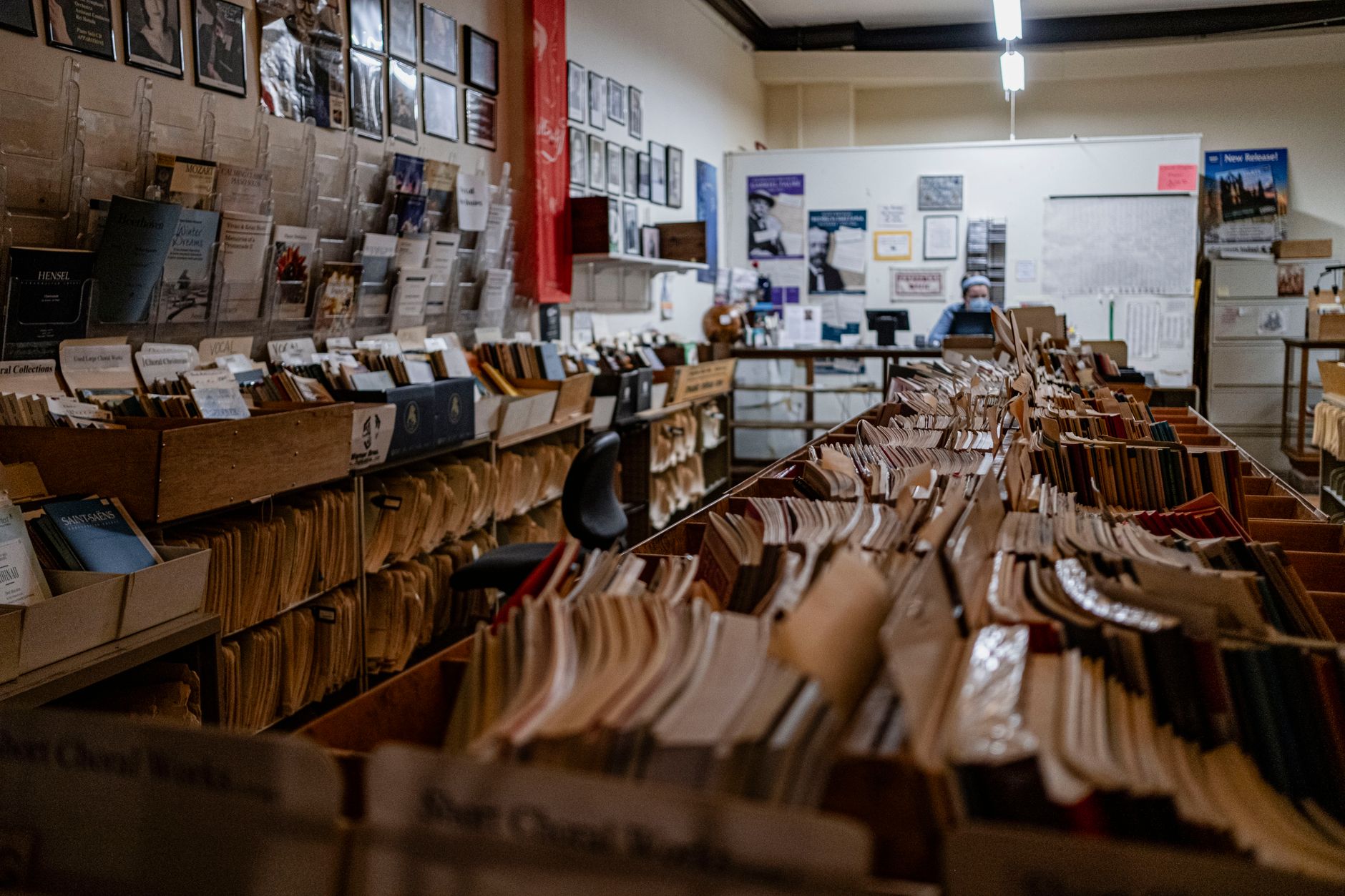
Public turnover data for library couriers is weak. No published hours or turnover figures for these occupations turned up in this review, and no library-specific data on night shifts or sick days was found. Treat that gap as a reason to pull your own records: overtime hours, call-outs, and the days holds ran late.
Statewide courier operations show the scale of handling. The Vermont libraries statewide interlibrary loan courier page reports more than 24,000 items handled in one reported period. That volume is a reminder that a courier route is about items moved, not just miles driven, and that a single absence can delay a whole system's holds.
The shift pattern carries the labor case. A courier team that starts at 5:30 a.m. and finishes at 2 p.m. already works outside a standard day, so a call-out or overtime request lands on a small team. A robot on a schedule does not fix a missing person, but it can keep the bin run on time when a courier is out, which is a separate job from replacing one.
How does a library team work with a delivery robot?
The working model is a robot plus fewer courier hours, never a robot alone. People load and receive the bins, the robot carries the middle leg, and staff check the holds list when the bins come back. Staff also clear the route at the start of day, handle exceptions, and decide what to do when a door is shut or a hall is blocked.
Training is the part most libraries underestimate. Staff need to know the stop schedule, how to free a robot from a blocked corridor, who to call for remote triage, and what to do with the courier route when the robot is down. A written fallback keeps holds moving on the day the robot is out of service.
What can a delivery robot not do in a library?
A robot cannot open locked rooms, sign for restricted items, judge whether an item is damaged or late, or decide which branch's holds come first when the schedule collides. It cannot reach a stop that needs a person at a door unless access is arranged. A route through a busy public area needs a planned path and clear sightlines, and it may need staff to manage crowds, strollers or carts.
It also may not reach every stop in a building. Stairs, shared elevators that serve the public, and tight turns can close off parts of the route, and the answer for those legs may be a courier. We could not find published injury or incident data for delivery robots in libraries, so the site assessment and a monitored pilot are how you check safety in your own building.
What should a library check before deciding on a robot?
Before any lease conversation, measure the route. Confirm the length and layout, count the stops, log how many courier hours go to each leg, and record overtime and call-outs for a full month. Then decide whether the robot takes the middle leg of a fixed route, or whether the case is weak and a courier stays the answer.
The delivery robot vs mail courier decision should rest on those records, not on a demonstration. The checklist below covers what changes the answer, and each item moves the number, so skip none of them.
What does it cost to lease a delivery robot, and how do I start?
The cost depends on the route, the unit needed, the staffing plan, and the service terms, so this page does not give a figure. Robots are leased through financing, and the lease is quoted after a free site assessment that maps the route, counts the stops, and checks doors and elevators. Ask for the quote to show maintenance included, on-site dispatch, a spare unit plan, and whether the lease carries liability coverage.
Start small. Lease one unit for one fixed route, such as a holds room to a back office or to a nearby connected room, run it for a defined period, and compare courier hours before and after. Expand only if the route numbers hold. Our role is to choose the robot for the site, deploy and integrate it, train the staff, and service it nationwide, with one partner and one number to call.
Frequently asked questions
Upcoming public sector events
- Trade showAPC/PennDOT/PA Turnpike Fall SeminarNov 18 to 20, 2026Hershey Lodge, Hershey, PA
- Trade showMinnesota Buildings & Facilities Management Trade ShowNov 19, 2026Minneapolis Convention Center, Minneapolis, MN
- ConferenceCASBO CBO Symposium (Executive)Nov 19 to 20, 2026The Langham, Pasadena, CA
- ConferenceVirginia Association of Fairs ConventionJan 14 to 17, 2027Williamsburg Lodge, Autograph Collection, Williamsburg, VA
Want a delivery robot at your public library?
Tell us about your site. We will recommend the robot, quote the lease, and keep it serviced.
Sources
- ICPSR Public Libraries Survey FY2015 file
- ICPSR Public Libraries Survey FY2013 file
- US Bureau of Labor Statistics, Occupational Outlook Handbook: Library Technicians and Assistants
- American Library Association, 2024 Public Library Staff Survey release
- Oregon county library courier article
- Southeast Wisconsin library system delivery slide deck, October 2024
- Vermont libraries statewide interlibrary loan courier page