
The short answer
For most zoo cafes, the delivery robot vs food runner choice comes down to the outdoor table run. A robot can carry finished orders from the kitchen pass to set seating areas on a fixed route, which is the walk a food runner repeats all day, but it cannot clear tables, clean spills or answer guest questions, so the realistic setup is one robot plus fewer runners at midday peaks, never zero staff.
See what a delivery robot costsRun the numbers in the ROI calculator
Key takeaways
- A robot covers the repeatable outdoor table run, not the whole food runner job.
- Zoo food service runs on seasonal peaks, so plan robot and staff hours around the busiest weeks, not the yearly average.
- The Association of Zoos and Aquariums counts 229 U.S. accredited facilities, so this staffing question repeats across the sector.
- Restaurant turnover is high, so a robot reduces how many runners you must hire and train, but it does not remove hiring.
- Start with one route, measure it over two peak days, and request a lease quote only after a free site assessment.
When does a delivery robot make sense at a zoo cafe?
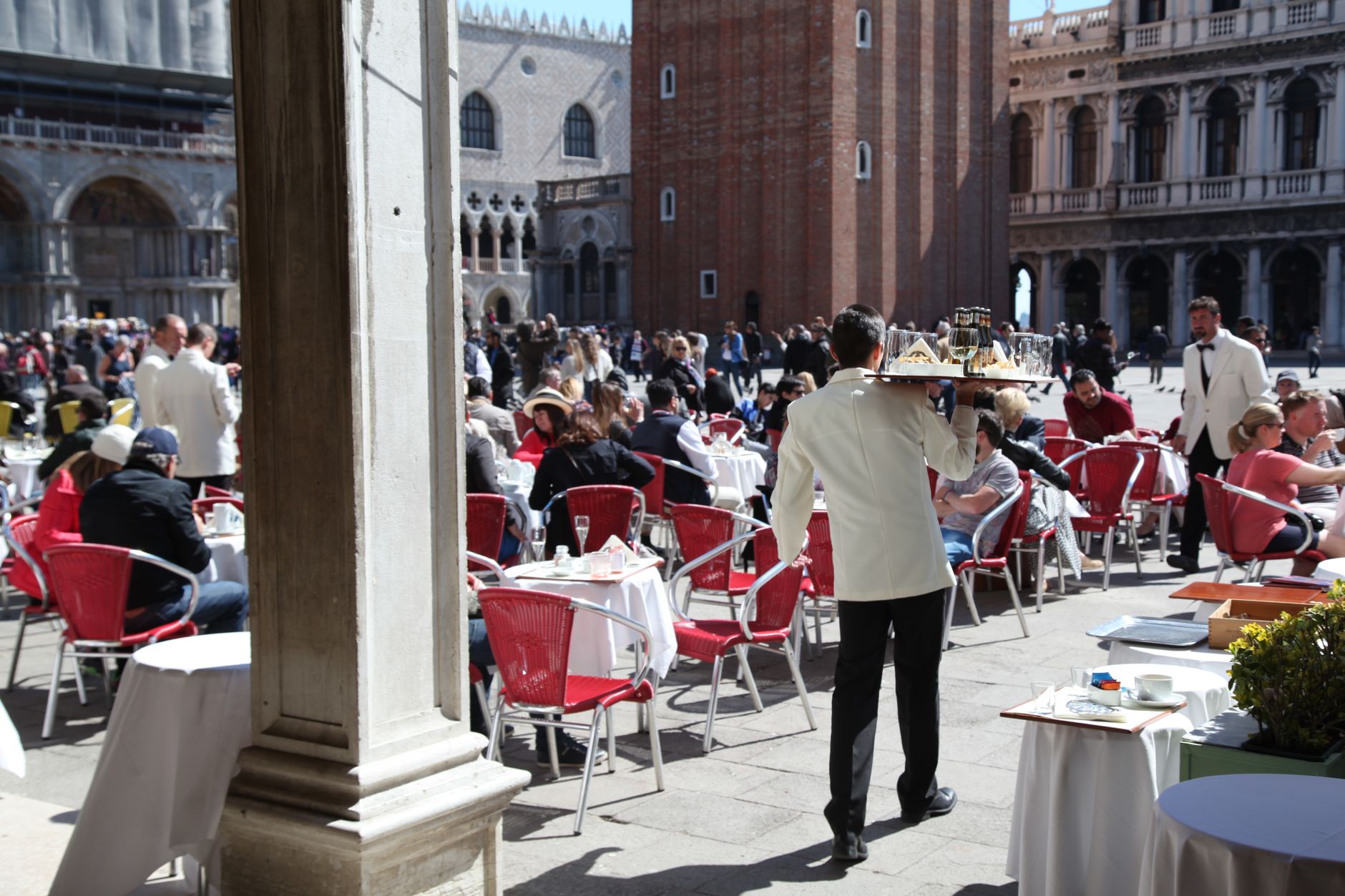
A delivery robot vs food runner decision at a zoo cafe usually turns on one question: how much of the shift goes to the same walk between the kitchen pass and the outdoor seating. A delivery robot can carry finished orders on a set route, and that repeatable trip is the part of a food runner's job a robot handles well. Where the route is short, mapped and stable, the robot can take most of that walking.
It makes less sense when the cafe is small enough that one person already covers the pass, the tables and the window, or when seating moves around so much that no fixed route holds. It also needs a route the robot can travel safely through the crowds and weather a zoo actually has, which is a site question rather than a product question.
Interest in automation is growing across restaurants. Datassential's 2025 survey, as reported by a robotics vendor blog, found 50 percent of U.S. restaurants plan to adopt some form of automation within two to three years, though that figure covers automation in general and not delivery robots specifically.
What does a food runner actually do in a zoo cafe shift?
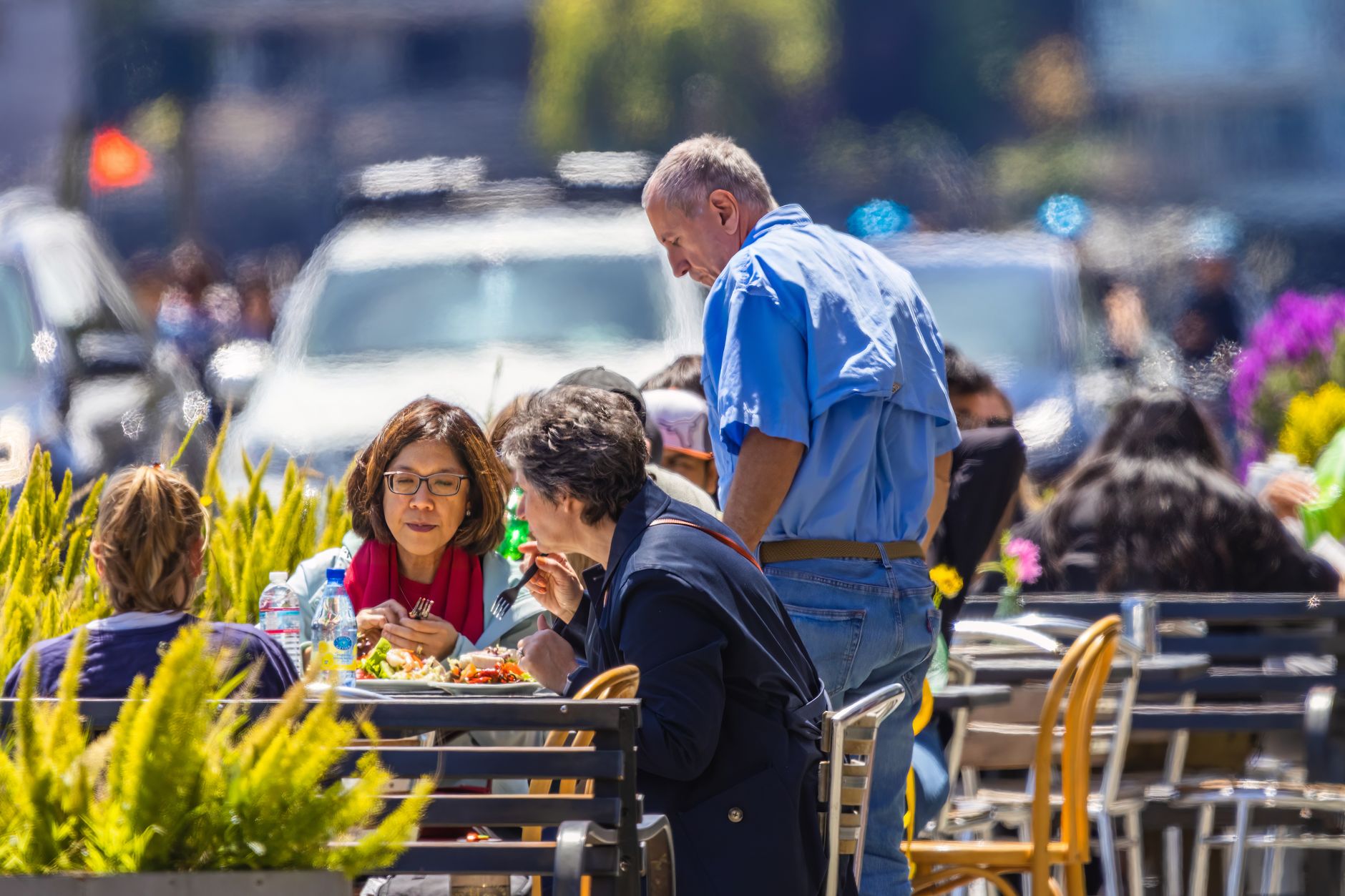
A food runner at a zoo cafe does far more than carry plates. The job starts at the kitchen pass, where the runner matches tickets to food, takes the order and walks it to outdoor tables, picnic areas or a counter for walk-up guests. On the way back they clear used trays and cups, reset tables, restock condiments and napkins and bring empty trays back to the pass.
Between runs the runner answers simple menu questions, points guests toward restrooms or the next exhibit, and flags a spill or wet floor so someone can clean it. During a rush they often cover both the indoor room and the outdoor area, and on hot days the walking between tables adds up quickly.
The job also carries injury risk. According to a safety training site citing the Bureau of Labor Statistics, the food service non-fatal injury and illness figure was 2.8 cases per 100 full-time workers in 2019, and restaurants recorded 2.7 cases per 100 full-time equivalent workers in 2018, against 2.8 for all private industry that year. I did not find a verified figure for food runners at zoo cafes, so the real exposure needs to be checked on site.
Median hourly wage, Waiters and Waitresses
$3,798
Monthly cost of one full-time worker, at the median wage plus payroll costs (an estimate, not a quote).
Which parts of the run can a delivery robot take over?
The robot takes the walking part of the run: finished orders from the pass to a fixed set of seating stops, and in many setups a return trip with empty trays. Those trips repeat on the same path, which is what a robot does best. The number of stops and the length of the loop set how much of the runner's day that covers.
The robot does not take the rest. It cannot take an order at a counter, check a guest's allergy, judge whether a child is about to tip a drink, clean a spill, pick up a dropped tray from a bench or hold a plate for a guest who is running late. Each of those steps still needs a person in the cafe.
Set expectations on this split before the lease starts. A robot on the outdoor loop frees the runners for clearing, resetting and guest help, which is where a busy cafe usually needs the most hands.
- Carrying orders on a fixed loop
Delivery Robot
Repeats the same route all day and returns to the pass on its own.
Food Runner
Carries orders on any path and adjusts when a table moves.
- Clearing and resetting tables
Delivery Robot
Cannot clear trays, bus tables or restock.
Food Runner
Clears, resets and restocks between runs.
- Guest questions and allergy checks
Delivery Robot
Cannot answer questions or check an allergy.
Food Runner
Answers menu questions and flags allergy needs to the kitchen.
- Spills and broken glass
Delivery Robot
Cannot clean them, so staff must respond.
Food Runner
Can block off, clean and reset the area right away.
- Rain, mud and crowds
Delivery Robot
Depends on the mapped route and surface, so it needs a site test.
Food Runner
Adapts on the spot to wet paths, crowds and detours.
- Hours and flexibility
Delivery Robot
Runs only on the hours and loop you set.
Food Runner
Can cover openings, closings and short-notice changes.
How big is the labor picture for zoo food service?
The sector around zoo cafes is large and hiring-heavy. According to FRED, the St. Louis Fed's data series for accommodation and food services employment, the count was about 14.0 million in March 2026 not seasonally adjusted and about 14.2 million seasonally adjusted in February 2026. The Bureau of Labor Statistics projects food services and drinking places to grow from about 12.2 million jobs in 2023 to 12.7 million in 2033, so hiring demand is not expected to fade.
Zoo-specific figures are thinner. The Association of Zoos and Aquariums counts 229 U.S. accredited facilities as of March 2026, which shows how many sites face the same midday and seasonal staffing math. I did not find an industry-wide split between seasonal and permanent staff for zoo concessions, so this page does not give one.
Two cautions apply to any labor figure you pull. The Bureau of Labor Statistics' 2025 annual estimates for this industry are 11-month averages that exclude October 2025, because October data were not collected during the federal government shutdown. For the wage side, check the local wage for this job in the government wage data on this page, then compare it with the hours you cannot fill.
What do turnover and quits mean for a seasonal cafe?
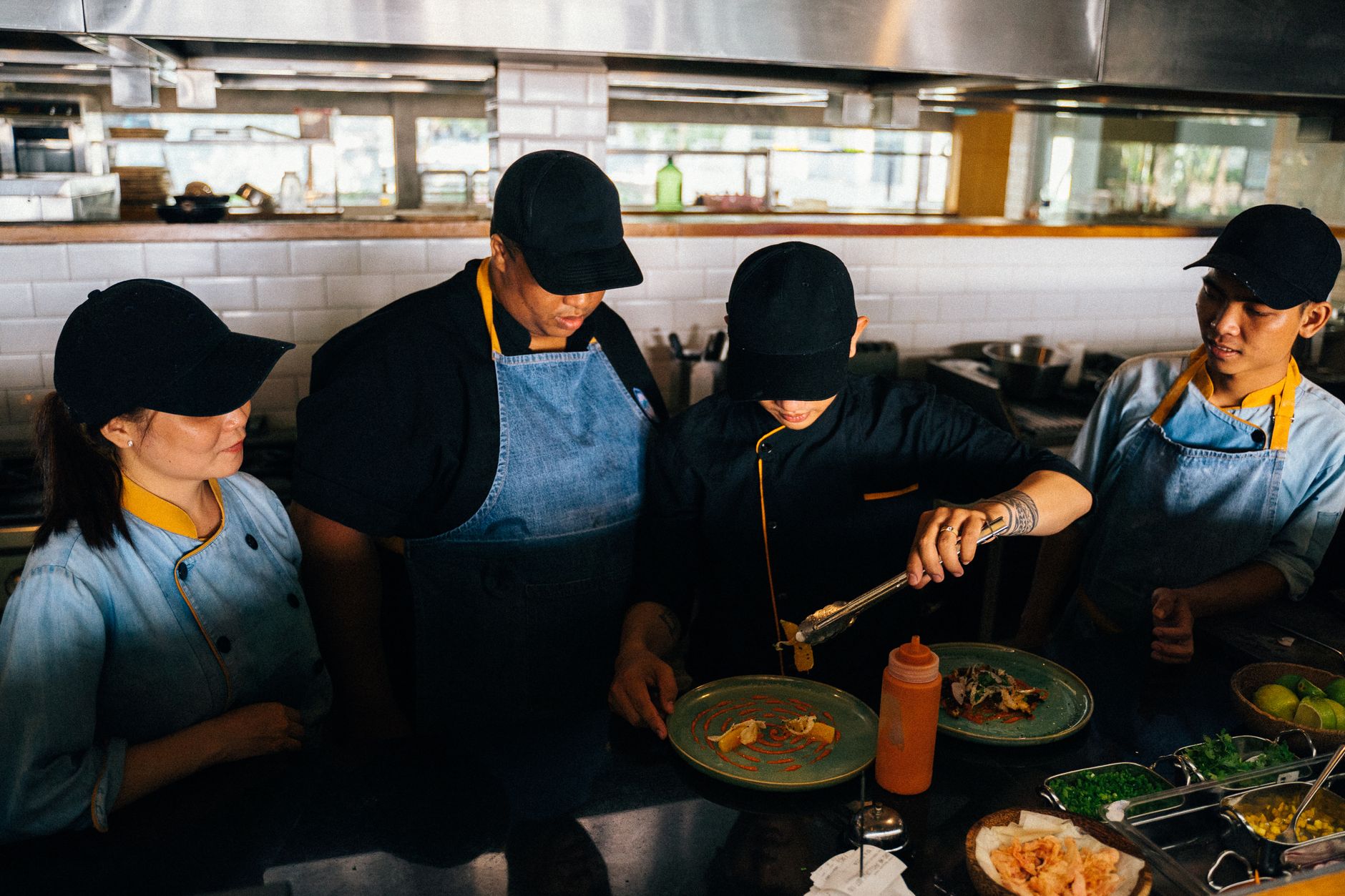
Turnover is high across restaurant roles. According to Turnozo, a restaurant staffing blog, front-of-house turnover was about 41 percent, back-of-house about 43 percent and management about 28 percent. The same page, citing a Homebase figure secondhand, put annual food industry turnover at about 75 percent in 2025, though turnover counts separations, not the share of people who quit.
Government data shows the same pressure at the sector level. The Bureau of Labor Statistics' JOLTS releases show quits for accommodation and food services ranging from about 4.4 to 6.9 percent across the 2025 months I checked. FRED's quits series for the same industry reads 514 for October 2025, 583 for November and 605 for December, though the units were not stated in the source I read.
A robot does not solve the hiring problem. It can reduce how many runners you must recruit, train and cover for each season, but it does not remove the need for a lead, a cleaner or guest-facing staff. I did not find verified overtime, night-shift or sick-day figures for this job, so track those yourself across two peak weeks before you set a staff plan.
How does a team work with a delivery robot and fewer runners?
The robot should always arrive as one part of a team with fewer runners, never as a replacement for the whole crew. A common setup keeps one lead at the pass to load and release orders, one or two people on the floor for tables and guests, and the robot on the outdoor loop. The exact count depends on the number of seating stops and the peak volume.
The change that matters most is at the pass. Someone has to load the robot, confirm the destination, send it on its route and unload it when it returns. Write that into the job description so the robot does not wait at the pass for someone to notice it.
What can a delivery robot not do at a zoo cafe?
A delivery robot is a carrier, not a server, and that limit should be written into the plan. It has no hands for clearing, no judgment about a guest who needs help at the table and no way to handle a spill. Those gaps usually decide how many people a cafe can release, more than the length of the route does.
The tasks a delivery robot cannot take on at a zoo cafe include:
Weather and crowds are the other limits. Rain, mud, wet paving and dense crowds around an exhibit change what the route can safely handle, so test it on the busiest day of the year, not the quietest. I did not find a verified figure for how often weather or crowds stop a delivery robot, so treat that as a site test.
- Taking orders, handling payments or working the walk-up counter
- Clearing trays, bussing tables or resetting seating
- Cleaning spills, broken glass or food on the path
- Answering allergy questions or handling guest service calls
- Opening and closing the cafe, or handling cash
- Working off the route it was mapped and tested on
What should a site check cover before any lease quote?
Walk the route at the busiest time you can find before anyone asks for a quote. Count the seating stops, measure the distance from the pass to the farthest table, note the surfaces and slopes, and mark where guests crowd the path. Those details set the route, the number of robots and the staff plan.
We pick the right robot for the site, lease it through financing, deploy and integrate it, train the staff and service it nationwide. The first step is a free site assessment, including route mapping, and the lease quote comes after that assessment, so the terms reflect the real layout rather than a guess.
How do you get started with a robot lease at a zoo cafe?
Start with one route and one robot, not a fleet. Pick the outdoor loop with the most midday orders, run it for a set test period, and measure orders delivered, runner time freed and the number of times staff had to step in. Those numbers tell the cafe whether to add a unit or extend the route.
Robot leasing works through financing, so the cafe does not have to pay for the robot up front. The lease is quoted after a free site assessment, and the quote should list installation, training, maintenance and service response in writing, along with what the cafe does while a unit is down at lunch.
- Book a free site assessment and walk the outdoor route with the team.
- Agree on one route, one test period and the measures that define success.
- Train the lead and runners on loading, release, clearing and spill response.
- Review the lease quote and the service terms before you sign.

Frequently asked questions
Want a delivery robot at your zoo cafe?
Tell us about your site. We will recommend the robot, quote the lease, and keep it serviced.
Sources
- US Bureau of Labor Statistics, Occupational Employment and Wage Statistics (OEWS May 2024)
- Association of Zoos and Aquariums, zoo and aquarium statistics
- FRED, accommodation and food services employment
- Bureau of Labor Statistics, industry projections for food services and drinking places
- FRED, accommodation and food services quits series
- Bureau of Labor Statistics, JOLTS news release
- SafetyNow, restaurant safety statistics and facts
- Turnozo, restaurant staffing statistics
- Robotics vendor blog, restaurant robot guide (reporting Datassential 2025 survey)