

The short answer
In the cleaning robot vs night janitor decision at a bus terminal, the robot fits the open concourse and waiting area floors that need scheduled overnight passes, and it does not fit the restroom, spill, trash and public contact work that fills the rest of the shift. The strongest setup is a cleaning robot plus fewer night staff, with people kept for the tasks a robot cannot take. A site assessment shows which floors and hours justify a robot before any lease cost is quoted.
Key takeaways
- A cleaning robot fits the scheduled passes on open concourse and waiting area floors.
- Restrooms, spills, trash and public contact stay with night staff.
- The best setup is a robot plus fewer people, never zero staff.
- Turnover figures for this job come from trade press, so measure your own staff hours.
- Lease cost is quoted after a free site assessment, and a one-zone pilot is the lowest-risk start.
Cleaning robot vs night janitor at a bus terminal: which makes sense?
A bus terminal is a large, mostly open building with heavy traffic late into the night. The floor work is predictable: concourses, waiting areas and boarding corridors need the same passes every night, and the foot traffic that dirties them does not stop at closing time. That repetition is where a cleaning robot earns its place.
A robot does not fit when most of the night work is spot cleaning, restroom service, spills on stairs or ramps, trash runs and dealing with people. In those buildings a robot adds a machine next to the same headcount. The fit is strongest when scheduled floor passes are the largest single block of the shift and staff can be moved to everything else.
Treat the decision as a question of a robot plus fewer staff, not a swap to zero staff. A public building still needs people on site overnight for the non-floor work and for the judgment a robot does not have.
What does a night janitor actually do in a bus terminal shift?
The night janitor at a terminal usually works a fixed route with a cart and a floor machine or mop, then answers calls. Routine work includes sweeping and wet mopping waiting areas and corridors, emptying trash and recycling, restocking restroom supplies, and cleaning restroom fixtures and high-touch surfaces such as benches, railings, kiosk screens and gate counters. Spills, tracked-in slush and bodily fluids interrupt the route, so the shift is part scheduled and part reactive.
Floor work is the largest block only in some terminals. The hour split between floor passes and restroom and response work depends on traffic and building layout, and no verified hour figure for this type of site was found. Time the work over several nights at your own terminal before assuming how much of the shift a robot can take.
Injury exposure is part of the job. Chemical handling, lifting, wet floors and ladder work all add risk, so fewer of those tasks on the night staff list is a safety benefit as well as a labor one.

Median hourly wage, Janitors and Building Cleaners
$4,041
Monthly cost of one full-time worker, at the median wage plus payroll costs (an estimate, not a quote).
Which floor work can a cleaning robot take, and which stays with people?
A robot suits large, open, mostly flat floors where it can follow a mapped route. In a bus terminal that means main concourses, open waiting halls and long boarding corridors, where the robot can sweep and scrub on a set schedule without a person pushing a machine across the floor. The cleaning robot vs night janitor question is really a question of floor share: how much of the shift sits on those mapped surfaces.
Several tasks stay with people. Restroom cleaning, emptying bins, handling spills with debris or unknown substances, cleaning stairs, escalators, glass, benches and ramps, and reporting damage or hazards all need a person with hands and judgment. Curbs, bus bays and exterior walkways are outside the reach of an indoor floor robot.
Some floors are poor matches. Carpet, thresholds with raised lips, drains, sloped ramps and crowded floors with loose furniture slow a robot down or block its route. Leave those areas to staff until the site assessment confirms a clean route.
- Scheduled floor pass
Cleaning Robot
Same route and speed every night, with no breaks
Night Janitor
Same route, but fatigue and staffing gaps can shorten it
- Spill response
Cleaning Robot
Stops and waits for a person to clear the area
Night Janitor
Assesses, contains and cleans debris and unknown spills
- Restroom service
Cleaning Robot
Cannot clean fixtures, restock or empty bins
Night Janitor
Full restroom service, including fixtures and supplies
- Hours of floor coverage
Cleaning Robot
Runs the mapped route without sick days or overtime
Night Janitor
Needs breaks, covers sick days and works overtime when short
- Public contact
Cleaning Robot
Cannot help a passenger or read a situation
Night Janitor
Can help, call for aid and read a situation
What does the labor picture look like for bus terminal cleaning?
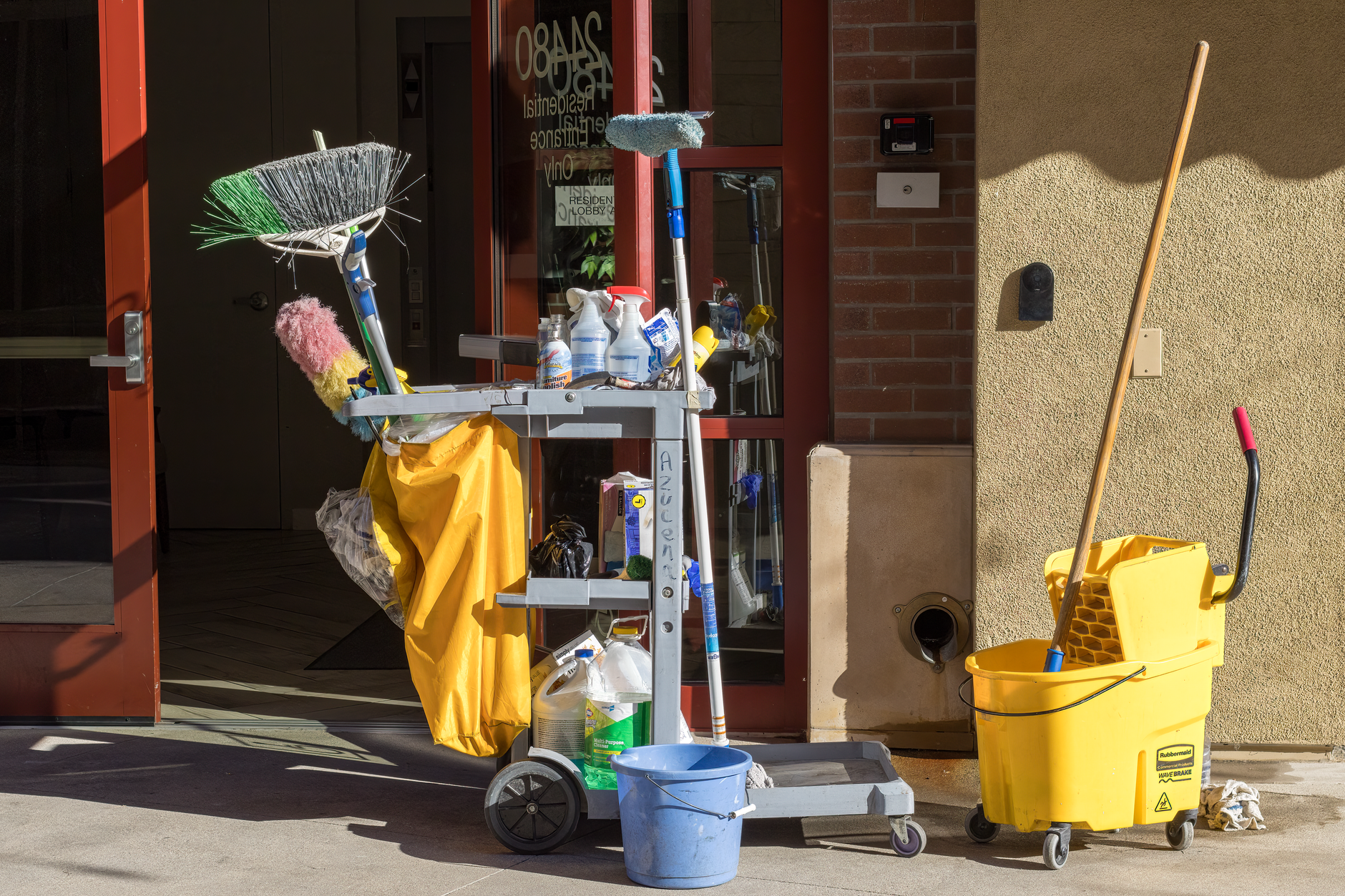
According to the Bureau of Labor Statistics Occupational Outlook Handbook, about 2.4 million janitors and building cleaners held jobs in 2024. Employment is projected to grow 2 percent from 2024 to 2034, slower than the average for all occupations. The same page projects about 351,300 openings a year on average over that decade and gives them as the best proxy for churn in this job.
Turnover is the harder number. A janitorial industry trade blog says it has seen janitorial turnover figures from as low as 75 percent to as high as 400 percent, and it places the rate above construction, education and retail. That is not a BLS figure, and no BLS or JOLTS turnover table for this occupation was verified, so treat it as a warning, not a planning number. Overtime and sick-day rates were not verified either, so measure them on your own night roster. The government wage data on this page gives the national wage for this job, and it is the figure to set against the staff hours a robot would change.
Injuries add a second labor cost. According to BLS injury snapshots, the days-away-from-work rate for janitors and cleaners, except maids and housekeeping cleaners, was 157.4 per 10,000 full-time equivalent workers in 2019 in private industry. That category recorded 18,680 such cases in 2019 and 21,100 in 2020, and 42 fatal injuries in 2020, down from 45 in 2019. Each absence on a night shift is a gap the terminal fills with overtime or a thinner floor pass.
Are bus terminals closing or growing, and what does that mean for night staffing?
A Bureau of Transportation Statistics figure counted 2,383 intercity bus terminals in March 2013. Of those, 266 had connections to other transportation modes and 2,117 did not. That count is more than a decade old, so it sets the scale of the market rather than its size today.
A February 2025 transit news report says dozens of bus terminals have closed while intercity bus ridership keeps growing, and that some urban terminals are closing or on the chopping block. It links the closures to driver and mechanic shortages. For a night operation, a change in hours or in the operating agreement changes the schedule a robot runs, so confirm hours for the next several years before committing.
What are other large sites doing with floor cleaning robots?
Large transport sites have started testing floor robots. A sustainability trade magazine reported in October 2025 that a facilities company placed 32 autonomous cleaning robots on terminal floors at a London airport, alongside staff, and described it as the largest such deployment at a UK site. That is company-reported, and an airport is not a bus terminal, so the figure shows the approach rather than a result.
A cleaning-industry news site reported in 2026 a robotics pilot in Terminal B at a New York airport, using floor scrubbers with 3D LiDAR navigation. A pilot is the right scale for a first decision: one zone, a fixed schedule and a measured result before anything wider.
Vendor claims of labor savings were not verified, and this page does not use them. Ask any supplier, including us, for staff hours measured before and after on a site like yours, rather than a headline percentage.
How does a night shift with a robot plus staff actually run?
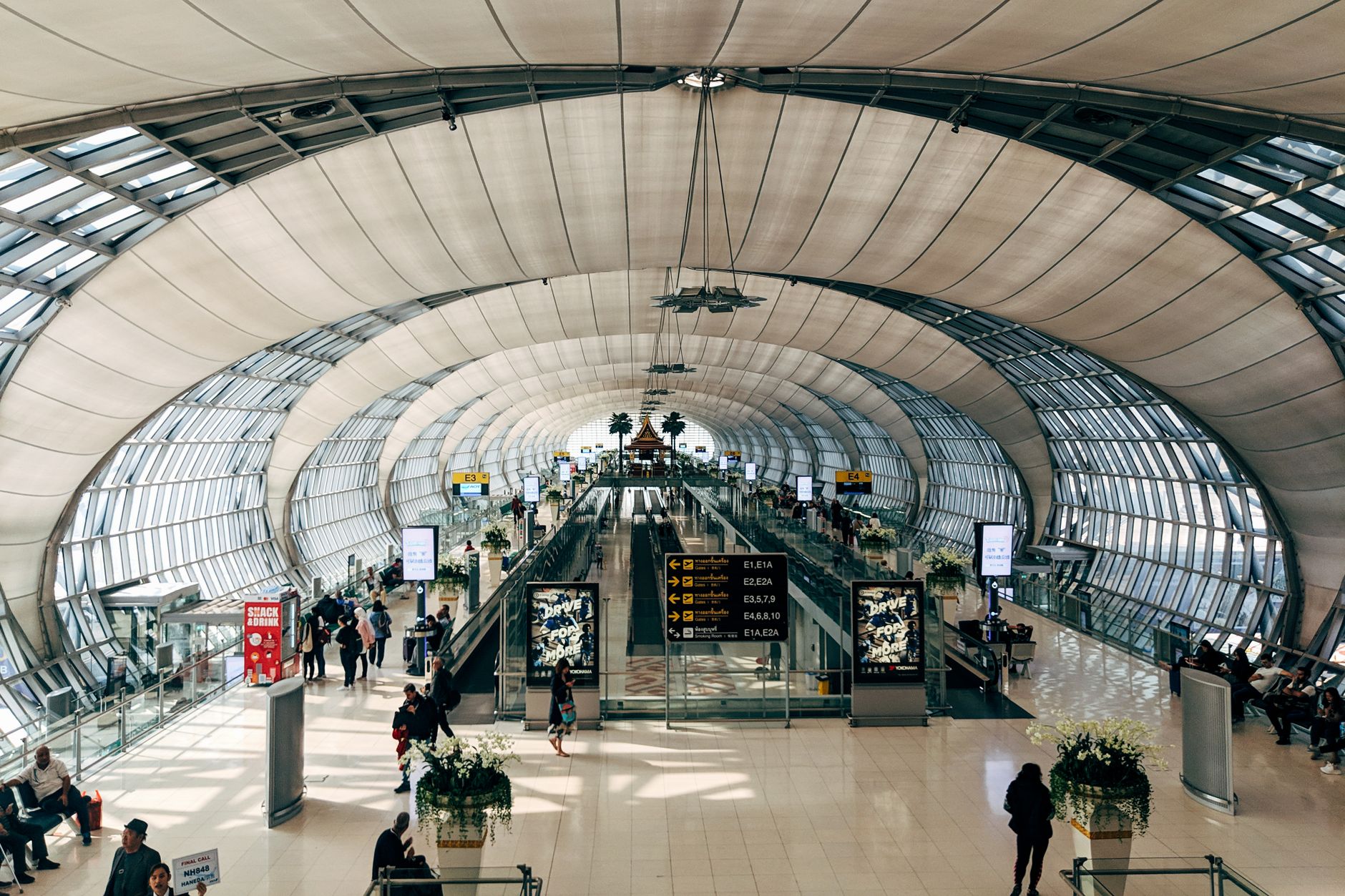
The robot takes the scheduled floor passes and the staff take the rest. Staff set the route before the first pass, clear loose items from the path, and check the robot's map against the layout. Night staff then work restrooms, trash, spill response and public issues, so the robot adds to the team instead of replacing a person.
The shift still needs a person on site. A robot can stop at an obstacle, lose its map after a layout change or meet a spill it does not recognize, and someone must be able to stop it and respond. We pick the robot for the site, lease it through financing, deploy and integrate it, train the staff and service it nationwide, so the terminal has one contact when a robot stops.
What can a cleaning robot not do at a bus terminal?
A robot cannot clean restrooms, empty bins, restock supplies or handle biohazard and unknown spills. It cannot climb stairs or clean escalators, benches, glass, kiosk screens or railings, and it cannot help a passenger who needs assistance. Bus bays, curbs and exterior walkways are outside its reach.
It also cannot make judgment calls. When a floor is wet, a route is blocked or someone is lying down, the robot waits or stops, and a person must decide what to do. Those calls are central to a night janitor's safety role, and a robot does not take them over.
A robot also does not close a staffing gap on its own. A terminal with no night staff has no one to respond when the robot stops, so keep at least the people needed for non-floor tasks and for response.
How do you cost the decision and get started?
Start with the terminal, not the robot. Measure the floor area that needs scheduled passes, the number of nights the terminal runs overnight, the hours night staff spend on floor work, and the hours they spend on everything else. Those figures set how much of the shift a robot can take and how many people must stay.
Lease cost is quoted after a free site assessment. The assessment maps the terminal, selects the robot for its floors and hours, and produces a fixed lease payment through financing. The quote covers deployment and integration, staff training and nationwide service, so compare that one quote against the staff hours it changes, not against a headline.
A pilot in one zone with a fixed schedule is the lowest-risk first step, and it gives the terminal its own numbers before a wider decision. Ask for a phased deployment that keeps night service running during the change.
Frequently asked questions
Want a cleaning robot at your bus terminal?
Tell us about your site. We will recommend the robot, quote the lease, and keep it serviced.
Sources
- US Bureau of Labor Statistics, Occupational Employment and Wage Statistics (OEWS May 2024)
- Bureau of Labor Statistics, Occupational Outlook Handbook: Janitors and Building Cleaners
- Bureau of Labor Statistics, Injury and Illness snapshot for janitors and cleaners, 2015-19
- Bureau of Labor Statistics, Injury and Illness snapshot for janitors and cleaners except maids and housekeeping cleaners, 2016-20
- Bureau of Transportation Statistics, Transportation Statistics Annual Report 2012, Figure 2-6
- February 2025 transit news report on intercity bus ridership and terminal closures
- Janitorial industry trade blog on janitorial turnover rates
- Sustainability trade magazine, October 2025 issue, on floor cleaning robots at a London airport terminal
- Cleaning-industry news site on a 2026 robotics pilot at a New York airport terminal