
The short answer
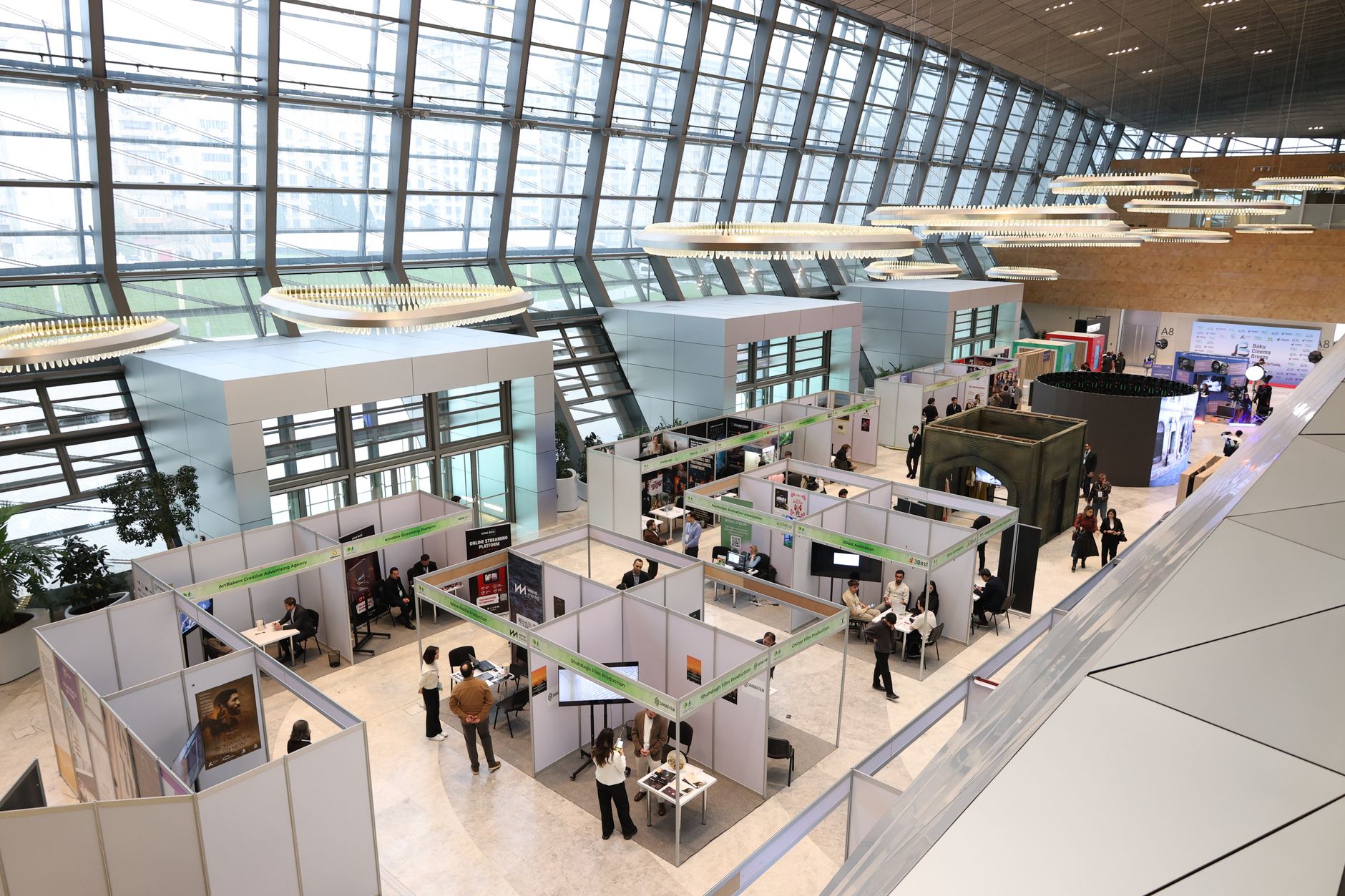
A cleaning robot makes sense at a convention center when the job is long, repeatable passes over open hard floor in exhibit halls and concourses, and the overnight window between shows is too short for one person to cover it all. It does not replace the whole night crew, because restrooms, waste removal, fixtures, spills and booth areas that change between events still need people.
Key takeaways
- A cleaning robot fits repeatable passes over open hard floor, not the whole overnight job.
- Restrooms, waste, fixtures and changing booth areas stay with people.
- Route mapping depends on booth layout, so check build-out changes before deciding.
- Decide with your own overtime and open-shift records, not national averages alone.
- Start with one hall and a free site assessment before any lease quote.
Cleaning robot vs night janitor: when does a robot make sense at a convention center?
A cleaning robot makes sense at a convention center when the work is long, repeatable floor passes across open exhibit halls and concourses, and the overnight window between events is too short for one person to cover all of it. It does not make sense as a replacement for the whole night crew. Restrooms, waste removal, door hardware, columns and the tight spaces around booths still need a person.
Convention centers are a large, repeated version of this problem. According to TSNN, summarizing the CEIR 2015 Census, the US, Canada and Mexico had 13,447 B2B and B2C shows in that census year, and Las Vegas hosted the most, with 802 events. Each show ends in a move out and a reset, so the same floors are emptied and cleaned again and again.
The useful test is not whether the building is big. It is whether the open floor is consistent enough for a machine to run the same routes each night, and whether the people already on staff have work the machine cannot take. We run that test in a free site assessment before anyone discusses a lease.
How many convention centers are there, and how big are their floors?
The show count is large, but it is not a venue count. The TSNN summary of the CEIR census measures events, so it tells you how often exhibit floors are emptied and rebuilt, not how many buildings exist. For floor planning, venue size is the more useful measure.
Floor area is where the robot case is made or broken. According to WorldAtlas, nine US convention centers have at least one million square feet of exhibit space, with McCormick Place in Chicago having the most. The Orange County Convention Center is the largest by total size, at about seven million square feet.
State totals show where exhibit space concentrates. Statista, citing Trade Show Executive data from June 2017, lists Nevada at about 6.32 million square feet of exhibit space, Texas at 5.24 million, California at 4.95 million, Florida at 4.77 million and Illinois at 4.21 million. Those figures are from 2017, so confirm the current halls and their sizes with each venue before sizing a deployment.
Median hourly wage, Janitors and Building Cleaners
$4,041
Monthly cost of one full-time worker, at the median wage plus payroll costs (an estimate, not a quote).
What does a night janitor actually do in a shift at a convention center?
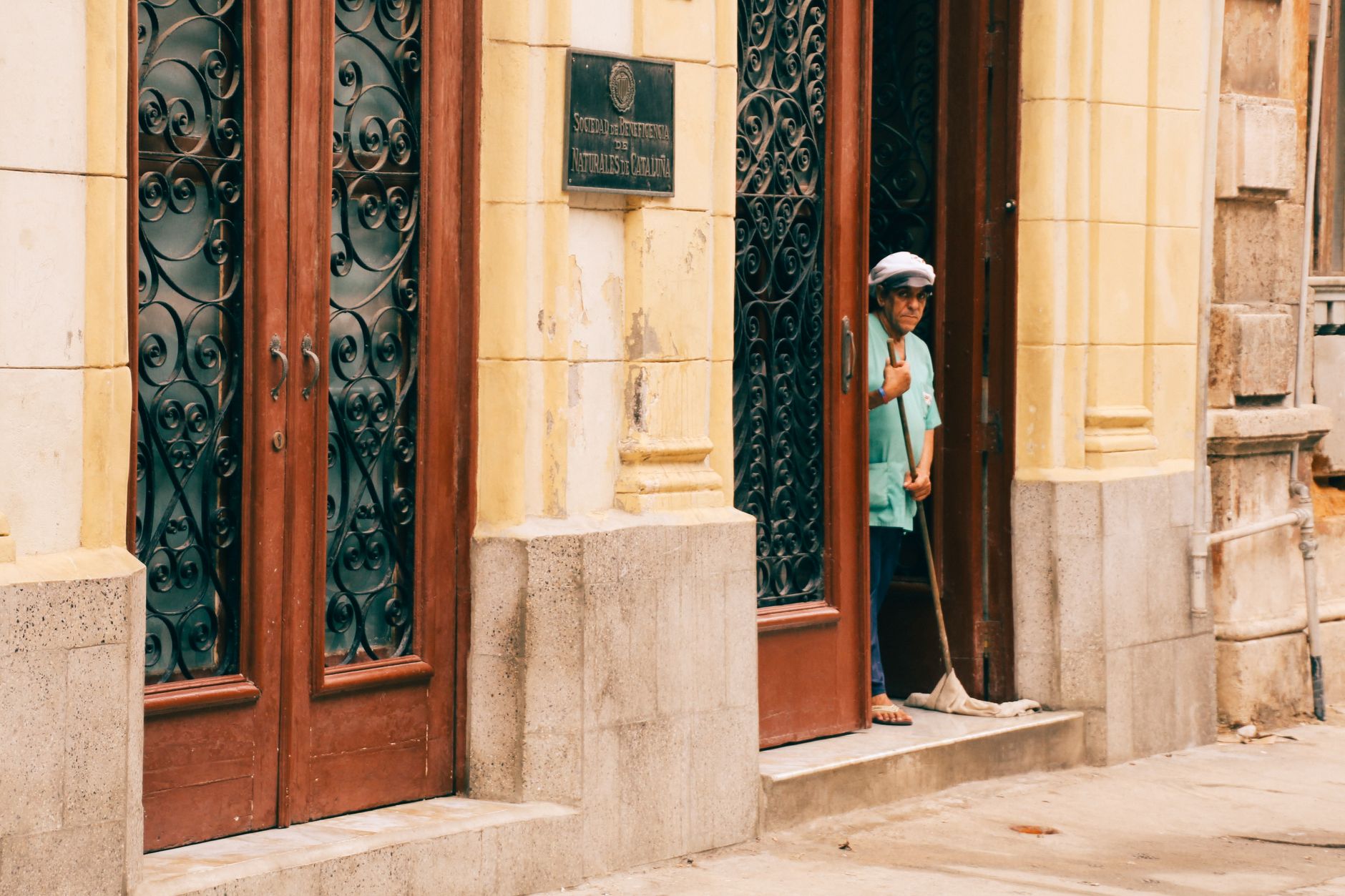
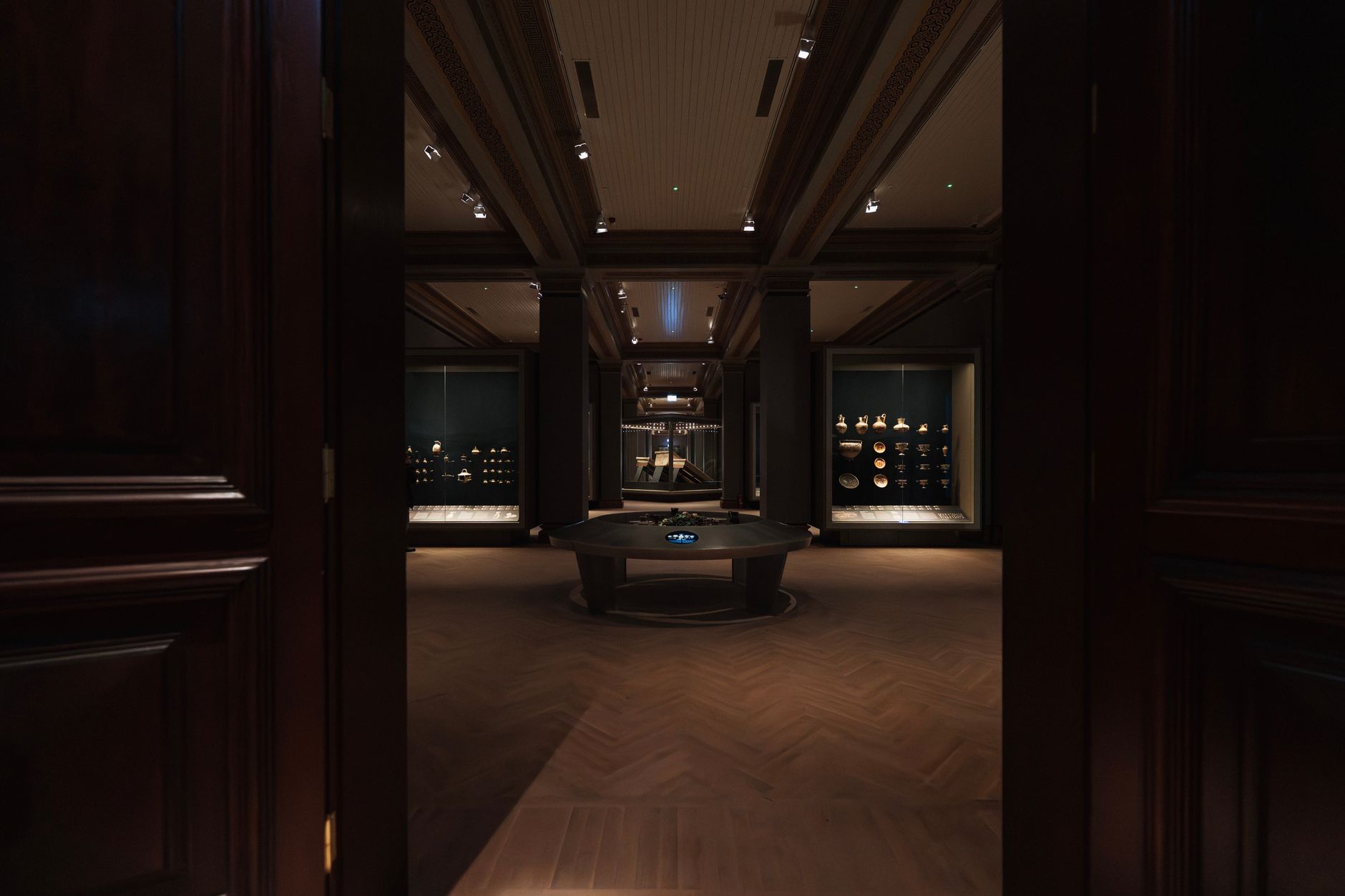
After an event releases a hall, the post-event work is a set of tasks rather than one job. According to Programming Insider's guide to convention center cleaning services, the post-event scope commonly includes event waste removal, carpet vacuuming, floor scrubbing and polishing, and exhibitor area cleaning. The order depends on when the organizer releases each hall, so the night rarely runs in a neat sequence.
The floor work is the long part of the night. A janitor pushes or rides a scrubber through a hall, returns for refills and empties, moves to the next zone, and watches for spills and debris that appear after the show. In practice, a good share of the night goes to moving between zones and to small tasks that sit outside the floor itself.
Night crews also handle the parts of a venue that are not open floor: restrooms, high touch points, doors and the areas around booths that are dismantled and rebuilt. Those tasks are where a person stays busy and a machine does not help, and they are often the tasks that decide whether the hall is ready at opening.
Which parts of the cleaning can a robot take, and which can it not?
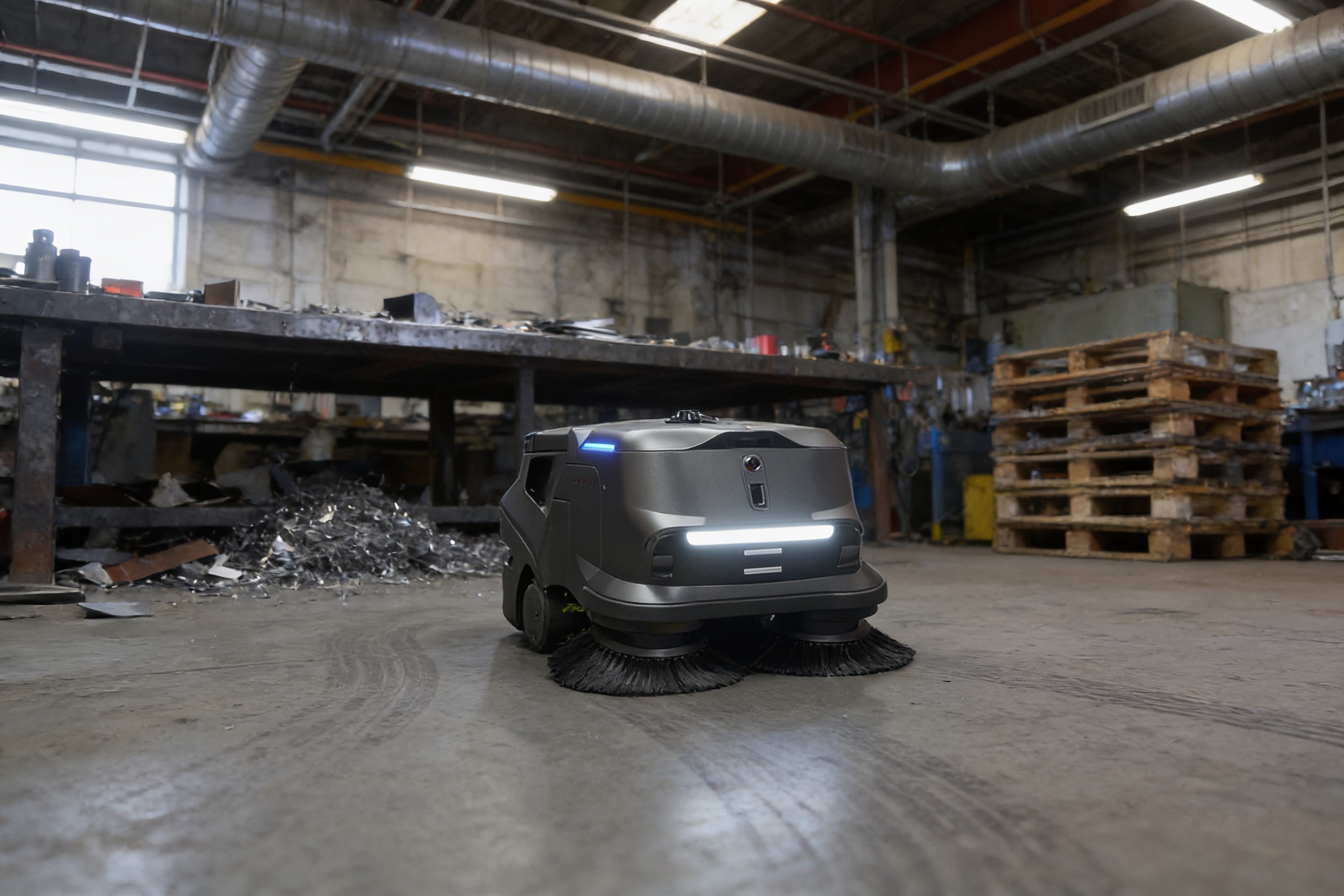
The robot takes the repeat passes on open hard flooring: exhibit hall aisles between booth zones, concourses and wide corridors. Floor cleaning is the main application for professional cleaning robots, according to the IFR figures reported by The Cleanzine, so this is the part of the job with the most field use behind it.
It cannot take the work that needs judgment or hands. The list below is where a person stays on the night shift.
Carpet is the open question. Post-event scopes include carpet vacuuming, and whether a robot can take it depends on the floor covering, the route and the machine. Ask for the carpeted share of each hall during the site assessment rather than assuming the whole floor is hard surface.
- Restrooms and fixtures
- Waste removal from exhibitor and booth areas
- Door handles, rails and columns
- Spills and debris that need a decision
- Carpet areas where the route does not fit
- Open hard floor passes
Cleaning Robot
Runs the same mapped route each night and logs coverage
Night Janitor
Covers the floor at walking pace and adjusts around what they see
- Tight spaces and corners
Cleaning Robot
Limited to the mapped route and can stop at obstacles
Night Janitor
Works corners, columns and gaps around booths
- Restrooms and fixtures
Cleaning Robot
Does not handle these tasks
Night Janitor
Cleans and checks them and reports anything unusual
- Changing booth layouts
Cleaning Robot
Route must be redone after build out changes
Night Janitor
Adapts the route on the spot
- Unplanned spills and debris
Cleaning Robot
Cannot make a decision about an unseen spill
Night Janitor
Spots it, decides what to do and handles it
- Shift consistency
Cleaning Robot
Runs the scheduled route without a call out
Night Janitor
Needs cover when a shift is missed
- Overtime and open shifts
Cleaning Robot
Reduces the open floor hours that drive overtime
Night Janitor
Remains necessary for the tasks robots do not take
What do the labor and injury numbers say about night cleaning staff?
The labor pool is large and turns over constantly. According to the Bureau of Labor Statistics Occupational Outlook Handbook, there were 2,447,700 jobs for janitors and building cleaners in 2024. The handbook projects a change of 47,800 jobs from 2024 to 2034, growth of 2%, which it describes as slower than average, and about 351,300 openings a year, mostly from turnover.
Injury rates are the other reason to look hard at the night task. According to the BLS snapshot covering 2015 to 2019, there were 18,680 nonfatal injury and illness cases with days away from work for janitors and cleaners in private industry, an incidence rate of 157.4 per 10,000 full time equivalent workers. A later BLS snapshot covering 2016 to 2020 reported rates of 178.6 in 2016 and 176.6 in 2017, and 21,100 cases with days away from work in 2020.
What the public data does not show is the venue's own overtime, sick days or night shift turnover. We did not find an official occupation level turnover rate for this job, and industry sources disagree widely, so do not plan around a turnover figure from a blog. Pull your own time records for the last year: overtime hours on post-event nights, call outs and open shifts. Those numbers set the case more firmly than any national average. The government wage data on this page gives the local wage for this job, which you can set beside those hours.
How does the team work with a robot on the floor?
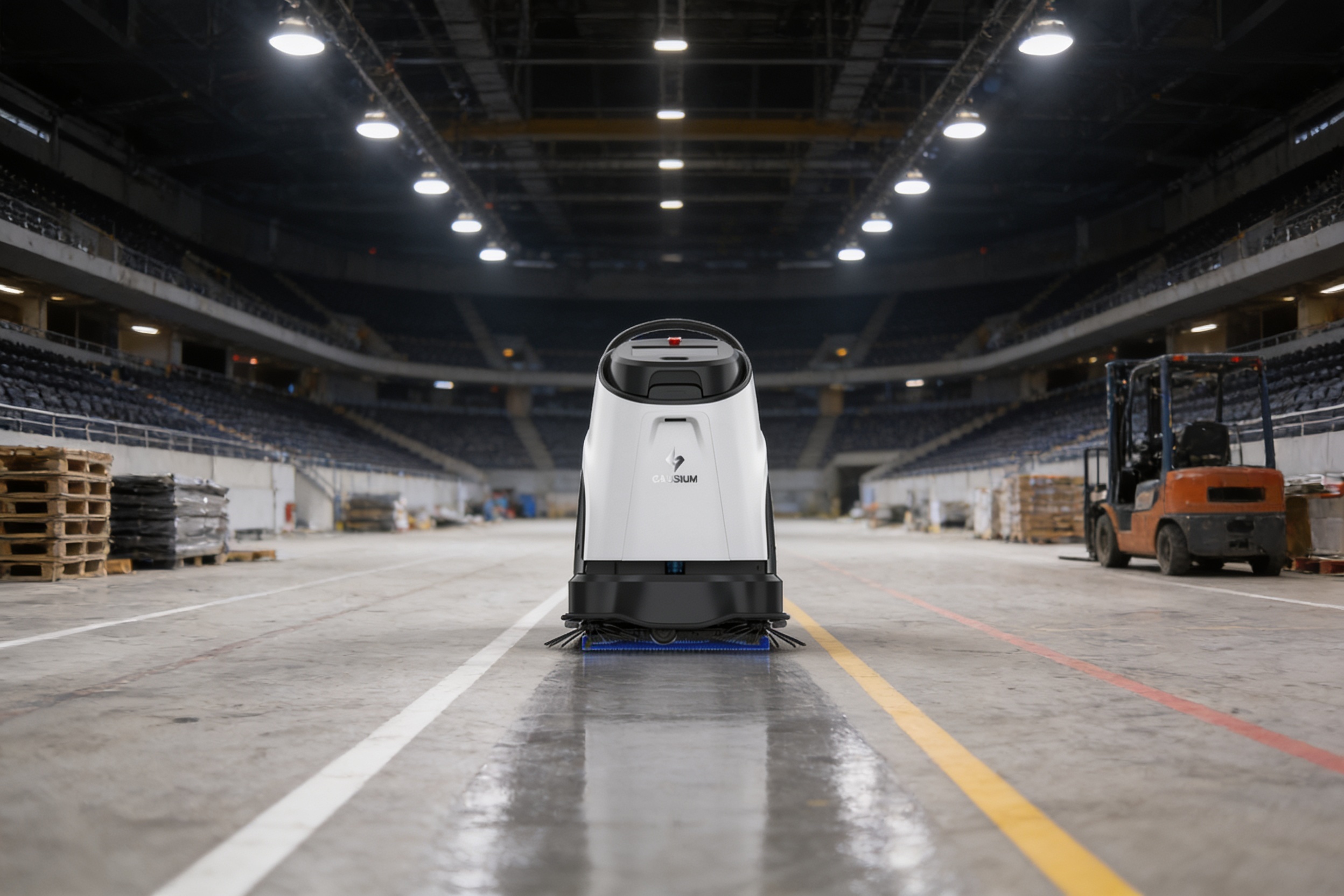
The model is always a robot plus fewer people, never zero people. The robot takes the repeat floor passes on mapped routes, and the crew takes everything else. Fewer people on the floor does not mean nobody on site, because a robot still needs someone to check the run, clear a blocked path and handle what it cannot do.
We pick the right robot for the site, lease it through financing, deploy and integrate it, train the staff and service it nationwide. In a convention center, setup and training carry the most weight, because a robot run is only as good as its route, and the route depends on booth layouts that change between shows.
A workable night looks like this. The robot runs the main halls once they are released, while the crew works restrooms, waste removal and the areas around booths. The shift lead reviews the coverage log at the end of each run and resets any route that changed during build out.
What can a cleaning robot not do at a convention center?
A robot does not work well in a room that changes every hour. If booth layouts shift during build out, the mapped route is wrong until it is redone, and a robot on a wrong route can block exhibitors or miss open floor. Robots run best on the same route every night, and convention halls rarely offer that.
It will not handle a spill it has not seen, a dropped item that needs a decision, or the cleaning of a restroom or fixture. It will not pick up waste from booth areas, empty bins or clear a cluttered space. Those tasks stay with people, and they are often what the client sees first.
A robot is not a guarantee. Floors still need a check after the run, and the venue's clients will judge the hall by what they see at opening. The honest case is a reduction in hours on open floor, not an empty night shift.
Is a cleaning robot common in facilities like this?
Adoption is growing, and floor work leads it. According to the IFR data reported by The Cleanzine, professional cleaning robots grew 34% to more than 25,000 units in the IFR's 2024 data, and most were deployed for floor cleaning. The category is strongest in the work a convention center needs done overnight.
Growth rates do not tell you how a particular hall will run. The decision still comes down to your floor plan, your release times and your staffing. Treat adoption as evidence that the category works in floor care, not as proof for your hall.
How do you get started with a cleaning robot at a convention center?
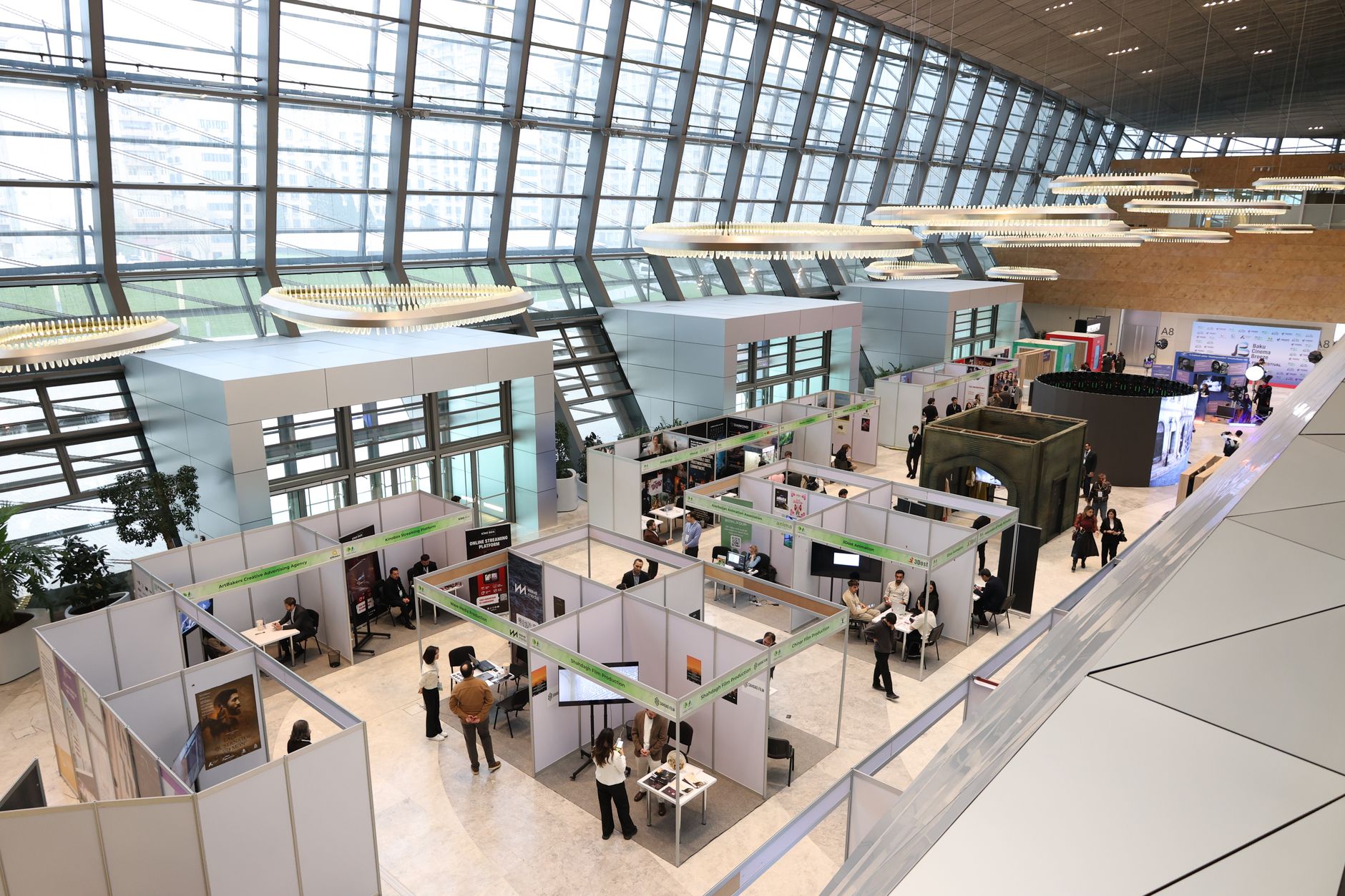
Start with the floor, not the machine. Measure the open hard floor in each hall, the carpeted share, how many releases happen in a month and the window between them. Then match a pilot to one hall before any wider decision.
We start with a free site assessment. We map the venue, review the post-event scope with your facilities team and recommend the robot that fits the floor. The lease is quoted after that assessment, through financing, and it covers deployment, integration, staff training and nationwide service. A pilot on one hall lets your crew see the coverage log before you commit to more halls.
Keep the night crew. Use the robot for the repeat floor passes, and plan the crew around the tasks it cannot take. That setup holds up when a show runs late or a hall is released early.
Frequently asked questions
Want a cleaning robot at your convention center?
Tell us about your site. We will recommend the robot, quote the lease, and keep it serviced.
Sources
- US Bureau of Labor Statistics, Occupational Employment and Wage Statistics (OEWS May 2024)
- TSNN, summarizing CEIR 2015 Census (2015 data)
- WorldAtlas, largest convention centers in the United States
- Statista, states with the most exhibition space (Trade Show Executive data, June 2017)
- Bureau of Labor Statistics, Occupational Outlook Handbook: Janitors and Building Cleaners
- Bureau of Labor Statistics, Janitors and Cleaners snapshot 2015 to 2019
- Bureau of Labor Statistics, Janitors and Cleaners snapshot 2016 to 2020
- Programming Insider, complete guide to convention center cleaning services
- The Cleanzine, IFR service robots report (2024 data)