
The short answer
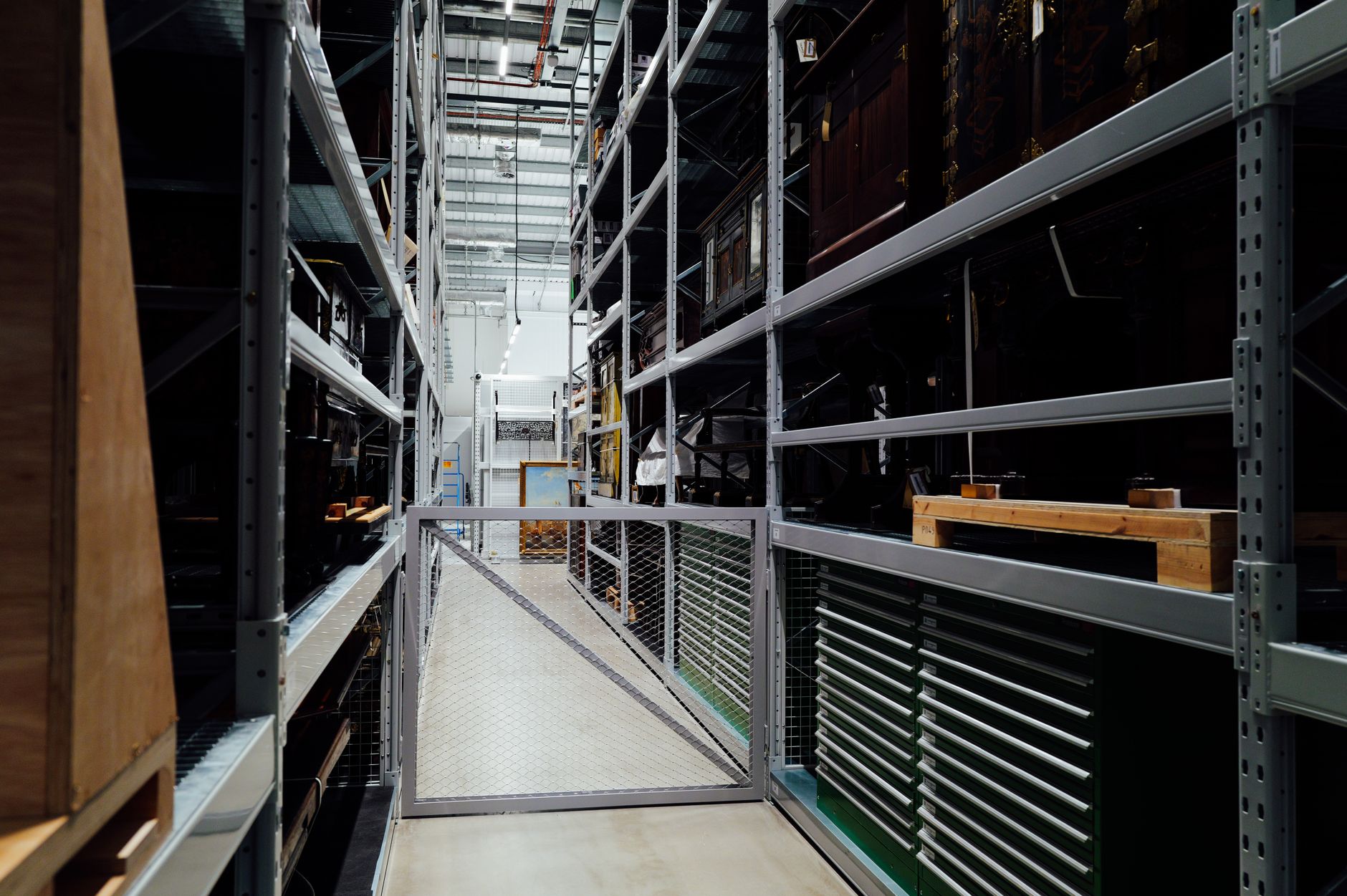
For most sites, the autonomous forklift vs forklift operator in Minneapolis question comes down to repetition. A robot makes sense when the same pallet moves repeat along fixed routes, especially where second or third shifts are hard to staff, and it does not make sense when loads, aisles or stacking change from day to day. Even where a robot fits, keep people on the floor, because the robot takes the repeat moves and a person handles the exceptions.
See what a autonomous forklift costsRun the numbers in the ROI calculator
Key takeaways
- A robot fits repeat moves on fixed routes, while an operator fits changing loads and layouts.
- Plan for a robot plus fewer staff, never zero staff, because exceptions still need people.
- The labor data here is sector and regional, so your own payroll and move logs should decide.
- Forklift incidents remain serious, which puts pedestrian routes and training at the center of any plan.
- Robots are only leased through financing, and the payment comes in a quote after a free site assessment.
Autonomous forklift vs forklift operator in Minneapolis: which fits?
Most of the autonomous forklift vs forklift operator in Minneapolis question comes down to repetition and layout, not to the city itself. A robot earns its place when the same pallet moves repeat along fixed routes, when aisles and drop points stay put for long stretches, and when a site needs coverage on second or third shifts that is hard to staff.
A robot does not suit a building where loads, aisles and stacking patterns change from day to day, where most moves need a person to judge a damaged load or an unusual dock setup, or where foot traffic crosses the travel lanes at unpredictable times. In those buildings the operator remains the right choice, and a robot would add setup work without taking much off the operator's day.
Most sites end up somewhere between these two cases. The practical answer is a robot for the repeat moves with fewer operators on the floor, not zero operators. We pick the right robot for the site, lease it through financing, and quote the lease after a free site assessment, so the decision rests on your own move data.
What does a forklift operator actually do in a shift?
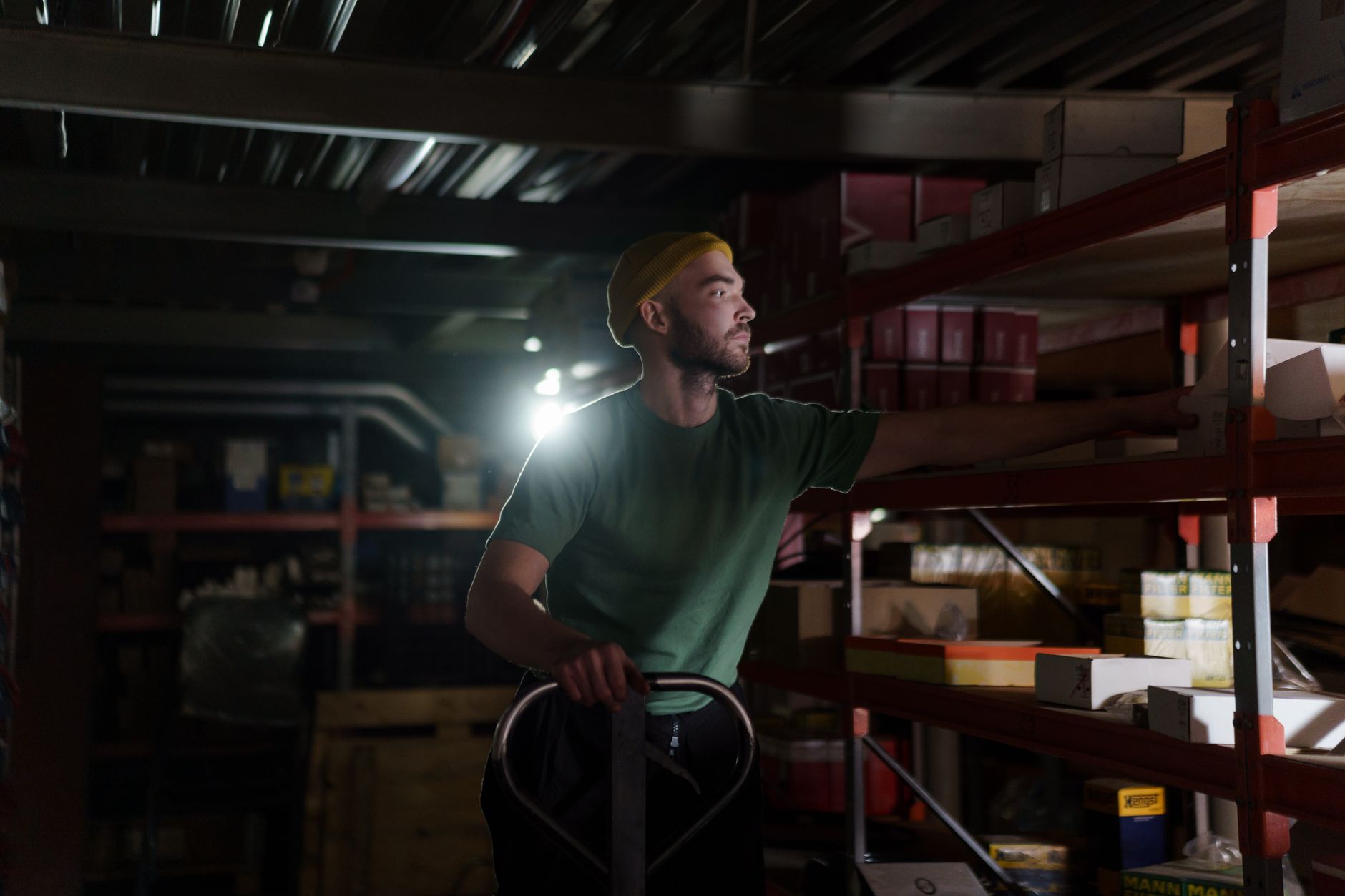
An operator's shift is rarely one long run of moves. It usually starts with a pre-shift check of the truck, then moves through receiving and putaway, retrieval from racks for orders, staging at outbound doors, and loading or unloading trailers, with fueling or charging and battery work in between.
Much of the work is judgment. The operator decides whether a pallet is safe to lift, where a load can physically go, what to do with a damaged wrap or a short count, and when to stop and call a supervisor. Those calls are the part of the job that is hardest to write into a route plan.
This research did not find verified hour figures for how long a Minneapolis operator spends on each of these tasks in a typical shift. Treat the list above as a map of the work, not a time study. Your own move logs will give you the hours, and a site assessment is the place to collect them.
Median hourly wage, Laborers and Freight, Stock, and Material Movers, Hand
$5,209
Monthly cost of one full-time worker in Minneapolis, MN, at the median wage plus payroll costs (an estimate, not a quote).
Which parts of the work can a robot take over, and which can't it?
A robot handles the repetitive, predictable core well. That means point-to-point pallet moves between fixed locations, carrying loads along mapped routes to a staging area or a dock, and returning to charge between moves. These are the moves that repeat with the same start and end points through a shift, and they are where a robot shows the clearest fit.
A robot is weak where the work depends on reading a situation. It does not reliably judge a damaged load, work around an unmapped obstacle, or handle a pallet stacked in an unusual way. A blocked aisle also needs a person to clear it. Those tasks stay with people.
The line between the two is set by the site, not by a general description of the machine. A layout survey and a short trial on your real routes will show which of your moves fall on each side of it.
- Repeat point-to-point moves
Autonomous Forklift
Follows mapped routes the same way on every run
Forklift Operator
Does the moves, with breaks and shift changes built into the day
- Unusual or damaged loads
Autonomous Forklift
Needs a person to make the call on the load
Forklift Operator
Reads the load, makes the call, and escalates when needed
- Changing layouts
Autonomous Forklift
Needs re-mapping before it works in new areas
Forklift Operator
Adapts to a moved rack or temporary staging without a setup step
- Shift coverage
Autonomous Forklift
Runs scheduled shifts with people still needed on site
Forklift Operator
Must be staffed for every shift, and hours can go unfilled
- Exception handling
Autonomous Forklift
Waits for a person to clear a blockage
Forklift Operator
Clears the blockage and keeps the work moving
- Setup and training
Autonomous Forklift
Staff learn routes and procedures during deployment
Forklift Operator
Operators need training before they work alone
What is the labor picture for this work in Minneapolis?
The government wage data on this page covers Laborers and Freight, Stock, and Material Movers, Hand in the Minneapolis area, as of May 2024. Use that panel as the local wage reference for this job. The wage is only one part of labor cost, since turnover, training and unfilled hours add to it.
Turnover is the labor signal that matters most here. According to the BLS JOLTS release, the quits rate for transportation, warehousing, and utilities was 2.2% in January 2025 and 2.3% in December 2025, with a preliminary 1.7% for January 2026, on a not seasonally adjusted basis. That is a whole sector including utilities, so it is a directional signal, not a warehouse figure.
Quits moved up in late 2025. FRED's seasonally adjusted series for the same sector rose from 129 thousand in April 2025 to 187 thousand in November and December 2025. The BLS release also reports that annual quits across all industries fell by 1.3 million in 2025. Fewer people left jobs across the economy, but this sector's quits rose in the second half of the year, so plan for churn on the floor either way.
Local scale helps frame the pool of workers. FRED reports 117.2 thousand jobs in Minnesota's combined transportation, warehousing, and utilities series for 2024. The Minnesota DEED local data for southeast Minnesota shows nearly 8,000 jobs across more than 600 firms in 2023. That is a regional figure, not one for Minneapolis itself, but it shows how many employers draw on the same workers.
How much overtime, night shift and sick-day time does this work involve?
This research did not find verified figures for overtime, night-shift premiums, sick days, or hours per shift for this occupation in Minneapolis. Treat any number a vendor or salary site gives you for those items as an estimate until your own payroll confirms it. The government wage panel on this page is the only local wage reference used here.
What you can measure is the gap between the moves you need and the hours you can staff. Pull six weeks of payroll and time records for the forklift group, and count overtime hours, unfilled shifts, and shifts covered by temporary workers. Then split those hours by shift, because averages can hide a shift that comes up short every week.
Sick-day patterns are harder to read. If you have absence records, check whether gaps cluster on particular days or shifts. A cluster is a signal to fix the staffing plan, not only a reason to add labor.
How does a team work with a robot on the floor?
The team pattern that works is a robot plus fewer staff, never zero staff. The robot takes the repeat point-to-point moves, and the people move to work that needs judgment: exceptions, dock coordination, damaged loads, clearing aisles, and watching over the robot's routes. Headcount on the floor goes down, but it does not go to zero.
This matters for three reasons. Exceptions still happen, routes need to stay clear, and a site needs someone who can respond when something blocks a lane. A lean team that knows the robot's routes handles those moments better than a team that was never trained on them.
Training is part of deployment. Staff learn the route map, what the robot does at a blocked lane, how to clear it safely, and when to call for help. The timeline below shows how one unit's shift might run, as an example rather than a measured schedule.
What can't an autonomous forklift do, and where does it fail?
An honest answer starts with the limits. A robot does not replace the operator on a yard or dock with unpredictable traffic, and it cannot make a judgment about a load that looks unsafe. It runs on mapped areas, so a space that has not been mapped, or that changes often, falls outside its working area until it is mapped again.
Floor condition matters. Spills, uneven surfaces, and a rearranged rack line can all change what the robot can do. Plan for a re-survey whenever the layout changes, and assign one person to own that process.
The robot also does not remove safety work. Pedestrians still share the building with the machine, so workers on foot need clear routes, marked lanes, and sight lines, and the rules around powered trucks should be reviewed as part of the deployment.
How dangerous is forklift work, and what do the injury figures show?
Forklift work carries real risk. According to MHEDA, citing National Safety Council and BLS data, 84 workers died in 2024 in incidents involving forklifts, order pickers, or powered platform trucks. MHEDA also says forklift-related deaths rose in 2024 even as overall US workplace fatalities fell.
The National Safety Council's InjuryFacts reports 25,110 DART cases and 15,460 days-away-from-work cases for forklifts across 2023 and 2024 combined. Those are two-year totals, not a single-year rate, so they show the scale of the problem rather than the risk at one site. For transportation and material moving occupations in 2021 to 2022, the same source reports 38 fatal forklift incidents and 16,050 DART cases.
Two caveats apply. BLS moved detailed nonfatal injury data from annual to biennial publication, and the last single-year report was for 2020, so earlier comparisons are imperfect. An older OSHA enforcement directive cites roughly 85 forklift fatalities and 34,900 serious injuries annually, but it is not dated to a current year, so use it as background only.
The same OSHA directive ranks the powered industrial truck standard, 29 CFR 1910.178, sixth on the top ten most-cited standards for FY2013, with 3,340 offenses. It also estimates about 1.5 million US workers operating more than 855,900 powered industrial trucks, which shows how widely this equipment is already in use.
How do we get started on an autonomous forklift lease in Minneapolis?
We start with a free site assessment. We map the floor, record the routes and lanes, and compare the repeat moves with the exception work that stays with people. The result is a plan that says which moves a robot can take, how many people stay on the floor, and what setup involves.
Robots are leased through financing. The lease is quoted after the site assessment, so no payment figure is given before the layout and move data are in hand. We deploy and integrate the robot, train your staff, and service it nationwide, with on-site dispatch and remote triage for problems.
Many sites start with one leased unit on the route with the most repeat moves. That gives you real hours and exception data before any wider decision, and it tests whether the staffing plan holds with a robot plus fewer staff.
- Site assessment and floor mapping
- Review of route and move logs against your payroll
- Financing and a lease quote
- Deployment, integration and staff training
- Go live support, then nationwide service
Frequently asked questions
Upcoming events in Minneapolis, MN
Put a robot to work in Minneapolis.
We walk your site, learn the job, and recommend the unit that fits. Then we quote the lease, deploy it, and keep it serviced.
Sources
- US Bureau of Labor Statistics, Occupational Employment and Wage Statistics (OEWS May 2024)
- MHEDA, 2026 National Forklift Safety Day statistics
- National Safety Council InjuryFacts, forklifts
- OSHA enforcement directive CPL 04-00-023e, powered industrial trucks
- FRED, Minnesota transportation, warehousing and utilities employment
- Minnesota DEED, Southeast Minnesota local data blog
- BLS JOLTS release archive, February 2026
- FRED, quits in transportation, warehousing and utilities