
The short answer
Choosing an autonomous forklift vs forklift operator in Omaha comes down to repetition: an autonomous forklift makes sense when a site moves the same pallets along the same routes every shift in enough volume to keep the unit busy, with an operator kept for exceptions. It does not make sense when loads are irregular, the dock or yard changes daily, or a job needs a person to judge a damaged or shifting load. The government wage data on this page sets the local labor cost, but the hours of repetitive moves decide the fit, and a free site assessment is how to measure them.
See what a autonomous forklift costsRun the numbers in the ROI calculator
Key takeaways
- An autonomous forklift fits repeated pallet moves on fixed routes, not mixed or irregular loading.
- Forklift work carries real injury risk, so the safety case belongs in the decision alongside labor cost.
- The government wage data on this page sets the local cost of the job, and your hour counts set how much of it a robot can take.
- Most sites keep a trained operator for dock work, yard moves and exceptions, so plan for robot plus staff.
- Measure a few typical shifts before you ask for a lease quote, because the site assessment builds on that log.
Autonomous forklift vs forklift operator in Omaha: which makes sense?
For a business in Omaha, the choice between an autonomous forklift and a forklift operator comes down to how predictable the moves are. A forklift operator is flexible: a person can take a call from the dock, spot a damaged pallet, reroute around a spill and decide when a load is unsafe to move. An autonomous forklift is consistent: it runs a mapped route the same way every time and does not tire on a long run of identical moves. The right answer depends on which of those strengths your floor needs most.
Few Omaha sites end up with all one or all the other. The common result is a fixed-route robot handling the steady transfers between receiving, staging and storage while a trained person covers the work that changes from day to day. That is the setup we plan for after a site assessment, and it is why we do not recommend a robot that replaces the whole crew.
When does an autonomous forklift make sense, and when does it not?
An autonomous forklift fits best where moves repeat: the same pallet positions, the same aisles, the same drop points and a steady flow of loads from one or two sources. A site assessment can check those conditions by walking the route and counting moves. The case gets stronger as repeatable work makes up a larger share of forklift hours, because the robot's value is the hours it takes over.
It fits poorly where the floor changes often, loads arrive in mixed sizes, or the work needs a person to inspect and decide. Dock work with trailers that arrive at unpredictable times, yard moves across open ground and jobs with frequent layout changes usually stay with an operator. If most forklift hours are one-off jobs, the robot will sit idle for much of the shift and the case weakens quickly.
The lift truck base is already large. A 2025 automation survey of 139 materials-handling professionals, reported by a trade publication, found that 83 percent use lift trucks, up from 74 percent the year before. The survey does not say how many of those lift trucks are autonomous, so the figure tells you the equipment base is common, not that autonomous units are.
Median hourly wage, Laborers and Freight, Stock, and Material Movers, Hand
$4,525
Monthly cost of one full-time worker in Omaha, NE, at the median wage plus payroll costs (an estimate, not a quote).
What does a forklift operator actually do in a shift?
An operator's shift is rarely just driving between two points. It usually includes receiving and checking loads, moving pallets from trailers to staging, picking orders, restacking, loading outbound trucks, handling returns and clearing blocked aisles. Operators also inspect the truck and the load before they move it, and they report problems that a machine's sensors may miss. Much of that work is short moves with frequent stops.
Because the work mixes repetitive and judgment tasks, the hours do not split cleanly. A realistic plan separates the repeat transfers, which a robot can run, from the tasks that need a person. Ask the team to log a few typical shifts by task before deciding, because estimates from memory tend to undercount the small interruptions that take up a large share of the day.
- Repeat transfers on fixed routes
Autonomous Forklift
Same path every time, with no fatigue on long runs
Forklift Operator
Consistent, but tires over long repetitive stretches
- Damaged or unusual loads
Autonomous Forklift
Can flag a sensor problem but cannot judge a cracked pallet
Forklift Operator
Inspects, decides and reroutes the load
- Dock and trailer work
Autonomous Forklift
Poor fit for trailers parked at changing angles
Forklift Operator
Adapts to trailer position and arrival timing
- Night coverage
Autonomous Forklift
Runs a mapped route through the shift once the floor is confirmed
Forklift Operator
Needs scheduling, breaks and sick day cover
- Layout changes
Autonomous Forklift
Needs a remap before it can run the new route
Forklift Operator
Adjusts the route on the fly
- Blocked aisles and jams
Autonomous Forklift
Stops or waits for help
Forklift Operator
Clears the blockage and resumes
Which parts of the job can a robot take, and which can it not?
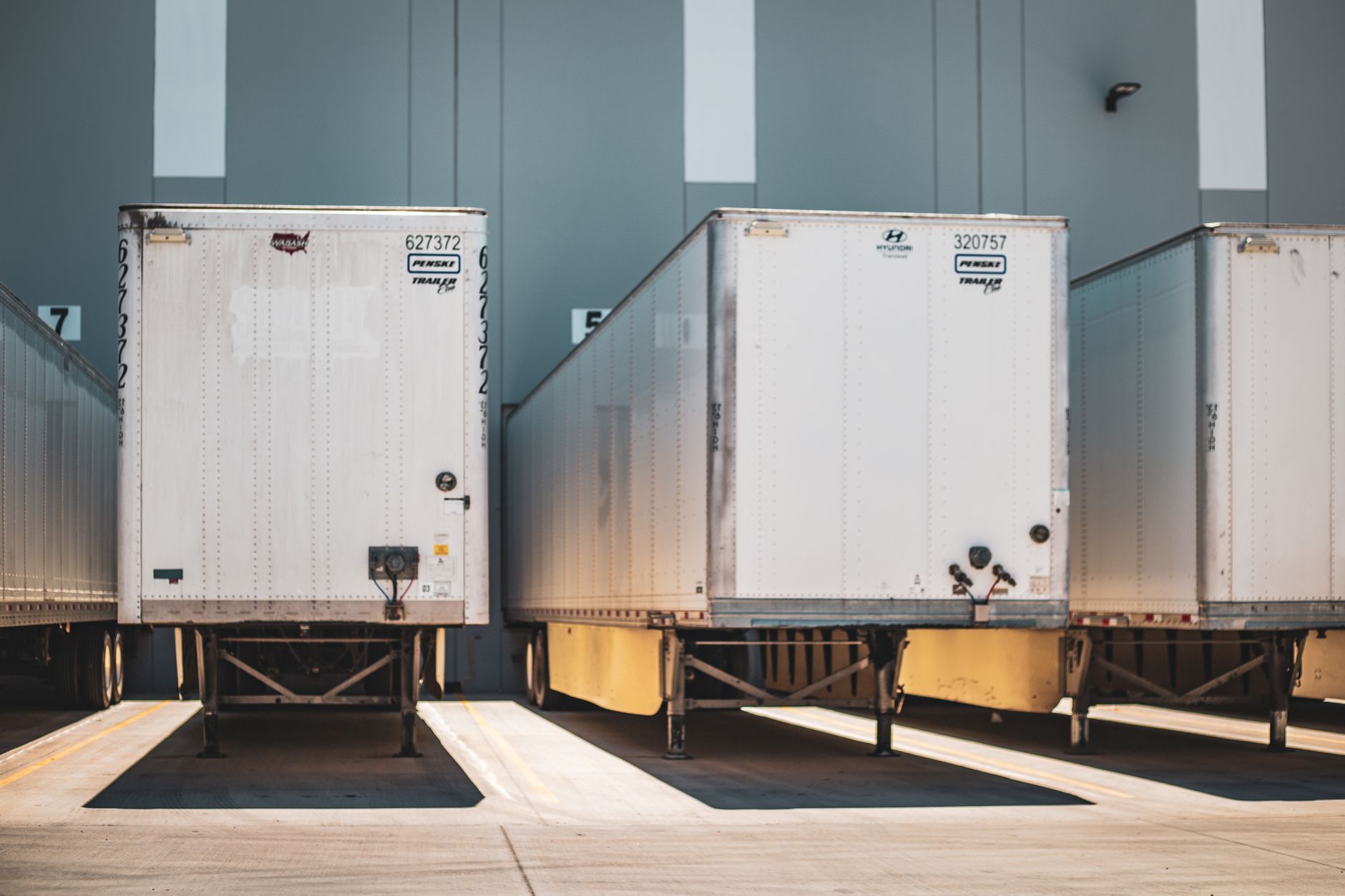
A robot can take the fixed-route transfers: full pallets moved between defined points such as receiving to staging, staging to a storage row, or a supply point to a pick area. It runs the same path every time, follows its mapped route and can work through a shift without fatigue. These are the steady hours that the hours table later on this page breaks out.
A robot cannot reliably handle work that depends on judgment and changing conditions. It cannot decide that a pallet is cracked or overloaded, read an unusual or handwritten label, respond to a spill the map does not show, or work a trailer parked at an angle. Those tasks stay with a person, which is why the staffing plan keeps operators on the floor.
What do the hours and labor numbers say?
A useful national starting point is the Bureau of Labor Statistics. According to its Occupational Outlook Handbook, about 7,105,700 people held jobs as hand laborers and material movers in 2023, and that group is projected to grow 4 percent from 2023 to 2033, adding about 283,200 jobs. The same source says most positions need less than one month of on-the-job training and no formal education, which tells you how quickly a new hire can be brought up to speed. This category is a close but not exact match for a forklift operator, so treat it as a backdrop rather than a forklift count.
The government wage data on this page gives the local wage for this job in Omaha, drawn from the May 2024 BLS area data. For turnover, we did not find a verified rate for forklift or material handling work, and we will not invent one. A warehouse turnover blog post cites 49 percent, attributed to BLS data, but we could not confirm that figure against BLS, so treat it as unverified.
Overtime, night shift coverage and sick day absences were not covered by the research behind this page, so log them alongside turnover. Your own resignation, overtime and absence records show the staffing pressure on your floor more accurately than any national average.
Why does forklift safety change the math?
Forklifts carry real injury risk, and the safety case belongs in the decision beside the labor case. According to OSHA program documents for Region I, the commonly repeated estimate is about 85 forklift deaths and 34,900 serious injuries a year, with about 42 percent of deaths from tip-overs. OSHA notes that more recent data is not readily available, so read those as older estimates, not current counts.
The BLS fact sheet on forklift fatalities shows the mix of causes. Of 74 fatal injuries involving forklifts in its 2017 data, 20 were nonroadway incidents, 13 were struck by a powered vehicle in cases outside transport, and 12 were struck by falling objects. A robot can reduce operator exposure on the routes it runs, but workers on foot near those routes still need protected walkways, clear markings and training, whether or not a person is driving.
How does a team work with an autonomous forklift?
The model we recommend is a robot plus fewer staff, never zero staff. The robot takes the fixed-route transfers and frees operators for dock work, exceptions and tasks that need a person. The site keeps at least one trained operator on every shift, because a robot will stop, wait or ask for help when a load or route falls outside its map.
Setup decides how well that works. Before go live, the team needs a route map, clear floor markings, a way to report stops, and a clear rule for who clears the robot's path. Training covers how staff approach the unit, what its stop signals mean and who to call. Staff who understand the robot's behavior trust it more and report route problems faster.
What can an autonomous forklift not do?
It cannot replace the judgment of a trained operator. It cannot reliably handle loads it was not mapped for, mixed or unusual shapes, damaged or leaning pallets, or work outside the route it was taught. Those limits are why the staffing plan keeps operators on the floor and why a site assessment comes before any lease quote.
The floor matters too. Uneven surfaces, poor lighting, wet areas and frequent obstacles reduce how well it runs, and a route blocked every shift will cost time. Battery and charging plans must fit the shift pattern. A robot that stops often is not a better deal than an operator, so the site assessment should answer these questions with measurements, not assumptions.
How do I get started with an autonomous forklift in Omaha?
Start with a free site assessment. We walk the route, count the repeat moves, check floor conditions and map the work you want the robot to take. The result is a plan that shows which moves go to the robot, which stay with the operator, and what the team needs in training. A lease quote is built from that plan, so do the assessment before any talk of cost.
We pick the right robot for the site, lease it through financing, deploy and integrate it, train the staff and service it nationwide. Robot leasing is a financing arrangement, and the lease is quoted after the site assessment, not before. A pilot with one leased unit on one route lets you test the hour counts before you scale. Ask any provider how they handle downtime, spare units and emergency service before you sign.
The same 2025 automation survey reported that materials-handling equipment budgets were increasing for 36 percent of respondents, holding flat for 44 percent and decreasing for 12 percent. Set your timeline against your own budget cycle, not the sector average.
Frequently asked questions
Put a robot to work in Omaha.
We walk your site, learn the job, and recommend the unit that fits. Then we quote the lease, deploy it, and keep it serviced.
Sources
- US Bureau of Labor Statistics, Occupational Employment and Wage Statistics (OEWS May 2024)
- BLS Occupational Outlook Handbook, hand laborers and material movers
- BLS fact sheet, fatal occupational injuries involving forklifts (2017 data)
- OSHA Region I powered industrial trucks program documents
- 2025 automation survey, materials handling trade publication
- BLS May 2024 occupational employment by area chart
- Warehouse turnover blog post (figure unverified)