
The question, in the buyer's words
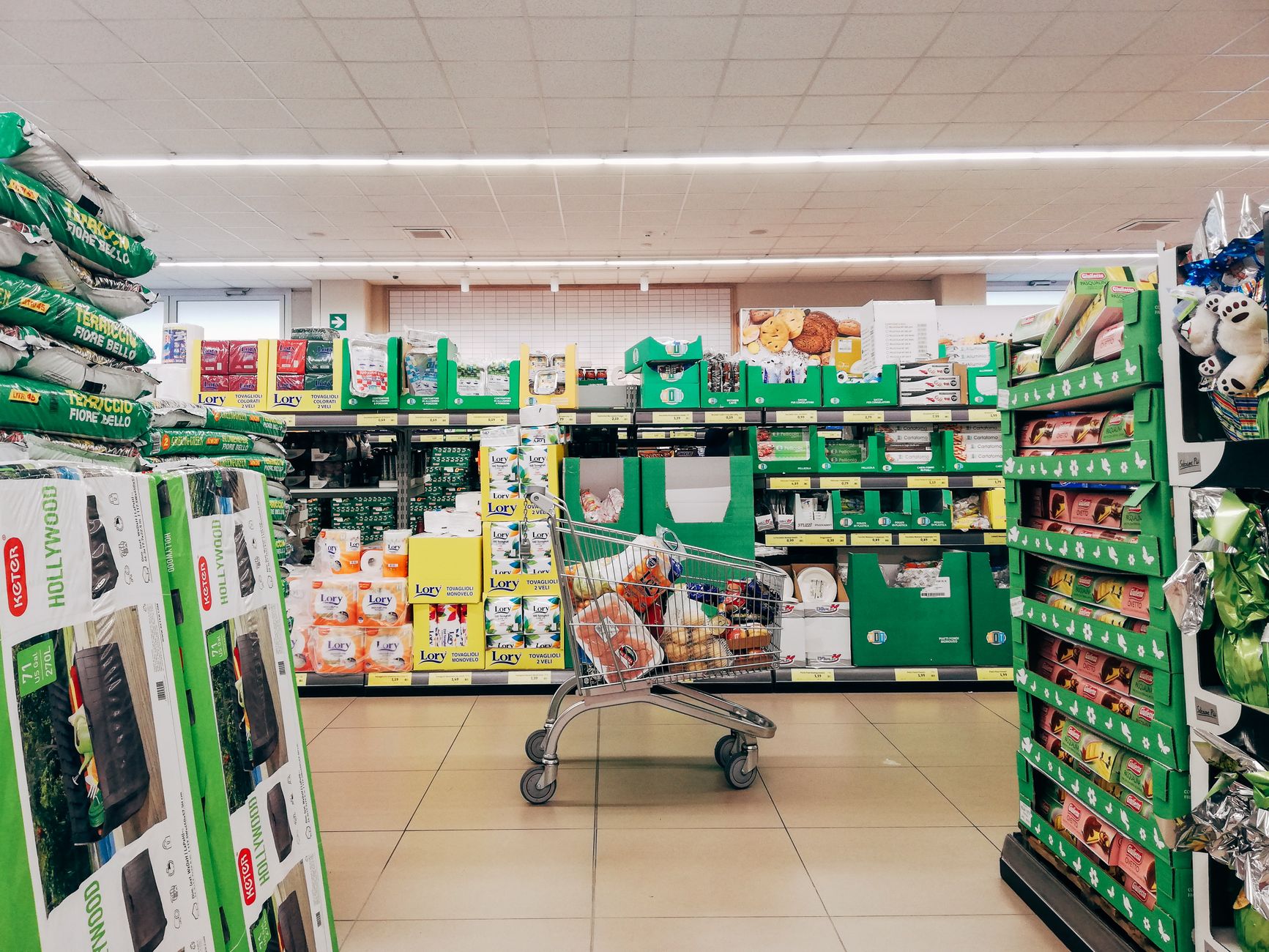
Our 22-store grocery chain is weighing cleaning robots for the sales aisles, but what happens to our stores if the company servicing them goes under in year two?
Key takeaways
- Vendor failure is a real risk, and the contract decides how much of it lands on your night shift.
- Ask who services each robot, how fast a failed unit is replaced and who owns the fleet data.
- Confirm that core functions such as schedules and maps keep running without vendor systems.
- Start with one store or a small set of units so the fallback plan is tested before you expand.
- Keep trained staff as the backup until the service record shows response times you can accept.
How many grocery stores would a cleaning robot vendor serve?
The scale of this question depends on how you count stores, and the count matters because it shows how many sites one cleaning robot vendor would need to keep running. IBISWorld counted 78,680 supermarket and grocery store businesses in 2025 on one page and 76,320 on another, so any single national figure should be treated as approximate. Statista puts the US count at about 66,000 stores. FMI, the food industry association, reports 45,575 supermarkets in 2024 using a narrower definition that includes supercenters, club and warehouse formats, and commissaries.
For a 22-store chain, your own store list matters more than any national total. The national picture does show that the vendor failure risk for grocery cleaning robots is really a question about the company behind your fleet, not about the category as a whole. A vendor with many grocery accounts may spread that risk across more sites, while a small provider may treat a 22-store chain as one of a few large accounts it must keep serving.
Store format matters too. A conventional supermarket, a supercenter and a club store have their own aisle widths, floor finishes and overnight schedules, and a vendor that understands the format will plan routes that fit. Ask for a site assessment of a store like yours before you accept any count as the basis for a plan.
The official count to check is the Census Bureau's County Business Patterns under NAICS 445110. We did not retrieve that figure for this page, so confirm it before you use any count in a plan.
Why do grocery managers worry about idle machines overnight?
The worry is rooted in staffing. According to FMI, industry-wide employee turnover in food retail fell to 48% in 2024, from 58% in 2023 and 65% in 2022, so the people who know the floors and equipment still change at a high rate. We saw that figure in secondary coverage of the 2025 FMI report, not in the full report itself. OC&C, a strategy consultancy, cites federal labor data in a report that puts grocery turnover at 69% against 45% for total industry, using 2023 forecast figures.
High churn means the night routine depends on whoever is trained at that moment. A robot that a trained manager set up can sit idle when that manager leaves, and the same gap appears if a vendor's field staff or parts supply weakens. Plan for both gaps in the same way: a written fallback, a named service contact and a tested manual routine.
Managers also worry about visibility. If a unit stops in an aisle at 2 a.m., someone must know before the morning crew arrives. Alert arrangements belong in the contract just as much as the service response time.
What happens to the robots if the vendor goes under in year two?
Start with what each unit needs to keep running. Find out which functions depend on the vendor's cloud, app or remote systems, and which work on the unit or a local controller. A unit that can finish a mapped route and follow a saved schedule without vendor systems is in a much better position than one that stops when its link to the vendor drops.
Our research did not find published commercial lease terms covering escrow, step-in rights or data access. Those three clauses decide whether your stores keep cleaning after a vendor fails, so they belong in the written lease and the service schedule, not only in a sales conversation.
Vendor circumstances can change quickly, and each commercial lease is its own document with its own terms. We found no public terms showing how commercial leases treat vendor failure, so treat that gap as a reason to write terms rather than assume them.
Ask who would service your units if the company were sold or stopped trading, and ask how fleet records, maps and schedules can be exported. If the answers are vague, the risk of an idle overnight aisle sits with your store managers, not with the vendor.
How common is autonomous cleaning, and what does that mean for vendors?
Adoption is still a minority practice. An ISSA and AACEM survey found about 27% of respondents now use autonomous cleaning equipment. That sample covers building service contractors, in-house service staff and facility managers across industries, not grocers alone, and the survey year was not confirmed in the material we gathered.
Market research from Data Mintelligence projects growth in the US commercial robotic scrubber market through 2032. That is a market value forecast, not a count of how many stores already run these machines, so read it as a direction. Our adoption figure comes from the ISSA survey alone.
Fast growth brings new providers, and some will not last. Choosing a provider is therefore a continuity question as much as a robot question. Ask how many grocery or retail sites each provider serves, how many technicians cover your states and how many units it has in service, since those numbers say more about continuity than a demo does.

Can a single cleaning robot vendor keep grocery aisles running?
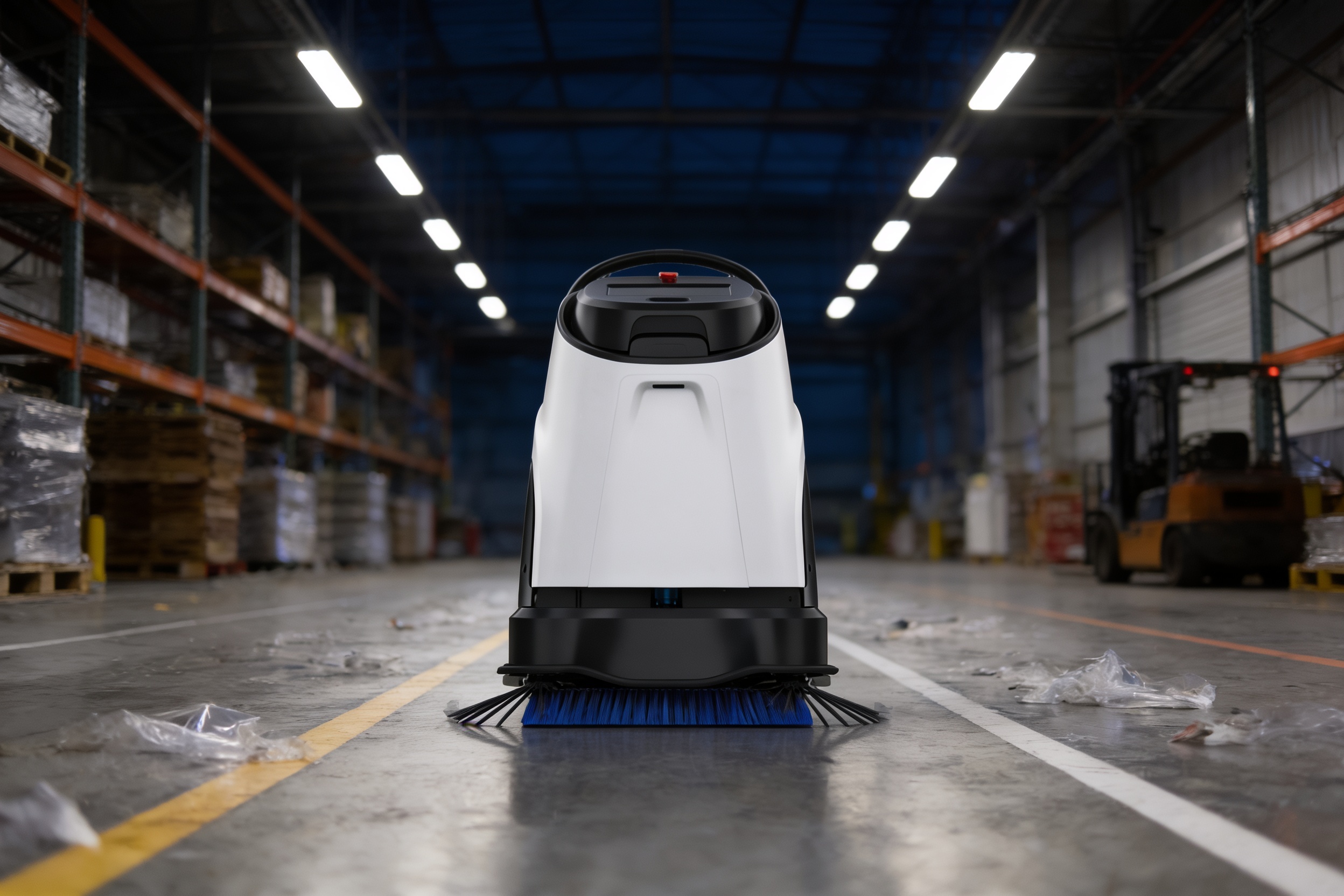
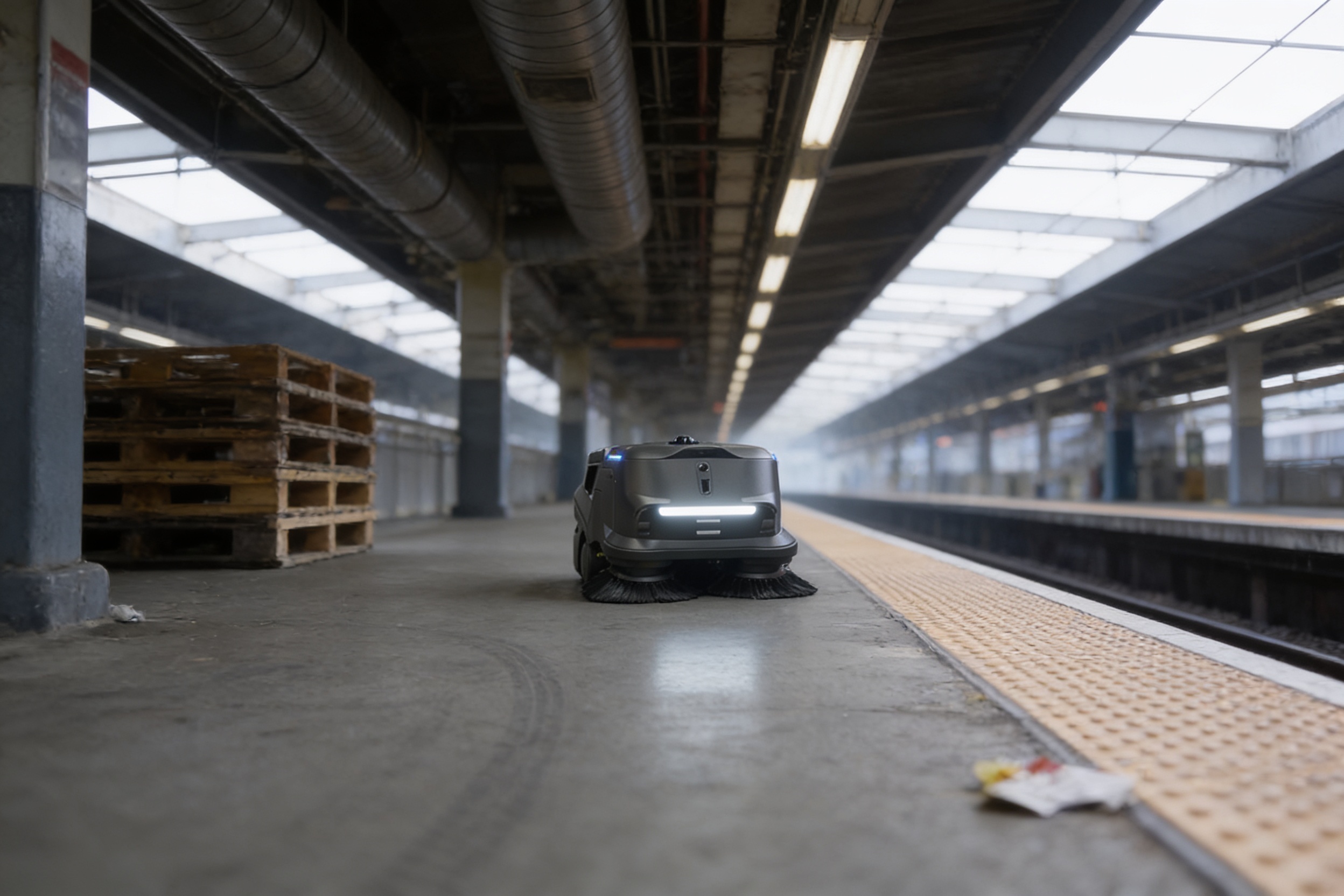
It can, when the vendor is healthy and the contract is clear. A robot covers a fixed overnight route without a person pushing the machine, which is why it is worth a close look for large open sales floors. It cannot replace a person who reacts to a spill, a blocked aisle or a fault during the shift.
The fair comparison is not robot against person in general. It is how each option behaves when something fails. Staff coverage breaks when people quit or call out, and robot coverage breaks when a unit faults or a vendor stops servicing it. Each has its own recovery path, and your staffing plan and your contract together decide which path a store actually uses.
A store that depends on one robot route will feel any gap, so decide which aisles can wait until morning and which must be clean before opening. That split sets how much fallback coverage the store needs, and it should be settled before a contract is signed. The comparison below shows where each option wins.
- Coverage when everything works
Cleaning Robot
Runs a fixed route every night without a person pushing the machine
Staff
Flexible, and can change the route for spills, events or a blocked aisle
- Reaction to a spill during the shift
Cleaning Robot
Needs a person to be called, and may stop at an obstacle
Staff
Stops the spill quickly and keeps the aisle safe
- Coverage when a unit fails
Cleaning Robot
Depends on vendor response time and spare or loaner unit terms
Staff
Depends on whether a trained staff member is on shift
- Recovery when the vendor fails
Cleaning Robot
Depends on transfer clauses, data export and local operation
Staff
Not affected by the vendor, but affected by staff turnover
- Consistency from night to night
Cleaning Robot
Same route and timing each night while the unit runs
Staff
Varies with the crew and the schedule each night
What should the lease say about service if the provider fails?

Our service plan puts one partner behind the whole lifecycle. We select the robots, lease them through financing, deploy and integrate them, train staff and service every unit, with regional service engineers in each state we service. The same questions apply to any provider you consider, including us, and the answers belong in writing.
Request specific terms, starting with the list below. Each item closes a gap that a vendor failure would otherwise expose, and each should appear in the service schedule of the lease rather than in a side email.
No vendor can promise a machine never fails overnight, and we do not make that promise. The right test is whether the contract gives your stores a defined recovery path when a failure happens, including a path when the vendor itself is the problem.
- The named response time for a failed unit
- Whether spare or loaner units are included while a unit is repaired
- The process when a unit cannot be repaired
- What happens to your fleet if the provider changes ownership or stops trading
- How fleet data, maps and schedules are exported
How can a store keep night coverage if a robot goes idle?
Plan the fallback before the first unit arrives. Write a night cleaning routine that a trained person can run in the first weeks, and keep the aisle list, equipment and chemicals where staff can find them. A store that has tested the manual routine can switch over within one shift instead of losing the whole night.
Phasing reduces exposure. Start with one leased unit in one store or a small group of stores, then measure how often it sits idle and how long repairs take. Use that record to decide whether to expand, and test the fallback routine without shutting down the chain.
Set a threshold. If a unit is idle for a set number of nights, the store triggers staff coverage and the vendor is escalated. Writing the threshold down turns a vague worry into a rule that managers can follow on a bad night.
Keep a short log for each unit: the date of each fault, the date of repair, the nights idle and the staff covering the route. A simple log gives you evidence for renewal talks and for escalating a slow vendor, and it shows whether the threshold rule is being followed.
How does getting cleaning robots work with us?
It starts with a free site assessment. We map the sales floors, check the overnight schedule, note obstacles and talk through your fallback routine. The payment is set in the quote that follows the assessment, since it depends on the site, the unit count and the service terms, and it is not set on this page.
After you accept the quote, the units are leased through financing, then deployed, integrated and staff trained. Service continues under our service plan after go-live. Before you sign, ask us to put the failure scenarios in this page into the service section of the contract, and to review them with your team.
Ask how alerts reach your store managers and how the first months of service will be reviewed with your operations team. Those review points belong in the rollout plan, so they are visible before the first unit arrives.
What should you decide first if the risk is acceptable?
If the risk is acceptable, decide three things before you talk about units: which stores start, which aisles must be clean by opening, and who on your team owns the fallback. Those decisions set the pilot size and the service terms you need, and they keep the first deployment from becoming a bet on one vendor's continuity.
Then take the questions from this page into a site assessment and a quote. If a provider cannot answer them in writing, the risk is still the decision, and it is better to find that out before any lease is signed.
Frequently asked questions
Upcoming grocery & supermarkets events
Want a cleaning robot at your grocery stores?
Tell us about your site. We will recommend the robot, quote the lease, and keep it serviced.
Sources
- FMI, The Food Retailing Industry Speaks 2025 (news release coverage)
- FMI, supermarket facts
- IBISWorld, supermarkets and grocery stores business count
- IBISWorld, supermarkets and grocery stores business count (second page)
- Statista, supermarkets in the US dossier
- OC&C, grocery workforce report
- ISSA, autonomous cleaning survey
- Data Mintelligence, US commercial robotic scrubber market