
The question, in the buyer's words
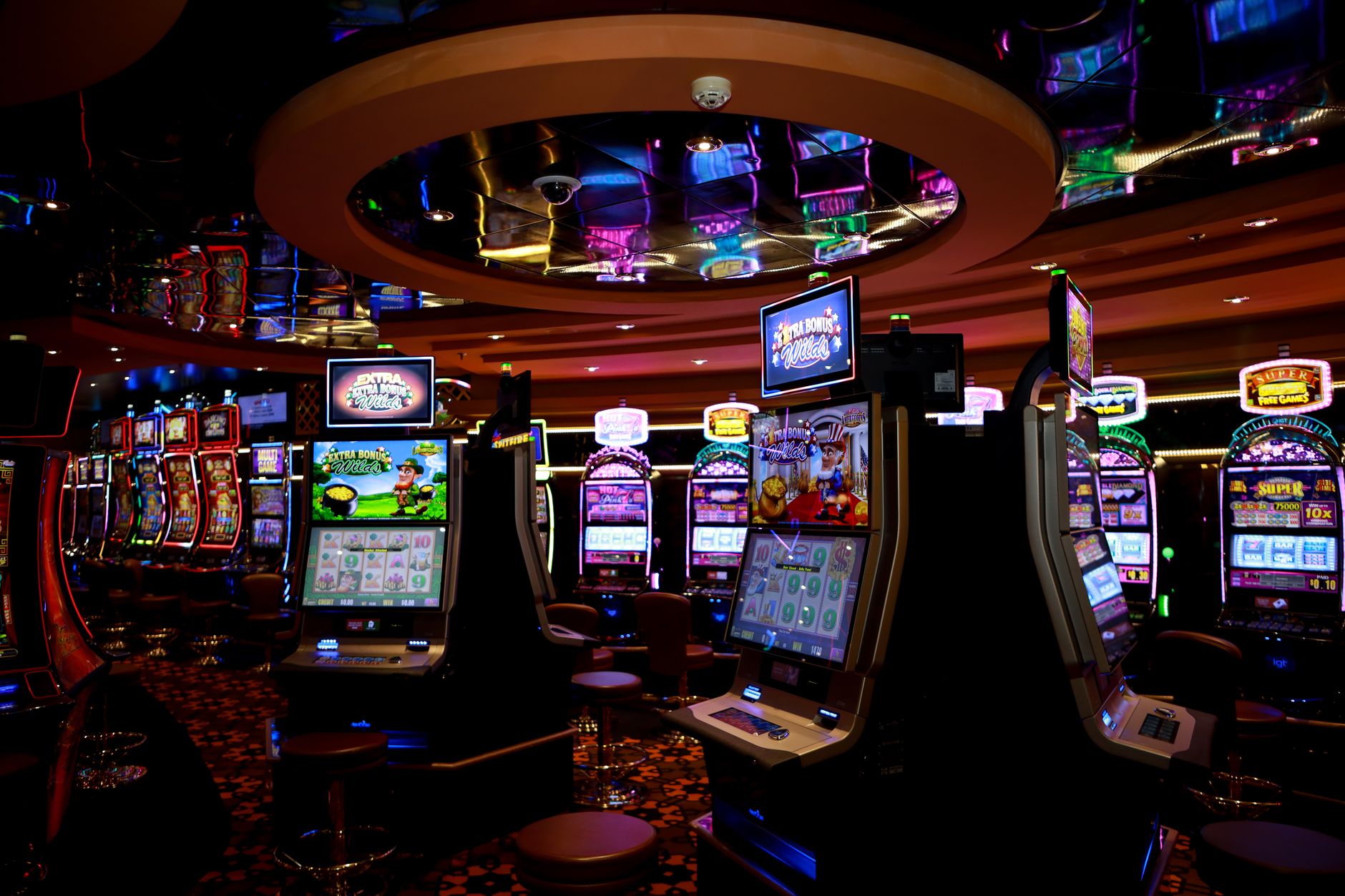
I run the back-of-house floors at a 1,200-slot casino in Biloxi, Mississippi, and carpet, spilled drinks and chip dust build up by the high-limit pits between the 4 a.m. count and the morning crowd; could a cleaning robot work those aisles without disturbing the table games?
Key takeaways
- Hard-floor pit aisles suit a robot in the empty window; carpet around active tables does not.
- Schedule passes between the count and the first players, never during the crowd.
- Carpet stains and spills usually need extraction or staff, not a scrubber pass.
- Most janitorial openings are replacement hiring, so a robot lowers dependence on shifts that go unfilled.
- Time your own crew's passes and floor surfaces before comparing any option.
Can a cleaning robot work casino pit aisles in Biloxi overnight?
Yes for the aisles, no for the pit interiors while play is active. A cleaning robot suits the long hard-floor walkways between casino pits, because those routes are easy to map and predictable once the floor is empty. Your window is the stretch after the 4 a.m. count and before the morning crowd, and that window is where a robot on a Biloxi gaming floor earns its place.
The harder part of your question is carpet and spilled drinks. Floor scrubbers are built for hard surfaces, and carpet around high-limit tables usually needs extraction or spot treatment, which a scrubber pass does not provide. Chip dust is fine particulate, so the sweeping or vacuum head has to be matched to it. Whether a given unit captures it is something to test on your own carpet, not something to assume from a brochure.
The honest split is this. The robot takes the hard-floor aisle passes in the empty window, and people handle the carpet, the spills inside the pit and anything near occupied seats. Table games stay undisturbed because the robot never needs to enter the seating area while dealers and players are present.
Which casino floor areas can a cleaning robot cover?
Gaming floors are not one surface. Most casinos mix hard flooring at entries, bars and service corridors with carpet across the gaming areas, and the mix changes from pit to pit. Before you decide, mark each zone by surface type, by traffic, and by whether table play is active during the cleaning window.
The six zones below show where a robot fits and where it does not. The high-limit pit aisles are the case you asked about, so treat them as the test area and check the other zones against that result. Carpet is the zone most likely to need a separate machine or a crew member, so map it first.
Carpet and hard floor also behave differently after a wet pass. A hard floor dries quickly once the robot leaves, while carpet holds moisture longer and can stay soft well after the pass. That is one more reason to keep carpet out of the route even where the surface looks flat and easy to drive over.
How many hours does pit cleaning take, and what can a robot cover?
We did not find a published count of cleaning hours for a casino pit. Hours depend on floor area, soil and crew pace, and no reliable casino figure was located, so the table below separates what you must measure on site from what you can plan from general sources.
Published hour figures for robotic floor cleaning in casino pits were not found in our review. Manufacturer throughput claims exist, but they are rated speeds reported by the makers themselves on open floor, so they do not measure pit work and we do not use them to size a shift.
The useful question is how many full passes fit in your window. Count the hours between the 4 a.m. count and the earliest opening of each pit, not only the usual one, since an early opening shortens the window. Then compare that window with the timed passes from your own log.
Fill the today column from your own log. Time the crew's aisle passes for two weeks, record start and end times, and count how many full passes the window allows. That number decides whether one unit can cover the pit aisles or whether you need two.

Why does Biloxi's labor market make this decision harder?
The labor data is national, but the pressure is felt locally. The Bureau of Labor Statistics counted about 2,447,700 janitors and building cleaners in 2024 and projects 2 percent growth from 2024 to 2034, which it calls slower than average. About 351,300 openings a year are projected, and most come from replacement needs rather than new positions.
That means you compete for the same people. When openings mostly replace people who leave, the crew you hire this year is often the crew that leaves next year, and an unfilled overnight shift leaves the pits uncleaned before the morning crowd. The sources we reviewed do not give an occupation-level turnover rate, so pull the real rate from your own HR records.
Labor pressure also shows up in how the work gets split. When the night crew is short, the people left tend to skip the aisles first, since carpet and spill calls take priority. A robot that holds the aisle passes lets the remaining crew handle the calls that cannot wait.
Biloxi's casino workforce feels the same squeeze. According to the American Gaming Association, more than 750,000 people work at more than 1,000 casino properties in 40 states. That figure is undated and includes tribal casinos, so use it as context rather than as a Biloxi headcount.
Demand is moving too. According to CDC Gaming Reports, Mississippi casinos recorded revenue in June 2026 that was down 1.5 percent year over year. One month does not settle a staffing plan, but a softer market means your floor budget will be questioned. A robot has to justify itself against hours saved, not against promises.
For the local count, a 2015 article in the Mississippi Lawyer, written by a Mississippi Gaming Commission deputy director, listed 28 state-regulated casinos, nine of them in Harrison County. That count is dated, so confirm today's number from the Commission's official listings before you cite it to your board.
What does a robot do better than a night crew, and where does a person still win?
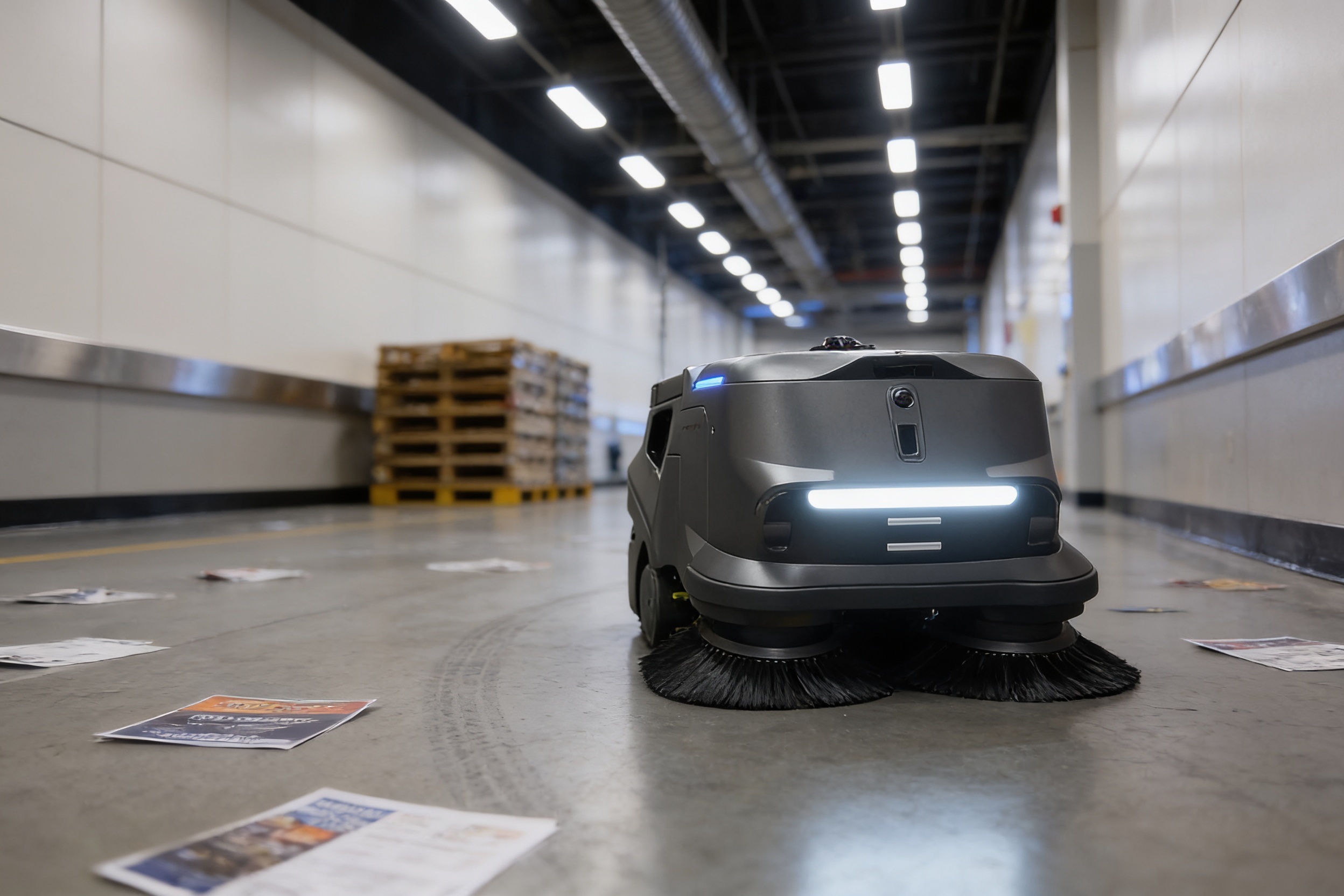
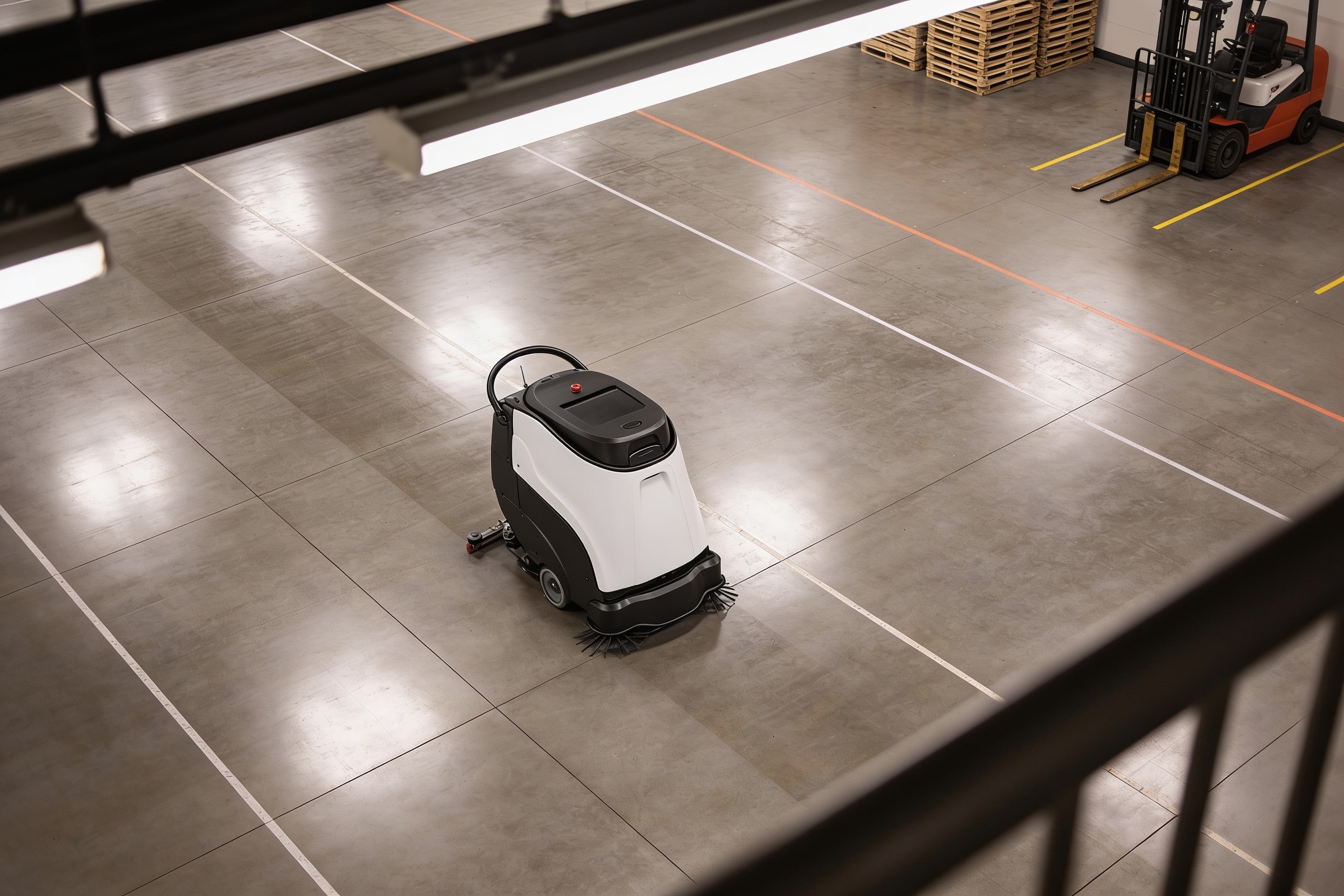
A robot wins on repeatable passes in an empty window. It follows the same route at the same pace, it does not get tired at 4 a.m., and it does not call out sick. A person wins on judgment: picking up a dropped chip stack, noticing a wet spot that is not on the map, treating a carpet stain, and handling a guest who walks into the aisle.
The table compares the two point by point. The list that follows is the work that should stay with staff regardless of what you lease.
Consistency also matters when you report upward. A robot log records which route ran, when and for how long, which gives a record that verbal reports cannot always match. Keep that log beside the count and spill records so the morning lead can see the whole night in one place.
- Carpet extraction in pit interiors
- Spills while play continues
- Anything within reach of occupied seats
- Count room and cage access and the controls that govern them
- Aisle passes after the count
Cleaning Robot
Repeats the same route on schedule at the same pace each night
Staff
Covers the route but varies pace and skips aisles when busy
- Carpet and seating areas
Cleaning Robot
Not suitable for occupied carpet and seating
Staff
Extraction and spot care, with judgment near guests
- Liquid spills
Cleaning Robot
Scrubs hard floor after staff clear the liquid
Staff
Clears the spill, reads what is still wet and handles guests
- Interaction with guests and dealers
Cleaning Robot
None; the unit should stop and yield when people are close
Staff
Full judgment, service and communication
- Gaming compliance and restricted areas
Cleaning Robot
Routes must be set so it never enters the cage or count room
Staff
Staff already know the controls and access rules
- Coverage on a short-staffed night
Cleaning Robot
Runs on schedule if the unit is charged and serviced
Staff
Depends on hiring, training and absorbing turnover
What about injury risk and wet floors?
Floors are where custodial injuries happen. According to the Bureau of Labor Statistics, there were 18,680 janitor cases with days away from work in 2019, a rate of 157.4 per 10,000 full-time equivalent workers. The leading source that year was floors, walkways and ground surfaces, with 5,040 cases, and knee and shoulder injuries were among the most common body parts affected.
That supports one practical point. A robot that takes the repetitive walking passes in the empty window reduces how often crew members push equipment through the aisle. It does not remove the wet floor. Staff still need to place cones and clear the spill before the robot runs, or the robot simply drives through the hazard.
The robot brings its own hazard, moving equipment in an aisle that guests and staff use. Set routes that avoid guest paths during the window, and ask the vendor how the unit stops and yields when a person steps into its path. Test that behavior before any route goes live, and keep the test record with your compliance file.
How do Gulf Coast climate and hurricane season affect a robot on a Biloxi floor?
According to WorldAtlas, a travel reference page, Biloxi has a humid subtropical climate with hot summers and mild winters. That source is low confidence, so check it against NOAA climate normals for Gulfport or Biloxi before you rely on it. The same page places hurricane season from June to November, which overlaps the humid months when entries get wet from foot traffic and rain.
For a robot, this matters in two ways. Humidity and salt-laden air can affect electronics and sensors, so ask for the operating humidity range in writing. Storm season can also force a closure, when staff must shut the robot down and clear it from the routes quickly. Write a storm procedure into your plan before you need it.
We did not verify monthly rainfall or humidity figures for Biloxi, so this page does not state them.
What should a facilities manager check before deciding?
The checklist below covers what changes the answer. Most of these items need confirming on the floor, not from a brochure, and several need sign-off from gaming compliance before any route is set.
We are a vendor neutral integrator for US businesses. We pick the robot for your floor from more than one manufacturer, lease it through financing, deploy and integrate it, train your staff, and service every unit under our service plan. Regional service engineers cover every state we service, so one partner handles the whole lifecycle rather than several vendors.
How does leasing a cleaning robot work with us?
The first step is a free site assessment. We map the pit aisles, mark carpet against hard floor, and time the count-to-crowd window with your crew. The payment comes as a fixed robot lease payment in a quote after that assessment, so you see the terms before any commitment.
We would suggest starting with one leased unit on a pilot route in the pit aisles, then widening coverage once the timed log and routes prove out. A backup robot program covers downtime, and our service plan includes on-site dispatch and remote triage.
If the assessment shows the pit aisles cannot be mapped inside your window, we will say so and recommend staffing changes or a narrower route instead.
Before you sign anything, ask for the quote in writing with the service terms, the response windows and the liability terms stated in full. Check those terms against your insurer's view, since coverage for a moving unit on a gaming floor is a question your insurer should answer.
Frequently asked questions
Put a robot to work in Biloxi.
We walk your site, learn the job, and recommend the unit that fits. Then we quote the lease, deploy it, and keep it serviced.
Sources
- Bureau of Labor Statistics, Occupational Outlook Handbook: janitors and building cleaners
- Bureau of Labor Statistics, janitor injury and illness snapshot, 2015 to 2019
- American Gaming Association, casino industry overview
- CDC Gaming Reports, Mississippi casino revenue for June 2026
- Mississippi Lawyer, Spring 2015, article by a Mississippi Gaming Commission deputy director
- WorldAtlas, Biloxi, Mississippi climate overview