
The question, in the buyer's words
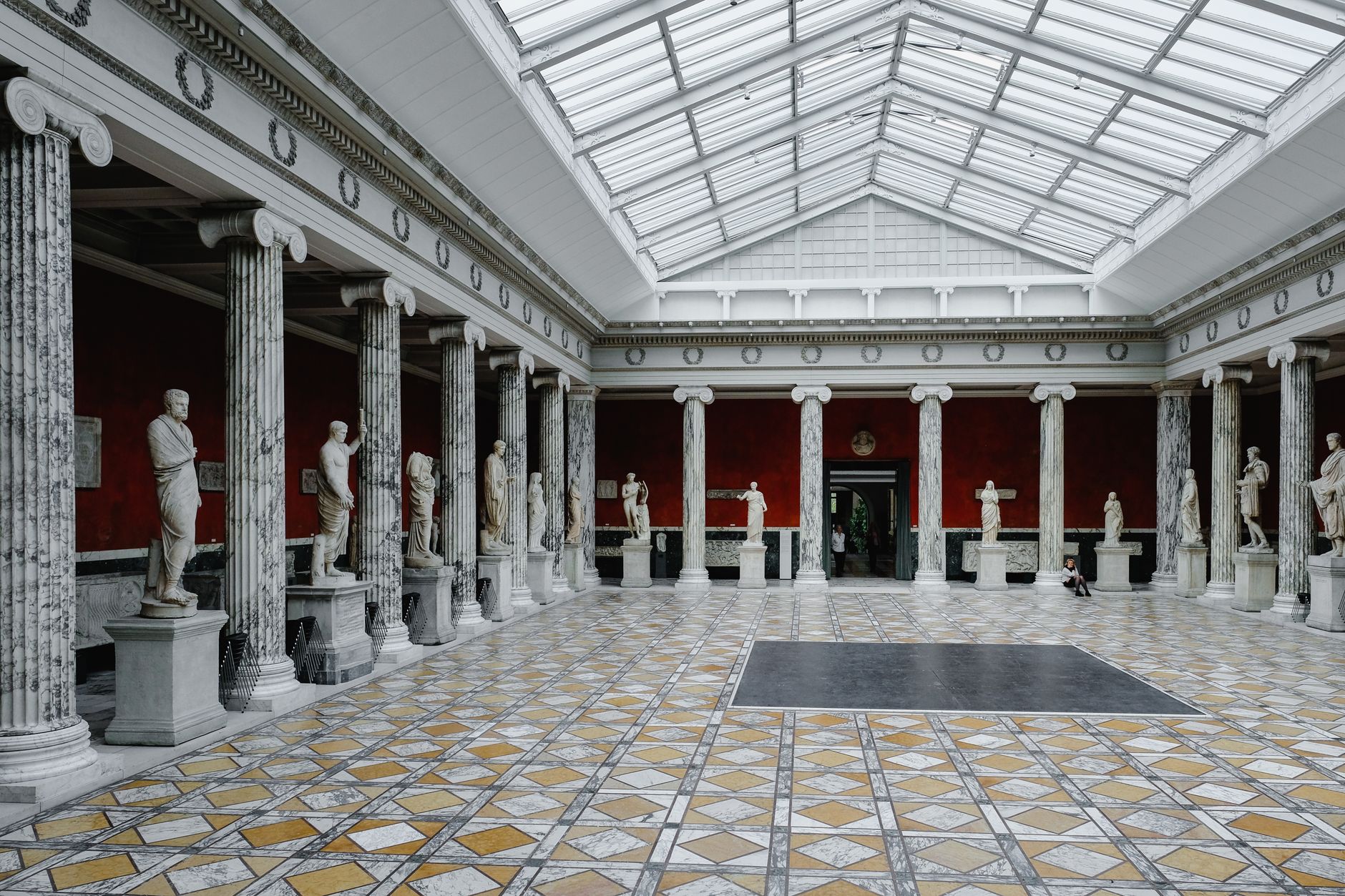
I run custodial for a 300,000-square-foot art museum in Atlanta, Georgia, and galleries pick up footprints and dust every afternoon once crowds leave; could a cleaning robot work those marble galleries at closing without stopping for sculptures or stanchions?
Key takeaways
- A floor robot can take the open marble gallery floors after close, but sculptures, plinths and stanchions must be mapped first.
- A conservator should approve the cleaning product, water volume and pad before the first run on polished stone.
- Staff still handle edges, thresholds, restrooms, spills and anything near the art.
- Atlanta spring pollen and storms call for seasonal route planning, not one fixed schedule.
- The lease is quoted after a free site assessment, with the service plan covering maintenance.
Can a cleaning robot clean an Atlanta art museum marble gallery at closing?
Art museums in the United States are more numerous than most people expect. According to the Institute of Museum and Library Services, as reported by artnet, about 35,144 museums are active in the country, more than double the 1990s working estimate of 17,500. Hyperallergic also reports more than 35,000. A museum floor plan mixes wide open stone with crowded edges, and that mix decides where a robot fits.
The straight answer for a marble gallery is partly. The open floor is a good candidate: flat stone, few obstacles and a predictable route once visitors leave. The hard parts are what make a gallery a gallery, including plinths, stanchions, rope lines, benches and the art itself, which is never a cleaning target for a machine or a mop.
Keep the robot's job narrow. It takes the open floor between walls and plinths. Staff take the edges, thresholds, stairs, restrooms and any spill that needs careful handling. No one should count on a floor robot for dusting artwork or cleaning close around pedestal bases.
Square footage on paper can mislead here. A 300,000-square-foot building is mostly not gallery floor. Corridors, offices, storage, mechanical rooms and entries all sit inside that number, so the robot's real working area is the mapped share of open gallery floor, which the site assessment measures directly.
What can a floor robot do on polished marble, and what can it not do?
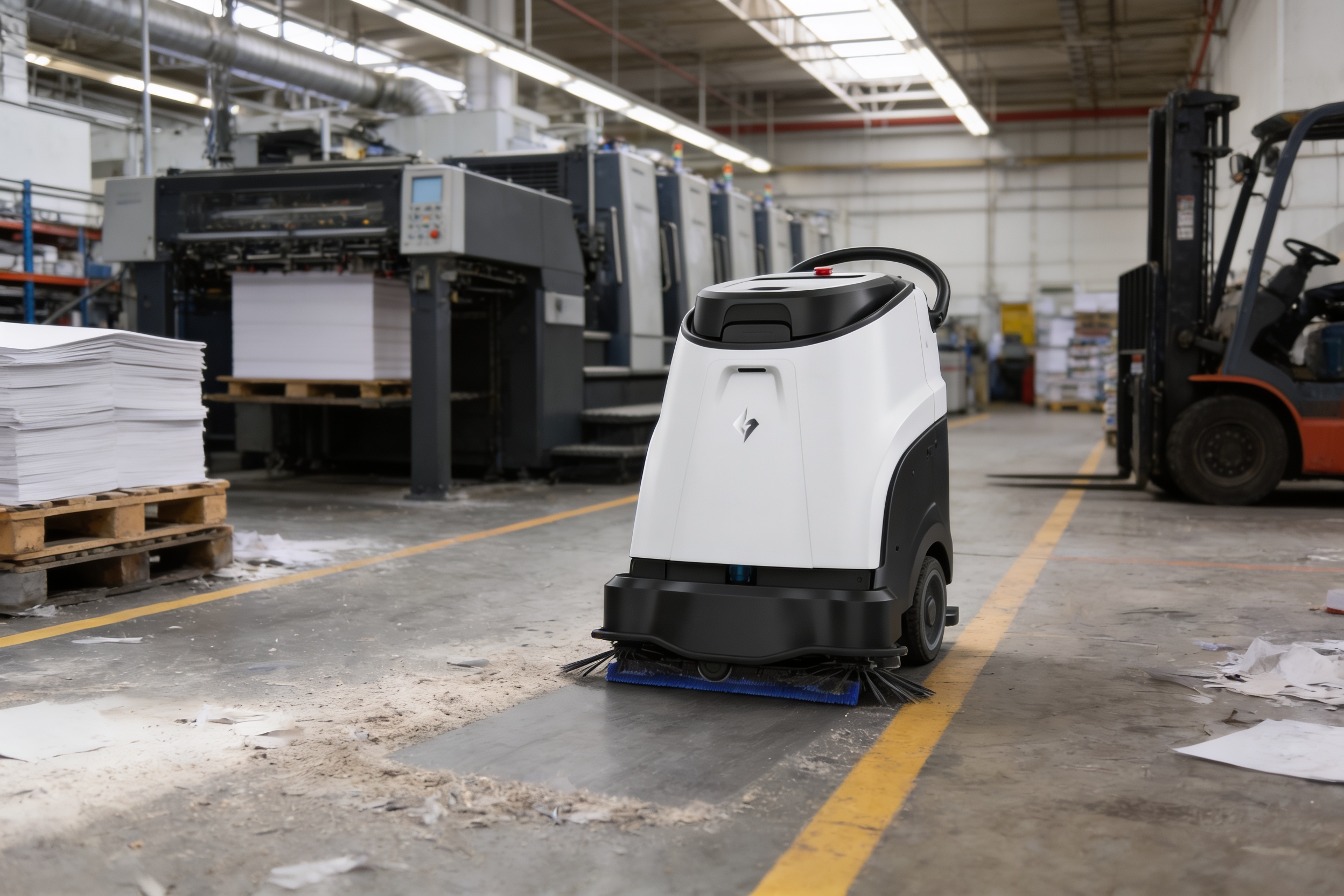
A floor robot builds a map of the room, follows a set route, and slows or stops when its sensors see an obstacle. Sculptures on plinths and stanchions are the obstacles that matter in a gallery, so they should be mapped as keep-out zones with a clear margin rather than left to chance. Glossy stone can reflect light and confuse some sensors, so the first runs should be watched closely in the actual galleries, with the lights set as they are at closing.
Polished marble is sensitive to the wrong chemistry and to standing water. A scrubber that leaves a film, or a cleaner with the wrong pH, can dull the finish over time. Have a stone conservator or the museum's preservation team approve the cleaning product, the water volume and the pad type before the robot runs, then inspect the floor after the first several cycles.
A sweeper may be the safer first step in the galleries, with wet scrubbing kept for lobbies and service corridors until the finish has been checked. That choice belongs to the team that owns the collection care plan, and the robot should follow it, not the other way round.
Why is one custodian short, and what are other cleaning teams doing?
The labor picture is tight but not sudden. The Bureau of Labor Statistics projects employment for janitors and building cleaners to grow about 2% from 2024 to 2034, slower than the average for all occupations, adding roughly 47,800 jobs. The same projection shows about 351,300 openings a year on average, mostly from replacement of workers who leave. The job is hard to fill because people move on, not because the work disappears.
Being one person short means every absence lands on the same two or three people. A robot does not replace the custodian you lost, but it can take the repetitive open-floor passes so the person on shift can cover the edges, restrooms and the closing walk-through.
BLS does not publish an occupation-level turnover rate on that page. For turnover, the Job Openings and Labor Turnover Survey, broken out by industry, is the better source, and it is a useful number to ask for when you compare staffing plans. BLS also publishes Atlanta metro occupational employment for janitors and building cleaners under area code 12060, but we did not verify a local count for this page.
Most teams have not moved yet. In a 2019 autonomous cleaning survey by ISSA, nearly 23,000 contractors, in-house providers and facility managers were surveyed. About two-thirds had not used autonomous cleaning equipment, and 27% were active users. In a 2025 contract cleaning benchmarking survey by CMM, 68% said they had not implemented autonomous or robotic equipment, and about 17% said no but were considering it.
What injury risk does custodial work carry, and why should a manager care?
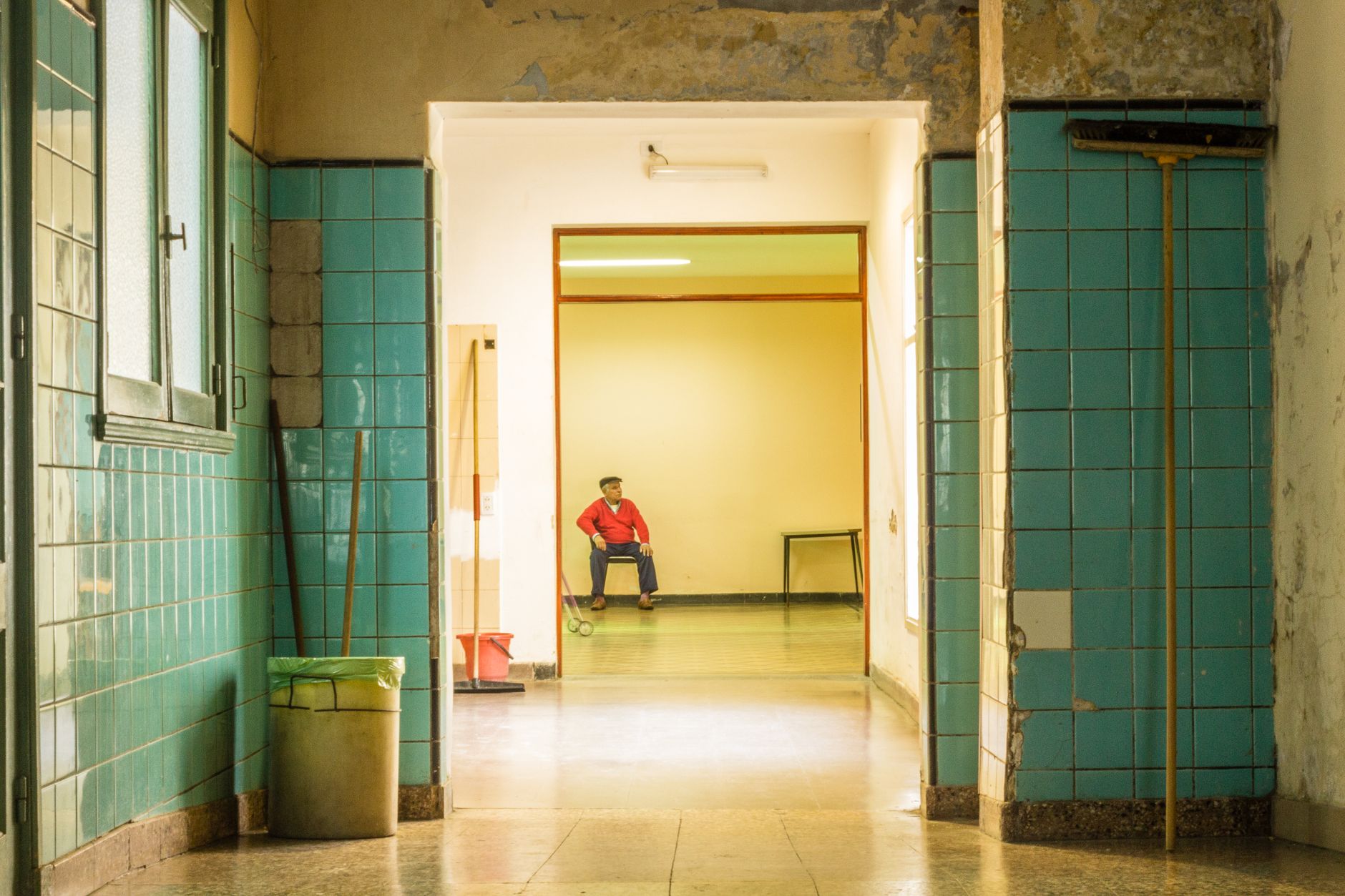
Custodial work is physically demanding, and the injury data is worth weighing before you add staff or equipment. The latest BLS rate we could confirm is for 2020: 191.6 nonfatal injury and illness cases with days away from work per 10,000 full-time equivalent workers, for janitors and cleaners, except maids and housekeeping cleaners, in private industry. That year there were 21,100 such cases.
The 2019 comparison in the same BLS series puts this occupation at 157.4 per 10,000 full-time equivalent workers, against 86.9 for all occupations. We did not find a 2021 to 2025 figure, so treat these as the most recent published numbers we could confirm, not as a picture of today.
For a museum, the lesson is about load. Repetitive floor passes, pushing heavy carts and working through a short closing window add up across a week. A floor robot does not remove the detail work, but it can take the long, repetitive passes that wear people down, which leaves the remaining staff free for the parts that need judgment.
How does Atlanta's climate affect floors and cleaning schedules?
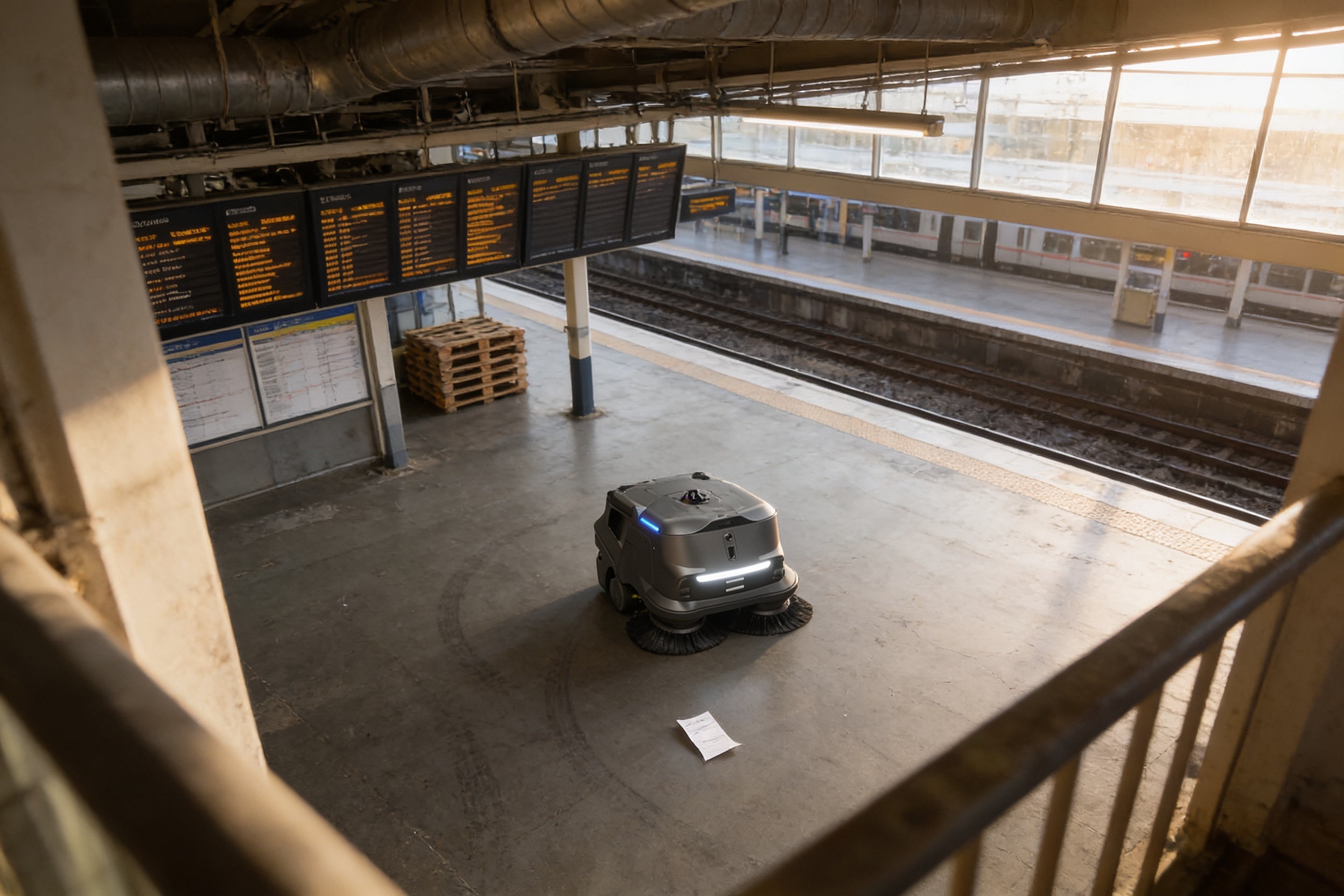
Atlanta has a humid subtropical climate, with rain spread through the year and spring and early autumn drier than other seasons. Summer is the most humid season, running from late spring through early fall. Humidity slows drying on wet-scrubbed floors, so a damp gallery left after close needs time to dry before the doors open and visitors walk on it.
Spring brings pollen. According to atlanta.com, pollen typically spikes in March and April, mainly from pine and oak, leaving yellow dust on floors, entries and cars. Spring is also one of the stormier seasons, with thunderstorms that can bring localized flooding. Entry mats and loading areas may need extra dust removal in March and April, and the route should be reviewed in storm weeks, especially if water comes in through doors or docks.
A robot schedule should therefore flex by season. A sweeper can run more often in pollen season, while wet scrubbing can be lighter in humid months and timed around dry time. These seasonal adjustments should be part of the route plan from day one, and they are easy to review during a free site assessment.
What does a closing shift look like with a robot and staff?
A sample evening shows how the work divides. The robot takes the open floors on a mapped route, and staff take everything that needs a person. The timeline below is an example only. Real times depend on your closing hours, staffing levels and the layout of your galleries.
Staff set up before the robot starts. They clear visitor areas, place keep-out markers at pedestals and move portable stanchions out of the robot's path. Once it runs, someone checks the first stop, watches for any halt caused by an obstacle, and confirms that the first pass covered the expected area.
After the robot returns to its dock, staff review the log, empty any collection bins, note faults, and hand-clean edges, restrooms and thresholds. Faults and route issues go to remote triage first, then to on-site dispatch if needed, so the galleries are ready for the morning walk-through.
Which gallery areas should the robot cover, and which stay with staff?
Split the building into zones before anything else. The robot earns its place where the floor is broad and flat. It loses value where the floor is fragile, crowded with objects, or broken up by thresholds and stairs. The six zones below are a starting point for the site assessment, not a final map.
Keep the zone map in writing. Each keep-out zone should be tested at the real margins, and the map should be signed off by collection care and the facilities team together. When the two teams agree on the map, the robot's route is easier to defend to trustees and insurers, and easier to change when an exhibition moves.
Expect the map to change with each exhibition. New plinths, moved stanchions and temporary walls all change the route, so the robot needs a re-mapping step built into the exhibition install schedule.
How do you start with a leased robot, and what should you check first?
Start small and in one part of the building. A pilot on the open marble bays of one or two galleries lets you test sensors, keep-out zones and the cleaning method before you widen the route. We begin with a free site assessment, where the galleries are mapped and the zones are agreed. The fixed robot lease payment is quoted after that assessment, through financing, so the terms are visible before anything is decided.
We deploy and integrate the robot, train your staff, and service the unit under our service plan. Regional service engineers provide on-site dispatch, remote triage handles first response, and we can discuss spare unit coverage for critical periods so one fault does not leave the galleries uncleaned during a busy season. Maintenance is covered under the plan, so the museum is not chasing separate vendors for each repair.
Before deciding, check the items in the list below. The answer changes if the floors are not flat, if conservator approval cannot be obtained, or if no one can cover the edge work and spill response at closing.
What should a museum ask a robot vendor before signing a lease?
Ask for the map and the margins in writing. A vendor should show how each plinth, stanchion and rope line appears in the route, what clearance the robot keeps, and who tested that clearance in your galleries rather than in a demonstration room.
Ask who approves the cleaning method. The product list matters less than the conservator's sign-off on the chemistry, water volume and pad, and the vendor should accept that approval as a condition of the first wet run.
Ask how a fault reaches a person. Find out how remote triage works after hours, how quickly on-site dispatch can reach your building in Atlanta, and what happens to the galleries if a unit is down for a day during a busy season. Ask for the lease and service terms together, in writing, before you compare quotes.
- A written keep-out map for every plinth, stanchion and rope line, with tested margins
- Conservator sign-off on the product, water volume and pad before the first wet run
- After-hours remote triage and a named on-site dispatch path
- Spare unit coverage for exhibition openings and busy weekends
- Log access so the custodial lead can review each night's route and any halts
Frequently asked questions
Upcoming museums & cultural venues events
Put a robot to work in Atlanta.
We walk your site, learn the job, and recommend the unit that fits. Then we quote the lease, deploy it, and keep it serviced.
Sources
- U.S. Bureau of Labor Statistics, Occupational Outlook Handbook: Janitors and Building Cleaners
- U.S. Bureau of Labor Statistics, Injuries, Illnesses and Fatalities snapshot: Janitors and Cleaners, 2016 to 2020
- artnet News, number of US museums (IMLS figure)
- Hyperallergic, more than 35,000 museums in the United States
- ISSA, Autonomous Cleaning Survey summary (2019)
- CMM, contract cleaning benchmarking on robotics adoption (2025)
- atlanta.com, Atlanta year-round weather guide
- atlanta.com, Atlanta weather averages