
The question, in the buyer's words
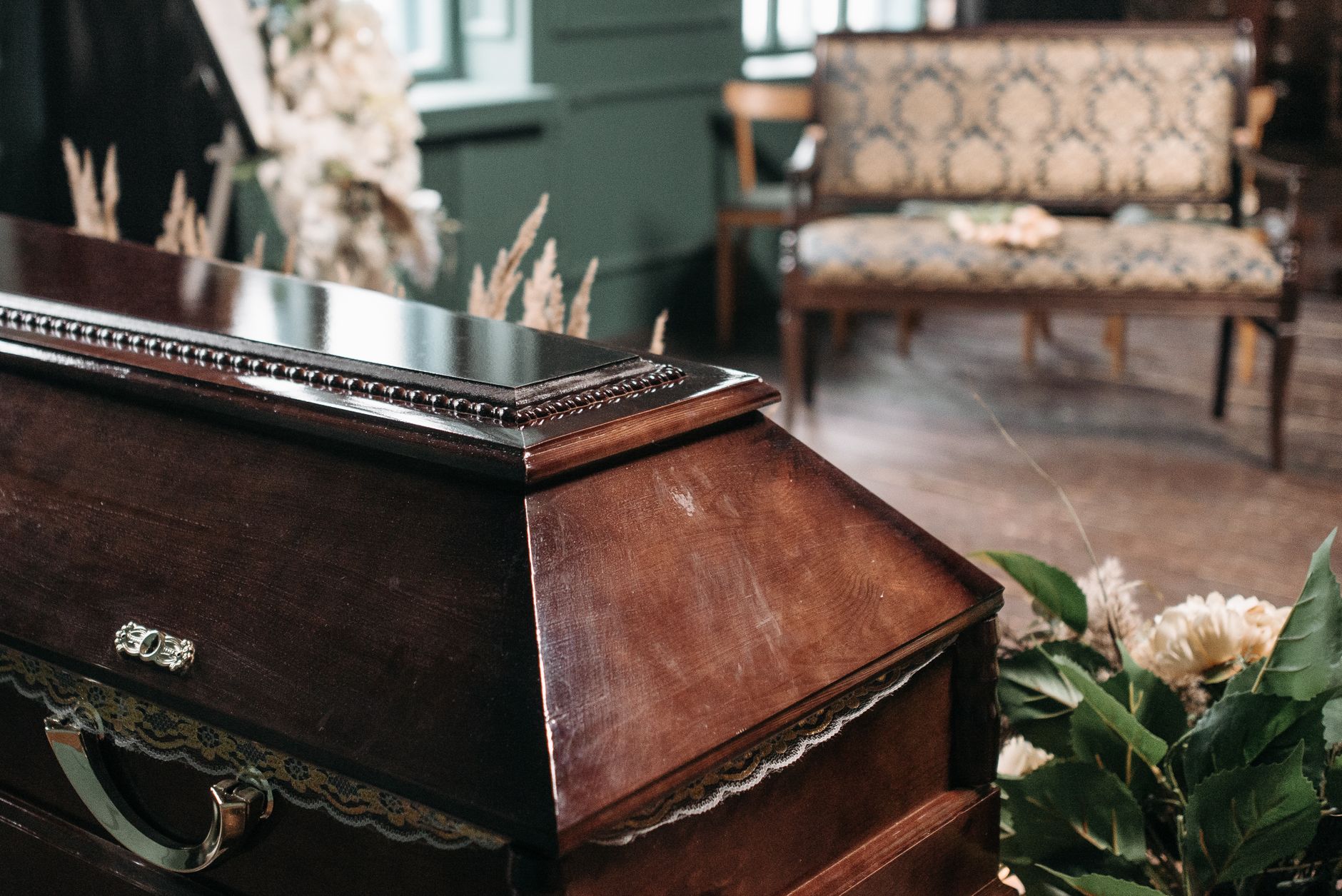
I run a funeral home in Cleveland, Ohio with two viewing rooms and a chapel, and our staff keep stepping away from families to mop before services; could a cleaning robot handle those floors overnight without disturbing a viewing?
Key takeaways
- Overnight floor cleaning robots suit the hard floors of an empty chapel and viewing rooms, not spills during a visitation.
- Carpeted viewing rooms need a vacuum-style robot or staff, not a scrubber.
- Your service calendar, not a generic overnight window, decides when the robot can run.
- Staff still handle spills, track-in during services and the daily unit check.
- Service Robot Co. measures the building for free, then quotes a lease through financing with maintenance included.
Can overnight floor cleaning robots handle a Cleveland funeral home?
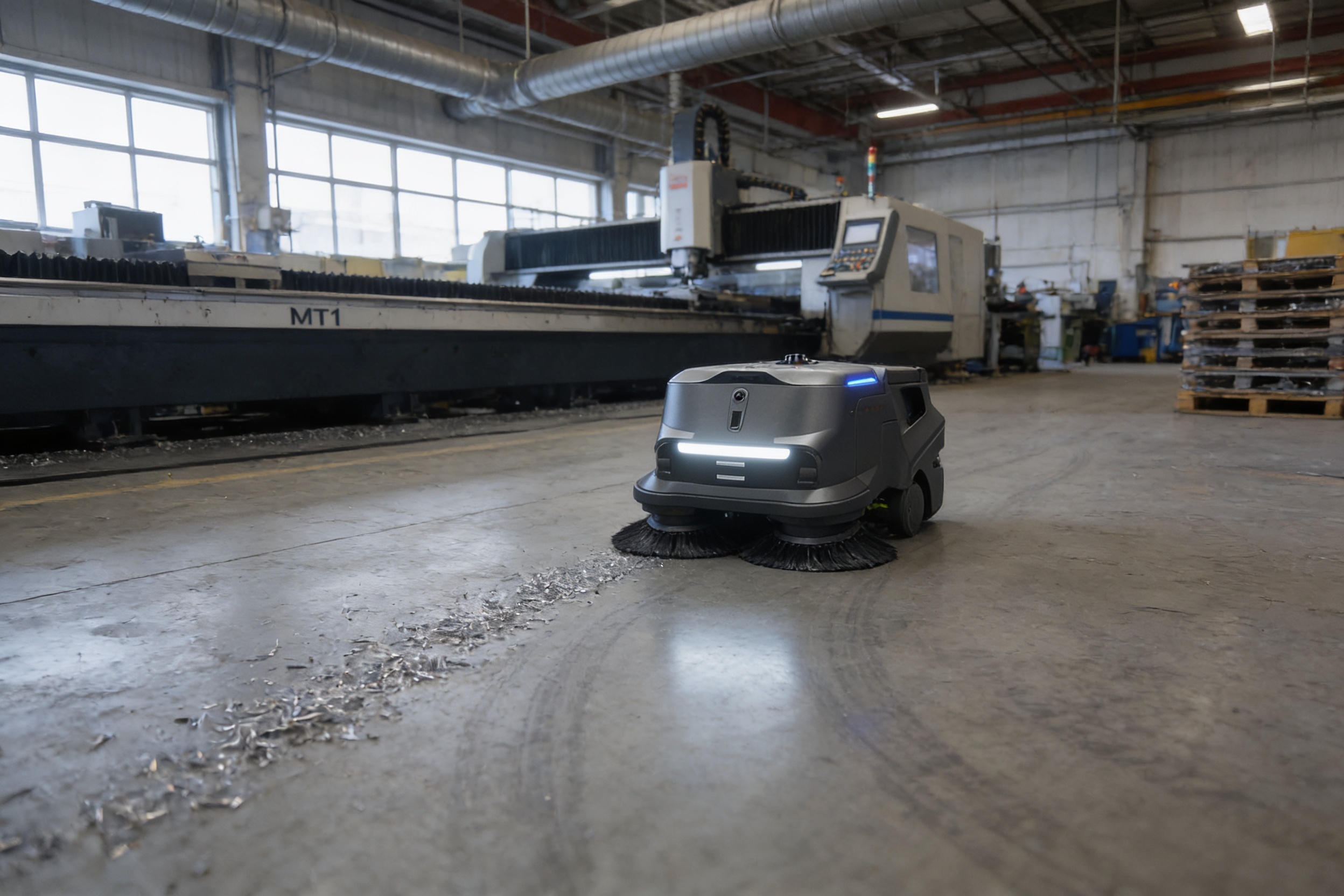
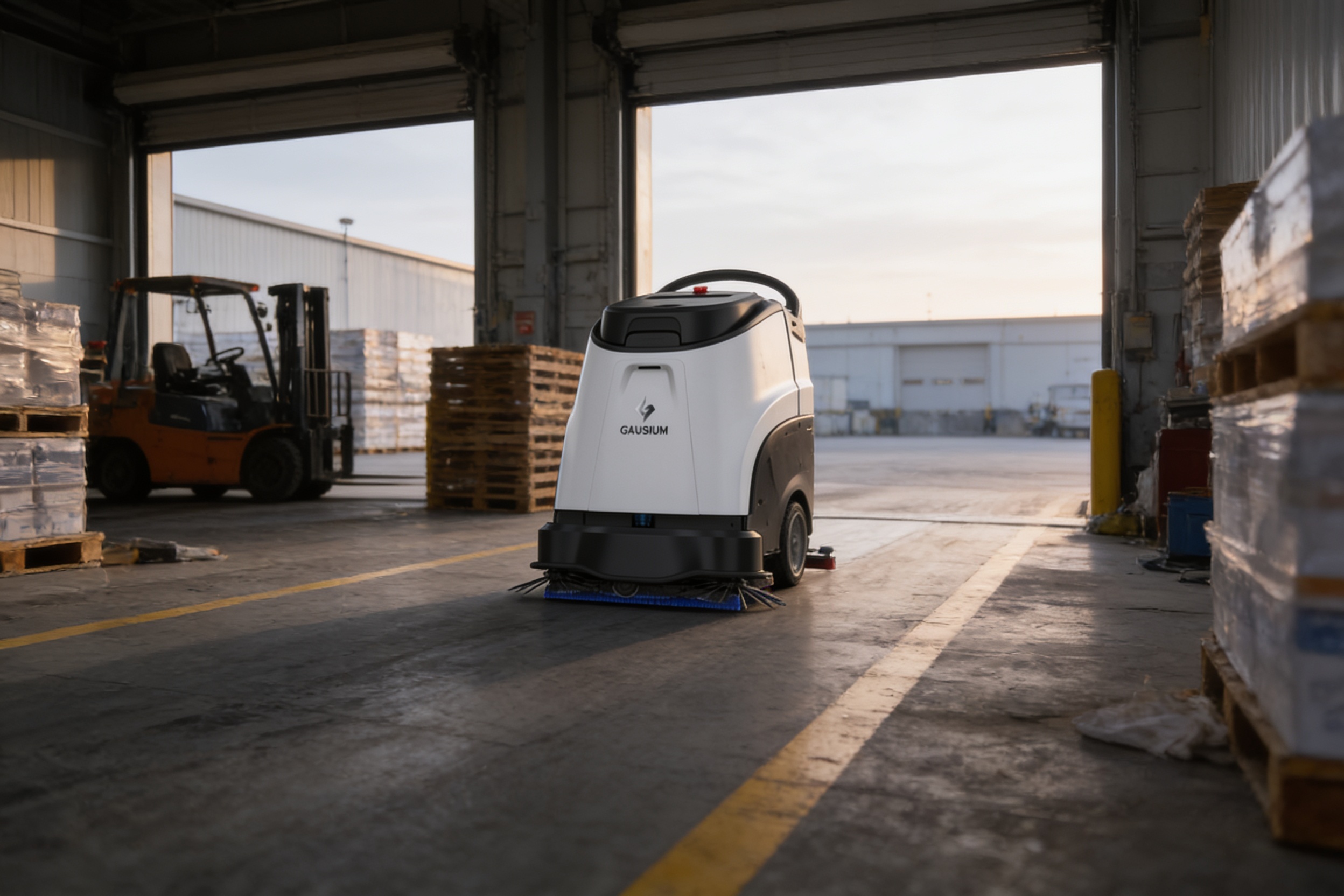
Yes, for the hard floors in a Cleveland funeral home, and only when the robot runs at a time when no family is in the room. An autonomous floor scrubber is a wheeled machine that maps a route, then scrubs or sweeps it with no operator at the controls. For a building with a chapel and two viewing rooms, the central question is whether the mopping can move to a window when nobody is grieving in the rooms it covers.
Overnight floor cleaning robots can take the scheduled hard-floor work in your chapel and viewing rooms after the last service, so staff no longer stop mid-task to mop before a family arrives. They do not take over a spill during a visitation, a wet footprint at the door during a service, or a room that needs a personal touch after a difficult day. Plan for the robot to handle the routine floor passes, and keep people for everything that happens while families are present.
Service Robot Co. (servicerobotco.com) is a full-service commercial robot integrator. We pick the robot for your floors, lease it through financing, deploy and integrate it, train your staff and service it under RoboCare, backed by regional service engineers. The lease quote comes after a free site assessment, because your floor types and service calendar decide the answer.
Why are funeral home staff stopping to mop before services?
Most funeral homes are small, independent operations. According to the National Funeral Directors Association, 15,401 funeral homes operate in the United States, and about 75% are family or privately owned. In a small building, the person who arranges a service is often the person who greets the family and then walks back to the mop bucket. Floor work ends up in the gaps between arrangements, visitations and services, which is where the interruptions come from.
The labor pool for floor work is not growing fast. According to the Bureau of Labor Statistics, about 2.4 million jobs were held by janitors and building cleaners in 2024, and employment in that group is projected to grow 2% from 2024 to 2034, slower than the average for all occupations. Services to buildings and dwellings is the largest employer in that group, at 35%. Finding a dependable custodian for a few scheduled hours is not guaranteed, so plan the floor work around your own staff and a machine rather than the hope of a new hire.
The Bureau does not publish a turnover rate for this group in the material we reviewed, so we cannot say how often a custodian leaves. The better measure is your own. Ask your staff how many times in a week someone stepped away from a family to clean, and how long each stop took. Those notes set the scope of the robot's work more accurately than any national figure.
Which floors suit a floor cleaning robot?
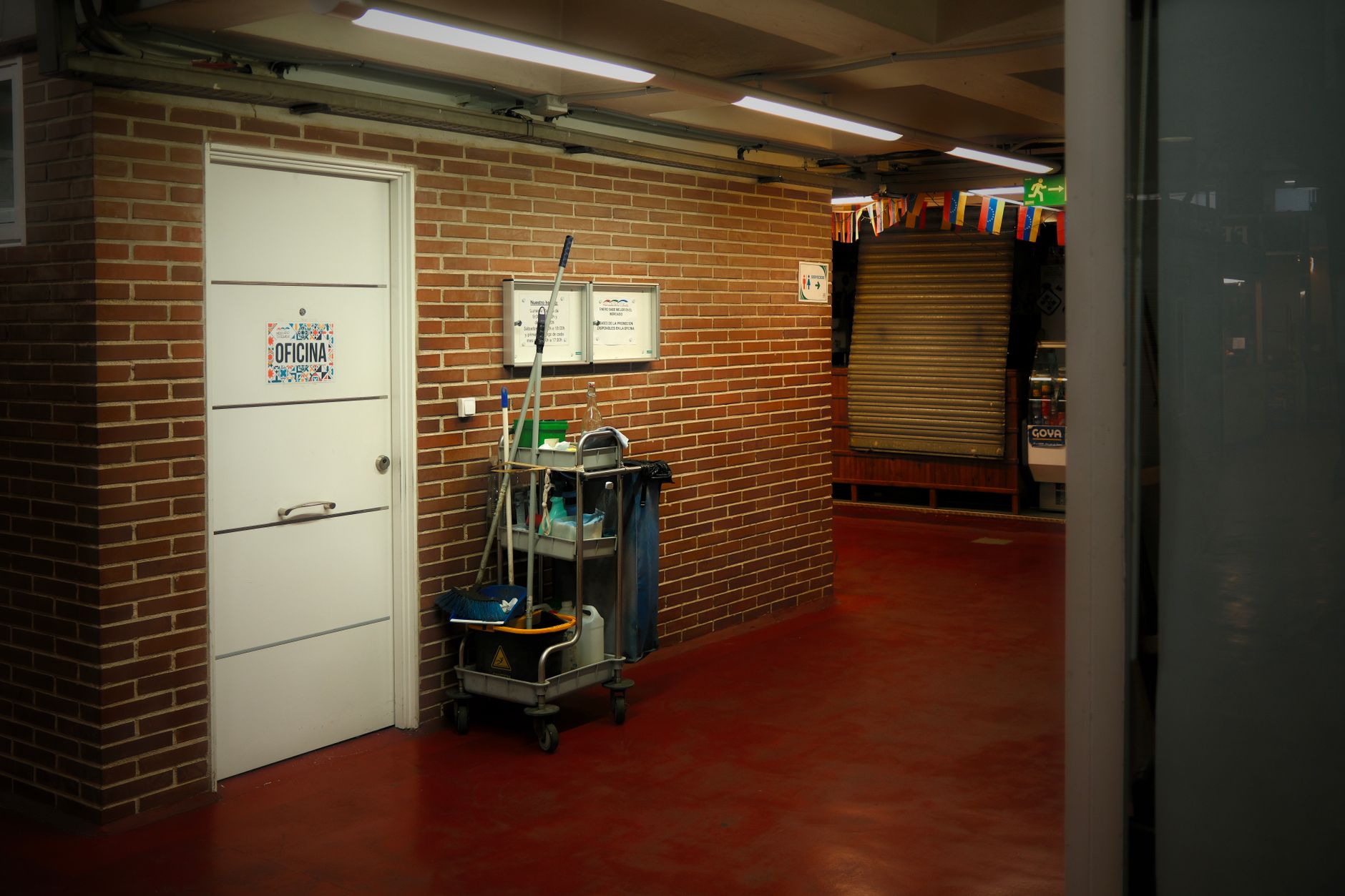
Scrubbers work best on sealed hard surfaces. Sealed concrete, tile, luxury vinyl plank and sealed wood with a smooth finish are the usual candidates. A chapel center aisle in tile or stone is a strong fit. Carpet is another job: a vacuum-style robot or staff handles it, because wet scrubbing can damage carpet, so a scrubber route should skip it.
Thresholds, raised entries, steps and carpet transitions set the limits. A robot cannot climb a step or cross a raised threshold, so the route has to be drawn around them or planned with staff who know the building. These details come from a walk-through, not from a floor area figure, and they decide whether a route exists at all.
Furniture is the other factor. Chairs, kneelers, easels and the casket cart need a clear path when the run starts. If the chapel is rearranged for each service, set a standing rule that staff reset the room to a fixed layout before the window opens. Otherwise the robot stops at obstacles and the run ends early.
- Sealed concrete, tile, luxury vinyl plank or sealed hardwood: usually a scrubber route
- Carpet in viewing rooms or family areas: vacuum-style robot or staff
- Thresholds, steps and raised entries: mapped as no-go points or handled by staff
- Pews, kneelers, easels and casket carts: moved to a fixed spot before the window
Will a robot disturb a viewing or a service?
It can, if the schedule is wrong. Scrubbers make a steady motor and brush sound, and they stop or slow when something moves into their path. Schedule runs for the gap after the last service and before the first arrival, and set a buffer, decided with your staff, so that no run starts close to a visitation. The buffer is a setting you control, not a fixed rule from us.
Most funeral homes run on a rhythm of arrangements, visitations and services, so the cleaning window is usually the stretch after the last family leaves for the night. Some homes hold late visitations, and some hold early morning services. The robot schedule should follow the calendar you already keep, not a generic overnight window copied from an office building.
Cremation is now the majority disposition across the country. According to the National Funeral Directors Association, cremation is projected at 63.4% of US dispositions in 2025, against 31.6% for burial. National shares do not describe your calendar, so count your services by type for the last year before you set a schedule. The mix you actually run decides how many open windows you have.
Safety around people who are not staff matters too. A visitor, a child or an elderly guest walking into the route should trigger a stop, and staff should know how the unit reports that stop and who responds. Ask for that behavior in writing before the first run.
What does Cleveland's winter weather add to the floor work?
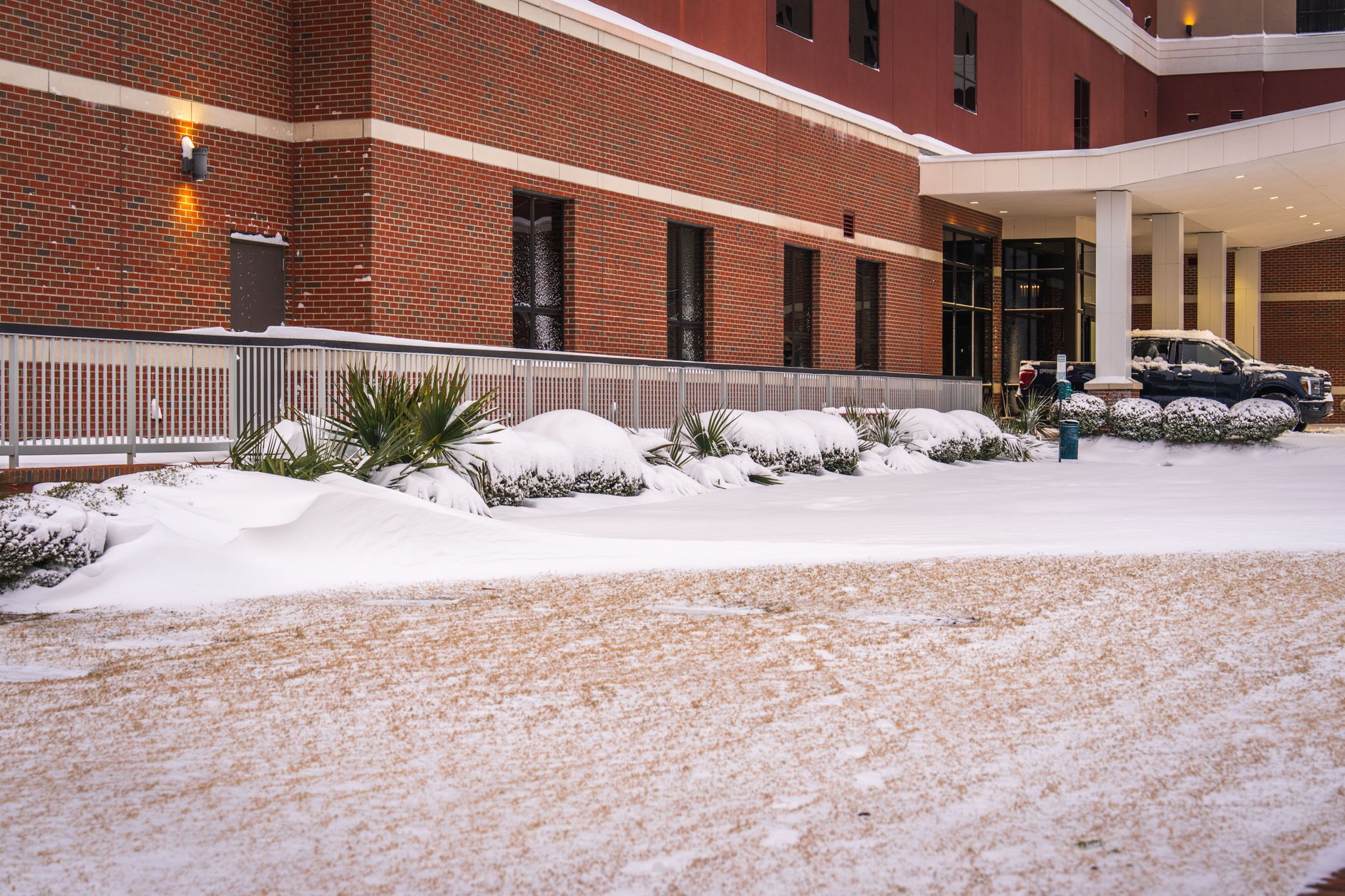
Cleveland's winters bring wet footprints, grit and road salt into entries and corridors, and that load falls on the same floors families walk across during a service. The National Weather Service Cleveland office publishes snowfall climate records using the 1991 to 2020 normal period, so you can pull the local record for your own season rather than relying on a general estimate. We did not turn those records into a figure for this page.
Separate the two winter problems when you plan. Entry vestibules and the first stretch of corridor may take the most track-in, so they may need a short staff pass during the day in addition to the overnight run. Interior chapel and viewing room floors may take less, so the overnight route can handle them on its own. Measure the entry load through the winter months, because a single dry week does not show the real pattern.
Check the finish and the cleaning product before the first run. Winter salt residue left to dry can dull a floor finish, and not every cleaning product is approved for every sealer. Ask your floor finish supplier which products the finish is rated for, and confirm that the robot's cleaning product matches before the unit runs on that floor.
How does a robot compare with a person on this job?
A person still wins on judgment. A staff member can see a dropped handkerchief, a spilled tray or a family member who needs help, and can stop the work at once. A robot does none of that, and it should not be asked to.
The robot wins on repetition and timing. It runs the same route at the same hour, never steps away from a family, and works in a window when no staff person needs to be in the building. Its pass count is consistent from one night to the next. A person's time is spread across arrangements, phone calls and services, so the mop is the task that gets pushed later.
Adoption of autonomous cleaning is still early in the industry. According to a 2019 survey by AACEM and ISSA, the sector described adoption as in an infant stage, and about one-third of respondents who had not adopted said they were somewhat likely to adopt within the next year. Of the respondents, 37% were in-house service providers and 19% were facility or property managers. That survey is seven years old, so it shows the early market, not today's.
The table below sets the two side by side, including where a person does the job better.
- Overnight coverage
Cleaning Robot
Runs a fixed route on a set schedule with no staff in the room
Staff
Needs a scheduled shift and someone willing to stay after the last service
- Spill during a visitation
Cleaning Robot
Cannot respond; it should stop and alert staff
Staff
Stops, assesses the spill and cleans it at once
- Consistency from night to night
Cleaning Robot
Repeats the same route and pass count each run
Staff
Varies with workload and with each interruption
- Reading the room
Cleaning Robot
Cannot judge a grieving family from an empty room; relies on the schedule and sensors
Staff
Reads the room, adjusts the work or stops
- Furniture changes
Cleaning Robot
Stops at obstacles unless the layout is reset
Staff
Moves chairs and adapts on the spot
- Hard floor edges
Cleaning Robot
Follows the mapped edge on every run
Staff
Depends on the time available that night
How many hours does the mopping really take?
We could not find verified hour figures for mopping at funeral homes in this research, so this page does not state a number for your floors. The first measurement comes from the site assessment, which times a walk through the chapel, viewing rooms and corridors, and checks how staff time is split across the day.
Before the assessment, track three things for one week: how many times a staff member leaves a family to clean, how long each interruption lasts, and which floors are cleaned that way. Those notes show the real load, and they set the robot's route, schedule and unit count. A home with two viewing rooms and a chapel may need one unit or more depending on the calendar, and the log answers that question better than an estimate.
The hours table lists the task categories we would measure and what changes once the robot runs the scheduled floor work. Fill in the today column from your own log, not from a general figure.
| Task | Today | With a robot |
|---|---|---|
| Mop the chapel center aisle before a service | Staff stop mid-task, length not yet logged | Overnight run after the last service, no staff involved |
| Clean hard-floor edges of viewing rooms | Staff step away from families, time not logged | Scheduled run in the gap between visitations |
| Clear track-in at the entry vestibule | Quick passes during services | Short staff pass during the day, plus the overnight run |
| Mop the corridor between rooms | Full mop before arrivals | Overnight run on a fixed route |
| Reset furniture and check the unit | Not done, floors wait for staff | Close-of-day reset set during the site assessment |
No verified funeral home hour figures were found in the research for this page, so no hours are shown. Fill in the today column from a one-week staff log and the timed walk-through during the site assessment.
How does getting a robot work with Service Robot Co.?
The process starts with a free site assessment at your building. We map the chapel, viewing rooms and corridors, note floor types and thresholds, and record your service calendar and the furniture rules your staff follow. The lease quote comes only after that assessment, through financing, so the figure reflects your floors rather than a generic plan.
We lease the robot through financing, deploy and integrate it into your schedule, train your staff on the daily checks and stop alerts, and service the unit under RoboCare, with maintenance included, on-site dispatch, remote triage and a backup robot program if a unit goes down. A single leased unit is a reasonable first step for a building like this, because it lets you check the cleaning window for several weeks before a second unit is discussed.
Service is nationwide through regional service engineers, so emergency response does not depend on one local dealer. If the chapel layout changes, we re-map the route instead of starting over. The steps below show the order.
Frequently asked questions
Upcoming events in Ohio
No events are listed in Cleveland yet. These are elsewhere in Ohio.
Put a robot to work in Cleveland.
We walk your site, learn the job, and recommend the unit that fits. Then we quote the lease, deploy it, and keep it serviced.
Sources
- National Funeral Directors Association, funeral home statistics
- National Funeral Directors Association, 2025 Cremation and Burial Report
- Bureau of Labor Statistics, Occupational Outlook Handbook: Janitors and Building Cleaners
- AACEM and ISSA Autonomous Cleaning Survey Report (2019)
- National Weather Service Cleveland, snowfall climatology