
The question, in the buyer's words
I run three grocery stores around Kansas City, Missouri, and the sales aisles get sticky with spills and cart grime every night while our overnight crew is one person; could a cleaning robot work those aisles after close without blocking the restock carts?
Key takeaways
- Partly yes: a night cleaning robot can scrub open sales aisles after close, but not dried sticky residue.
- Restock carts need a fixed staging zone and a mapped route, or the robot stops and waits.
- The overnight worker is the bottleneck, so the first job is pre-close manual work, not the robot.
- Kansas City's average annual rainfall and occasional heavy snow track grime onto entrances and aisle floors.
- Test one store with the heaviest traffic and measure the night before you commit to three.
What does a night cleaning robot do on Kansas City grocery sales aisles?
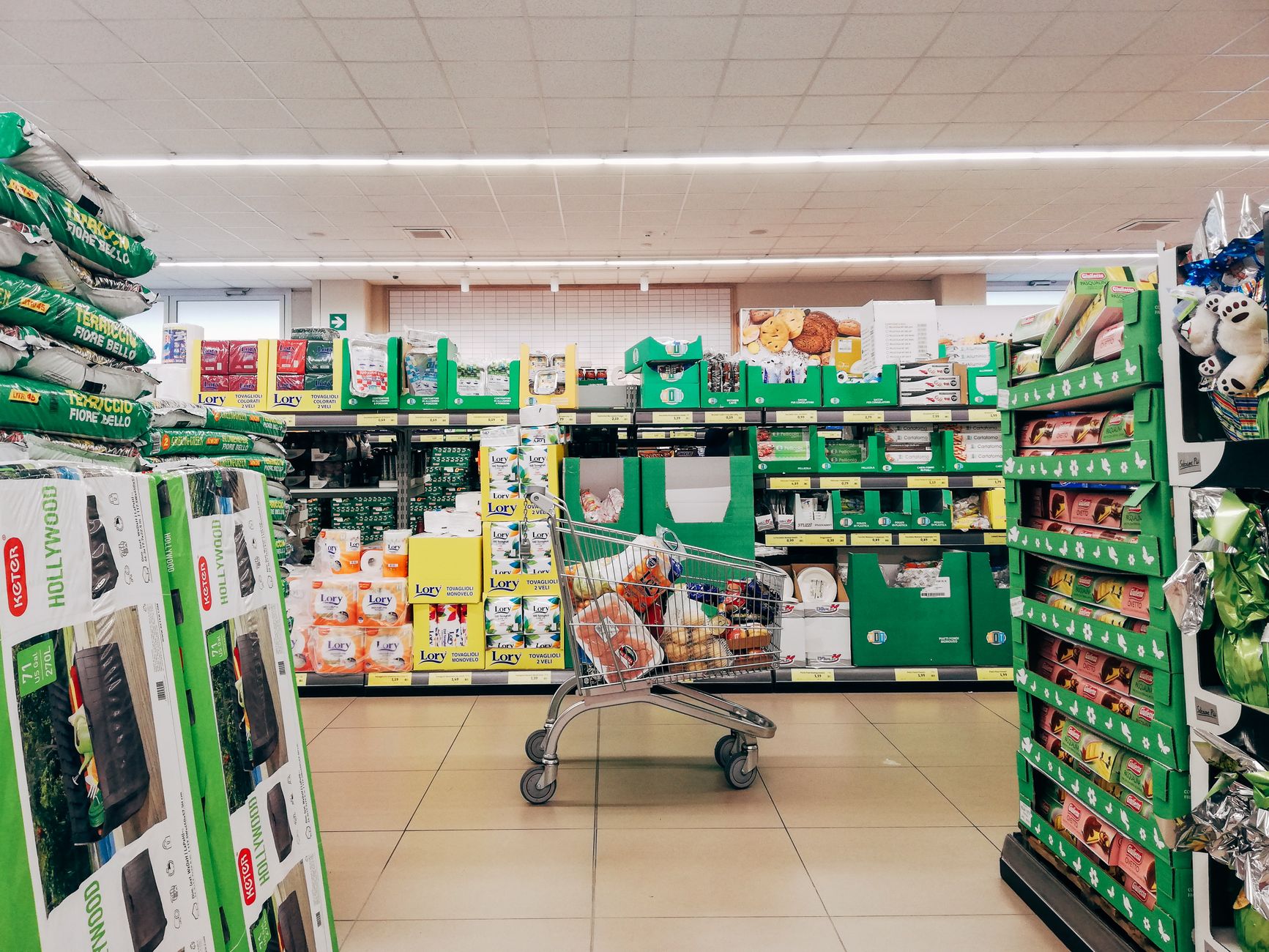
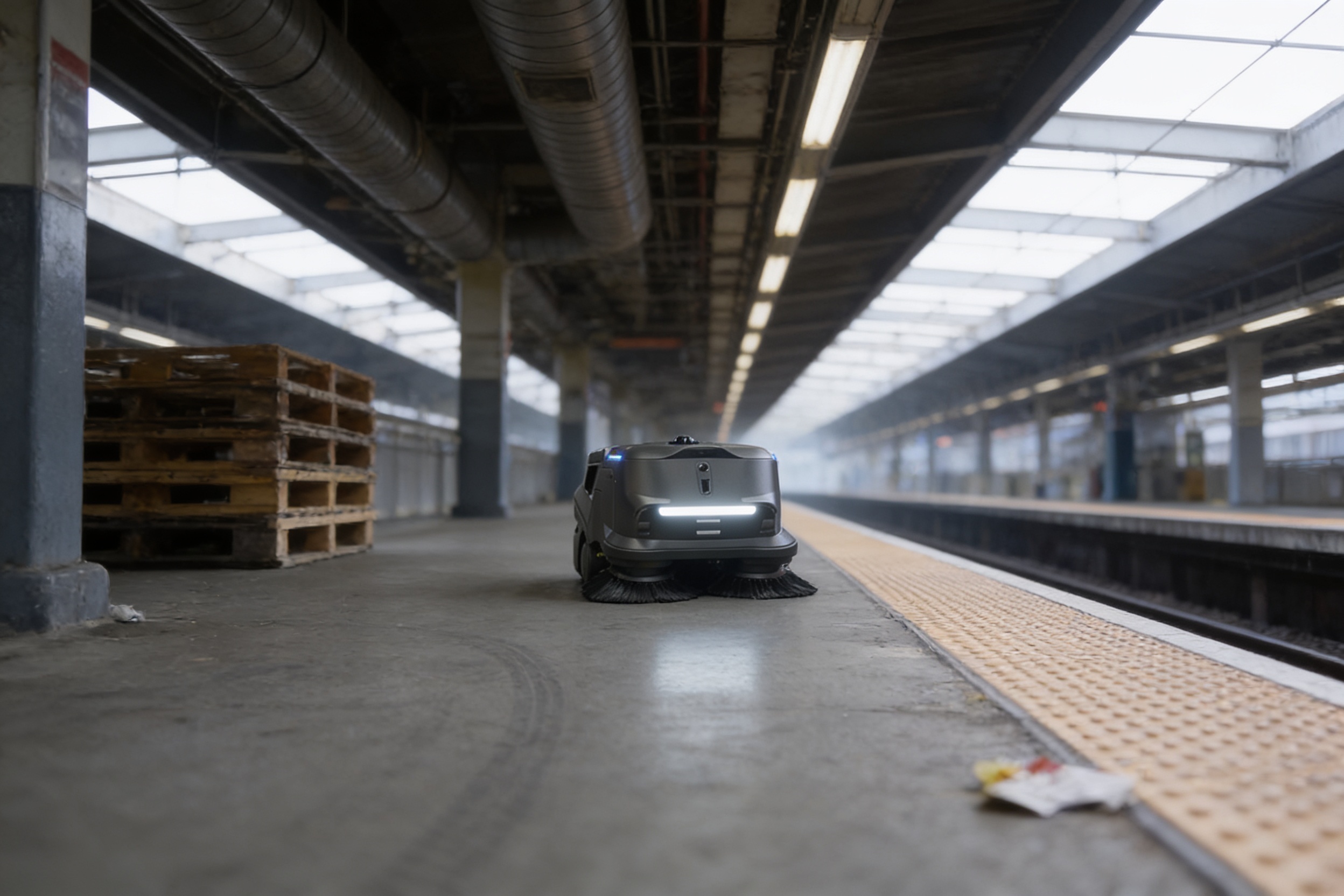
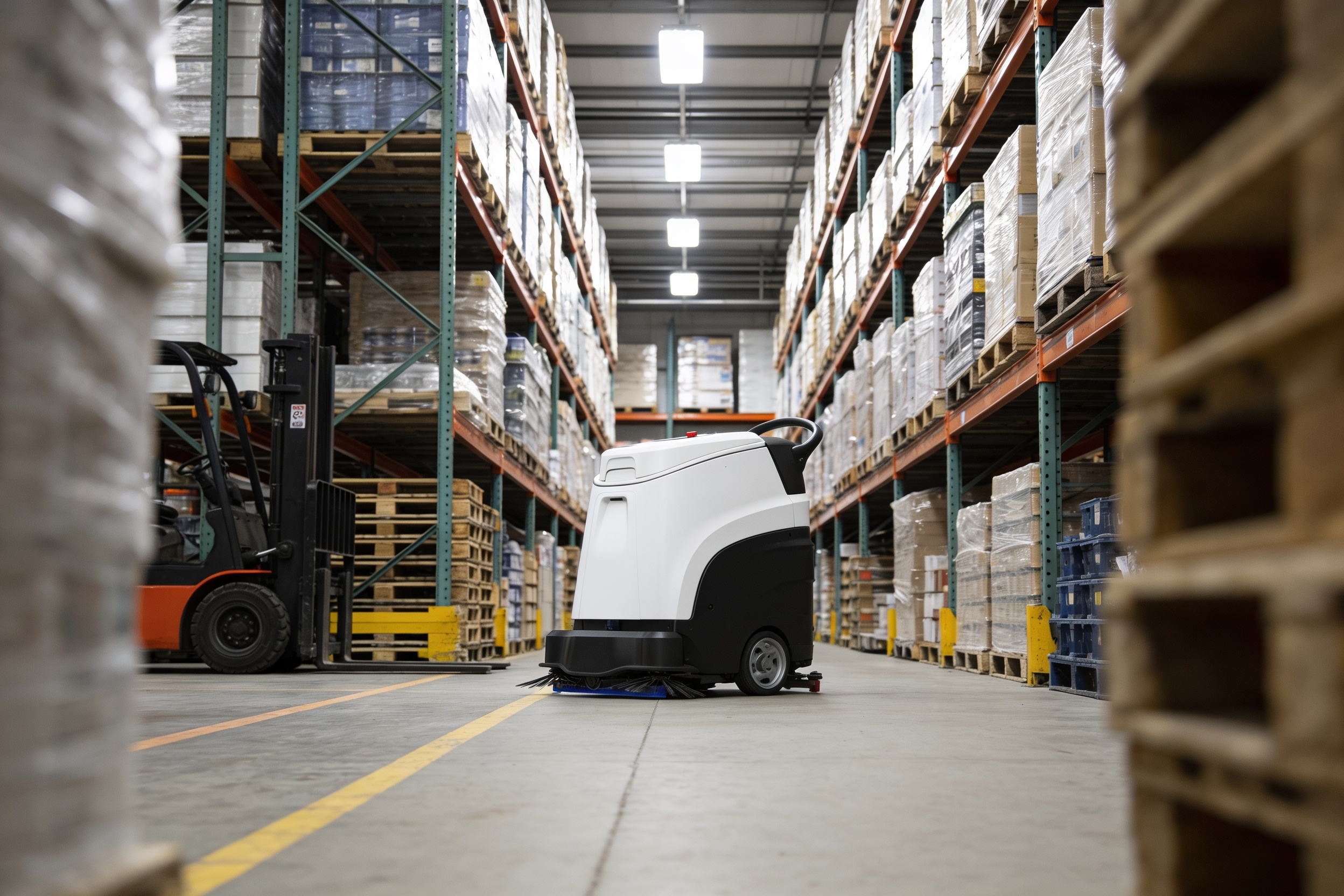
Kansas City grocery sales aisles collect a specific kind of mess: loose debris, drips from cases and produce, and cart grime that builds up on the floor near the carts and along the bottom of the shelving. A night cleaning robot, usually an autonomous floor scrubber or sweeper, covers open aisles on a set route after close, applying water and detergent and pulling dirty water back into a recovery tank. That is a repeatable pass, and it suits a store whose floor is open and whose route stays mostly the same from night to night.
The robot does not replace what a person brings. It will not decide that a sticky patch needs a second pass, lift broken glass safely, or notice a cooler door left open. It runs the same route in the same way every night, which is its real value, and it misses anything outside its mapped route that a person would catch by eye.
For your three stores, the question is whether one overnight worker can get the sticky spots handled, the carts staged, and the robot started at each site before opening. A robot takes over the broad floor pass, not the spot work or the setup. Expect the worker to keep the setup and the exceptions, and the robot to take the repeatable pass.
What has to be ready before a robot starts on the aisles?
Most robot runs in stores fail before the robot starts. The route has to be mapped with shelving, end caps, and cooler fronts where they actually sit, and the map has to be redone when displays move. Grocery aisles change with seasonal and promotional resets, so ask who owns the map and who updates it when the layout changes.
The pre-close routine is the other half. Restock carts go to a staging zone at the end of a mapped aisle or into a back corridor, not left on the sales floor. Loose items, wet floor signs, and pallet jacks come off the route. Sticky spills get a manual pass with a scraper or pad first, because a scrubbing pass can smear thick residue instead of lifting it.
Write this as a closing checklist the crew can follow every night. A crew that skips the staging step will see the robot stop more often, and those stops look like robot failures even when the cause is a cart.
- Map the route with shelving, end caps, and cooler fronts where they really sit
- Stage restock carts in a fixed zone at the end of each mapped aisle
- Clear loose items, wet floor signs, and pallet jacks from the route
- Pre-treat known sticky spots by hand before the start command
- Confirm the aisle is clear of carts and people before the robot starts

Where does the robot stall on sticky spills and restock carts?
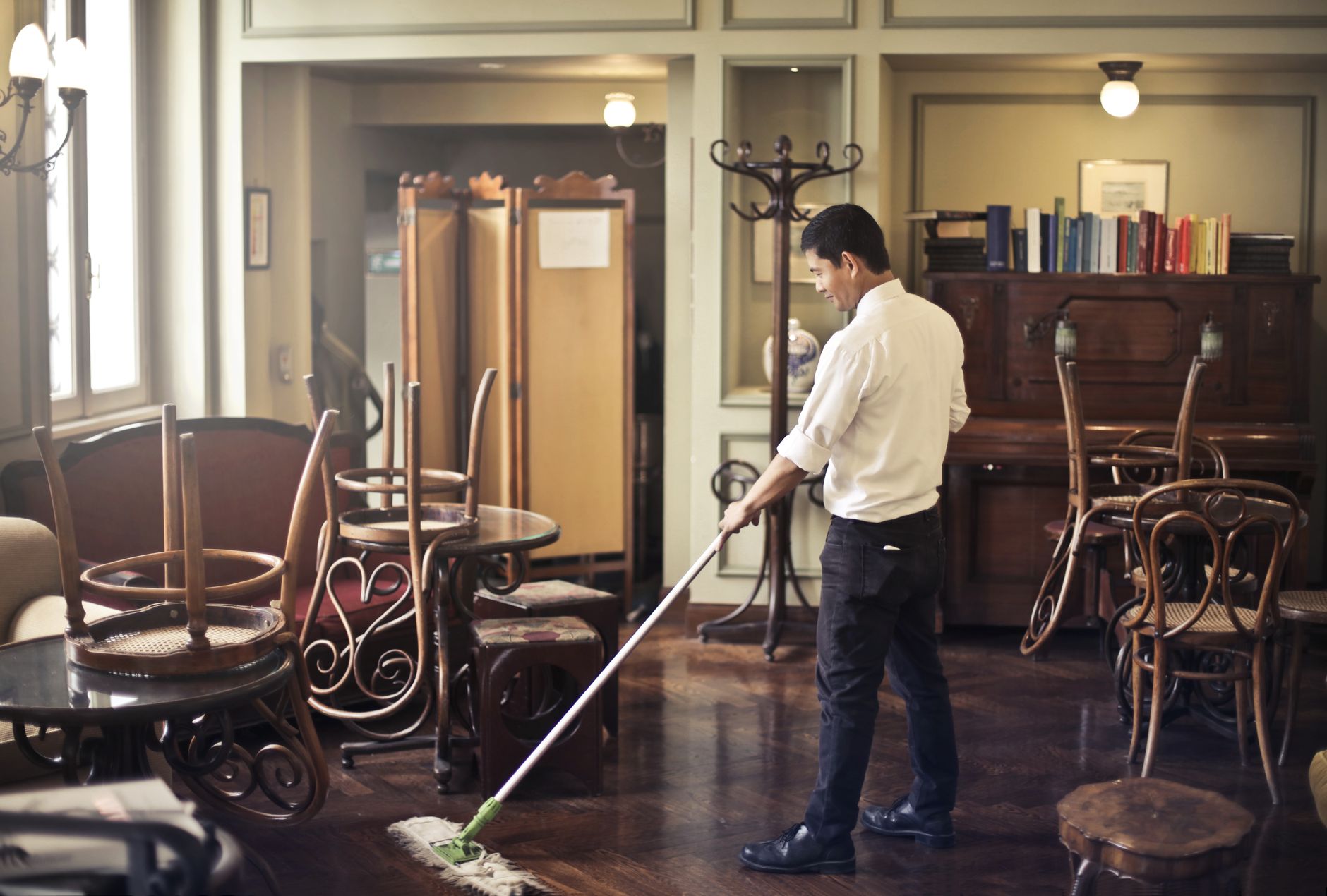
Sticky residue is the hardest case. Dried sugary drink, produce juice, and cart grime bonded to the floor need detergent contact time and often a scraper, and a robot pass alone can leave a film behind. Plan on manual spot treatment for those spots, and treat the robot as the broad floor pass that follows.
Restock carts are the obstacle that matters most. A robot treats a cart in its path as something to avoid, so a cart parked across an aisle either stops the run or forces a detour the route did not plan for. The fix is operational: staging zones, a closing sequence that clears each aisle, and a rule that carts return before the start time.
Expect exceptions and track them. When a run is blocked or a spill is detected, the robot stops and waits for someone. Keep a short log of each stop, its cause, and where it happened, so you can fix the causes that repeat instead of blaming the machine.
How much overnight work sits behind these aisles across three stores?
According to the USDA Economic Research Service, the number of US grocery stores grew from 46,735 in 2005 to 50,056 in 2015, based on a grocery store database. That is a large count of stores with open floors that need overnight care, and many operators face the same gap between floor needs and night staffing.
Staffing that work is hard to hold. According to the Food Industry Association (FMI), grocery employee turnover fell to 48% in 2024 from a high of 65% in 2022. Even at the lower level, nearly half of the workforce turns over in a year, so a night routine built around one trained person breaks each time that person leaves.
Locally, the labor pool is limited but real. According to Bureau of Labor Statistics May 2024 data, as relayed by a local news data summary, about 11,950 janitors and cleaners worked in the Kansas City metro area. Your night hires draw from that pool and compete with other overnight employers, so the robot is best judged as a way to protect coverage, not as a crew replacement.
What do Kansas City's climate and jobs mean for night floors?
Kansas City's climate puts moisture on floors. According to the National Weather Service Kansas City climate normals for 1991 to 2020, the city averages 39.3 inches of precipitation a year. Rain tracks in through entrances, and in winter, melting snow carries grime onto the sales floor, so entry aisles tend to take the most of it.
Winter is the sharper case. Local TV weather coverage, citing the National Weather Service, reported in January 2024 that a single snowfall equaled a full month's average precipitation. On heavy days the closing crew will need extra floor work before the robot runs, so the robot schedule should leave room for a manual pass first.
Local employers shape the night labor market. According to the Kansas City Area Development Council, as reported in a local city guide, distribution employed 103,230 people in the metro area. The Television Bureau of Advertising market profile lists healthcare, government, engineering, food and beverage manufacturing, and education among the major sectors. Overnight shifts in warehouses and food plants draw from the same workers you would hire, which may help explain why night cleaning shifts are hard to fill.
Robot or person: who covers the aisles better?
A person still wins on judgment, on unexpected messes, and on any problem the crew has not seen before. A robot wins on the broad pass being done the same way every night, with no dependence on whether one worker reaches every aisle late in a long shift.
The comparison below shows where each one fits. The honest reading is that the robot takes the repeatable broad pass, and the person keeps the exceptions, the spot work, and the setup.
- Broad floor pass
Cleaning Robot
Runs the same mapped route the same way every night
Staff
Covers the route, but varies with fatigue and interruptions
- Dried sticky residue
Cleaning Robot
Leaves a thick film unless the spot was pre-treated by hand
Staff
Scrapes, pre-treats, and judges when a second pass is needed
- Restock carts in the aisle
Cleaning Robot
Stops or detours, and a stop can leave a section unfinished
Staff
Moves carts out of the way and returns them to staging
- Broken glass and hazards
Cleaning Robot
Stops and waits for staff, and should not be asked to clean hazards
Staff
Handles them safely with proper gear and judgment
- Unfamiliar messes
Cleaning Robot
Limited to what the route and sensors were set up to handle
Staff
Adapts to new situations on the spot
- Shift coverage
Cleaning Robot
Runs unattended after close once started
Staff
Must be present, and shares time with other store tasks
How do you test one robot at one store before committing to three?
Start with one store and its heaviest aisle traffic. Measure the night first. Keep a log of what the overnight worker does over several nights, including sticky spot work, cart staging, and sweeping, so the decision rests on your hours and not on a guess. No verified figure exists for how long aisle cleanup takes in a typical grocery store, so your own log is the only reliable number to bring.
Then bring that log to a free site assessment. We pick the right robot for the site, lease it through financing, deploy and integrate it, train your staff, and service it under our service plan, with regional service engineers in every state we service. The lease is quoted after the site assessment, so the fixed lease payment reflects your floor, your residue, and your staging rules. One partner handles the whole lifecycle, so you work with one contact instead of coordinating a manufacturer, an installer, and a repair shop.
Plan the go live with the closing crew present, and track stops and manual minutes for the first weeks. If the numbers do not improve once the staging rules are in place, a single-store pilot gives you the evidence to stop before the other two sites change.
What moves the cost and the answer for your three stores?
The answer changes with how much floor each store has, how heavy the sticky load is, and how well the closing crew can stage carts. A large open floor with light residue and clear staging is the best case. A small floor with heavy spills and no staging zone is where manual work stays large.
Labor and service both matter. According to the Bureau of Labor Statistics, the Kansas City area had total nonfarm employment of 1,134,600 in February 2025, a preliminary figure. That shows a large labor market but says nothing about robot service. Confirm during the site assessment that our service engineers cover your Missouri stores and how on-site dispatch and remote triage would work overnight.
Ask what changes the answer before you sign anything. A stable route, a closing sequence the crew follows, and a store where the robot is the main overnight pass tend to favor leasing. Heavy residue with no staging zone favors keeping more manual work on the schedule.
Frequently asked questions
Upcoming grocery & supermarkets events
Put a robot to work in Kansas City.
We walk your site, learn the job, and recommend the unit that fits. Then we quote the lease, deploy it, and keep it serviced.
Sources
- USDA Economic Research Service chart of note on US grocery stores
- Food Industry Association (FMI) report summary
- Bureau of Labor Statistics Kansas City area employment release
- BLS May 2024 occupational data, as relayed by a local news data summary
- National Weather Service Kansas City climate normals
- Television Bureau of Advertising Kansas City market profile
- KCtoday, citing the Kansas City Area Development Council
- Local TV weather coverage citing the National Weather Service Kansas City