
The question, in the buyer's words
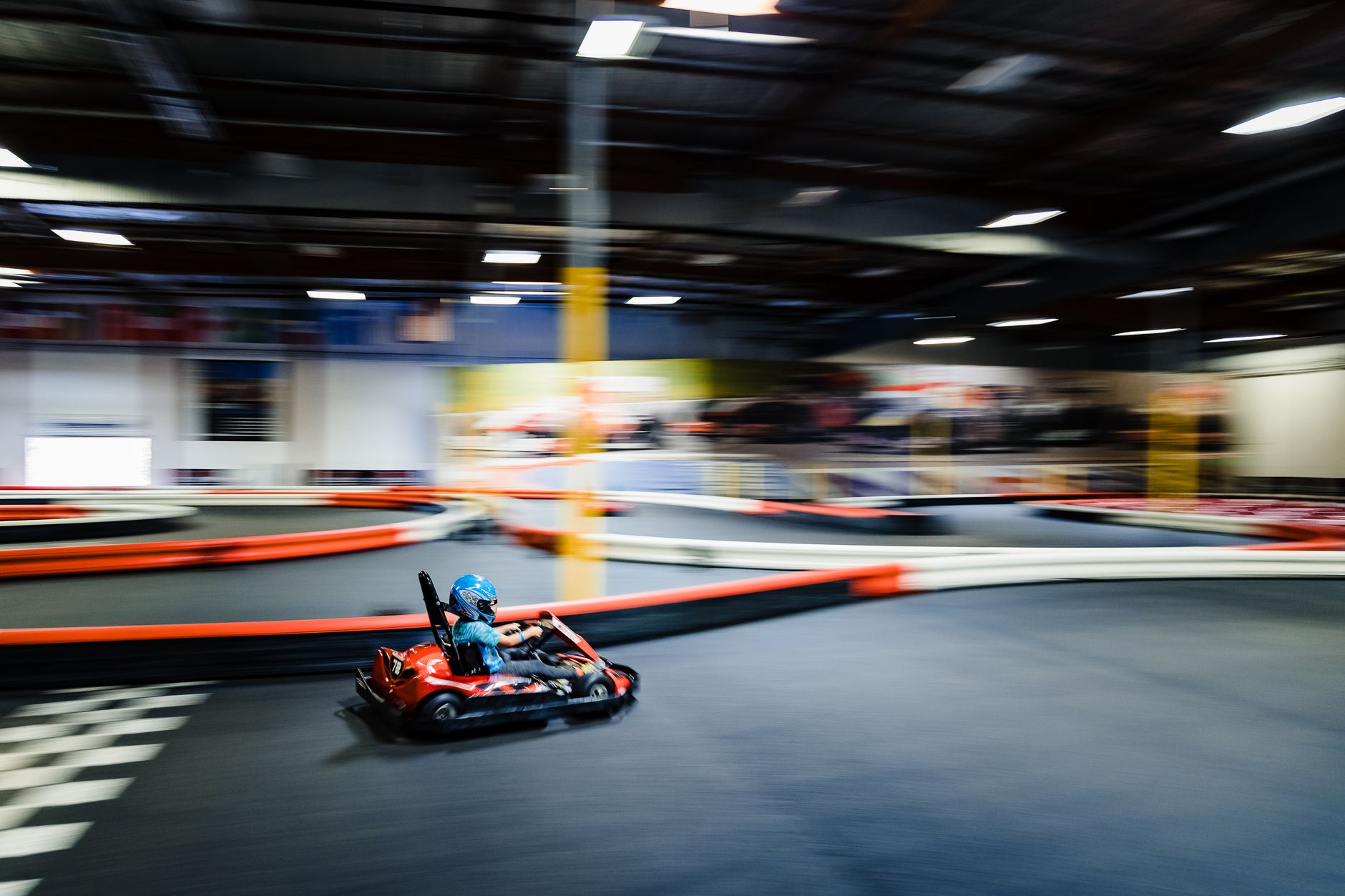
I run a seven-lane indoor go-kart track in Riverside, CA where tire grit piles up on the concrete every night and our closers spend an hour sweeping it; could a cleaning robot clear it without blowing dust back into the pit?
Key takeaways
- Dry sweeping lifts fine dust into the air, so the robot must vacuum or pick up wet.
- The robot can take the open lanes, while people keep corners, pit lane edges and barrier gaps.
- Get the cleaning method approved in writing by your surface maker before the first run.
- Riverside has a large janitorial labor pool, but cleaning crews often turn over, so a repeatable process matters.
- Time your own closing sweep for a week; that hour is the baseline any robot must beat.
Can a grit cleaning robot work a Riverside indoor kart track at night?
Yes, for most of the track, if the robot is set up to pick grit up instead of pushing it around. Your indoor kart track is concrete, and tire grit collects along the racing line and in the corners, which is why your closers spend about an hour a night sweeping it. A cleaning robot can take over the open lanes, but only with the right pickup method and a route that keeps it out of the pit and away from barrier edges.
The pickup method is the whole question. A unit that dry sweeps lifts fine grit into the air, which is exactly the problem you want gone. A unit that vacuums or picks up with a wet pass keeps the grit in the machine. The guidance we found for rubber indoor tracks agrees on this point: vacuum dust, dirt and debris before any wet cleaning. Most of that guidance is written for rubber surfaces, so a concrete pit needs its own written check.
Plan for the robot to take the easy, repeatable part of the job. Corners, pit edges and the spots where karts brake hard will still need a person with a tool. That split decides whether the minutes saved are real.
Why does tire grit pile up on an indoor kart track every night?
Tires and brakes shed fine particles on every lap, and the material settles where karts brake, turn and accelerate. Over a shift it spreads from the racing line to the edges, the pit and the walkways, so the closing crew finds the same spots dirty each night. Grit also rides in on shoes and carts from the lobby, which is why the entry path matters too.
Industry scale shapes which fixes fit. IBISWorld counts 162 go-kart racing track businesses in the US as of 2024, up 1.9% from 2023, and says no single company holds more than 5% of the industry. That is a fragmented market, so most operators set their own floor routine and few have a shared cleaning schedule to copy. We found no verified national figure for hours per shift spent on kart grit, so your closing crew's hour is the number to measure against.
Surface guidance also limits what you can use. A track surface maker's maintenance guide warns against solvents such as gasoline or turpentine, which can damage the material and void the warranty. A solvent is therefore no shortcut for a stubborn spot, and any robot method should be checked against that rule.
Does dry sweeping blow grit back into the pit?
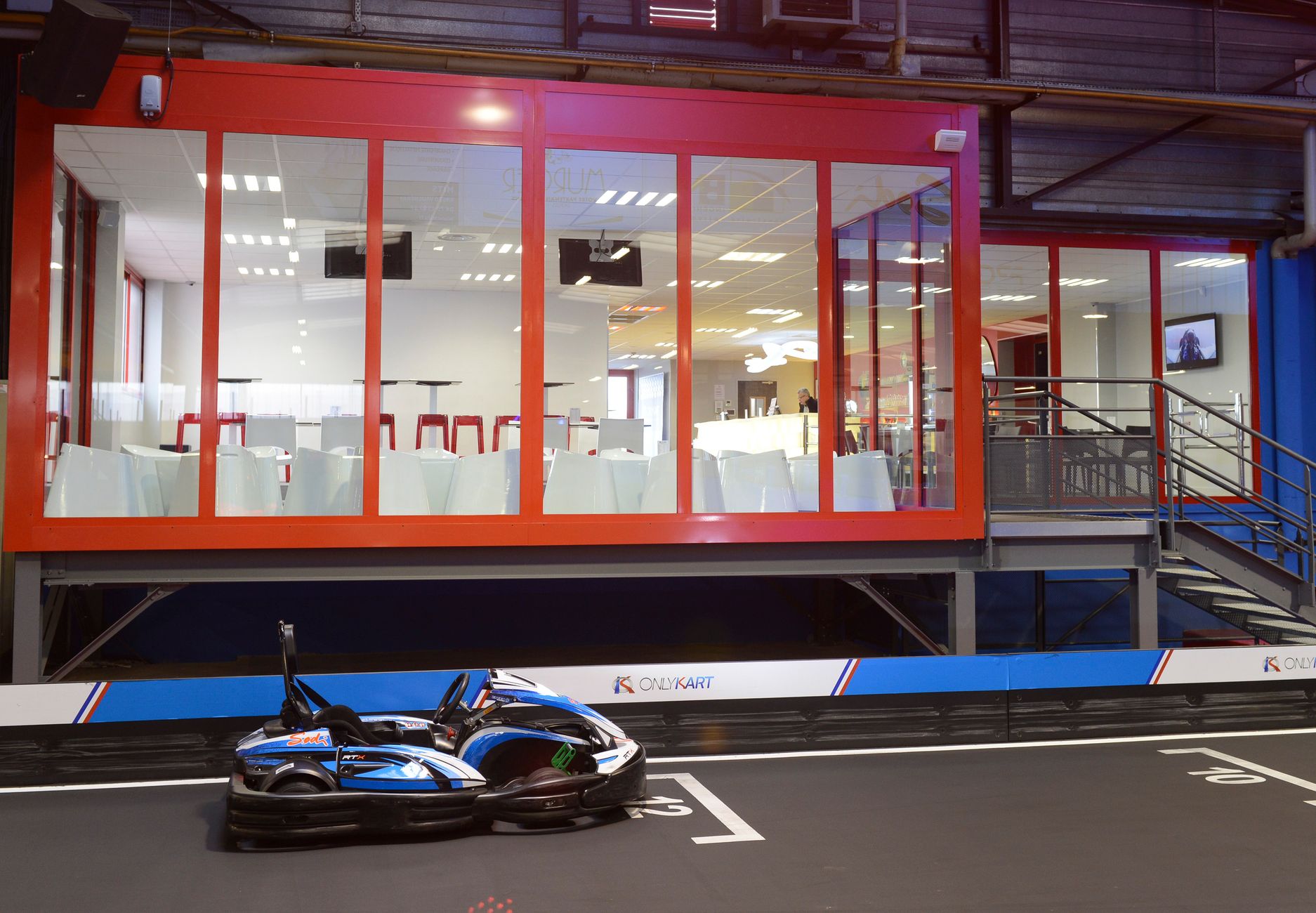
Dry sweeping is the main thing to avoid. OSHA's construction silica rule bars dry sweeping and dry brushing where workers could be exposed to respirable crystalline silica, unless wet sweeping, HEPA vacuuming or other low-exposure methods are infeasible, according to a housekeeping summary of that rule. Tire grit is not silica, so the rule does not automatically cover your track. It still shows how regulators view dry sweeping: as the high-dust choice to avoid when a cleaner method exists.
Ask any robot maker for the pickup method in writing, then test it on your own floor. Check whether the unit uses a sealed vacuum path, a HEPA filter or a wet pass, and ask how fine dust leaves the machine. Run the test with the track empty and the lights on, and watch the air near the pit edge, because a unit that looks clean on the floor can still throw fine dust.
Two practical rules follow. First, let the cleaning mix dwell for the time the surface guide gives, which for a newer rubber track guide is 5 to 10 minutes on dirty areas. Second, keep the pit and grid under hand cleaning unless the test shows the robot can handle them without spraying dust or water into the pit. Check the official OSHA text at osha.gov before relying on any detail.
How do Riverside's climate and air rules affect cleaning a kart track?
Riverside's climate is dry, which changes how wet cleaning behaves. Late-July average highs run around 96°F and lows around 64°F, based on 55 years of NOAA data as summarized by a weather history site. A climate summary for Riverside adds that summer highs often exceed 90°F with low humidity and that evenings can cool substantially. A damp pass on a warm track dries fast, so a wet method has to be timed so the floor is dry before the first lap, and the surface guide's dwell rule still applies.
Air rules in the area are aimed mainly at public sweepers. South Coast AQMD Rule 1186 requires certified PM10-efficient street sweepers in local government contracts, and certification requires at least 80% pickup efficiency, according to the rule text. The rule covers public street sweeping, so its link to an indoor track is indirect, but it is a useful benchmark: ask any robot maker for pickup efficiency in those same terms. Check the latest version of the rule text before relying on a detail.
The indoor setting changes the stakes. An indoor track has no street traffic, but your closing crew breathes the air inside the building every night, so the same pickup test protects both the floor and your staff.
How many closing hours could a cleaning robot give back?
Riverside has a deep janitorial labor pool, which matters when you need to replace a closer. A BLS OEWS count, relayed by a labor data site, puts about 20,060 janitors and cleaners, except maids and housekeeping cleaners, in the Riverside-San Bernardino-Ontario metro for 2024. That metro includes San Bernardino County, so the hiring pool is wider than the city itself.
Turnover is the harder problem, and it is the one we could not pin to a verified figure. We did not find a BLS turnover rate for janitors and building cleaners. Secondary industry commentary calls janitorial turnover high, so plan for churn even without a number. In practice a crew trained in spring may be partly new by fall, and every new closer must learn where the grit collects from scratch.
Only your own numbers can set the hour. We found no verified industry figure for hours per shift on kart grit, so your closers' hour is the baseline. Time one full closing sweep for a week and note which stretches take most of the time, usually the corners and pit edges. A robot shortens the open-lane part, and that is the part you can measure before you decide.
What does a closing shift look like with a robot on the track?
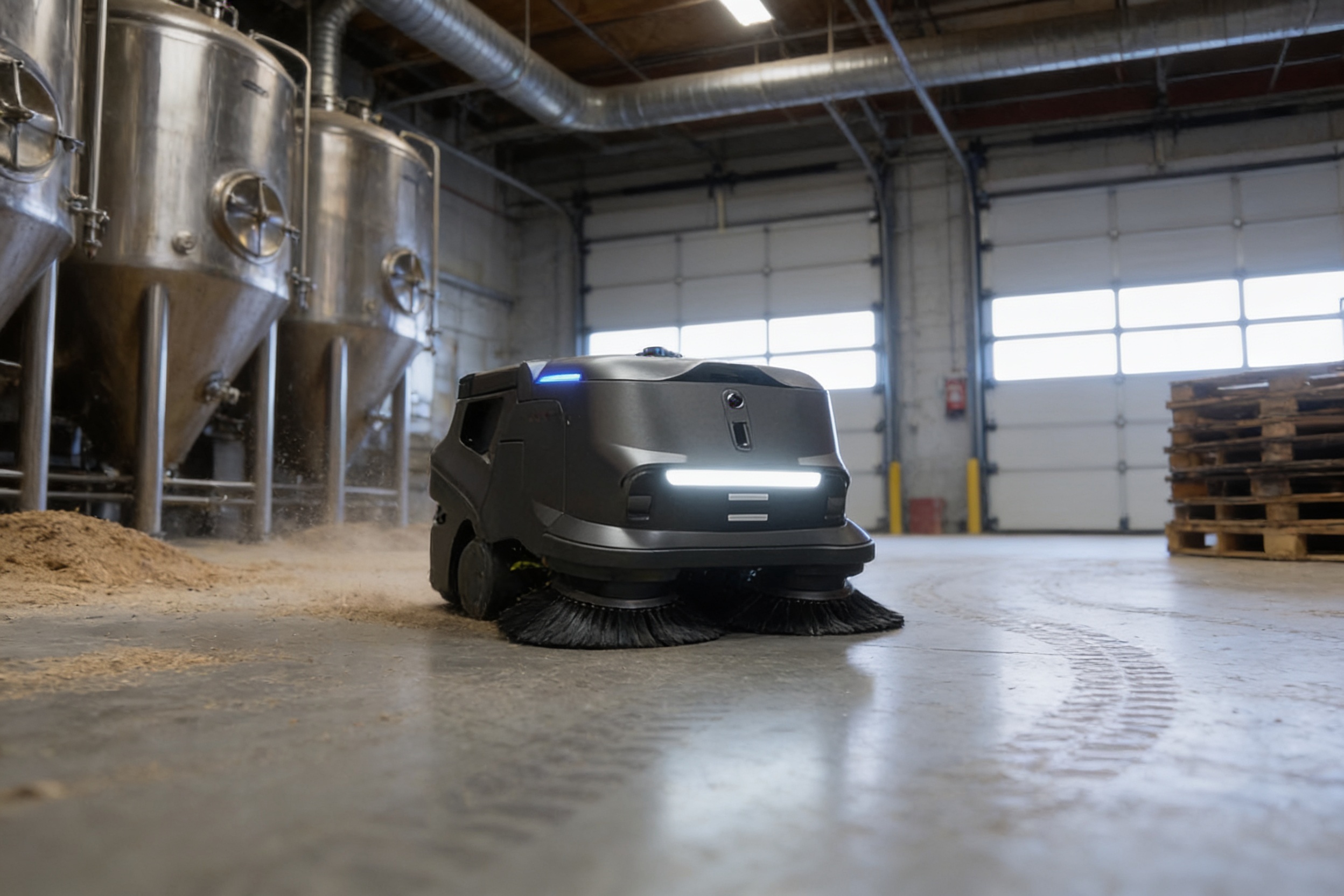
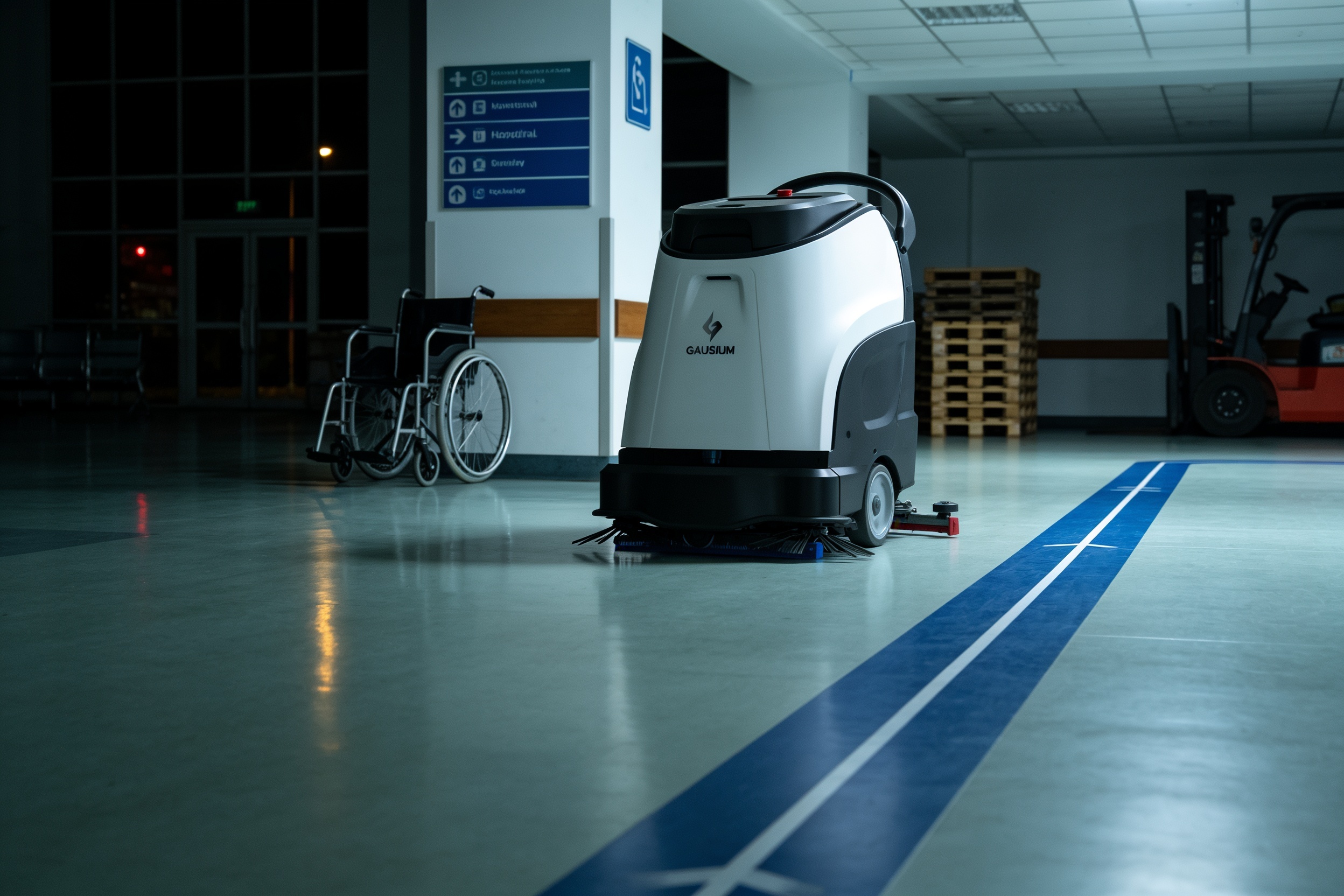
The robot does not replace the closing crew. It takes the open lanes and main racing line, while people handle setup, the corners and the reset. The sequence below assumes a site test has passed and the surface maker has approved the method.
The crew still owns the handoff. Someone must clear the track of drivers, close the pit lane and set barriers or cones before the robot starts. At the end of the run, a person checks the corners and pit edges, then resets the unit for the next night. That check is where a good share of the hour still goes, so plan staffing around it rather than assuming the robot works alone.
This split also shows where the saving lands. If the open lanes make up half the sweep, the robot can cut that half, and your closers spend the rest on spots that need hands. If most of the hour goes to corners, the saving is smaller, and the site assessment should say so plainly.
How does leasing and service work with us?

We are an integrator, so we pick the robot for your floor from across manufacturers, then lease it through financing. Your lease payment comes in a quote after a free site assessment. We deploy and integrate the unit, train your staff, and service it under our service plan, backed by regional service engineers in every state we service.
Ask about backup before you sign. If the unit is down on a closing night, you need to know who dispatches, how fast a technician arrives, and whether a spare unit is available. We can answer those questions in writing as part of the quote.
The site assessment would check the items below, since each one decides whether a leased unit fits this track. We would also confirm the cleaning method with your surface maker in writing before anything is leased.
- Floor material, seams and any oil or spill residue
- Pit lane and grid layout, including tight gaps
- Barrier heights and wall clearance along the route
- Charging dock placement away from karts
- Closing crew handoff and reset steps
What should you check before you decide?
Three things change the answer. If the track is rubber, follow the surface maker's cleaning method and dwell rules. If the concrete pit carries oil or spill residue, that spot needs separate handling before any robot pass. And if most of your hour goes to corners and pit edges, a robot on the open lanes saves less than you hope.
Check how the dust leaves the machine before you trust the claim. Ask for a test run on the empty track with the lights on, watching the pit edge, and ask for pickup efficiency stated in the same terms as the air district benchmark. Keep the first deployment to one unit, run it for a few weeks, and count the minutes your closers actually save.
If the test shows dust leaving the unit, the answer for that unit is no, and manual sweeping stays in place for the pit and corners. That result is useful too, because it tells you the grit problem needs a different method, not more hours of labor.
Put the timed sweep next to the test results and the site assessment notes. That gives you a decision that compares like with like: minutes saved on the open lanes, the dust result, and what the closing handoff still needs. Without those three, a leased unit is a guess.
Frequently asked questions
Upcoming events in California
No events are listed in Riverside yet. These are elsewhere in California.
- ConferenceCASBO CBO Symposium (Executive)Nov 19 to 20, 2026The Langham, Pasadena, CA
- ConferenceHealthcare Project Delivery Conference 2027Feb 10 to 11, 2027Manchester Grand Hyatt, San Diego, CA
- Conference48th Annual Conference on School FacilitiesFeb 23 to 25, 2027SAFE Credit Union Convention Center, Sacramento, CA
Put a robot to work in Riverside.
We walk your site, learn the job, and recommend the unit that fits. Then we quote the lease, deploy it, and keep it serviced.
Sources
- IBISWorld, go-kart racing tracks business count, 2024
- BLS OEWS janitors and cleaners, Riverside-San Bernardino-Ontario metro, as relayed by a labor data site
- Late-July climate averages for Riverside, 55 years of NOAA data
- Average summer weather in Riverside, California
- South Coast AQMD Rule 1186 text
- Housekeeping summary of OSHA respirable crystalline silica rule