
The question, in the buyer's words
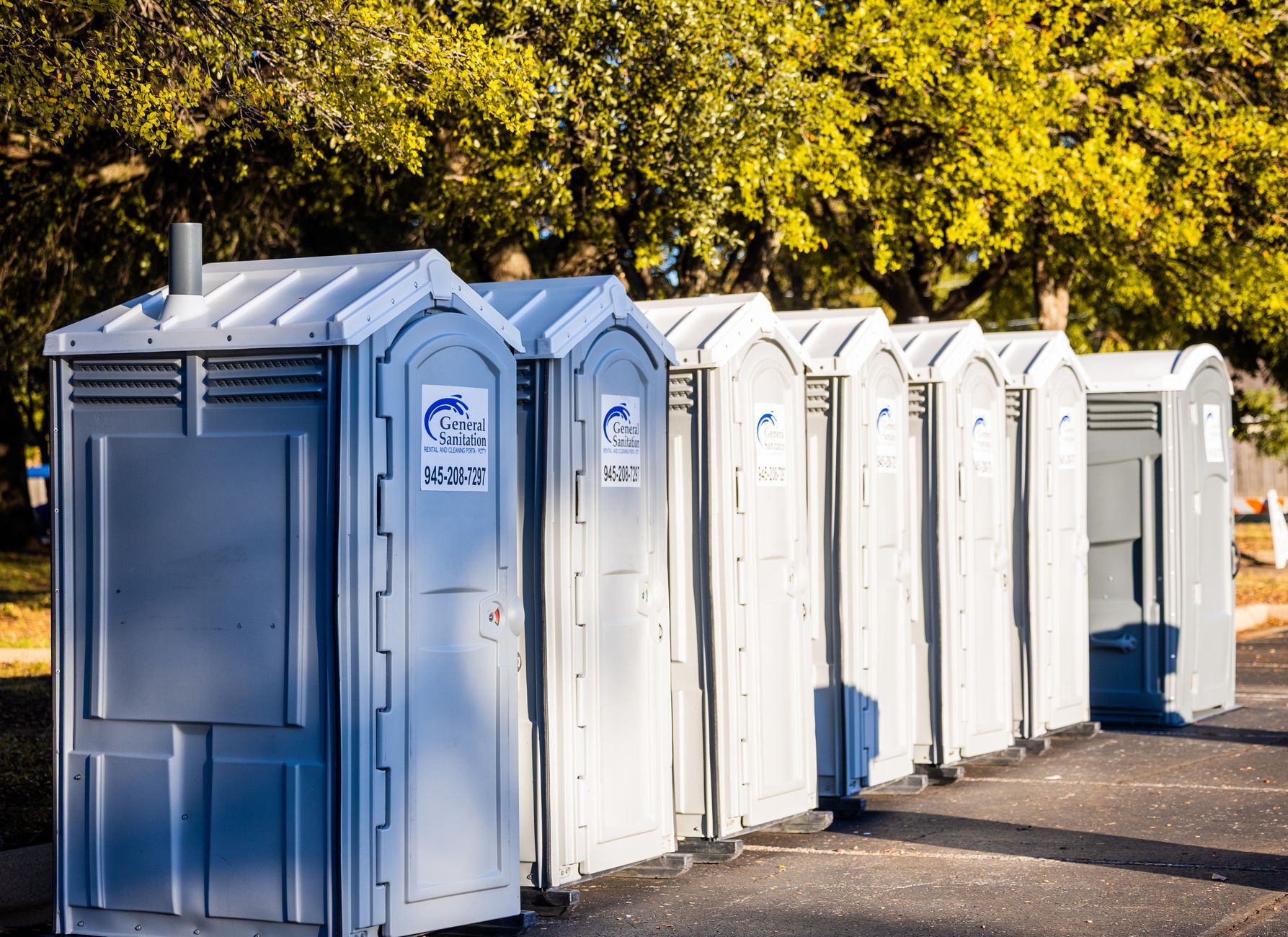
I manage 14 public restroom buildings across a regional park system, and each needs floors mopped every day while we're down two crew members; could a cleaning robot take those floors overnight?
Key takeaways
- Partly yes: a robot can take the open floor overnight, not the whole restroom.
- Stalls, fixtures, restocking and inspection still need staff in every building.
- Verified hour savings for restroom floors are not published, so time your current route before the pilot.
- Doors, thresholds, steps and cords decide which buildings fit.
- Start with one building and a morning log before extending to all 14.
Can a cleaning robot handle park restroom buildings overnight floor cleaning?
A cleaning robot can take part of this job, and the part it takes is the floor. In park restroom buildings, overnight floor cleaning is mostly mopping or scrubbing open tile between fixtures, the repetitive pass that an autonomous floor machine handles well when its route is clear. Stalls, toilets, partitions, sinks, mirrors, restocking and inspection stay with people, so the honest answer to your crew gap is partial coverage, not replacement.
Your setup has two features that shape the answer. The work is spread across 14 separate buildings, so travel between sites can matter as much as cleaning time. The floors are also small compared with the warehouses and terminals most floor robots are built for, which means a unit may finish its route quickly and then sit idle unless it moves on to the next building. Neither point rules out a robot, but both should be tested in a pilot rather than assumed.
A useful first question is not whether a robot can clean a restroom but how much of each building is open floor that a route can cover in one pass. Buildings dominated by stalls, fixtures and narrow partition aisles will gain little, while a building with a large open room and a clear entry may gain a lot. Sorting your 14 buildings into those two groups is the first real task, and it costs nothing but a walk-through.
Check which floors a robot can actually reach. Service rooms, areas behind closed doors, raised thresholds and spaces with low obstacles still need a person, whatever kind of machine you use.
How many park restroom buildings and crew members are involved nationally?
Staffing for this work is a national labor question. According to the Bureau of Labor Statistics Occupational Outlook Handbook, employment of janitors and building cleaners was about 2,447,700 in 2024, and projected growth over 2024 to 2034 is 2%, or about 47,800 jobs. The workforce is large but growing slowly, so an open position is unlikely to fill itself from a growing national pool.
Park systems form a large part of the setting. According to the National Recreation and Park Association's 2026 Agency Performance Review, which draws data from more than 850 agencies, a typical agency has one park for every 2,437 residents. The association's 2022 review counted more than 10,000 local park and recreation agencies in the US, based on survey data from about 1,000 agencies. Survey samples are not a full census, but the scale of the sector is clear.
No national count of park restroom buildings was found, so the 14 buildings in your system are the figure to plan around. A 2025 Commercial Cleaning Insights Report found that 63% of businesses aiming to expand reported recruitment problems. That report comes from a vendor-affiliated source with a commercial stake in the answer, so treat it as a signal of a tight labor market rather than a precise measurement. No independently verified turnover figure for janitorial work was found either, so measure your own vacancy and turnover history.
How often do park restrooms need floor cleaning?
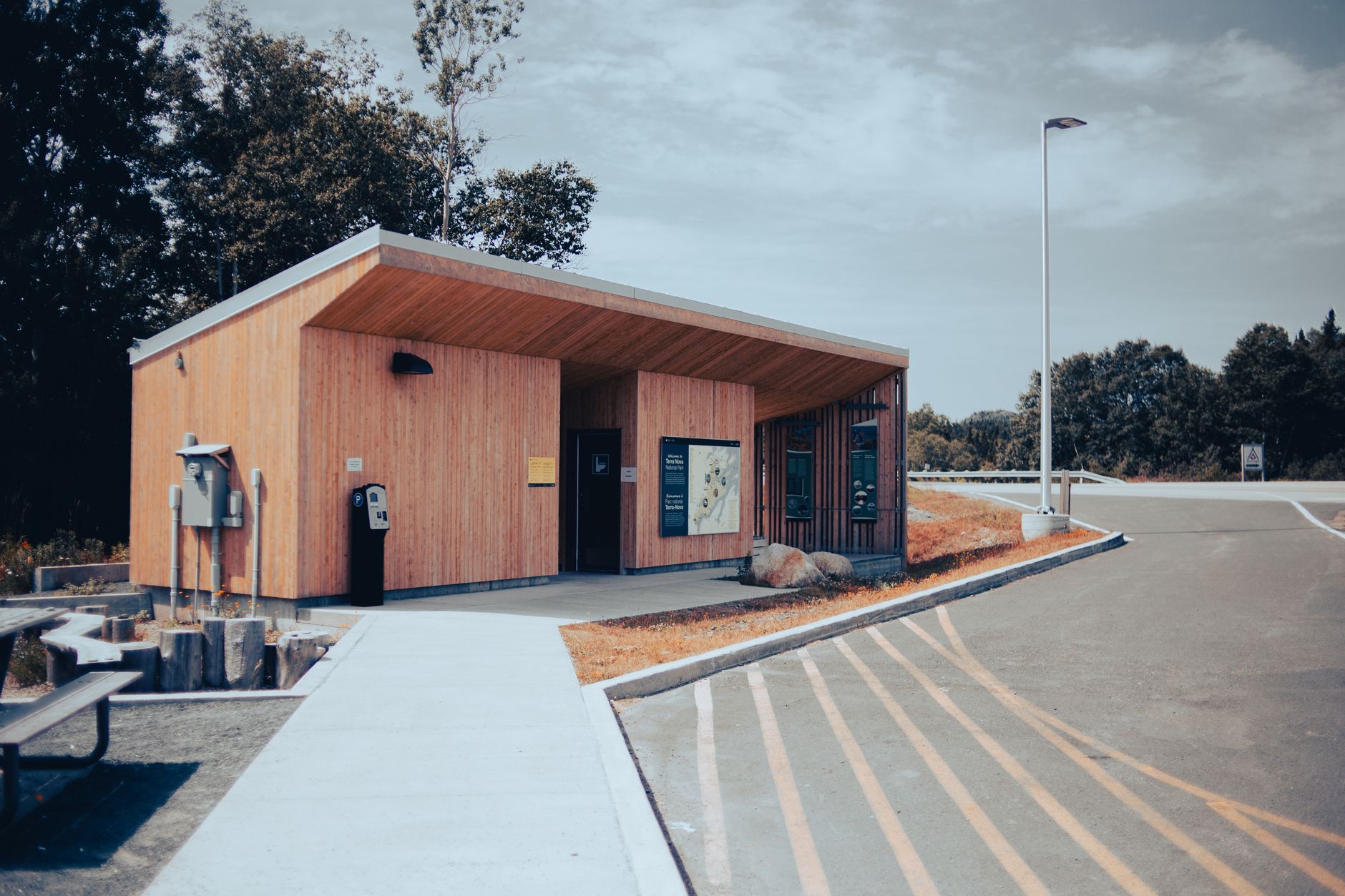
There is no single national standard for park restroom cleaning frequency, and published schedules are tied to how many people use each building. The 2025 Seattle city audit noted that Seattle Parks set a target of two to three cleanings a day for every open restroom, a goal staff said began in March 2023. The audit found the target was not being met. Its peak season plan for April through September called for two wet cleans and one dry clean per day, with floors pressure-washed at least once daily.
Newport Beach, California, takes a tiered approach. According to the city, high-use beach and park restrooms are cleaned and stocked twice daily, while all others are cleaned once daily, with roving crews covering extra visits. A tiered plan like that is worth copying for your 14 buildings, because it shows which sites need a second pass before you decide where a robot earns its place.
A single overnight floor pass therefore matches the once daily tier. If your busiest buildings need a second cleaning, the unit can take the overnight pass while a crew member handles the daytime visit, which changes how many crew hours still have to be covered. Pull traffic counts or complaint logs for each building before the pilot so you know which tier each one belongs in.
Frequency also sets labor. A site cleaned three times a day needs more crew time than one cleaned once, so a robot that takes only the overnight pass changes the daytime plan as well as the night plan.
How many hours can a cleaning robot take off floor work?
Verified hour figures for restroom floors are scarce. A manufacturer case study for a commercial autonomous scrubber reports more than 2.5 hours a day of autonomous cleaning on average, with 99.2% of runtime in autonomous mode. That figure is vendor-reported, comes from larger facilities, and the study does not report a measured hours-saved figure, so read it as a sign of runtime, not a promise for your buildings.
No independent study of hours saved per shift for restroom floors was found, so the number that matters to your decision has to come from your own buildings. Time the current floor work in several buildings across a normal week, then compare that with the robot's measured runtime during the pilot. Averages from larger sites will not tell you whether a route across 14 buildings fits your crew's schedule.
Time the whole visit, not just the mopping. Unlocking, setting out wet floor signs, moving bins or furniture, and returning equipment all take time that a floor unit will not remove, and the crew still has to walk each building to check the result.
Ask for the runtime logs from any pilot, not a summary. A run that finished in 40 minutes in one building may take much longer in a building with more open floor, and the morning check adds time that no runtime figure includes.
What can a floor cleaning robot not do in a restroom?
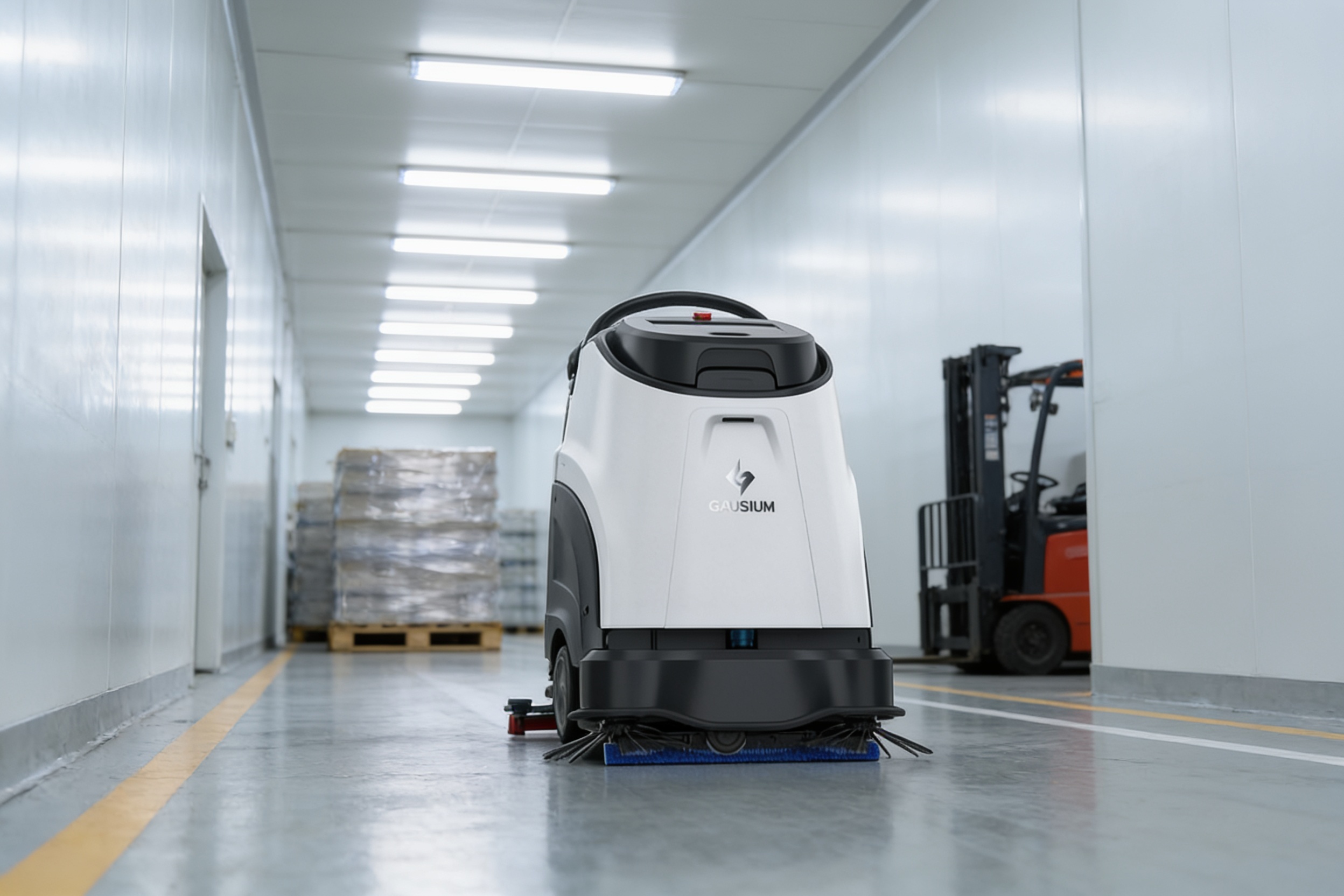
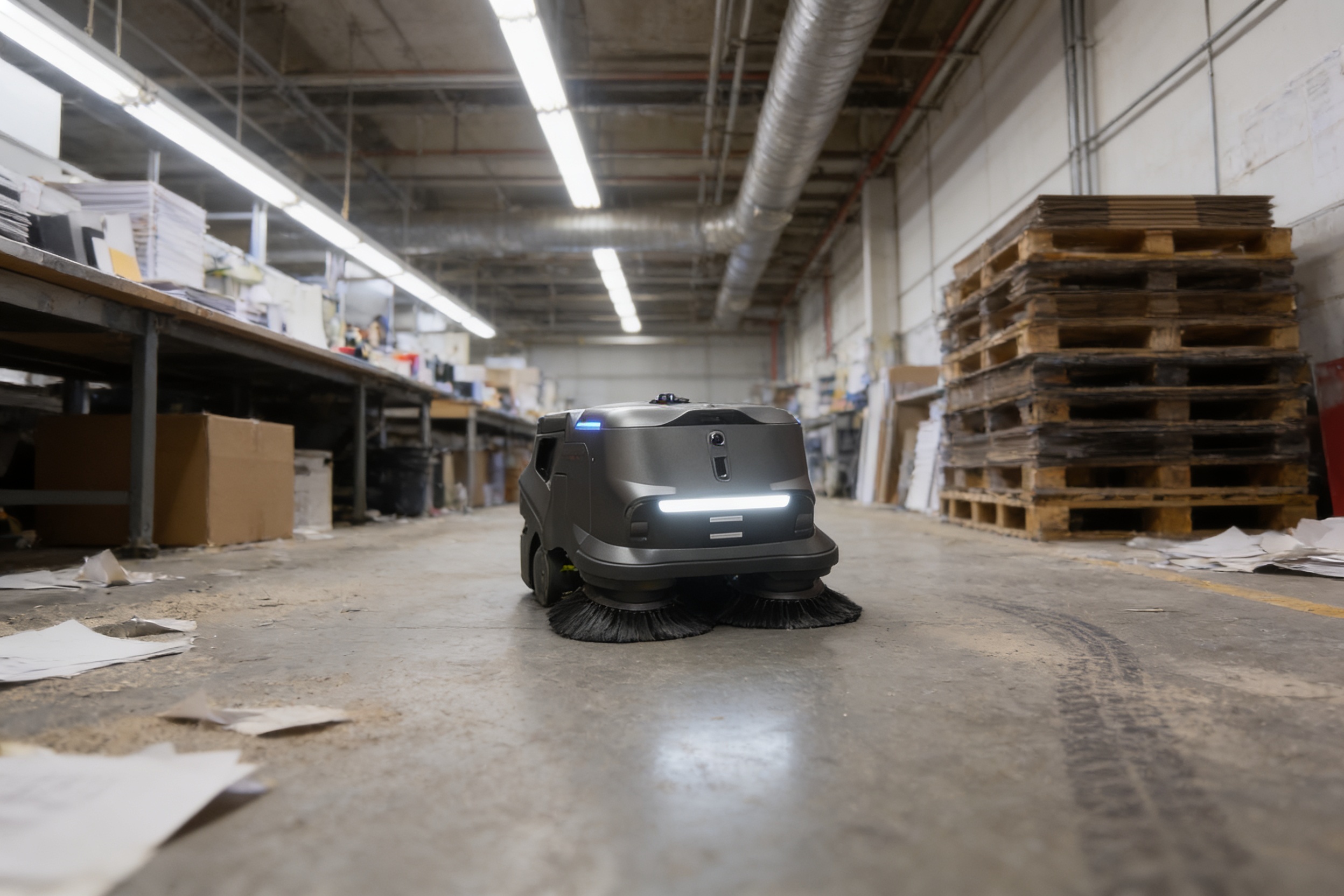
A floor machine cleans the floor. It does not clean toilets, urinals, sinks, partitions, mirrors, grab bars or the walls around the fixtures, and those surfaces need hands-on cleaning and disinfection. A robot also will not restock paper, soap or towels, notice a broken fixture, or report a leak under a sink. Any staffing plan that assumes the robot replaces those tasks will leave gaps in the morning.
According to a manufacturer service agreement for a commercial scrubber, operators must watch for stairs, escalators and cliffs near the machine. Park restrooms often have a raised entry, a step at a door or a drop at a shelter edge, and those spots must be checked, marked or blocked before any route is taught. A patent application on floor machines also notes that they still cannot climb stairs to reach another floor, so a building with a second level needs its own plan.
Small objects are the other common problem. Cords, loose slippers and retracting outlets may not be detected reliably, so the route must be cleared before each run. Doors need attention too. A closed door hides the room behind it from the unit, so map routes with doors propped open and do not expect the robot to clean any room it cannot reach.
How do you set up a cleaning robot across 14 park buildings?
Setup happens building by building. Each site needs a survey, a map of its open floor, a taught route, and a test run with the doors and obstacles you expect in real use. Plan the first week around training routes and standing obstacles rather than around the robot's cleaning speed. The first building takes longest, and later installs go faster as the team learns what to look for.
Decide early whether one unit moves between buildings or each building keeps its own. A shared unit reduces the number of machines but adds a transport task to a crew that is already short, and it must be charged, carried and set up at every stop. Buildings with stairs, rough floor finishes or heavy traffic are poor first candidates. A building with a clean, open and level floor makes a better first test.
Start with one building, then extend once the route runs without intervention for a stretch of nights. Keep a log of every run that records start time, end time, whether it finished, whether anyone had to step in, and what the morning crew found. That log, not a sales sheet, will show whether the two open positions can be covered.
Keep the existing crew routine running during the pilot. Night checks, supply rounds and the daytime visit should continue unchanged until the morning log shows several clean runs in a row, so a failed night never leaves a building with no one responsible for it.
Does a robot lower injury risk for park cleaning crews?
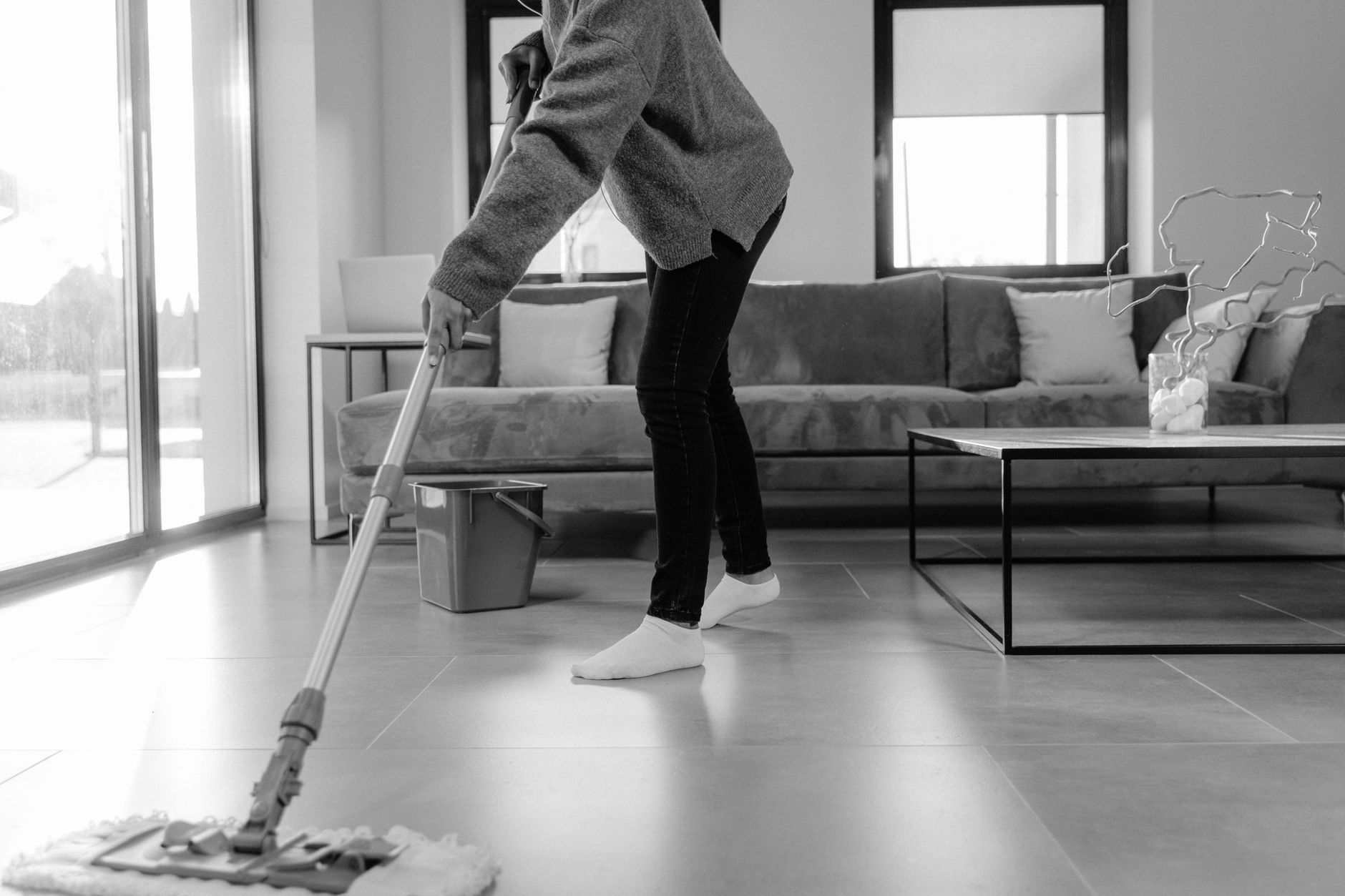
Floor cleaning is physically demanding, and janitorial work carries real injury exposure. According to the Bureau of Labor Statistics injury snapshot for 2015 to 2019, janitors had 18,680 nonfatal injury and illness cases requiring days away from work in 2019, an incidence rate of 157.4 per 10,000 full-time workers. That count covers all injury types rather than falls alone, and the data is older, so it shows the scale of exposure rather than today's rate.
A robot can reduce the repetitive pushing, wringing and bending of the floor pass, which is one of the physical loads a mopping crew carries. It does not remove the walking, the lifting of supplies or the work on fixtures. The safety gain is real for the floor pass and modest for the whole visit, so measure it in your own incident records rather than assuming it.
New hazards come with the machine. Staff who stop to watch it, walk around it or move it can be struck, tripped or left to slip on a wet floor. Set a clear zone, post warning signs, and adopt a rule that no one enters an active route without a check first. Your risk assessment should treat the robot as a workplace tool with its own hazards, not only as a way to reduce labor.
How do you get a cleaning robot leased for park buildings?
We are a full-service commercial robot integrator for US businesses. We are OEM neutral, so we choose the robot for the floor and the job rather than one manufacturer's line, then lease it through financing, deploy and integrate it, train your staff, and service every unit under our service plan, backed by regional service engineers in every state we service. For an agency with 14 buildings, one partner across the whole lifecycle is simpler than managing several vendors.
A lease quote follows a free site assessment. We walk the buildings, map the open floors, mark obstacles and thresholds, check door positions and power, and then say which buildings fit a robot and which do not. If a building does not fit, the assessment will say so. The fixed robot lease payment is set in the quote after that assessment, not estimated from a brochure.
Service decides how an overnight unit performs over time. Ask what the service plan commits to in writing, how quickly a failed run is answered, and what happens to a building while its unit is in repair. Keep your morning log throughout, so every missed night is visible to both sides.
Frequently asked questions
Upcoming public sector events
- Trade showAPC/PennDOT/PA Turnpike Fall SeminarNov 18 to 20, 2026Hershey Lodge, Hershey, PA
- Trade showMinnesota Buildings & Facilities Management Trade ShowNov 19, 2026Minneapolis Convention Center, Minneapolis, MN
- ConferenceCASBO CBO Symposium (Executive)Nov 19 to 20, 2026The Langham, Pasadena, CA
- ConferenceVirginia Association of Fairs ConventionJan 14 to 17, 2027Williamsburg Lodge, Autograph Collection, Williamsburg, VA
Want a cleaning robot at your public park restroom buildings?
Tell us about your site. We will recommend the robot, quote the lease, and keep it serviced.
Sources
- Bureau of Labor Statistics, Occupational Outlook Handbook: Janitors and Building Cleaners
- National Recreation and Park Association, 2026 Agency Performance Review
- Seattle City Auditor, 2025 Park Restrooms Audit
- City of Newport Beach, restroom cleaning document
- Manufacturer case study for a commercial autonomous scrubber
- Bureau of Labor Statistics, Janitors injury snapshot 2015 to 2019
- Manufacturer service agreement for a commercial scrubber