
The question, in the buyer's words
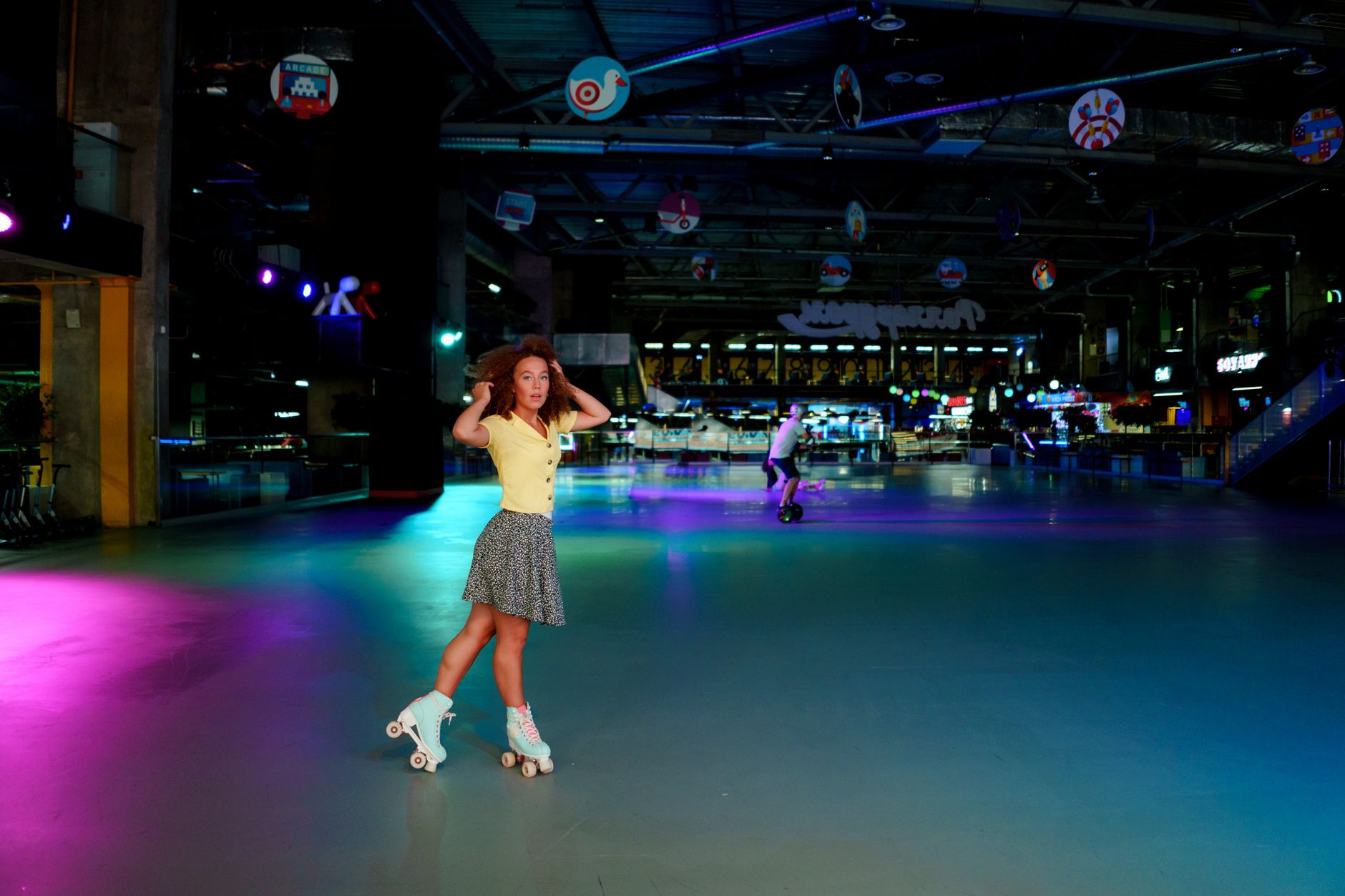
I run a 40-year-old roller rink in Spokane, WA where dust and wax build up on the maple floor every night and our two crew members can't finish before public skate; could a cleaning robot run the floor between sessions without damaging the seams between boards?
Key takeaways
- A cleaning robot fits the dry, repeated dust pass on the main maple floor between sessions.
- Wet power scrubbing and wax stripping on maple are generally advised against, so keep those with staff and your finish maker.
- The guidance we found does not settle seam damage, so test a seam line on your own floor before committing.
- Dust, not mud, is the everyday problem in Spokane, but snow season brings grit through the entry.
- Your quote follows a free site assessment, where the route, stops and coverage are checked against your layout.
Can a cleaning robot handle a Spokane roller rink floor between public sessions?
You are asking about one narrow job: a maple skating floor that gathers dust and wax every night, and two crew members who cannot finish it before the public skate. A cleaning robot can cover part of that job, mainly the dry and repetitive parts. The wet work and the wax work sit outside that, so your question has two halves, and the answers differ.
The maple floor guidance is most consistent about dust. According to a campus recreation magazine article on daily sports floor care, dust is named the leading cause of slippery maple floors, and heavily used floors are recommended for sweeping up to three times a day with a treated dust mop. The same article says push brooms spread dust and advises against power scrubbing with water on maple. A frequent dry dust pass is therefore the strongest case for automation, and wet cleaning is the weakest.
Wax is a different question. Maintenance guidance for maple sports floors says to avoid household cleaners and to check with the finish maker for approved products, because power scrubbing may affect the warranty. Treat wax removal as a decision for the finish maker and your crew, not as a job to hand to a machine you have not tested on your own boards.
How big is a rink floor like yours, and how many rinks are left?
The Roller Skating Association estimates about 1,125 rinks in the US, down 10% from about 1,250 before the pandemic and more than 2,000 in the 1980s, according to a 2025 newspaper column that cites the association. That is an association estimate rather than a government count, and we found no Census or industry classification count to check it against. For you, the practical result is that advice from other rinks may be thin, so your own measurements matter more than averages.
Start with floor size. A 2007 Spokane newspaper article described a glossy maple floor of about 15,000 square feet at a Spokane-area rink, although that rink is not named in what we found. Measure your skating surface, then add the lobby, the skate desk, the approach from the entry and any carpet or mats. Every change of surface is a place where the robot needs a plan, and each one changes the scope of the quote.
Ask for a floor plan with the transitions marked. Note where the rails, pillars, snack bar and skate desk sit, because those decide where a machine can run without a person waiting at a door or stepping over a threshold.
What Spokane's climate and labor market mean for your crew
Spokane gets modest precipitation. According to a third-party climate data site using 1991 to 2020 normals, the city averages 16.56 inches of precipitation a year and about 45 inches of snowfall. A dry floor makes dust the everyday problem. Snow season brings wet footwear and grit into the entry, and a dust pass alone will not finish that part of the day.
The local labor market is tight. The Washington Employment Security Department reported Spokane County unemployment at 3.2% in September 2026, against 4.3% for Washington and 4.0% nationally, on a labor force of about 261,900. That figure is preliminary and subject to revision. The same agency reported 3.8% for the county in June 2026, with 4.7% for the state and 4.4% for the US.
A tight market can make it harder to add night staff quickly, so the gap you describe may not close just by posting a job. Plan around that reality: a robot does not replace a good crew member, but it can take a repeatable task off the crew on a busy night. We could not verify a janitorial turnover figure from a government source, so check the Bureau of Labor Statistics JOLTS industry table and the OEWS page for janitors and cleaners before using any turnover number in a budget.
What do dust, wax and wheel marks do to a maple rink floor?
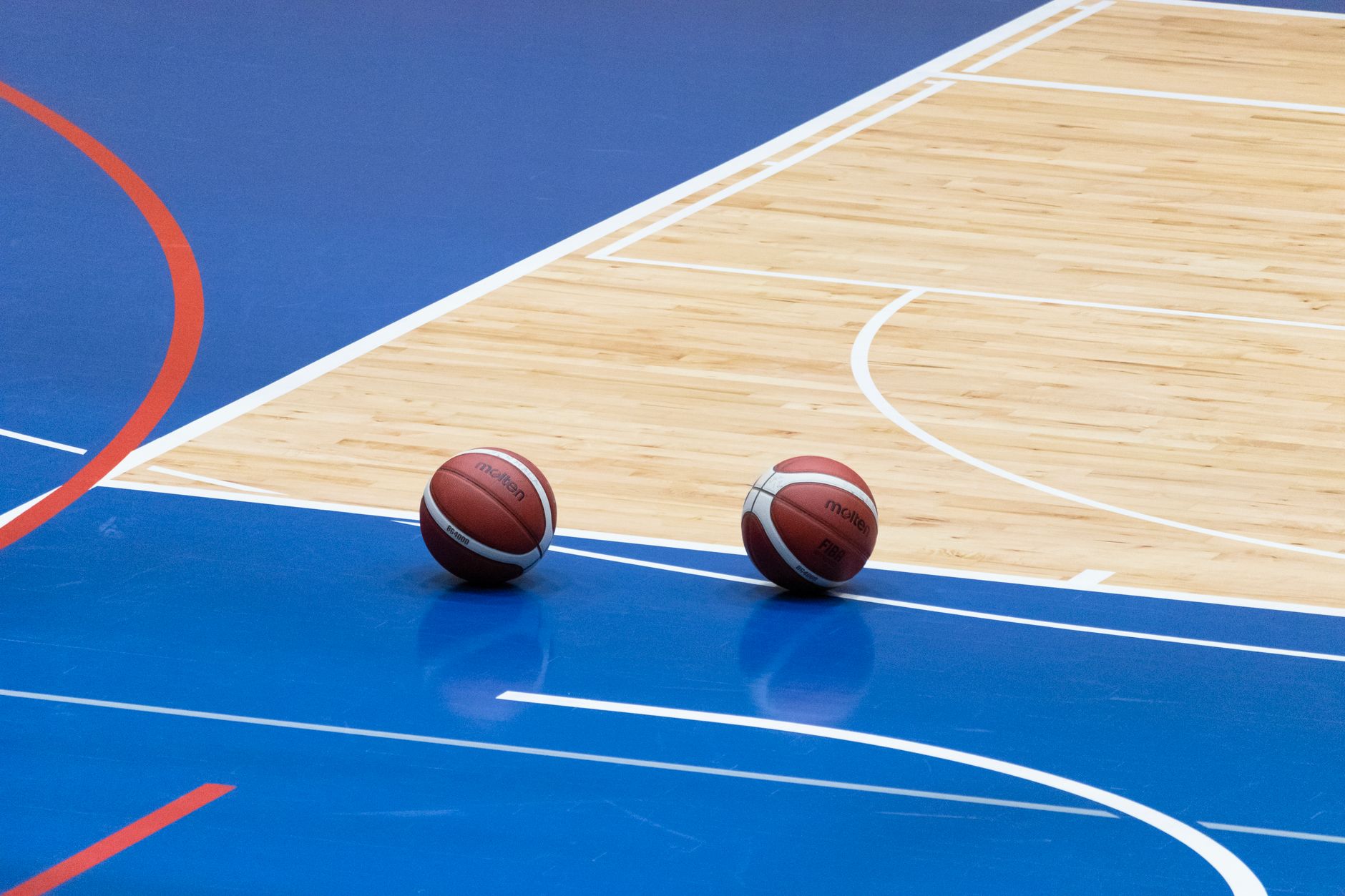
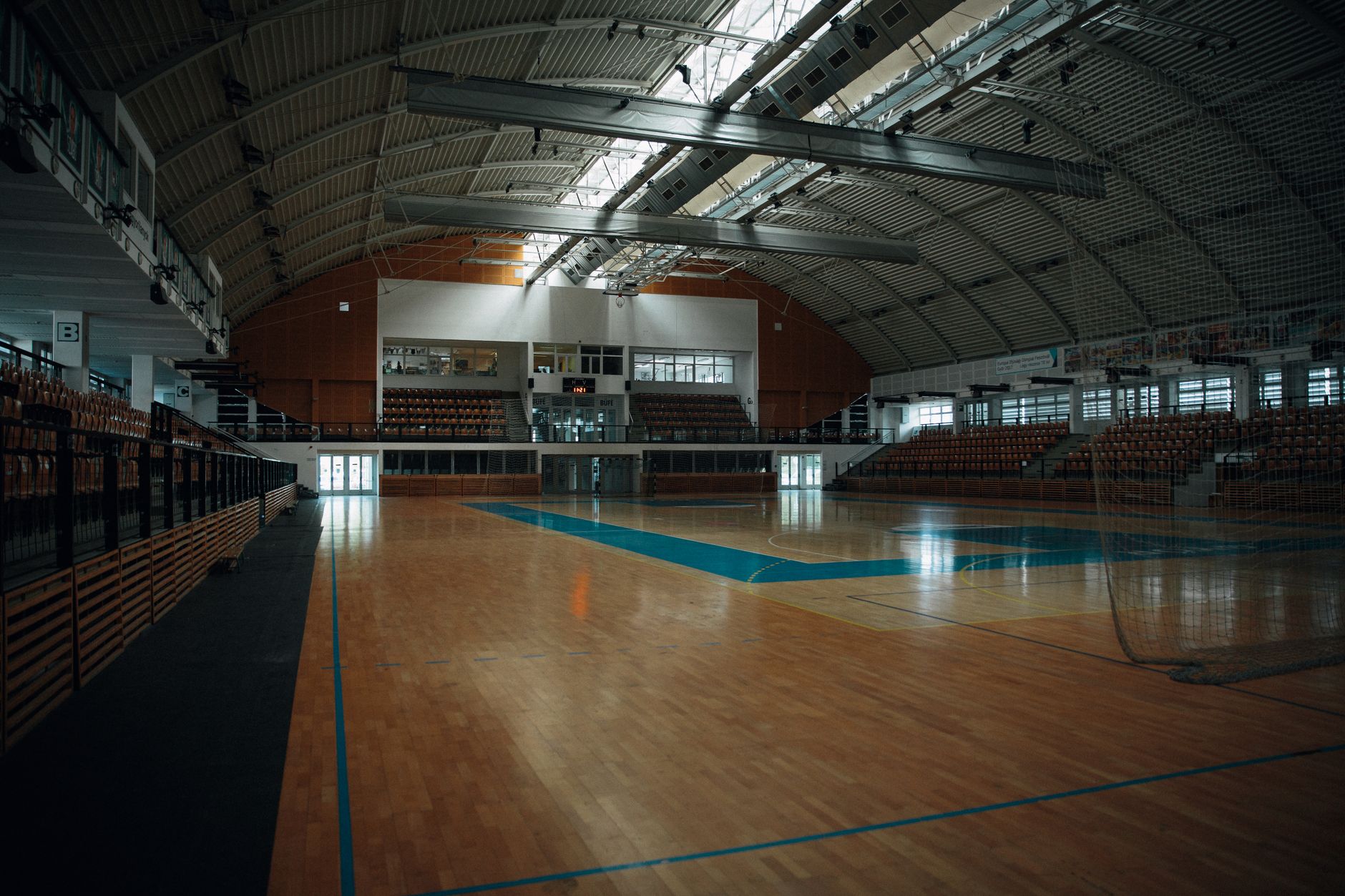
Three things wear a rink floor. Dust makes the surface slick and spreads when pushed around. Wax and finish buildup need their own maintenance schedule. Skate wheels leave marks. The first is the one a machine can address most directly, because the campus recreation guidance names dust as the leading cause of slippery maple floors and recommends a treated dust mop over a push broom.
Wheel marks are a different problem. The roller skating floor guidance we found says metal wheels cause scuffs and scratches, and that a rink finish differs from a gym finish, so gym cleaning routines may not transfer. Scuffs belong on the finish maintenance plan your finish maker recommends, so pair the cleaning schedule with that plan rather than treating the robot as the whole answer.
The approved products question comes back here. The maple maintenance guidance says to avoid household cleaners, and it advises checking with the finish maker because power scrubbing may affect the warranty. Ask for those written methods before any machine touches the floor, and keep the answers with the quote.
Where the robot fits and where it does not
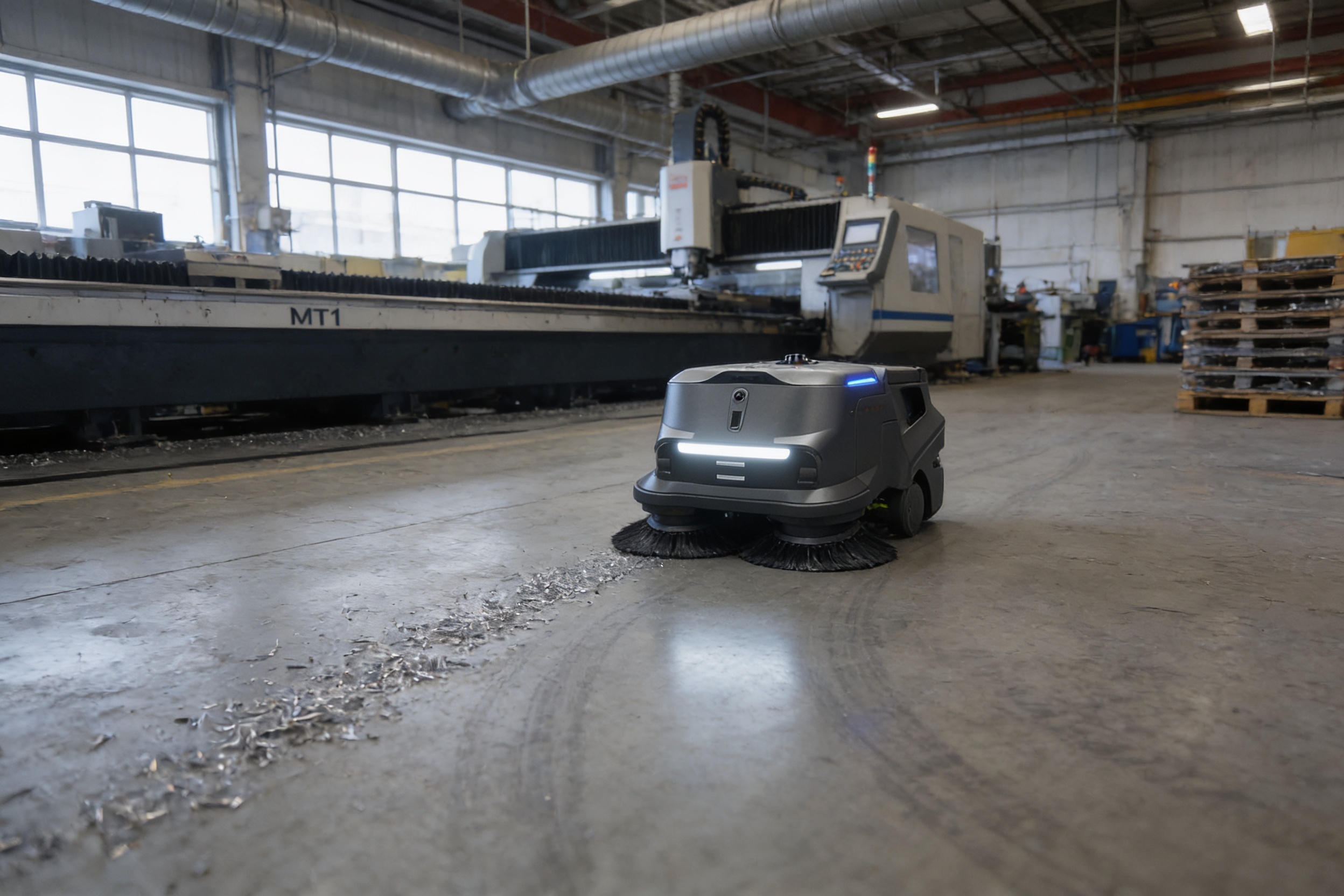
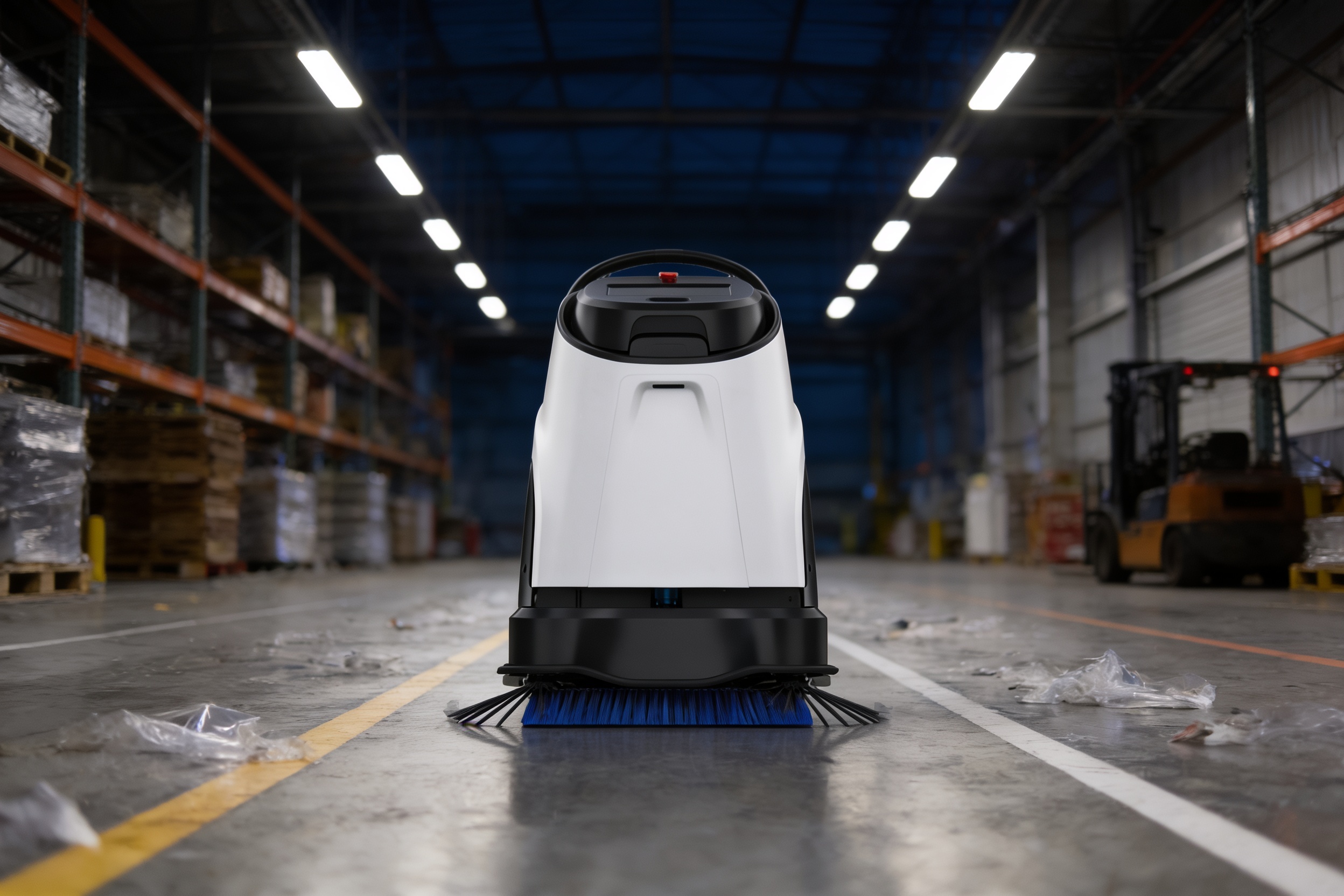
The robot fits the dry, repeated dust pass across the main maple floor, run between public sessions when the floor is empty. That step is the bottleneck you describe, and it repeats each night on roughly the same route. A machine does that without getting pulled to the lobby or the skate desk, and without tiring at the end of a long shift.
A person still wins on judgment. A crew member can see a lifted board, a loose transition strip or a spill that needs wiping, and can decide whether to stop, step around it or call for a repair. People also handle wax checks, the perimeter and the entry, which all depend on looking closely at the floor. Keep the crew on those tasks and use the robot to free them up.
The robot is not always the right answer. If your floor has many transitions, a lot of carpet or a layout where the machine needs a person waiting at each door, the crew may stay the faster route. Put that question to the site assessment directly rather than accepting a general yes.
- Dry dust pass on maple
Cleaning Robot
Repeats the same route each night without a person pushing it
Staff
Works well with a treated dust mop, but tires and gets pulled to other tasks
- Wet cleaning and wax
Cleaning Robot
Not the fit; guidance advises against power scrubbing with water on maple
Staff
Can apply approved products and check results, but needs the finish maker's method
- Edges, perimeter and corners
Cleaning Robot
Often needs a hand pass where the machine cannot reach the wall line
Staff
Can work the edges and corners by hand
- Judging a lifted board or seam
Cleaning Robot
Cannot judge a lifted board; needs a test on your floor
Staff
Can see and report a lifted board or loose seam right away
- Coverage between sessions
Cleaning Robot
Can run in a session gap if the layout and schedule allow
Staff
Needs paid hours and is limited by the shift
- Crew time
Cleaning Robot
Frees the crew for finishing tasks
Staff
Covers the tasks the robot cannot do and works with skaters
- Service if something fails
Cleaning Robot
Depends on the service plan and the regional coverage confirmed for Washington
Staff
Replacement depends on hiring and training time
Seams, finish and warranty: what to test before you commit
The guidance we found does not say how a cleaning robot handles the seams between maple boards, and this page should not imply that it does. Seams matter on a rink floor because gaps and edges catch wheels, and a machine's wheels or brushes could catch on them too. Treat seam behavior as a test item, not an assumption.
Before any lease, ask for a test on your floor, not in a showroom. Cover the transitions, one seam line, the rail edge and a section of the main floor. Record how the boards look after each pass, and have the finish maker review those records, since power scrubbing may affect the warranty of a maple floor.
Cost moves with the same things: floor area, the number of transitions and mats, and whether the robot needs any wet work. The drivers below show what raises and what lowers the scope, and the quote itself follows a free site assessment.
What happens after you ask for a quote?
Getting a robot starts with a free site assessment. We map the rink, measure the skating floor and every transition, check the layout against your session schedule, and mark the zones where the robot can and cannot run. We then pick the unit for your site across manufacturers, because the right machine for a maple floor may not come from the vendor you would otherwise call.
The lease is quoted after that assessment and comes through lease financing, so you see a fixed lease payment in writing before you commit. We deploy and integrate the unit, train your crew on the route and the stop rules, and service it under our service plan, with on-site dispatch and remote triage. Regional coverage for Washington is confirmed during the assessment, not assumed.
If the assessment shows the robot does not fit your floor, the quote review says so, and the crew plan stays as the main route. Bring the items below so the assessment can settle the seam, finish and schedule questions on the first visit.
- Floor plan with transitions, rails, pillars and the skate desk marked
- Your session schedule, including the gaps between sessions
- The finish maker's approved product sheet and maintenance method
- Photos of the seam lines, the transitions and the perimeter
- Your crew's finish time today and the tasks they cannot reach
What would a night look like with a robot and a crew?
A workable night starts with the crew clearing loose items and mats from the route, then the robot running the dry dust pass in the gap after the last session. The crew handles the perimeter, the entry and the wax checks, and walks the transitions before the first public skate. The timing has to fit your session gaps, so test it before you rely on it.
The owner's problem is that the crew cannot finish before the public skate. If the robot takes the dust pass, the crew's remaining hours go to edges, entry, spills and the checks the robot cannot do. The question changes from whether the crew can finish everything to whether the robot can run the dust pass reliably enough to free those hours.
Start with one unit on the main floor and one clear test, not the whole building. Track the measures below for several weeks, and review them with the finish maker and your crew before deciding on a second route or a second unit.
- Crew finish time before the public skate
- Stops per night and what caused each one
- Spills, marks or lifted boards found on the transitions
- Floor condition after each pass, as checked by the finish maker
Frequently asked questions
Put a robot to work in Spokane.
We walk your site, learn the job, and recommend the unit that fits. Then we quote the lease, deploy it, and keep it serviced.
Sources
- Roller Skating Association estimate, cited in a 2025 newspaper column
- Third-party climate normals for Spokane, 1991 to 2020
- Washington Employment Security Department, Spokane County labor market
- Washington Employment Security Department, June 2026 labor data
- Campus recreation magazine article on sports floor daily maintenance
- Maple sports floor maintenance recommendations
- Roller skating and rollerblading floor guidance
- 2007 Spokane newspaper article on a local rink