
The question, in the buyer's words
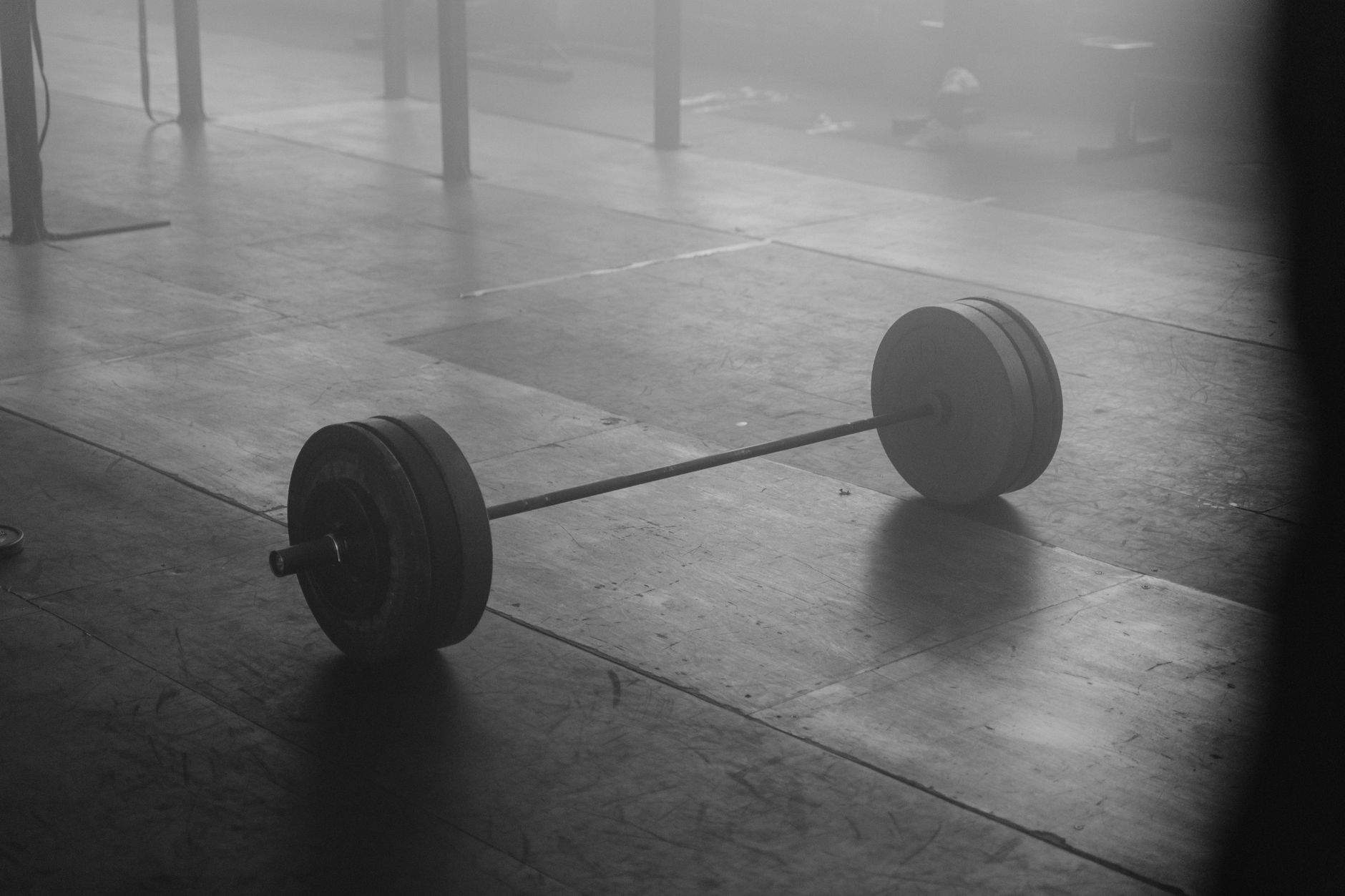
I run a 14,000-square-foot gym where rubber floors and turf get chalk and sweat dust every night, and I have one closer who has to lock up by 11 p.m.; could a cleaning robot work the floor after the last class without hitting the squat racks?
Key takeaways
- A cleaning robot can cover the open rubber lanes after last class once the floor is reset.
- Squat racks and platforms need a mapped route, not a hope that sensors will catch them.
- Turf strips and corners under equipment usually stay with the closer or a separate sweeper.
- Dry chalk is the easy job, while sweat film and trodden chalk need a scrub pass matched to the rubber.
- Run one unit on one floor zone for two weeks before deciding anything larger.
How a gym rubber floor gets dirty after last class
A gym rubber floor after last class collects a distinct mix of debris compared with a retail or office floor. Chalk from grips settles into the rubber grain, fine rubber dust comes off heavy plates, and sweat film builds along the lanes where people finish sets. Your closer is also moving equipment, checking the squat rack area and looking for dropped plates or cracked tiles, so the cleaning question is really a floor-readiness question.
According to the Health & Fitness Association, 81 million Americans were fitness facility members in 2025, up 5.2% from 2024, with penetration at 26.1%, up from 25%. The same association estimated 7 billion facility visits in 2025, above its 2019 pre-pandemic peak.
More visits mean more wear between closing checks, so the overnight floor pass matters more as traffic rises. A large floor with one closer leaves little slack for that pass.
Can a cleaning robot work the open rubber floor after last class?
Yes for the open area, with conditions. A cleaning robot suits long, clear lanes that repeat every night: the central training floor, the aisles between mat sections and the walkway from the entrance toward the back wall. It needs the floor reset before it starts, and it needs a closer who walks the route first to remove bags, bars and loose plates. A gym rubber floor after last class only suits a robot when the closing routine is written down and followed.
Think of the robot as the repetitive open-floor pass, not a replacement for closing judgment. Your closer still checks the squat rack area, reads the floor for damage, resets equipment and locks up. The robot takes the sweeping and scrubbing time out of their hands, and that is the time that competes with the 11 p.m. lock-up.
Where a cleaning robot can and cannot go on a gym floor
The honest split has three parts. Rubber floor in open lanes is the strongest case. Turf strips are a weaker one, because floor scrubbers are usually built for hard or sealed surfaces, and turf fibers can catch brushes and squeegees. Turf may be better served by a sweeper or a manual brush, and that should be tested before anything is leased. Equipment zones are the third case: squat racks, bars, platforms and kettlebell racks sit on fixed footprints, collect chalk and leave tight gaps.
Obstacle handling is the main variable. Some robots slow for objects detected by sensors and route around them, while others depend on a pre-mapped route that treats fixed equipment as walls. For a gym, a mapped route with the racks set as fixed obstacles is usually the more predictable plan. Ask how the robot treats low objects such as dropped plates and bars, because those are the items a gym floor has most of at close.
A rack that is bolted down is easy to map. A rack that gets pushed between sessions is not, so the closer should reset it to the same marked spot each night. Confirm exact obstacle behavior in the site assessment rather than in a sales demonstration on an empty floor.
How many hours does a closer spend on the floor?
A hypothetical planning model, not measured in gyms, assumes a person cleans about 5,000 square feet per hour and a robot needs about 0.4 hours per night for setup, emptying, charging and checks. On a 14,000 square foot floor, one person's pass comes to about 2.8 hours at that rate, which is 14,000 divided by 5,000. Treat that as a starting point for your own timing, not a measured result for your building.
Vendor-supplied case studies point the same way without settling the question. A Denver school district case study reports an average runtime of 90 minutes per robot per day, and a 2023 hospital case study from a scrubber vendor reports total floor-care man-hours per night dropping from 16 to 5 after adding two scrubbers. Both come from other settings and from the companies that sold the equipment, so they show what happened in those buildings, not what will happen in yours.
The US Bureau of Labor Statistics projects employment of janitors and building cleaners to grow 2% from 2024 to 2034, slower than the average for all occupations. Staffing for this work is not expected to expand quickly, so the closer's hours are a fixed cost to plan around.
Time your own closing routine for two weeks before deciding. Separate the open-floor pass from the prep, the rack reset and the lock-up, because the robot changes only one of those.
What does a robot remove from chalk and sweat dust?
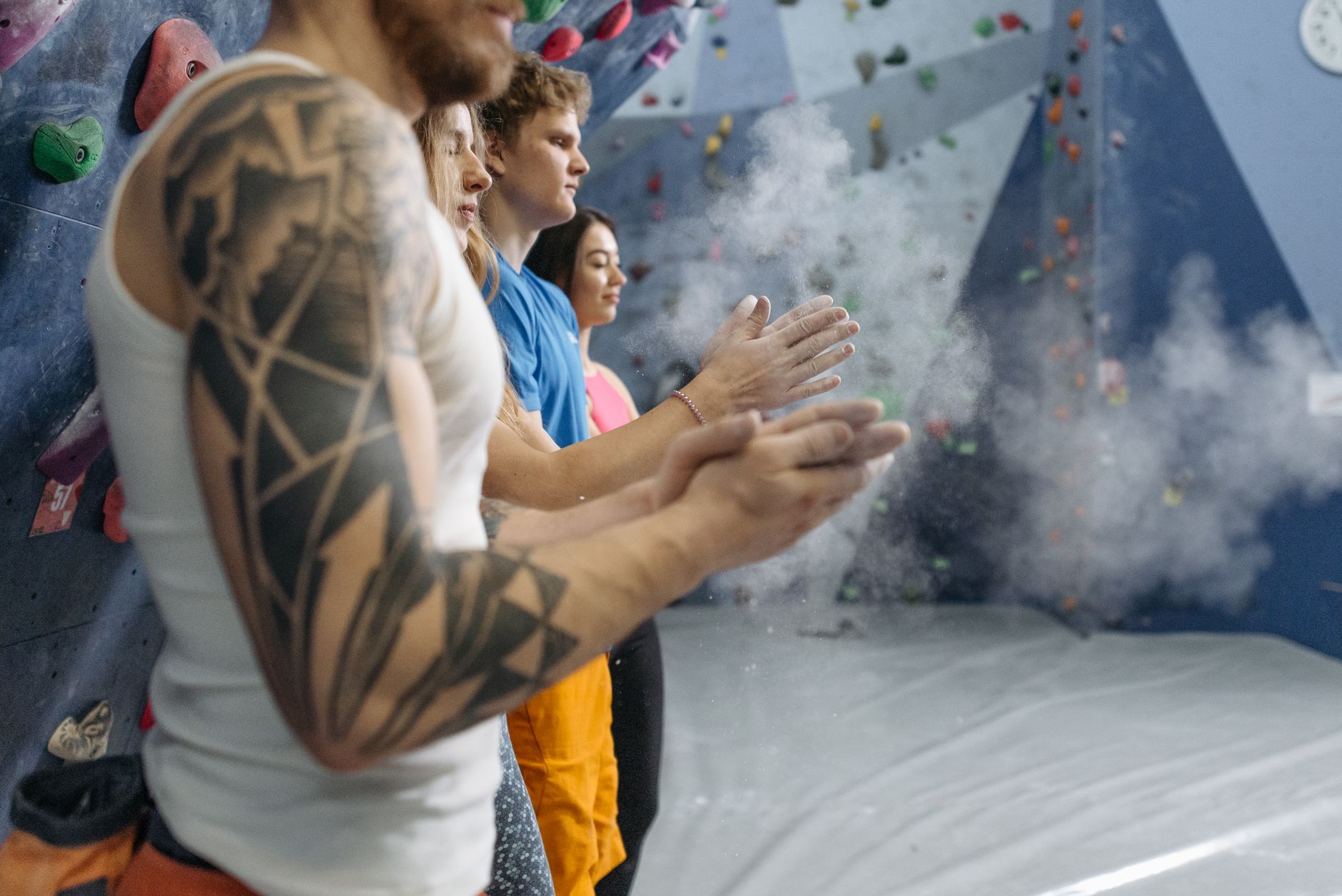
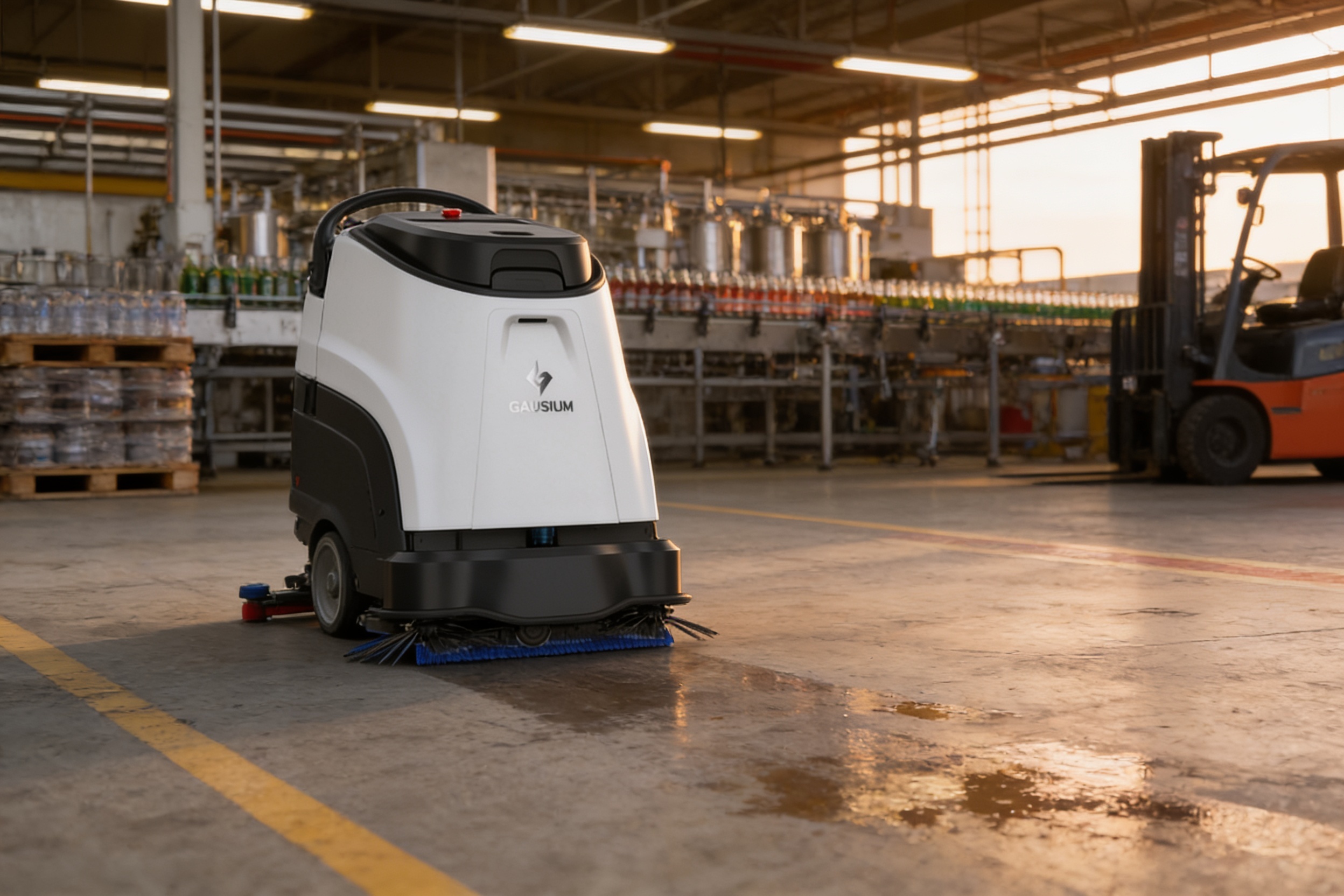
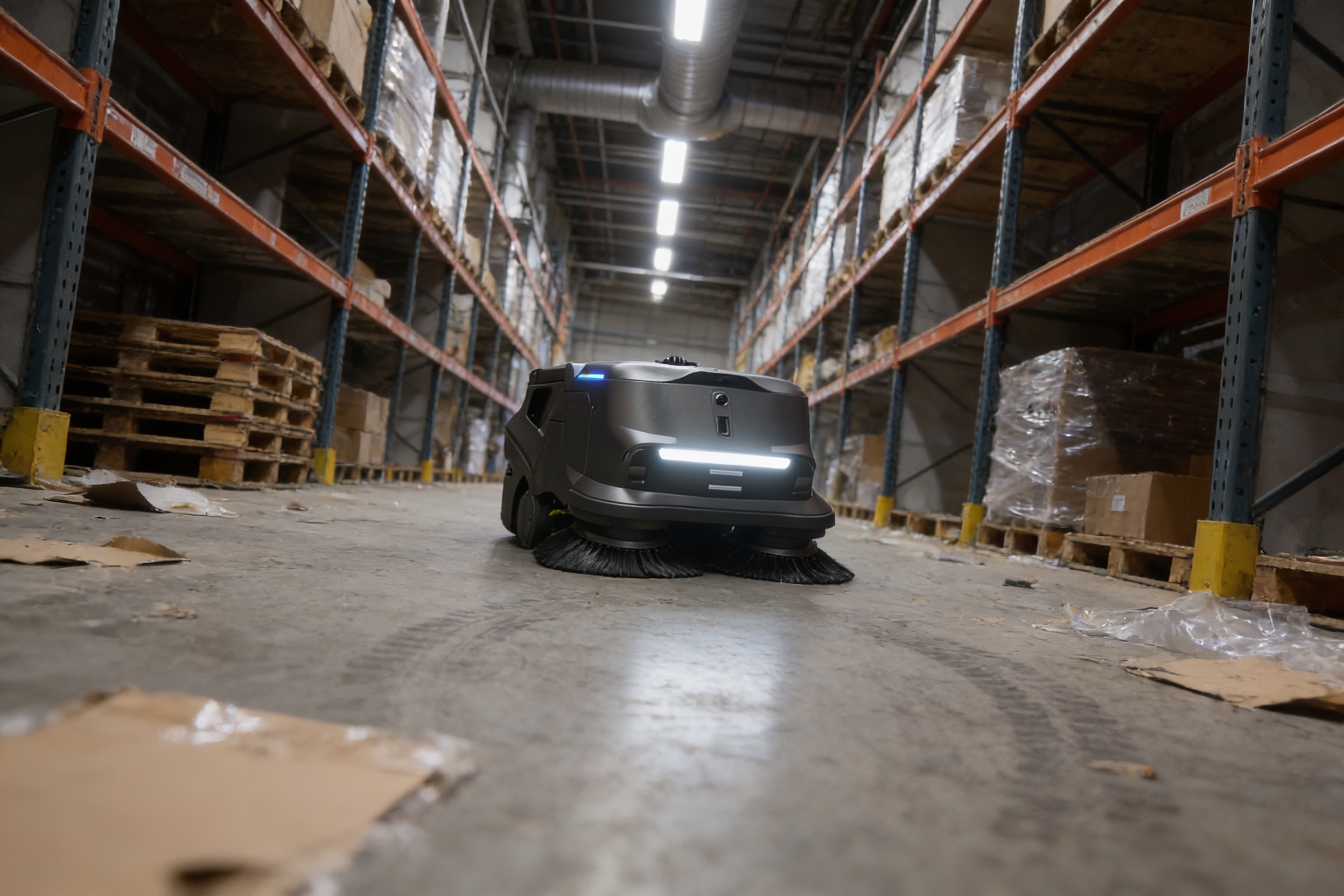
Chalk and sweat dust behave differently. Dry chalk and loose dust are the easier job, since a sweep or vacuum pass removes most of it, and the robot's brush or vacuum head handles open floor well when the route is clear. Sweat film and chalk trodden into the rubber grain need a scrub pass, and the robot can only do that if its pad and cleaning product match the floor's care instructions.
Check the rubber floor maker's cleaning guidance before the first cycle, because some cleaning products leave residue on rubber and haze that is hard to see at night. A dry sweep or dust-mop before the wet pass keeps chalk from turning into paste on the busiest lanes.
The closer should spot-check the first two or three nights for smears, streaks or residue, then adjust the cleaning product or pass count. If residue shows up after the first week, the settings are wrong, not the rubber. If the settings are right and the film keeps returning, the floor needs a change in cleaning routine before any robot can keep up.
How do you set a route around squat racks and equipment?
The route is where most gym robot pilots succeed or fail. A closer who spends ten minutes tidying the floor before each run will not save the closing time that justified the robot. Good route planning turns prep into a fixed list that the closer runs in the same order every night.
During the site assessment, ask for a route map of the actual floor, a list of obstacles the robot recognizes, and a test run with the racks in their working positions. Confirm whether the robot stops, reroutes or waits when it meets a low object, and what the closer must do when it does. Those answers belong in the pilot plan, not in the sales deck.
- Map the open rubber lanes as the robot route, and mark the walls, racks and platforms as obstacles or no-go areas.
- Reset movable benches, bars and racks to the same marked spots every night.
- Clear loaded bars, dropped plates, bags and water bottles before the start command.
- Keep turf strips and the corners under equipment off the route until a test shows they are safe.
- Start the run only after the last class ends and the last member has left the floor.
What do injury data say about gym floors and equipment?
Gym injuries are mostly about the training, not the floor, but floor condition still matters. A Victorian, Australia, study of fitness-facility injuries found overexertion to be the most common cause overall, and free-weight activities had the most injuries by activity, with crush injuries from falling weights common. Falls and awkward landings were common in group classes. A robot does not change those risks, and a robot that runs near equipment or in a busy aisle can add a moving hazard if the route is badly planned.
According to the US Bureau of Labor Statistics Survey of Occupational Injuries and Illnesses (2024), employers in fitness and recreational sports centers reported 1.8 work-related injuries and illnesses per 100 full-time workers. As reported in a 2024 HealthDay summary of a study, US Consumer Product Safety Commission data recorded nearly 583,000 consumer product injuries over a 10-year period at gyms and related settings. These counts describe the wider category, so they are context for floor-safety rules, not a forecast for your gym.
The practical rule is simple. Keep the robot out of live training, run it only when the floor is empty, and add a stop step to the closing checklist so the closer knows where the robot is before walking the floor.
Is a robot lease a fit for one gym and one closer?
Yes, if the pilot is small and the route is clear. A lease through financing lets a gym test one unit against its own closing routine before deciding on more. The fixed robot lease payment is set in a quote that comes after a free site assessment, so the figure reflects the actual floor, route and service needs rather than a generic catalog number.
We pick the right robot for the site across manufacturers, lease it through financing, deploy and integrate it, train staff and service it under our service plan. That gives a gym one partner for the mapping, training and repairs, with regional service engineers in every state we service. Maintenance is included in the service plan, so the pilot does not turn into a separate maintenance project.
Keep the first step small. One unit, one route and two weeks of logged runs will tell you more than a larger order placed before the floor has been mapped.
How do you run a one-closer pilot before committing?
Start with one leased unit, one floor zone and two weeks of logged runs. Record the closing time before the robot, the prep time the closer spends before each start, the time after the run, the obstacles that caused a stop, and any residue on the rubber. Track those four numbers on the same sheet each night so the comparison is not based on memory. They show whether the robot saves closer time or only moves it to a different step.
Set the go or no-go test in advance. If the closer still runs most of the open floor by hand, or if residue returns after the cleaning product is adjusted, the answer for this layout is no, and the floor needs a change before any robot can work it. If the robot covers the open lanes and the closer finishes the turf and corners inside the same lock-up window, the setup is a fit.
Decide the stop plan before the first night. Ask who is called when the robot stops mid-run, how the closer resets it, and what happens if a unit is out during a busy week. Get those answers in writing before the pilot starts.
Frequently asked questions
Want a cleaning robot at your gym training floors?
Tell us about your site. We will recommend the robot, quote the lease, and keep it serviced.
Sources
- Health & Fitness Association, 2026 report on 2025 fitness facility membership
- Health & Fitness Association, 2025 U.S. Health & Fitness Consumer Report headline trends
- US Bureau of Labor Statistics, Occupational Outlook Handbook: Janitors and Building Cleaners
- Brain Corp, Denver Public Schools case study (vendor-supplied)
- Hospital floor-care case study, S50 scrubbers, 2023 (vendor document)
- Commercial cleaning robot lease planning model (hypothetical, not measured)
- Victorian, Australia, fitness-facility injury study (PMC)