
The question, in the buyer's words
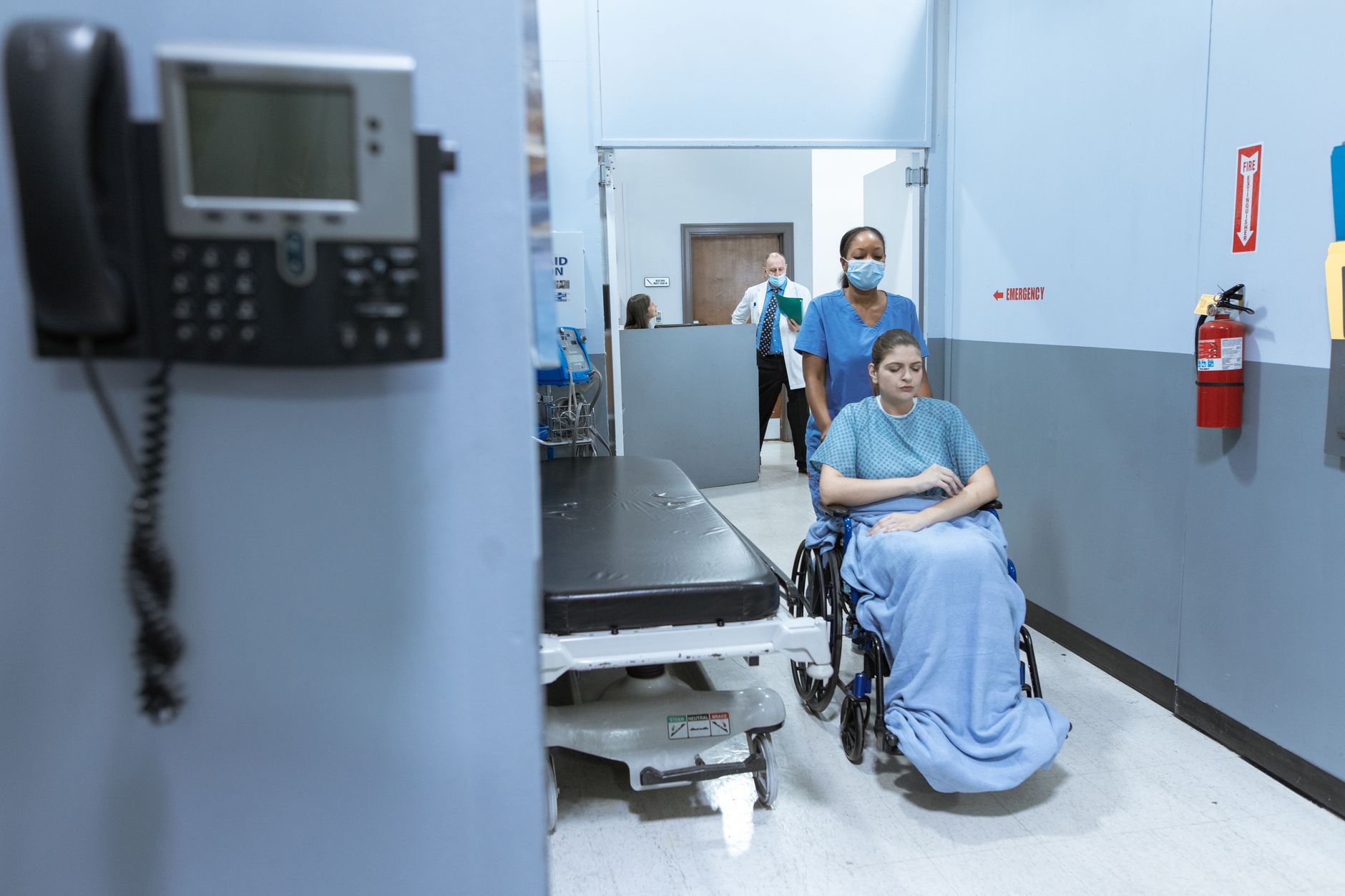
I run a six-chair dialysis clinic where one tech wipes chairs and floors between the morning and afternoon patients, so could a cleaning robot take the open floor between shifts without getting in anyone's way?
Key takeaways
- A robot fits the open floor in your patient-free gap, not the chairs or machines.
- Station disinfection stays with your tech under CDC cleaning scope.
- Time your actual gap before anything else, because no verified hour figure exists for a six-chair clinic.
- Hospital studies show large floor time savings, but they cover larger floors and single sites.
- Start with a free site assessment and a quote, then decide.
Can a cleaning robot work the open floor between dialysis shifts?
Your situation is a common one. A six-chair dialysis clinic runs its treatment bays on a schedule, and between the morning and afternoon patients the same tech who wipes chairs also has to get the floors done. When the wipe-down runs long, the floor is the task that slips. A cleaning robot can take that floor work, but it fits a narrower slot than the phrase open floor suggests.
The useful way to think about a dialysis clinic between shifts cleaning robot is as a scheduled floor pass in a patient-free window. It does not take over the station work that protects patients between treatments. The rest of this page separates the two so you can see where a robot earns its place and where it does not.
Dialysis is a large sector, and the count matters less than the pattern. MedPAC reports 7,605 dialysis facilities in 2024, a 1.4% decline from 2023, according to its July 2026 Data Book. Many clinics share this kind of staffing squeeze, so the question you are asking is typical rather than unusual.
How long is the gap between shifts, and does your clinic have one?
A robot can only work when no patient is in a bay and staff are finished with the stations. CDC guidance on dialysis environmental cleaning suggests considering a facility-wide patient-free interval between treatment shifts, and that interval is the window a floor robot needs. If your clinic runs morning and afternoon shifts with a turnover in between, you already have one, but the window may be shorter than the floor work.
Utilization benchmarks show how tight the schedule runs. Illinois administrative code assumes three patient shifts per day per station, six days a week, at 80% average annual utilization. A clinic that runs close to that pattern has less idle time than the word gap suggests, so the window between a morning and an afternoon group may be all you get.
Measure the gap before you call anyone. Write down the time the last morning patient leaves each bay, the time the tech finishes station disinfection, and the time the first afternoon patient arrives. The span between the second and third times is the robot's usable window, and it has to cover floor prep, the run itself and any staff check at the end.
Which floor work fits a robot, and which stays with your tech?
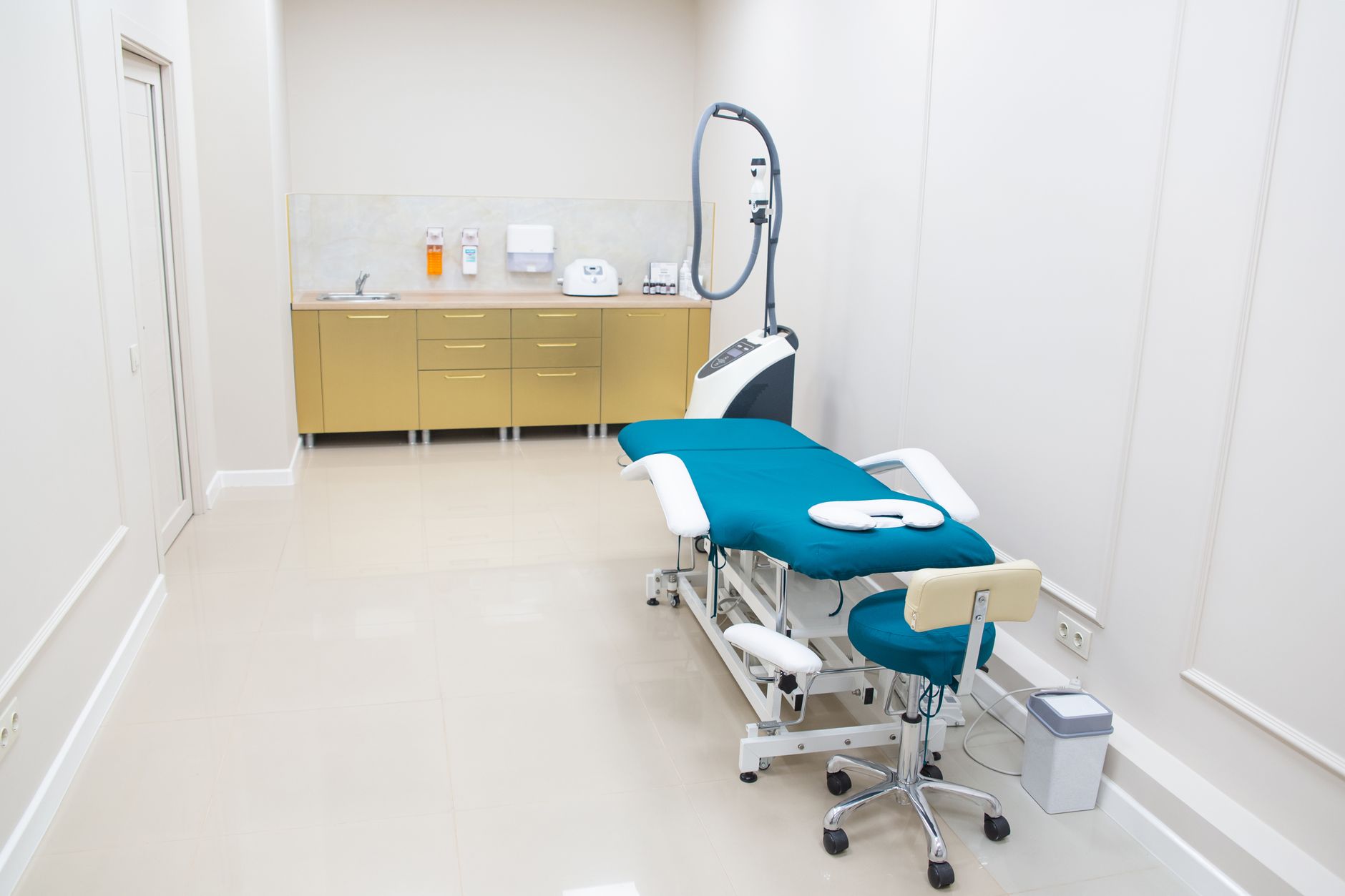
CDC cleaning scope for dialysis stations includes chairs, beds, tables, machines and machine control panels. Disposables are discarded and filters or protectors are changed between patients, and surfaces should stay wet for the full contact time. That station work is detailed, touch-heavy and tied to patient safety, so keep it with the tech who already does it.
According to a clinical trade summary of CDC guidance, routine cleaning can use any EPA-registered hospital disinfectant, and an intermediate-level disinfectant must be on hand for surfaces visibly soiled with blood or body fluids. A floor robot should not be the first response to a bloody spill. Staff handle the spill, then the robot runs the floor after the area is cleared and your infection control lead approves the cleanup.
The floor areas are where a robot makes sense. Work through the layout with the zones below. If a patient cannot be moved safely, station disinfection waits until the station can be vacated, so the robot should route around any occupied bay rather than wait for it.
How much tech time do the floors actually take?

Clinic-specific hour figures for a six-chair dialysis clinic were not available in the research for this page, so this section uses the closest published figures and labels them. Time your own floor pass before you decide.
A 2023 vendor case study of a U.S. hospital network reported that two technicians spent more than 16 hours a night on a 50,000 square foot area. After two scrubbers were introduced, total manhours per night fell from 16 to 5 and team size dropped from 3 to 2. The source is vendor-reported and covers a hospital, so treat it as a ceiling for large floors, not a forecast for six chairs.
A 2021 Singapore study of hospital floor cleaning found that autonomous scrubbers cut manual floor mopping time 57%, from 35 to 15 minutes. That is a single site and a single measure, but it shows the direction: floor passes are the part of cleaning most easily handed to a machine.
Floor area sets the answer. A six-chair clinic may have far less floor than a hospital corridor network, so the saving in minutes per gap is smaller even if the share of tech time is similar. Count the square feet of open floor in your gap before comparing.
What does a robot run look like between shifts?
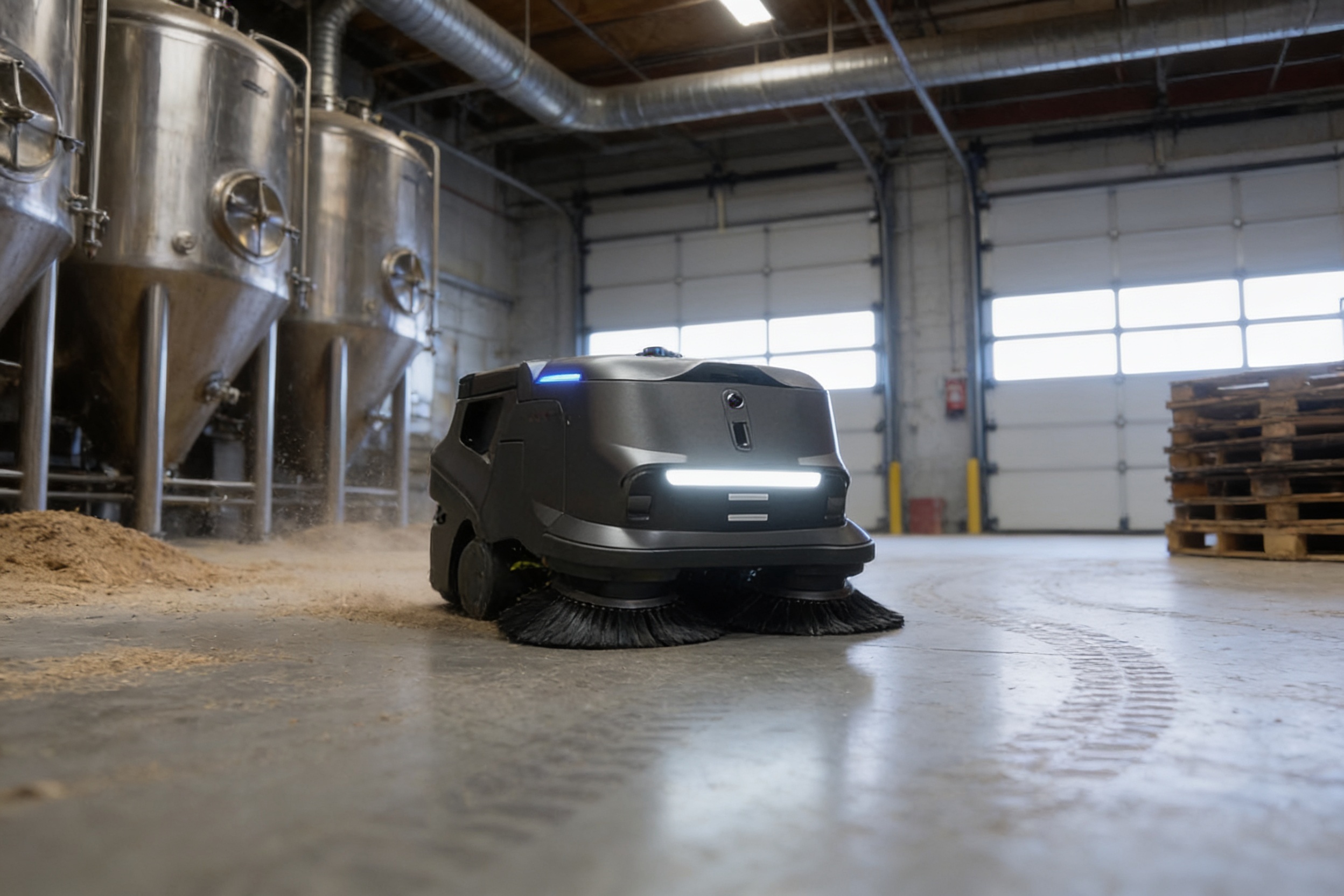
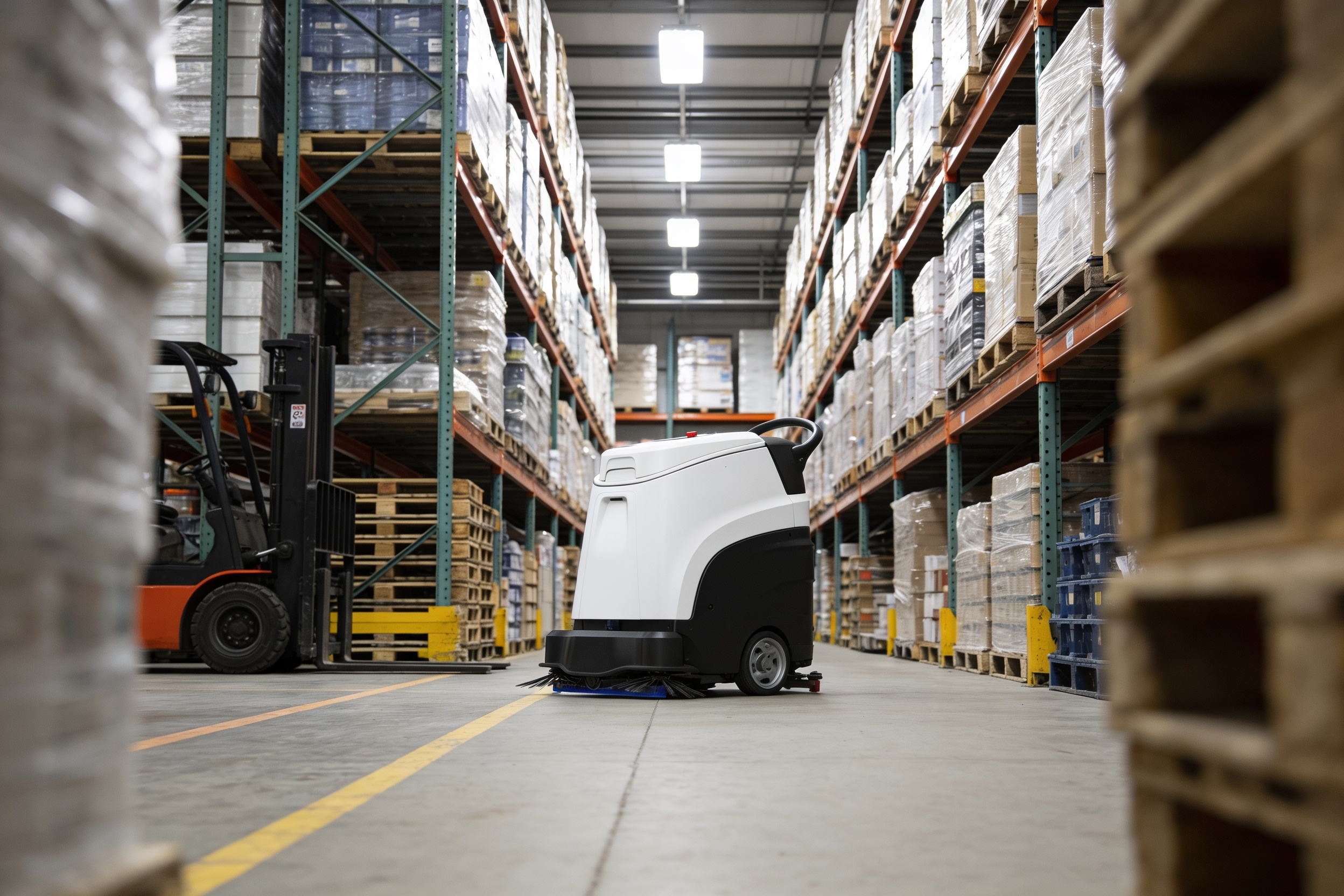
A well-run between-shift run is short, scheduled and checked. Staff clear the bays and confirm patients have left, the tech finishes the vacated stations, then the robot starts on the open floor. The tech stays available for the pause control and a visual check at the end, and no one works in its path.
Set the route so the robot avoids occupied areas, and mark any bay with an active patient as a no-go zone before the run starts. Staff should know the stop and pause controls and the procedure for reporting a spill the robot finds.
Expect a short training period for staff, and expect a few early runs to reveal furniture placement or tight doorways. Those are fixable with layout changes, and the site assessment is where they usually show up. Keep the afternoon start time fixed so the tech knows exactly when the floor is clear.
Does a floor robot fix the staffing problem?
Not by itself. A floor robot removes floor passes, not the wipe-down, the spill response or the patient work. The problem your tech faces is a split job, and a robot changes how the job is split rather than adding headcount.
The labor pool is not the bottleneck for basic cleaning. The Bureau of Labor Statistics reports about 2.4 million janitors and building cleaners in 2024, with 2% projected growth from 2024 to 2034 and about 351,300 openings per year on average. The occupation typically needs no formal credential and only short-term on-the-job training. Clinical floor work is more specialized than general janitorial work, so the training burden sits in the protocols rather than the credential.
Technician strain is real. In a 2022 survey of 228 dialysis technicians from a national association, 57.5% reported burnout, and 52.6% intended to remain technicians for three years. The authors noted the membership sample may not represent all U.S. technicians, so treat the figures as a signal rather than a census. Taking floor passes off a stretched tech is one way to ease the pressure behind those numbers.
Be honest about the trade. A robot does not add a person who can handle a patient issue, and an unfilled tech shift is still unfilled. What it can protect is the time your existing tech spends on patient care.
What do clinic managers worry about most?
The worries are reasonable, and most have concrete answers. Infection control, patient safety in the bays, noise during treatment, and who responds when the robot stops are the usual ones. The comparison below takes them in order.
Ask your infection control lead to review the robot's cleaning product and confirm whether it fits your facility's EPA-registered disinfectant policy. A floor robot is not a substitute for station disinfection, and the policy should say so in writing.
Ask the same lead to set the patient-free rule. CDC suggests considering a facility-wide patient-free interval, so the rule should specify who confirms an empty bay before the robot starts and what happens if a patient is still present.
How does getting a cleaning robot leased work with us?
We are a full-service commercial robot integrator for U.S. businesses. We pick the robot for your site, lease it through financing, deploy and integrate it, train your staff and service it under our service plan. You work with one partner for the whole lifecycle, not one vendor for the robot and another for service.
Our process starts with a free site assessment. We map the clinic floor, measure the open area, and record the gap windows and bay layout you give us. The lease payment is quoted in writing after that assessment, so you see the terms before any decision. Robots are leased only, through financing, and maintenance is included in the service plan.
Service matters more in a clinic than at most sites, because a stopped robot leaves the floor unfinished. Our service plan covers on-site dispatch and remote triage, so a fault gets a first look before a technician travels.
What should you check before you decide?
Check these points with your team before you ask for a quote. Each one can change the answer from yes to no.
If three or more of these fail, a robot is probably the wrong fit for now. If the gap is long, the floor is open and your infection control lead signs off, a single-unit lease is a contained way to test a between-shift run.
- Length of the patient-free gap, timed from the last patient out to the first patient in, after station disinfection.
- Whether any bay stays open during the gap, and whether a patient who must stay can be handled safely.
- Open floor area in square feet, and whether corridors and doors let a robot pass.
- Whether your infection control lead approves the robot's cleaning product and spill procedure.
- Who in the clinic owns the stop control and the first look after a fault.
- Whether the gain justifies a lease for one clinic or whether a shared arrangement across several sites makes more sense.
Frequently asked questions
Upcoming hospitals & healthcare events
- ConferenceNew England College Health Association (NECHA) 2026 Annual MeetingNov 11 to 13, 2026Newport Marriott Hotel & Spa, Newport, RI
- ConferenceHLTH USA 2026Nov 15 to 18, 2026The Venetian Expo, Las Vegas, NV
- ConferenceIndiana Safety and Health Conference & Expo, 2027Feb 8 to 10, 2027Indianapolis, IN
- ConferenceHealthcare Project Delivery Conference 2027Feb 10 to 11, 2027Manchester Grand Hyatt, San Diego, CA
Want a cleaning robot at your dialysis treatment bays?
Tell us about your site. We will recommend the robot, quote the lease, and keep it serviced.
Sources
- MedPAC July 2026 Data Book, Section 11
- Nephrology news report on 2022 dialysis technician burnout survey
- Bureau of Labor Statistics, Janitors and Building Cleaners
- CDC dialysis environmental notes
- Clinical trade summary of CDC dialysis infection prevention guidance
- 2021 Singapore study on autonomous floor scrubbers in hospitals
- 2023 vendor case study, U.S. hospital network (vendor-reported)
- Illinois Administrative Code, dialysis facility utilization rules