
Key takeaways
- A drone can capture a shopping center roof or parking lot in a fraction of the time a ladder or lift crew needs.
- Vendor-reported timings put a traditional roof inspection at 2 to 4 hours against 30 to 60 minutes of drone capture.
- The largest gains come from skipping rigging, closures and repeat visits, not from flight time alone.
- A drone cannot test membrane adhesion or find soft decking, so a roofer still checks what the images flag.
- We lease the drone through financing, and the payment comes in the quote after a free site assessment.
How can drones for shopping centers cut inspection time?
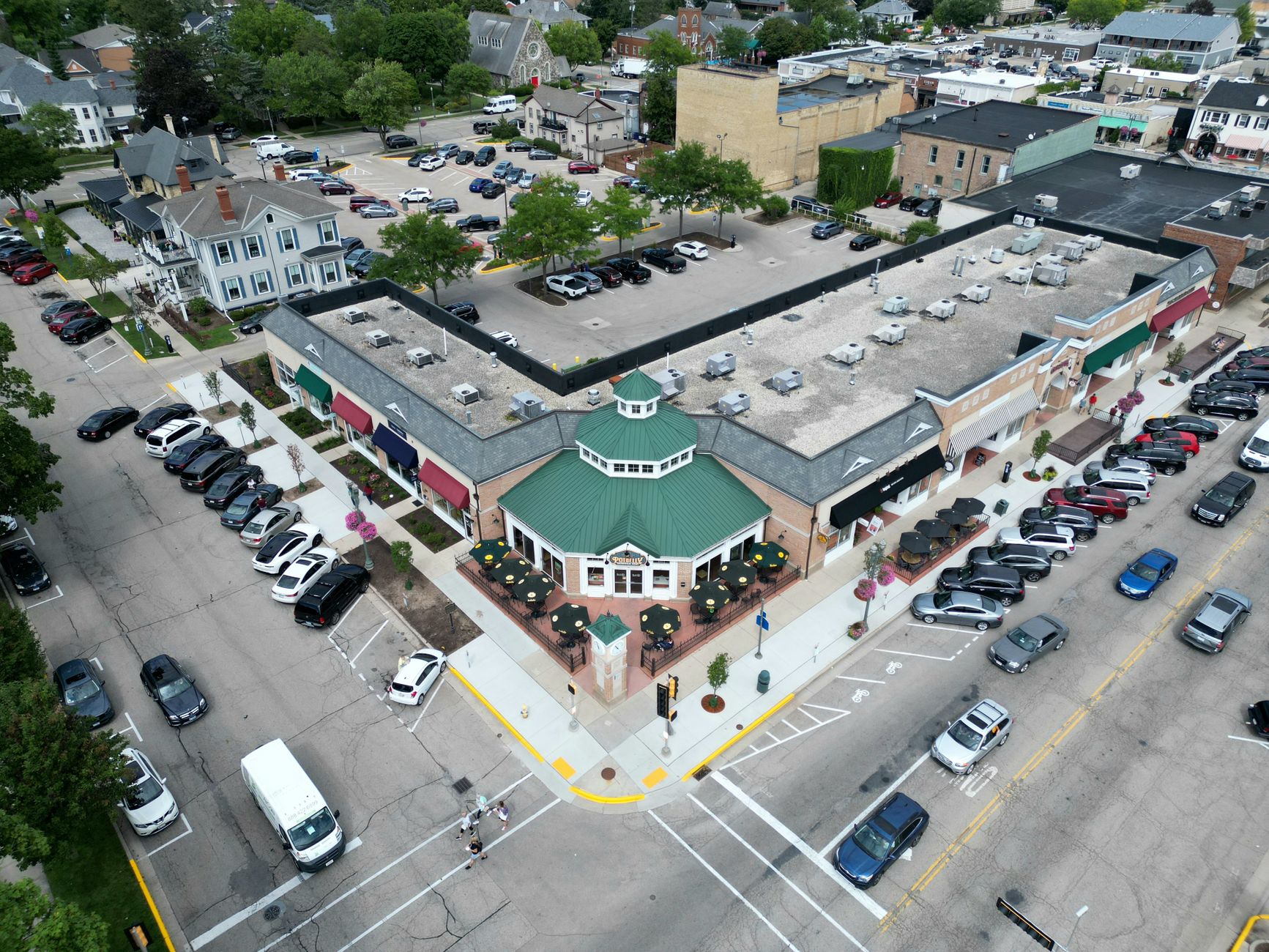
Drones for shopping centers solve one costly problem: getting a clear view of large roofs and parking lots without putting crews on ladders or in aerial lifts. A drone flies over the site, captures overlapping images and produces a record the property team can review at a desk. For a center with a big flat roof and a parking field to match, that changes how often inspections happen and who has to go up.
The time difference is the first thing operators notice. A drone training provider's 2026 guide puts a traditional roof inspection at 2 to 4 hours, while a drone captures comparable roof data in 30 to 60 minutes. The guide calls these industry estimates rather than measured results, so treat them as a starting point and time a first survey on your own roof.
We are a US commercial robot integrator. We pick the right drone setup for each site, lease it through financing, deploy and integrate it, train your staff and service it nationwide. The drone is one tool inside a routine that keeps people in charge of the roof and the lot.
What makes roofs and parking lots hard to inspect today?
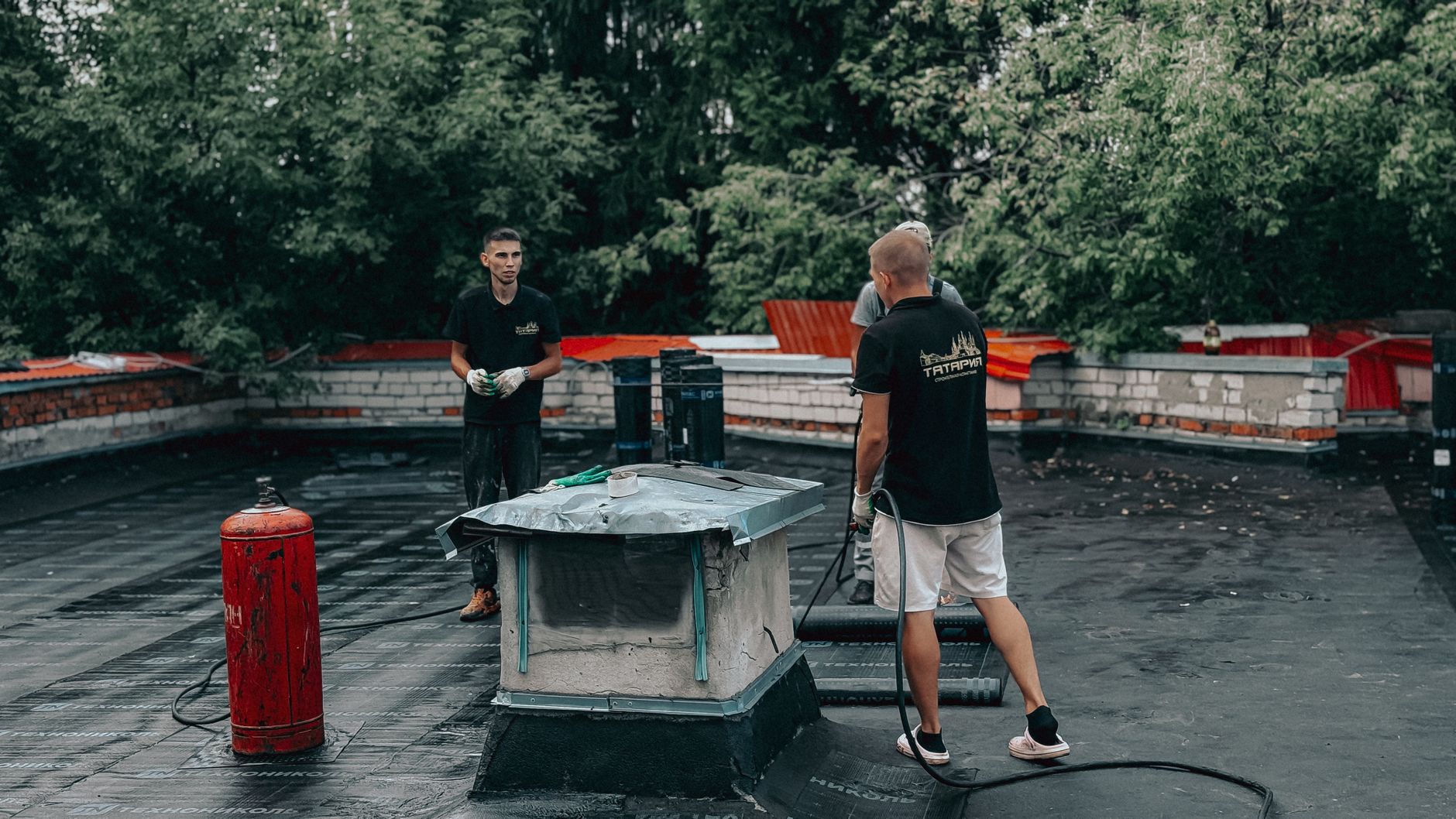
Shopping centers are large, flat and busy. A roof carries rooftop units, drains, scuppers and membrane seams across a wide footprint, and the parking field around it can run to many acres. Checking the membrane from a ladder or lift means setting up access equipment, closing walkways and sometimes arranging traffic control in a lot where tenants and customers are still moving.
The scale of the sector explains why this adds up. According to the International Council of Shopping Centers infographic, the U.S. has 113,309 shopping centers, with 7,483 million sq. ft. of gross leasable area. The year of that count is not stated in the copy we reviewed, so read it as a broad, undated count. Each of those sites asks the same roof and lot questions.
Ladder and lift work also puts people at height, which is why many operators want to limit it. Setup and access are often a large part of the effort, so a crew may spend as much time rigging as looking. A drone moves the physical work into a short flight and leaves the crew to review what was captured.
What are the main benefits for a shopping center?

The main benefit is access without setup. A drone covers a whole roof or lot from above, so the property team sees membrane condition, drainage and surface wear across the site rather than only in the sections a crew can reach that day.
Speed is the second benefit. A roof drone service provider's blog reports 10 to 20 minutes of drone flight on site, while manual roof inspections run 2 to 4 hours per project. A separate roof drone provider reports a detailed roof inspection in 5 to 20 minutes. These are vendor claims, so check them against your own roof before you set a schedule.
Parking lots benefit from the same overhead view. A parking analytics vendor's blog reports that a consultant with a clipboard surveys 250 spaces per hour, while a drone with AI covers 6,000 in the same time. A survey firm's mall project page reports 165 acres of data captured within 45 minutes. Both come from vendors, not independent studies, but they show why aerial capture suits large lots.
Documentation is the quiet benefit. A dated set of images lets you compare this season's drainage or surface wear with last year's, and it gives a contractor or insurer a clear record of what was seen.
How does the drone work at a shopping center day to day?
Most of the work happens before the drone leaves the ground. We map the site, plan flight paths around rooftop equipment, light poles and tenant signage, and agree on flight windows that do not disturb deliveries or customers. Early morning and quiet hours are common choices.
On flight day, a trained pilot runs the mission while a site contact handles access, gates and anything the crew needs to know. The drone captures overlapping images that are stitched into a map and model of the roof or lot. The pilot checks coverage before leaving the site, so no one has to come back for a missed strip.
After the flight, the team reviews the imagery on a screen. Anything that needs hands on, such as a suspected soft spot or a failed seam, becomes a work order for a roofer or paving contractor. The drone narrows the job. It does not finish it.
Which areas of a shopping center does a drone cover?
Drones for shopping centers earn their place where the site is wide and the view from above tells you something. Roofs, parking fields, drainage and the outer edges of the property are the obvious areas. Interior spaces and enclosed courts sit outside the usual scope of an aerial survey.
The list below covers six areas where aerial capture usually pays off, along with the reason each one matters to the people who run the center.
Set expectations for each area. Roof surveys look for membrane condition, flashing, ponding and drainage. Lot surveys look for cracks, potholes, striping and light coverage. The drone records what is visible from the air, and a person decides what it means.
How do drone surveys work alongside existing staff?
A drone does not replace the people who run a shopping center. It changes how they spend their time. The property manager still decides what gets fixed and when, and the maintenance lead still owns the work orders. A drone pilot, who can be a trained member of your team or a pilot we provide, handles the flight and capture.
The usual team is small: a site contact who gives access, a pilot who flies, and a reviewer who reads the imagery and writes the findings. Hours shrink because the setup work goes away. A manual roof inspection runs 2 to 4 hours per project in the vendor figures cited above, and much of that time goes to rigging and access rather than looking.
Training covers flight planning, data handling and the checks a site team should run after each survey, so your people can run the routine when we are not on site.
What drives the savings in hours and labor?
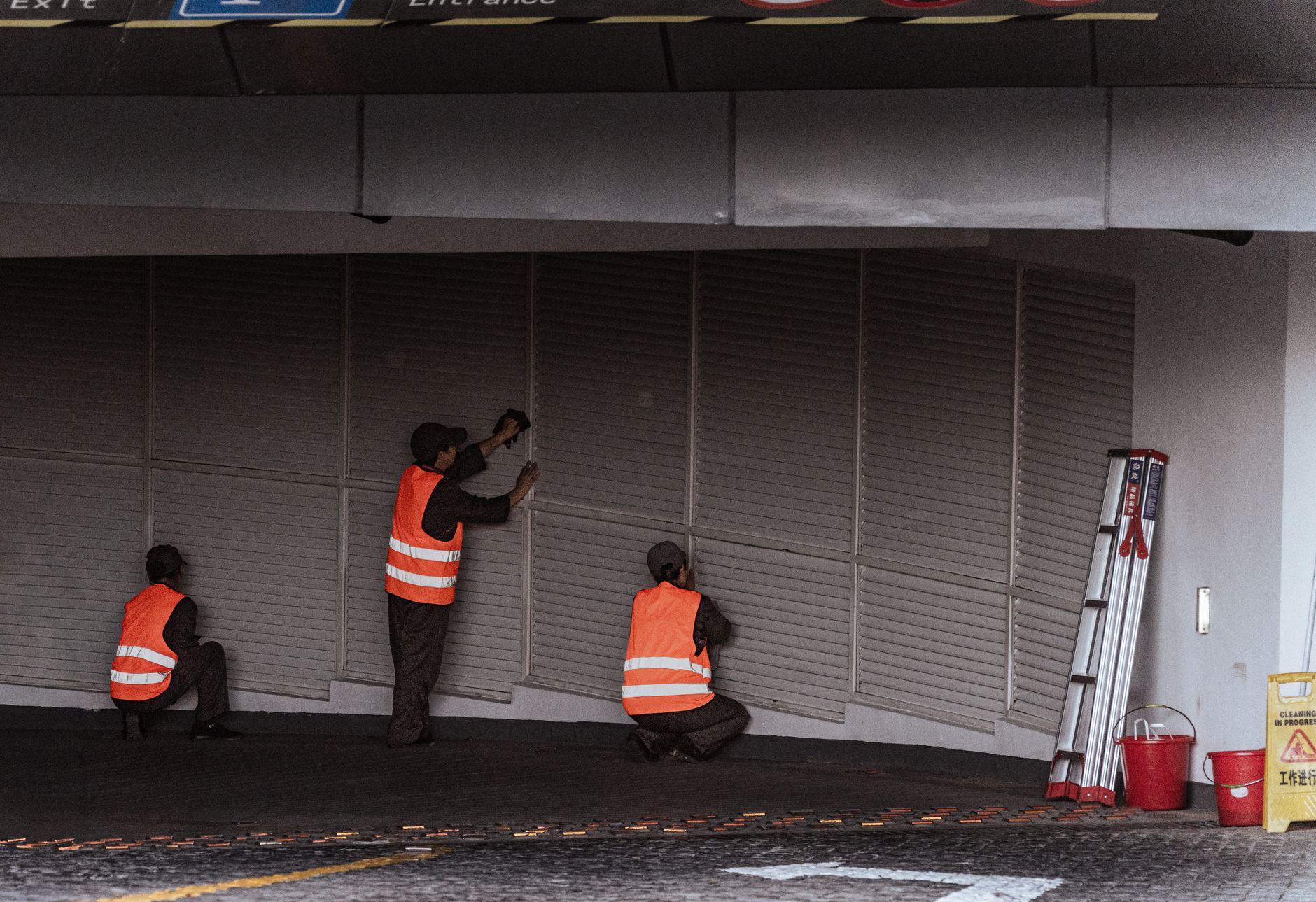
The savings come from three places: less setup, fewer repeat visits and a shorter path from observation to work order. Setup is the largest and most variable part. A drone skips most of the ladder, harness and lift work, along with the crew time spent on access and closures.
The effect on schedules can be large. A design firm's case study of a corporate center, not a shopping center, reports that automated drone flights logged 36 time stamps instead of 4 over two days, and that the project schedule shortened by 16 days. That is one project, so the result will vary, but it shows how faster capture ripples into every step after it.
Check hour ranges on your own sites. Use 2 to 4 hours per manual roof inspection and 30 to 60 minutes of drone capture as a starting point, then time a real inspection done each way. The savings depend on how many roofs, lots and access points each center has, so the sensible next step is a free site assessment.
What can a drone not do on a shopping center?
A drone cannot test membrane adhesion, probe for soft decking or confirm that a seam is watertight. It sees the surface and the pattern of wear, not the strength beneath it. Anything that needs a hands-on check still needs a roofer or engineer on the roof.
Weather limits flying. Heavy rain and high winds keep drones on the ground, so plan around forecast windows and keep a manual inspection as a backup. Commercial flights generally require an FAA Part 107 remote pilot certificate, and each site needs its own airspace and access checks.
Battery life also shapes the day. A parking drone operator describing one very large mall lot said it needed 20 batteries and a full day of flying, according to a podcast episode. Big sites may need more flights, more batteries and a planned break in the schedule.
How do you get started with drones for shopping centers?
Start with a free site assessment. We look at your roofs, lots and access points, check flight restrictions, and draft a first survey plan. The assessment also tells you whether a drone earns its place at each site, including the sites where it does not. A single small center may not justify equipment on its own, so an honest answer matters.
The lease is the route in. We lease the drone through financing, and the payment comes in the quote after the free site assessment. Deployment, integration and training follow, and many operators start with one site before deciding how far to take the program.
Once the team is trained, a regular survey schedule for roofs and lots can run on its own, with on-site dispatch if the aircraft needs attention. Keep the first flight small and compare it with what your crew spends today, so the numbers come from your own site.
Frequently asked questions
Want a drone at your shopping center?
Tell us about your site. We will recommend the robot, quote the lease, and keep it serviced.
Sources
- Drone training provider guide on roof inspections (2026)
- Roof drone services page
- Drone inspection blog on roof work
- Design firm project case study (corporate center)
- Parking analytics vendor blog
- Survey firm mall project page
- Podcast episode on drone parking lot surveys
- International Council of Shopping Centers infographic