
Key takeaways
- A drone can fly a 1.5 mile fence line far faster than a person can walk it, based on one measured project.
- In that project the drone took 7 minutes for the inspection and walking took 45 minutes.
- Commercial drone flights over a farm require a Remote Pilot Certificate under FAA Part 107.
- Flight routes should stay clear of animal housing and follow your biosecurity plan.
- A free site assessment comes first, and the lease payment is set in the quote that follows.
Can drones for hog farms speed up fence, road and lagoon checks?
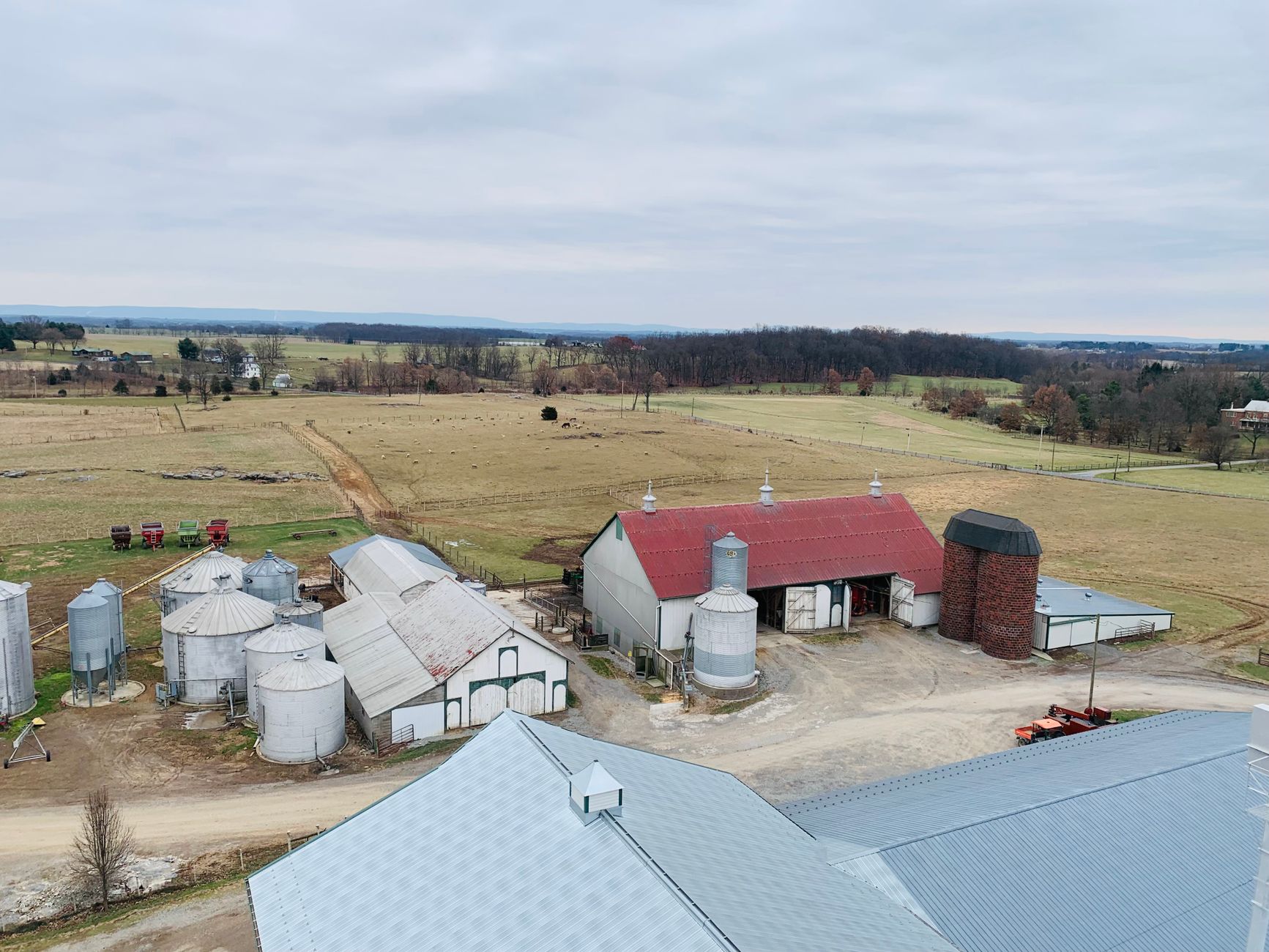
Yes. Drones for hog farms are most useful on the jobs that cover the most ground: fence lines, access roads and the edges of waste lagoons. A manager who checks these by walking or driving may see only part of the property in a day. An overhead flight gives a quick view of site conditions across the whole operation, including spots that are slow or awkward to reach on foot.
The clearest measured example so far is fence work. In a grant project reported by SARE, a 1.5 mile fence inspection took 7 minutes by drone, 45 minutes on foot and 15 minutes by ATV. Those figures come from one project rather than an independent study, but they show the size of the gap.
A drone does not replace the people who walk the site. It screens the ground quickly, flags what needs a closer look, and sends staff to the exact spots that matter, so the crew spends its time on repairs and animal care.
What makes site checks hard at a hog operation today?
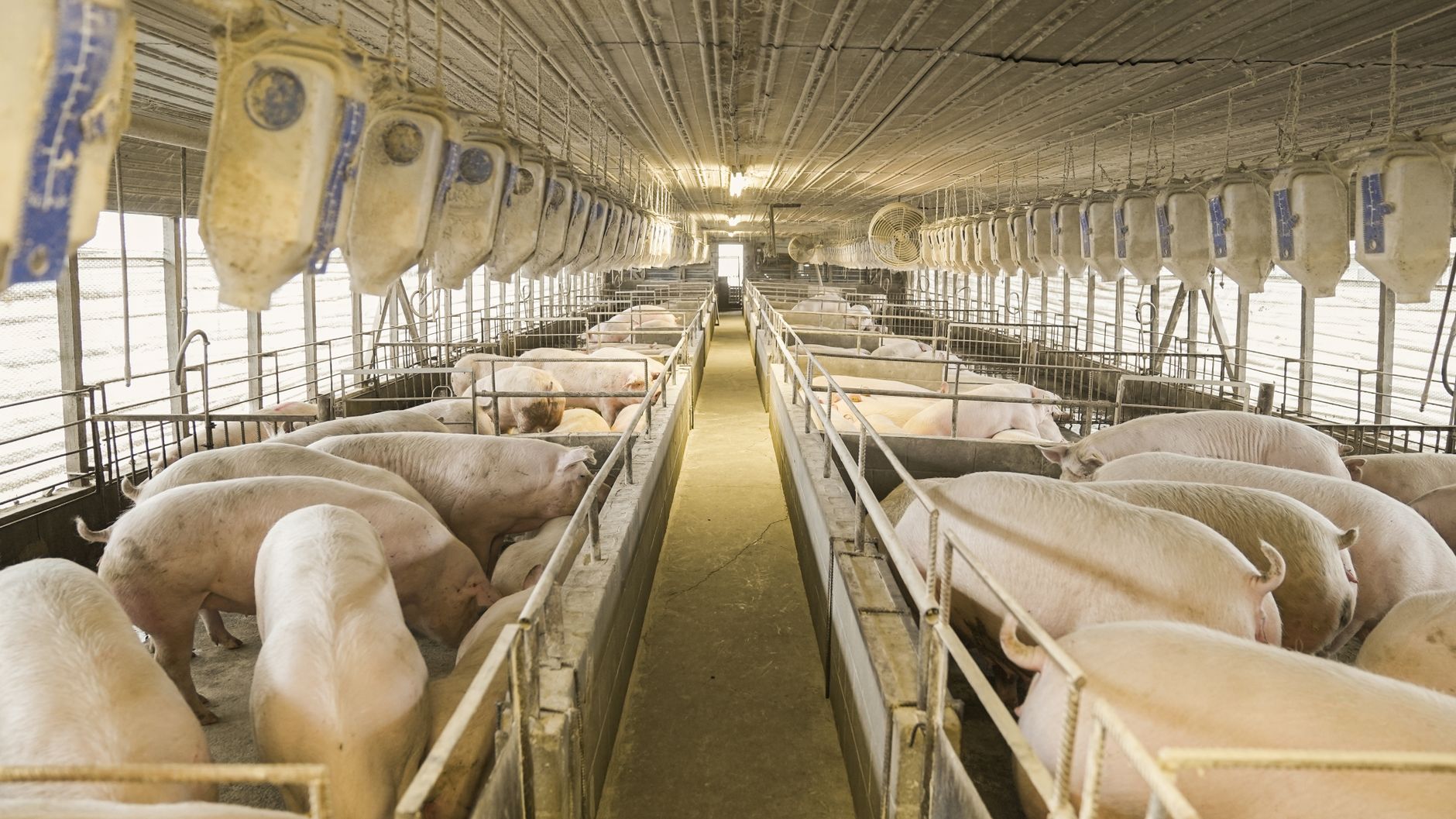
A hog operation spreads across a large footprint. Barns, feed areas, lagoons, access roads and a long perimeter fence all need attention, and that work competes with animal care for the same staff hours. Most farms check these areas on a set schedule, and the schedule is only as good as the time available to walk it.
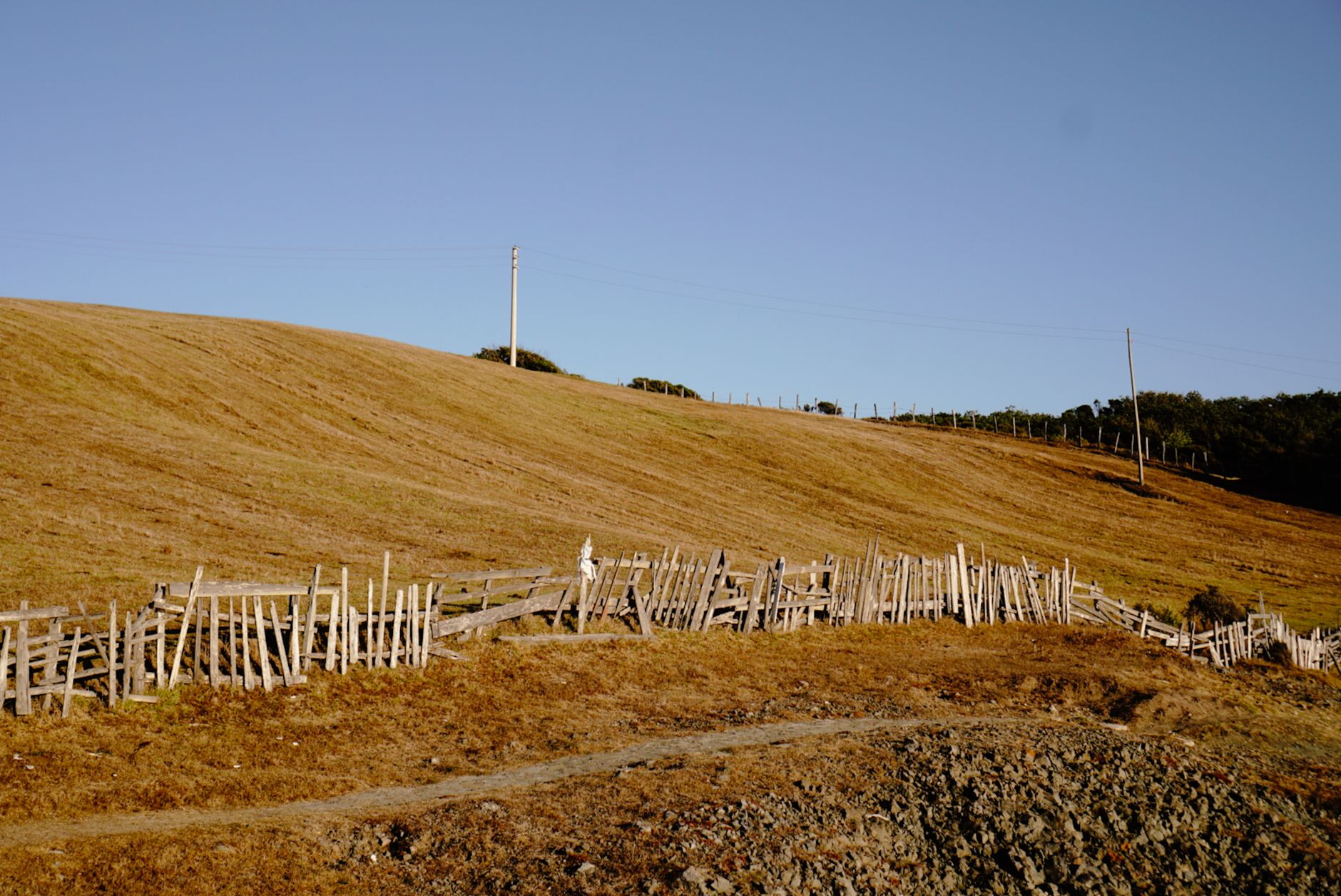
Fence condition matters most for escape risk. The University of Kentucky extension notes that fence line inspection, including gates, wires and latches, is time consuming and must be done regularly to reduce escape risk. When the check is slow, it tends to slip, and the gap between checks is where problems start.
Trouble often shows up between checks: a broken wire, a washed out road after heavy rain, or a slumped lagoon berm. A weekly walk can leave a problem unseen for days, and by then the animals, the trucks or the lagoon may already be affected. Small problems found early are usually simpler to fix than the ones found after a week of wear.
What are the main benefits of drones for hog farm sites?
Drones bring three gains to a site like this: speed, reach and a repeatable view. Speed is the benefit with the clearest measurement so far. The University of Kentucky extension says drones can speed up fence inspection through camera coverage, flight speed and flying over obstacles.
Reach matters on a large property. A drone can pass over ditches, brush lines, sloped lagoon embankments and wet ground without a person choosing a path through them. That also keeps staff out of tall grass and off ground they do not need to cross.
The repeatable view is the quiet benefit. When the flight follows the same route each week, the images can be compared from one week to the next, so a manager sees what changed instead of relying on memory. That history is useful when a fence repair is due or a road needs grading.
How does a drone work on the farm day to day?
A typical day starts before the drone leaves the ground. Someone checks the weather, the airspace and the flight plan, and confirms the route keeps the drone clear of animal housing. A certified pilot flies the route for commercial work, a requirement covered in the rules section below.
The flight then covers the fence line, access roads or lagoon edge on a set path. Images are tied to the route, so the manager can find each spot later and compare it with the last flight. Review can happen at a desk that evening or the next morning.
Staff walk the spots the images flagged. A person makes the repair, and the next flight confirms the fix. The drone handles the broad view, and people handle everything that needs a hand on the work.
Which areas of a hog farm can a drone cover?
A hog operation has a few distinct areas where a drone earns its place. The zones below cover the ground where managers spend the most time or where a missed problem does the most harm.
Start with the perimeter fence and the lagoon edge, since those hold the checks that take the most time and carry the biggest risk of a surprise. Add roads, gates and field edges as your site assessment shows where the most ground needs covering.
Gates and latches are part of the fence inspection the University of Kentucky extension describes, so the route should pass every gate on the perimeter and capture a clear image of each one. Those images give a manager a record to compare from one flight to the next.
A free site assessment maps the real fence, road and lagoon layout so the flight plan matches your property rather than a generic template.
How does a drone work alongside your existing crew?
A drone works best as a tool for the crew you already have. Your staff still makes repairs, handles animals, tends the barns and decides what to do about a flagged problem. The drone reduces the time they spend walking the perimeter, and it does not take that job away from them.
We pick the right drone for the site, lease it through financing, deploy and integrate it, train your staff and service it nationwide. Training covers the route, the image review and the flight rules before the first flight, so your team is not learning on the job.
Plan for a drone plus a smaller team, never zero staff. A trained operator or certified pilot flies the route, a manager reviews the images, and a crew member handles repairs. Many operators start by moving only the perimeter check onto the drone and keep the rest on foot until the routine is settled.
What drives the time and labor savings?
Savings from drones for hog farms come from hours, not from the drone itself. The main drivers are how long each check takes, how often the check runs, and how much time staff lose to walking between spots.
The SARE project gives the clearest measured times. A 1.5 mile fence inspection took 7 minutes by drone, 45 minutes on foot and 15 minutes by ATV. The same table lists weekly fence checks as 7 for the drone, 1 for walking and 2 for the ATV.
These numbers come from one project, so your own figures will differ. The useful step is to time your own perimeter, road and lagoon routes during a site assessment. We do not promise a result. The quote that follows the assessment reflects the routes your site actually needs.
What can a drone not do, and which rules apply?
A drone has real limits, and drones for hog farms need a good plan that respects them. It sees the outside of things. It cannot tell you what is happening inside a barn, it cannot make a repair, and it cannot replace a close walk when you need to check an animal or a piece of equipment up close.
Rules are moving. Before you fly, confirm the latest FAA requirements, any state bills that apply to your farm and your own biosecurity plan. Read bill text directly, since news reports on pending bills may describe them loosely.
Weather and daylight also limit flights, and wind or rain can stop a route before it is finished. Plan around those limits rather than assuming a full survey will happen on every scheduled day.
- Commercial flights over a farm fall under FAA Part 107, and a Remote Pilot Certificate is required, according to the University of Arizona extension.
- The National Pork Producers Council has backed an FAA rule to restrict drones near hog farms, citing biosecurity, worker safety, and operational and physical security, according to National Hog Farmer.
- The Iowa Senate advanced a bill giving farms of 40 acres or larger state protection against drone surveillance, according to a news report.
How do you get started with a drone lease?
Start with a free site assessment. We walk the property or review it with you, time the fence, road and lagoon routes, and identify the spots that matter most. The assessment shows which flights make sense and how many routes your operation needs.
The drone is leased through financing, so the decision does not start with a large upfront payment. A fixed lease payment comes in the quote that follows the assessment, which lets you compare it with your current hours before you commit. Our lease financing programs are built for commercial operators.
Many operators begin with one drone on the perimeter and a single lagoon route, then add routes once the crew has the rhythm. A phased start keeps the change small and lets you judge the time savings on your own site before you expand.
Frequently asked questions
Want a drone at your hog farm?
Tell us about your site. We will recommend the robot, quote the lease, and keep it serviced.