
Key takeaways
- A SARE grant trial timed one drone fence inspection at 7 minutes against 45 minutes on foot.
- A trained person still plans, flies, reviews and acts on every route.
- Aerial imagery supports poultry biosecurity records, which University of Nebraska describes as often required or highly recommended.
- A commercial Remote Pilot Certificate is required for fence-line inspection on a farm, according to University of Kentucky extension.
- The fixed robot lease payment comes in the quote after a free site assessment.
How can drones for poultry farms help?
Drones for poultry farms are most useful on the work that eats the most walking: checking perimeter fencing, field edges and roof condition across acreage that takes a long time to cover on foot. A drone flies a saved route at a set height, and its camera records what it sees for a person to review. The drone does not replace the farm team. It takes the long, repetitive part of the check into the air.
The clearest figure comes from a grant trial. According to a SARE final report on project FNC20-1210, a drone inspected a 1.5-mile fence in 7 minutes, while the same inspection on foot took 45 minutes. Because the source is a grant report and not a vendor claim, the timing reflects a field trial, though your own fence, terrain and wind will set your times.
The second benefit is a dated record. According to a University of Nebraska biosecurity project, an up-to-date, accurate aerial view of an operation is often required or highly recommended for poultry biosecurity programs, and that project used low-altitude drone imagery of commercial poultry barns.
What does checking a poultry operation involve today?
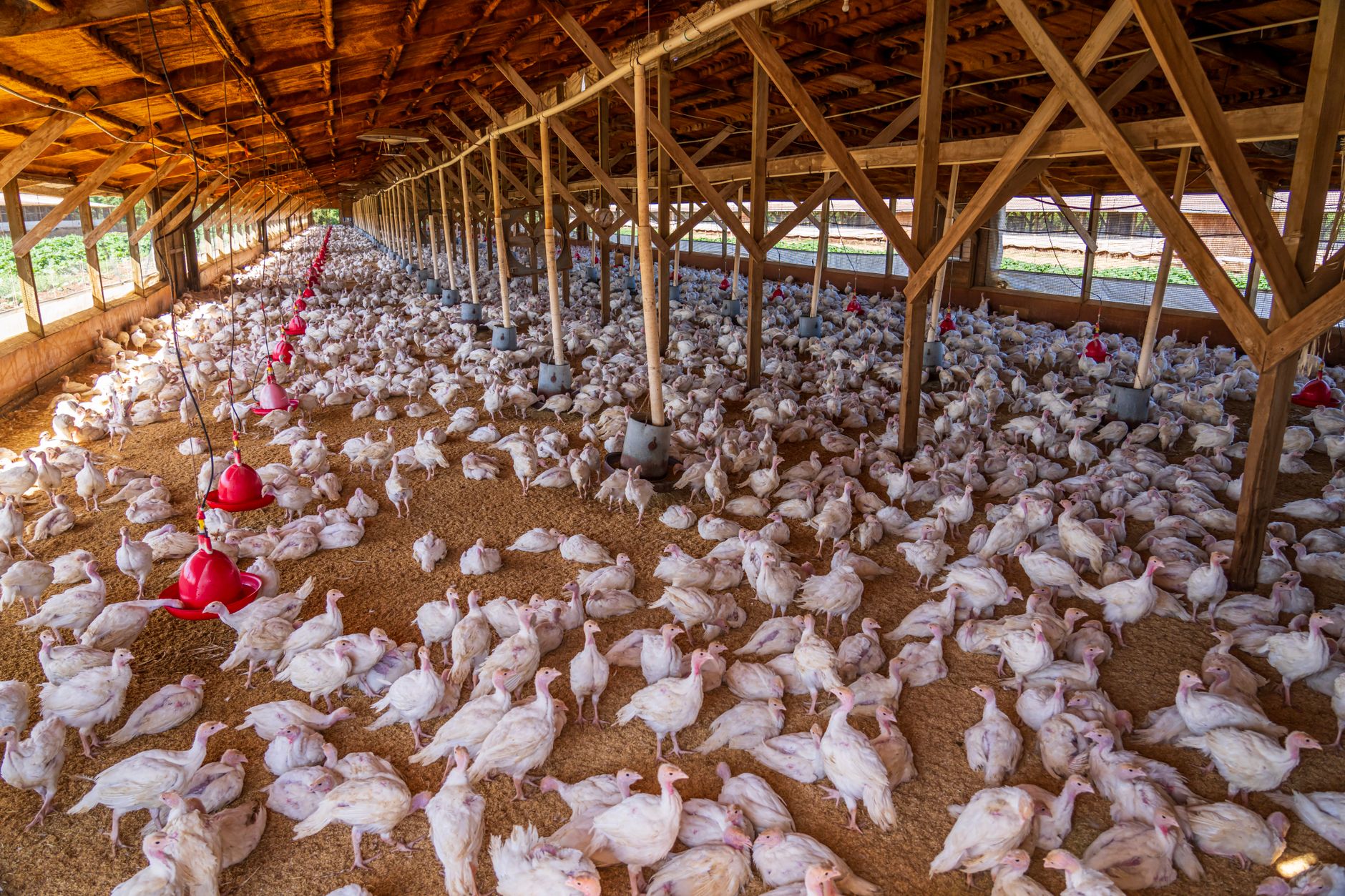
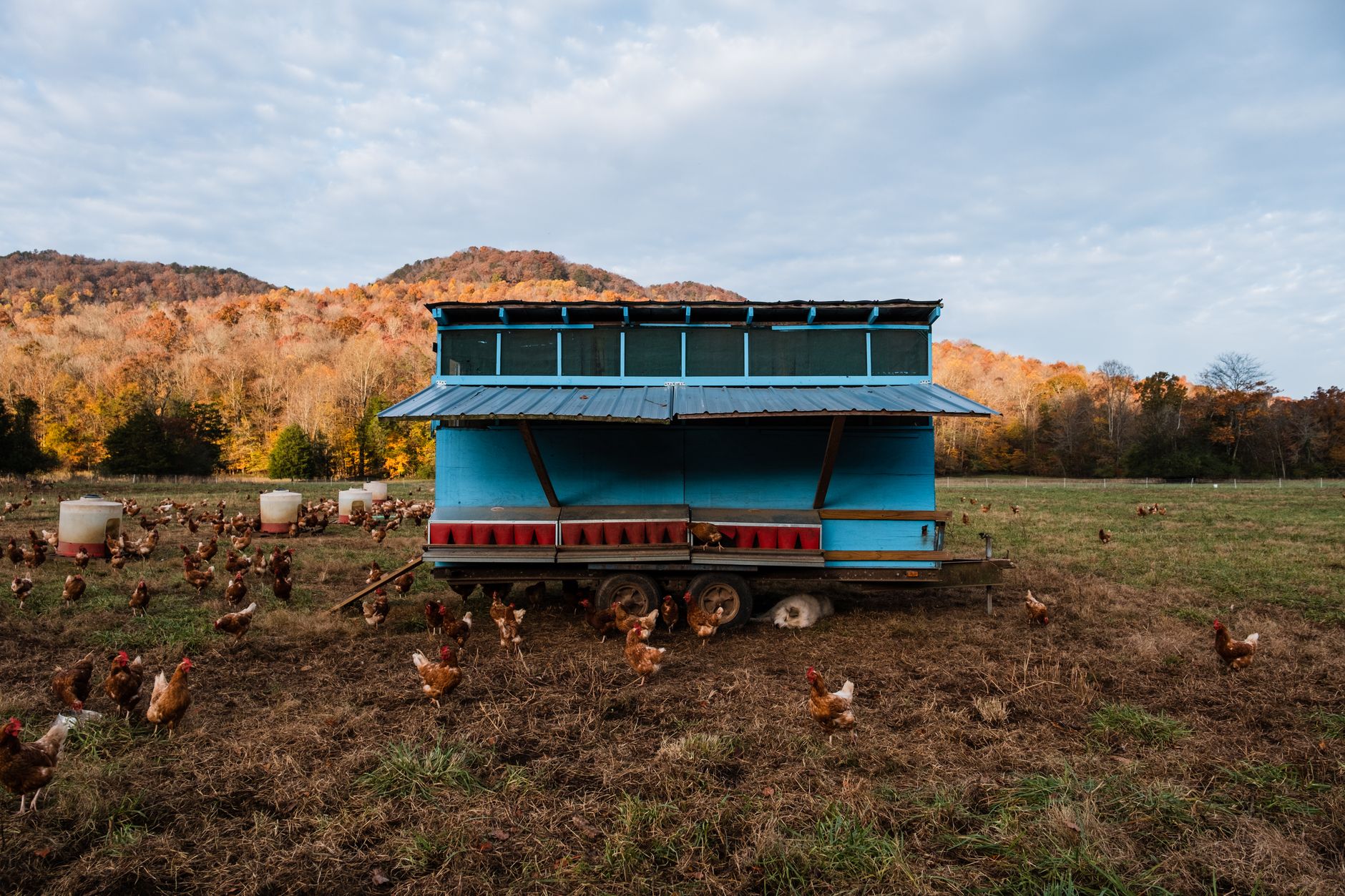
A poultry operation is a set of barns, yards, lanes and fence lines spread across ground that can cover a large acreage. Someone has to walk or drive the perimeter, check fence wire and gates, look at field edges for washouts or gaps, and look up at barn roofs and feed bins for damage. On a large site that walk is slow, and it competes with feeding, ventilation checks and daily bird care for the same hours.
The scale of the sector is large. According to USDA National Agricultural Statistics Service, 9.40 billion broilers were produced in 2025, up 1 percent from 2024. Volume on that scale rests on many sites whose fences, roofs and grounds all need regular checks, and the crews who make those checks are often the same people doing the daily work.
The number of farms is harder to pin down. According to the National Chicken Council, citing USDA and NCC, about 20,000 family farms raise broilers, breeders and pullets, and about 95 percent of broilers are raised on contract farms. That is not a pure count of broiler farms, so read it as the shape of the industry rather than a headcount of sites.
What are the main benefits for a poultry farm?
The first benefit is frequency. When a fence walk takes a large part of the morning, many operators check it less often than they want to. A drone route is short enough to repeat after a storm, after a predator sighting or after a crew has worked near the wire, which is when a gap is most likely to appear.
The second is a consistent view. A walker sees one angle at a time and tends to miss the far side of a field edge or a valley in a roof. A drone flies the same route each time, so this month's images line up with last month's, and a manager can compare them side by side.
The third is documentation. Aerial images give a dated record of the perimeter, the roofs and the yards. That record supports the biosecurity program described in the Nebraska project, and it gives a contractor or a new manager a clear reference for what the site looked like before a repair.
How does a drone work on a poultry farm day to day?
A check starts before anything leaves the ground. The operator confirms the weather is suitable, that the flight area is clear of people and vehicles, and that the route keeps the drone outside the barns and away from the birds. The route is saved so the same path can be flown again next time.
During the flight, the operator watches the camera feed and the drone. It covers the fence line or field edge at a set height, and the operator can pause, reroute or bring it back if the wind picks up or someone enters the area. Flight time is short compared with a walk, but the operator still has to stay with it from start to finish.
After landing, someone reviews the images on screen, marks anything that looks wrong, such as a sagging wire, a gap at a gate or a torn roof sheet, and passes it to the person who can fix it that day. The log stays on file, so the next check can be compared against this one.
Which areas of a poultry farm can drones cover?
Drones work best on the outdoor areas that are long, open and hard to see from the ground. Each area has its own check and its own route, so a field edge pass never drifts over a barn.
Fence lines need the wire, posts and gates looked at closely. Field edges need the washouts and the spots where animals or equipment have pushed through. Roofs need a view a ladder rarely gives. Feed bins and silo tops need a look from above, and lanes need the surface and the gate hardware. Ditches and low spots need the water path kept clear.
Walk each zone with your flock manager before the first flight. Flights stay outside the houses, and the manager decides which areas can be flown at which times, since the birds and the crew both depend on a quiet, predictable site.
Who flies the drone, and how does it fit with existing staff?
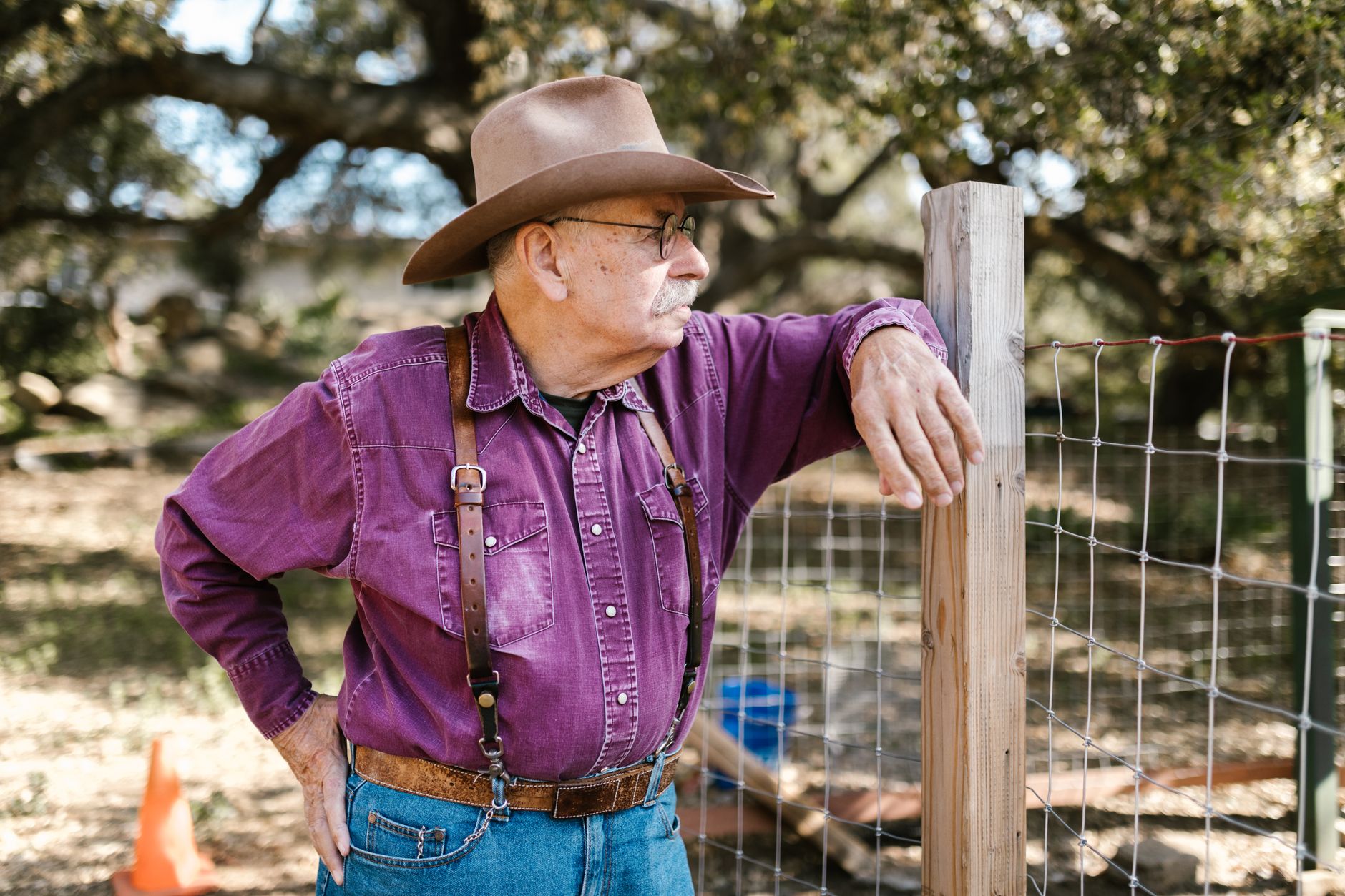
A drone does not run itself on a farm. Someone plans the route, supervises the flight, watches the feed and decides what to do with the findings. Often that person is already on the team, trained for the job and then flying the route as part of the regular walk.
The crew stays a crew. The drone takes over the long walk along the fence and the edges, and the staff member who flies it spends the rest of the shift on the gates, the lanes and the birds. The team's judgment stays with people, and the drone covers ground that would otherwise pull a walker away from daily care.
Training happens in the first weeks. Our team trains the staff who will fly and review the work, supports the first live flights and stays available for questions while the routine settles in.
What drives the savings in hours on a poultry farm?
The hours saved depend on the length of the perimeter, the amount of edge that needs checking and how often the check runs. In the grant trial, the same 1.5-mile fence took 7 minutes by drone and 45 minutes on foot, according to SARE. Your times will depend on your fence, your terrain and the weather, so time a route before you plan around a number.
Labor is the other side of the math. According to a U.S. Poultry and Egg Association survey reported by WATTAgNet, average annual poultry employee turnover was 65 percent, with locations ranging from 3.4 to 150 percent, against 30.4 percent annual turnover across all manufacturing. Those figures come from processing plants, not farms, and the report does not give the survey date, so read them as context for the labor market rather than a farm benchmark.
Savings come from fewer hours on repetitive walks, faster reporting when something is wrong, and fewer missed checks when one person is away. Record the hours per week for each task before you start, and we will help you set the baseline during the site assessment.
What can a drone not do, and what rules apply?
A drone is a camera on a route. It does not fix a wire, close a gap or replace a person on a roof. The images show what is visible from above, and a person still has to confirm what they show.
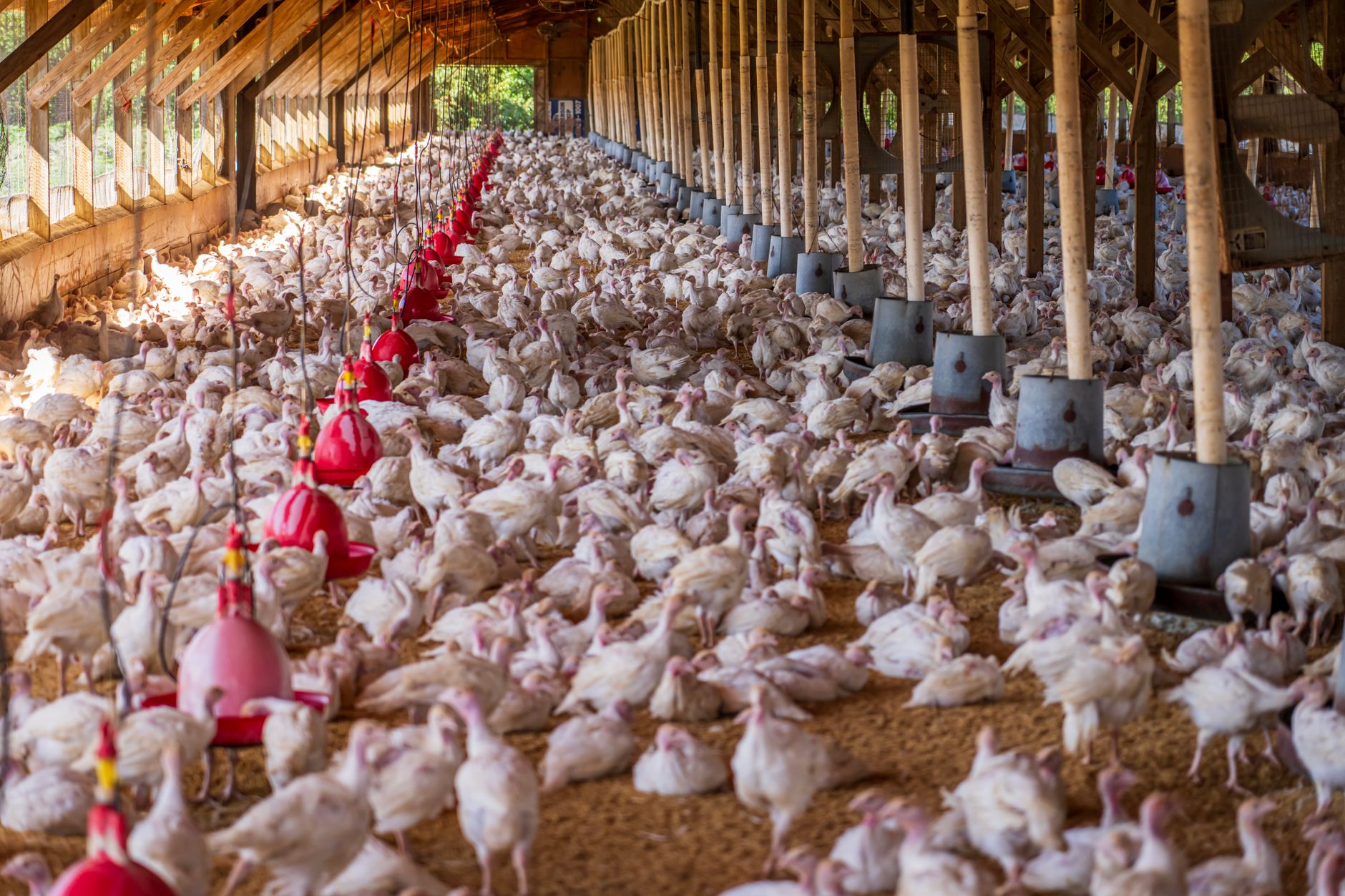
The research reviewed for this page does not measure how well drones find roof damage on poultry barns, so treat roof imagery as a screening step, with a crew member or contractor confirming anything flagged. The same research does not measure how drone flights affect birds in a house, so set flight rules with your flock manager before the first flight.
Rules apply too. According to a University of Kentucky extension publication, drones can expedite fence-line inspection because of their cameras and speed, and a commercial Remote Pilot Certificate is required for fence-line inspection on a farm. Confirm the requirements that apply to your site with an advisor before you fly.
How do you get started with drones for poultry farms?
Start with a site walk and a short list of the jobs that take the most hours. Pick one route, such as the perimeter fence, and test it before adding field edges and roofs. A first route on one site tells you more than a plan on paper.
We are a commercial robot integrator in the US. We pick the right robot for the site, lease it through financing, handle robot deployment and integration, train the staff and service it nationwide. The fixed robot lease payment comes in the quote, which follows a free site assessment where we walk the site with you, map the routes and identify the zones to fly first.
Once the routes are set, our team supports go live and stays available for questions while your staff gets comfortable with the work. To start commercial robot leasing, request a free site assessment, and you will get a quote built around your acreage and your routes.
Frequently asked questions
Want a drone at your poultry farm?
Tell us about your site. We will recommend the robot, quote the lease, and keep it serviced.