
Key takeaways
- Scheduled drone flights give staff a repeatable view of fence lines, yard edges and roof areas.
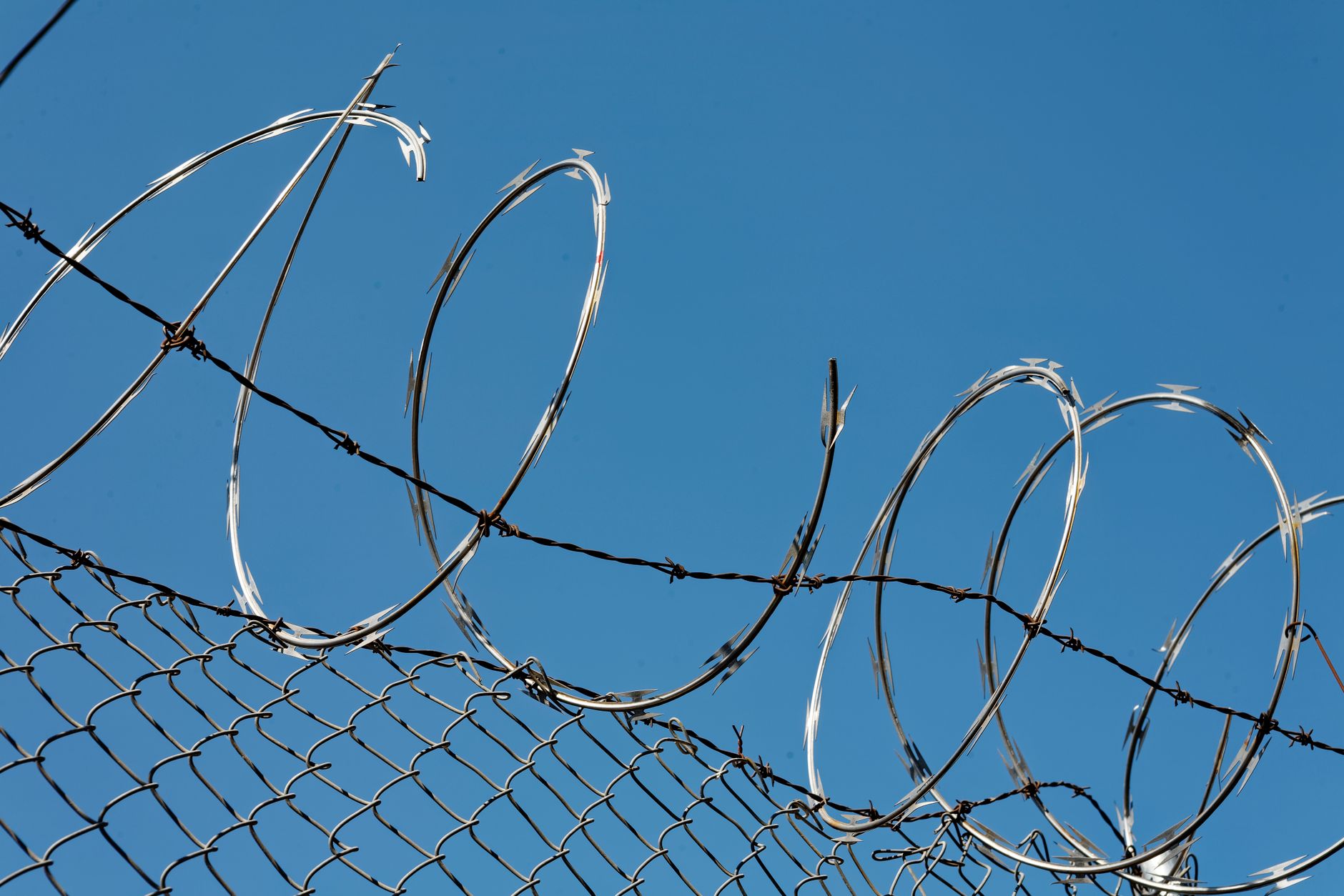
- State prison systems report vacancy rates high enough that perimeter checks need a new option.
- Drones cover blind spots, but officers still decide what a flagged image means and respond.
- Start with one leased aerial unit on the route with the most blind corners, then measure results.
- Measure your own patrol hours before deployment, since no independently measured hours figure was found.
How drones for correctional facilities help the perimeter
Drones for correctional facilities give staff a scheduled, repeatable view of the places that are hardest to check on foot: long fence lines, yard edges, roof areas and the blind corners a patrol vehicle cannot see from its route. A drone flies the same path on the same schedule, and the images it captures can be reviewed by a control room while officers stay at their posts.
The main benefit is coverage, not replacement. A drone can look at the same stretch of fence at 2 am that it checked at noon, and it does not get tired on a long shift. The value comes from pairing that view with trained people who decide what to do about what it shows.
This page covers where perimeter work hurts today, what the staffing numbers mean, how a drone runs day to day, which areas it covers, how it works alongside existing staff, what drives savings, what it cannot do, and how a facility gets started.
Why perimeter patrols take so many staff hours today
Staffing is the pressure point. According to North Carolina Health News, about one in four state prisons (14 facilities) had half or more of their correctional officer positions vacant, per December 2025 staffing data. The department estimates an overall vacancy rate of nearly 49 percent, with a 24 percent turnover rate for those positions last year. When a post is empty, someone else has to walk the fence line.
Other state systems show the same strain. According to WMRA, as of July 31, 2026, the Virginia department had 1,650 open correctional officer positions, a vacancy rate of about 29 percent. According to the Dayton Daily News, Ohio state prisons ended 2025 more than 500 correction officers below full staffing, with 7.4 percent of budgeted positions vacant. One facility in that system had the highest rate in the state at 18.8 percent.
The trend can move quickly. A December 2024 legislative tracking document from Vermont shows the statewide correctional officer vacancy rate rising from 9.22 percent in March 2024 to 18.66 percent in November 2024. Methods differ from state to state, so these figures should not be compared side by side. They do show why a facility cannot assume that last year's patrol staffing will hold.
The footprint is large. According to World Prison Brief, citing Bureau of Justice Statistics data, there were 968 state prisons and 111 federal prisons as of 2019, plus 82 private facilities, and 2,779 local jails as of 2022. That count is dated, and no newer Bureau of Justice Statistics facility count was found, but it shows how many sites face the same perimeter problem.
How the perimeter is patrolled today
Most perimeter checks are done by a person on foot or in a vehicle. An officer drives the outer road, walks sections of the fence line, looks at the yard edges and checks the roof areas visible from the ground. Each of those routes takes time, and the parts of a facility that are hardest to reach are often the parts checked least often.
Oklahoma's corrections department described the same problem when it launched a drone pilot. According to Correctional News, an officer drives the perimeter around the clock, which adds vehicle wear and mileage. The 45-day trial will evaluate data and savings, and officers are to be trained as certified pilots to oversee yard and perimeter activity.
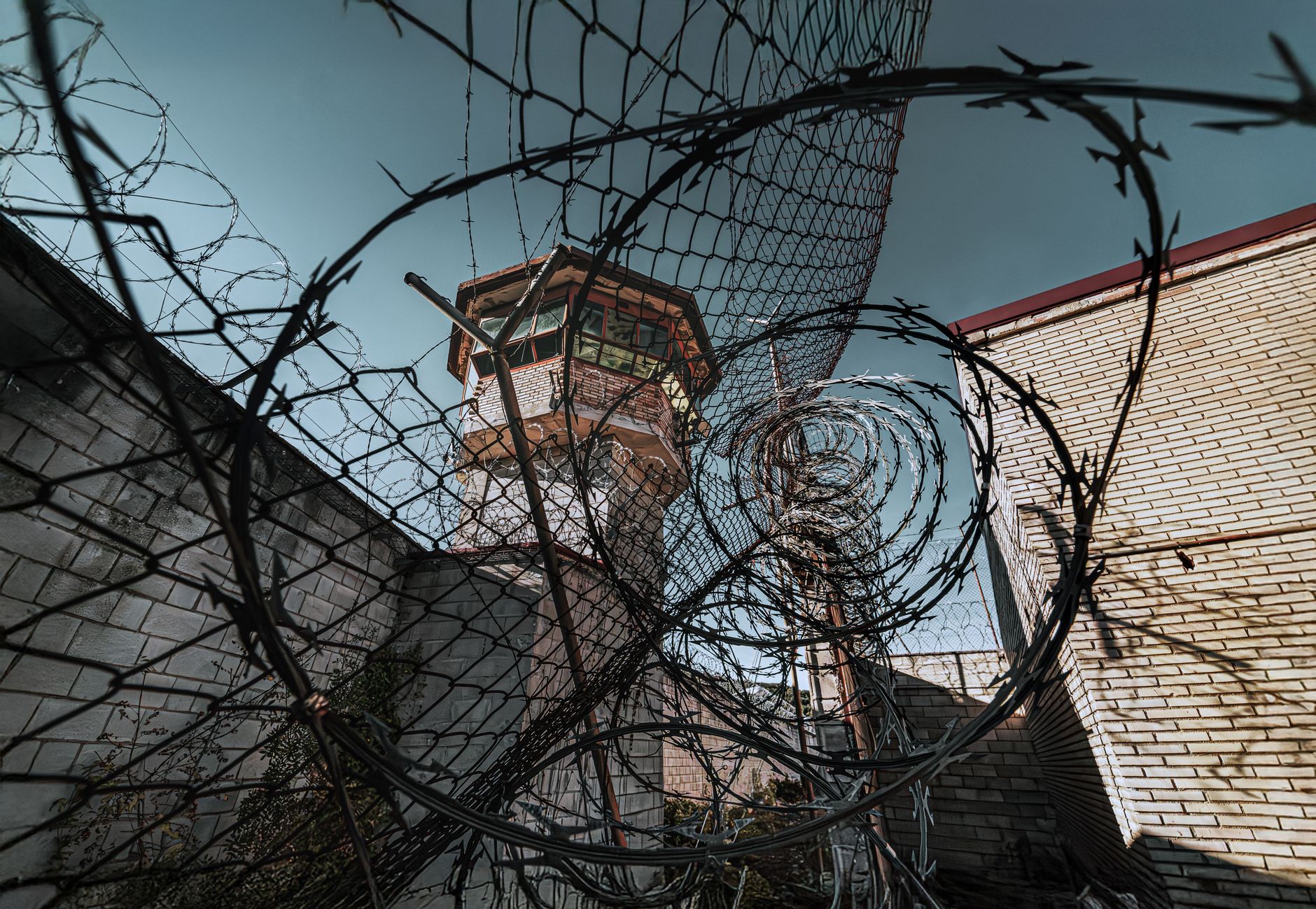
Blind spots are the real gap. Corners where two fence runs meet, low sightlines behind buildings and the tops of housing units are easy to miss on a rushed round. A missed fence panel can sit unnoticed until the next round, and that gap is what a scheduled flight is meant to close.
What drones add to the perimeter
A drone adds a repeatable aerial view. The same route can be flown on the same schedule, so changes from one flight to the next are easier to notice. Images from each flight can be compared against the one before, which turns a patrol into a record that someone can review later.
Automated review is one of the newer pieces. According to a Hong Kong government case study, drone patrols at a correctional institution cover fence and rooftop areas, and AI analyzes the images in real time to flag fence damage or rooftop objects. A report is generated after each flight. The source describes the efficiency gain in general terms and gives no hour figures, so this page does not quote one.
Roof areas are the other gain. Staff rarely have a clear view of rooftops from the ground, and a flight can show objects, damage or access points that would otherwise need a ladder, a lift or a guess. Flagged items still need a person to look at them before any action is taken.
How a drone works in a facility day to day
Operation starts with a flight plan set with the security team. Routes, altitudes and no-fly areas are agreed in advance, including any spaces that must stay outside the flight path. The plan is reviewed on a schedule rather than improvised at the start of each shift.
A certified pilot runs each flight from a control station, watches the live feed and calls off the flight if conditions change. Wind, rain and poor light all affect what a flight can show. After landing, the flight produces images and flagged items that the shift lead reviews before deciding what needs a physical check.
A log is only useful when someone reads it. The person on duty follows up on each flagged fence panel or roof item, records what they found and closes the item in the log. That habit keeps the perimeter record consistent across shifts, which is what makes the drone's view worth having over time.
Which areas of a correctional facility a drone covers
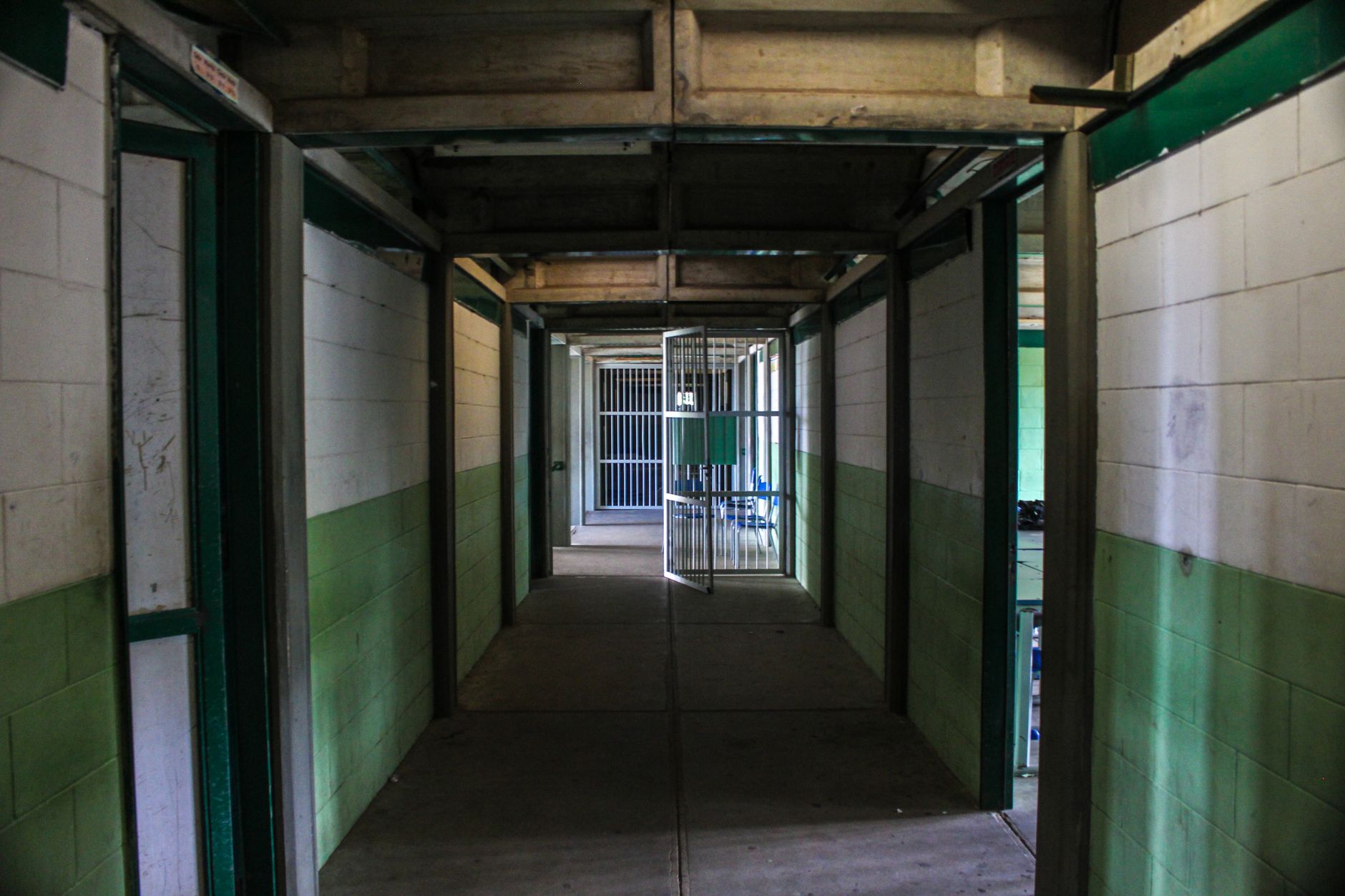
The best use is in areas that are long, high or hard to see from a single post. Scheduled flights usually fit six areas, each with a different job. Each area is flown on its own route and compared against the last flight, so changes show up quickly.
A good first route is usually the outer fence line with the most blind corners, because the flight path stays outside the secure area. Interior checks stay with staff, and the drone is aimed at the outside of the facility.
How a drone works alongside existing staff
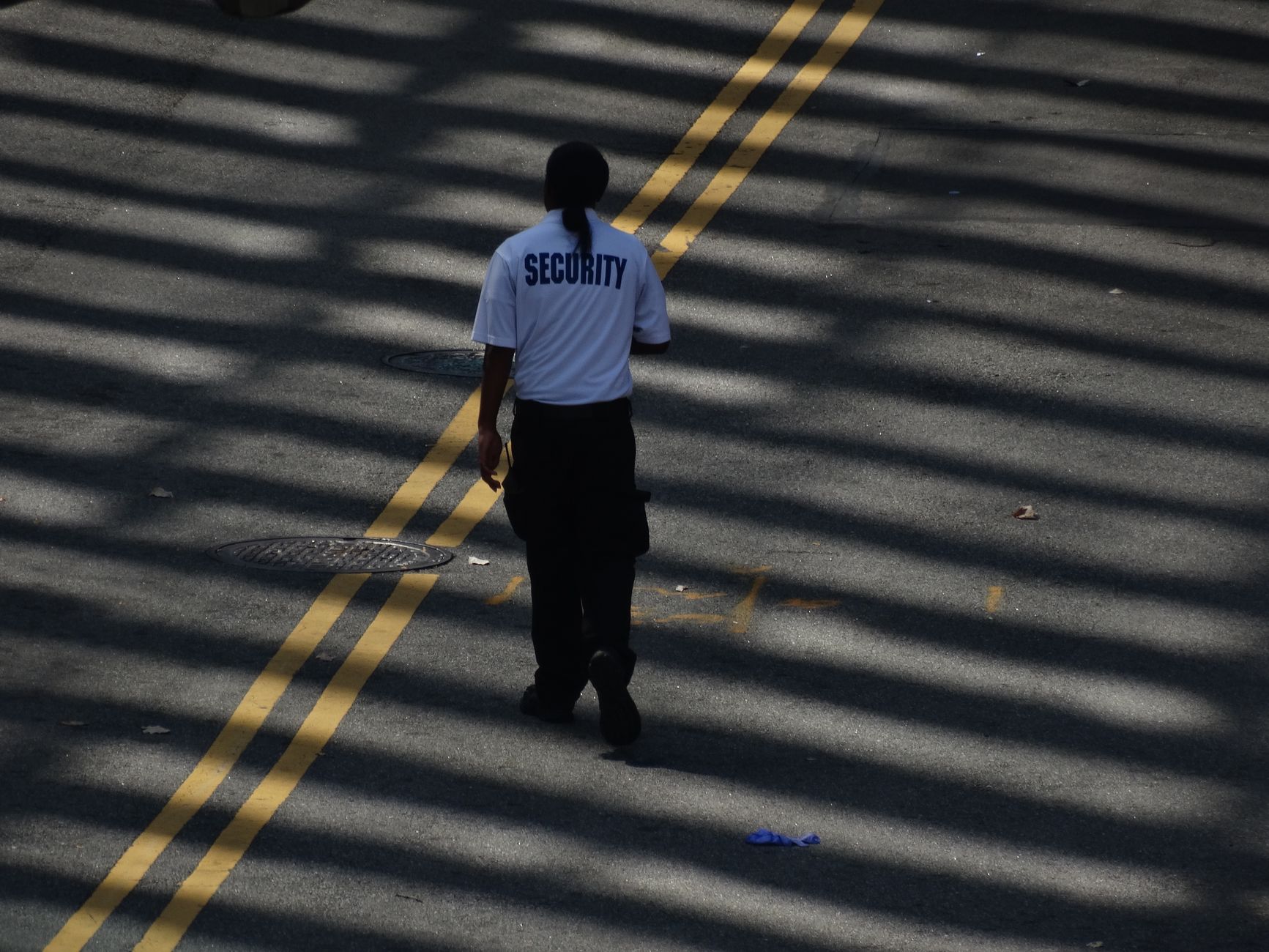
A drone does not run itself, and it does not replace the people who answer what it sees. A facility using one still needs officers on posts, a shift lead to read reports and a response team that can reach a flagged fence panel. The drone reduces the walking and driving part of the work, which frees people for response and supervision.
Training is the second part. The Oklahoma pilot plans to train officers as certified pilots, so the operator can be a trained member of the existing team rather than someone brought in from outside. Pilot training can be planned around regular officer rotation, and the operator keeps the knowledge of the post.
We train staff on the unit, the flight plan, the review routine and the handoff to response. Our team goes live with the facility and supports the first weeks of operation, so the people on duty are not learning the system alone.
What drives the savings, and what the data does not yet show
Savings come from a few places: officer hours spent walking and driving the perimeter, vehicle wear and mileage, overtime used to cover empty posts, and the time between a problem appearing and someone checking it. Each one can be measured at your facility before a drone is in the air.
This page does not give an hours or savings range for drone patrols, because the research did not find one that was independently measured. No independently measured patrol-hours-saved figure was found for any facility. The Oklahoma pilot has not reported results yet. Treat any single hours number you hear with care, and ask how it was measured.
Start by logging perimeter hours, vehicle miles and response times for a few weeks before any change. Then compare the same measures after the pilot. That gives you a number from your own building rather than from someone else's.
What a drone cannot do
A drone cannot see through walls or roofs, and it cannot look inside a housing unit. It cannot physically stop anyone, and it does not replace the officer who responds. Weather can stop a flight, and each flight is limited by how long the aerial unit can stay in the air.
Detection is a separate question. A flight shows what is in its path and sensor range, and a flagged image is not proof of anything by itself. The review and the physical check decide what a flag means, and a facility should plan for that second step before it plans for the first.
A drone is one part of the perimeter. Fences, lighting, sensors and staffed posts still carry the core work, and a drone adds coverage where those miss things. The useful goal is narrower: close the gaps that routine rounds miss.
How to get started with drones for correctional facilities
Start small. A facility can begin with one leased aerial unit on a single route, such as the outer fence line with the most blind corners, and expand after the first results come in. Phasing lets the team learn the routine before the whole perimeter depends on it.
We work as a commercial robot integrator. We choose the right aerial unit for the site, lease it through financing, deploy and integrate it, train your staff and service it nationwide. Robots are only leased through financing, and the payment comes in the quote after a free site assessment, so you can see the real figures for your facility before deciding.
To prepare, bring your perimeter map, the areas you struggle to check, the shifts where coverage is thinnest and your staffing picture today. We walk the perimeter with you, map the routes and identify where flights add the most value before any quote is issued.
Frequently asked questions
Upcoming public sector events
- Trade showAPC/PennDOT/PA Turnpike Fall SeminarNov 18 to 20, 2026Hershey Lodge, Hershey, PA
- Trade showMinnesota Buildings & Facilities Management Trade ShowNov 19, 2026Minneapolis Convention Center, Minneapolis, MN
- ConferenceCASBO CBO Symposium (Executive)Nov 19 to 20, 2026The Langham, Pasadena, CA
- ConferenceVirginia Association of Fairs ConventionJan 14 to 17, 2027Williamsburg Lodge, Autograph Collection, Williamsburg, VA
Want a drone at your correctional facility?
Tell us about your site. We will recommend the robot, quote the lease, and keep it serviced.