
Key takeaways
- Drones let inspectors review steel, brackets, bolts and sign faces before any crew climbs.
- Routine climbs are the main safety and scheduling cost, and fewer of them is the core gain.
- Billboard-specific time data is thin, so measure savings against your own crew logs.
- Drones cannot repair parts, and their detection accuracy is not independently proven.
- Start with a free site assessment and a lease quote, then expand from one drone.
How can drones for billboard structures help operators?
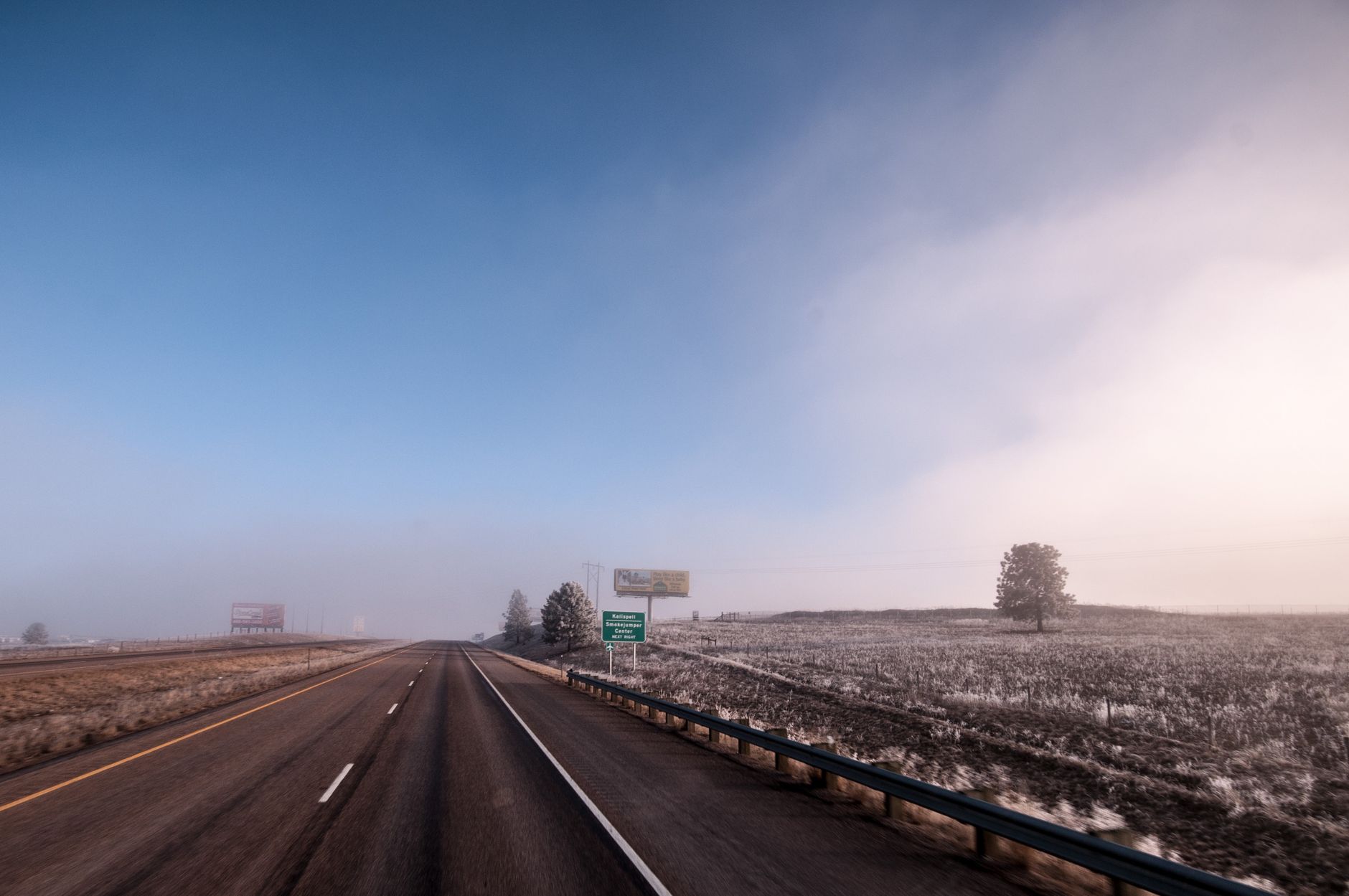
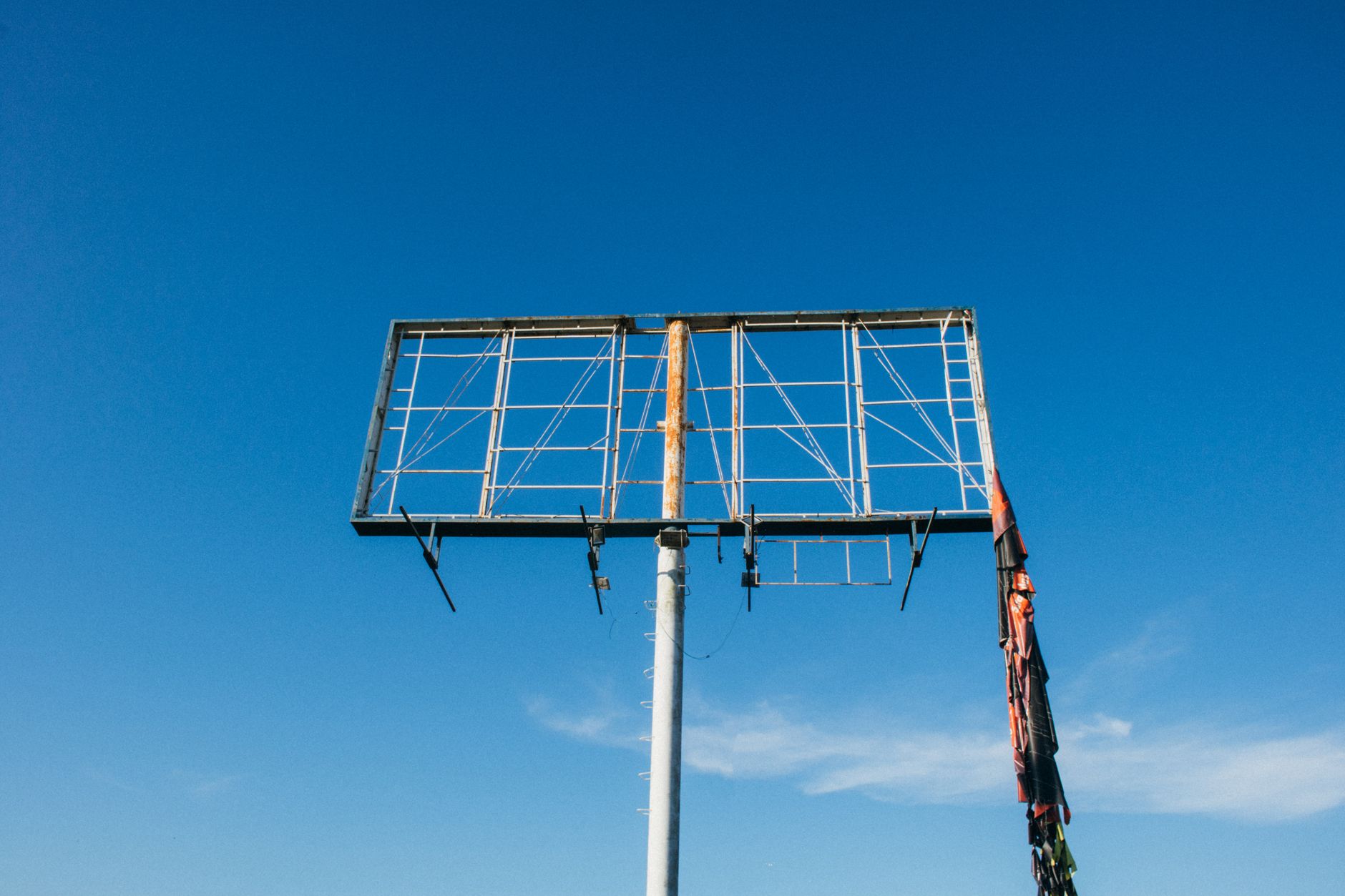
Drones for billboard structures mostly do one job well. They let inspectors see the steel frame, the connection brackets, the bolts and the sign faces from the ground, so the people who review conditions can decide if a climbing crew is needed before anyone goes up. For an operator with many tall steel frames, that moves routine checks from a climb to a set of images.
Billboard Insider describes drone-based safety inspections that avoid climbing and produce photo records for maintenance and compliance. A record like that helps when an operator needs to show what a structure looked like on a given date, or when a repair plan needs evidence behind it. The photos do not replace a qualified judgment, but they give that judgment a much better starting point.
Scale is part of the case. According to Billboard Insider's analysis of one large operator's 2024 annual filing, that company had about 19,600 urban billboard structures. Any operator managing dozens or thousands of frames faces the same climbing question at each one.
What does inspection at billboard structures involve today?
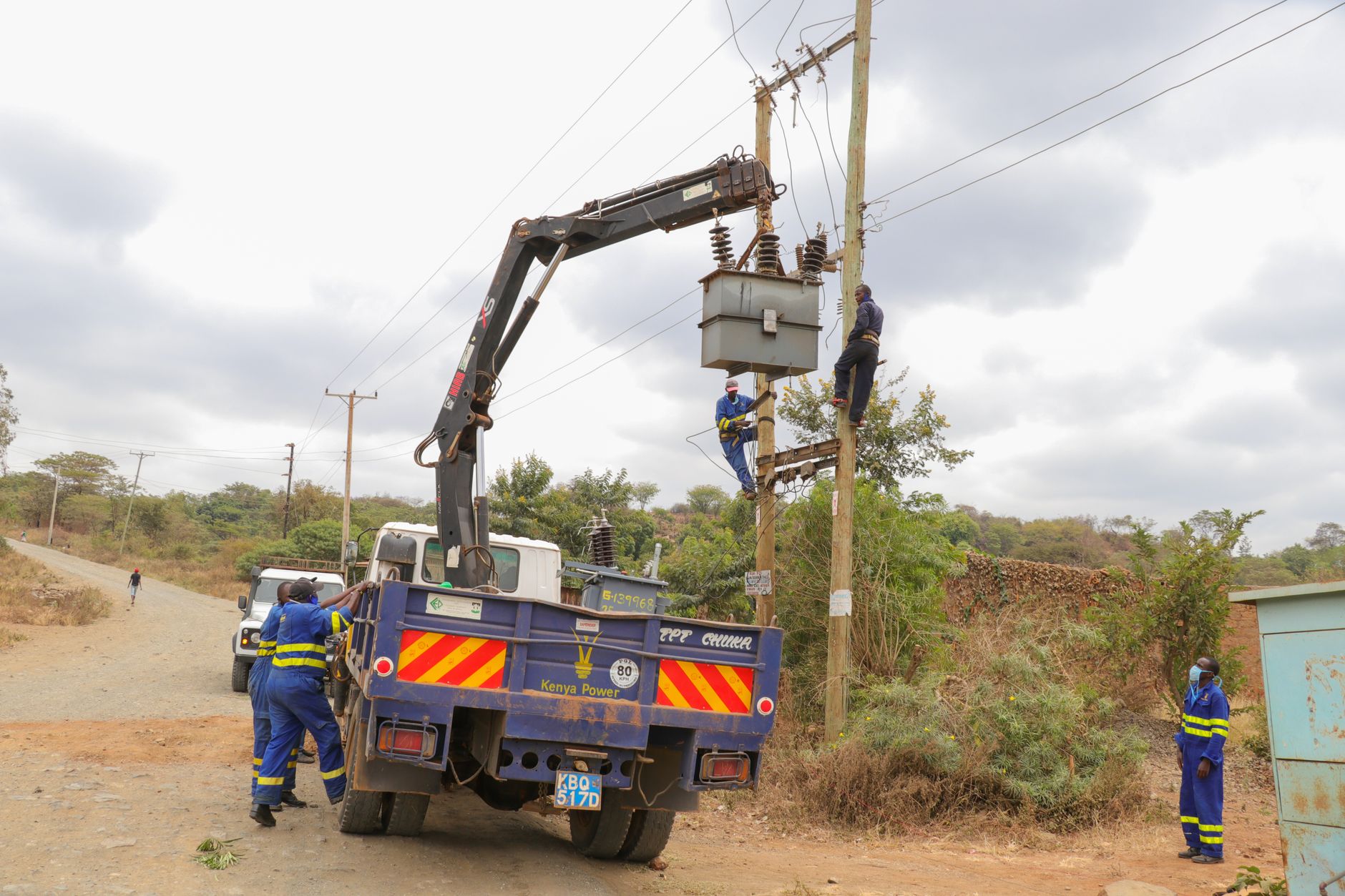
Most inspections of tall steel billboard frames still begin with a climbing crew. Someone climbs the legs or bracing, checks bolts and brackets by hand, and photographs the sign face at close range. Each trip needs people, access equipment, fall protection and planning around traffic below, and the trip often happens before anyone knows if a repair is needed.
The climbing exposure is well documented on adjacent structures. According to ProPublica, tower climbing has a death rate roughly ten times that of construction. An OSHA-based compilation counts 337 tower fatalities from 1982 through 2014, and 74% of those involved free-climbing rather than full tie-off.
Billboard frames are not cell towers, so these numbers do not measure billboard work directly. They do show why fewer routine climbs is a safety argument as well as a scheduling one. According to a 2008 commentary in RCR Wireless, about two-thirds of tower fatalities were attributed to not using fall protection or not using it properly. OSHA reported 13 communication tower fatalities in 2013 and 12 at communication tower worksites in 2014.
What are the main benefits?
The biggest benefit is that the inspection moves to the ground first. A drone with a capable camera can get close to steel members, bracket connections and sign faces, so the inspector reviews close-up images before deciding who climbs, what they bring and when.
The second is a consistent photo record. Repeat flights over the same frame let a team compare images from one inspection to the next, which helps with maintenance planning and compliance files. Billboard Insider's piece on regular safety inspection photos makes the case for keeping that record.
The third is better targeting. A published US patent application describes a drone with optical and infrared cameras that photographs a billboard's connection bracket, with software that checks for deformation and defective brackets. The filing says outdoor billboards are hard for safety inspectors to approach or see with the naked eye. It is a patent filing, not proof of performance, so read it as a direction.
How does a drone work at a billboard day to day?
A typical inspection day starts with planning. The pilot confirms the structure list, the access points, the roads beside each frame and the airspace rules for that site. Our research did not find FAA or local permitting specifics for drones near billboards, so those rules must be confirmed for each location before the first flight.
Flights capture the steel from several angles, the bracket connections and the sign faces. The images go to a reviewer who marks anything needing a closer look and compares them with the last inspection record. Where a climb is needed, the crew goes up with photos in hand and a clear list of what to check.
One published design pairs the drone with a ground inspection vehicle that has a roof docking station and carries maintenance tools. That is a concept described in a patent filing, not a standard setup. Most operators will begin with the drone and the crew they already have.
Which parts of a billboard site does a drone cover?
Drones for billboard structures suit the parts of a site that are high, hard to reach or beside moving traffic. The frame, the bracing, the catwalks and the sign faces all fit that description, and the ground around the footings sets where the drone can fly safely. The zones below show where the work and the planning differ.
Scale helps with planning. According to Billboard Insider's ranking, one large operator's bulletin and poster faces numbered 161,300, and another's numbered 42,125. A portfolio that size needs a steady inspection rhythm, while a small operator with a few dozen structures may only need a flight plan for each site.
How does a drone work alongside existing staff?
A drone does not remove the people who run a billboard program. The pilot, the reviewer who reads the images and the crew that does repairs all still matter. What changes is how often the crew must climb and how well prepared they are when they do.
We are a US commercial robot integrator. We pick the right robot for the site, lease it through financing, deploy and integrate it, train the staff and service it nationwide. For drone inspections, the model is a drone plus a smaller team, with trained staff who fly, review and document the work.
A useful start is to name one person as reviewer, one as pilot and one crew lead who decides when a climb is needed. Those roles can be filled by people already on staff, so the main change is in the workflow.
What drives the savings in hours?
Savings come mostly from hours not spent climbing, and from crew trips that turn out to be unnecessary once the images are reviewed. Our research did not find billboard-specific time data, so the figures here come from adjacent work and should be read that way.
According to Technical.ly, a Pittsburgh utility's drone power-line inspections took 1 to 2 hours, compared with 4 to 6 hours for traditional methods. That is a power-line job, not a billboard inspection, so treat it as a sign of direction rather than a planning number.
The most useful number is the one from your own crew logs. Count the climbs, the hours per climb and the trips that ended with no repair, then measure again after the drone is in use. The payment comes in the quote after a free site assessment, once that baseline is known.
What can a drone not do yet?
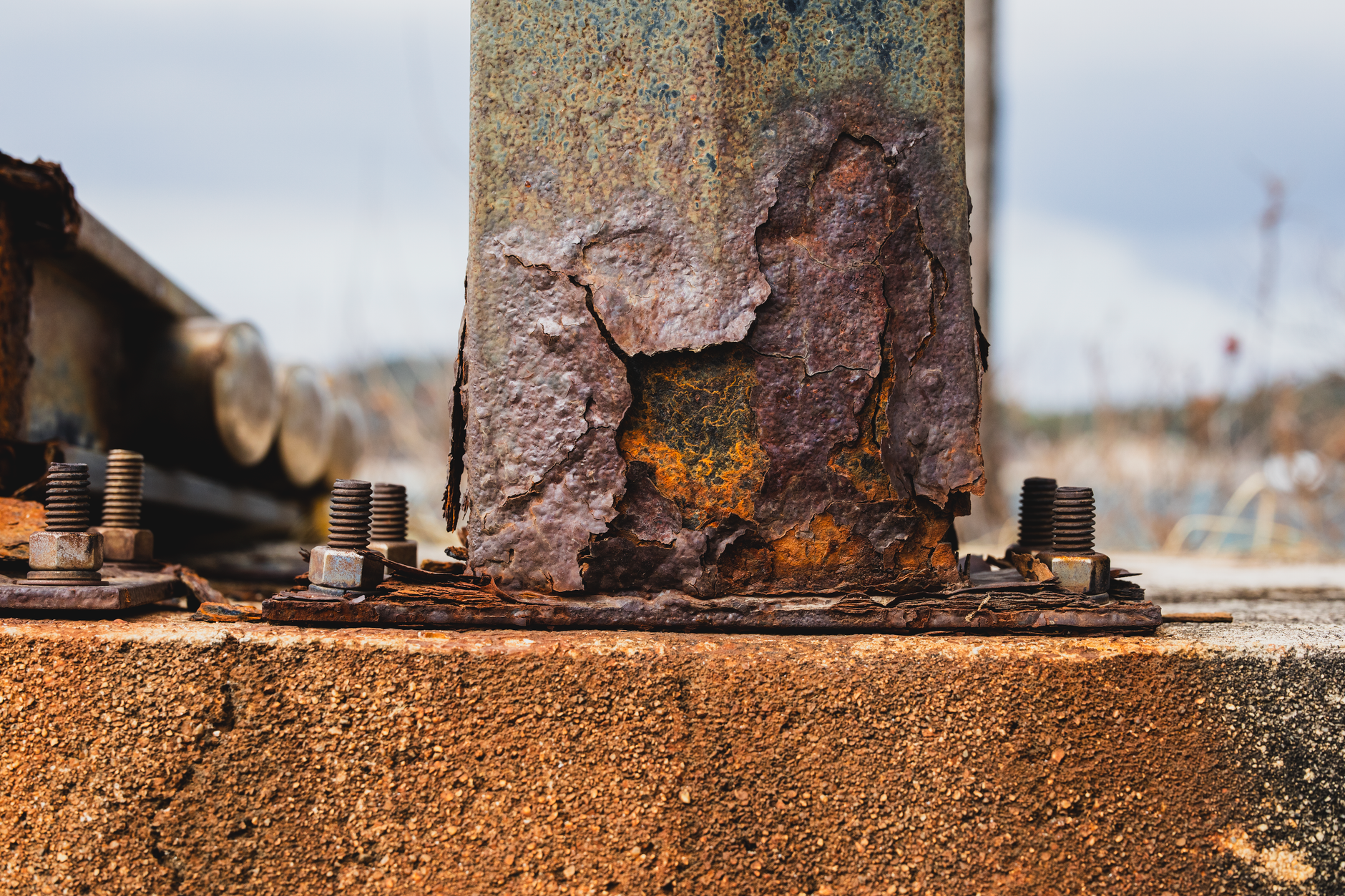
A drone cannot tighten a bolt, replace a bracket or reattach a sign face. It cannot do the repair work that makes a climb worth making. Those jobs still need trained crews with proper fall protection.
Detection is not independently proven. Our research found no independent validation of billboard drone detection accuracy, so a clean image set is not a guarantee that a structure is sound. Reviewers still need to judge the images and call a crew when a condition is unclear.
Weather, light and distance limit image quality, and flights near roads and in restricted airspace need planning. Anything hidden behind a surface may not appear in images, so the drone supports scheduled inspection rather than replacing it.
How do you get started?
Start with a free site assessment. We review the structure list, the access, the roads and airspace near each site, and the crew schedule, then recommend the right setup for the location. Drones for billboard structures work best when the first phase covers a few sites you already know well.
The drone is leased through financing, so you do not need capital up front. The fixed lease payment comes in the quote after the site assessment, when the structure count, flight areas and training needs are clear. We deploy and integrate the drone, train your staff and service it nationwide.
Many operators start with a single leased drone and a short list of structures, then expand once the photo records and crew hours are measured. Keep the first phase small enough that you can check the results against the hours you already log.
Frequently asked questions
Want a drone at your billboard structure?
Tell us about your site. We will recommend the robot, quote the lease, and keep it serviced.