
Key takeaways
- Hauling cases between freezers, cold rooms and packaging lines is slow, physical work that a robot can take on along fixed routes.
- US ice cream and frozen dessert manufacturing averaged 25,431 workers in 2024, according to the Bureau of Labor Statistics.
- Staff shift from hauling to loading, inspecting and line support, so one robot plus a smaller crew is the realistic model.
- The lease is quoted after a free site assessment, so your routes, doors and cold rating set the setup.
How can autonomous mobile robots for ice cream plants help?
Autonomous mobile robots for ice cream plants take over the repeated hauling that keeps people walking between freezers, hardening rooms, cold storage and packaging lines. The robot carries cases or pallets along set routes, stops at marked points, and returns to charge without an operator driving it. Staff stay on work that needs judgment, such as checking product, watching the line and catching defects.
The fit is strongest where the moves repeat. A plant that runs the same lanes between cold rooms and packing every shift has a clear route to automate. Plants with mixed product, irregular loads or many one-off moves usually need a site walk before deciding what to automate first.
We are a US commercial robot integrator. We pick the robot for the site, arrange the lease through financing, deploy and integrate it, train the crew and service it nationwide. Lease quotes come after a free site assessment, so the numbers reflect your floor, your freezer doors and your cold rooms.
What does hauling look like in freezers and cold rooms today?
Ice cream and frozen dessert making is a sizable employer in several states. According to the Bureau of Labor Statistics, average US employment in ice cream and frozen dessert manufacturing was 25,431 in 2024, and six states had more than 1,000 workers: California, Pennsylvania, Ohio, Florida, Illinois and New York. Across those plants, hauling hours add up over many shifts and many lines.
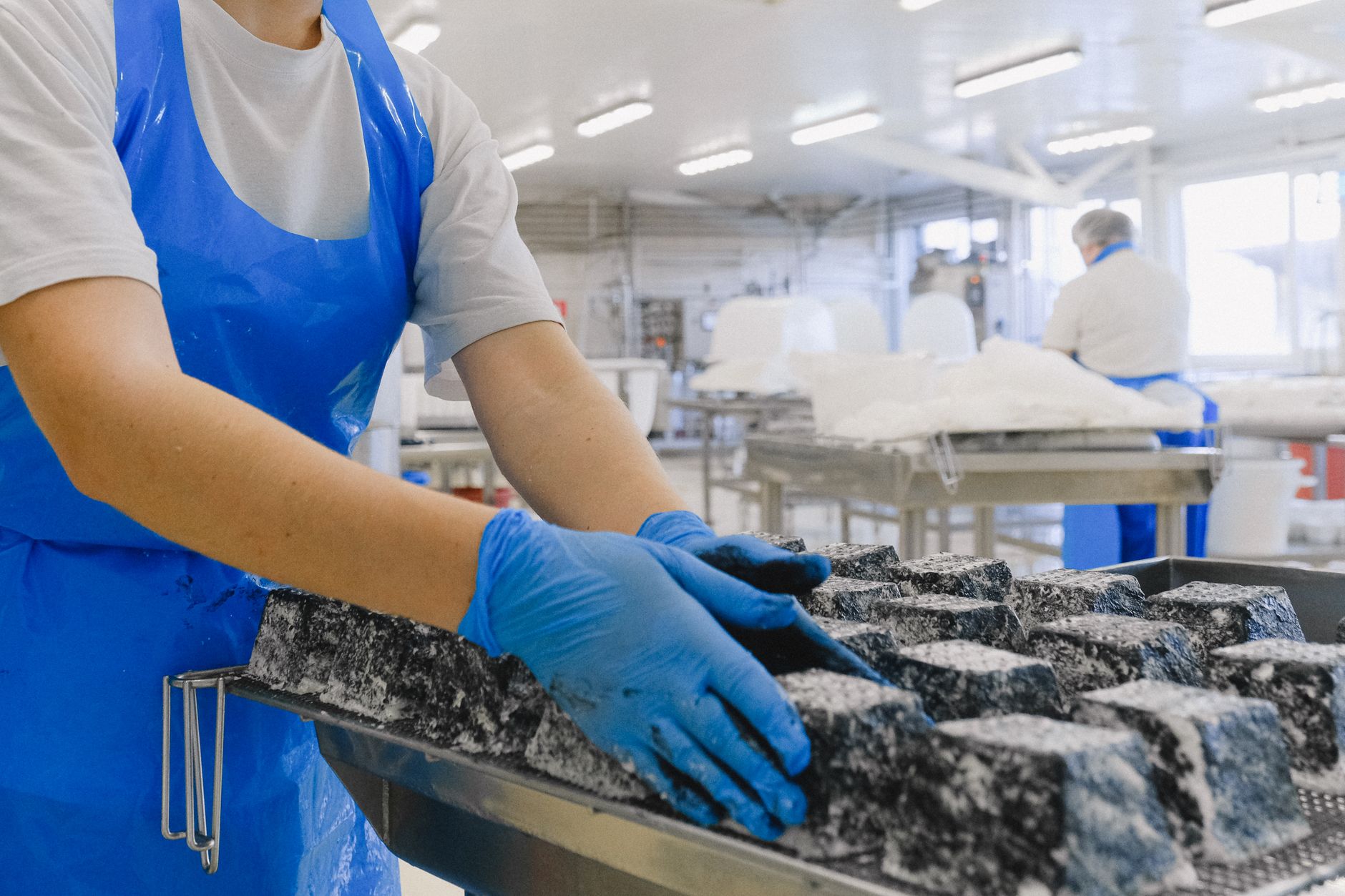
The work itself is physical. Cases of novelties and tubs move from production into hardening, from hardening into cold storage, and then out to packaging lines and outbound docks. Each move can mean a person pushing a cart or driving a pallet jack through cold air, often in heavy clothing, and each trip is a chance for a slip, a pinched hand or a dropped case.
Smaller plants often feel this most. The Bureau of Labor Statistics counted 20,135 workers at 562 establishments in its 2016 data for the industry, and a USDA count cited by the Agricultural Marketing Resource Center put the number of ice cream processing plants at just over 400 in 2020 data. A small plant rarely has a dedicated hauling crew, so the same people move product between production, cold storage and packing, and the hauling hours hide inside other jobs.
What are the main benefits?
The first benefit is steadier flow. A robot on a fixed route moves cases at the same pace late in the shift as it does early, so packaging lines are less likely to stop while they wait for product. Line staff spend less time idle and more time running the equipment they were hired to run.
The second benefit is fewer manual hauls in the cold. Repetitive lifting, pushing and walking in freezer conditions is hard on people, and it is also where many small injuries start. Moving those trips to a robot reduces how often staff make them, without asking anyone to work faster.
The third benefit is a record of what moved and when. The robot logs each load, its route and its arrival, which helps with lot traceability and with spotting a stalled move before a line runs short. A plant that has never logged its hauling often finds the log alone shows where the time goes, which is useful even before any robot is installed.
How does the robot work day to day?
Before go live, we map the site. That covers freezer doors, cold room aisles, dock plates, floor condition and the places where people walk anyway. The robot learns its routes from that map, so each trip follows a path the crew has agreed to, not a guess about where the next pallet sits.
On a normal shift, a staff member loads the robot at a staging point, selects the destination on its screen, and the robot drives there. Doors and lifts can be integrated so the robot can call them itself. If a route is blocked, the robot waits or takes a marked alternate path and flags the delay to the operator, who decides what to do next.
At the end of a run, the robot returns to a charging point and waits for the next load. Staff check the log at the start and end of each shift, and a lead can change routes or add a stop when production changes. The day is planned around the line, not around the robot.
Which areas does the robot work in?
The robot works in the areas where product moves along set paths. The highest-value routes usually run every shift and cross temperature zones, since those are the trips people most dislike doing in the cold and the ones that cause the most stop and start on the line.
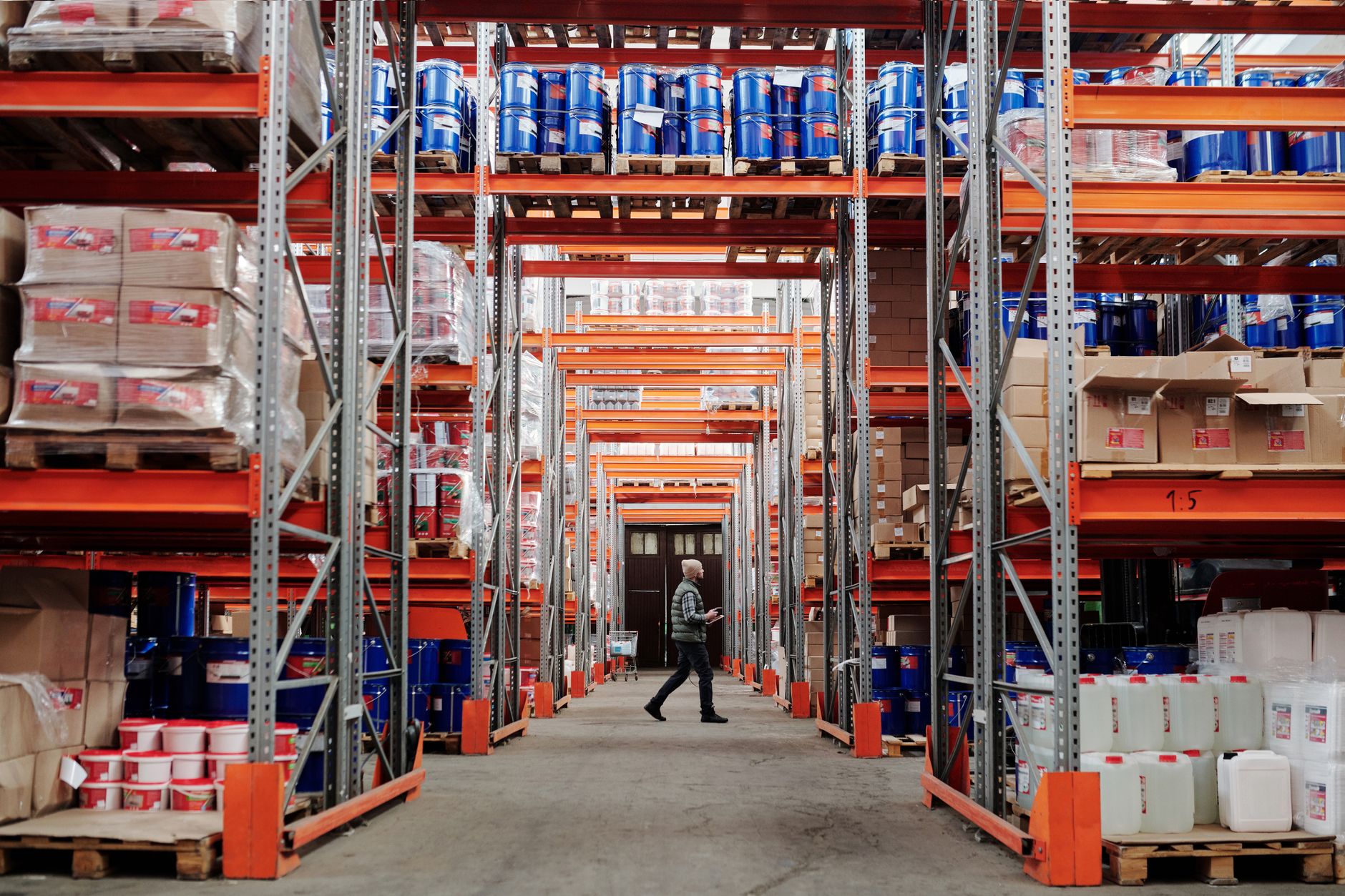
Cold rooms come first for most plants. Cases and pallets waiting for hardening or staging move in and out along the same aisles all day, and the robot can keep those moves steady without someone walking the same loop every hour. Packaging feed points come next, because the line depends on regular arrivals and a short gap means idle machines and wasted product time.
Outbound docks and palletizing areas are worth checking too. Loads stacked near the dock need to reach the trailer on schedule, and a clear route from the packing area to the staging point keeps trailers from waiting on product. The site assessment shows which of these areas pays back first at your plant.
How does the robot work alongside existing staff?
The robot does the hauling, and people do everything else. A realistic setup is one robot plus a smaller crew who run the line, load the robot, inspect product, clear blockages and handle exceptions. This is not a plant with zero staff, and we do not present it that way.
The labor picture explains why this matters. According to WageDex, citing May 2025 OEWS data, 2,950,280 people worked as laborers and material movers, hand. A 2026 cold chain warehouse article notes that cold storage has traditionally had some of the highest turnover rates among industries, and cites older Global Cold Chain Alliance figures of about 33% for North American cold storage turnover. It also reports that 37% of respondents said labor shortages ranged from high to extreme, and that public labor turnover data for cold warehouses is hard to find.
A separate IARW survey put average labor turnover at 32.5% for general warehouses in the year ending December 2018. A 2025 warehouse labor survey found that 50% of respondents said staffing was easier in 2025 than in 2024, up from 38% the year before. Those are general warehouse figures, not ice cream plant figures, but they describe the same hauling work. Moving repetitive trips to a robot lets the people you keep spend their hours on skilled tasks.
What drives the savings?
Savings come from the hours that stop going to manual hauling, plus the value of steadier line feed and fewer injuries in cold aisles. The number that matters is the time your crew logs for cart and pallet jack moves in the cold, multiplied across shifts, lines and weeks. That figure is specific to your plant, so it belongs in your own shift records rather than in a generic promise.
We did not verify a sourced hours figure for ice cream plants while preparing this page, so we will not quote one here. Track hauling time, missed moves and overtime used to cover them for several weeks before the site assessment. The lease quote then reflects the moves you actually want to automate, which keeps the decision grounded in your operation.
What can the robot not do?
A robot does not replace judgment on the line, and it is not a forklift. Pallets that need stacking, racking or lift heights beyond what the robot is built for still need a person or a different machine. Irregular loads, product spilled on a route and doors that cannot be integrated also limit what it can do.
Cold rating matters. Freezer temperatures and condensation can be hard on batteries and sensors, so the robot must be specified for your actual temperatures. We confirm that during the site assessment instead of assuming it.
How do you get started?
Start with a walk, not a commitment. Tell us which routes you want to automate, the freezer and cold room layouts, the doors and lifts involved, and what your shift records show about hauling time. We schedule a free site assessment that maps the floor, checks the route options and confirms the cold rating.
After the assessment, we quote the lease through financing. The quote shows the payment for the robot lease, deployment and integration, and the service plan, with no hidden fees. Many plants start with one robot on one route, then add units once the log shows where the hours went.
Deployment includes integration with doors and the packaging line, training for the crew and go live support. Service covers repairs and on-site dispatch nationwide, so a stopped robot does not have to stop the line for long. The payment comes in the quote, after we know your floor.
Frequently asked questions
Want a warehouse robot at your ice cream plant?
Tell us about your site. We will recommend the robot, quote the lease, and keep it serviced.
Sources
- Bureau of Labor Statistics, ice cream and frozen dessert manufacturing employment (2025)
- Bureau of Labor Statistics, ice cream and frozen dessert manufacturing employment (2016)
- Agricultural Marketing Resource Center, dairy products profile
- Cold chain warehouse labor article (March 2026)
- IARW 2019 Warehouse Facility Labor Turnover Survey Report
- 2025 State of Warehouse Labor Report
- WageDex, material moving workers (May 2025 OEWS data)