
The short answer
An autonomous mobile robot ROI for ecommerce returns centers comes mainly from cutting the hours staff spend moving returns between receiving, inspection and restock, where goods wait and margin erodes. Savings depend on how much of that internal transport a robot realistically takes, the labor hours it offsets at the local wage for this job, and the fixed robot lease payment plus service. Expect a range rather than a promise, and get your own figure from a free site assessment.
See what a autonomous mobile robot costsRun the numbers in the ROI calculator
Key takeaways
- Savings come from the transport hours a robot takes over between receiving, inspection and restock, not from inspection itself.
- Plan on a range: the realistic share of work the robot handles matters more than the best-case hour count.
- Online return rates run above overall rates, so online-heavy sites carry more handling work for each order sold.
- Route data and a pilot on one lane confirm the number before any larger commitment.
- A free site assessment turns the calculator range into a lease quote for your building.
Run the numbers for your site
Pick your city or state for a real regional number - we use the real BLS wage there. (On the live site this auto-detects from your location.)
What do you want to automate?
The robot takes the repetitive cart and pallet moves off the heaviest motion.
What does the autonomous mobile robot ROI for ecommerce returns centers actually measure?
An autonomous mobile robot ROI for ecommerce returns centers compares two sides of one ledger. One side is the labor hours a robot takes off internal transport. The other is the fixed robot lease payment and the service that keeps the unit running. The difference is the return, and it is shown as a savings range because no two returns operations move the same volume along the same routes.
The return is only as good as the hours behind it. Margin leaks when goods sit between receiving, inspection and restock, so the useful question is how many hours of carrying, staging and waiting that produces each week, and how much of it a robot can take. The calculator on this page is pre-filled for this setting. Your building replaces the typical inputs.
How much returns volume does an ecommerce site handle?
Returns are a large and steady share of online sales. According to the NRF and Happy Returns 2025 Retail Returns Landscape report, the online return rate was 19.3% in 2025, and the overall return rate was 15.8%, down from 16.9% in 2024. Those are rates, so the volume at your site depends on your own sales and category mix.
Two more figures from the same research matter for planning. NRF estimates that about 9% of returns are fraudulent, so some goods need a hold and a separate route before restock. A companion report, as covered by Retail TouchPoints, found that 60% of surveyed retailers had to choose between shipping new orders and processing returns. That figure comes through a secondary citation, so treat it as directional.
Median hourly wage, Laborers and Freight, Stock, and Material Movers, Hand
$4,380
Monthly cost of one full-time worker, at the median wage plus payroll costs (an estimate, not a quote).
Where does margin leak while returns wait?

Most of the lost time sits in the gaps between steps. A return is received, waits for an inspection slot, gets graded, and then waits again for a restock trip. Each wait ties up floor space and staff time without adding value, and the goods lose sellable days.
The inspection step itself is short. According to Corso's returns processing benchmarks, inspection alone takes a trained worker 5 to 15 minutes per return. SKUNexus sets a target of 28 minutes from return authorization to restock, but says most operations take 45 to 90 minutes per item. The gap between those figures is largely handling and waiting, and transport is one part of that gap a robot can shorten.
Published benchmarks vary by category, and no defensible public benchmark for labor minutes per return was found for this page. Use these figures as ranges, then replace them with your own timestamps.
Which labor hours can a robot take over?
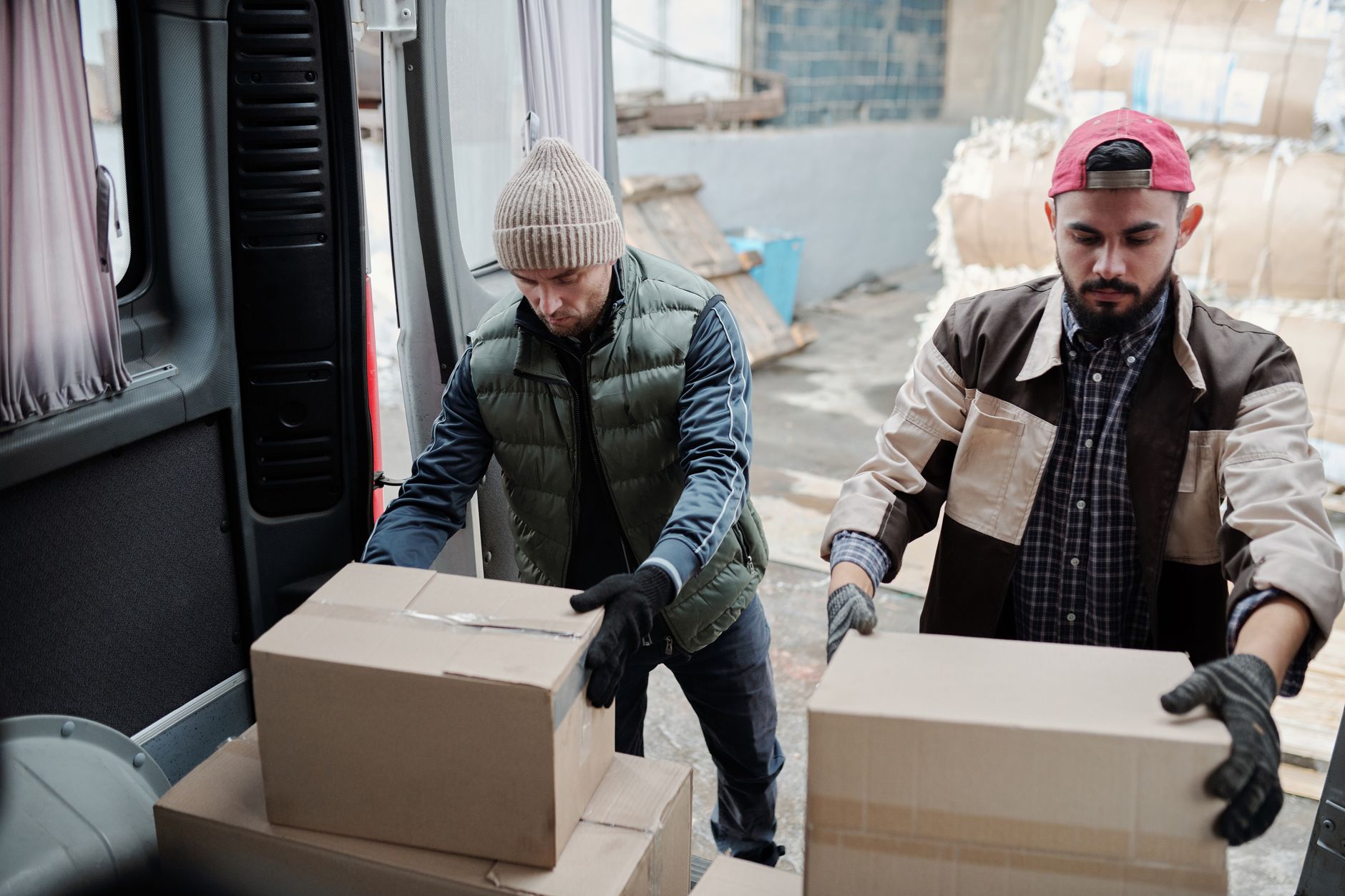
The robot does the repeated internal transport between receiving, inspection and restock stations. The people doing that work mostly fall under the laborers and freight, stock, and material movers, hand group. The BLS Occupational Outlook Handbook reports about 6.9 million jobs in the hand laborers and material movers group in 2025, and projects 4% growth from 2024 to 2034, adding about 258,400 jobs. The government wage data on this page gives the local wage for this job, and the savings range is calculated on that wage.
Inspection, grading and condition calls stay with trained staff, because a robot cannot decide whether a returned item is resaleable. What the robot removes is the walking, pushing and waiting around those decisions. Hiring conditions are worth checking: according to ycharts, which tracks the BLS JOLTS series, the hires rate for transportation, warehousing and utilities was 2.50% in February 2026, against 2.90% a year earlier. A hires rate is not a turnover rate, but it points to a slower hiring market for this kind of work.
How does the ROI math work, step by step?
Start with the labor hours offset: the transport hours per week the robot takes over, multiplied by the local wage for this job. Then apply the realistic share, meaning the portion of those hours the robot actually handles in practice. That share is the most important input. A robot rarely takes every move, since exceptions, held goods and congestion keep some work with people.
Next, subtract the fixed robot lease payment and the service coverage that keeps the unit running. The lease is financed and quoted after a free site assessment, so the lease obligation depends on term and scope. Add faster-restock gains only if your team can measure them, such as fewer days from receipt to sellable.
The result is a range built from low and high assumptions for volume and share, not from best-case hours. Read it as a planning tool that tells you what to measure, not as a guarantee.
What moves the number up or down?
Volume is the biggest lever. More returns per week means more repeat trips, so the robot's share of total transport hours rises. Peak weeks push the number up as well, since they drive overtime and temporary labor that a steady robot schedule can offset.
Layout decides how much of the work fits a robot route. Long clear aisles, consistent dock heights and few hand-offs at doors or elevators keep utilization high. Tight rooms, many manual exceptions and uneven floors pull it down, and a site like that needs a more cautious share estimate before anyone signs.
Mix matters too. The more goods that follow a standard path from receiving to restock, the more work the robot can carry. Fraud holds and special-handling items add separate routes that need their own plan.
What are the risks to the return, and how do you avoid them?
The main risk is paying a fixed lease against hours that never show up. That happens when volume falls, when routes are poorly mapped, or when the robot waits idle for staff to load it. Size the scope to average volume rather than the peak, and keep peak handling on flexible labor.
Double counting is a second risk. If the same hours show up as savings twice, once as labor and again as throughput, the range looks better than the floor supports. Keep one ledger and measure the hours before go-live.
Safety and downtime belong in the plan too. According to the BLS industry at a glance page for warehousing and storage, the 2024 total recordable injury and illness rate was 4.8 per 100 full-time workers, so the manual pushing a robot removes is worth tracking as a safety measure as well as a labor one. A single unit that stops during a peak can stall a shift, so confirm remote triage, on-site dispatch and backup coverage before signing.
What is a realistic timeline from assessment to payback?

A realistic path starts with the site assessment, then mapping and a route plan, then a pilot on one lane or one route, then phased deployment. Each step confirms the hour count before the next commitment. Timing depends on site readiness and how the robot connects to the warehouse system, so treat any stated duration as an estimate until the assessment is complete.
Payback follows measured hours. If the pilot confirms the transport share on real routes, the payback calculation uses measured inputs rather than assumptions. If the pilot shows a smaller share, the plan changes before the larger commitment, which is why starting with one lane is useful. Adoption is still early: according to Supply Chain 247, Peerless Research Group's industry outlook survey of 110 respondents in December 2024 found about 10% of companies use AGVs or AMRs, and 30% say they will evaluate them within one to two years. Less shared experience makes a measured pilot matter more.
How do you get a precise figure from a free site assessment?
Bring four inputs: returns per week by category, a map or description of the route from dock to restock, your shift pattern, and any timestamps for receiving, inspection and restock. Those inputs drive the calculator and turn the range into a figure for your building.
We are a US commercial robot integrator. We pick the right robot for the site, lease it through financing, deploy and integrate it, train the staff who work beside it, and service it nationwide. The assessment is free. It maps the floor, confirms the hours and produces a lease quote with scope and service included. The quote comes after the assessment, once the hours are measured.
Frequently asked questions
Upcoming warehouses & 3pl events
Want a warehouse robot at your ecommerce returns center?
Tell us about your site. We will recommend the robot, quote the lease, and keep it serviced.
Sources
- US Bureau of Labor Statistics, Occupational Employment and Wage Statistics (OEWS May 2024)
- NRF and Happy Returns 2025 Retail Returns Landscape
- Retail TouchPoints, NRF forecast coverage
- Corso, returns processing benchmarks
- SKUNexus, returns management best practices
- BLS Occupational Outlook Handbook, hand laborers and material movers
- BLS industry at a glance, warehousing and storage (NAICS 493)
- ycharts, BLS JOLTS hires rate for transportation, warehousing and utilities
- Supply Chain 247, Peerless Research Group 2025 industry outlook survey