Key takeaways
- National data points first toward repetitive physical work, but your OSHA logs must identify the actual first job.
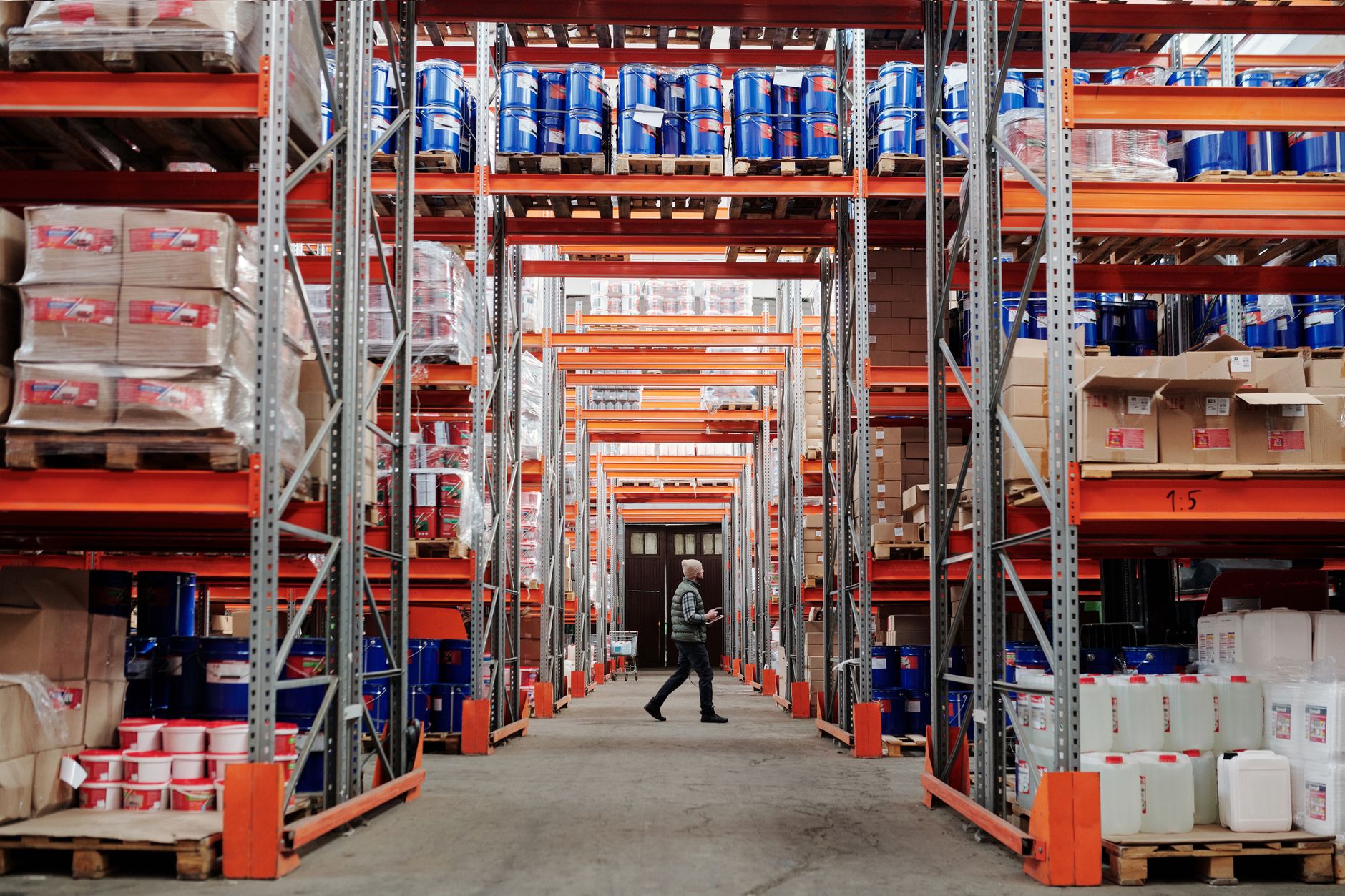
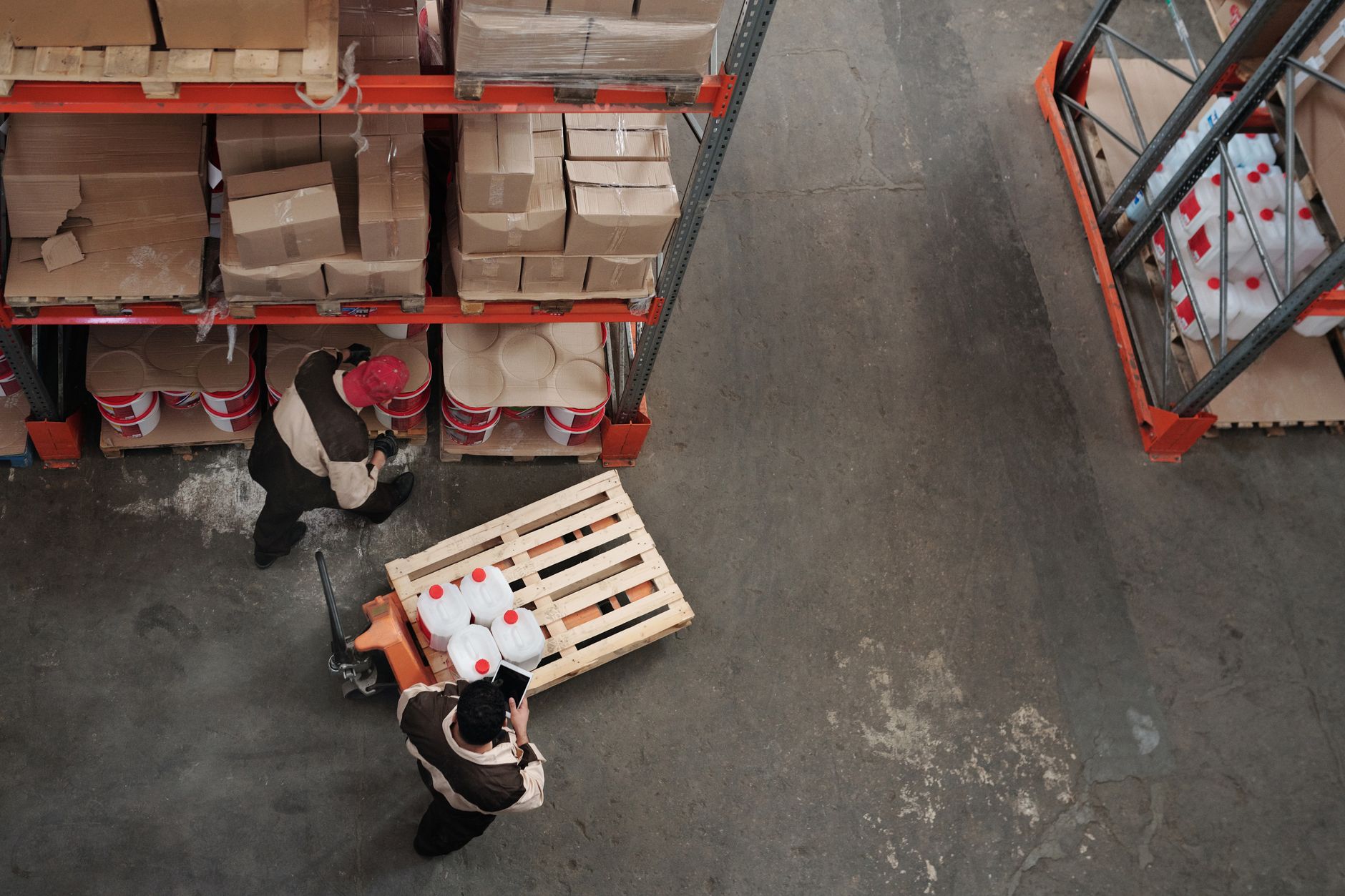
- Material transport usually leads when lifting, carrying, pushing, and pulling are dispersed across a facility.
- A cobot cell can rank first when force, repetition, or awkward posture is concentrated at one stable workstation.
- Floor care deserves priority when slip exposure or the physical burden of cleaning dominates local incident records.
- Fund the project that removes the most hazardous repetitions, not the robot category with the loudest sales pitch.
Start with material transport unless your own records say otherwise
For many warehouses, hospitals, factories, and large commercial facilities, repetitive transport automation deserves the first look. The reason is not that autonomous mobile robots are universally superior. It is that the latest federal data puts overexertion, repetitive motion, and bodily conditions ahead of falls, slips, and trips as a source of serious nonfatal cases.
The U.S. Bureau of Labor Statistics reported 946,290 DART cases in the former category during the two-year 2023-2024 period, compared with 721,720 cases involving falls, slips, and trips. That is 224,570 more cases, or about 31.1 percent more. DART means the case involved days away from work, restricted duty, or a job transfer.
That national signal favors an autonomous mobile robot rental or material handling robot rental when employees repeatedly push carts, pull loads, carry supplies, or walk material between fixed points. A cobot cell can outrank transport when the dominant exposure is concentrated at one machine or packing station. Floor care moves to the front when local records show recurring slips or when manual scrubbing itself creates the larger ergonomic burden.
The practical answer is therefore conditional but firm: begin with material transport as the screening hypothesis, then overturn it if your OSHA logs, near-miss reports, and task observations show a denser hazard elsewhere.
What do the federal numbers actually measure?
The headline requires careful reading. BLS released its Employer-Reported Workplace Injuries and Illnesses report on January 22, 2026. Its 2.5 million figure covers private-industry recordable injuries and illnesses during calendar year 2024, while the detailed event figures cover the combined 2023-2024 period because BLS now publishes those case characteristics biennially.
Private employers reported precisely 2,488,400 recordable cases in 2024, down 3.1 percent from 2023. Of those, 1,455,600 were DART cases. The total recordable case rate was 2.3 per 100 full-time-equivalent workers, the lowest rate in the series going back to 2003.
Across the two-year case-characteristics dataset, overexertion, repetitive motion, and bodily conditions produced the largest DART count. Contact incidents followed at 860,050, then falls, slips, and trips at 721,720. These are estimates built from employer records, not a census of every ache, near miss, or hazardous repetition.
The categories also describe how harm occurred, not which robot would have prevented it. A strained back from pushing an overloaded cart and shoulder pain from repetitive palletizing may land in the same broad event family, yet they call for different equipment and controls.
Why does material transport often rank first?
Transport work distributes physical exposure across routes and shifts. A cart may be pushed hundreds of feet, stopped on an incline, threaded through a doorway, loaded at an awkward height, and returned empty. Each trip looks ordinary. Their cumulative force and frequency create the capital-allocation case.
The BLS data reinforces that concern. Overexertion, repetitive motion, and bodily conditions accounted for 492,140 days-away-from-work cases and 454,150 cases involving only job transfer or restriction during 2023-2024. The category had a median of 24 DART days, compared with 20 for falls, slips, and trips.
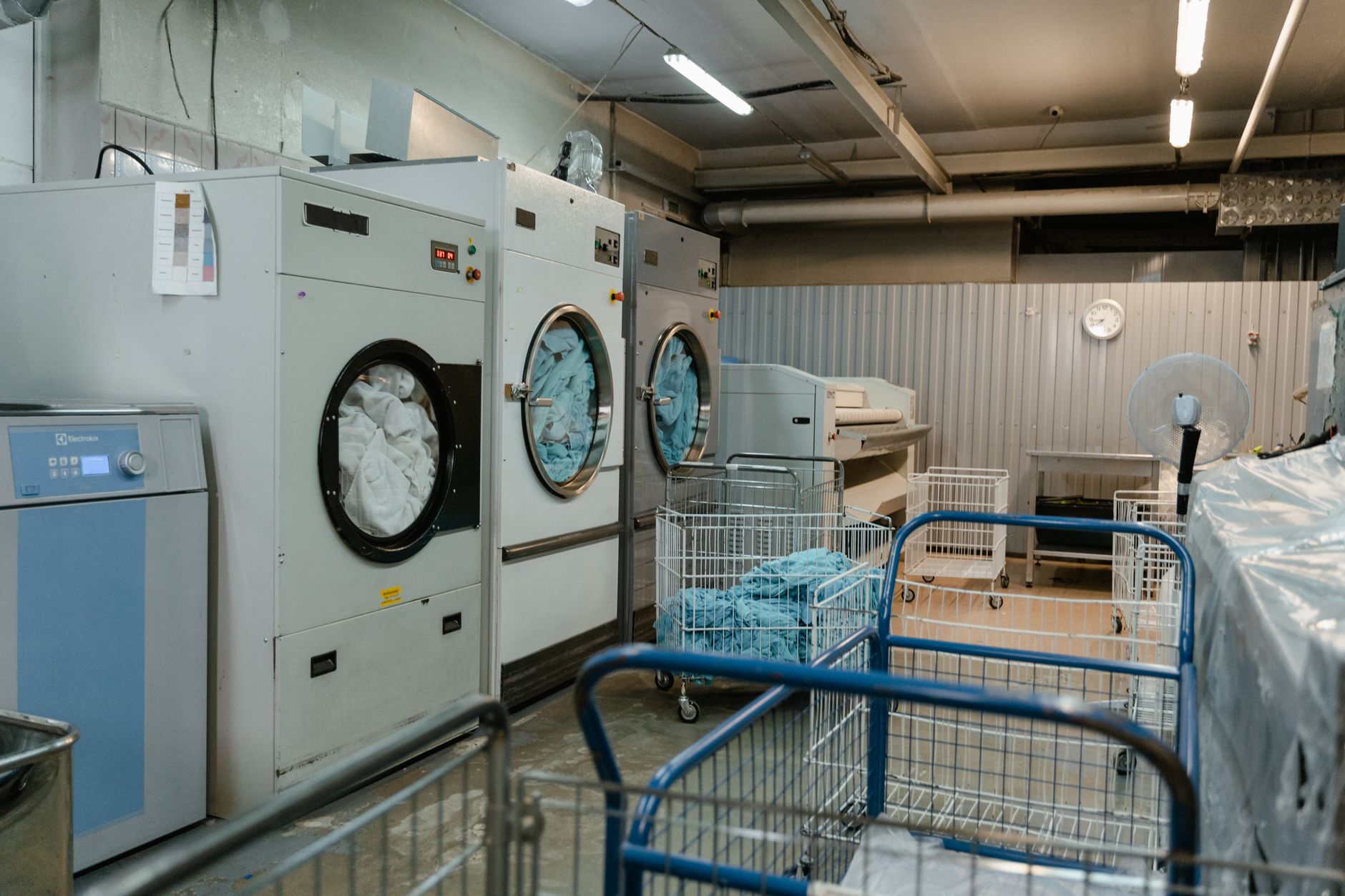
An AMR pallet mover, tug robot rental, or cart-pulling robot can reduce manual touches when the route, payload, pickup method, and delivery cadence are stable enough to automate. Good candidates include line-side replenishment, laundry moves, waste routes, meal-tray transport, and movement between receiving, storage, and production.
Do not score a route by walking distance alone. Record load weight, cart starting force, turns, grades, congestion, coupling work, trips per shift, and the number of employees exposed. A short run repeated 120 times can deserve priority over a long run performed twice.
When should a cobot cell win the budget?
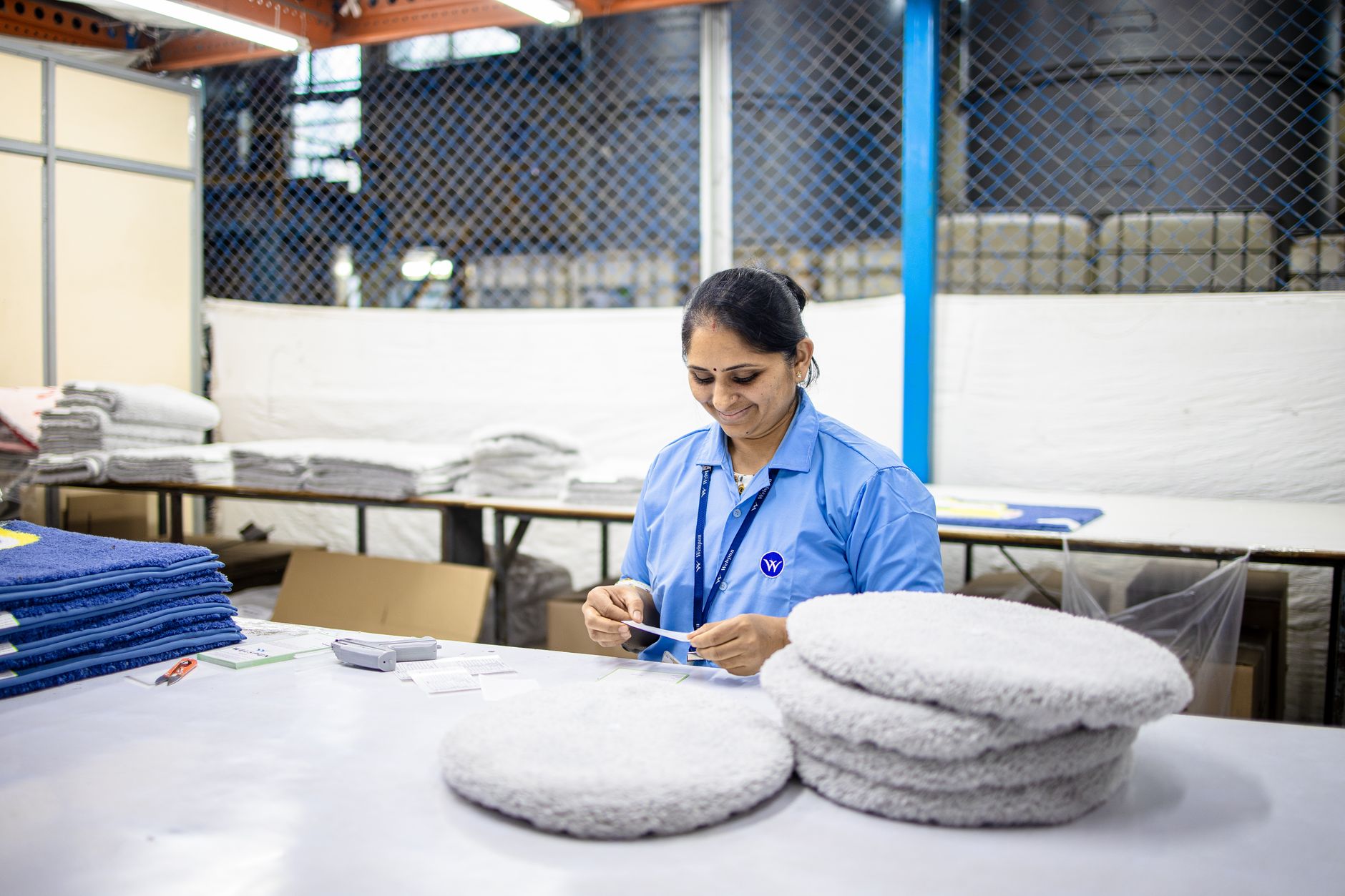
A collaborative robot arm rental can be the stronger first project when risk is concentrated at a repeatable point of work. Machine tending, end-of-line automation, case packing, and palletizing are common examples because the task can combine high repetition with reach, grip force, twisting, or load handling.
The key distinction is exposure density. Material transport spreads effort along a route. A cobot cell attacks a compact sequence that may recur every few seconds. If one workstation accounts for a large share of first-aid reports, discomfort complaints, restricted-duty cases, or job rotation, its concentrated risk can outweigh the national preference for transport.
Observe the complete cycle before approving a cobot rental for manufacturing. Count reaches above the shoulder, low lifts, wrist deviations, forceful insertions, rejected parts, changeovers, and manual recovery steps. Include upstream staging and downstream removal. Automating only the comfortable middle of the cycle leaves the damaging work with the operator.
A collaborative label does not remove the need for a task-specific risk assessment. Tooling, payloads, sharp parts, pinch points, unexpected restarts, and nearby machinery can create hazards beyond the arm itself. The project should remove exposure without introducing a less visible contact risk.
When does floor care deserve first place?
Floor care should lead when local evidence points to contaminated walking surfaces, recurring slip reports, physically demanding scrubbing, or large areas that receive inconsistent attention. Falls, slips, and trips were still responsible for 721,720 DART cases during 2023-2024. They are not a minor category simply because another category was larger.
Those cases included 479,480 that required days away from work, with a median of 13 days away. Overexertion cases produced 492,140 days-away cases, only 12,660 more. The comparison shows why a facility should not dismiss floor risk after reading the national ranking.
A commercial cleaning robot rental may address two exposure paths. It can reduce repetitive walking and machine handling by the cleaning team, and it can improve scheduled floor coverage. It cannot guarantee slip prevention. Spill detection, prompt response, drainage, matting, signage, and inspection practices remain necessary.
An autonomous floor scrubber rental fits best where routes are broad, repeatable, and operationally available. Large facility coverage, overnight floor care, and a night-shift autonomous scrubber can be attractive, but only if the machine consistently reaches the areas associated with actual incidents. Cleaning pristine open aisles while problem entrances and congested corners remain manual is weak safety allocation.
Build a score from your own exposure data
National statistics establish a prior. Your facility records decide the purchase. Use at least 12 months of OSHA logs, workers' compensation narratives, first-aid entries, near misses, maintenance reports, and employee discomfort reports. Then observe the tasks on every shift, including cleanup, jam recovery, and changeover work.
Score each candidate job on exposure removed, severity, frequency, number of people exposed, technical fit, and new risk introduced. Use the same scale for floor care, material transport, and the cobot cell. A simple weighted score makes assumptions visible and prevents the loudest department from capturing the budget.
A useful scoring rubric includes:
- Exposure removed: the share of hazardous repetitions or manual trips the robot will actually assume.
- Consequence: recorded DART days, medical treatment, restricted duty, and credible worst-case harm.
- Frequency: cycles, pushes, pulls, lifts, or square-foot passes per shift, measured by direct observation.
- Reach: the number of employees and shifts exposed to the task.
- Deployment fit: route stability, payload consistency, floor condition, workstation variation, and integration burden.
- Residual risk: loading, unloading, recovery, maintenance, pedestrian interaction, pinch points, and cleaning chemistry.
Treat deployment as an engineering control
The National Institute for Occupational Safety and Health ranks elimination, substitution, and engineering controls above administrative controls and personal protective equipment. A robot can function as an engineering control when it reliably removes workers from an exposure. Merely placing equipment nearby does not satisfy that test.
Set a predeployment baseline. For transport, measure manual trips, loaded pushes, handling touches, and route exceptions. For a cobot cell, record cycles, reaches, lifts, forceful actions, and recovery interventions. For floor care, track manual machine hours, verified coverage, spill response, and incident locations.
Then define a narrow robot pilot program with acceptance criteria tied to those measures. A pilot has failed its safety purpose if throughput looks good but workers still perform the hardest loading step, retrieve stranded carts, or manually rework most cycles. Count transferred exposure, not just automated runtime.
After go-live support, review results at 30, 60, and 90 days. Compare the same task and shift conditions used in the baseline. Injury counts alone are too sparse for an early verdict, so pair them with leading indicators such as hazardous repetitions removed, interventions, route conflicts, and recovery events.
Buy the lifecycle, not just the machine
Safety prioritization can fail when equipment selection, financing, integration, training, and service are split among unrelated parties. Nobody owns the full control. Service Robot Co. operates as a full-service commercial robot integrator for U.S. businesses, covering the lifecycle through a nationwide U.S. engineer network.
Its OEM-neutral approach starts with the job and hazard profile, then selects equipment across manufacturers. That matters here because a floor robot, transport platform, and cobot cell solve different exposure patterns. The decision should not be bent around the inventory of a single manufacturer.
Commercial robot rental, robot leasing for business, lease-purchase programs, and outright sale can also be compared after the job is selected. Financing should follow the safety case, not determine it. Maintenance included, remote triage, on-site dispatch, training, and spare-unit planning deserve explicit treatment because an unavailable robot sends hazardous work back to people.
One partner and one service number also make accountability easier after deployment. Service Robot Co. can conduct the site assessment, map the operation, integrate the chosen unit, train staff, support go-live, and service the fleet. That continuity helps preserve the exposure reduction used to justify the investment.
Make the first approval defensible
Present the capital request as a measured hazard-control decision. State the injury category, exposed population, task frequency, baseline burden, proposed control, residual risk, and acceptance test. Include the operational benefit, but keep it separate from the safety claim so neither is overstated.
The strongest first robot job is rarely the task employees dislike most in the abstract. It is the task with repeated exposure, credible consequences, enough process stability for automation, and a clear way to prove that people are doing less hazardous work afterward.
The 2024 BLS release changes the opening presumption. Overexertion and repetitive physical work deserve first inspection, which often points to material transport or a tightly defined cobot cell. Falls remain substantial enough for floor care to win wherever local evidence supports it. Let the national data set the shortlist, then let the facility set the priority.