
The short answer
Autonomous mobile robot cost in Madison depends on floor area, shift pattern, traffic, mapping, integration, number of units and service coverage, so no single figure applies. We set the lease payment in a written quote after a free site assessment, and the number to compare it against is the staffed hours the robot would take over.
See what a autonomous mobile robot costsRun the numbers in the ROI calculator
Key takeaways
- Floor area, shift count and traffic move the lease more than any other single choice.
- Mapping, integration and training are one-time work that is easy to leave out of a budget.
- Compare the lease against staffed hours and unfilled shifts, not against a wage figure.
- Robots do not clear exterior snow and ice, and they still need people for thresholds, spills and exceptions.
- The lease payment comes from a written quote after a free site assessment, with scope listed line by line.
Autonomous mobile robot cost in Madison starts with the site
People who search for autonomous mobile robot cost in Madison usually want one number, and there is no honest single number for it. The cost follows the site: its floor, its shifts, its traffic and the work it needs done. Two buildings of the same size can call for setups that look nothing alike, so the lease follows the setup.
This page covers what moves the lease up or down in Madison, which hidden costs people miss, what the work looks like in hours, and how a quote gets built. We lease robots through financing and handle deployment and service, so we see the decision from both the floor and the finance side. Where a number appears, the source is named in the sentence.
Madison is a useful place to test the math. The metro has warehouse, cleaning, food and campus work, and the public labor data for it is detailed enough to check your own staffing figures against.
What drives the cost of an autonomous mobile robot in Madison, WI?
Eight things set the lease for most sites: floor area, floor surface, shift count, traffic, mapping effort, integration with existing systems, the number of units, and service coverage. Most of them push the lease in a fairly predictable direction, but the weight of each depends on the building in front of you.
Floor area and shift count usually carry the most weight. A larger floor means longer routes and more running hours per unit, so the same robot covers less ground per shift. Shift count works the other way: a second or third shift can justify more units only when the work backlog is real and staff time is the constraint.
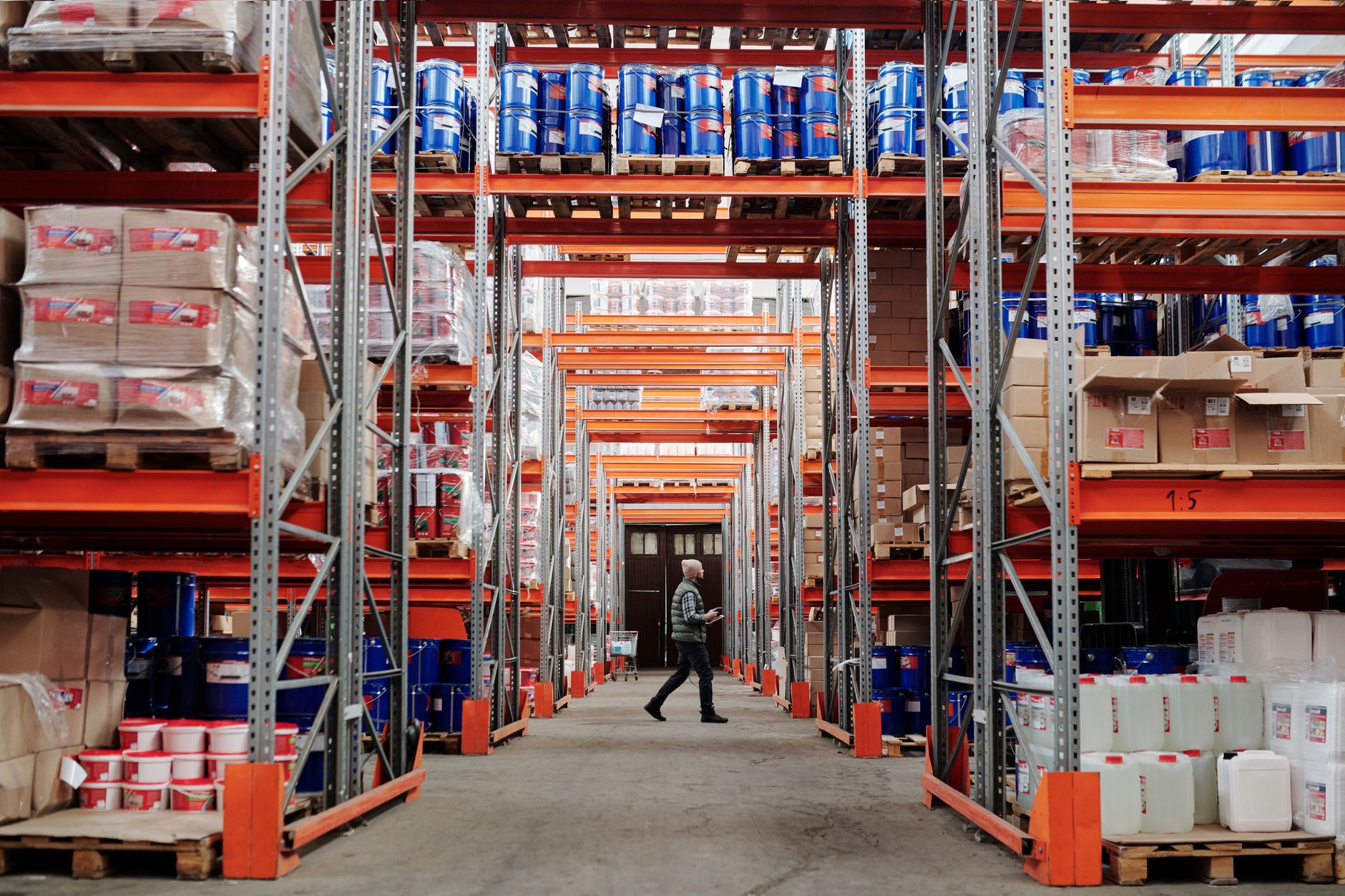
Surfaces and traffic come next. Polished concrete, sealed epoxy, rubber matting, thresholds and ramps each change how the robot is set and how often a person needs to check it. Forklifts, pallet jacks and foot traffic during operating hours force slower routes and wider safety zones, and that limits the hours the robot can run in open lanes.
Mapping, integration, units and service are the one-time and recurring pieces. An unmapped space takes a survey and a test run before the first real route. Connecting the robot to a warehouse system, a work order tool or a building schedule adds engineering scope. Each extra unit adds service coverage, and a spare unit gives backup for a stalled shift. Older buildings with uneven thresholds and narrow doorways are common across the Midwest, so the assessment checks those first.
Who runs these robots in Madison, and what does the labor look like?
Madison has a broad base of employers. Census QuickFacts reports 14,676 employer establishments in Dane County in 2022, according to the US Census Bureau, so candidate sites range from warehouses and food plants to contract cleaning operations and institutional campuses. The right robot depends on which of those a site is, not on a single category name.
The labor pool is measurable. The BLS Occupational Outlook Handbook counts about 2.4 million janitors and building cleaners nationally in 2024, with services to buildings and dwellings the largest employer at 35 percent. For Madison, a third-party wage site citing BLS OEWS data shows about 2,340 shipping and receiving clerks in the metro in May 2025, and for Wisconsin as a whole it shows about 45,640 janitors and cleaners.
The BLS regional release for the Midwest, covering May 2025, puts the Madison metro's mean hourly wage for all occupations slightly above the national mean. Read that alongside your own shift costs, not in place of them, because the roles at your site will not match the metro average.
How many hours does the robot take over, and what about turnover?
Labor hours are where a lease earns its keep. A floor machine covers the same route on every shift, and the hours it takes over are the ones that come out of a crew's night or out of a second shift. We do not have a survey figure for task hours at Madison sites, so we measure them during the free site assessment and show the work in the table below.
Repetitive floor and aisle work carries injury exposure too. According to BLS, warehousing and storage recorded 4.8 total recordable cases per 100 full-time workers in 2024, with 32 fatalities across the industry. Those figures cover the whole industry, not robots, but they show why routine transport routes in busy aisles deserve a closer look.
Turnover is the number people ask about first. The BLS handbook projects about 351,300 openings a year on average over the decade for janitors and building cleaners, including replacements. The research we pulled did not find a verified BLS turnover rate for these roles, so we do not quote one. Pull your own separation and vacancy records, because those reflect your staff, your shifts and your pay.
| Task | Today | With a robot |
|---|---|---|
| Scrub the main corridors on a night shift | a crew shift measured on site | start of shift setup, then unattended routes |
| Sweep and scrub dock aisles | staff time at the end of a long shift | scheduled runs during the dock lull |
| Repeat the same routes through the week | recurring staff hours each day | routes run on schedule, with a check at start and close |
| Recover floors after an event or peak period | overtime or a contractor call | run on demand from the same map |
No published survey of task hours was found in this research. The durations come from the free site assessment, and the table shows the shape of the work rather than a published hour count.
What can an autonomous mobile robot not do?
A floor robot works inside a mapped, mostly level space. It does not climb stairs, clean high windows or reach over a shelf, and it cannot route through an unmapped room until someone maps it. Thick carpet, standing water, grease-heavy kitchen floors and loose debris usually need a person first.
It does not replace judgment. A robot can scrub a corridor but will not notice a spill it was not set up to flag, or decide that a fire door has been propped open. Staff still own the exceptions, and a plan that assumes no intervention will disappoint.
Madison's winters add their own limits. Salt, grit and wet entryways bring debris and water into the building, so the first stretch of a route often needs a person to clear it. Exterior surfaces, snow and ice sit outside the robot's job, and the route should start on dry, cleared floor.
Build the plan around those limits. A robot that runs well on a clean, mapped route can underperform in a building with shifting stock and uneven thresholds, and the assessment is where those conditions show up before a lease is signed.
How does robot leasing through financing work, and what does the quote include?
Robot leasing for business works through financing. You lease the unit for an agreed term, the lease payment is fixed for that term, and the financing partner stays on the agreement until the term ends. Nothing in this page is a list figure, because the lease payment comes from the quote after the site assessment.
A quote usually covers the unit or units, the lease term, deployment and integration, operator training and service. Read it for what is missing as well as what is listed. Mapping updates, consumables, insurance and any site work, like power or network drops, should be named either inside the quote or as a site responsibility.
The lease payment is set after the site assessment, because the scope sets the work. If traffic, shifts or unit count change, the scope changes too, and the quote needs a fresh review. Tell us early so the numbers stay honest.
Is an autonomous mobile robot worth it, and how do you check payback?
Worth it depends on the hours and the risk you carry, not on the robot. Compare the lease payment against the labor the robot takes over, the shifts you cannot fill, the overtime you avoid and the injury exposure on those routes. Write down the hours each shift spends on the repetitive task and how often those shifts go short, then test the lease against those figures.
Automation adoption is rising. According to the International Federation of Robotics, US industrial robot installations reached about 38,000 units in 2025, up 11 percent on the year in preliminary data. A separate IFR press release reports that US food processing installations rose 30 percent in 2025, and that US robot density stands at 307 units per 10,000 manufacturing workers. Those are factory figures, so they show direction, not a payback period for a Madison site.
Payback is a site calculation. Ask the assessment to show the expected hours saved, the staffing you would keep and the service plan, then compare the total lease cost to the staffing line it offsets.
How do you get a quote after a free site assessment?
A free site assessment is where the quote starts. We walk the floor, measure the routes, check surfaces and traffic, and note the shifts and the systems the robot must connect to. The output is a written scope, and the lease quote is built from that scope.
The assessment goes faster when the site team has the basics ready. Bring the items below, and describe what the building looks like on its worst day, not only on a quiet morning.
After the assessment you receive a written quote showing the lease payment, the term, what the service plan includes and what stays with your site. If the numbers do not work for the site, we say so and suggest a smaller first step, such as one unit on one route.
- Floor plan or building drawings, with racking and dock locations
- Shift schedule for each area the robot would cover
- Surface types, including carpet, ramps and thresholds
- Traffic during the hours the robot would run
- Systems the robot must connect to, such as warehouse or work order software
- Contact who will own the robot day to day
Frequently asked questions
Upcoming events in Madison, WI
Put a robot to work in Madison.
We walk your site, learn the job, and recommend the unit that fits. Then we quote the lease, deploy it, and keep it serviced.
Sources
- BLS Occupational Outlook Handbook, janitors and building cleaners
- BLS Midwest news release, Madison metro wages, May 2025
- Third-party wage data, shipping and receiving clerks, Madison metro (citing BLS OEWS)
- Third-party wage data, janitors and cleaners, Wisconsin (citing BLS)
- BLS industry profile, warehousing and storage (NAICS 493), 2024
- International Federation of Robotics, preliminary US installations 2025
- IFR press release, US food processing and robot density, June 2026
- US Census Bureau QuickFacts, Dane County