
The short answer
The autonomous mobile robot cost in Los Angeles is set by the work the robot does in your building, including floor area, surfaces, traffic, shift timing, mapping, integration, unit count and service level. Local labor and warehouse conditions shape the business case, but the fixed lease payment is set in a written quote after a free site assessment.
See what a autonomous mobile robot costsRun the numbers in the ROI calculator
Key takeaways
- Cost follows floor area, route layout, traffic and shift timing, not a standard figure.
- Los Angeles has a large cleaning workforce and a warehouse market under pressure, which shapes staffing plans.
- Mapping, integration, training, maintenance and insurance are the hidden costs to scope early.
- The fixed lease payment appears in a written quote after a free site assessment.
- Count supervision, downtime and layout changes when you compare crew hours.
Autonomous mobile robot cost in Los Angeles: the direct answer
An autonomous mobile robot in Los Angeles is not set from a shelf figure. Its cost follows the job: how much floor or aisle it must cover, what surfaces it runs on, when it runs, how busy the route is, how much mapping and integration the site needs, how many units you deploy and how much service you want included. Each of those is measured at the site, so the number you can trust is the one in the quote.
Los Angeles adds local context. The county has a large cleaning workforce, and the industrial market has been losing occupied space, so overhead is under close watch. A fixed, planned lease payment is easier to compare against crew hours than an open-ended cost, but only once those hours are measured for your building.
What drives the cost of an autonomous mobile robot here?
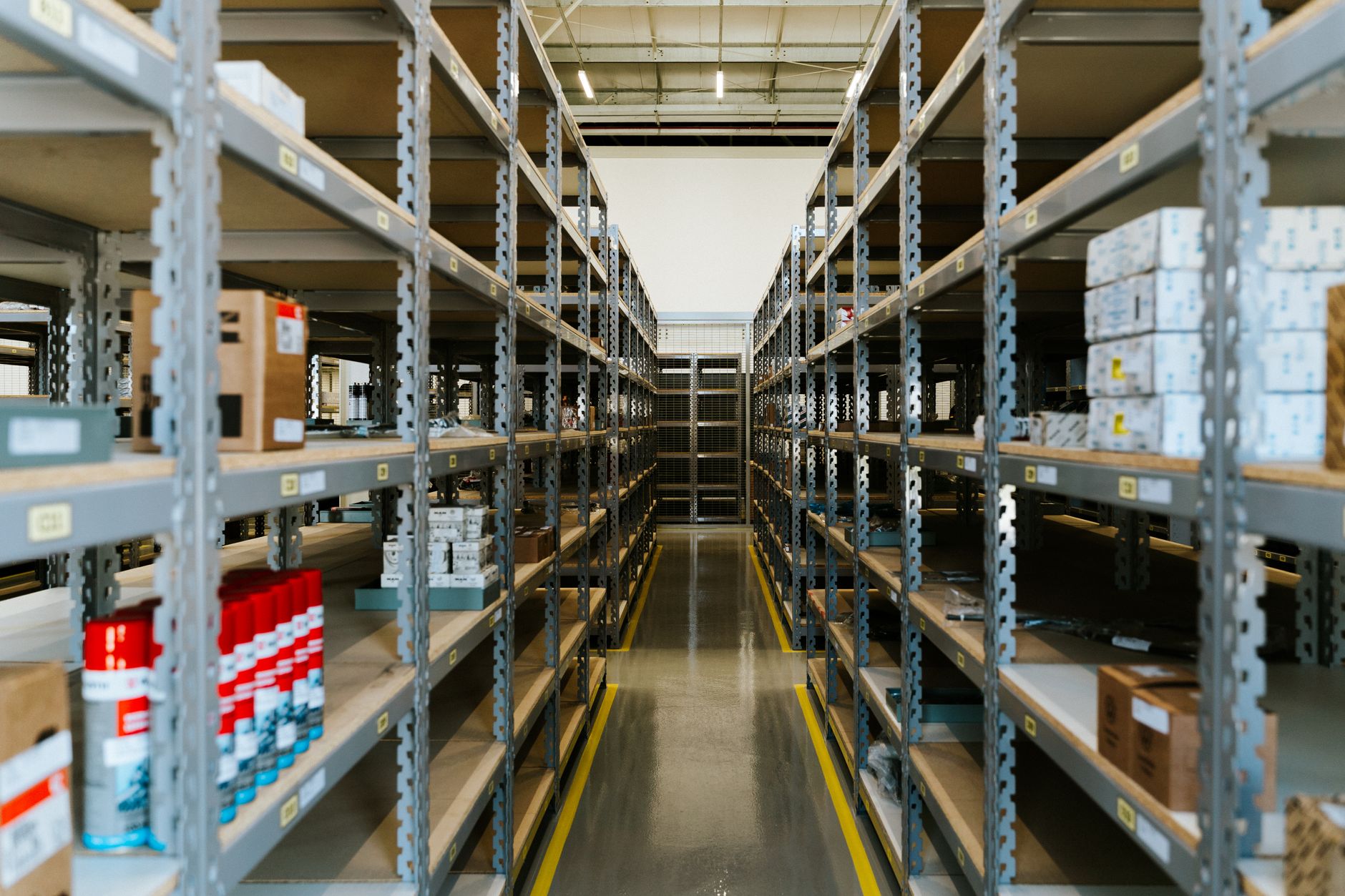
Floor area is the first lever, but layout matters as much as square footage. A long open aisle network means a longer route and more charging cycles per pass. Narrow doors, dead ends, tight turns and racking that changes often slow the run and can call for another machine. The route plan is built from the site survey, so the same square footage can produce quotes that look nothing alike.
Surfaces and traffic come next. Polished concrete, sealed epoxy, uneven slabs, drains and cracked joints each change the route and the cleaning pass. Traffic changes the robot more than most people expect. A unit that runs while forklifts, carts or customers are moving needs more sensing, slower speeds and tighter scheduling. A closed window, such as after close or before opening, lowers that burden but limits the hours the robot can work.
Mapping, integration and unit count finish the picture. Each site gets a survey and a map, and that map has to be updated when layouts change. Links to work order, warehouse or building systems add scope. A single pilot unit carries the full setup on its own, while a larger deployment spreads the same setup and training across more machines. Older industrial and mixed-use buildings common in parts of the county often have uneven slabs, tight loading docks and mixed floor finishes. We did not find verified government data on Los Angeles building age or climate for this page, so we do not quote those figures. The site visit is where those conditions get measured.
What Los Angeles labor and warehouse data tell us
According to the Bureau of Labor Statistics, the Los Angeles-Long Beach-Anaheim metro had 89,630 people employed as janitors and cleaners, excluding maids and housekeeping cleaners, in May 2023. That is a large pool of cleaning labor, and cleaning staffing, scheduling and turnover are problems most local operators share.
A third-party compilation, Wagedex, cites BLS May 2025 data for about 83,160 workers in the same metro. We have not checked that figure against the BLS table, so treat it as a secondary estimate. Pull the official table for the year you plan around before you set staffing targets.
On the logistics side, CBRE's Q3 2025 figures put transportation and warehousing employment in Los Angeles County at about 207,000 workers. CBRE describes that as flat year over year and up 6.1% over five years. Savills reported that the Los Angeles industrial market returned to negative absorption in Q4 2025, totaling negative 2.0 million square feet. Negative absorption means tenants gave back more space than they took, so warehouse operators are watching fixed costs closely. A planned lease payment is easier to defend in that climate than an open-ended labor line, as long as the hours it replaces are counted honestly.
How lease financing works and what the quote includes
We do not sell these robots. We lease them through financing, which lets the business put the robot to work without paying the full equipment cost up front. The lease sets a fixed robot lease payment for the term. That payment is the figure you compare with crew hours, turnover cost and other operating lines.
The quote comes after a free site assessment. It should state the lease payment, the scope of deployment and integration, the training plan and the service plan. It should also say what is not included, so nothing is hiding in the fine print. Ask for the term, end of lease options and what happens when a unit needs repair or replacement.
Service is part of what we deliver. We service robots nationwide, with on-site dispatch, remote triage and spare coverage where the plan calls for it. Whether emergency replacement is included depends on the plan you choose, so the written quote is where that gets settled.
How many labor hours does the robot take over?
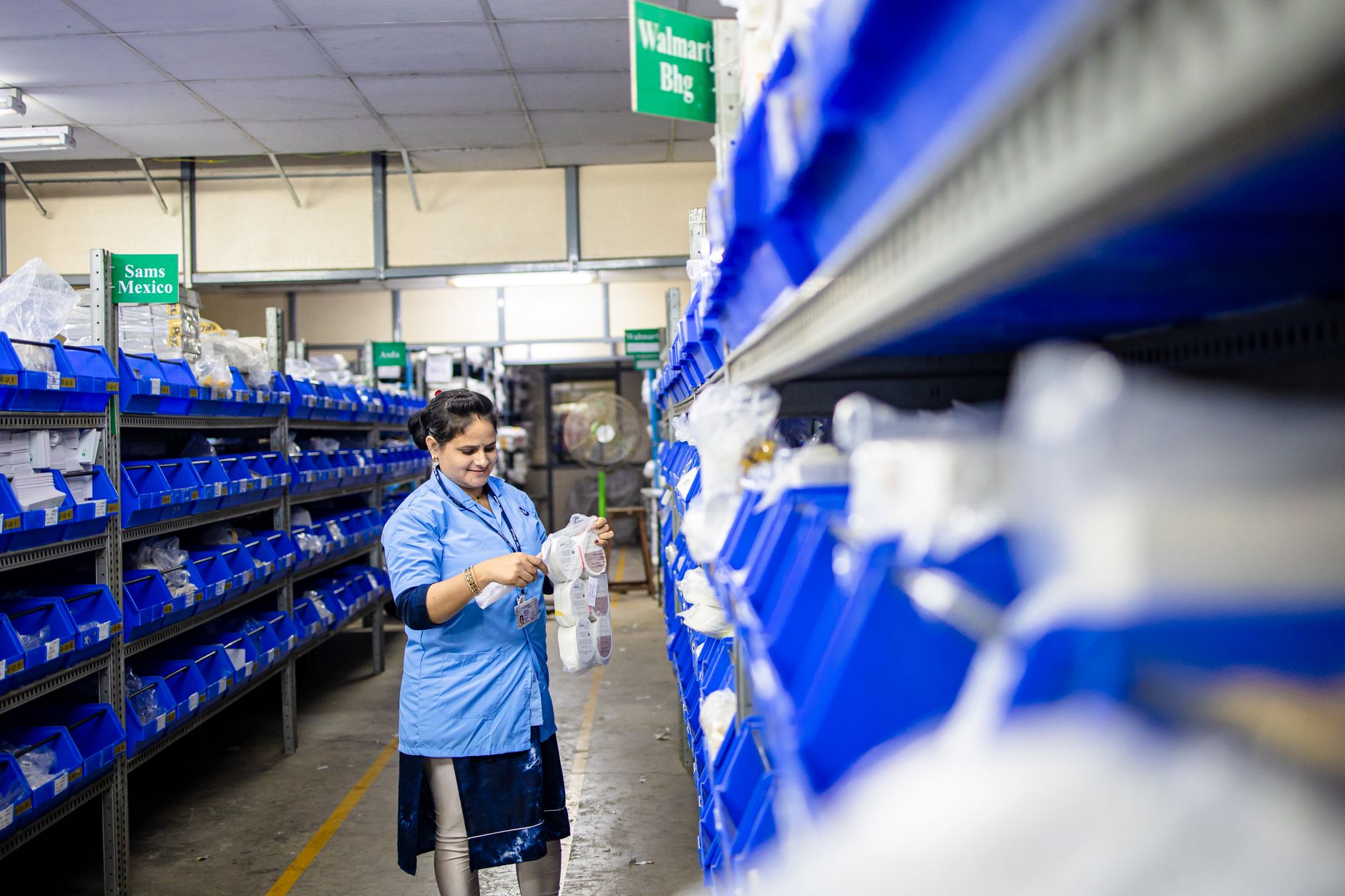
The honest answer depends on your floor. This page gives no hour figure because none was verified for this build, and any number should come from measuring your building during the assessment. The work a floor robot takes over is repetitive, scheduled and long, which is the kind of work where autonomous equipment fits.
The turnover data explain why those hours are hard to staff. Netchex states that janitorial separation rates regularly exceed 50%, with contract cleaning firms often higher. That is a secondary source, not a BLS figure, so treat it as a signal. Each departure brings recruiting and training time that lands on the same crew hours the robot is meant to cover.
Injury exposure belongs in the hours comparison too. According to a secondary site attributing the data to BLS, janitorial services recorded a total recordable rate of 2.5 per 100 full-time workers in 2024, with a relative standard error of 5.0%. We did not confirm that figure on the BLS table, so check the official release before citing it internally. Fewer manual passes on repetitive floor work can reduce that exposure, and the reduction should be measured on your own incident log.
What an autonomous mobile robot cannot do
A floor robot works along routes it has mapped. It cannot reliably detect every spill, cannot leave corners dry without hand work, and cannot handle fixed equipment and tight spaces without a separate method. It cannot climb stairs or open doors on its own unless the site and the machine are set up for that.
It does not replace supervision. Someone still responds to alerts, clears blocked routes, decides when an area is unsafe and manages the schedule. Staff time moves toward those tasks, so the hours comparison has to include supervision rather than assume the machine runs untended.
A site that is unsafe for it will limit it. Blocked exits, loose cables, unmarked stock on the floor and wet areas that do not dry will reduce what the robot can do. Those conditions should be fixed before deployment, and the site assessment will say which ones matter.
How to get a quote after a free site assessment
Start with the site. We run a free site assessment that measures floor area, surfaces, traffic patterns, shift windows, doors, power and any systems the robot would connect to. That data drives the route plan, the deployment scope and the lease quote. The assessment does not commit you to a lease.
Bring what you already track: the hours your crew spends on the floor, the areas cleaned or moved most often, the staffing gaps you cover with overtime, and any incident or repair records. The more of that you share, the closer the quote will match your operation.
Ask for a written quote that lists the lease payment, deployment and integration, training, service and the items you still need to arrange yourself. For a complex site, a single unit pilot can show the route and the crew workflow before you commit to a wider deployment.
Which Los Angeles businesses run autonomous floor robots, and why
The sites most likely to run autonomous floor equipment in Los Angeles are the ones with large, mostly open floors and repeated routes: warehouses and distribution sites, large retail floors, campus and institutional buildings, and venues with heavy turnover between events. The pattern is consistent. The floor is big enough, and the work repeats often enough, for a scheduled route to make sense.
Industrial demand shapes the case. CBRE's Los Angeles County figures show a large transportation and warehousing workforce, and Savills' negative absorption figures show the market is under pressure. Operators in that position tend to look hard at fixed, planned costs. These are county and market figures, not evidence of local adoption rates, and no verified local adoption figure was found for this page.
Global adoption points the same way. According to a 2026 IFR release reproduced by Kyodo News PR Wire, professional service robot shipments rose 24% to almost 250,000 units in the 2025 data, and cleaning robots rank third by application, with floor cleaning the main use. IFR's World Robotics 2025 reported that professional cleaning robot sales grew 34% to more than 25,000 units in 2024. Those figures are global and come from two reports, so use them for direction and do not combine them.
Frequently asked questions
Upcoming events in California
No events are listed in Los Angeles yet. These are elsewhere in California.
- ConferenceCASBO CBO Symposium (Executive)Nov 19 to 20, 2026The Langham, Pasadena, CA
- ConferenceHealthcare Project Delivery Conference 2027Feb 10 to 11, 2027Manchester Grand Hyatt, San Diego, CA
- Conference48th Annual Conference on School FacilitiesFeb 23 to 25, 2027SAFE Credit Union Convention Center, Sacramento, CA
Put a robot to work in Los Angeles.
We walk your site, learn the job, and recommend the unit that fits. Then we quote the lease, deploy it, and keep it serviced.
Sources
- U.S. Bureau of Labor Statistics, OEWS May 2023
- Wagedex, janitors and cleaners, Los Angeles-Long Beach-Anaheim (cites BLS May 2025)
- CBRE, Greater Los Angeles Industrial Figures Q3 2025
- Savills, Los Angeles industrial market research
- IFR 2026 release via Kyodo News PR Wire
- IFR, World Robotics 2025: Service robots see global growth boom
- Start Business by State, janitorial services injury rate (secondary, attributes to BLS)
- Netchex, why turnover is high in janitorial and cleaning services (secondary)