
The short answer
The autonomous forklift cost in Madison depends on the floor area the unit covers, how often the layout and pallet positions change, how many shifts it runs and how far it must connect to your warehouse software. No single figure fits every Madison building, so we quote a fixed robot lease payment after a free site assessment that measures your floor. The quote lists mapping, integration, training and service as separate lines.
See what a autonomous forklift costsRun the numbers in the ROI calculator
Key takeaways
- Autonomous forklift cost in Madison turns on floor area, layout changes, shifts and software links, not on one standard price.
- Tight industrial vacancy in Madison means many firms reconfigure existing buildings, so remapping belongs in the operating cost.
- Compare leases line by line for mapping, integration, training, service, exclusions and backup units.
- Forklift safety rules still require trained people around every powered truck, including autonomous ones.
- A free site assessment produces the real number for your building and your shifts.
How much does an autonomous forklift cost in Madison?
An autonomous forklift cost in Madison has no single figure that holds across buildings, and any page that gives one is guessing about your floor. The cost is set by the area the unit must cover, the layout and how often it changes, the number of shifts, and how far the unit must connect to your warehouse systems. Those factors are measured on site, not estimated from a generic catalog.
We quote a fixed robot lease payment after a free site assessment. The quote shows what is included, including mapping, integration, staff training and service, so you can compare it with today's labor plan line by line.
What drives the cost of an autonomous forklift in Madison?
Floor area is the first driver. A unit that covers one building with long, straight aisles costs less to map, route and supervise than one that must serve a multilevel space with tight turns, uneven slabs and several dock areas. Layout changes come next, because every new rack row or relocated staging lane means the map must be updated and tested before the unit runs the changed lanes.
Shift pattern matters as much as size. A unit that runs one day shift has a different service and supervision load than one that runs a second and third shift, when fewer staff are nearby to notice a fault. Traffic also moves the number. A building with heavy pedestrian and cart movement needs more time on zone rules and sensor tuning.
Software links add cost. A unit that only moves pallets on a map is simpler than one that takes tasks from a warehouse management system, reports to a dashboard and hands off to conveyors. Each link is a project with testing time, and the quote should show it as a separate line.
The number of units changes the picture too. A single unit is a simple way to test one lane before committing to more, while several units share charging, spare parts and supervision. That can lower the cost per unit moved, but it adds coordination work.
What is the Madison industrial market like for warehouse automation?
Space is tight in the Madison industrial market. According to a Q3 2026 Madison industrial market report from a commercial brokerage, total vacancy was 3.3%, down from 4.2% a year earlier. A Q3 2026 Dane County East industrial marketbeat from a commercial brokerage reported 1.2% vacancy, down from 1.6% in Q2, with 205,565 sf of positive net absorption.
A Q3 2025 Madison market report counted about 62.8 million sf of industrial inventory, with total vacancy of 3.6% and warehouse distribution vacancy of 8.0%. Warehouse distribution space had more vacancy than the market as a whole, which means the market is not uniformly tight.
For a forklift project, this matters. A firm that cannot easily move is more likely to reconfigure the same walls, which makes mapping and remapping an ongoing cost rather than a one-time setup.
Adoption is still early nationally. A 2025 survey of 110 materials-handling respondents found about 10 percent of companies use AGVs or AMRs. The first unit will teach your team more about your own floor than any regional average.
Where does an autonomous forklift work in a Madison facility?
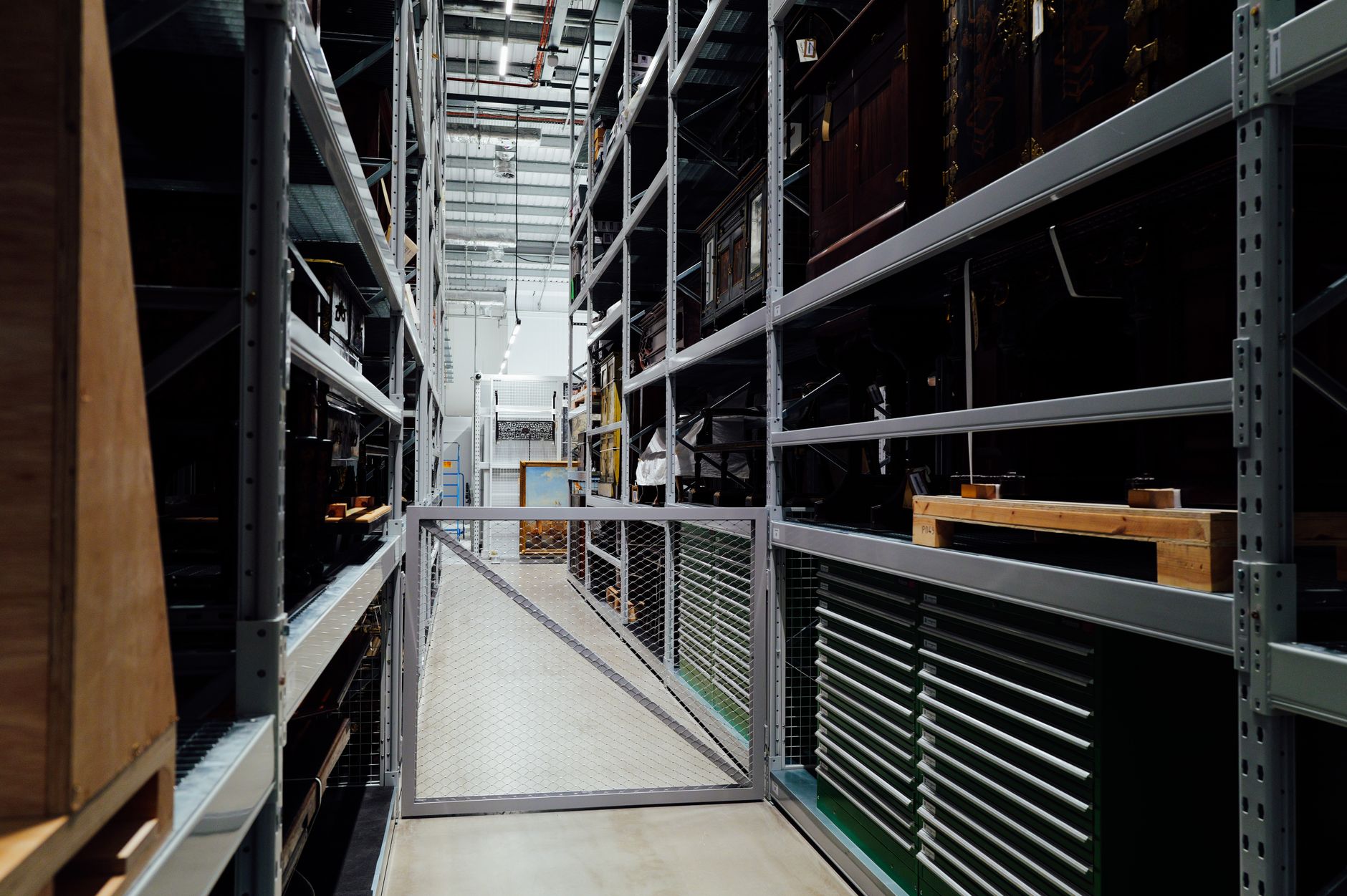
Most units work a fixed set of zones rather than the whole building. The usual candidates are the inbound dock, the main aisles, outbound staging and the charging area. The assessment decides which zones the first unit covers and which stay manual, based on pallet counts and where operators spend the most time.
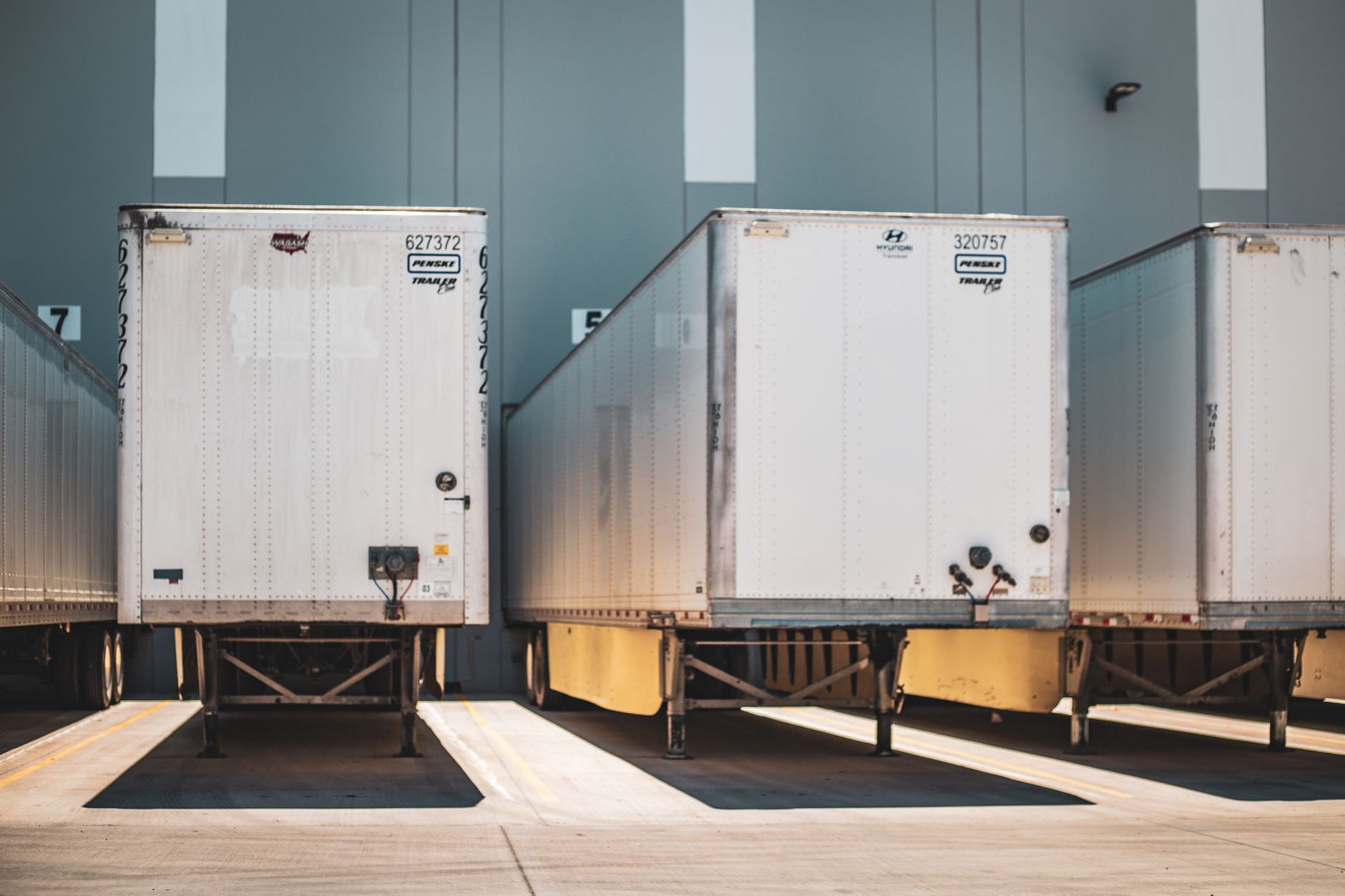
Dock conditions get close attention. Dock door heights, trailer positions, dock plate fit and whether a bay opens to cold storage all change how a unit approaches and returns. A cold dock bay or a bay with frequent door openings needs its own floor and sensor check. We did not verify Madison building stock for this page, so each dock is measured during the assessment.
Connections to other equipment are a zone too. Where the unit hands pallets to a conveyor, a wrapper or a pick point, the meeting point needs fixed positions, clear lanes and a plan for a load that is not where the map expects it.
How many labor hours does an autonomous forklift take over?
The labor a forklift takes over is the repetitive part of the shift: lane runs, trips to staging and waiting at the dock. The hours are specific to your building, so this page does not give a national average. The reliable number comes from your own shift logs, which the site assessment reviews with your team.
Forklift work also carries safety weight. According to an older OSHA Region I directive, about 85 forklift fatalities and 34,900 serious injuries per year were the figures cited, and the powered industrial trucks standard was the seventh most frequently cited OSHA standard in FY 2018. Fewer hours in manual truck runs can reduce exposure, but it does not remove the need for trained people.
Trained staff still matter. The OSHA standard requires that only trained, authorized and certified operators run powered industrial trucks, so the people who supervise, clear exceptions and maintain the work area are part of the plan.
How does leasing through financing work, and what is in the quote?
We lease the robot through financing, so the cost is spread over the lease term instead of arriving as one large upfront charge. The quote is written after a free site assessment. It shows the fixed robot lease payment, the term length, the mapping and integration work, staff training, the service terms and any items the lease does not cover.
We deploy and integrate the unit, train your staff and service it nationwide, so one team handles the work from the first site walk to the last repair.
Compare quotes on the same basis. Two quotes can show the same payment and still differ in what is included, how long the term runs or how remapping after a layout change is handled. Ask for each line item in writing.
What can an autonomous forklift not do?
The unit works within its map and its rated load. It does not handle a pallet it was not built for, a lane that changed without remapping or a blocked route it cannot read. It is not a replacement for a supervisor, and it does not take over every manual move in the building. Irregular loads, unusual pallets and tight spaces outside the mapped zone stay with trained operators.
Regulation matters here. The powered industrial trucks standard, 29 CFR 1910.178, requires that only trained, authorized and certified operators run powered industrial trucks. Whether an autonomous unit needs a certified operator on hand depends on how your site and safety program set up the work, so raise that with your safety team before the first run.
A robot also does not fix a poor layout. Blocked aisles, uneven floors and unpredictable staging show up quickly in an autonomous unit, and they should be corrected first.
How do I get an autonomous forklift quote in Madison?
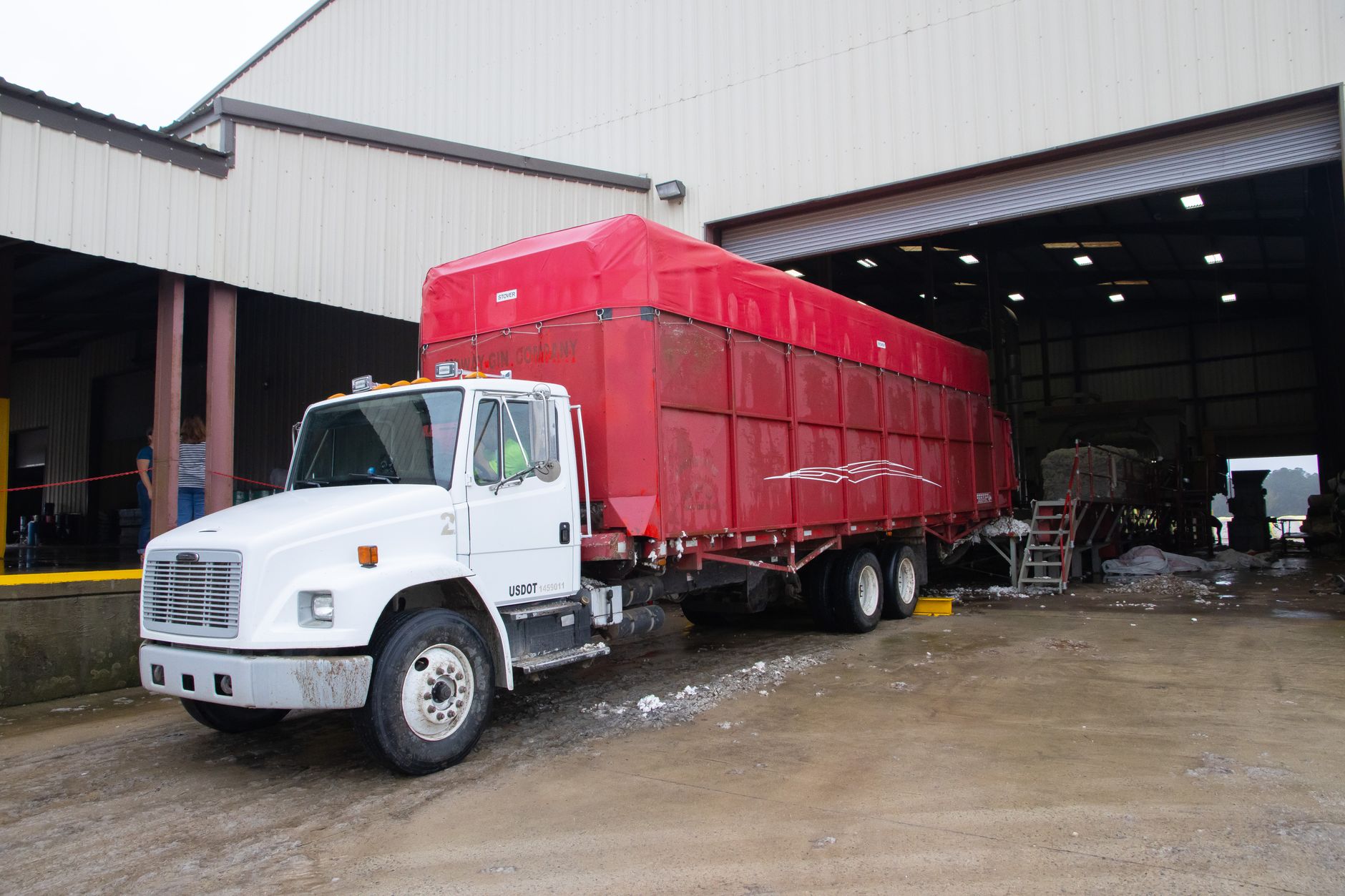
Start with a free site assessment. Send the building size, a rough layout or drawing, the number of shifts, the systems your team uses and a few weeks of pallet or move counts if you have them. The assessment confirms the zones, the dock conditions and whether one unit or several makes sense.
Ask for a quote that lists the lease payment, the term, the mapping and integration work, training, service and the exclusions. A single leased unit in one zone is a practical test, because it shows how your floor behaves before you commit to more units.
Bring your safety lead and the people who run the trucks today into the assessment. They know where the work stalls, and the first zone is best chosen with them.
Frequently asked questions
Upcoming events in Madison, WI
Put a robot to work in Madison.
We walk your site, learn the job, and recommend the unit that fits. Then we quote the lease, deploy it, and keep it serviced.