
The short answer
A delivery robot vs food runner in Omaha decision favors a robot when the same route repeats many times in a shift, such as a long dining room, a distant patio or a banquet hall with steady trips to the kitchen. It does not fit a small room with short, varied trips or a service style that depends on the server staying at the table. In most Omaha restaurants the right setup is a robot plus fewer staff, never zero staff, and the decision should rest on trip counts and walking distance measured on your own floor.
See what a delivery robot costsRun the numbers in the ROI calculator
Key takeaways
- A robot earns its place on long, repeated, fixed routes, not on short or varied trips.
- Omaha has a large food service workforce, and the local government data shows it plainly.
- Turnover is the labor pressure to plan around, and the published sector figures do not show local overtime or sick days.
- Plan for a robot plus fewer staff, never zero staff, with a person watching the route at peak.
- Measure your own trips and walk time for two weeks before you ask for a lease quote.
Delivery robot vs food runner in Omaha: when does a robot make sense?
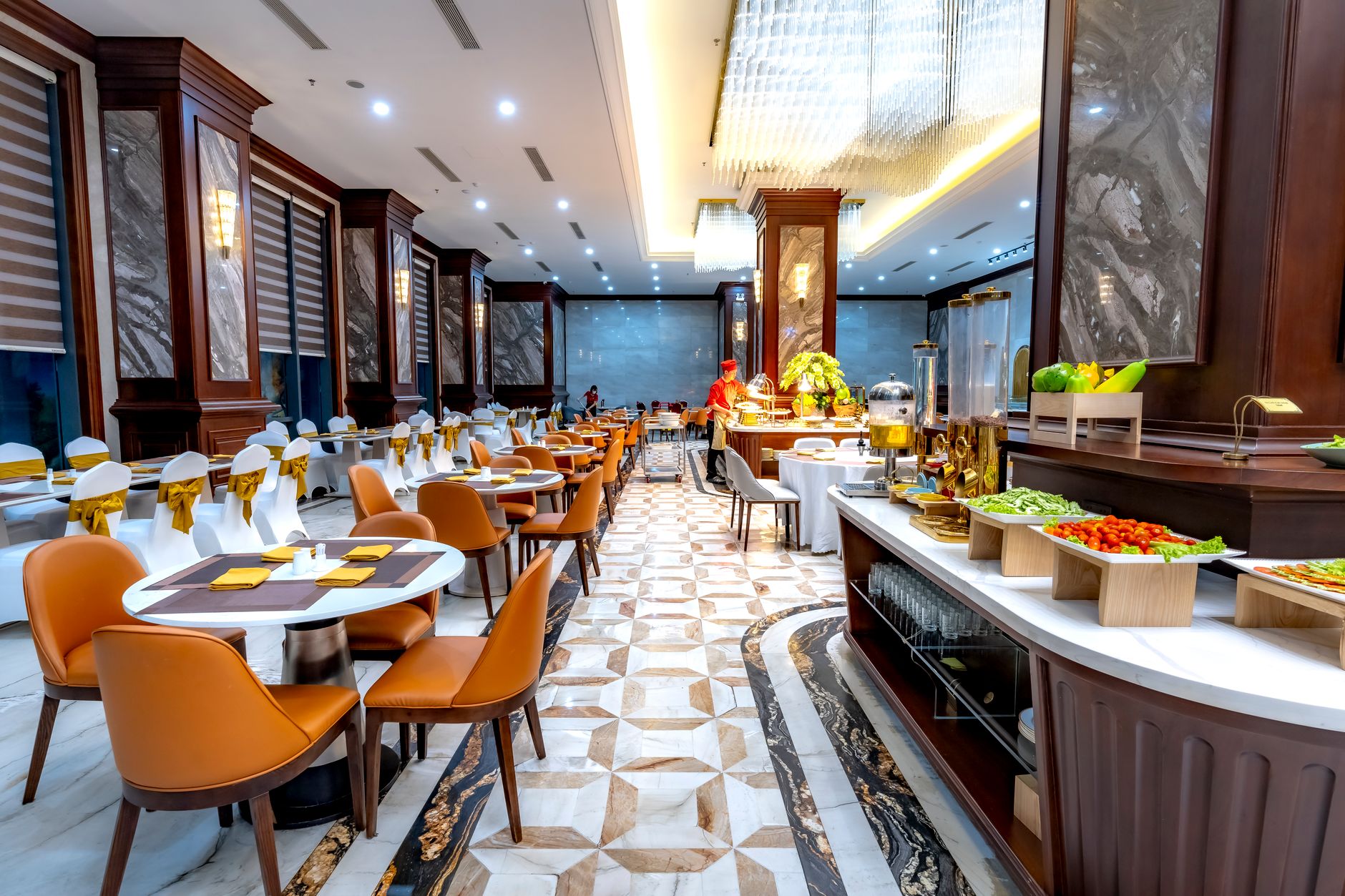
For most Omaha restaurants, a food runner still makes more sense than a delivery robot. A robot earns its place in a narrower set of cases: long dining rooms with a long walk to the kitchen, patios set far from the pass, or banquet spaces that need the same route dozens of times in one service. These are sites where the same trip repeats all shift and the walk is the main cost.
A robot is a poor fit when the room is small, the trips are short and varied, or the service style keeps the server at the table for orders, allergy checks and bill questions. In those rooms the walk is a small share of the work, so a robot removes little. Count the trips and the walking distance before any other question.
The answer in almost every case is a robot plus fewer staff, not zero staff. A robot changes the runner's job, but it does not remove the floor work that depends on a person, and the rest of this page shows where that line falls.
What does a food runner actually do in an Omaha shift?
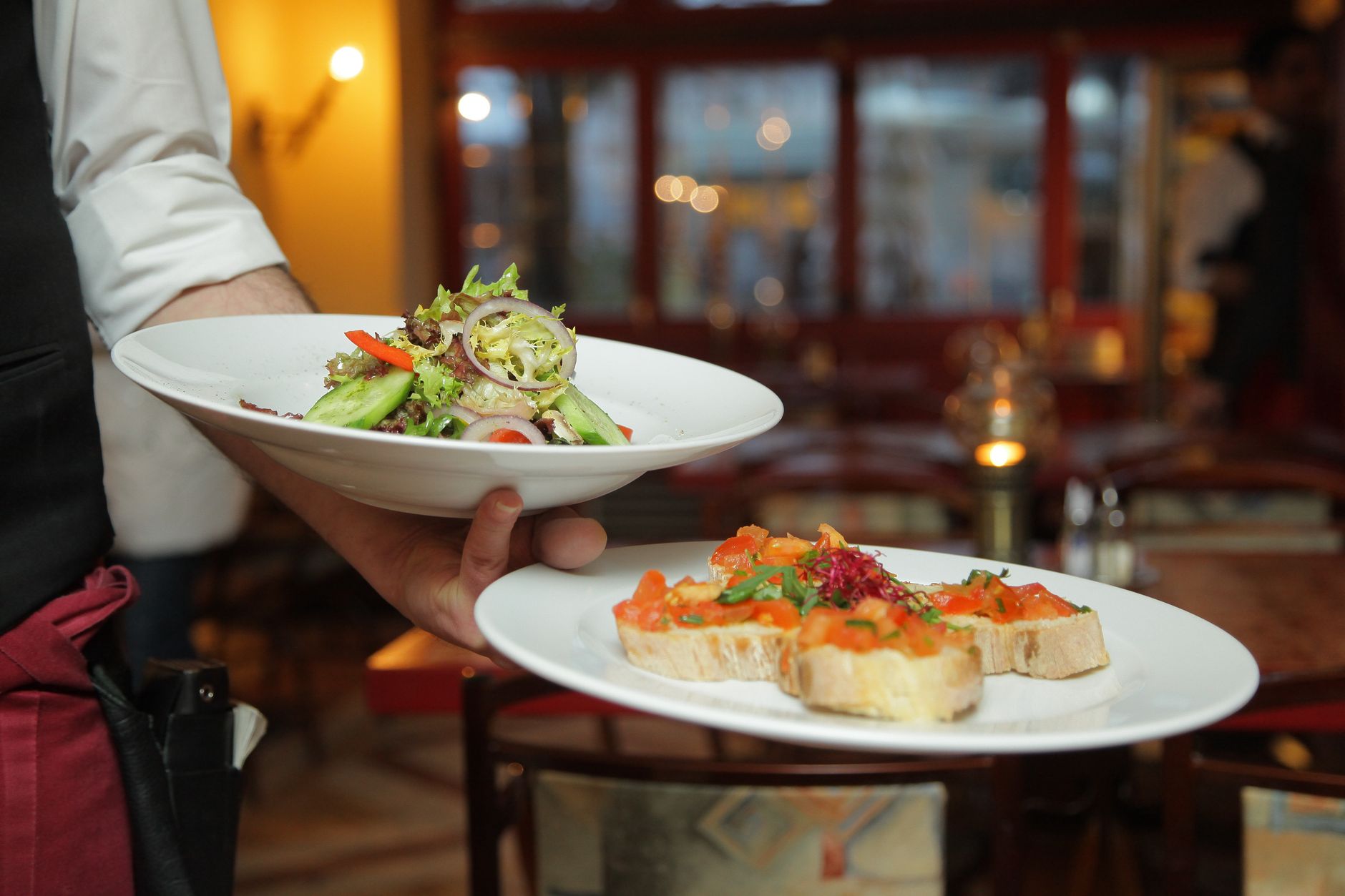
Food running covers more than carrying plates. A runner picks up food at the pass, checks it against the ticket, carries it to the right table, returns used dishes to the dish area, restocks service stations and fetches items guests ask for. In a busy service the same person makes many of these loops, and a good share of the time goes to waiting at the pass when the kitchen runs behind.
The local scale of this work is large. According to the U.S. Bureau of Labor Statistics release for the Omaha metro (May 2025 data), the area had 48,260 food preparation and serving jobs, which is 9.7 percent of local employment against 8.8 percent nationally. The same release counts 7,620 waiters and waitresses and 15,580 fast food and counter workers.
The release also gives a location quotient of 1.05 for waiters and waitresses in Omaha. A figure above 1 means the job is a little more concentrated locally than across the country, so the local labor pool for servers and runners is a meaningful part of the economy. Use the local wage for this job from the government wage data on this page as the reference, then apply it to runner hours from your own log, not to the hours on the schedule.
Median hourly wage, Waiters and Waitresses
$3,948
Monthly cost of one full-time worker in Omaha, NE, at the median wage plus payroll costs (an estimate, not a quote).
Which parts of the run can a delivery robot take, and which can't it?

A delivery robot handles the straight, repeatable part of the run. Once the route is mapped, it can pick up a loaded tray at a fixed station, travel the same path through a dining room or corridor, and stop at a set table or station. The route repeats without fatigue, and the robot does not stop to talk to a guest on the way.
It cannot place food on a table with care, check that a plate is right, handle a spill, clear a table or answer a question. Stairs, uneven thresholds, crowded patios and doors that need a person to open are site decisions. Some sites need a route change or a staff handoff before any robot can run there.
A site assessment maps the route and marks each point where a person still takes over. That map, not a general claim, tells you how much of the run is covered at your restaurant.
What can a delivery robot not do?
A robot cannot make judgment calls on the floor. It will not notice that a table has waited too long, adjust for a guest with a complicated order, or do the table-side work many dining rooms rely on for check-backs and allergy questions. It has no role in cleaning a spill, handling broken glass or helping a guest who needs assistance.
Most restaurants also cannot run it unattended. Someone loads and unloads it, clears a blocked path, calls for help when it stops and watches the route at peak. A robot that stops in a crowded room still needs a person to move it and reset it, and in many rooms the person who stays on the floor is the one who handles those stops.
On most judgment work the person still wins. On the repeated walk, the robot wins. The comparison below sets out that trade-off point by point.
- Repeated trips on a mapped route
Delivery Robot
Runs the same route without fatigue once mapped
Food Runner
Walks the route, but slows and tires over a long shift
- Table-side service and guest checks
Delivery Robot
Cannot read a guest, check an allergy or answer a question
Food Runner
Handles allergies, check-backs, bill questions and upselling at the table
- Spills, breakage and surprises
Delivery Robot
Stops and waits for a person to clear the problem
Food Runner
Responds, cleans up and resets the station
- Short, varied trips
Delivery Robot
Slower on a one-table run because it must be loaded and started
Food Runner
Faster on a single short trip with no set route
- Changes to the room layout
Delivery Robot
Needs the route remapped when furniture or stations move
Food Runner
Adjusts the path on the spot
- Coverage through the shift
Delivery Robot
Works while loaded, charged and watched on its route
Food Runner
Covers a schedule and fills gaps when others are out
What does the Omaha labor picture say about turnover, overtime, nights and sick days?
Turnover is the labor pressure to plan around. The U.S. Bureau of Labor Statistics, in its November 2025 JOLTS release, reported that quits in the sector rose by 208,000. In its Economics Daily analysis for August 2026, BLS put the quits rate for accommodation and food services at 3.5 percent, against 3.9 percent in August 2025.
Total separations, which cover quits, layoffs and other exits, read 6.1 in the St. Louis Fed's January 2026 seasonally adjusted series, after 5.9 in December 2025 and 4.8 in October 2025. Those are national series, not Omaha figures, and we did not find an official 2025 hires rate for the sector. Hiring plans have to come from your own records.
On the broader picture, the National Restaurant Association projected employment of 15.9 million in the restaurant industry for 2025, and its summer 2025 outlook said restaurants would hire 490,000 workers that season. We did not find verified local figures for overtime, night-shift premiums or sick-day cover in Omaha, so those numbers have to come from your own payroll. The BLS industry page for accommodation and food services is the place to pull the latest injury rate, and we have not stated one here because we did not verify it.
How does a team work with a robot in the room?
Guest acceptance is less of a barrier than many managers expect. A 2023 consumer survey reported by a restaurant trade news outlet found that 47 percent of Americans said they would order from a restaurant using drone or autonomous vehicle delivery. That result is about delivery to customers, not table service, so it does not settle the staffing question.
A working setup keeps people in the room and removes only the trips the robot takes over. Usually that means one fewer runner on the robot's route, not an empty dining room. The server or busser still handles the table, and a person still checks the robot at each service window.
Staff need training on three tasks: loading and unloading correctly, clearing the path when a chair or guest blocks it, and calling for help when it stops. We train the crew on site and set a clear escalation path, so a stopped robot never leaves a station unattended. Expect a few weeks of tuning on route timing and handoffs before you cut runner hours.
What changes the number before you decide?
Two numbers decide most of the answer: the number of trips per shift on the same route, and the walking distance per trip. Together they show whether a robot takes meaningful work or only a few steps.
Measure both before asking for a quote. The checklist below lists what moves the result and why. A lease quote is set after the free site assessment, and the assessment depends on the same numbers, so a rough log now saves a second visit later.
What does a robot lease cost, and how is the quote set?
We lease robots through financing, so the decision is a fixed lease payment over a term, not a large upfront outlay. The lease payment is quoted only after a free site assessment. We map the route, count the trips, check the floor and agree the staff plan, then return a quote for that site. Any figure you see before that is an estimate, not a quote.
The government wage data on this page gives the local wage for the job. That is the cost of the runner hours a robot might replace, so compare it against the quote and the staff time that stays on the floor, not against a headline figure. Keep the comparison grounded in your own trip counts, because those drive the saving.
After go-live, we service the robots we deploy nationwide. Plan for staff to cover the station while any fix is scheduled, so a stop never leaves service unattended.
How do you get started with a robot in an Omaha restaurant?
Start with the trip and walk numbers from the checklist, then request a free site assessment. We walk the space, map the route, mark where staff still take over, and choose the robot that fits the floor. As a US commercial robot integrator, we select the unit, lease it through financing, deploy and integrate it, train your staff and service it nationwide, so one team stays with you from the first walk to the last service visit.
Consider a pilot on one route before any wider rollout. One route shows real trip counts, stop points and staff handoffs in service, and it produces the logs that decide whether a second route makes sense. Keep the staff schedule as it is during the pilot so the comparison stays clean.
Go-live support covers the first weeks, and the logs from that period are what we review with you before deciding on a second route. If the numbers do not justify a robot at your site, the assessment will say so, and a food runner remains the right choice.
Frequently asked questions
Put a robot to work in Omaha.
We walk your site, learn the job, and recommend the unit that fits. Then we quote the lease, deploy it, and keep it serviced.
Sources
- US Bureau of Labor Statistics, Occupational Employment and Wage Statistics (OEWS May 2024)
- U.S. Bureau of Labor Statistics, Omaha metro occupational employment and wages release (May 2025 data)
- U.S. Bureau of Labor Statistics, JOLTS release (November 2025 data)
- U.S. Bureau of Labor Statistics, Economics Daily: quits rate in accommodation and food services, August 2026
- Federal Reserve Bank of St. Louis (FRED), total separations series JTU7200TSR
- National Restaurant Association, Summer 2025 employment outlook
- National Restaurant Association, 2025 restaurant industry employment press release
- Restaurant Dive, Deloitte report on customer acceptance of automation
- U.S. Bureau of Labor Statistics, Industries at a Glance: accommodation and food services