

The short answer
A collaborative robot arm makes sense for palletizing in Nashville when case sizes are mostly uniform, the lane runs at least one full shift, and the plant can keep a trained person on hand for exceptions. It does not make sense when SKUs change often, when loads are irregular or hand-stacked, or when no one can respond to a fault. In most cases the workable setup is a robot beside fewer people, not a robot in place of the whole crew.
Key takeaways
- A cobot fits steady, uniform palletizing that runs most of a shift; it does not fit loads that change every day.
- Sector quits ran between 1.7% and 2.3% in the BLS readings used here, so the real cost is refilling seats, not one bad month.
- Material moving is a high-injury group, so repetitive lifting is the part of the lane most worth removing.
- The workable model is a robot plus fewer staff, with a trained lead on every shift.
- Get a site assessment before any lease quote, and test the cell on one lane first.
Cobot vs palletizing worker in Nashville: when does a robot make sense?
A cobot is a collaborative robot arm that stacks cases onto pallets in a set pattern and works alongside people. In Nashville, a cobot makes the most sense where a lane packs the same few SKUs day after day, the cases are close to one size and weight, and the cell can run most of a shift. A palletizing worker still fits where the mix changes often, the loads are irregular, or the site needs a person watching the end of the line.
The useful question is what the shift looks like around the stack, not whether the arm can place a case. Infeed, exception handling, wrap and label checks, and forklift moves stay with people. A site that plans to remove the person entirely should expect the line to stop whenever the robot stops.
Adoption is growing, though not for palletizing specifically. According to the International Federation of Robotics, US industrial robot installations reached 38,000 units in 2025 on a preliminary basis, up 11% from the year before, after 34,200 units in 2024, down 9%. IFR does not break out palletizing, so treat those totals as a sign of direction, not a palletizing forecast.
We are a US commercial robot integrator. We assess the site, pick the robot for the floor and the load, lease it through financing, deploy and integrate it, train the staff, and service it nationwide. The lease is quoted after a free site assessment, so the decision starts with the floor and the case data.
What does a palletizing worker actually do in a Nashville shift?
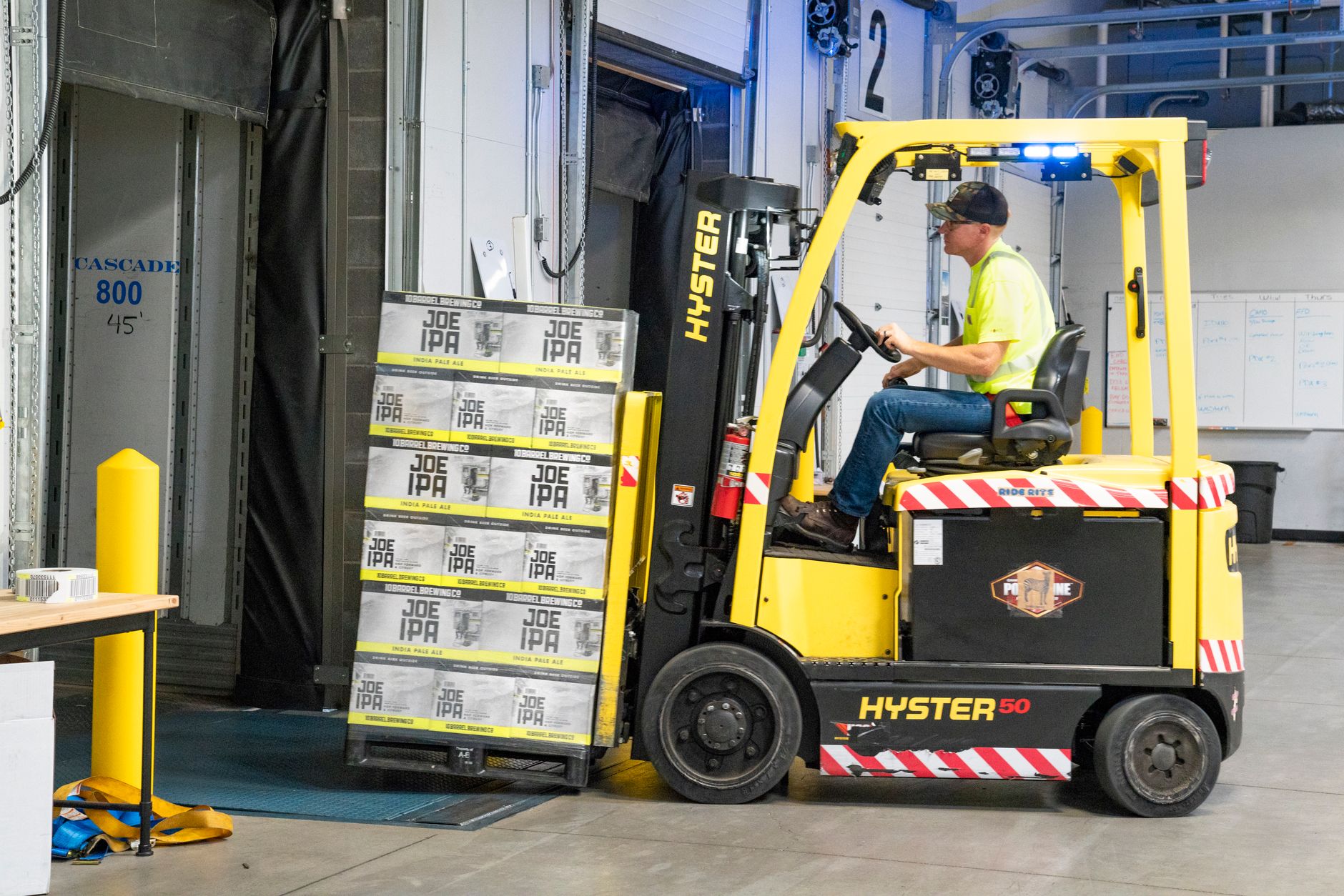
The work is repetitive, physical and set by the product. A worker takes cases off the conveyor, builds each layer to a pattern, slides interlayer sheets in where the load needs them, and stacks the pallet to height. They check that the load is square and stable, move finished pallets to staging, and wrap or label them when the line requires it.
Much of that is lifting, reaching and twisting, and some of it is judgment about how a load looks. A person can spot a crushed case, a bad corner or a leaning pallet and fix it on the spot. That judgment is the part of the job a robot does not replace on its own.
Workers in this occupation fall under laborers and freight, stock, and material movers, hand. The government wage data on this page for this job in Nashville sets the baseline for what a labor-only lane costs per hour. Read that figure next to the staffing and turnover picture below, because a modest hourly cost does not help much when the seat stays empty.
Regional context helps. According to FRED, transportation, warehousing and utilities employment in the Nashville metro was 72.9 thousand in 2024 and 77.1 thousand in December 2025. That series does not isolate warehousing, so it sizes the regional sector without giving a palletizing headcount, which the research for this page did not find.
Median hourly wage, Laborers and Freight, Stock, and Material Movers, Hand
$4,427
Monthly cost of one full-time worker in Nashville, TN, at the median wage plus payroll costs (an estimate, not a quote).
Which parts of the palletizing job can a robot take, and which can it not?
A collaborative robot handles repeated pick and place well when the cases are uniform, the pattern is fixed and the pallet footprint is known. Those are the layers that wear people down over a shift, and they are where a robot earns its place. Changeovers still need a person to load the new pattern and confirm the first pallets.
When a vendor or integrator says the robot runs the whole palletizing job, ask which of these items it actually covers. The honest answer is usually that the robot takes the stacking layer and people take the edges of the job.
- Taking uniform cases from a fixed infeed and placing them to a stored layer pattern.
- Stacking layers to a set height and count without fatigue across a full shift.
- Running the same cell for a long shift when the product mix is stable.
- Not handled well: irregular or damaged cases, loose bags, and stacks that need a person to correct by hand.
- Not handled by the robot: forklift driving, wrap and strap decisions on odd loads, clearing faults in the wider line, and quality calls on crushed or mis-stacked pallets.
- Uniform cases on a fixed pattern
Cobot
Holds the same layer pattern from the first pallet to the last
Palletizing Worker
Stacks well but slows over a long shift
- Irregular or damaged cases
Cobot
Needs a person to correct the case or pull it
Palletizing Worker
Spots and fixes a bad corner or leaning stack on the spot
- Changeovers
Cobot
Needs a trained lead to load the new pattern and approve the first pallets
Palletizing Worker
Changes the pattern and inspects the first layers
- Repetitive lifting exposure
Cobot
Takes the repetitive lift out of the cell
Palletizing Worker
Carries the repetitive lift on every pallet
- Night coverage
Cobot
Runs unattended only with a trained lead able to respond to faults
Palletizing Worker
Can be scheduled, but night seats depend on finding and keeping people for them
- Staffing stability
Cobot
Not affected by quits
Palletizing Worker
Each quit costs training time and slower early shifts
What do the labor and turnover numbers say for Nashville staffing?
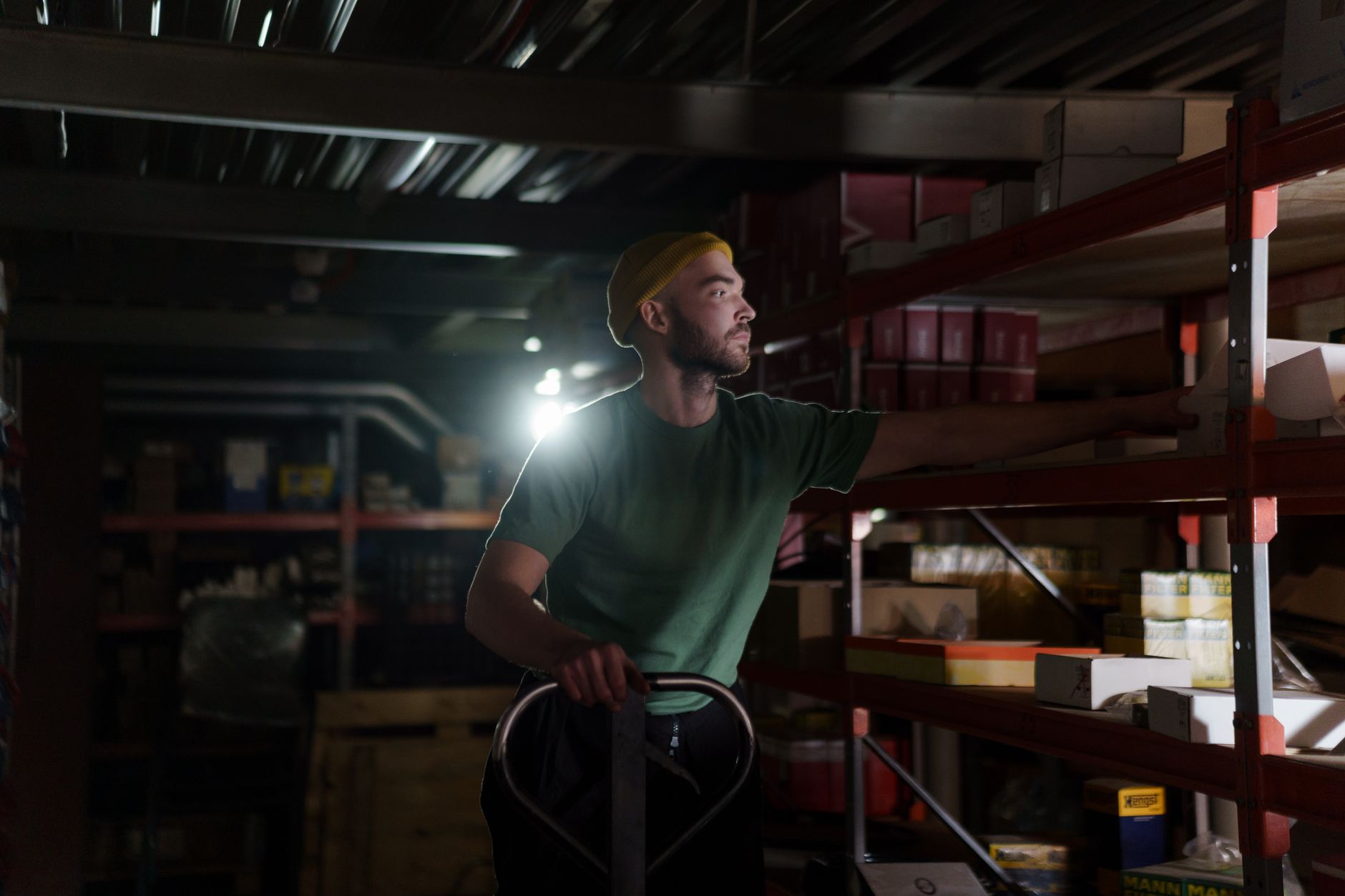
Turnover is often the strongest argument for automating part of a lane, because it measures the cost of filling the same seat again. According to the BLS JOLTS release, the quits rate for transportation, warehousing and utilities was 2.2% in January 2025, 2.3% in December 2025 and 1.7% in January 2026, not seasonally adjusted. These are sector rates, not palletizing rates, so use them as direction rather than a forecast for one lane.
The FRED data file for this sector shows monthly quits, the count each month, moving from 129 thousand in April 2025 to 187 thousand in November and December 2025. Each quit opens a seat that must be filled, trained and brought up to pace, and a palletizing line does not pause for a new hire. The cost usually shows up as overtime, slowdowns and supervisor time rather than as a single line item.
Economy-wide, the BLS reported that the annual average total separations rate for 2025 was 3.3%, unchanged from 2024. The research for this page did not find verified BLS figures on overtime, night shift share or sick days for this occupation, so the site should pull those from its own timekeeping records before the decision is final.
How risky is palletizing and material moving work for injuries?
Material moving is one of the most injury-heavy groups in US data. According to a BLS The Economics Daily article, transportation and material moving occupations logged 184,470 days-away-from-work cases in 2018, an incidence rate of 193.7 per 10,000 full-time workers. Those figures cover the whole occupation group, not palletizing alone.
The National Safety Council, citing BLS, counted 468,830 days-away-from-work cases in transportation and material moving for 2023 and 2024 combined. That is about 26% of all cases and the largest share of any occupation group. A two-year total is the right frame here because it smooths out a single unusual year.
BLS data for 2021 and 2022 shows the mechanism. Among 165,690 days-away-from-work cases in this group, the median absence was 21 days, and most cases were overexertion and bodily reaction. Contact with objects or equipment caused 112,230 of the days-away cases. Repetitive lifting and stacking is the kind of work that produces overexertion, so the case for a robot on this lane rests as much on ergonomics as on cost.
The research did not find an injury rate specific to Tennessee or Nashville warehousing, so the site should review its own incident log before quoting any local rate.
How does a team work with a palletizing robot?
The workable model is a robot plus fewer staff, never zero staff. The robot takes the stacking layer. People move to the infeed, load patterns, quality checks and exception handling, and they cover the reset when the cell needs one.
In practice one trained lead per shift usually owns the cell. The lead watches the stack, clears faults, approves the first pallet after a changeover, and decides when a load goes to the manual station. That person is what keeps a fault from becoming a stopped line.
Training should cover the changeover sequence, the fault messages, the stop and restart steps, and the rule for when a person steps in. The fewer people on a lane, the more each one depends on knowing this. A cell with no trained lead is a cell waiting for the next problem.
What can the robot not do, and where does it fall short?
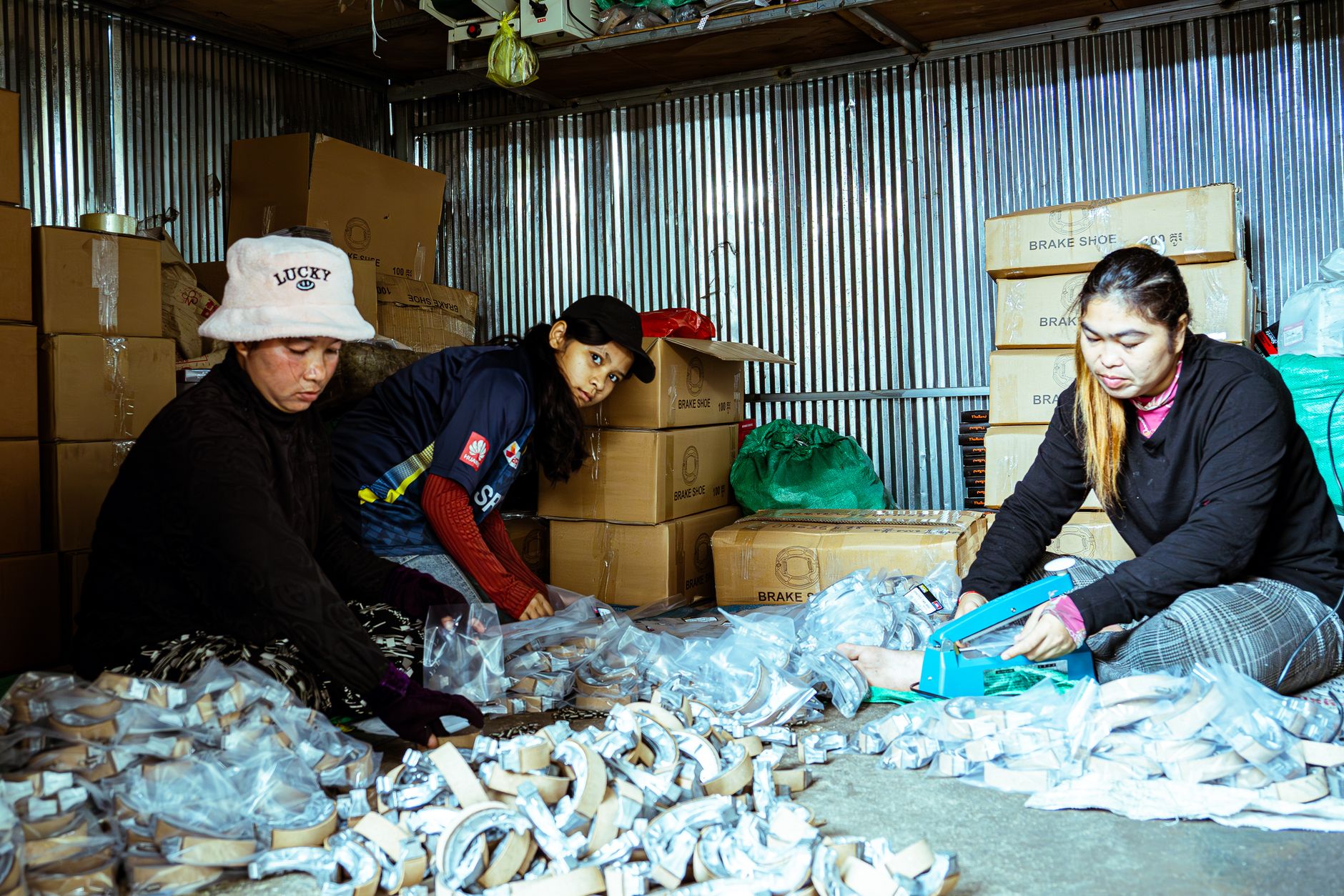
A palletizing robot does not cut the labor line to zero, and a site that expects that will be disappointed. It will not handle irregular loads without help, it will not drive the forklift, and it will not decide that a stack looks wrong. When the cell stops, the line stops unless there is a plan for faults.
The cell also takes floor space, power and a clear access path for the people who move pallets around it. A cell in a tight corner can add walking distance for the rest of the lane. The site assessment should measure that rather than assume it.
Speed is another limit. The research for this page did not find verified cycle times for palletizing cells, so any throughput claim should come from a trial on the site's own cases. A pilot with one unit on one lane will tell you more than a generic speed figure.
Product changes raise a fit question too. A cell set up for one case format needs work when the format changes, and that work is a cost the lane must carry.
What should you check before deciding on a Nashville palletizing robot?
Before any lease quote, check the variables that move the answer. Each item below can be measured on your own floor and in your own records, and none of them requires a commitment.
If most of these point to steady, uniform product and a lane that runs most of a shift, a cell is worth a site assessment. If they point to changing loads and frequent changeovers, a worker or a mixed setup is the likelier fit.
How do you get started with a palletizing robot in Nashville?
Start with a site assessment. We map the floor, review case sizes and pallet patterns, and recommend a robot that fits the lane. The lease payment is quoted after that assessment, not before, so the site knows what it is committing to. Lease financing programs can be discussed in the same quote.
A pilot with one leased unit on one lane is the lowest-risk way to test the case. Run it across a full set of shifts, record faults, changeovers and throughput, and compare the results with the staffing data from your own timekeeping. Expand only after the cell holds up through real product changes.
We deploy and integrate the cell, train the staff who will run it, and service the robot nationwide. Ask for the training plan, the fault response path and the handover checklist in writing before signing anything.
Frequently asked questions
Put a robot to work in Nashville.
We walk your site, learn the job, and recommend the unit that fits. Then we quote the lease, deploy it, and keep it serviced.
Sources
- US Bureau of Labor Statistics, Occupational Employment and Wage Statistics (OEWS May 2024)
- BLS JOLTS release, February 2026 archive
- FRED data file, transportation, warehousing and utilities quits
- FRED, Nashville transportation, warehousing and utilities employment
- BLS The Economics Daily, transportation and material moving injuries in 2018
- National Safety Council, citing BLS
- BLS occupational injuries and illnesses, 2021 and 2022 data
- International Federation of Robotics, 2025 preliminary US installations
- IFR World Robotics 2025 coverage