
The short answer
A cleaning robot makes sense as a partner to a janitor in Nashville, not as a replacement: it takes the repetitive passes over large, open, mapped floors, often on the night shift, while staff handle restrooms, trash, spills and judgment calls. The cleaning robot vs janitor in Nashville choice tips toward a leased robot when floor area is large, the route is clear and mapped, and night coverage is hard to staff. It does not make sense where floors are cluttered or change layout often, or where most of the work is hand cleaning.
See what a cleaning robot costsRun the numbers in the ROI calculator
Key takeaways
- A robot fits large, open, mapped floors, while a janitor still covers restrooms, trash and spills.
- The government wage data on this page shows the local wage for this job; hours and coverage gaps decide the rest.
- Always plan for a robot plus fewer staff, never zero staff.
- National data shows janitorial work carries a higher injury rate than average, a case for moving repetitive floor passes to equipment.
- Measure your own floor, hours and turnover in a free site assessment before deciding.
Cleaning robot vs janitor in Nashville: when does a robot make sense?
A cleaning robot makes sense in Nashville when a building has a large, mostly open floor that is cleaned on a regular schedule, and when finding and keeping night staff is the hard part. It makes less sense where floors are cramped or cluttered, where the layout changes often, or where most of the work is hand cleaning in restrooms, kitchens and fixtures.
In practice the answer is a robot plus fewer staff, not a robot in place of the team. Janitors still handle trash, restrooms, spills and the judgment calls a machine cannot make. The robot takes the repetitive floor passes that cover the most ground.
The government wage data panel on this page shows the local wage for this job in Nashville. That matters, but it does not settle the question alone. The decision turns on how many hours the floor work takes, how often the night shift goes uncovered, and what the team loses to turnover and sick days.
What does a janitor actually do in a Nashville shift?
A janitor's shift is rarely one task. In most buildings it mixes emptying trash and restocking supplies, cleaning restrooms and touchpoints, sweeping and mopping, wiping surfaces, and answering spills and other problems as they come up. The work is spread across rooms and corridors rather than one open floor, so a shift breaks into many small stops.
Floor work is often the longest single block. Sweeping and scrubbing main corridors, lobbies and open common areas repeats every shift on a predictable route. That repetition is what a robot can do without tiring, which is why it is the first place to look.
The job also carries physical risk. According to the BLS Occupational Outlook Handbook, janitors have a higher injury and illness rate than the national average, with minor cuts, bruises and burns from machines, tools and chemicals. A BLS injury and illness snapshot for janitors and cleaners, except maids and housekeeping cleaners, reports an incidence rate of 191.6 cases per 10,000 full-time equivalent workers for the period it covers, 2016 to 2020. Moving repetitive machine passes to equipment reduces the hours a person spends pushing that equipment, though chemical handling and manual tasks stay with people.
Median hourly wage, Janitors and Building Cleaners
$3,929
Monthly cost of one full-time worker in Nashville, TN, at the median wage plus payroll costs (an estimate, not a quote).
- Open corridors and lobbies
Cleaning Robot
Repeats the mapped route the same way every shift
Janitor
Adjusts to a blocked aisle or a spill as it happens
- Restrooms and touchpoints
Cleaning Robot
Not part of the job
Janitor
Yes, with trained hands and supplies
- Trash and restocking
Cleaning Robot
Not part of the job
Janitor
Yes, in every room
- Night coverage
Cleaning Robot
Runs unattended after setup and a route check
Janitor
Needs a scheduled shift, hiring and sign-off
- Absence and turnover
Cleaning Robot
No sick days, but a person must check it and fix faults
Janitor
Sick days, turnover and overtime affect coverage
- Judgment about messes
Cleaning Robot
Stops at a blocker and reports it
Janitor
Judges what needs cleaning and acts
Which parts of the work can a robot take, and which can it not?
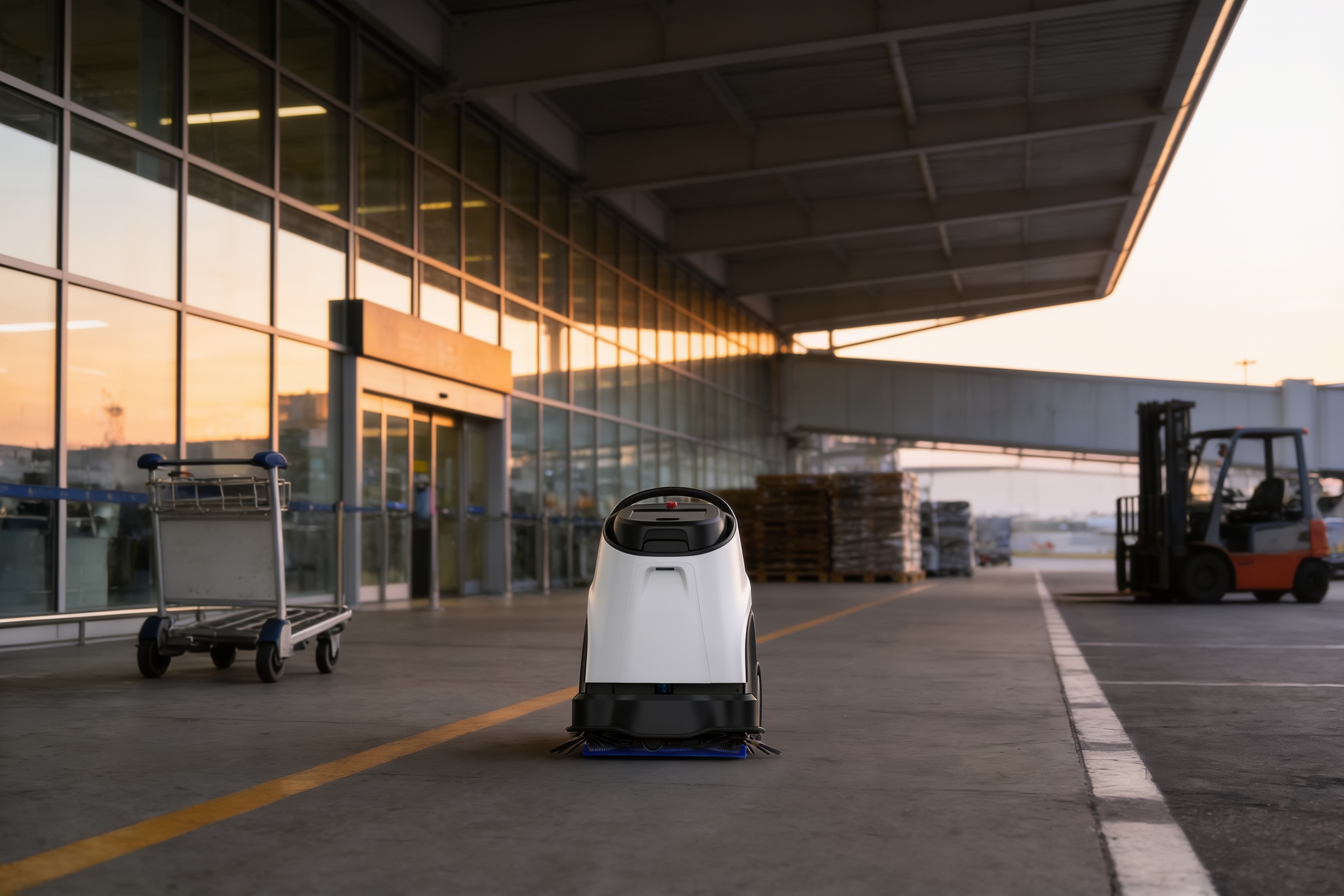
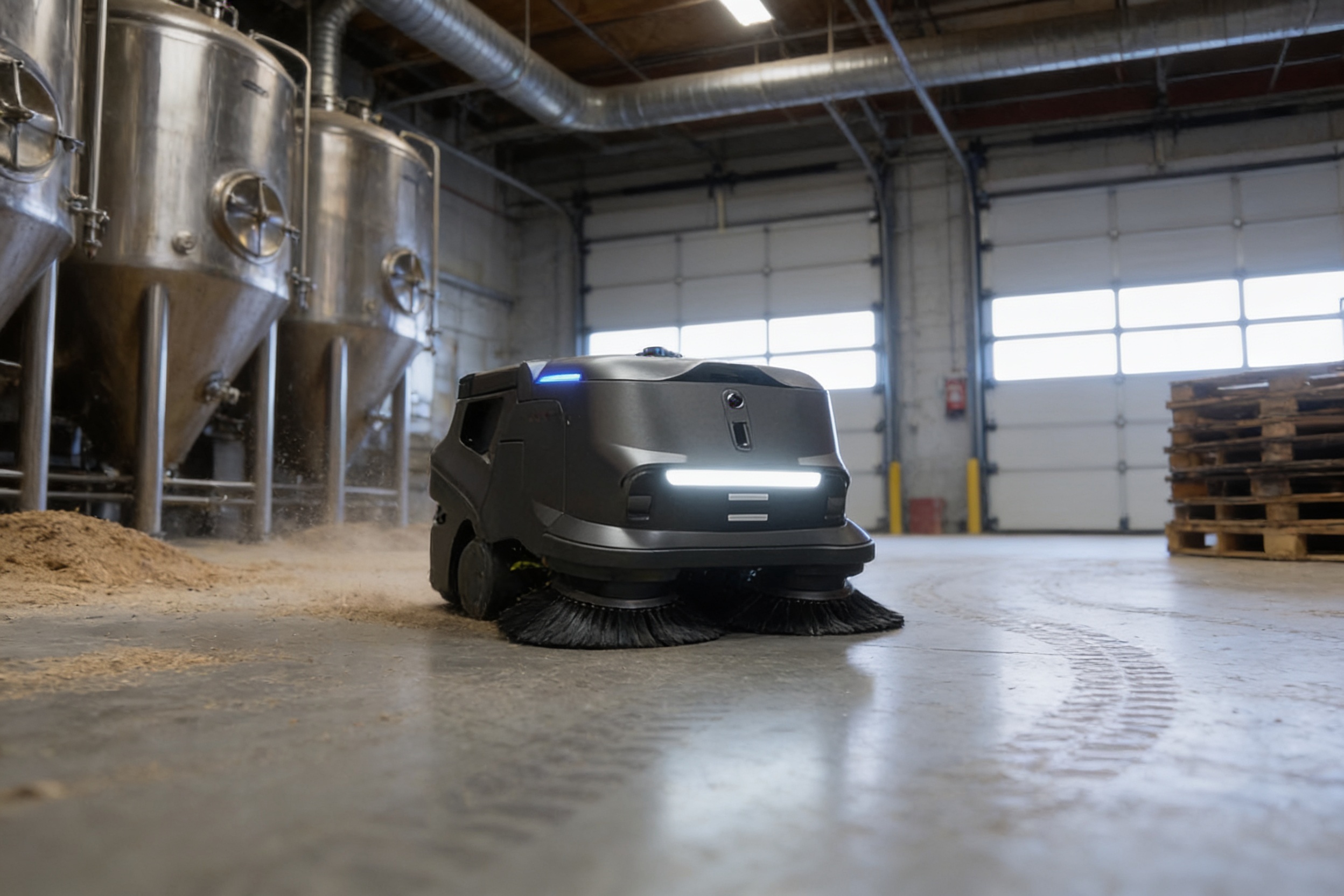
The robot's natural job is the open floor. A commercial floor scrubber or sweeper runs a mapped route over large, mostly clear areas such as corridors, lobbies, open offices and warehouse aisles. Coverage depends on the route being mapped and reasonably clear when the robot runs.
Anything that needs hands, objects or judgment stays with a person. Emptying bins, cleaning restrooms, wiping high touch surfaces, handling chemicals, moving furniture, and dealing with spills or hazards are staff tasks. A robot can route around a spill, but someone still has to clean it.
- The robot can take: repeated scrubbing or sweeping of mapped, open floors
- The robot can take: night passes on a fixed route
- The robot can take: even coverage between staff visits
- The robot cannot take: restrooms, fixtures, trash, supplies, spills, hazards, or chemical handling

What do the hours and labor numbers say?
The national picture points to a tight, slow-growing workforce. According to the BLS Occupational Outlook Handbook, janitors and building cleaners held about 2.4 million jobs in 2024, with about 35 percent in services to buildings and dwellings. Projected growth from 2024 to 2034 is 2 percent, slower than the average for all occupations.
Turnover is the labor figure most teams ask about, and it is the hardest to pin down. A career guide that reproduces Handbook-style text describes the job as entry-level and says relatively high turnover is expected, but it gives no rate. A janitorial industry article notes that turnover stayed relatively steady after 2020 while other industries rose, and it gives no figure in the excerpt reviewed.
Survey data shows the strain is widely felt, though none of it is an official occupation count. According to the 2026 Building Service Contractor Benchmarking Survey by CMM, 56 percent of respondents named paying competitive wages as a top labor challenge, and 73 percent said they had never piloted or adopted autonomous cleaning equipment. That survey is self-reported. In a press review of the 2026 Building Service Contractor Market Study by Contracting Profits and BSCAI, 44.6 percent expect labor challenges to increase and about 32 percent plan to adopt robotic floor equipment within 12 months, roughly double the 2025 figure. The review notes these figures do not prove labor pressure is driving equipment decisions. An older ISSA and AACEM baseline survey, from 2019, drew nearly 23,000 respondents and described adoption as early stage.
Nashville figures are thin. A secondary summary of BLS May 2024 data, published by Stacker, counts about 1,870 janitors and cleaners in the Nashville area, roughly 1.7 per 1,000 jobs. The BLS Occupational Employment and Wages release for the Nashville metro covers 5,303 establishments with a 55 percent response rate. No public source we checked reports overtime, night-shift share or sick-day rates for this job in Nashville, so those numbers need to come from your own timesheets.
| Task | Today | With a robot |
|---|---|---|
| Scrub the main corridors | Not in public data; time it on your site walk | Robot runs the mapped route; staff check the start and end |
| Sweep open common areas | Time a walk-through before deciding | Robot runs the route; staff check edges and corners |
| Empty bins and restock supplies | Measure on site, floor by floor | Stays with staff |
| Clean restrooms and touchpoints | Measure on site | Stays with staff |
| Respond to spills and blocked routes | Pull from your incident and shift records | A person clears the blocker and restarts the route |
We did not find verified hour figures for these tasks in Nashville or nationally in the public sources checked. The today column is for your own measurement during the site assessment, and no time figure is claimed on this page.
How does a team work with a robot?
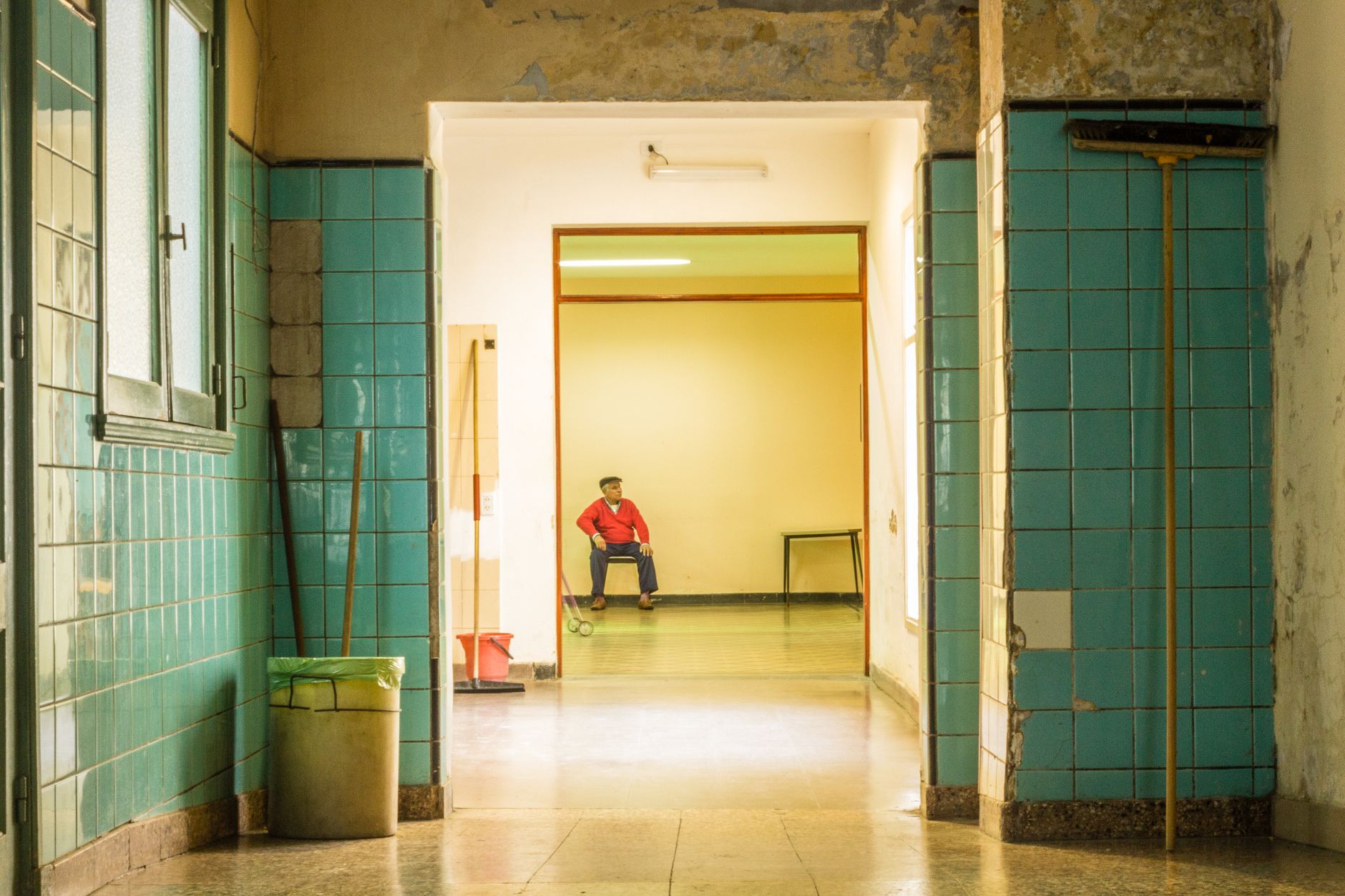
The working model is always a robot plus fewer staff, never zero staff. The robot covers the open floor on a route, but it cannot clean restrooms, empty bins, respond to a spill or notice a broken fixture. Someone must be on site, even if they spend less time on floor passes.
What changes is the job itself. Staff shift toward the tasks the robot cannot do, check the robot at the start and end of each run, clear blockages and log faults. Training covers route setup, the stop and restart steps, and what to do when the robot is stuck or a route is blocked.
Set up a clear handoff before go live. The robot's log tells the next person what was covered and what was not, so restrooms and trash can be checked against that record. Without a handoff, gaps stay hidden until someone notices a missed area.
What can a robot not do?
A robot cannot clean restrooms, handle trash, respond to a spill, handle chemicals, or decide what needs cleaning. It can stop at a blocked path and report it, but it does not clear the cause. Plan for those tasks in the staffing, not as a side note.
Floor conditions limit coverage. A robot needs a mapped, reasonably clear route, so cluttered floors, frequent layout changes, wet floors left by other trades and tight spaces can cut coverage. Thresholds, stairs and some surfaces may not suit it. Check all of this during the site walk, not after the robot arrives.
Robots need service too. Batteries, brushes, squeegees, sensors and software need attention, and a unit that sits faulted in a corner does not clean. Plan for on-site dispatch, remote triage and a spare unit for critical sites, and ask what the service terms cover before you sign.
How does a robot lease work, and what drives the cost?
We lease commercial robots through financing, which spreads the cost over the lease term instead of asking for a large upfront sum. That makes the decision a question of the labor it changes and the coverage it adds, not a one-time equipment choice.
The lease payment comes in a quote after a free site assessment, so no figure is given here. The drivers are the floor area to cover, the route complexity, the hours the robot takes over, the night coverage gap you have today, and the service plan you choose. Check any robot lease with service included line by line for what it covers.
Compare the lease to the labor it replaces or supports, not to a single number. Use the local wage for this job from the government wage data on this page, add the cost of the hours you cannot fill, and include the turnover and overtime you already carry. Then ask for the lease quote in writing.
How do you get started with a robot in Nashville?
For a cleaning robot vs janitor in Nashville decision, start with a free site assessment. We map the floor, measure the open area, note obstacles, thresholds and stairs, and time the floor passes your team makes today. Then we choose the robot for the floor, not the other way around.
A phased start lowers risk. A pilot on one floor or one building lets you check coverage, staff time and service response before adding units. Go live support covers training, the first route checks and the handoff between shifts, and the lease terms are confirmed in writing before equipment arrives.
After go live, track the hours that actually shift, the incident log and the service response times. Those figures, not a general rule, decide whether to add units or stop at one. We service robots nationwide, so a Nashville site gets the same service process as sites elsewhere.

Frequently asked questions
Put a robot to work in Nashville.
We walk your site, learn the job, and recommend the unit that fits. Then we quote the lease, deploy it, and keep it serviced.
Sources
- US Bureau of Labor Statistics, Occupational Employment and Wage Statistics (OEWS May 2024)
- BLS Occupational Employment and Wages, Nashville metro, May 2024
- BLS Occupational Outlook Handbook, Janitors and Building Cleaners
- BLS Injuries, Illnesses and Fatalities snapshot, Janitors and Cleaners except Maids and Housekeeping Cleaners, 2016 to 2020
- Stacker, lowest-paying jobs in Nashville (secondary summary of BLS May 2024 data)
- Webull news repost of 2026 Building Service Contractor Market Study review (Contracting Profits and BSCAI)
- CMM, 2026 Building Service Contractor Benchmarking Survey Report
- ISSA, AACEM baseline survey on cleaning industry adoption (2019)
- Janitorial Manager, ways the janitorial industry turnover rate has changed