
The short answer
The autonomous mobile robot vs material handler choice in Omaha, NE usually favors the robot when most of the shift is repeated moves along fixed routes, such as totes or pallets between docks, storage and production, on a mapped floor with steady volume. It does not favor the robot when the work is mostly irregular, such as unloading mixed trailers, handling damaged or oddly shaped loads, or changing layouts every week, where a person remains the better tool. For most sites the result is a robot working beside the people already on staff, with fewer hours lost to repeat travel, not a robot in place of the team.
See what a autonomous mobile robot costsRun the numbers in the ROI calculator
Key takeaways
- A robot fits repeated point to point moves on a mapped floor, not irregular work.
- Trailer unloading, damaged loads and frequent layout changes still favor a person.
- The government wage data on this page gives the local wage for this job, but the Omaha headcount was not verified here.
- Shift timing, overtime and turnover should be measured on your own site before deciding.
- Start with one leased unit and a free site assessment before scaling up.
Autonomous mobile robot vs material handler in Omaha: when does a robot make sense?
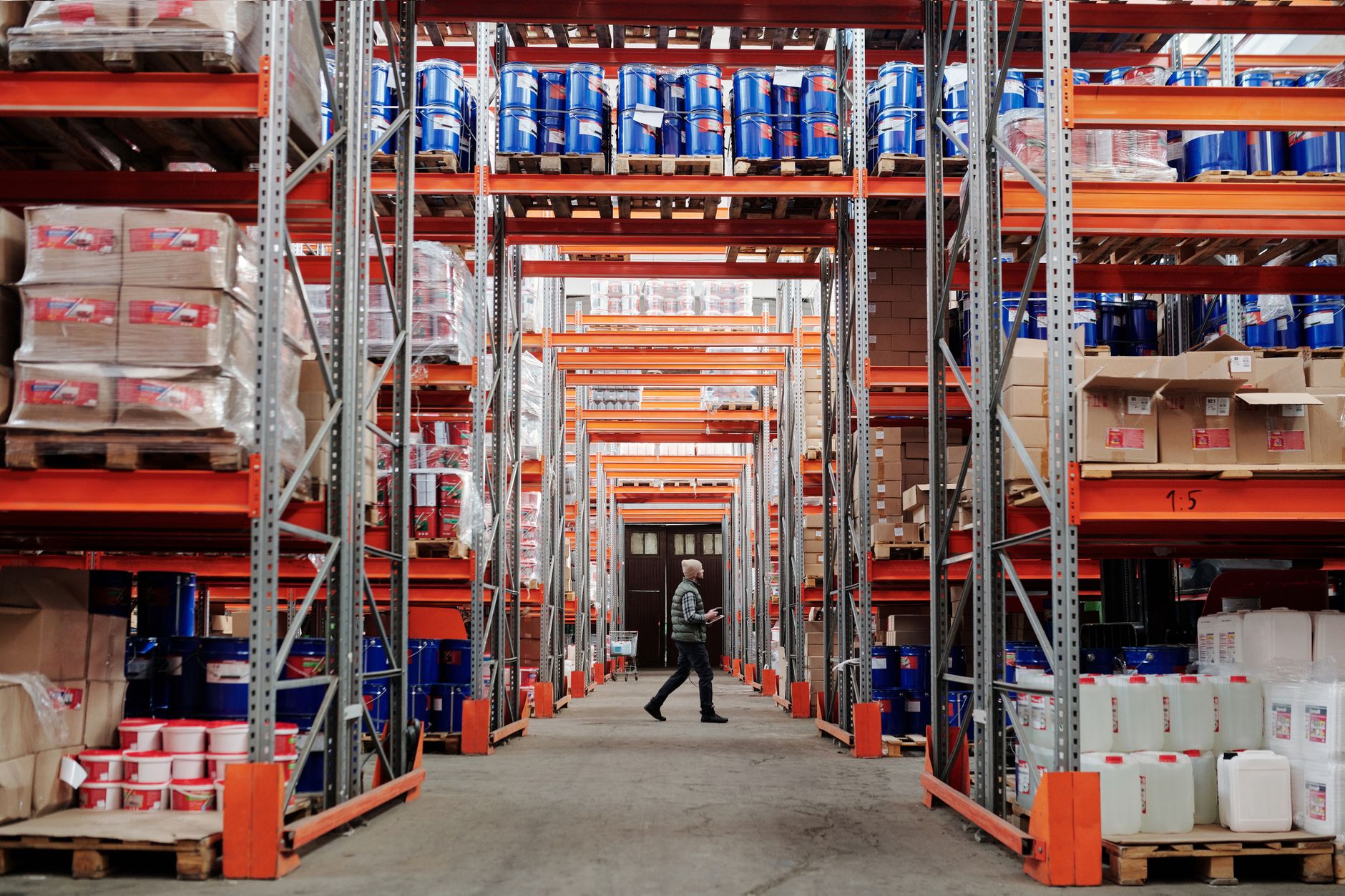
Start with the shift, not the robot. Walk one full shift of your material handler and write down every move: where the load starts, where it ends, and whether the same route was walked the day before. If most moves are repeat trips between the same fixed points, an autonomous mobile robot is a realistic option. If most moves are judgment calls, a person is still the right tool.
A robot usually makes sense when four conditions line up: steady volume between known locations, a floor that can be mapped and kept clear, loads that fit the robot's rated size and weight, and at least one shift that is hard to staff. These conditions show up often in distribution, manufacturing and cold storage, where the handler spends much of the day walking the same loop.
It does not make sense when the work is mostly variable. Unloading mixed trailers, handling damaged pallets, frequent slotting changes and very low daily volume all favor a person. A robot may still take one segment, such as overnight staging, but it should not be planned as a replacement for the whole job.
Adoption is rising, but the figures are broad. According to International Federation of Robotics figures reported by a manufacturing trade publication, US industrial robot installations rose 12% to 38,400 units in 2025, driven by food, warehousing and logistics. That counts industrial robots in general, not warehouse mobile robots specifically, so treat it as context rather than proof for your site.
The government wage data on this page gives the local wage for this job in Omaha. Use it as the baseline for the labor side of your math. It shows what the handler's hours are worth today, but the robot changes which hours are needed, so the decision depends on the hours too.
What does a material handler actually do in a shift?
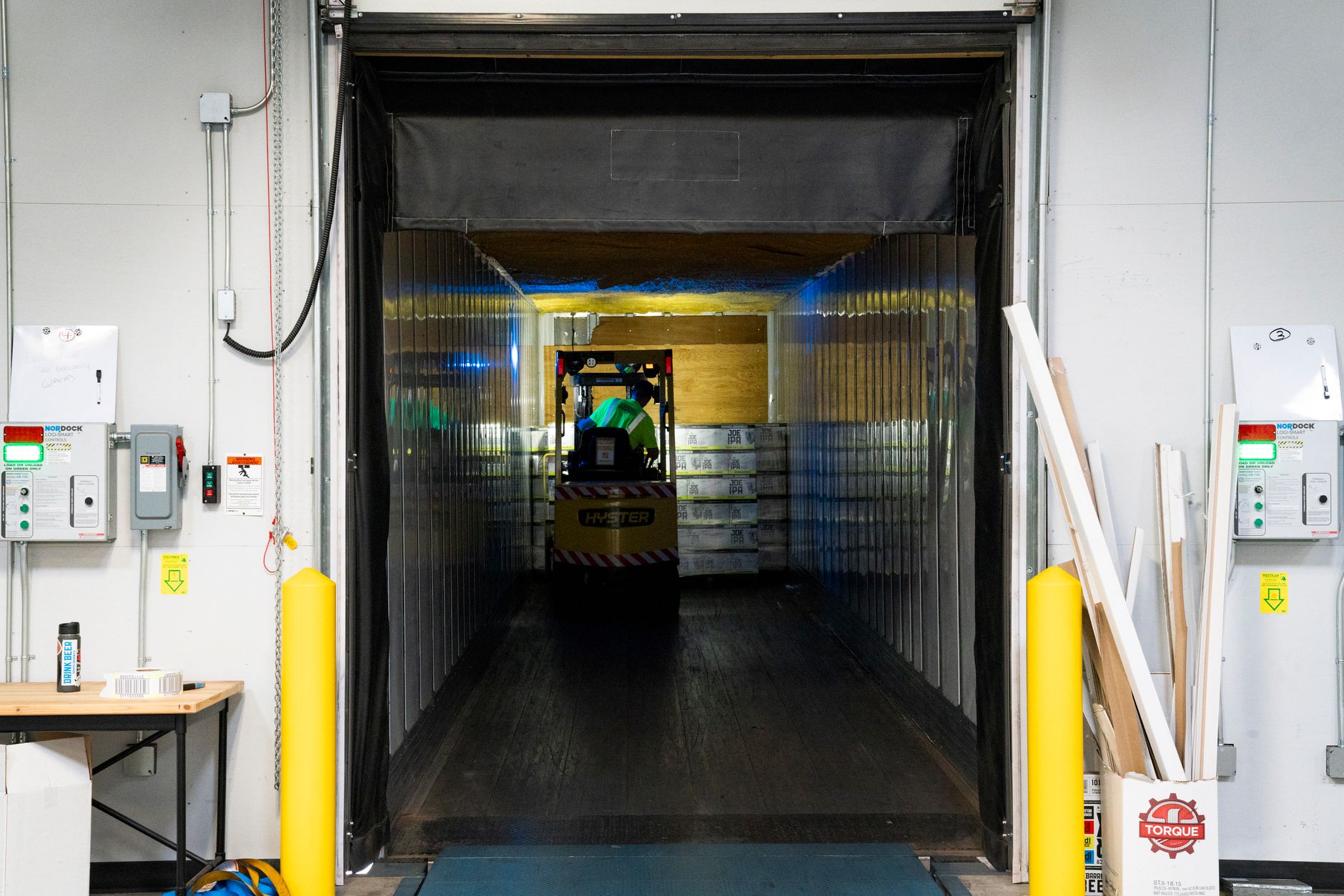
A material handler in a typical Omaha warehouse or plant does a mix of work. The job usually includes receiving and checking inbound loads, putting stock away, moving totes and pallets to production or outbound staging, replenishing pick faces, breaking down pallets, labeling, and loading or unloading trailers when the dock needs it. The shift is less one task than a loop of walks, lifts and waits that repeats.
Walking is the part people underestimate. Each trip is a pickup, a route, a drop and a return, and when a cart is late or a dock assignment changes, the handler waits, reroutes or radios for help. Those gaps are where a fixed route can take hours off the day, and where the person gets pulled into the next interruption.
Median hourly wage, Laborers and Freight, Stock, and Material Movers, Hand
$4,525
Monthly cost of one full-time worker in Omaha, NE, at the median wage plus payroll costs (an estimate, not a quote).
Which parts of the job can a robot take, and which can it not?
A robot takes the repeated transport leg. Autonomous mobile robots are well suited to moving totes, carts and pallets between fixed points on a mapped route, such as dock to staging, staging to a pack line, or a production cell to a return area. Many systems also pull carts or tow trains of loads, which helps where several loads move together on the same loop.
A robot does not reliably take the parts of the job that need judgment or hands. It is a poor fit for unloading unknown trailers, handling damaged or irregular loads, lifting from high racking, sorting mixed cartons by reading labels, or deciding what to do when a route is blocked by a pallet left in the aisle. Those tasks stay with people, and a robot that cannot finish them still needs someone to clear the path.
- Repeat transport on a mapped route
Autonomous Mobile Robot
Runs the same loop with the same timing and does not tire
Material Handler
Adapts when a route changes, but walks the loop many times a shift
- Night coverage
Autonomous Mobile Robot
Runs a scheduled route after the building closes, once charged and cleared
Material Handler
Covers the dock, exceptions and anything the robot cannot take
- Unloading unknown trailers
Autonomous Mobile Robot
Generally not a fit for mixed or unknown loads
Material Handler
Handles variation, damaged goods and odd shapes
- Blocked aisle
Autonomous Mobile Robot
Stops and waits, or calls for help
Material Handler
Clears the obstruction or reroutes the work
- Layout change
Autonomous Mobile Robot
Needs a remap and a reroute visit
Material Handler
Adapts on the spot after a briefing
- Absence or sick day
Autonomous Mobile Robot
Does not call in, but goes down for charging and faults
Material Handler
An absence leaves a gap that is hard to cover at short notice
What does the labor picture look like for this job?
The Bureau of Labor Statistics Occupational Outlook Handbook counts 6,917,800 jobs for hand laborers and material movers in 2025 and projects growth of 4% from 2023 to 2033, about the average for all occupations. It also says the work requires short-term on-the-job training, so most of the ramp-up happens on the floor, which makes attendance and retention matter as much as skill.
Warehouse payrolls have been flat. According to the Bureau of Labor Statistics warehousing and storage employment series, as published through the Federal Reserve Bank of St. Louis economic data service, employment was about 1,834.7 thousand in February 2026, seasonally adjusted, compared with 1,842.0 thousand in November 2025. A move that small points to a flat market, not a hiring boom or a collapse.
Churn is the bigger signal. According to the Bureau of Labor Statistics quits series for trade, transportation and utilities, as republished by the Federal Reserve Bank of St. Louis, the quits rate was 2.6 in December 2025 and 2.3 in February 2026. That grouping is broader than warehouse work, so use it as a direction, not as your site's rate.
Two gaps remain. The Bureau of Labor Statistics May 2024 top-metro chart for this occupation did not list Omaha in the excerpt we reviewed, and we did not find an Omaha employment count for it. The local wage for this job is in the government wage data on this page. For local headcount and turnover, use your own records, and ask for the metro table before you size a shift around local staffing.
How do hours, overtime, night shifts and sick days change the math?
This is where most sites should spend their time, because hours are the lever a robot actually moves. We did not verify Omaha or national figures for overtime, night-shift premiums or sick-day use for this occupation in this pass, so this section gives you a method instead of a borrowed number.
Pull twelve weeks of timekeeping for the handler role. Separate straight time, overtime and hours covered by temporary staff. Note which shifts open short, how often a shift starts with nobody to cover it, and how many trips the handler makes on a typical night. The robot's value is largest where the gap is worst: unfilled overnight hours, repeated overtime, or a route walked many times a shift.
A robot does not call in sick, but it does go down for charging, faults and maintenance, and those gaps fall on the same people who cover the rest of the work. Plan for robot downtime the way you plan for absences, with a spare unit where volume justifies one, or a clear manual route for the person on shift. Night shifts raise the stakes because fewer people are on the floor to recover a stopped route.
How much injury risk is there in this work?
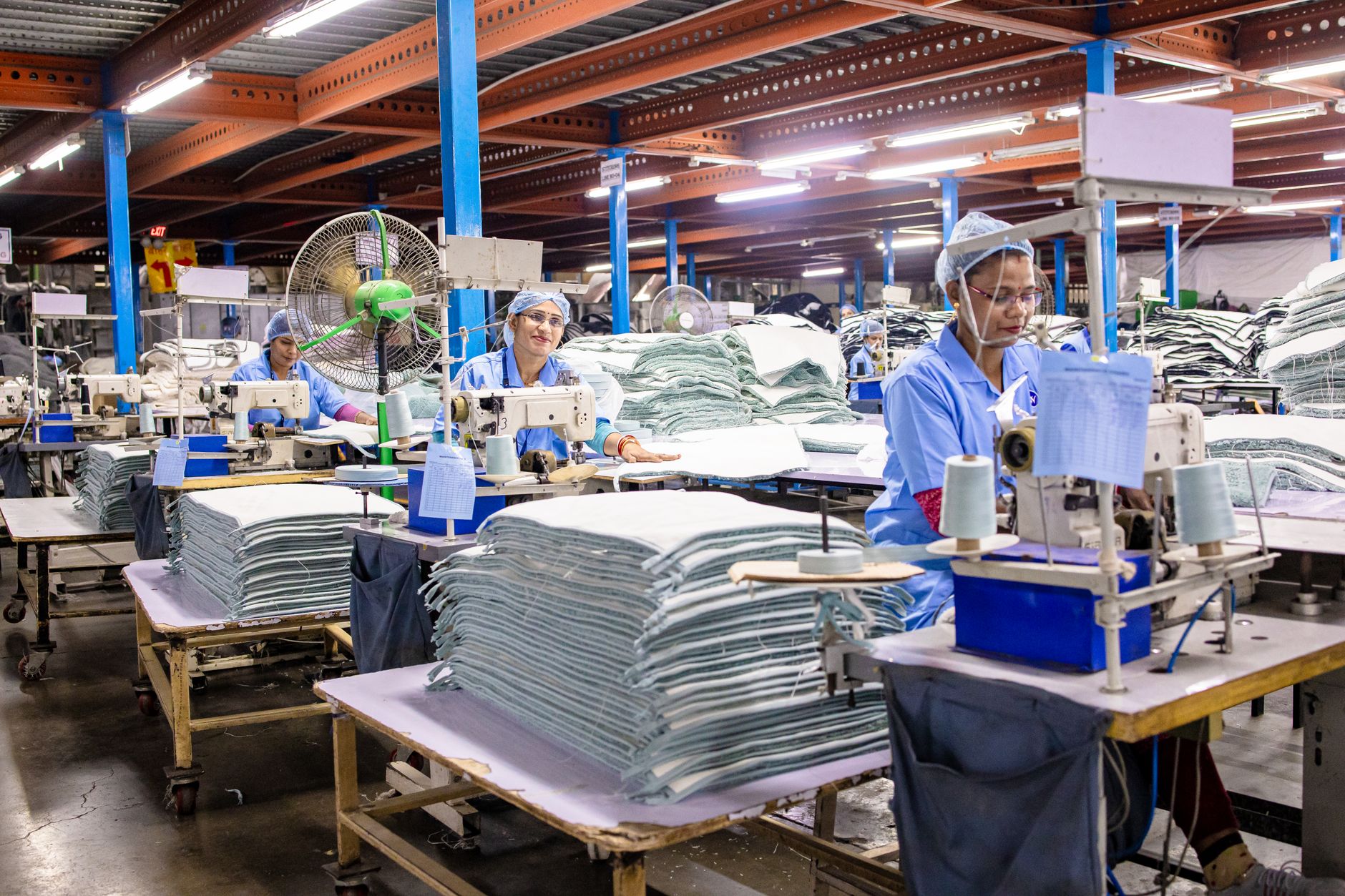
The national injury data is a strong reason to look at this job. According to the Bureau of Labor Statistics Census of Fatal Occupational Injuries, transportation and material moving had 1,391 fatal work injuries in 2024, down 7.0% from 1,495 in 2023. The fatality rate was 12.5 per 100,000 FTE workers, down from 13.6, and this group had the most fatalities of any major occupational group.
Nonfatal injuries are far more numerous. According to the Bureau of Labor Statistics survey of occupational injuries and illnesses for 2021 to 2022, transportation and material moving had 835,040 injuries and illnesses with days away, job transfer or restriction over the two years, the most of any major group. Of these, 493,180 (64.9%) were days-away cases, at an annualized rate of 106.8 per 10,000 FTE. That survey is older than the fatality data, so read it as a pattern, not a current rate.
A robot takes away repeated lifting and the long walks that wear people down, and it does not get tired late in a shift. It does not remove forklift traffic, pedestrians crossing routes or pinch points at docks. Those need traffic rules, floor marking and pedestrian zones, which belong in the site assessment.
How does a team work with a robot?
The right setup is always a robot plus fewer staff, never zero staff. The robot takes the repeat transport, while people handle receiving, exceptions, dock work, pallet breakdown and the fleet itself. Someone has to clear blocked aisles, load carts onto the robot, answer alerts and decide when a job goes back to manual handling.
The role changes in a predictable way. The handler who used to walk every run becomes the person who loads the robot, checks its queue, resolves exceptions at the dock and does the work the robot cannot take. That is a new job with other skills, so run training before go-live, not after the first complaint.
We handle the integration side: mapping the site, configuring routes, connecting to existing systems where needed, training the staff who run the fleet, and servicing units nationwide with on-site dispatch and remote triage. Robots are leased through financing, and the lease payment is quoted after a site assessment, so the plan is based on the real route and staffing before anyone commits.
What can a robot not do, and where does it fail?
A robot will not fix a poorly planned floor. Routes that depend on pallets left in aisles, doors propped open at random or worn floor surfaces cause stops and manual rescues. Check floor flatness, lighting, door timing and whether aisles stay clear for the full shift before deciding.
Charging and uptime need planning. A fleet needs charging windows that do not collide with peak load, and it needs a spare unit or manual fallback for when a robot is down. Size the fleet by peak demand, not average demand, because averages hide the hours when the route is most crowded.
Layout changes take time. A new product with a different tote size, or a new dock arrangement, may need a remap and a reroute, which means a visit and a short window of reduced capacity. Write that into the agreement, including how fast a fault is answered and who approves the change.
How do you get started with a leased robot in Omaha?
Start with one leased unit on the route that is worst today. Choose the route where the handler walks most, the volume is steady and the floor is clean. One unit gives you real data on trips saved, stops and charging, which beats any projection.
The steps are short. First, a free site assessment, where the floor is mapped, the route measured, and dock, door and aisle conditions recorded. Second, a lease quoted for that scope through financing, with service available nationwide. Third, deployment, integration, staff training and go-live support. Fourth, a review on a set date against the hours you measured before starting.
Before you commit, get the scope in writing: what the lease covers, how fast a fault is answered, what happens during an outage and how a new route is added. Those answers matter more to the Omaha decision than any headline figure. A robot chosen for a measured route is a safer bet than one chosen for a general idea of automation.
Frequently asked questions
Put a robot to work in Omaha.
We walk your site, learn the job, and recommend the unit that fits. Then we quote the lease, deploy it, and keep it serviced.
Sources
- US Bureau of Labor Statistics, Occupational Employment and Wage Statistics (OEWS May 2024)
- Bureau of Labor Statistics, Occupational Outlook Handbook, Hand Laborers and Material Movers
- Bureau of Labor Statistics, May 2024 OEWS employment by area chart
- Federal Reserve Bank of St. Louis economic data series, Bureau of Labor Statistics warehousing and storage employment
- Federal Reserve Bank of St. Louis economic data series, Bureau of Labor Statistics quits rate, trade, transportation and utilities
- Bureau of Labor Statistics, Census of Fatal Occupational Injuries, number and rate by occupation
- Bureau of Labor Statistics, Survey of Occupational Injuries and Illnesses, 2021 to 2022
- Manufacturing trade publication report on International Federation of Robotics US installation figures
- Trade publication report on International Federation of Robotics World Robotics 2025 service robot figures