
The short answer
An autonomous mobile robot vs material handler choice in Philadelphia favors the robot only for repeat, fixed-route moves such as pallet and cart runs between stations. A material handler is still the better choice for trailer unloading, mixed freight, damage checks and any work that changes from day to day. In practice the answer is a robot working alongside a team, never a robot in place of everyone on the shift, and a free site assessment shows which moves in your building fall on each side.
See what a autonomous mobile robot costsRun the numbers in the ROI calculator
Key takeaways
- A robot fits repeat, fixed-route moves, while people still unload trailers and handle exceptions.
- The best first candidate is one route you can map, not the whole building.
- Plan for a robot plus fewer staff, never a robot running a shift with nobody on it.
- Local labor and injury data show why repetitive lifting is worth testing by machine.
- The lease payment is quoted after a free site assessment, built from your own routes.
Autonomous mobile robot vs material handler in Philadelphia: which one fits?
For most Philadelphia operations the honest answer is that a robot takes a slice of the work, not the whole job. An autonomous mobile robot vs material handler comparison in Philadelphia favors the robot when moves repeat along the same routes, loads are predictable, and the shift is hard to staff at night or on weekends. A material handler is still the better choice when the work is irregular, the building changes often, or the job depends on judgment about what a load is and where it belongs.
The local labor market gives this decision some scale. According to the U.S. Bureau of Labor Statistics, the Philadelphia-Camden-Wilmington metro had about 58,000 laborers and freight, stock, and material movers, hand, in its May 2023 estimates. The government wage data panel on this page shows the local wage for this job, which is the figure to set against any staffing plan.
Treat the robot as a change in how the work is divided, not a headcount decision made on day one. Sort your moves into the ones a machine can repeat and the ones that need a person, then test that split on your own floor.
What does a material handler actually do during a Philadelphia shift?
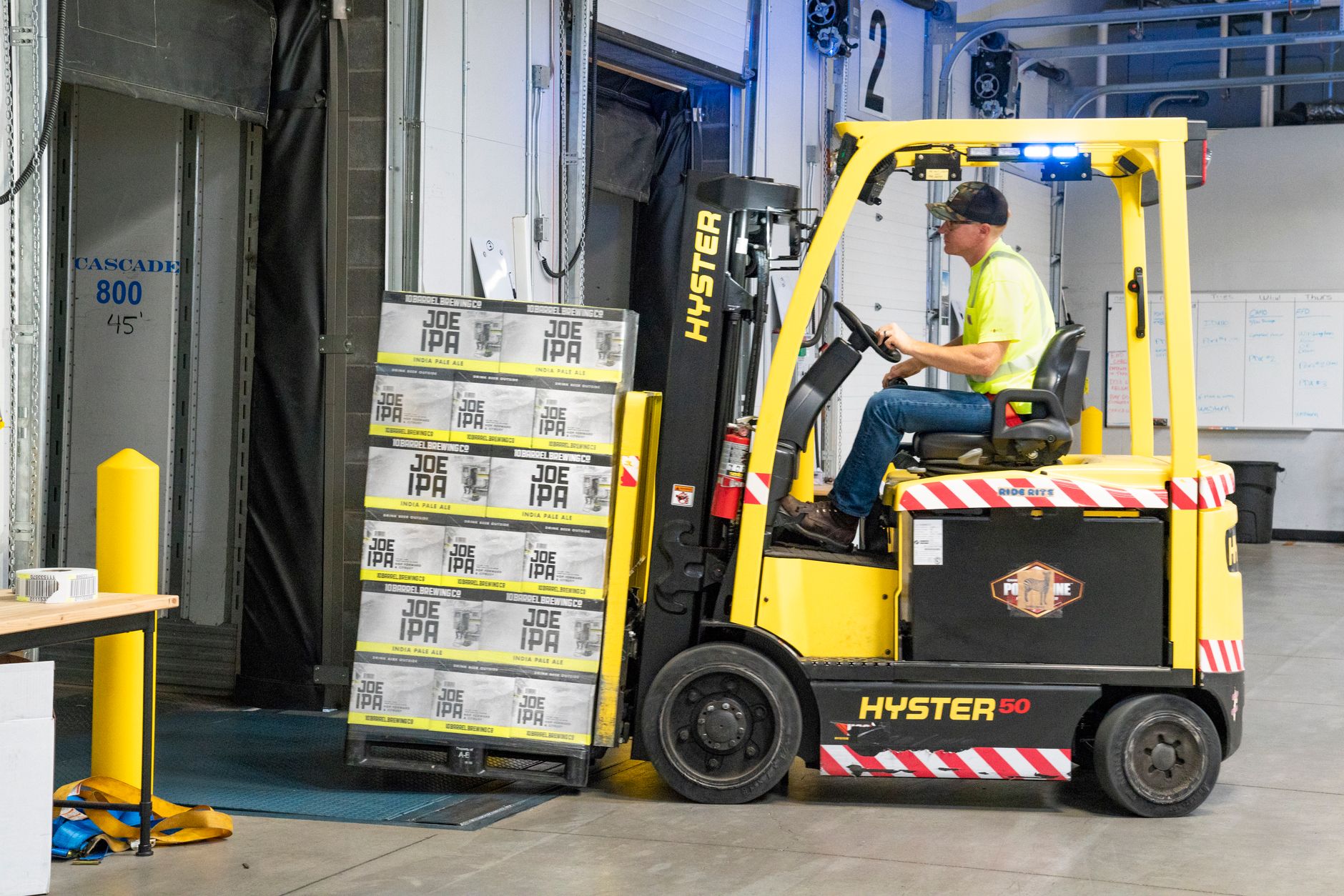
A material handler in a receiving or distribution building spends most of the shift moving product between points. The usual pattern is unloading inbound freight, breaking down pallets and cases, staging loads at the dock, and replenishing the pick faces that feed outbound orders. Each move is short, but the same walk, lift and set-down repeats many times in a shift.
The physical load is why this job draws attention. According to the U.S. Bureau of Labor Statistics, hand laborers and material movers have some of the highest rates of injuries and illnesses of all occupations, and heavy lifting, carrying and repetitive bending are linked to sprains, strains and overexertion. Those injury patterns are the strongest case for moving the repetitive part of the work to a machine.
The schedule follows the freight. The Bureau reports that most of these workers are full time, that schedules can include nights and weekends, and that warehousing workers often work overnight because freight moves around the clock. A site with overnight trailer work has a different staffing problem than a site with a day-only dock.
Median hourly wage, Laborers and Freight, Stock, and Material Movers, Hand
$4,759
Monthly cost of one full-time worker in Philadelphia, PA, at the median wage plus payroll costs (an estimate, not a quote).
Which parts of the job can a robot take, and which can it not?
A robot does best on routes it can map and repeat. Point-to-point moves between fixed stations are the clearest candidates, such as pallet or cart runs from receiving to staging, a steady flow of totes from a pick line to packing, and returns of empty carts. The path is known, and the load is standard enough to sit on the robot's deck or cart hitch.
The robot cannot do the parts that need hands or judgment. It cannot unload a trailer, stack mixed freight by hand, break down a damaged pallet, or decide that a load is unsafe to move. Picking from unpredictable locations, and any move onto an unusual surface, still belongs to people.
- Good fit: fixed-route pallet and cart runs between stations
- Good fit: tote flow from a pick line to packing
- Good fit: returning empty carts and dunnage to staging
- Poor fit: trailer loading and unloading
- Poor fit: damage checks, mixed freight and exception handling
- Poor fit: aisles and racks that change from day to day
- Repeat fixed-route moves
Autonomous Mobile Robot
Runs the same mapped path the same way every time
Material Handler
Adapts when a route changes, but walks and lifts through the whole shift
- Night coverage
Autonomous Mobile Robot
Runs fixed routes unattended, with staff watching alerts
Material Handler
Can be staffed on nights, though night hiring and sick cover are harder
- Trailer unloading
Autonomous Mobile Robot
Cannot do it
Material Handler
Does it, and judges damaged or mixed freight
- Exceptions and damage
Autonomous Mobile Robot
Stops and flags the problem for a person
Material Handler
Decides what to do with an unlabeled or damaged load
- Physical load on staff
Autonomous Mobile Robot
Takes repeated carries off the people on the shift
Material Handler
Carries the load that the Bureau links to strains and overexertion
- Changing the plan
Autonomous Mobile Robot
A route change needs remapping and a test run
Material Handler
Can be redirected within the same shift
How much labor and risk is in a Philadelphia material handling shift?
The national picture is large and steady. According to the U.S. Bureau of Labor Statistics Occupational Outlook Handbook, the hand laborers and material movers group held about 6.9 million jobs in 2025, and the Bureau projects 4% growth for 2024 to 2034, about 258,400 added jobs. Employers will keep hiring for this work, which means they compete for the same workers across the region.
Risk is the other side of the same data. According to the Bureau's fatal injury snapshot, there were 102 fatal work injuries among laborers and material movers in 2019 and 113 in 2018. In the wider sector, according to the Bureau's report on 2024 fatalities, transportation and warehousing recorded 865 fatalities in 2024, down 7.0 percent from 930 in 2023. According to a separate Bureau report on 2022, the fatal injury rate for transportation and warehousing was 14.1 per 100,000 workers.
Local competition for dock labor is real. According to the Federal Reserve Bank of St. Louis (FRED), Philadelphia County had about 33,300 private establishments in July 2023 across all industries. That count covers every industry, not warehousing alone, but it shows how many employers draw on the same metro workforce.
The data does not give a turnover rate for a Philadelphia site, and the secondary turnover figures circulating online are not verified here. The Bureau notes that overtime is common in this work. Pull your own quit, overtime and absence records for the last year, and compare them with the shift pattern. Overtime and sick cover on night shifts are where a robot can most change the load on the people who stay, and the government wage data panel on this page gives the local wage to weigh against those hours.
What does a robot's shift look like in a Philadelphia building?
The robot does not replace a shift. It fills part of one, and staff set it up, load it and check it. A typical arrangement runs a set of fixed routes and leaves a manual queue for anything the robot flags.
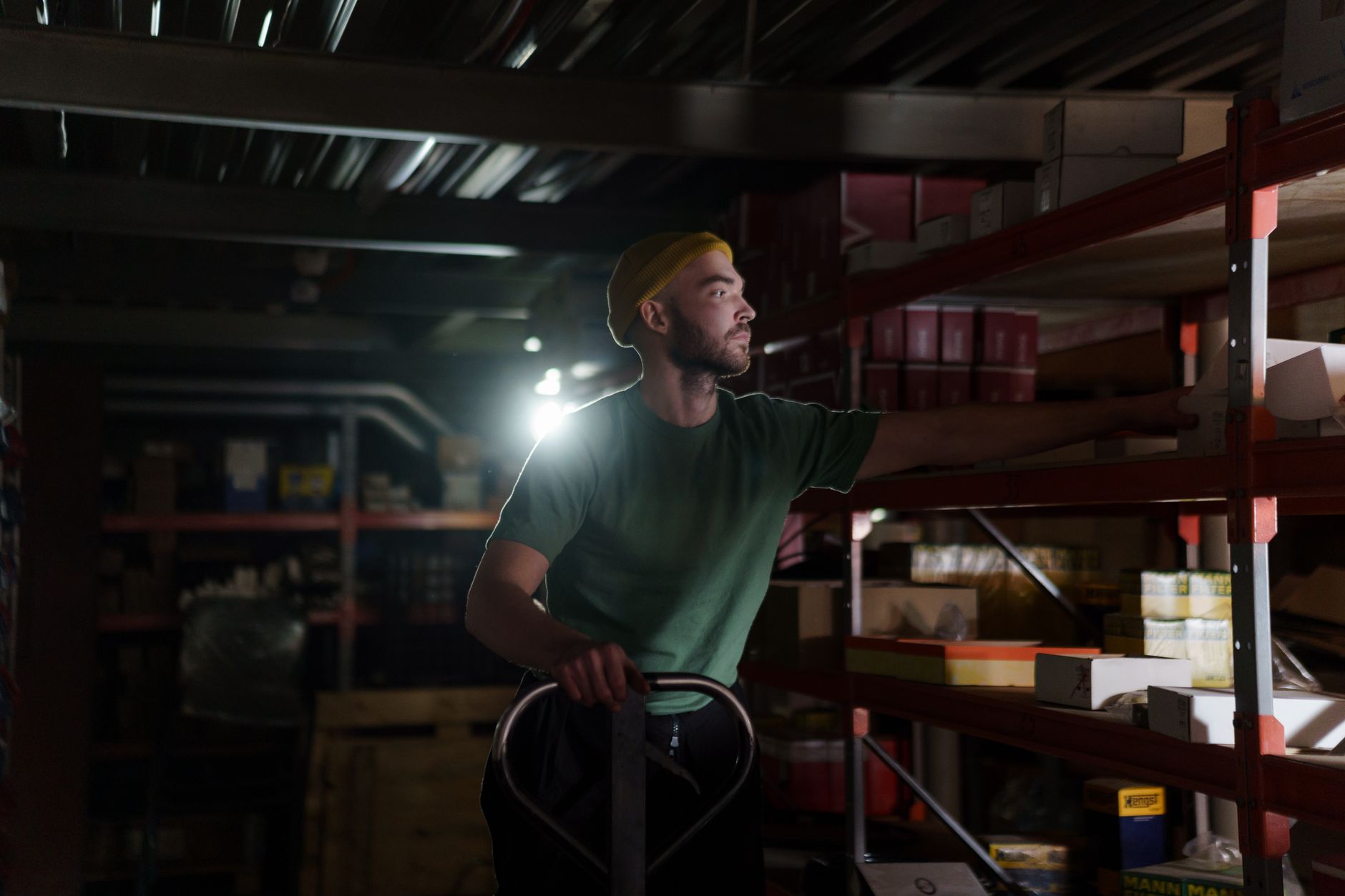
The clearest benefit lands on hours that are hard to staff. A robot can keep running repeat moves on a night shift when a crew is short, but someone still plans the routes, loads the first cart or pallet, and clears the flags in the morning.
How does a team work with an autonomous mobile robot?
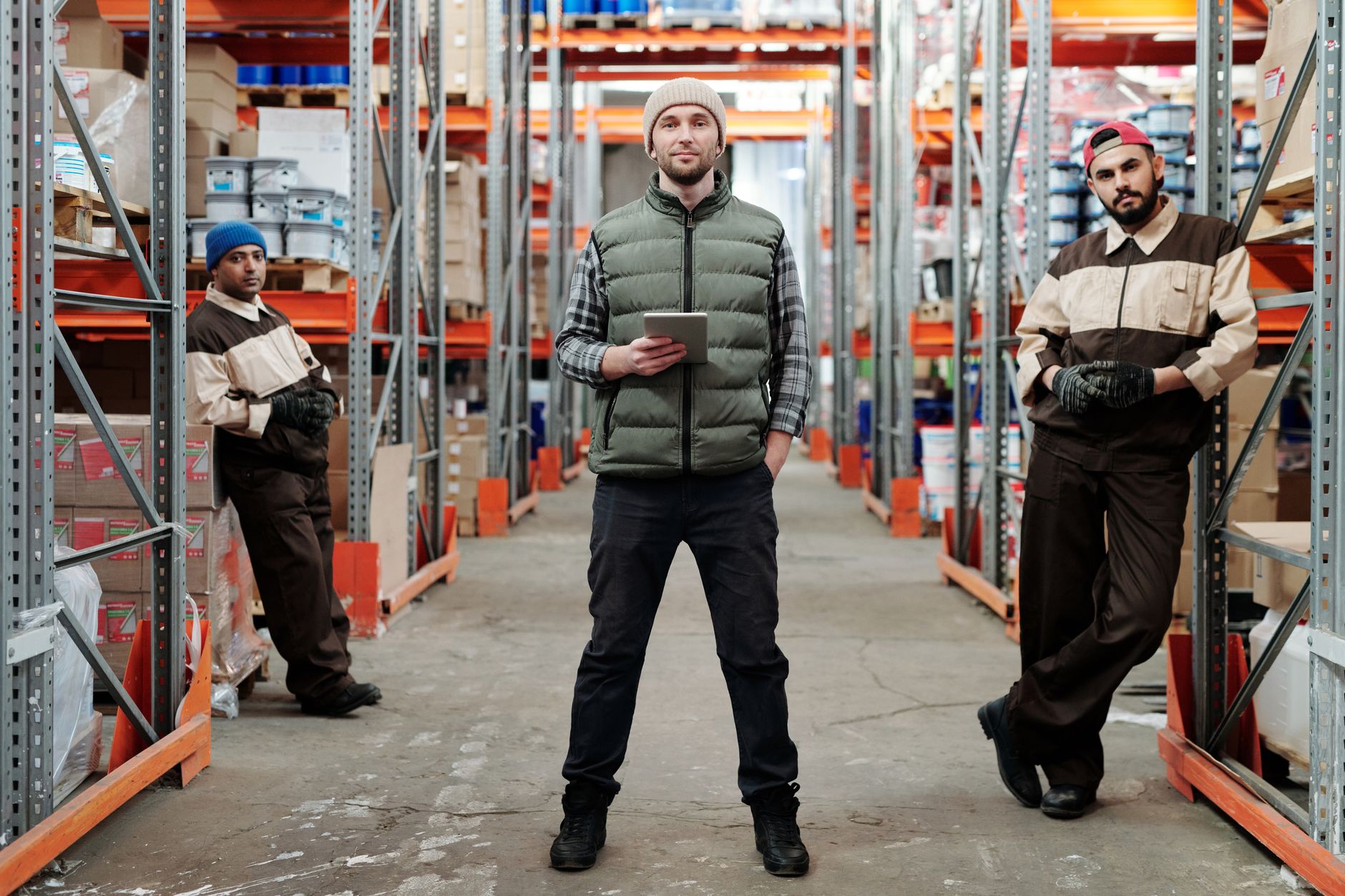
We do not plan a deployment that runs with zero staff. The robot takes the repeat moves, and the team handles trailer work, exceptions and anything that needs a decision. The usual result is a robot plus fewer staff on the repeat tasks, with those people moved to unloading, damage checks or the dock.
The change also creates a supervision role. Someone owns the route map, the charging plan and the escalation list, and that role needs training before go-live. Our team trains the staff who run the robot and the leads who respond to its flags, so the handover is written down, not left to memory.
Adoption is moving this way across the sector. According to the International Federation of Robotics, global professional service robot sales for transport and logistics rose 21% to 117,500 units in 2025, as reported in its 2026 release. Market growth does not tell you whether your building has the right routes, which is what the site assessment checks.
What can an autonomous mobile robot not do?
A robot is only as good as the route it can read. It needs clear, mostly stable aisles, floors it can drive on, and room at turns and docks to pass people and forklifts. A building that rearranges racks every week, or stacks product into the aisle, will generate constant stops and manual resets.
It does not fix a bad layout or a bad process. If pick faces sit in the wrong place or inbound freight arrives unlabeled, the robot moves the mess faster. We treat that as a finding in the site assessment, not something the robot solves.
Coverage has limits. One unit covers one set of routes, not a whole building, and each added unit adds traffic rules in shared aisles and more charging to plan. Shared aisles with forklifts, charging windows, and what happens when a robot stops in a doorway all need a written plan before go-live.
Is a robot lease worth it compared with local labor?
Compare the fixed robot lease payment against the labor it changes, not against a single wage. Include overtime on the repeat moves, night coverage, sick cover, recruiting and training time, and the injury risk the Bureau describes for this work. A stalled dock, which a missed shift can cause, also belongs on the list.
Robots are leased through financing, and the payment comes in a quote after a free site assessment. The quote depends on the robot that fits your floor and the routes it will run, so two buildings with the same headcount can get very different answers. Bring the labor figures from your own records to the assessment so the quote can be read against them.
The strongest case is usually a route that repeats many times on every shift and is hard to staff. The weakest is a building where the work changes every day. The site assessment is where we test which case you are in.
How do you get started with a robot lease in Philadelphia?
We are a commercial robot integrator. We choose the robot for the site, lease it through financing, deploy and integrate it, train the staff who will run it, and service it nationwide. The same partner handles the choice, the install and the follow up, so no one is passed between separate vendors.
Start with the routes. Map the moves you want to repeat, count how often each one runs per shift, and note the aisle widths, doorways and docks along the way. Bring the overtime, absence and quit records for the same jobs so the labor side is compared with the same routes.
Then run a site assessment, which produces the robot recommendation and the lease quote. A common first step is one leased unit on the best-defined route, with a go-live plan, a phased rollout and staff trained before any second unit goes in. You can then decide whether to add units based on what the first route showed.
- Map the repeat moves and their paths
- Count the moves by shift, including nights
- Collect overtime, absence and quit records for those jobs
- Measure aisle widths, doorways and dock clearances
- Book a free site assessment and review the lease quote
Frequently asked questions
Upcoming events in Philadelphia, PA
Put a robot to work in Philadelphia.
We walk your site, learn the job, and recommend the unit that fits. Then we quote the lease, deploy it, and keep it serviced.
Sources
- US Bureau of Labor Statistics, Occupational Employment and Wage Statistics (OEWS May 2024)
- U.S. Bureau of Labor Statistics, Occupational Employment and Wage Statistics, May 2023 Philadelphia-Camden-Wilmington
- U.S. Bureau of Labor Statistics, Occupational Outlook Handbook: Hand Laborers and Material Movers
- U.S. Bureau of Labor Statistics, fatal occupational injuries snapshot for laborers and material movers, 2015 to 2019
- U.S. Bureau of Labor Statistics, The Economics Daily: fatal work injuries declined in 2024
- U.S. Bureau of Labor Statistics, The Economics Daily: Workers Memorial Day, 2022 fatalities
- Federal Reserve Bank of St. Louis, FRED: Philadelphia County private establishments
- International Federation of Robotics, World Robotics service robot sales release (2026)