
The short answer
Autonomous forklift vs forklift operator in Denver comes down to repeatability: a robot makes sense when pallet moves repeat on fixed routes, hard-to-staff shifts go uncovered, and the floor layout holds steady. It does not fit a site with changing layouts, irregular freight, or loads that need a person to judge each move. For most sites the right model is a robot plus the existing team, with fewer operator hours rather than none.
Key takeaways
- A robot fits repeatable, fixed route pallet movement, not a job title.
- Plan for a robot plus fewer staff on the floor, never zero staff.
- Operators still handle exceptions, judgment calls and irregular freight.
- Size the decision with your own shift logs and the government wage data on this page.
- Get a lease quote after a free site assessment, with service terms in writing.
Autonomous forklift vs forklift operator in Denver: which fits?
For a Denver site, the answer is rarely a straight swap. An autonomous forklift fits when the same pallet moves repeat along fixed routes, when shifts run overnight or go unfilled, and when the floor layout stays put for long stretches. It does not fit a site with frequent layout changes, light or lumpy volume, or work where a driver has to judge each load, handle mixed freight, or manage people and traffic around the truck.
This page covers what an operator actually does in a shift, which parts of that work a robot can take, what the injury and turnover figures show, how a robot and staff share the floor, and what a robot cannot do. The government wage data for this job in Denver appears in the panel beside this text, so you can read it against your own hours and fill rates rather than in isolation.
When does an autonomous forklift make sense, and when does it not?
The clearest fit is repetitive, measurable movement: full pallets moved from receiving to racking, from racking to staging, and from staging to the dock, on routes that stay put for weeks at a time. A robot also helps where hours are hard to staff, such as second and third shifts, because it does not need a break, a commute or a shift swap. Adoption points the same way. A mobile robot vendor's survey, reported by a logistics trade publication, found more than 70% of respondents plan to extend their mobile robot fleets within two years, most by three or more vehicles. That covers mobile robots in general, not forklifts alone, and it was vendor-reported, so weigh it accordingly.
It makes less sense when volume is low or lumpy, when the floor changes often, when loads need a person to judge stacking or damage, or when most of the work is loading trucks by hand. Outdoor yards with uneven ground and mixed traffic are harder cases too. If a site cannot describe its routes in a few sentences, it is not ready for a quote yet, and a site assessment will spend its time on that mapping first.
Median hourly wage, Laborers and Freight, Stock, and Material Movers, Hand
$5,141
Monthly cost of one full-time worker in Denver, CO, at the median wage plus payroll costs (an estimate, not a quote).
- Shift coverage
Autonomous Forklift
Runs scheduled hours without breaks, within service windows
Forklift Operator
Covers the hours staffed, with breaks, time off and shift swaps
- Route changes
Autonomous Forklift
Needs remapping and testing when layouts change
Forklift Operator
Adapts on the spot and can work around a blocked aisle
- Judging loads
Autonomous Forklift
Follows set handling rules and sensors, with limited judgment on damaged or odd loads
Forklift Operator
Judges stacking, damage and load stability
- Mixed or irregular freight
Autonomous Forklift
Best on consistent pallets and defined locations
Forklift Operator
Handles varied freight, odd sizes and unplanned moves
- Hiring and turnover
Autonomous Forklift
Not affected by open positions or resignations
Forklift Operator
Subject to hiring time, training time and turnover
- Overnight and staffing gaps
Autonomous Forklift
Can run when no operator is available to cover
Forklift Operator
Needs an operator on site, which means night hours and overtime to fill
- Cost basis
Autonomous Forklift
Lease payment quoted after a free site assessment
Forklift Operator
Wage and benefits set by the local market, shown on the government wage data on this page
What does a forklift operator actually do in a shift?
An operator's shift is rarely one long run of identical moves. It is usually a mix of putaway and retrieval, dock work, cycle counts, short stops for damaged pallets, and waiting for a trailer or for a lane to clear. On many sites a large share of the time goes to travel between stops, sometimes with an empty or light load. Travel on a known route is the part a robot handles best.
Operators also do the work a planned route does not cover. They inspect a trailer before unloading, retrieve a pallet that has slipped out of its rack, clear a blocked lane, and flag a load that looks unsafe. They hand off to other staff and keep their own equipment in order. Those tasks decide whether a robot can take the whole shift, or only the repeatable part of it.
Before you choose, log a typical week of operator moves by type, location and time. That log, not a job title, shows which hours are repeatable and which are judgment work.
Which parts of the work can a robot take, and which can it not?
A robot takes the moves that follow a fixed pattern: pallet to pallet, dock to rack, rack to staging, with a defined path and defined stops. These are tasks where a route can be taught once and repeated without a person deciding each step.
It is weak on the unplanned parts. A leaning load, a pallet with a broken board, a trailer that has pulled in at an odd angle, or a mixed build that needs someone to read labels and decide all fall outside the planned route. The robot also cannot make the call on whether a lane is safe to enter when people are walking through it. Sites keep staff on the floor for exactly that reason.
The six areas below mark where a robot works and where people stay in control. Most sites find that the robot's share is concentrated in two or three of them, which is useful when you size a pilot.
What do the labor and injury numbers show?
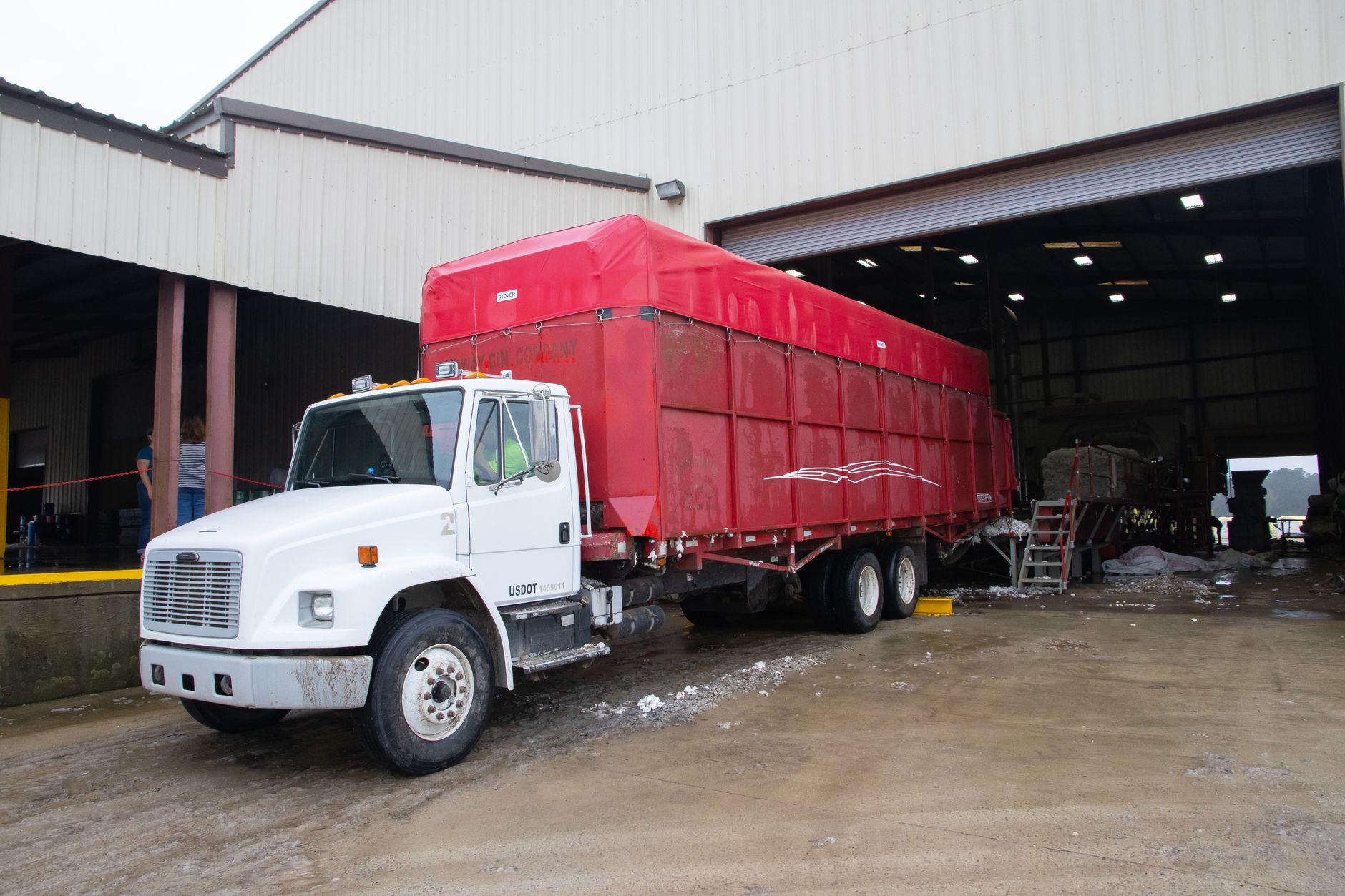
Transportation and material moving occupations, where much of this work sits, had the highest fatality rate of any occupation group in 2022. According to a logistics trade publication summarizing Bureau of Labor Statistics data, those occupations recorded 14.6 fatalities per 100,000 full-time equivalent workers that year. The National Safety Council, also using BLS data, counted 84 worker deaths in incidents involving forklifts, order pickers, or powered platform trucks in 2024.
Its two-year count for 2023 and 2024 shows 25,110 cases with days away, restricted or transferred work, and 15,460 cases with days away from work. Nonfatal data now comes out on a biennial schedule, and BLS changed how it classifies injury events starting with 2023 data, so older and newer counts do not line up neatly. Older BLS figures, such as 184,470 injuries and illnesses in transportation and material moving occupations in 2018, are useful for scale only.
Powered industrial trucks ranked fifth among the most frequently cited OSHA standards in fiscal year 2023, according to a trade site summarizing OSHA data. That ranking means inspectors cite this standard often, so the safety file for any forklift work, including a robot route, should be current.
Turnover is the labor number that matters most for a shift. It is usually calculated as separations divided by average headcount, times 100, and definitions vary between sources. One workforce statistics compilation reports 49% warehouse worker turnover and attributes it to 2023 BLS data, though we could not confirm that original. The same compilation gives an 11.6% average across warehouse and distribution operations, and a separate workforce article gives a typical annual range of 20% to 60%. Treat these as rough signals, and pull your own separations for the last twelve months before deciding.
For Denver, a BLS area employment chart lists about 1,310 jobs in this occupation for the Denver-Aurora-Centennial area. Our search could not confirm the reference year, so use it for scale only. The government wage data for this job in Denver appears in the panel beside this text. Read it against your own covered hours and unfilled shifts, not on its own.
How does a team work with an autonomous forklift?
The right model is a robot plus fewer staff on the floor, never zero staff. The robot takes the repeatable moves, and people keep judgment, exceptions and the safety role. A plan with no one on the floor has not planned for the first blocked aisle or the first fault.
Staffing changes shape rather than disappearing. Fewer operator hours go to repeat moves, and more go to route setup, monitoring, exception handling and coordinating maintenance. Some operators can move into those roles, so a site keeps trained people while the repetitive part of the work changes.
We train the staff who will work beside the robot, set up the exception process with your supervisors, and handle installation, go-live support and service after launch. Our service covers the leased unit nationwide, so the site has one partner to call for both the unit and its routes.
What can an autonomous forklift not do?
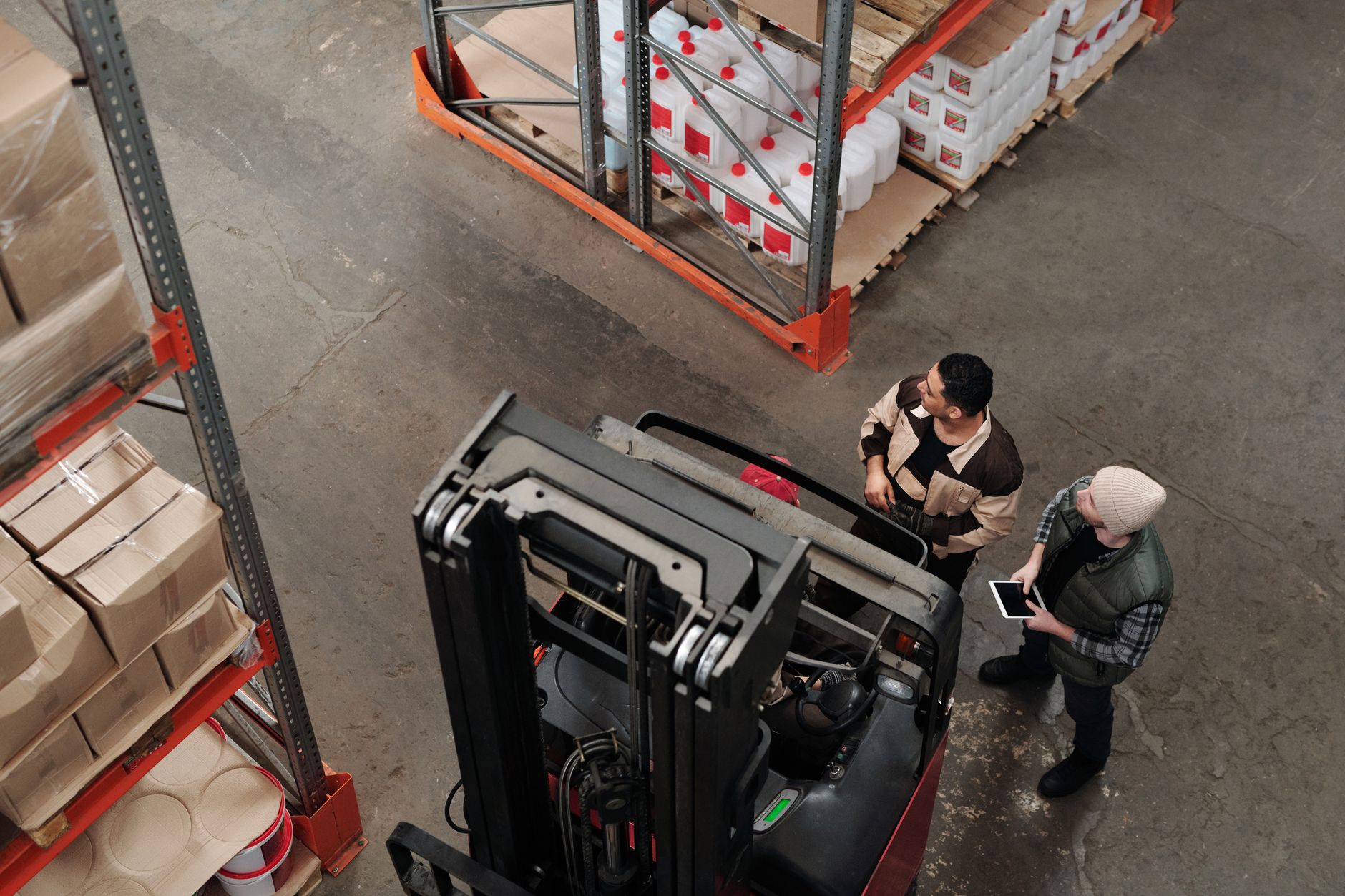
Be honest about limits before you commit. A robot cannot read a situation the way a trained person can, cannot make a judgment call on an unusual load, and cannot explain why a pallet is wrong the way the person who packed it can. It works inside its path and its rules, and it stops when those rules say stop.
Route changes take planning. Moving a rack, opening a new dock door or changing a staging area means remapping and testing before the route is back in service. A site with frequent change should expect more setup time than a stable one, and should account for that in the decision.
Mixed and irregular freight is the most common mismatch. A site that receives many shapes, sizes and loose items will keep operators for much of the day. Outdoor yards with uneven pavement and varied traffic are also harder, and your safety lead should review them separately.
Is the lease worth it, and how does payback work?
Cost questions come down to hours covered, not a headline number. Start with the local wage for this job from the government wage data on this page, then add the value of shifts you cannot fill and the overtime you pay to cover them. Then ask how many of those hours a robot route would actually take over. Only that comparison shows whether the lease makes sense.
A lease spreads the cost over a fixed term, and terms vary by financing program. The payment is quoted after a free site assessment, because the unit, the route, the service plan and the term all change it. Ask for the terms in writing, and check whether the quote states maintenance, spare unit coverage and downtime response.
Count the status quo honestly too. Unfilled shifts, night premiums, overtime and the time to hire and train replacements all take money and attention, and they rarely appear in a single budget line. Payback depends on how many of those hours a robot route covers, how stable the route is, and what the service plan costs you when a unit is down. We do not quote payback from a general estimate, because the search behind this page did not produce a verified figure for this setting.
How do you get started with an autonomous forklift in Denver?
Start with the data. Log operator moves for a typical period, by task, route, time and load type, then mark which routes repeat. That log is the main input to a site assessment, and a site that can show it gets a more useful quote and a faster answer.
Next comes the site assessment and mapping. We map the floor, identify route and pedestrian conflicts, and set out what the robot will and will not do on your site. From there we size a pilot, often one unit on the most repeatable route, before any wider decision. A pilot shows the real exception and service rates, which matter more than general figures from a brochure.
Deployment covers integration with your processes, training for the people who will work beside the unit, go-live support and ongoing maintenance. Ask for a service plan that states response times, remote triage, on-site dispatch and spare unit coverage, since one unit down can stall a shift if no backup is planned.
Does a robot change forklift safety obligations?
The standard for powered industrial trucks in general industry is 29 CFR 1910.178, and construction sites follow 1926.600 and 1926.602. Your safety lead should confirm how these and your existing training program apply to an automated vehicle at your site. Do not assume a robot sits outside them because it has no driver.
Beyond the rules, the practical step is a written procedure for people who work near the robot. It should cover walking routes, what to do when a path is blocked, who resets a stopped unit and when to call service. Train it before go-live, not after the first incident.
Keep the forklift safety file current, including the training records and the route map, even when a robot runs the route. Inspectors look at the paperwork as well as the floor, and a clear file makes an audit easier to answer.
Frequently asked questions
Put a robot to work in Denver.
We walk your site, learn the job, and recommend the unit that fits. Then we quote the lease, deploy it, and keep it serviced.
Sources
- US Bureau of Labor Statistics, Occupational Employment and Wage Statistics (OEWS May 2024)
- National Safety Council forklift injury facts
- Trade publication summary of BLS 2022 occupation fatality data
- Bureau of Labor Statistics, transportation and material moving injuries 2018
- Bureau of Labor Statistics OEWS area employment chart
- Warehouse turnover statistics compilation
- Warehouse turnover benchmarks article
- Forklift safety statistics trade site
- Trade publication report on mobile robot fleet survey