
The short answer
Autonomous forklift ROI in Denver comes from the repeatable pallet and aisle hours a leased robot takes over, set against the lease cost over the same period. The result is a savings range rather than a fixed figure, and it is wider when repeatable hours are uncertain. A free site assessment replaces the planning range with a measured figure and a lease quote for your floor.
Key takeaways
- The return comes from repeatable route hours, not from the whole shift.
- The local wage for this job, shown in the panel beside this page, sets the labor side of the math.
- Injury risk on pallet and aisle routes is a second, real source of value.
- Hours, route volume and layout stability move the range more than anything else.
- Lease cost is quoted after a free site assessment, so the range becomes a figure only after measurement.
Run the numbers for your site
Auto-detected from your location - we use the real BLS wage here. Not right? Pick your city or state above.
What do you want to automate?
The robot takes the repetitive cart and pallet moves off the heaviest motion.
What return can a Denver business expect from autonomous forklift ROI?
Autonomous forklift ROI in Denver is the value of the labor hours a leased robot takes over, set against the lease cost over the same period. For most sites the result is a savings range, not a fixed figure, because it depends on how much of each shift is repetitive pallet movement and how steady the volume is. This page explains where that range comes from, how the math is built and what moves it up or down.
Denver has a large freight base to draw on. According to the Bureau of Labor Statistics through FRED, the Denver-Aurora-Centennial metro had about 84,700 transportation and warehousing jobs in December 2025, up from about 80,300 in October 2025. Nationally, according to FRED, warehousing and storage employment was about 1,834.7 thousand in February 2026. Repeat pallet and aisle work happens across many local sites, which is where a robot's hours become countable.
The calculator on this page is pre-filled for Denver. The government wage data for the local wage of Laborers and Freight, Stock, and Material Movers, Hand sits in the panel beside this text, and the savings range is priced on that wage. Treat the range as a planning estimate until a site assessment replaces assumptions with measured hours.
Where does the return come from in a Denver warehouse?
The return has two sources: labor hours that stop going to repetitive work, and fewer injury events on the routes a robot covers. Labor can be priced from the wage panel. Safety shows up as lower incident cost and fewer lost days, which is harder to reduce to one number, so it is usually kept separate in the calculation.
The injury data for this kind of work is serious. According to the Bureau of Labor Statistics Census of Fatal Occupational Injuries, transportation and material moving occupations had a fatality rate of 12.5 per 100,000 full-time equivalent workers in 2024, down from 13.6 in 2023. The all-occupation rate was 3.3, and the group had 1,391 fatal work injuries, the most of any occupation group. According to the National Safety Council, summarizing BLS data for 2023 and 2024, the group recorded 468,830 cases with days away from work, which is 26 percent of the total.
A robot does not remove people from the floor, and mixed traffic still needs planning. What it does is take the most repetitive, high-exposure runs out of human hands, such as long pallet trips and fixed aisle routes. The return from that is partly labor hours and partly a lower chance of a pedestrian or lift truck incident on those routes.
Median hourly wage, Laborers and Freight, Stock, and Material Movers, Hand
$5,141
Monthly cost of one full-time worker in Denver, CO, at the median wage plus payroll costs (an estimate, not a quote).
How does the payback math work for autonomous forklifts?
The core formula is simple. Take the hours of laborer and material mover work the robot takes over each week, price them at the local wage from the government data panel, add any overtime or agency hours the robot removes, and compare that total with the lease cost over the same period. The result is a range, and the range is wider when the hours are uncertain.
Hours are the key input, and they are not the full shift. Only the share of the work a robot can realistically do counts. A forklift robot handles repetitive, mapped moves well. It does not handle unplanned loading, damaged loads or trips that need a human decision each time, so those hours stay on the staff roster and are excluded from the offset.
The lease cost is quoted after a free site assessment. Robots are leased through financing, and the quote sets out the lease terms for the robot that fits the floor. The company also picks the robot for the site, integrates it, trains staff and services it nationwide, so the assessment checks those scope items alongside the hours.
What share of the work can an autonomous forklift take?
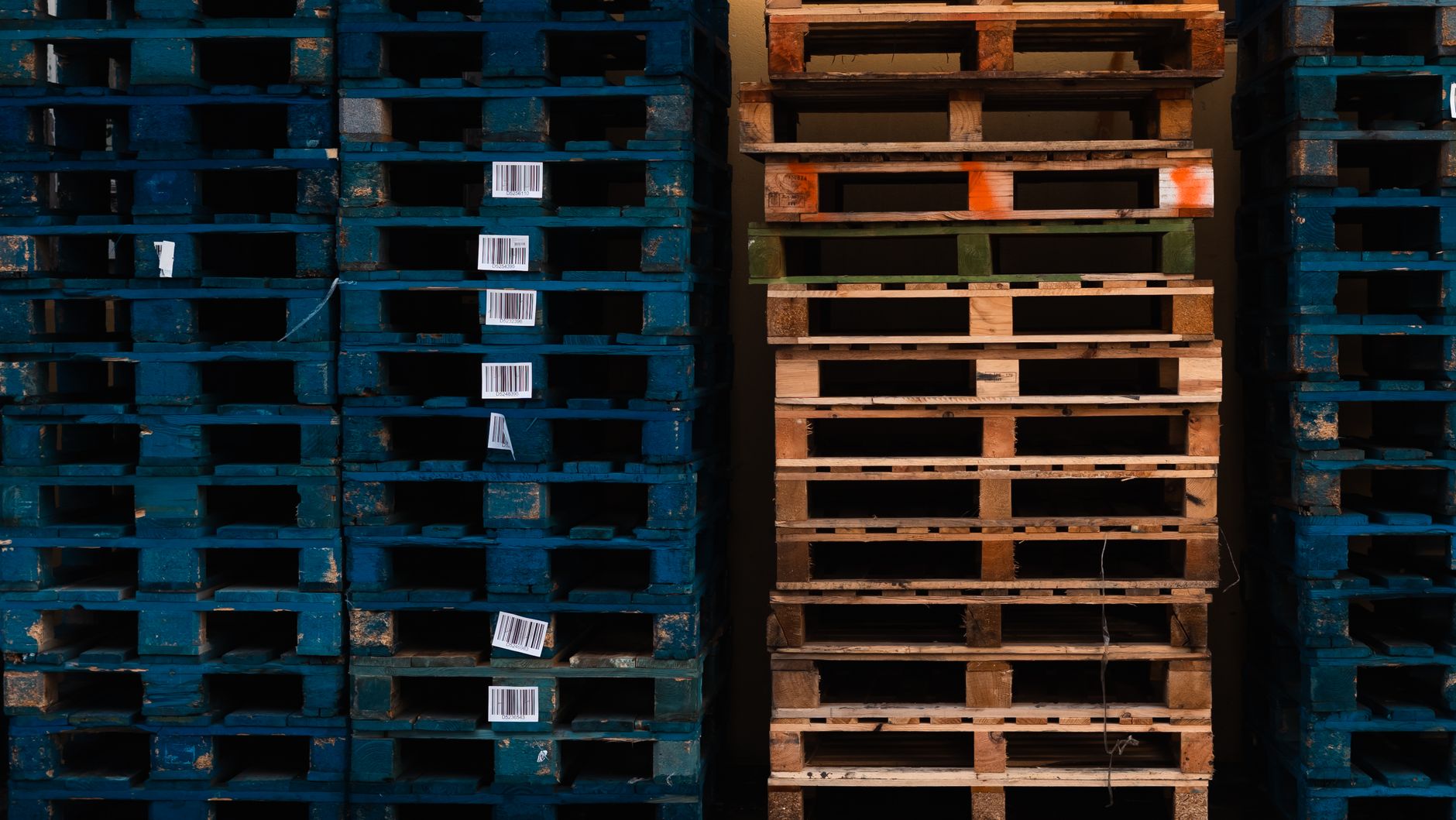
Plan on a share, not a total. A robot takes the parts of the day that repeat along a route: moving pallets from receiving to reserve storage, carrying loads from staging to a dock, and returning empty pallets. These are often the loads a laborer or material mover handles most often in a shift.
The share falls when a site has many one-off loads, tight aisles that are hard to map or frequent layout changes. Staff time spent on exceptions still counts against the offset. A site where most moves follow the same paths usually shows a larger share than one that runs many unique jobs.
National data helps set expectations. According to ONET OnLine projections based on BLS data, detailed occupation 53-7062, Laborers and Freight, Stock, and Material Movers, Hand, had 2,988,900 jobs in 2024 and 384,300 projected annual openings. Our research did not find a verified headcount for a single Denver site, so the calculator starts from one worker on the repeat routes and is adjusted during the site assessment.
What changes the number up or down?
Three inputs move the range most: how many hours of route work are truly repeatable, how steady weekly volume is, and how many overtime or agency hours the site already pays to cover those moves. Steady volume on fixed routes raises the number. Peak periods raise it further, but only if the robot is scheduled into those hours.
Other factors pull the number down. Layouts that change every few months, mixed pedestrian traffic that forces slow speeds and one unit covering a large, irregular site all reduce the share of work taken. The checklist below lists what to verify before the number is used for a decision.
How do staffing and turnover affect labor savings?
Turnover is part of the labor cost. According to the Bureau of Labor Statistics JOLTS report, the national hires rate was 3.3 percent in 2025, down from 3.4 percent in 2024, and the total separations rate was 3.3 percent. For transportation, warehousing and utilities combined, the hires rate was 2.50 percent in February 2026, against a long-term average of 3.60 percent, so hiring in the sector has been slower than usual.
The slower hiring rate has a practical meaning. A site that struggles to fill laborer and material mover shifts faces overtime, longer lead times for new staff and more hours spent in training. A robot on repeat routes does not remove those costs, since staff still run and supervise it, but it reduces how many shifts depend on filling every opening. The same JOLTS release reported a layoffs and discharges rate of 5.2 for the sector in January 2026, up from 4.0 in December 2025, so staffing levels can shift quickly in either direction.
The occupation outlook is steady rather than fast. According to the Bureau of Labor Statistics Occupational Outlook Handbook, hand laborers and material movers are projected to grow 4 percent from 2024 to 2034, with about 7.0 million jobs in 2024. Demand for the work will keep needing people, so the return comes from covering hours on the right routes, not from cutting a headcount.
- Repeat routes on a fixed path
Autonomous Forklift
Runs the mapped route the same way every trip, without breaks
Staff
Can adjust a route on the fly but tires and needs breaks
- Irregular or damaged loads
Autonomous Forklift
Handles standard loads only, so exceptions stay with staff
Staff
Judges damaged, mixed or unusual loads and makes the call
- Mixed traffic and unclear situations
Autonomous Forklift
Follows its mapped route and stops for obstacles, but cannot read a situation
Staff
Reads people, space and intent, and can adapt quickly
- Covering hours when staff are short
Autonomous Forklift
Covers the scheduled routes without a hiring process
Staff
Depends on filling open shifts, which is slower given current sector hiring rates
- Setup and onboarding
Autonomous Forklift
Needs mapping and a clear layout before go-live
Staff
Needs training on the site, then adapts to changes over time
What are the risks to the return, and how do you avoid them?
The biggest risk is a unit that sits idle. If routes are not mapped well, if the floor changes without a plan or if staff do not send work to the robot, the hours offset falls and the return falls with it. Start with one unit on the highest-volume route, measure it for a fixed period and expand only after the hours are confirmed.
The second risk is safety. A robot on a mixed-traffic floor needs clear zones, marked routes and staff who understand its stop behavior. Incidents concentrate where people and vehicles share space, so the site plan should separate routes where possible before the robot goes live. The fatality data in the second section shows why route planning matters.
The third risk is an oversized lease. A unit sized for peak volume that runs at low utilization means paying for capacity the site does not use. Ask for a plan that matches the measured routes, and ask how service handles downtime, since one unit covering critical moves creates a single point of failure. Backup coverage and on-site dispatch are worth asking about before you sign.
What is the timeline from assessment to payback?
The timeline runs in phases, and the site assessment sets how long each one takes. First comes the assessment, which measures hours, maps routes and identifies the share of work that is repeatable. Next come the lease quote and the integration plan, then deployment, staff training and go-live support.
Payback is reached when cumulative hours offset the lease cost. The range on this page narrows as measured data replaces assumptions. The first review should compare measured hours with the planning estimate, then decide whether to hold, adjust routes or add a unit.
Set the review points in advance. At each review, check utilization, exception rates and any safety events, and adjust routes before expanding. The first assessment matters more than any single projection, because every later number is built on it.
How do I get a precise figure from a free site assessment?
A free site assessment replaces the planning range with a figure based on your floor. The company picks the robot for the site, leases it through financing, deploys and integrates it, trains your staff and services it nationwide. The assessment covers route mapping, hours measured with your team and the layout review that affects safety.
Bring the data that drives the math: weekly load counts by route, shift schedules, overtime and agency hours, staff turnover over the past year and any existing incident logs. With those in hand, the assessment can show how much work is repeatable and what the lease quote looks like for that share.
The result is a written range with its assumptions listed, so finance and operations leads can check each input. The lease is quoted after the assessment, because the cost depends on the robot and deployment that fit your floor.
Frequently asked questions
Put a robot to work in Denver.
We walk your site, learn the job, and recommend the unit that fits. Then we quote the lease, deploy it, and keep it serviced.
Sources
- US Bureau of Labor Statistics, Occupational Employment and Wage Statistics (OEWS May 2024)
- BLS Census of Fatal Occupational Injuries, 2024
- National Safety Council summary of BLS data, 2023-2024
- FRED, Denver-Aurora-Centennial transportation and warehousing employment
- FRED, national warehousing and storage employment
- ONET OnLine 53-7062 Laborers and Freight, Stock, and Material Movers, Hand
- BLS JOLTS news release, March 2026
- BLS Occupational Outlook Handbook, Hand Laborers and Material Movers