
The short answer
For an autonomous mobile robot vs material handler in Denver, the robot makes sense when the same loads move along the same mapped routes for long stretches of a shift, especially on shifts that are hard to staff. A material handler still wins where loads vary, items must be picked by hand, or routes change often. In most Denver sites the answer is a robot working with fewer people, not a robot in place of the crew.
Key takeaways
- A robot makes sense on repeated transport moves along mapped routes, not on mixed picking or judgment work.
- Night and hard-to-staff shifts are where a robot adds the most value.
- A material handler still covers loading, exceptions, damaged loads and layout changes.
- Plan for a robot plus fewer staff, never zero staff, and measure hours on your own floor.
- Ask for a free site assessment before comparing any lease quote.
Autonomous mobile robot vs material handler in Denver: when does a robot make sense?
The deciding question for an autonomous mobile robot vs material handler in Denver is how much of the shift is the same move repeated on the same route. A robot makes sense when loads travel fixed, mapped paths for long stretches, such as tote runs between receiving, storage and staging, cart pulls to a pack line, or return trips for empty containers. It is a weak fit when the work is mostly picking mixed items by hand, when aisles and racking change often, or when most loads need a person to judge what to do with them.
For most sites the honest answer is a mix. The robot takes the transport moves, and staff keep the loading, picking, exceptions and any decision about a damaged load. A plan that aims for zero staff leaves exception work with no one to do it, and a robot waiting at a dock cannot fix a split pallet.
The adoption data points the same way. According to the Association for Advancing Automation (A3), as reported in a trade article, North American robot orders rose 6.6 percent in 2025, and non-automotive sectors led unit orders. Those are industrial robot orders rather than counts of mobile robots, so read them as a sign that automation is spreading across general industry, not as a measure of this exact unit type.
A robot is the wrong call when move volume is low, the floor changes constantly, or the freight is heavy and irregular. We would rather say so during the site assessment than deploy a unit that spends its days idle.
What does a material handler actually do in a shift?
A material handler in a Denver warehouse or plant spends the shift moving things. That usually means receiving and staging inbound freight, breaking down pallets, moving totes and carts between receiving, storage, picking and shipping, replenishing pick faces, returning empty containers, and loading or unloading trailers. Most of the work is short moves, each with a stop, a scan, a check and a return trip.
The routes repeat, but the loads do not. A handler may run the same tote route many times in a shift, then face a pallet with a torn wrap, a mislabeled skid or a short count. Those exceptions are where a person adds value that no route plan captures.
The occupation is large in national data. According to the Occupational Outlook Handbook, laborers and freight, stock, and material movers, hand is the largest detailed occupation in its group, with 2,988,900 jobs. The same handbook puts the broader hand laborers and material movers group at about 6,950,000 jobs in 2024.
Median hourly wage, Laborers and Freight, Stock, and Material Movers, Hand
$5,141
Monthly cost of one full-time worker in Denver, CO, at the median wage plus payroll costs (an estimate, not a quote).
- Repeated moves on a mapped route
Autonomous Mobile Robot
Runs the same route with the same stops and pace
Material Handler
Adapts if a route is blocked and can stop to check a load
- Night coverage
Autonomous Mobile Robot
Moves on mapped routes without an operator at the controls
Material Handler
Handles loading, faults and exceptions the robot cannot clear
- Mixed item picking
Autonomous Mobile Robot
Poor fit for most shelves with varied items
Material Handler
Wins: reads labels, handles varied sizes and fragile items
- Damaged or leaking loads
Autonomous Mobile Robot
Cannot judge whether a load is safe to move
Material Handler
Wins: inspects, separates and reports the damage
- Layout change
Autonomous Mobile Robot
Needs remapping before the new route runs
Material Handler
Learns the new route on the same shift
- Pace over a long shift
Autonomous Mobile Robot
Holds a steady pace across the shift
Material Handler
Pace slows with fatigue, but judgment holds
- Knowledge of the site
Autonomous Mobile Robot
Stored in the map and fault logs
Material Handler
Stored in people, and lost when someone quits
Which parts of the job can an autonomous mobile robot take, and which can it not?
A robot can take the moves that follow a fixed route. That covers tote and cart transport between zones, empty container return, cart pulls to a packing line, and staged pallet moves on mapped paths. It runs the same route with the same stops, and its pace does not fall off late in a long shift.
It cannot take picking of mixed items from most shelves, loading of irregular freight into trailers, unloading of mixed inbound loads, or any call on whether a damaged or leaking load is safe to move. Those tasks depend on sight, touch and judgment, and a deployed robot does not supply them. It also cannot clear a fallen pallet from a lane, so a person has to be near every route.
The useful test is simple. Ask whether the task has a clear start, a clear end, and a route that stays put. If it does, it is a candidate. If it depends on reading the load or deciding what to do with it, a person stays on it.
How much labor is involved, and how stable are the crews?
The national scale of this work is large. According to the Occupational Outlook Handbook, hand laborers and material movers held about 6,950,000 jobs in 2024, and projected growth for 2024 to 2034 is 4 percent, adding 258,400 jobs. Demand for the work is not shrinking, so the question is how to staff it well.
Denver's transport and warehousing base is sizable and growing. According to BLS data published through FRED, Denver-Aurora-Lakewood transportation and warehousing employment averaged 75.8 thousand in 2024, up from 74.8 thousand in 2023. A 2025 sector profile from Jefferson County reports a 1 percent rise in transport and warehousing jobs across the Tri-County area from 2019 to 2024, with 4 percent growth projected through 2029.
Turnover is where the case for a robot gets stronger or weaker. According to BLS JOLTS data, the transportation, warehousing, and utilities quits rate was 2.2 percent in January 2025, 2.3 percent in December 2025, and 1.7 percent in January 2026, not seasonally adjusted. These are rates for single months, so they do not show annual churn. FRED's seasonally adjusted quits series for the broader trade, transportation, and utilities group read 2.6 percent in December 2025 and 2.3 percent in January and February 2026.
Overtime, night share and sick days are the gaps. The public data pulled for this page does not give overtime, night shift share or sick-day figures for this job in Denver, so those numbers should come from your own payroll and attendance records. Set them against the local wage for this job in the government wage data on this page, and against the hours a robot would release.
| Task | Today | With a robot |
|---|---|---|
| Tote runs between receiving and storage | Measured in your site study | Robot runs the mapped route, staff load and release |
| Cart pulls to a packing line | Measured in your site study | Robot pulls on a fixed schedule, staff clear the queue |
| Empty tote and pallet return | Measured in your site study | Robot returns empties, staff stack and check counts |
| Mixed picking and exception handling | Measured in your site study | Stays with staff |
The public data used on this page does not give hours per shift for this job. The hour figures come from a time study on your floor, which is why the table leaves them to be measured.
How often are people hurt doing this work?
According to the Bureau of Labor Statistics industry page for warehousing and storage, total recordable cases were 4.8 per 100 full-time workers in 2024. Of those, cases involving days away, job restriction or transfer were 4.1 per 100 full-time workers, days-away cases alone were 1.5, and job transfer or restriction cases were 2.6.
These are national industry figures, not Denver figures, and they cover the whole warehouse rather than handling alone. They still show where the exposure sits. Repeated pushing and pulling of carts and totes is the part a robot can take off the floor most directly, since the robot does that pushing and pulling on its own route.
A robot does not take people off the floor, and it adds its own hazards: moving equipment, pinch points at docks, and staff who walk into a route. Mapped routes, marked zones and training on how the robot yields and stops are part of the deployment, not an extra.
How does a team work with a robot in place?
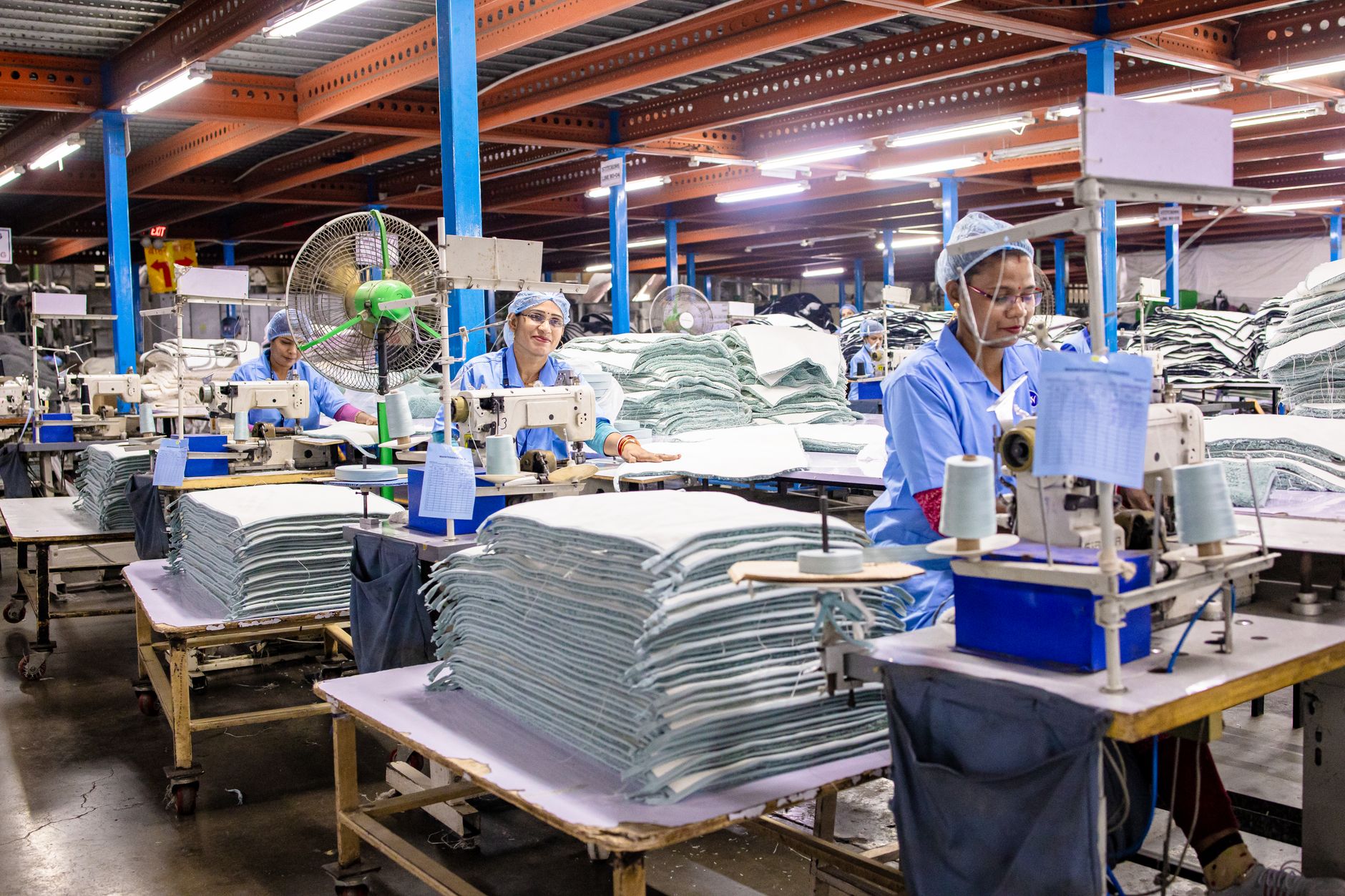
A team with a robot still needs people on every shift. The robot takes the transport moves, and staff take the loading, picking, exception handling and the calls on damaged or mixed loads. The goal is fewer people doing the same work on the same floor, never zero.
Roles change. Handlers become robot operators who load the queue, clear faults, release a stuck cart and keep routes clear. Supervisors read the fault log and adjust route priority. Some handlers keep picking and exception duty. Training covers how the robot stops, how it yields to people and what staff do when it halts.
Handoffs matter most at the edges of the shift. A robot can keep moving routes while people are on breaks, but someone must still be on site to respond. We train the staff on your floor and agree the handoff points before go live, so the first unattended shift does not depend on luck.
What can a robot not do?
A robot cannot pick mixed items from unstructured shelves at most sites, cannot judge a damaged or irregular load on its own, and cannot clear a blocked aisle. It needs a mapped route and a clear path. When a pallet falls across a lane, a person clears it, and the robot waits.
It cannot adapt to a layout change until the route is remapped. Remapping takes planning and staff time. Sites with frequent racking changes, temporary staging or seasonal layouts should expect more mapping work and should plan for it in the first assessment.
It also depends on infrastructure: charging, network coverage and floor condition. Rough concrete, seams, ramps and changing light can slow a route or stop it. These limits are why the site assessment comes first, and why a route that looks good on paper may need changes once the floor is measured.
How do you get started with a robot lease?
Start with a site assessment. We map the floor, log the routes, measure the moves and identify which tasks are candidates. The assessment is free, and the lease payment is quoted after it, because route count, floor layout and deployment scope drive the number.
A phased deployment is usually the lower-risk path. Begin with one leased unit on one set of routes, run it through real shifts, and measure the moves and exceptions before adding more units. Each added unit should earn its place on the numbers from the first one.
We handle robot deployment and integration, staff training, go-live support and service nationwide, including on-site dispatch when a unit needs attention. The decision stays with you. If the assessment shows that the work does not repeat enough, we will say so.
How does the lease work, and what should you compare it against?
Robots are offered only on a lease through financing. The lease payment is quoted after the free site assessment, so it reflects your routes, floor and shifts rather than a generic figure. Ask for the full service terms in writing before you sign, including what happens when a unit is out for repair.
Compare the quote against the labor the robot takes over: the local wage for this job in the government wage data on this page, the hours your time study shows, and the shifts that stay unfilled. A robot that covers an unfilled overnight shift is a separate calculation from one that replaces a daytime handler you already have.
Keep the fallback in mind. A unit that is out for service still leaves its route to someone, so plan a staff fallback for the weeks a unit is down, and confirm how quickly service can be dispatched to your site before you commit.
Frequently asked questions
Put a robot to work in Denver.
We walk your site, learn the job, and recommend the unit that fits. Then we quote the lease, deploy it, and keep it serviced.
Sources
- US Bureau of Labor Statistics, Occupational Employment and Wage Statistics (OEWS May 2024)
- Bureau of Labor Statistics, warehousing and storage industry page
- Bureau of Labor Statistics, Occupational Outlook Handbook, hand laborers and material movers
- FRED, Denver-Aurora-Lakewood transportation and warehousing employment
- Jefferson County 2025 Sector Profile, Transport and Warehousing
- Bureau of Labor Statistics, JOLTS quits rates table
- FRED, quits rate for trade, transportation, and utilities
- Trade article on A3 robot orders