Key takeaways
- Trash and loose debris come off the floor before any robot runs, since a wet pass over loose grit simply spreads it.
- Hardwood courts need a machine and water plan that follows the floor maker's rules, not a generic scrubber setting.
- Bleachers, goal carts, and storage cages should be mapped as fixed zones before the first run.
- Schedule robot runs in the quiet gap between leagues, and treat changing rooms and thresholds as the likeliest place for a stall.
Can a robot keep a futsal court clean between league nights?
Yes, in most indoor futsal venues, provided the robot arrives second. Trash and loose debris come off first, the court gets a pass matched to its surface, and the concourse is handled last. Skip one of those steps and the robot ends up cleaning what staff should have removed.
The timing is the hard part. Cleanfix notes that sports halls usually have narrow cleaning windows, often early morning, during breaks, or overnight. Sproutmation, which describes itself as a CenoBots dealer, puts post event windows for large venues at 4 to 6 hours. A futsal venue that stacks evening leagues back to back has less room than that, so the plan has to be built around the gaps.
How do sweat, dust, and debris differ by court type?
Hardwood courts collect sweat and shoe grit in patches more than in an even film. Oldgrowth says sweat and spills create tacky patches that need a pH neutral spot clean, and that dust, sweat, and debris can cost even high quality maple its performance over time.
For lighter use indoor courts, the maintenance guidance from Sport Court of Pittsburgh is walk behind cleaning every 2 to 4 weeks, with dust mopping two or three times a day. A league venue carries far heavier traffic than that baseline, so its schedule has to run tighter. If the court is synthetic, check the court maker's cleaning notes before choosing brushes or chemicals.
Concourses and entries are a different problem. They carry grit, drink residue, and wrappers, and loose debris does not behave like court dust. Imperial Brady's event day playbook says concourses should be dry swept first, then scrubbed with walk behind, ride on, or robotic scrubbers. Dry sweeping is not optional, because a machine pushing loose debris across a concourse only moves the mess around.
What must a robot respect on a hardwood court?
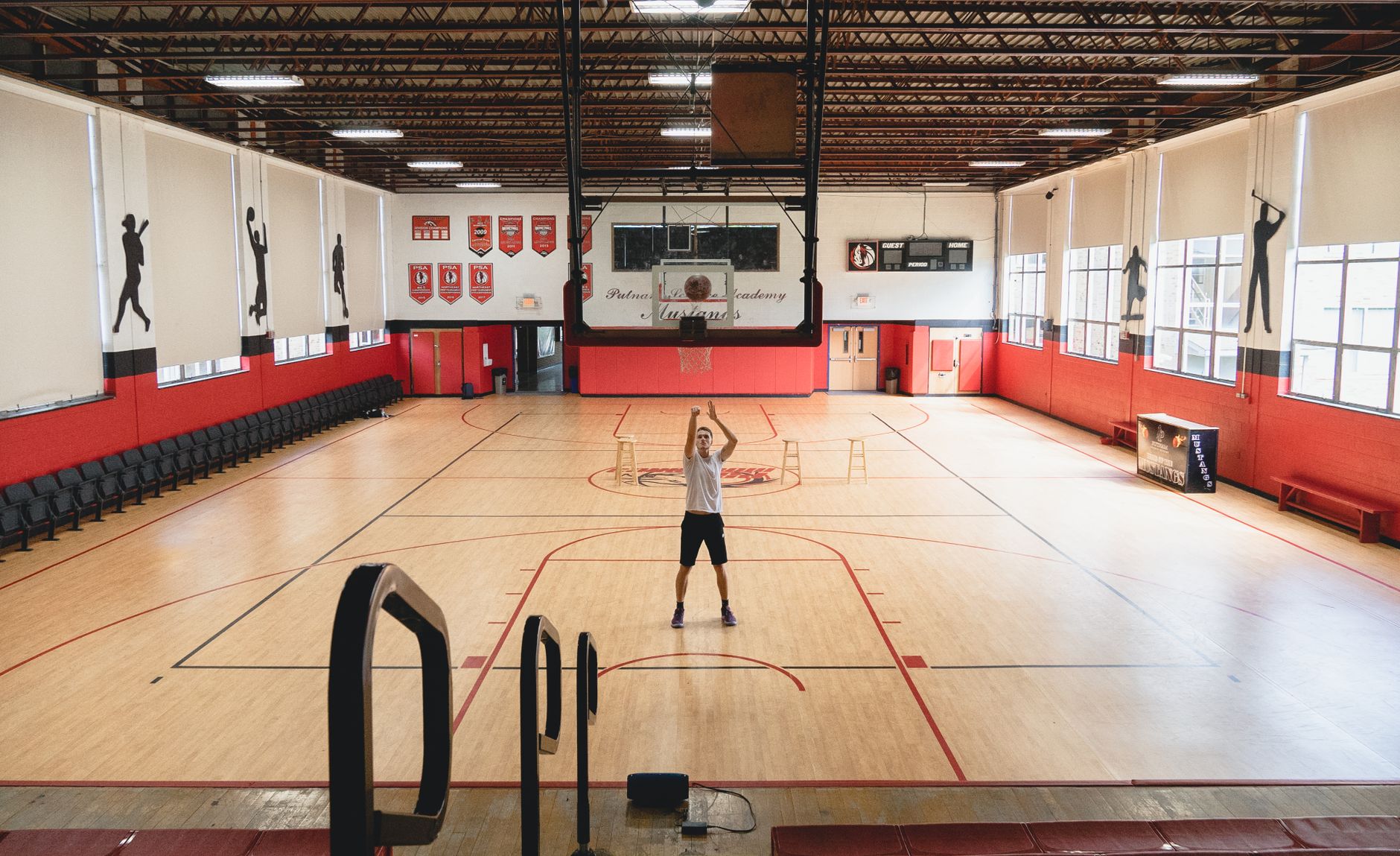
Water is the constraint, not navigation. Sports Floors Inc. says hardwood floors should not be cleaned with water based power scrubbers, and that wood expands and contracts with humidity. A robot that sprays and holds water on a court is the wrong tool for a maple or sprung floor, however well it maps the room.
Machine choice follows court size and surface. Cleanfix lists its RA660 Navi M at up to 1,400 square meters per hour, recommended from 500 square meters, and its docking station supports refill, drain, and recharge for 24/7 operation. FloorBotics lists its Quad 500, Quad 800, and Quad 1100 at up to 900, 1,800, and 4,000 square meters per hour, with sweep, scrub, or vacuum modes. These are published maximums checked on each vendor's page, so treat them as a starting point for a site test, not a promise.
A futsal venue may need different machines or different modes for the court and the concourse. The site assessment should measure both areas separately rather than averaging them.
How do you route around bleachers and goal storage?
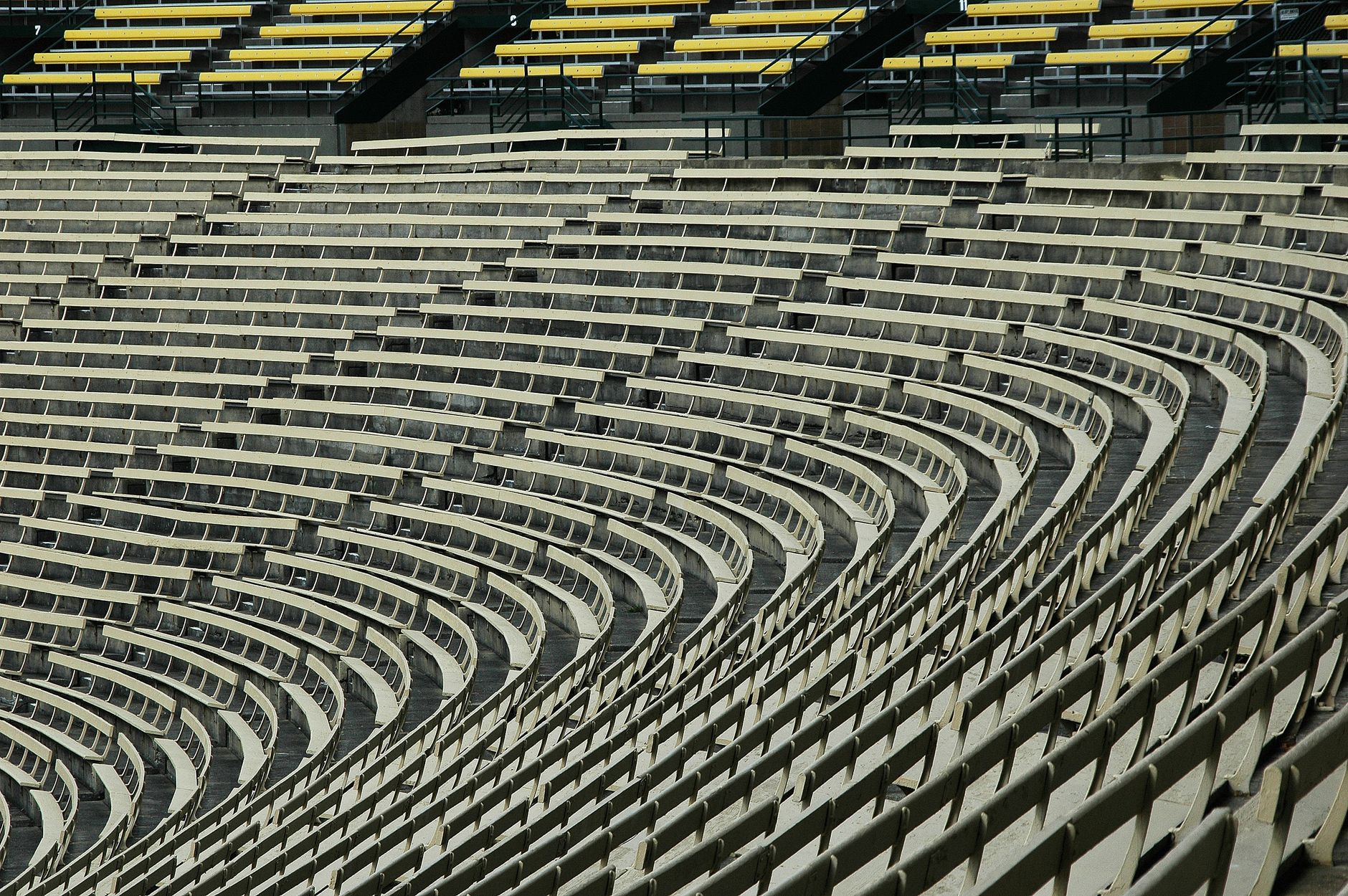
We did not find a source that addresses bleacher or goal cart routing directly, so the steps below rest on how gym and sports hall robots already handle fixed obstacles. Sproutmation's gym guidance says its robots use LiDAR and ultrasonic sensors to route around equipment, and that operators can define exclusion zones for fixed items. Cleanfix says its laser navigation follows straight paths without overlap, which helps a robot cover a court in clean lanes.
The practical order is to map first, then clear. Each bleacher footprint, goal base, and storage cage becomes its own zone, and any spot the robot cannot reach goes onto the manual task sheet.
- Measure bleacher clearance and mark whether the robot can pass beneath or only alongside.
- Map goal carts and storage cages as exclusion zones, and write their resting positions on the staff checklist.
- Clear mats, loose balls, and cones before each run, since Sproutmation says obstacles and mats must be cleared first.
- Run a test pass and walk the route to find blind corners and doorway thresholds.
What order should the league turnaround follow?
The sequence matters more than the machine. Sproutmation says robots should not run through high debris zones immediately after an event, and that trash pickup should come first. The order below keeps the robot off loose debris and gives it clean floor to work.
- Staff clear trash, bottles, and wrappers from the court edges, bleachers, and concourse.
- Dry sweep the concourse and entries before any machine enters.
- Run the court pass with the machine set for that surface and its water rules.
- Run the concourse wet pass last, then return goal carts and storage to their mapped positions.
When should robots run, and what stops them?
Overnight is the usual window. Sproutmation's gym guidance says many 24 hour gyms start a robot run around 1 AM and finish before the 5 AM crowd, and Cleanfix says programmable night schedules suit noise sensitive facilities. A futsal venue with late leagues and early youth clinics may have only a short gap, so the run goes in the gap, not in the peak.
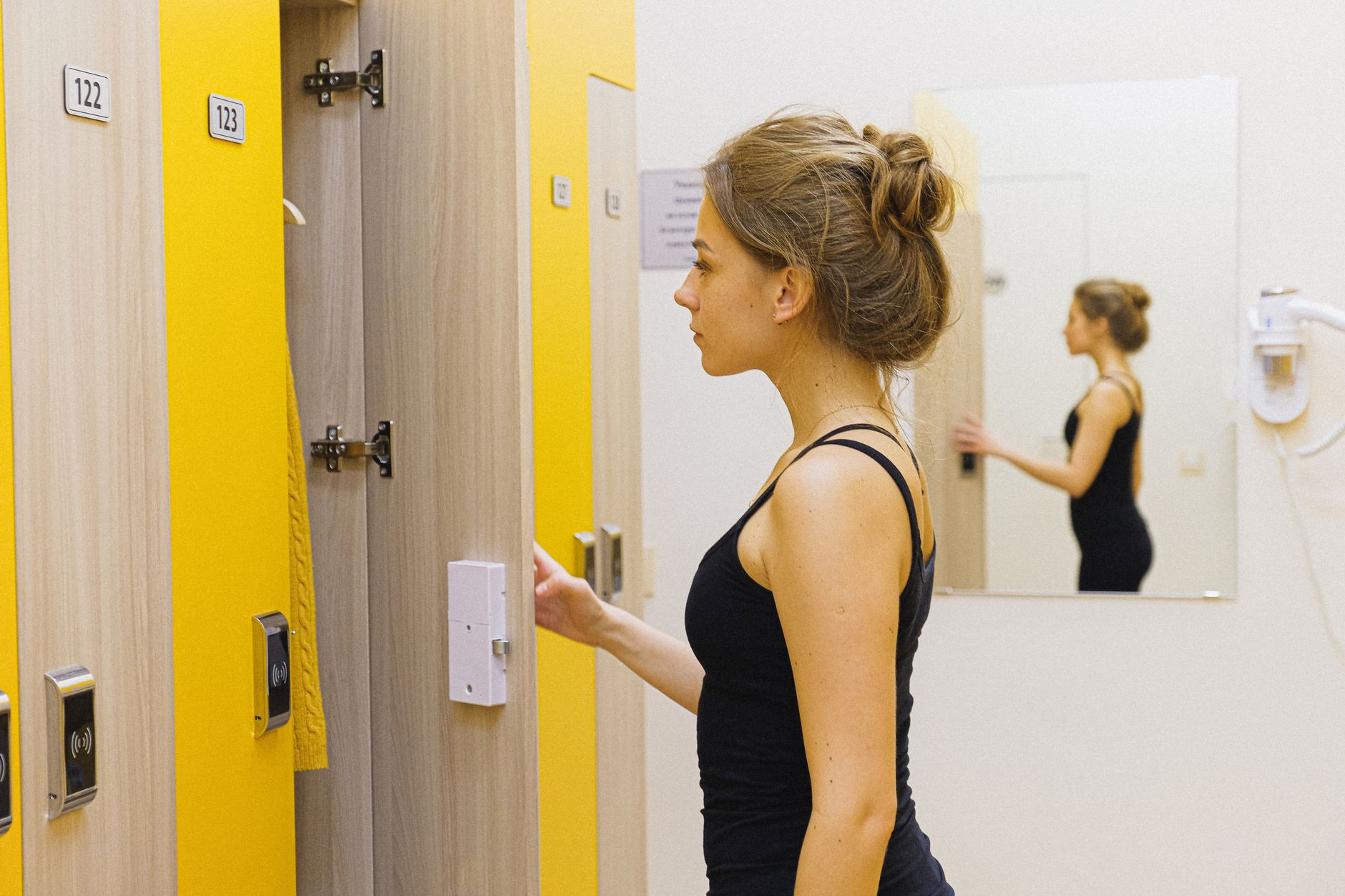
The failure points are fairly predictable. Sproutmation says locker rooms and showers are the most common failure point for gym cleaning robots, which makes clear floors and checked thresholds in changing rooms a priority. Robots also cannot use elevators or stairs, so a venue with an upper concourse or mezzanine needs one robot per floor or manual transport between levels.
How should you read the throughput and labor claims?
Every throughput figure in this article is a vendor figure. Sproutmation models that a 200,000 square foot arena typically needs 3 to 4 CenoBots L50 units for a post event pass within 5 hours, and it estimates that accessible floor area is 60 to 75 percent of total square footage. That accessible share is the number to plan from, because gross building area overstates what a robot can reach.
Labor and payback claims deserve the same caution. Treat any modeled labor drop as a model, and ask for the site test behind it. The machine should be timed on the venue's own court and concourse across real league nights, not on a brochure's ideal floor.
Where do a lease and a site assessment fit in?
Service Robot Co. works as a vendor neutral robot integrator. We select robots across manufacturers for the surface, the water rules, and the cleaning window, then lease the unit to the venue on a 3 year lease with one fixed payment quoted after a site assessment. We handle robot deployment and integration, train the crew, and service every unit through our nationwide US engineer network, so the venue deals with one partner and one number.
The site assessment is where the court, concourse, bleacher footprint, goal storage, and changing room thresholds get mapped before any quote goes out. That map is also where the court maker's water rules get written into the deployment plan, which is the step most often skipped when a venue buys a machine off a spec sheet.
Frequently asked questions
Sources
- Sport Court of Pittsburgh: Commercial Sport Court Maintenance Tips
- Oldgrowth: Maintenance
- Sports Floors Inc.: Care and Maintenance
- Cleanfix Robotics: Sports Halls
- FloorBotics: Public Venues and Sports Event Spaces Cleaning Solutions
- Sproutmation: Stadium and Arena Cleaning Robot
- Imperial Brady: Event Day Cleaning Playbook for Stadiums and Arenas
- Sproutmation: Gym and Fitness Center Cleaning Robot