Key takeaways
- A fairgrounds hall may have as little as 8 to 12 hours of cleaning window after teardown, according to one robot vendor's planning figures.
- Robots carry the repeat passes on open hard floor once load-out clears and the route is mapped.
- Heavy residue such as tape, paint drips and scuffs still needs a ride-on or manual pass before the robot runs.
- Between shows, booth layouts change, so how a robot learns its route matters as much as its speed.
How can an exhibit hall keep its floor ready between events?
A county fairgrounds exhibit hall can go from clean to debris-strewn in a few hours. The practical answer is to let robots carry the repeat passes on open hard floor, and keep people on the work robots cannot do, such as heavy residue, freight and load-in. That split only works when zones are mapped and the overnight schedule is built around the handover time.
The window is tight. According to Sproutmation, a robotics vendor, the next event can move in within 36 to 48 hours of a move-out, which can leave as little as 8 to 12 hours of cleaning window after teardown. Those are vendor planning figures, so test them against your own calendar.
Fairgrounds carry their own deadlines. The Illinois State Fairgrounds venue page says cleanup must finish immediately after an event or by 12:00 noon the following day, and multi-day events need daily cleanup. Whatever the robots do, the schedule has to land before that deadline.
Mapping zones before the first overnight run
Zoning is where most plans succeed or fail. FloorBotics, an Australian vendor, separates a venue into compact public areas, medium shared spaces, larger concourses and long-cycle areas, with shorter runs in quiet periods and longer ones before opening or after events. A fairgrounds hall maps well to that split, with entries and corridors as small zones and the main floor as the long-cycle zone.
Hall floors are rarely uniform. ORION STAR notes that convention centers combine hard-floor lobbies and halls with carpeted meeting rooms, and that buyers usually use a multi-function unit in transition zones or a small fleet of specialized machines. Sproutmation rates exhibit halls and lobbies as strong fits, while restrooms, carpet and kitchens rate weak.
Mapping method matters because booth layouts change between shows. According to ORION STAR's summary of manufacturer data, Tennant's T7AMR uses teach-and-repeat route setup, and operators drive the route again whenever a layout changes. Nilfisk's Liberty SC50 uses SLAM navigation without prior manual pre-mapping, per the same source. For a hall that reconfigures between events, that difference belongs in every vendor conversation.
What to schedule overnight, and what stays with the crew
The overnight window is for repeat work. Build the schedule backward from the morning handover, then sort each task by what a robot can finish and what a person must do first. The order matters: remediation first, then the robot, then the final touch-up.
- Ride-on pass with aggressive pads for tape residue, paint drips and scuffs, run first, because Sproutmation says a robot may not finish those spots on its own.
- Robot pass on open hard-floor aisles once load-out has cleared the floor and freight, forklifts and cable runs are gone.
- Robot or manual touch-up on entries, corridors and exit routes before the morning handover.
- Dust control before any dry sweep: lightly wet the aisles, since MSU Extension guidance says that reduces airborne dust and that pushing debris works better than vigorous sweeping.
How fast can a robot actually clear a hall?
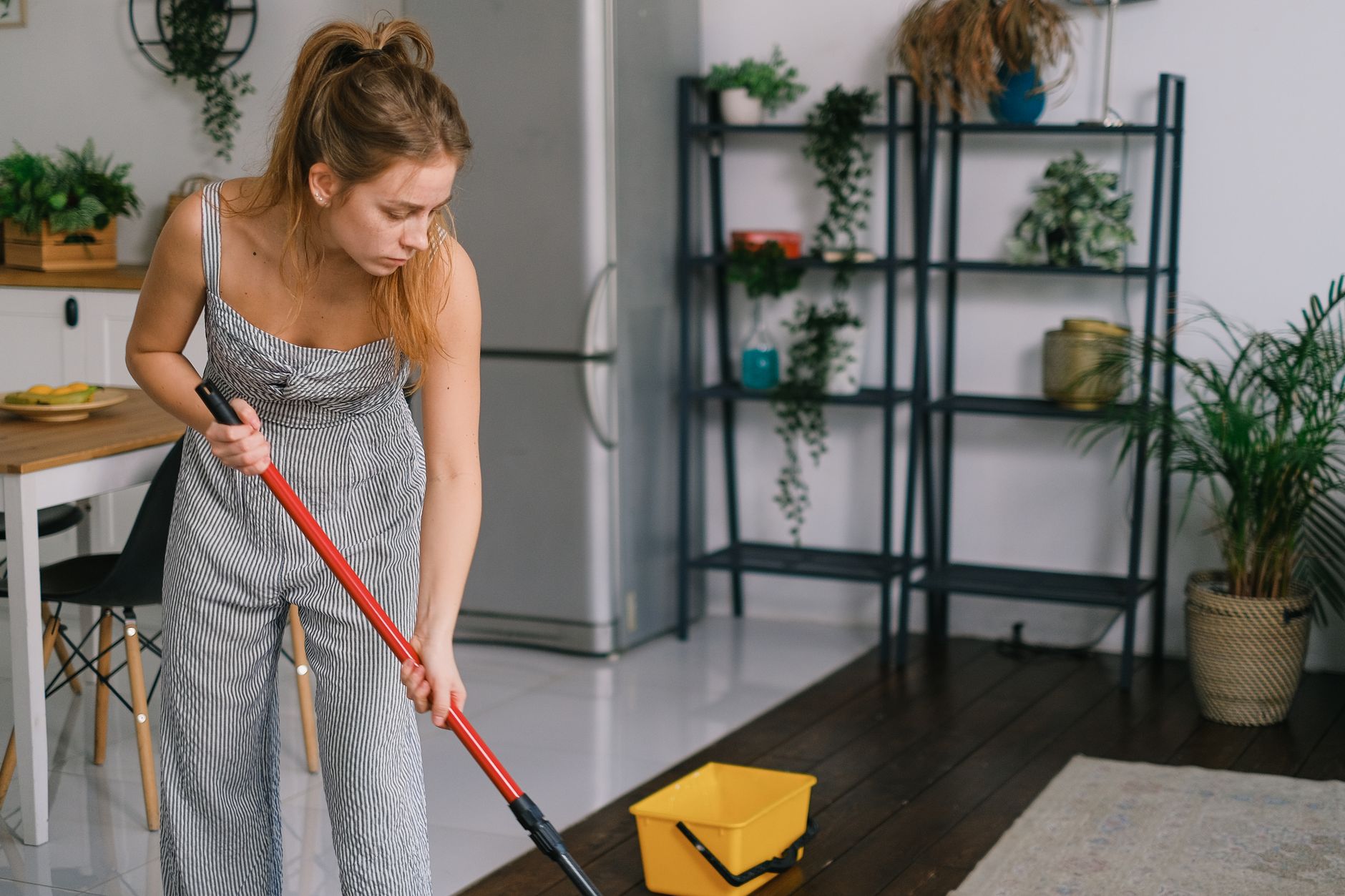
Vendor figures vary widely, so read them with room size and surface in mind. Mobotics, a distributor, reported in a case study dated March 25, 2026 that Sleepy Hollow Hotel and Conference Center in Tarrytown, New York used a PUDU CC1 Pro on a grand ballroom of about 9,000 square feet. The manual clean took around 6 hours, and the robot finished in about 75 minutes in a demo. A demo is not a daily average, but it shows the scale.
Sproutmation gives larger scenarios. It estimates a traditional crew of 10 with ride-on scrubbers takes 8 to 12 hours to clean 400,000 square feet. Its own pages give different results for four CenoBots L50 units, roughly 8 to 11 hours in one place and about 5.2 hours in a scenario table, so pick one figure, attribute it, and test on your own floor. For a 200,000 square foot arena, its stadium guide says three to four L50 units typically finish a post-event pass within 5 hours.
RobotLAB, in a vendor blog checked in 2026, reported that autonomous cleaning robots increased total coverage by 40 percent at Spokane's convention center. That describes coverage rather than hours, and the summary we reviewed gave no baseline, so treat it as a direction, not a benchmark.
Where a robot stops and the crew takes over
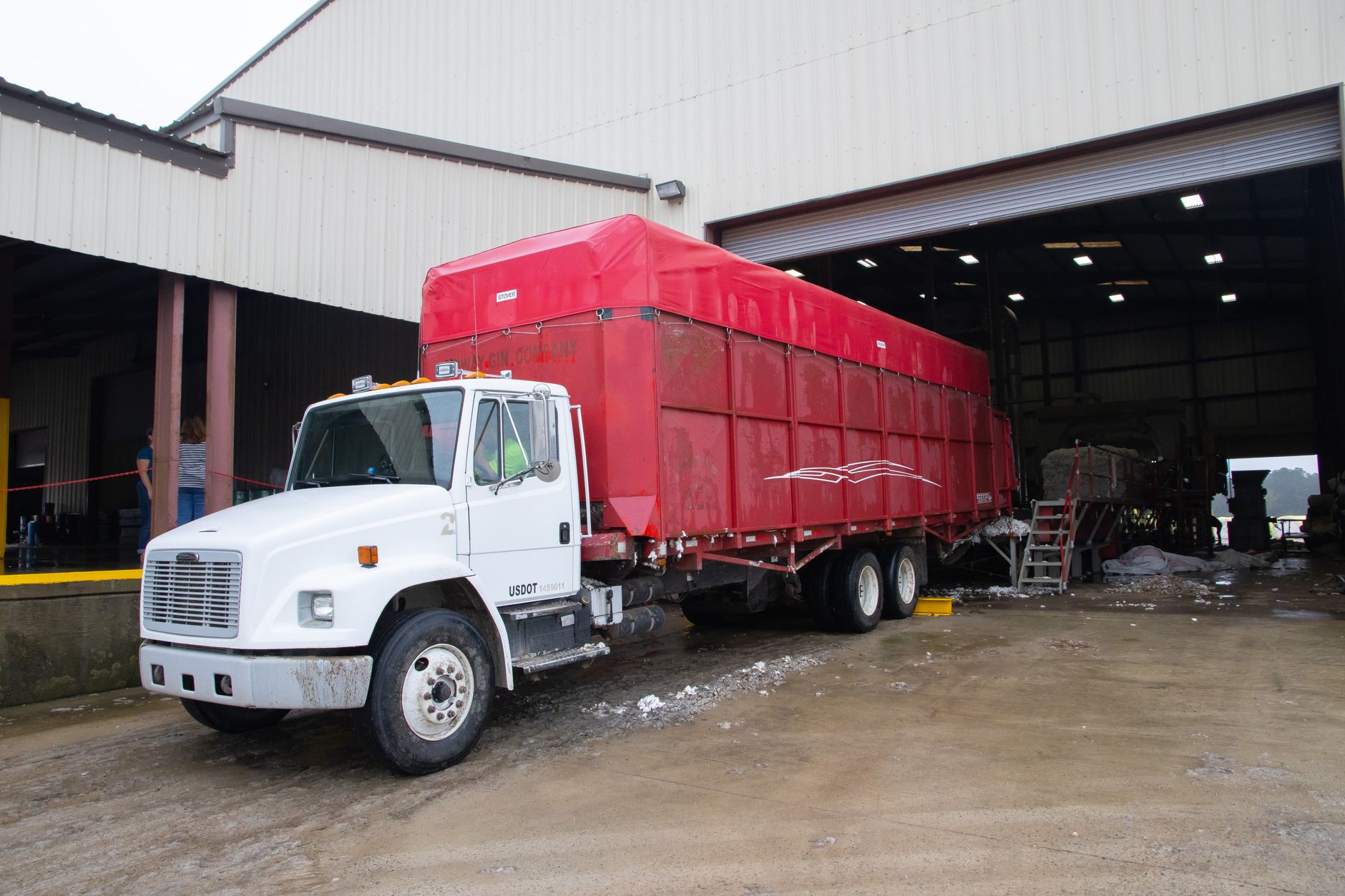
Robots need clear floors. Sproutmation says they cannot operate safely during active load-in with freight, forklifts and cable runs. The robot window opens only after the last pallet leaves and the cable runs are pulled or taped down.
Dust is a crew problem before it is a robot problem. MSU Extension's older guidance notes that ventilation and bedding choices drive dust levels in fair and exhibition barns, so schedule the dusty work before the robot passes, not after.
Livestock barns are a different job. At the NYS Fair, crews cleared barns on changeover day with skid steers, shovels and payloaders, and nightly manure runs went to concrete holding areas outside. That work belongs in its own plan, separate from the hall routes the robots cover.
Which robot types fit a fairgrounds hall
As of October 2026, manufacturer data summarized on ORION STAR's product pages lists the figures below. These come from the manufacturers and, for runtimes, from lab conditions, so compare them on your own floor rather than against each other.
- Tennant T7AMR: ride-on with BrainOS, teach-and-repeat route setup, a 110-liter solution tank, and manual-mode coverage up to 4,250 square meters per hour as quoted by the manufacturer.
- Pudu MT1: sweeper and vacuum for dry debris and carpeted zones, with a minimum aisle width of 750 mm.
- Nilfisk Liberty SC50: SLAM navigation without prior manual pre-mapping, and a certified sound level of 63 dBA.
- Gausium Scrubber 50: LiDAR mapping, an RGB camera for AI spot cleaning, and an optional workstation for water and charging.
- OrionStar CleaniBot S55 Pro: scrubbing up to 1,197 square meters per hour and sweep or vacuum up to 1,368 square meters per hour, with runtimes from 4.5 hours for scrubbing to 28 hours for dust mopping.
How a fairgrounds team gets a robot program running
Service Robot Co. is a full-service commercial robot integrator for US businesses. We are OEM-neutral, so we start with a site assessment that maps the halls, zones and event calendar, then pick robots across manufacturers rather than pushing one brand. Deployment, integration, staff training and service run through our nationwide US engineer network.
We lease robots on a 3-year lease, with one fixed payment quoted after the site assessment. For a fair board weighing overnight coverage against crew hours, one fixed figure is easier to plan around than a stack of separate charges.
Before committing, ask any integrator, including us, for the zone map, the route log from the first week, and a timed test on your heaviest hall. Crews then know whether the robots are carrying the repeat work they were meant to carry.
Frequently asked questions
Sources
- Sproutmation: Convention Center Cleaning Robots (March 2026, vendor-reported)
- Sproutmation: Stadium and Arena Cleaning Robot Guide (March 2026, vendor-reported)
- Mobotics: Hotel Cleaning Robot Case Studies (March 25, 2026)
- Elston Cleaning: Illinois State Fairgrounds Events
- MSU Extension: Air Quality in Fair and Exhibition Barns
- ORION STAR: Product Page (CleaniBot S55 Pro, checked October 2026)
- ORION STAR: Product Page (Tennant T7AMR, Pudu MT1, Nilfisk Liberty SC50, checked October 2026)
- FloorBotics: Public Venues and Sports Event Spaces Cleaning Solutions