Key takeaways
- CDC guidance calls for emergency department waiting and admission areas to be cleaned at least once daily, plus as needed for visible soiling and spills.
- Thin night housekeeping coverage leaves waiting room and corridor floors to scuff, track and collect spills until morning.
- Floor robots suit the open waiting room and corridor floors between surges, while staff keep patient rooms, isolation spaces and disinfection.
- Clear trolleys, chairs, cords and magazines from the robot's lanes before each run, and log every pass.
- A floor robot cleans the floor. It does not provide medical-grade disinfection and does not replace a trained spill response.
Can a floor robot keep an ED waiting room ready overnight?
Yes, for the open floor. A floor robot can take over the repeatable work of scrubbing or sweeping the waiting room, the entry and the main corridor during the quiet hours between surges. It does not take over disinfection, patient-care rooms or spill response, and it works best as one part of a night plan that still has staff in the building.
The cleaning floor is set by public guidance. According to CDC's healthcare cleaning procedures, emergency department waiting and admission areas need cleaning at least once daily, with high-touch surfaces and floors included. CDC's appendix B2 adds that these areas need cleaning as needed, for example when visibly soiled or after blood or body fluid spills.
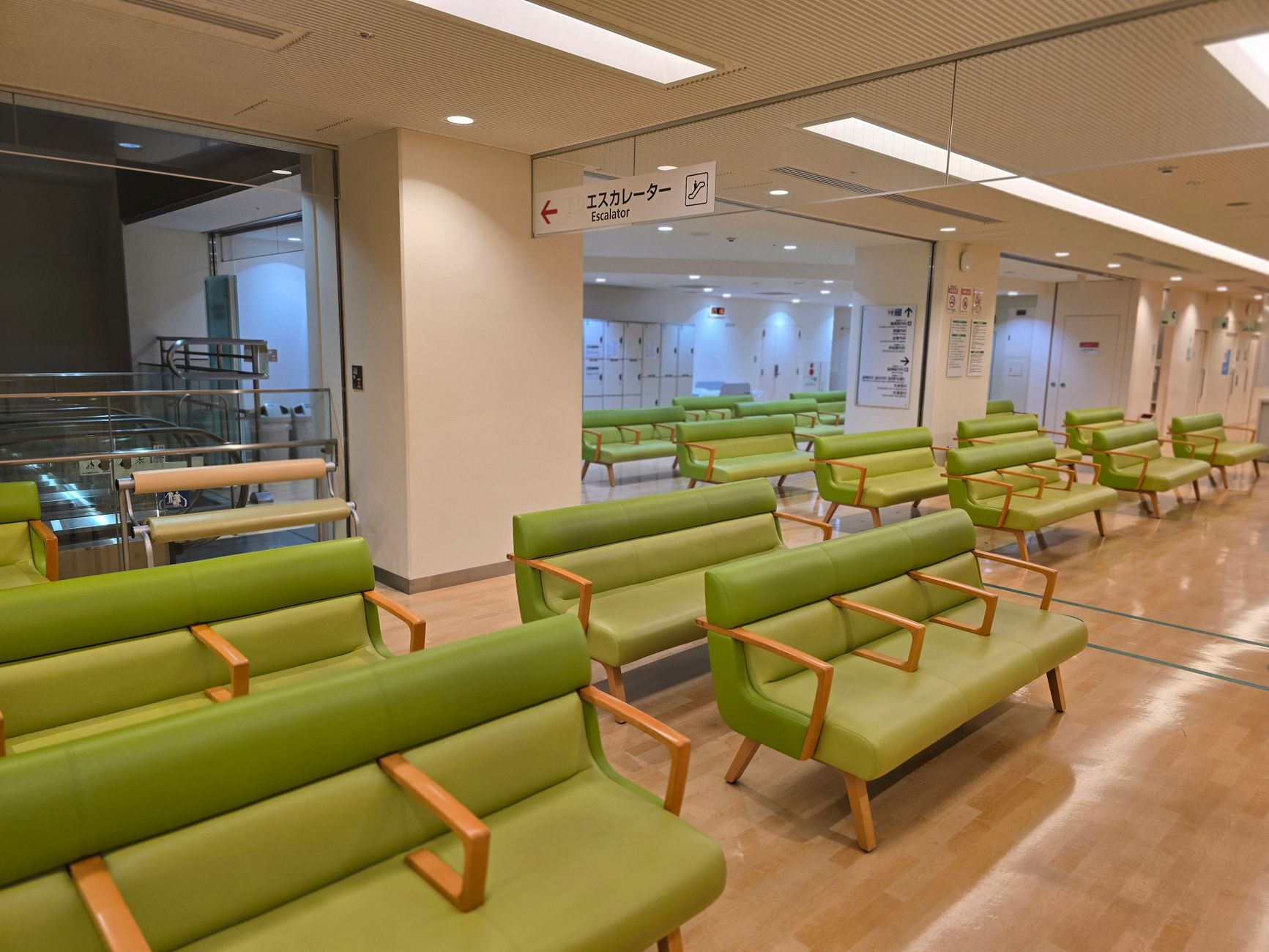
Overnight is when that floor takes the most abuse and gets the least attention. Wet shoes, gurney wheels and tracked-in grit build up through the night, and by the time the first registration clerk unlocks the door, a dried track line can become a slip risk.
Why night housekeeping coverage thins out
Staffing explains why the floor gets left. The American Hospital Association's 2026 Health Care Workforce Scan reports that burnout, vacancies and administrative burden remain top concerns for health care leaders. FTI Consulting's 2026 Hospital Operations Outlook, based on a survey of more than 200 leaders, says workforce pressures now eclipse quality of care as the top clinical concern.
Those reports cover the whole workforce, not environmental services specifically. NSI's 2026 retention report puts the national RN vacancy rate at 8.6 percent, but we did not find an independent 2026 figure for housekeeping vacancies, so this article does not state one.
When one or two people cover a whole building overnight, something waits. Patient rooms and bathrooms are the first call, and the waiting room floor is often the one that slides to morning.

Where floor robots fit between patient surges
A floor robot earns its place on the long, open, repeatable passes. Those are the waiting room floor, the entry mat zone and the main corridor, where the route is predictable and the traffic is heavy. Patient rooms, isolation spaces and restrooms stay with trained staff.
Vendor figures show the coverage a unit can claim, though these numbers come from the manufacturers. SoftBank Robotics reports that a top-5 US hospital network running two Scrubber 50 Pro units cut scrubbing hours by 50 percent and covered about 50,000 square feet autonomously each shift. Treat that as one site's result, and measure your own floor before you plan around it.
Frederick Health Hospital in Maryland offers a before-and-after account in a Tennant case study. The EVS director, Don Moody, says the crew can spend more time disinfecting rooms, engaging with patients and cleaning bathrooms more often while the robot handles floors. The hospital had used manual scrubbers that left water behind, which created a slip risk. It is a vendor-written case study, so read it as the vendor's account.
Other manufacturers serve this ground too. According to ORION STAR's guide, the Gausium Scrubber 50 Pro is described for hospital atriums and main lobbies, with downward depth cameras that detect hanging objects. The same guide describes the Avidbots Neo 2 with an optional workstation that handles automatic charging, water refill and wastewater discharge. Compare the options on your own floor plan rather than on a spec sheet.
What to keep out of the robot's lanes
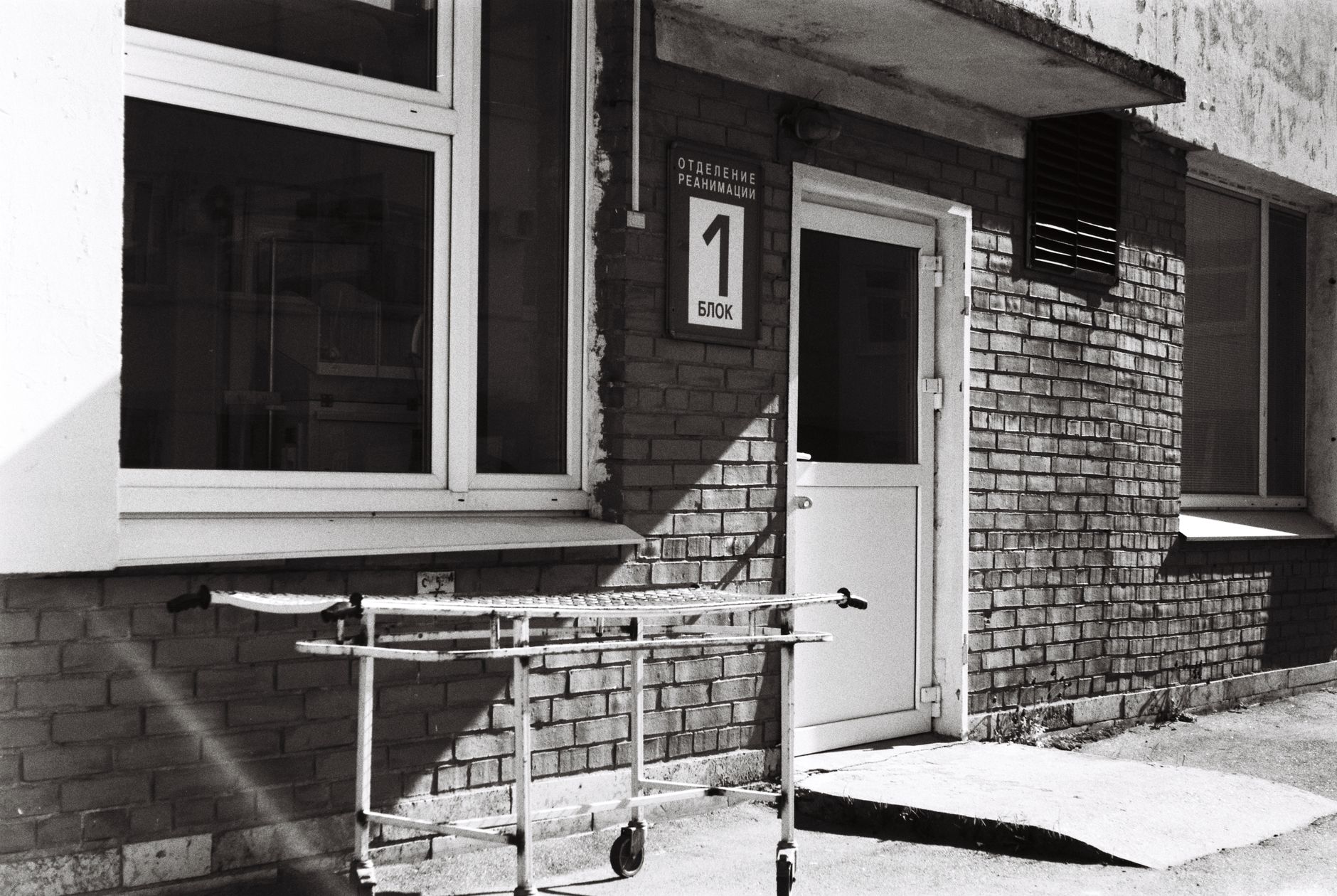
A waiting room is not an empty room. An academic paper on human-aware navigation, published on arXiv in 2024, notes that emergency department corridors may not be crowded but are cluttered with trolleys and appliances. Those obstacles are exactly what a robot has to route around, and they are what makes a pre-run walk-through worth the time.
Before each run, check these items:
- Wheelchairs and transport trolleys parked out of the travel path and clear of the entry mat
- Mobile signage, portable screens and display racks pushed flush against walls
- Chair-side cords, charging cables and floor-level power strips routed off the floor or taped down
- Waiting room magazines and loose paperwork removed, since INSPQ guidance on Quebec emergency departments says magazines cannot be cleaned and disinfected and experts recommend not keeping them
- Standing water, fallen mats and fresh spills handled by staff, then released, before the robot is sent
How do you keep the room ready for morning registration?
Registration opens at a fixed hour, so the schedule matters as much as the machine. A robot should finish its main pass and have its charging dock placed out of the path of people and wheelchairs, so that it is ready to run again if a surge brings in fresh tracking. Plan the window backward from the first patient arrival, not forward from the end of the night shift.
Logs help the morning shift. ORION STAR notes that robot logs can produce audit-ready records that help infection prevention teams. Those records carry a data question, though. ORION STAR also says that cloud, camera and mapping features require GDPR and HIPAA review before deployment in patient-care areas, so involve privacy and compliance staff before turning on anything that records.
What a floor robot cannot do in an emergency department
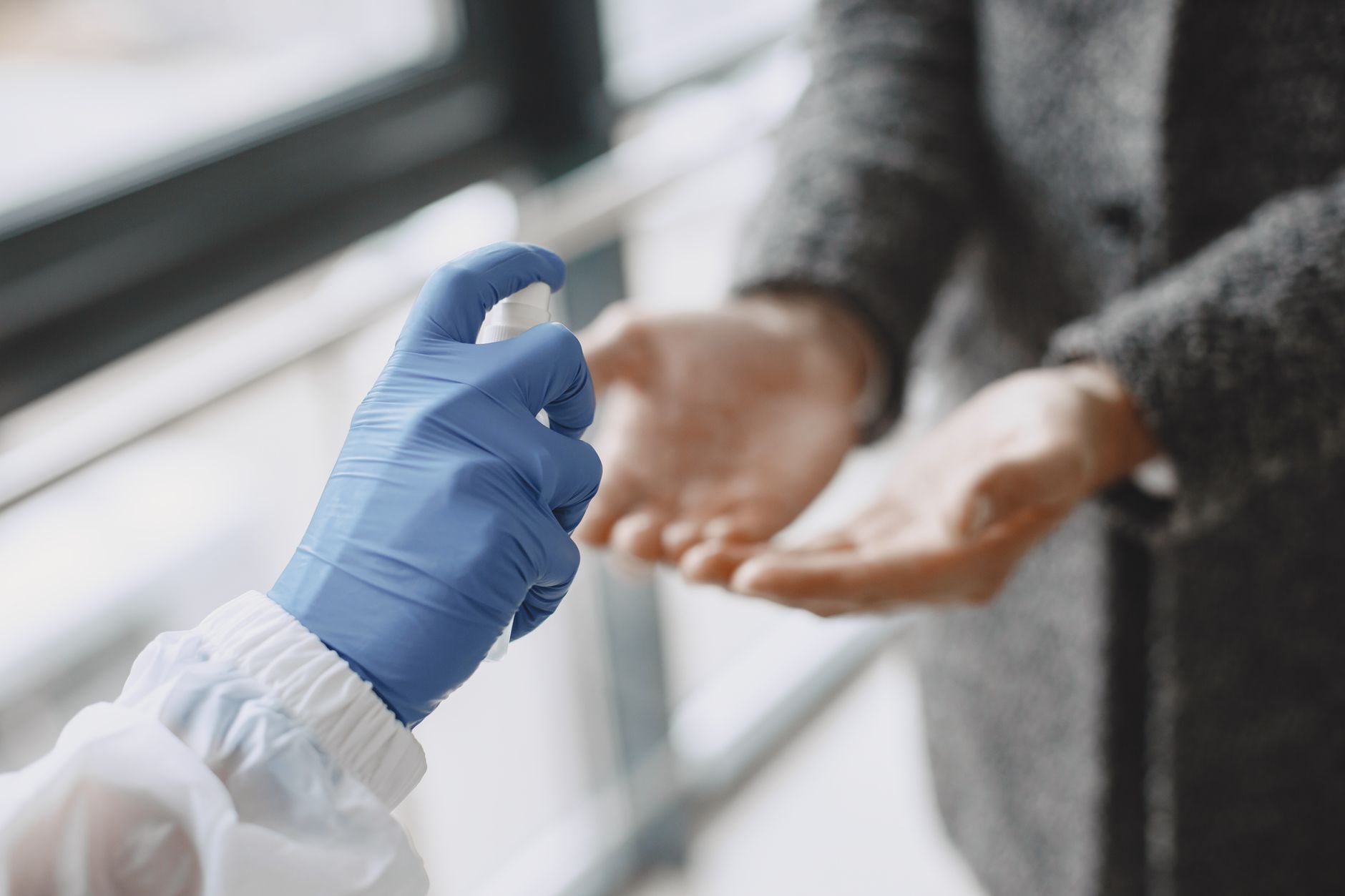
A cleaning robot does not disinfect the room. ORION STAR states that a commercial cleaning robot does not provide medical-grade disinfection. Disinfecting high-touch surfaces such as chairs, counters and door hardware remains a staff task using approved products and procedures.
Blood and body fluid spills call for a trained response, not a scheduled pass. The robot should run only after the spill has been handled and the area released. Write that handoff into the night protocol so that the robot does not drive through a spill, and so that nobody assumes the floor has been dealt with when it has not.
How a Service Robot Co. lease fits a single-building night plan
Service Robot Co. starts with a site assessment, which maps the entry, corridors, staging areas and charging location before any quote. We lease robots on a 3-year lease, with one fixed payment quoted after that assessment. We are OEM-neutral, so we select the unit that fits the floor across manufacturers, then deploy and integrate it, train the night and morning staff, and service it through our nationwide US engineer network.
For an ED waiting room, that means one accountable partner for the floor, the schedule and the service calls, rather than separate contracts for the robot, the training and the repairs. Start with the open floor, measure the results over a few weeks, and widen the plan only when the logs support it.
Frequently asked questions
Sources
- CDC Healthcare Cleaning Procedures
- CDC Appendix B2, Cleaning Frequency
- AHA 2026 Health Care Workforce Scan
- Tennant case study: Frederick Health Hospital
- SoftBank Robotics Scrubber 50 Pro
- Human-Aware Navigation paper, arXiv 2409.17131
- ORION STAR autonomous cleaning robot guide
- INSPQ infection prevention in emergency departments